Reducing risk across multiple hiking safety systems
Hiking safety is not about eliminating risk. It is about understanding where risk comes from and reducing the likelihood that small problems escalate into serious incidents. These articles cover hazard recognition, emergency preparation, safety equipment, and practical responses to things going wrong on Australian trails, building the self-reliance and judgement needed to make better decisions under pressure.
Our approach is built on the Hiking Safety Systems Framework. Learn how eight interconnected systems work together →
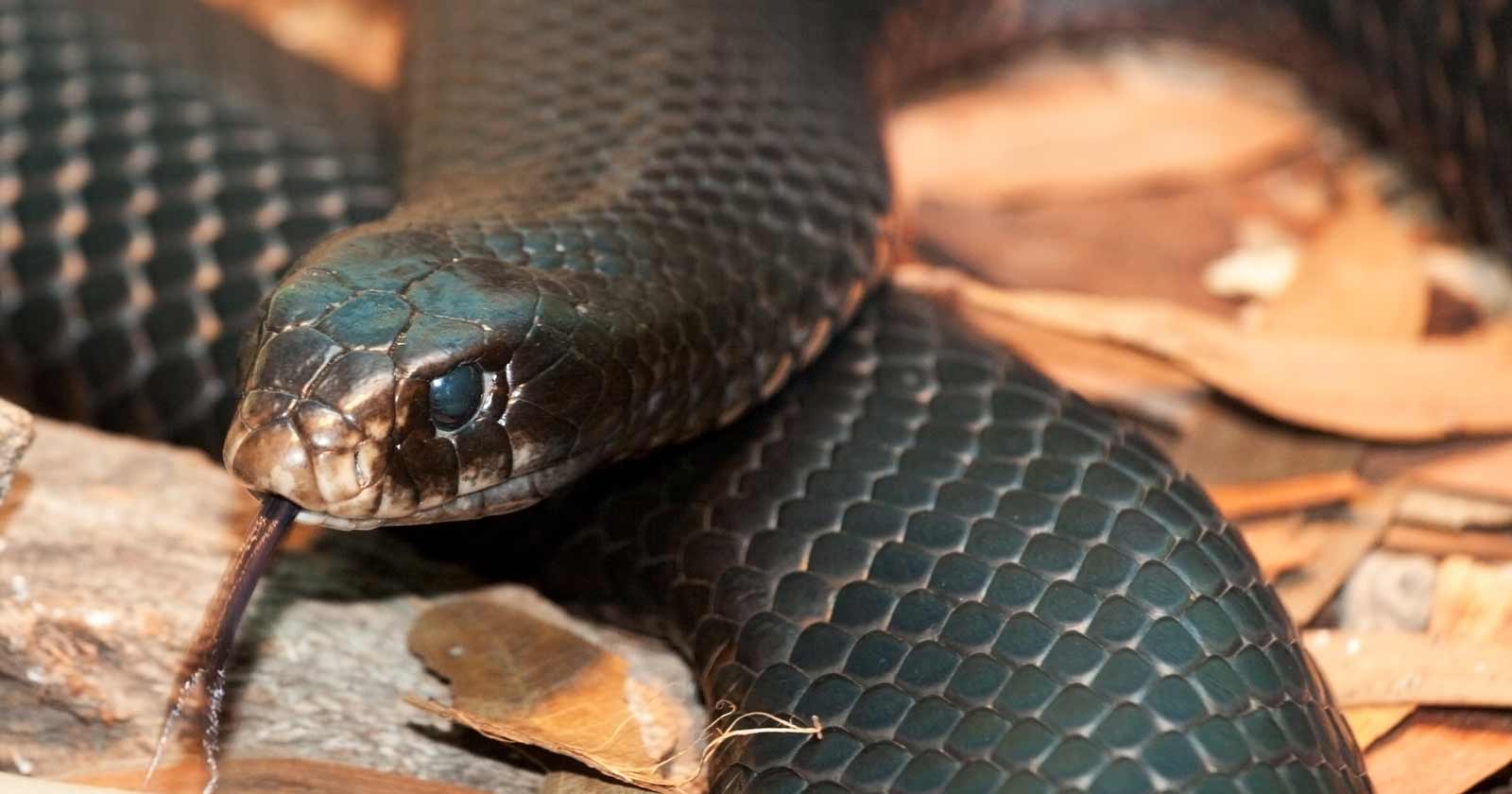
5 mistakes hikers make with Australian snakes
Read more →Five mistakes hikers make with Australian snakes, from chasing species ID to skipping first aid, and why fixing them matters more than fear.
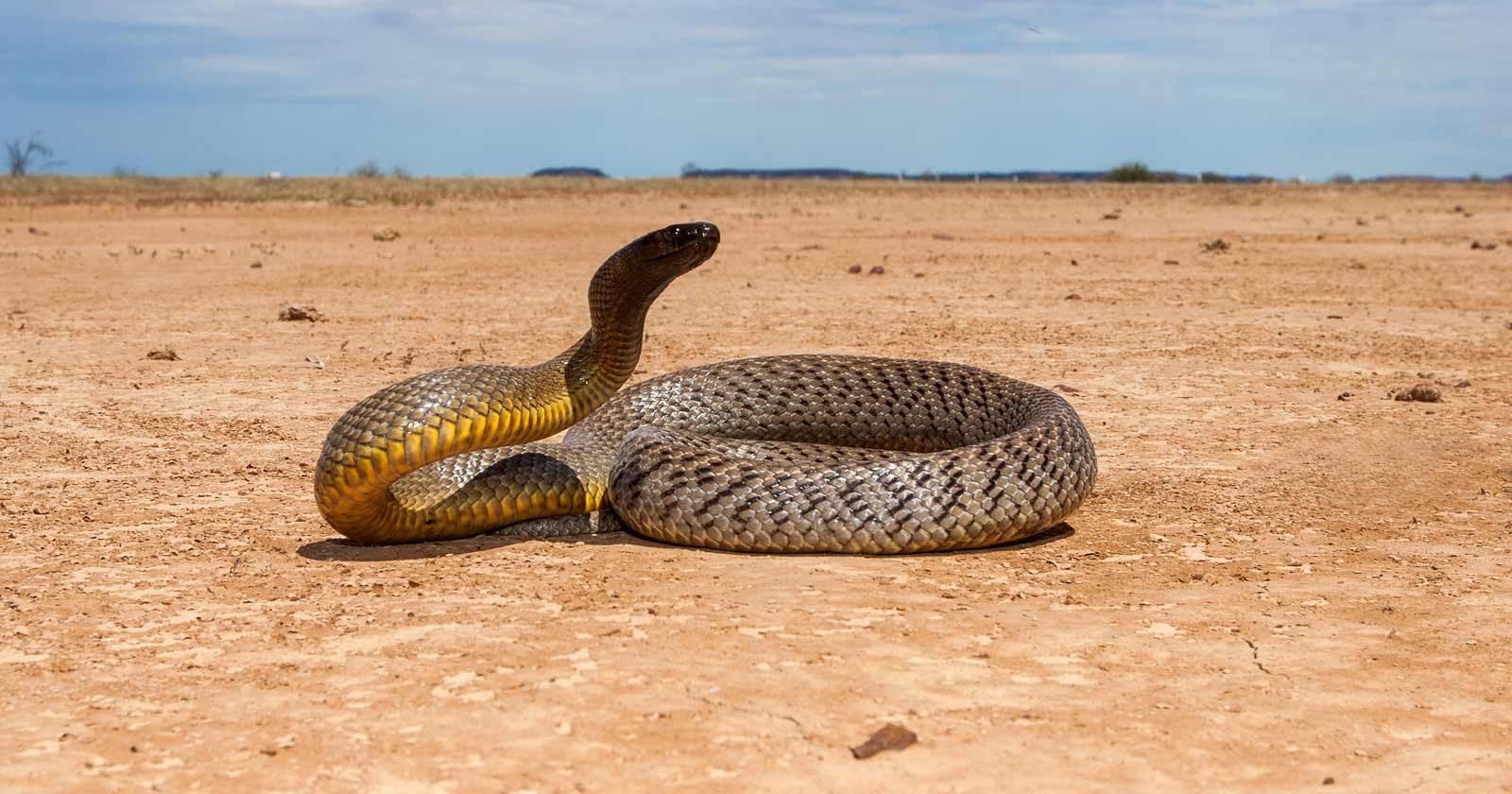
Australia’s Venomous Snakes: A Hiker’s Guide
Read more →A hiker’s guide to Australia’s eastern brown, red-bellied black, and tiger snakes, focused on habitat, prevention, and correct first aid over species ranking.
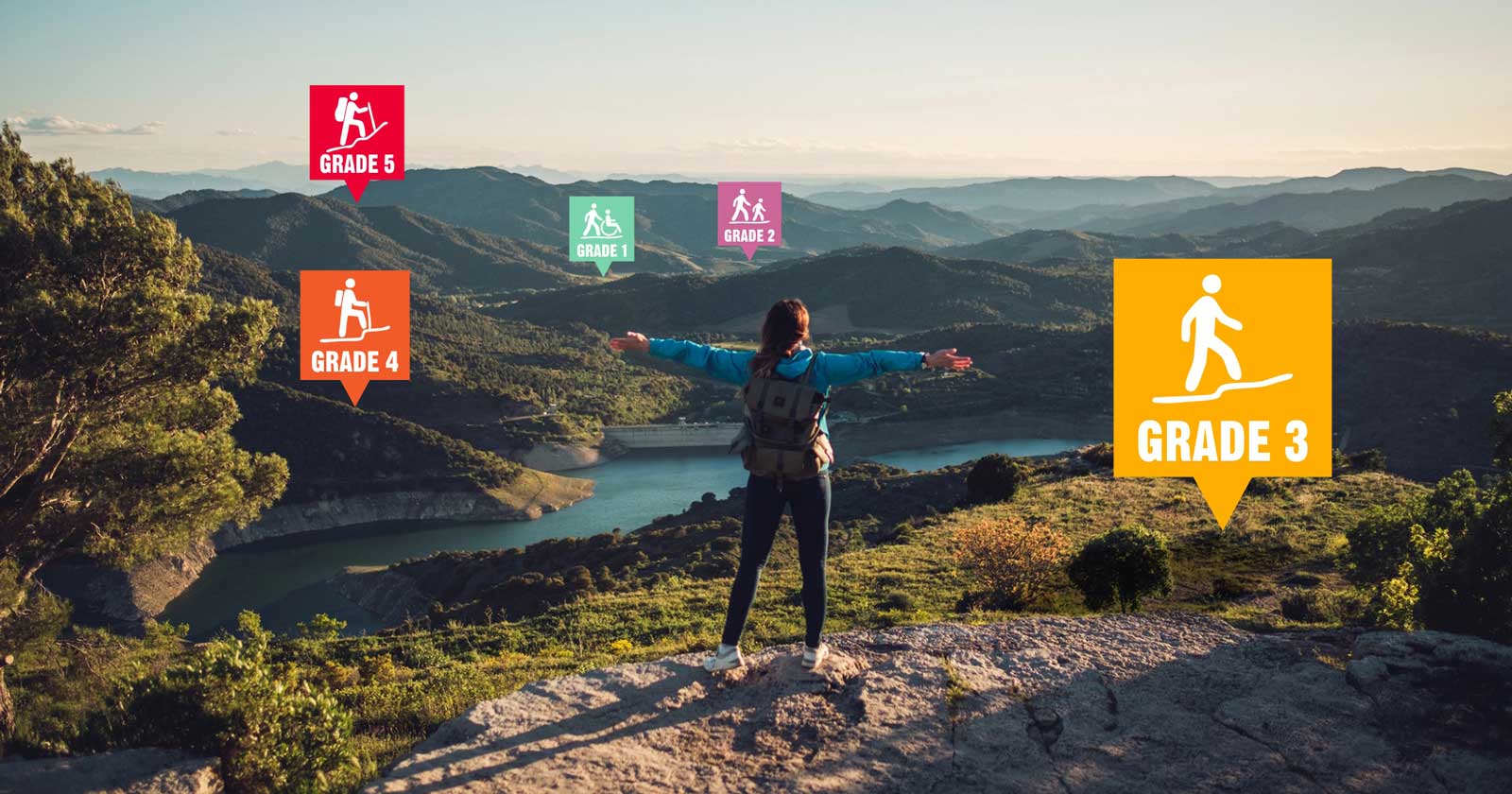
Australian Walking Track Grading System (AWTGS)
Read more →A plain-English guide to the Australian Walking Track Grading System (AWTGS), covering all five grades, what each one demands, and its limitations.
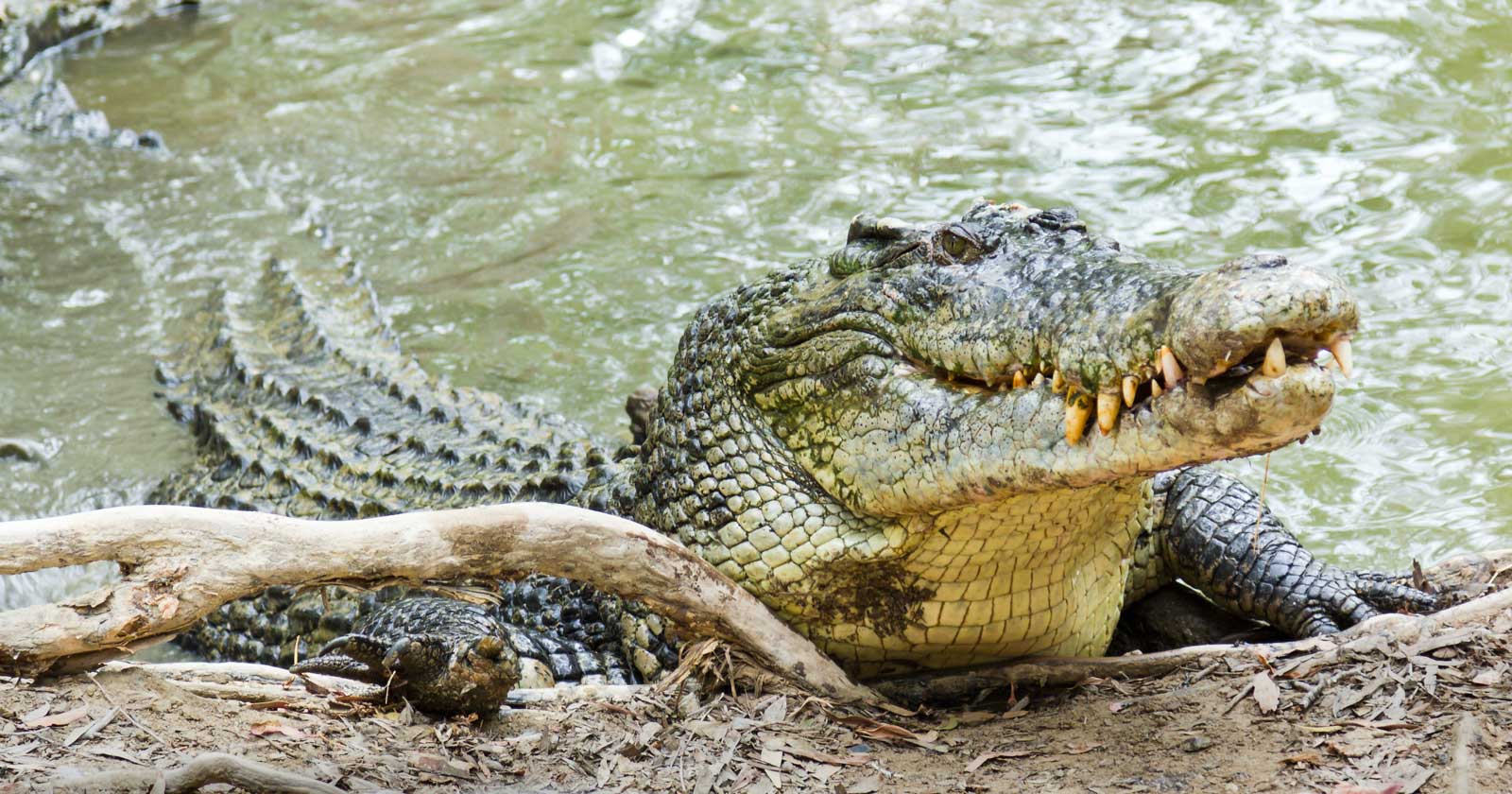
Australian Wildlife to Avoid When Hiking
Read more →How snakes, spiders, crocodiles, dingoes and other Australian wildlife actually pose risk to hikers, and the habits that keep encounters safe.
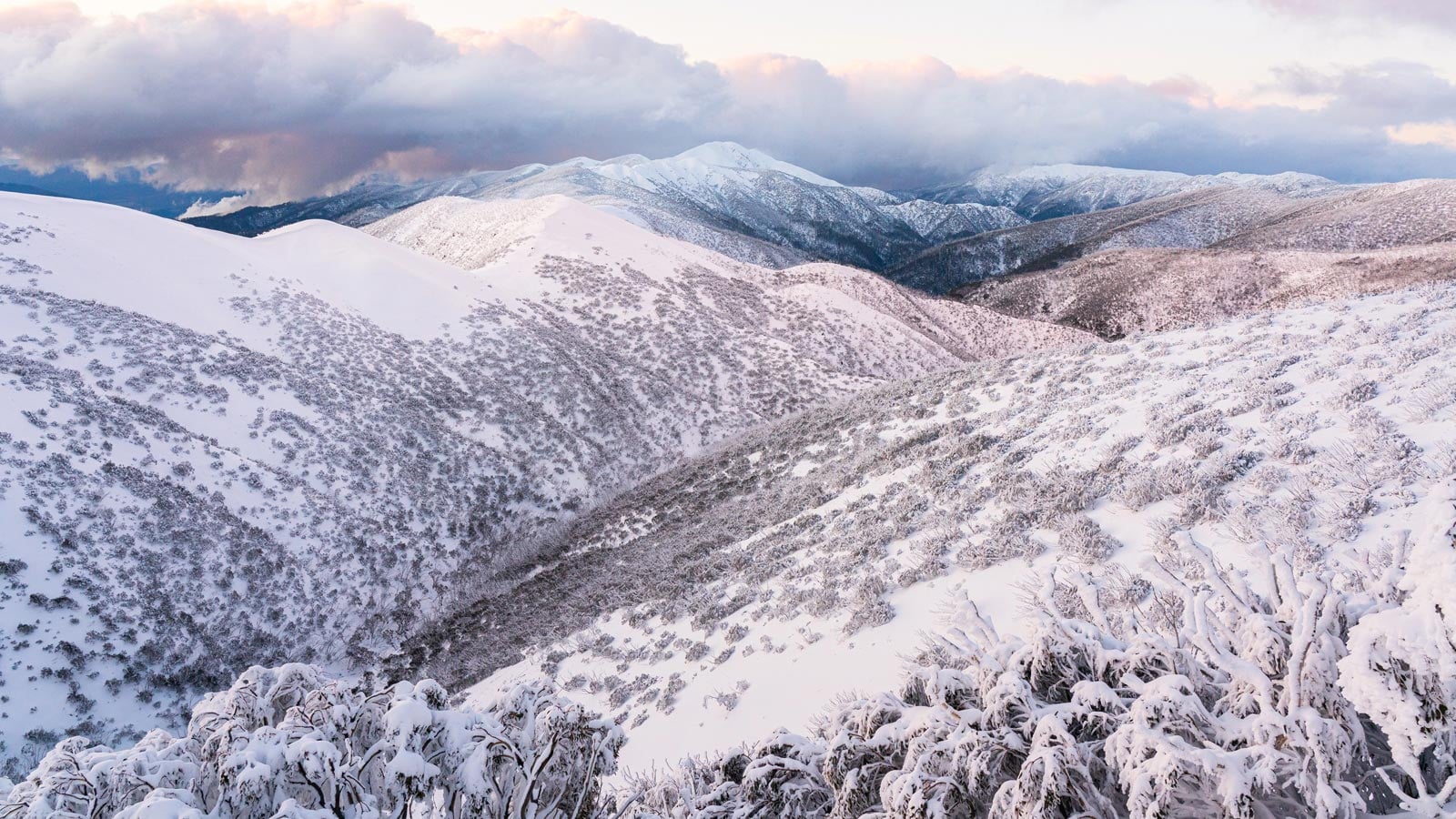
Avalanche Awareness for Australian Hikers
Read more →Avalanche risk does exist in the Australian Alps, Snowy Mountains and Tasmania. How to recognise warning signs and why avoidance beats rescue gear.
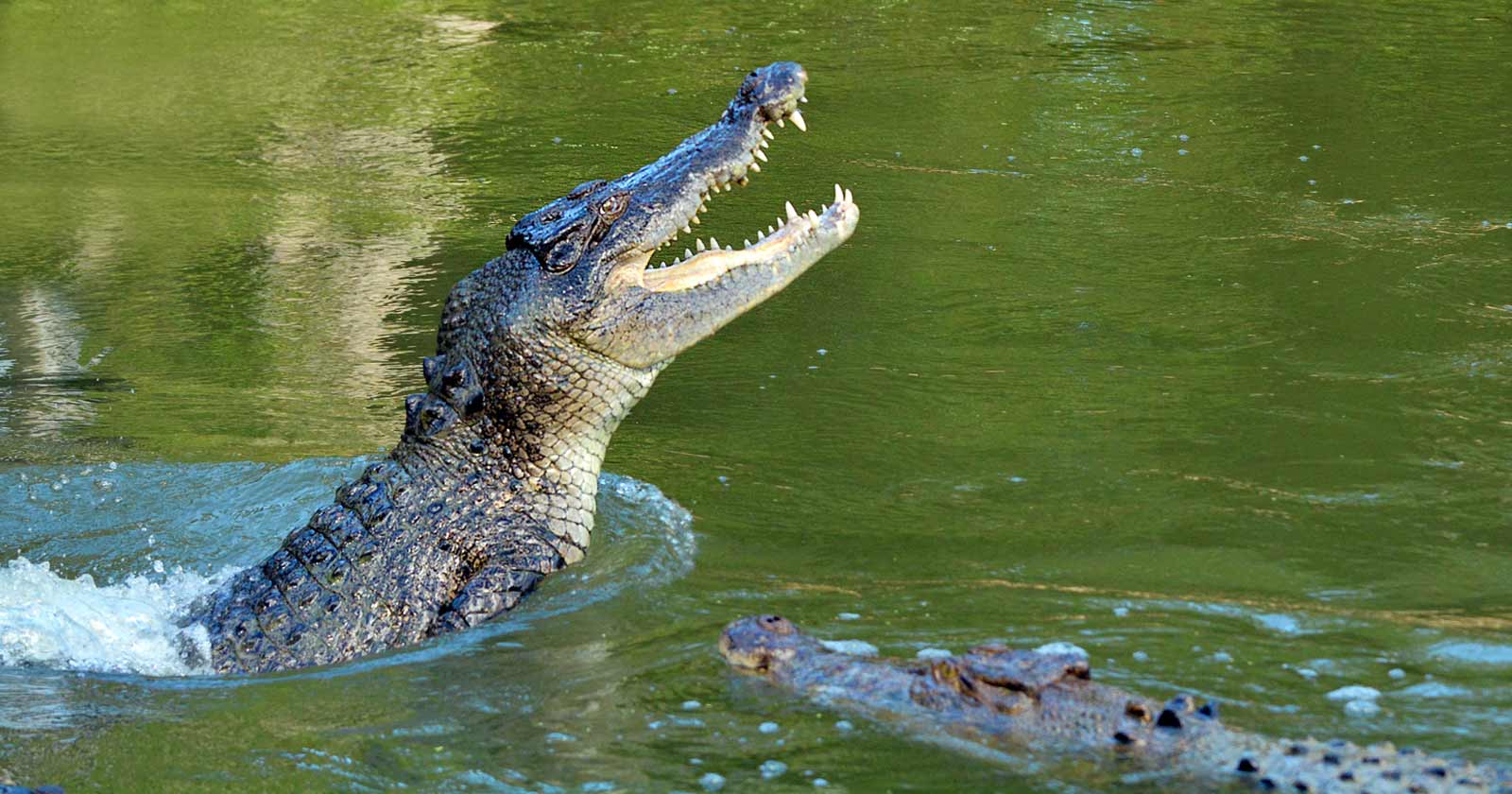
Be Crocwise: staying safe hiking in Australia’s Top End
Read more →How to stay safe from crocodiles when hiking Australia’s Top End: camping distance, water routines, fishing, breeding season risk and Crocwise guidance.
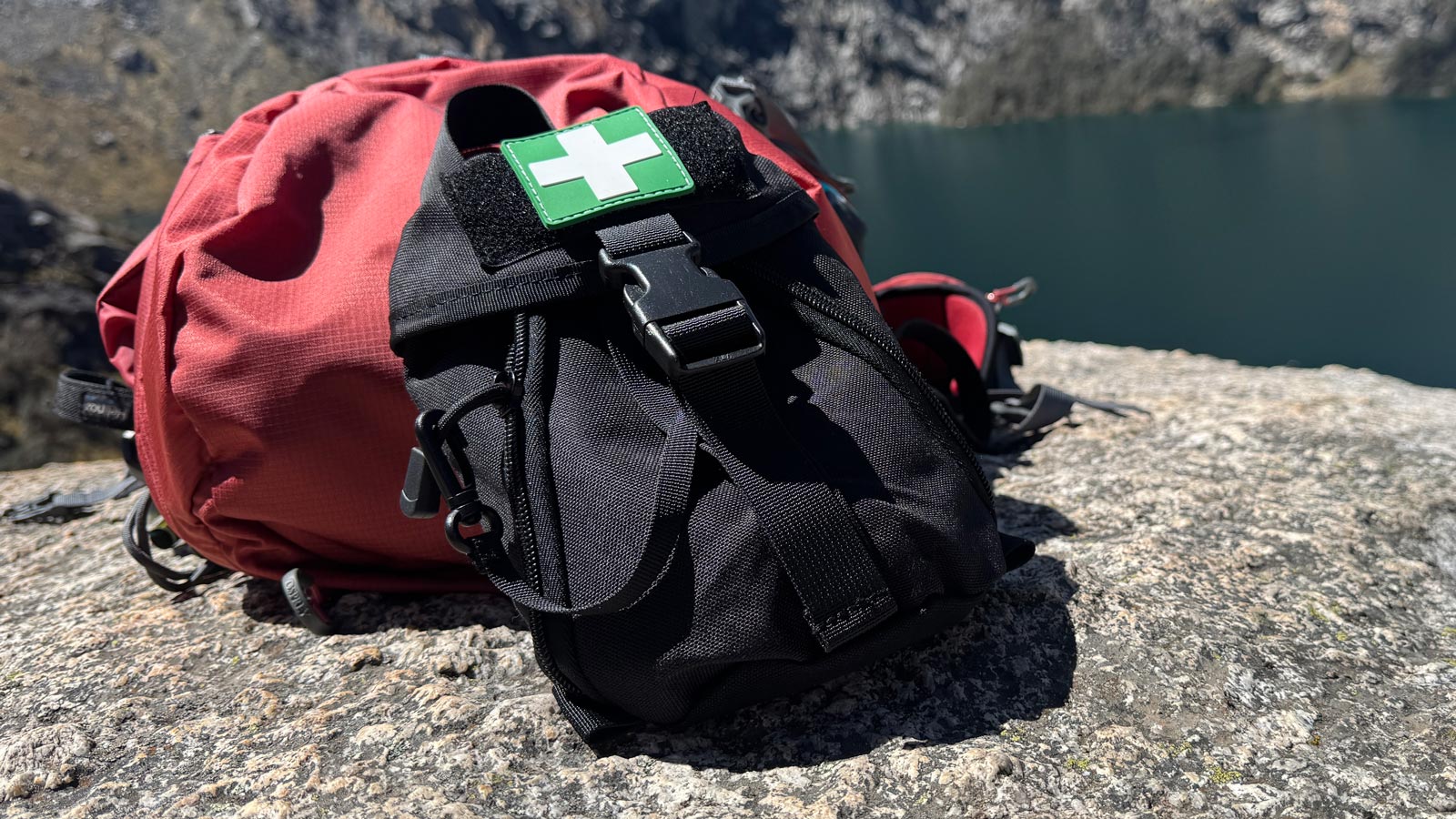
Building a practical survival kit for hiking
Read more →What actually belongs in a hiking survival kit: navigation, water, fire, first aid, repair, food, and the pocket kit versus pack kit split.
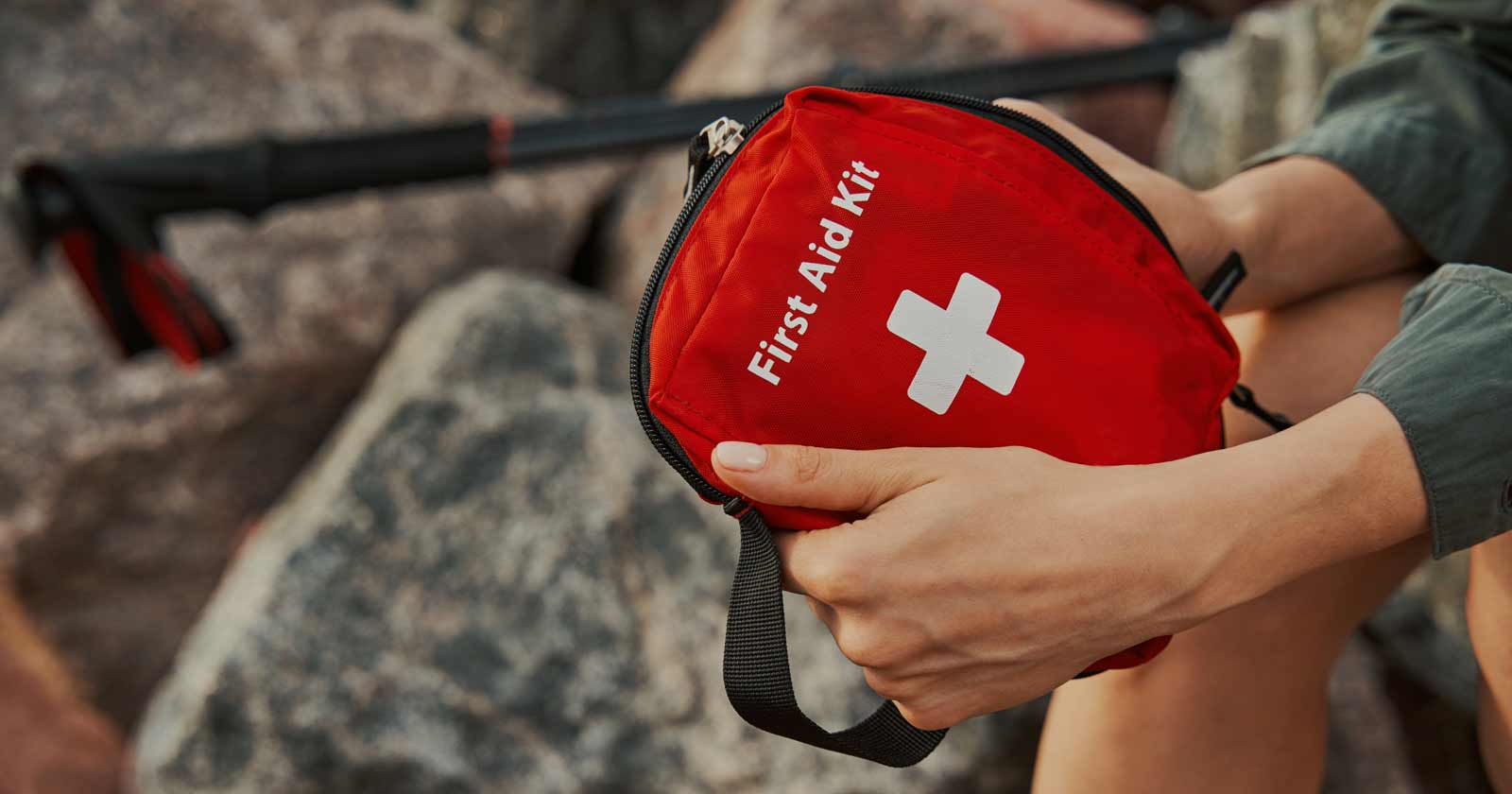
Building your hiking first aid kit
Read more →What actually belongs in an Australian hiking first aid kit, why each item matters, and why training changes what a kit can do for you.
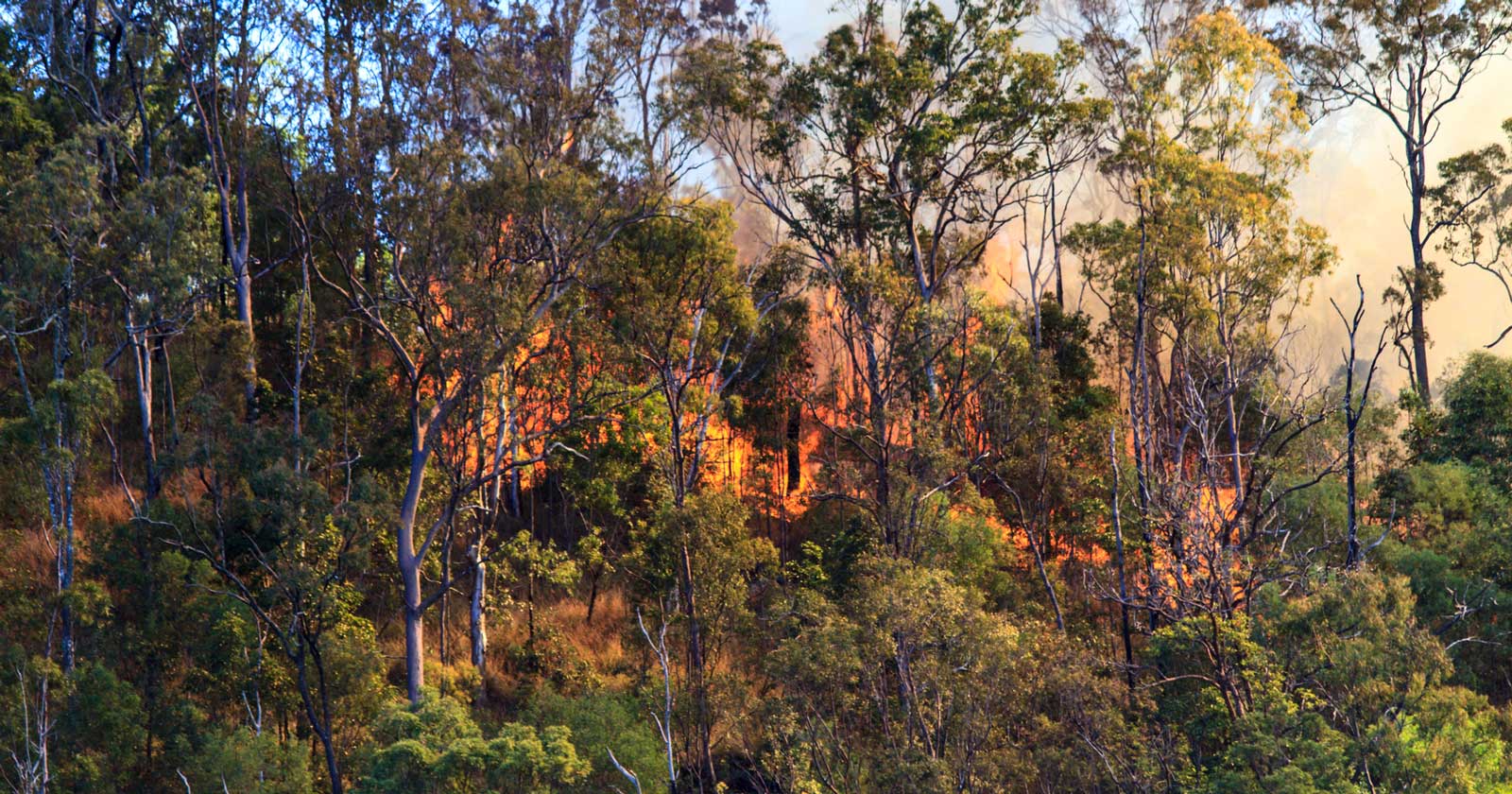
Bushfire Awareness and Safety for Hikers
Read more →Bushfire safety for Australian hikers: reading Fire Danger Ratings, spotting warning signs on the trail, what to do if a fire reaches you, and post-fire hazards.
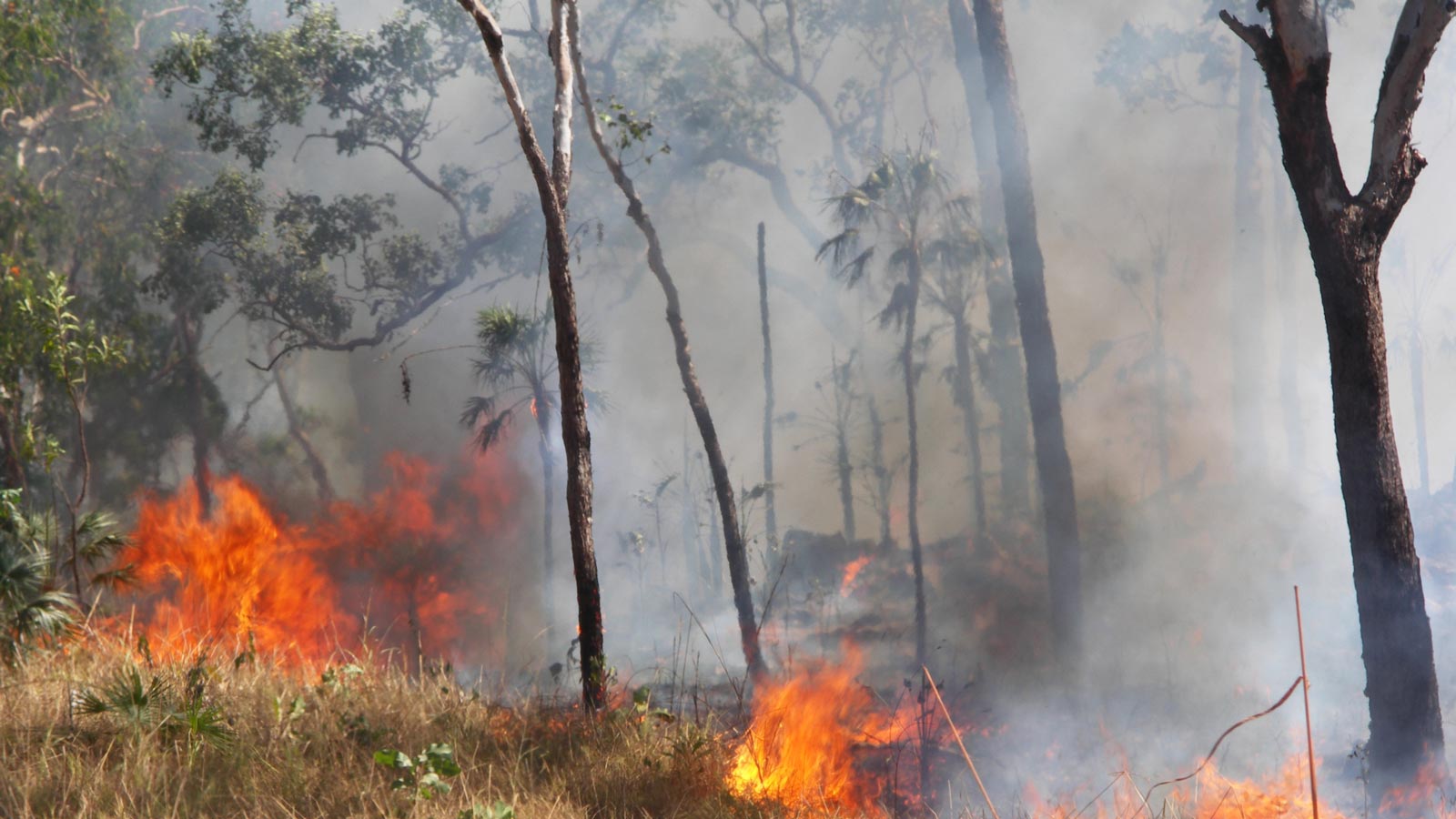
Bushfire Smoke and Air Quality: A Hiking Decision Guide
Read more →Bushfire smoke is a health and navigation risk even far from the fire. How to read air quality, spot PM2.5 danger, and decide go, modify, or cancel.
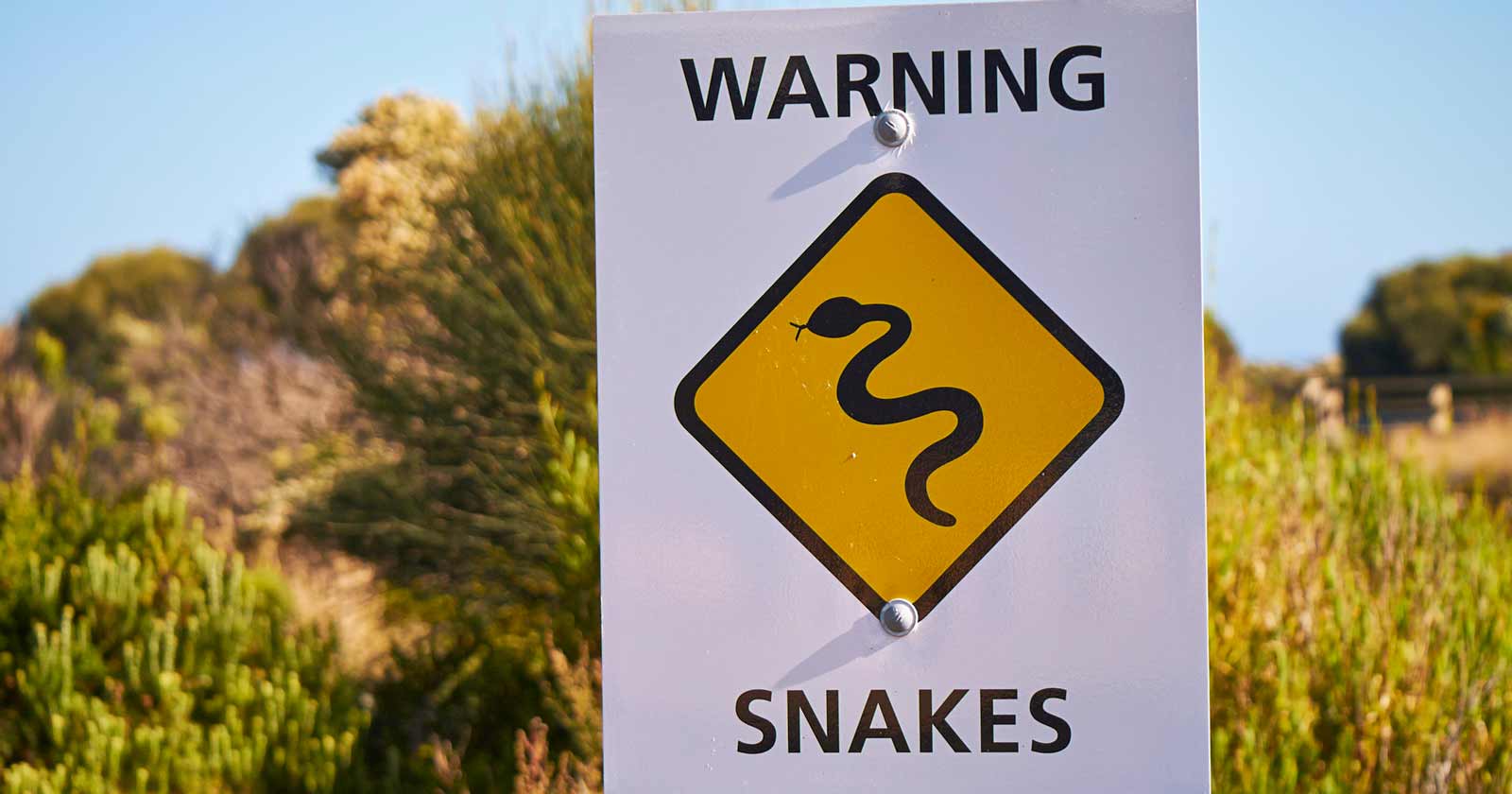
Bushwalking During Snake Season: How to Reduce the Risk
Read more →Snakes want to avoid you, not attack you. How to reduce risk while bushwalking in snake season, spot likely habitat, and apply first aid if bitten.
Carry Personal Identification on Your Hikes
Read more →Carrying ID on a hike seems trivial until something goes wrong. How identification speeds up rescue, medical care, and search coordination.
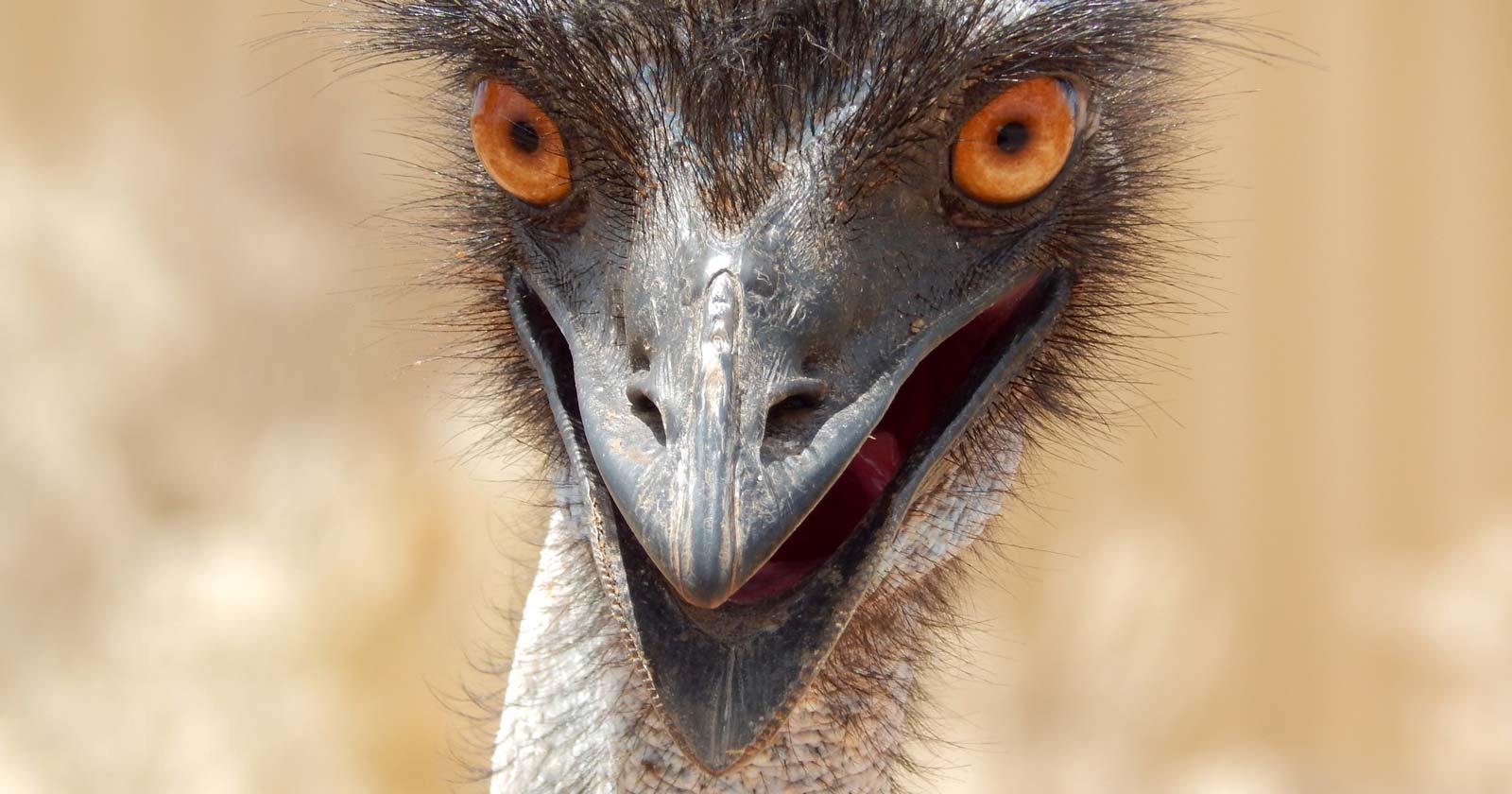
Chased by an Emu: A Wild Hiking Encounter
Read more →A first-person account of being charged by an emu near Daylesford, Victoria, plus what emu warning behaviour means and how to respond safely.
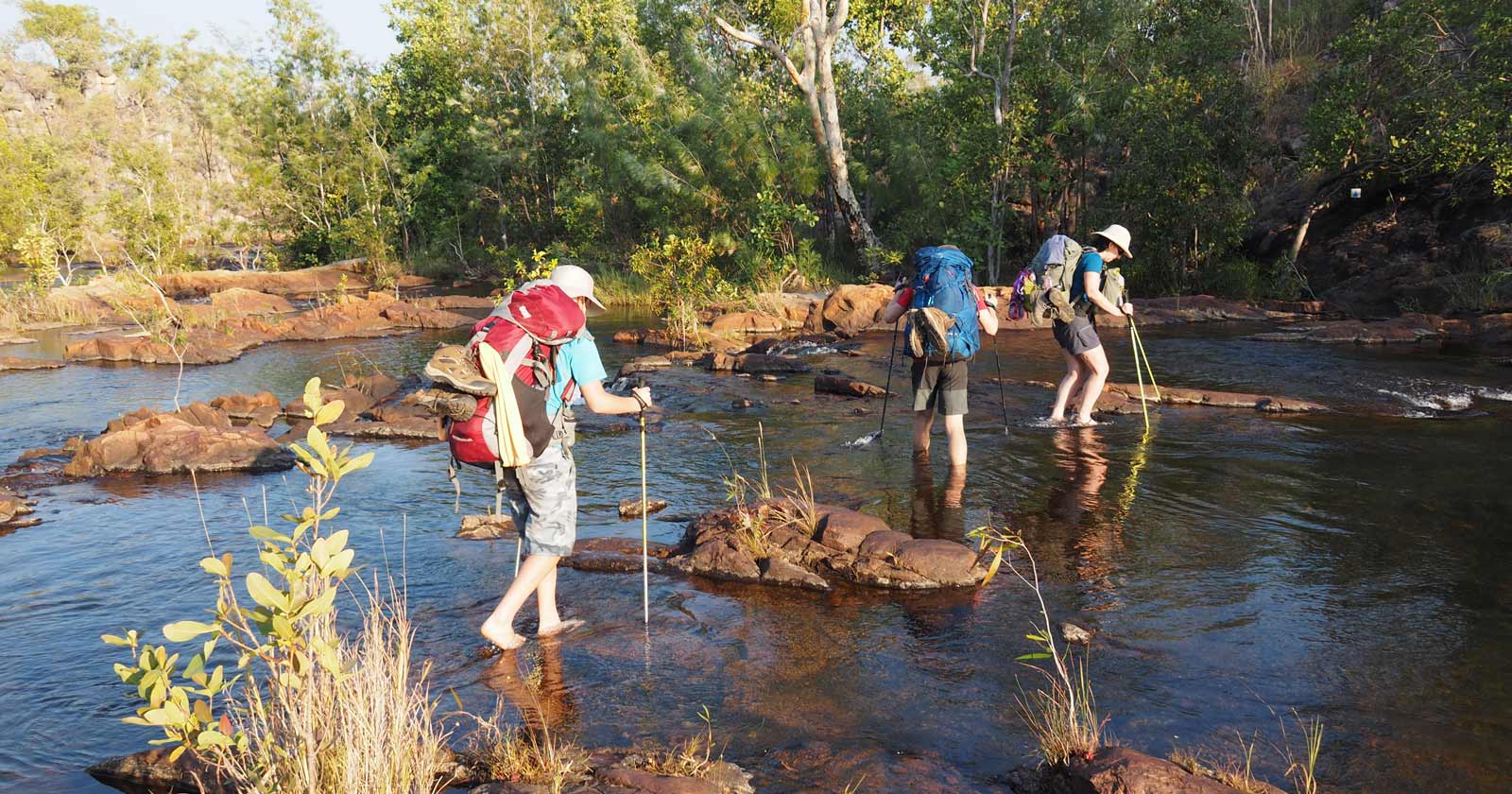
Choosing Footwear for River Crossings
Read more →Choosing footwear for river crossings in Australia, from boots and shoes to sandals and barefoot, and why grip should beat dryness every time.
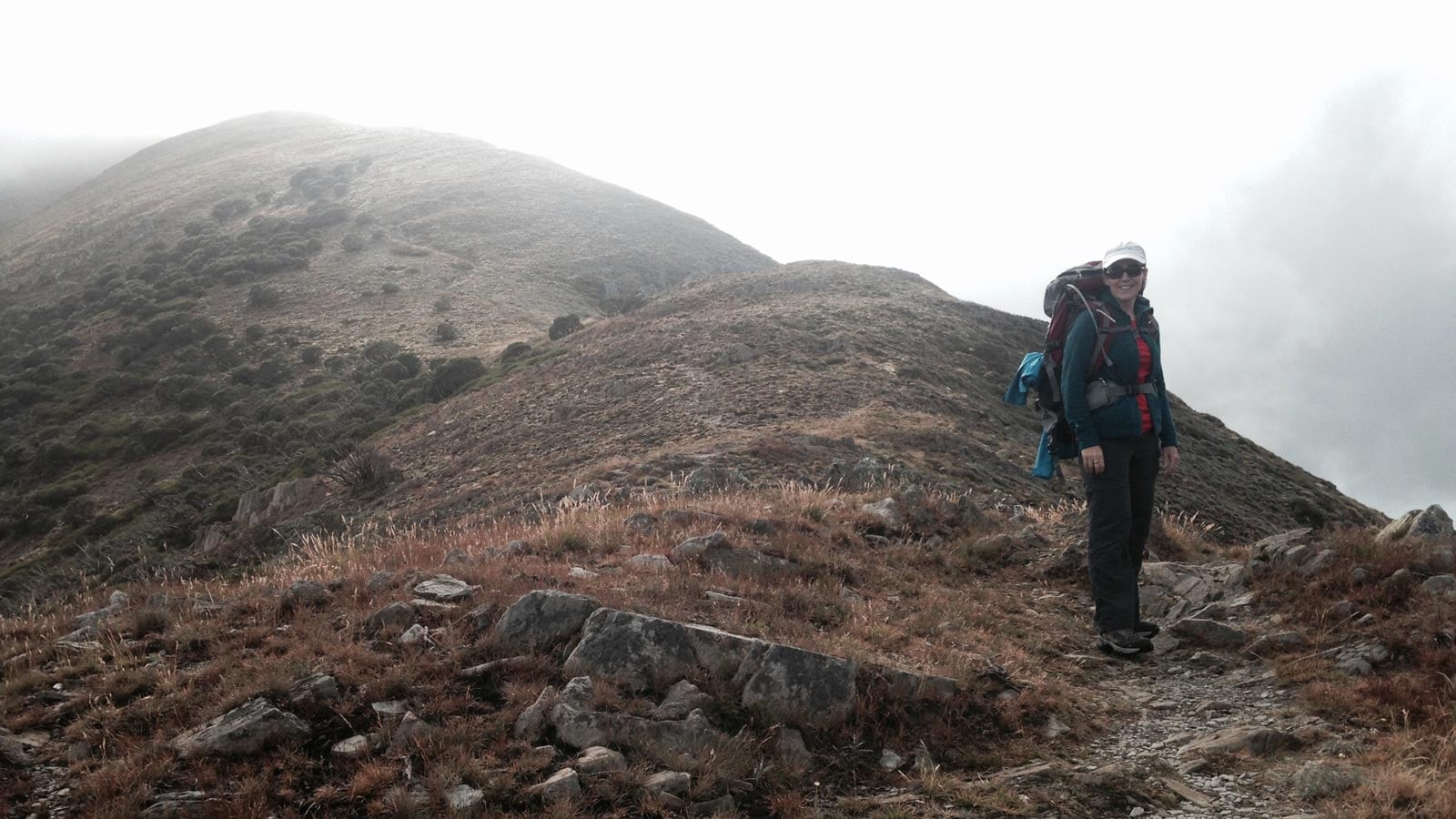
Cold weather and appetite suppression
Read more →Why cold weather kills appetite exactly when you need more fuel, and how to keep eating and drinking when the cold makes both feel pointless.
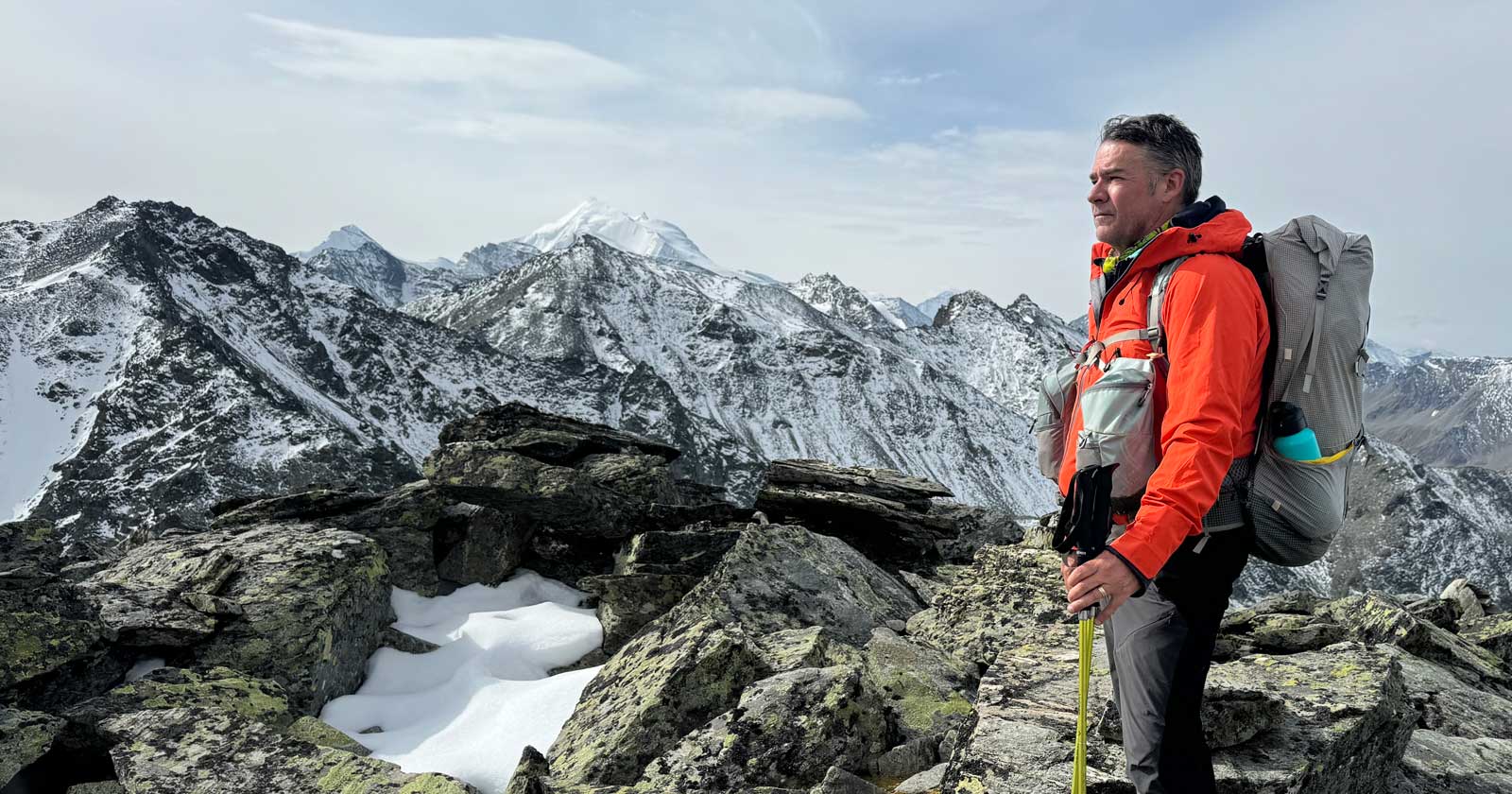
Common Mistakes to Avoid When Trekking at High Altitudes
Read more →The most common high-altitude trekking mistakes, and how mental fatigue makes each one harder to catch before it becomes dangerous.
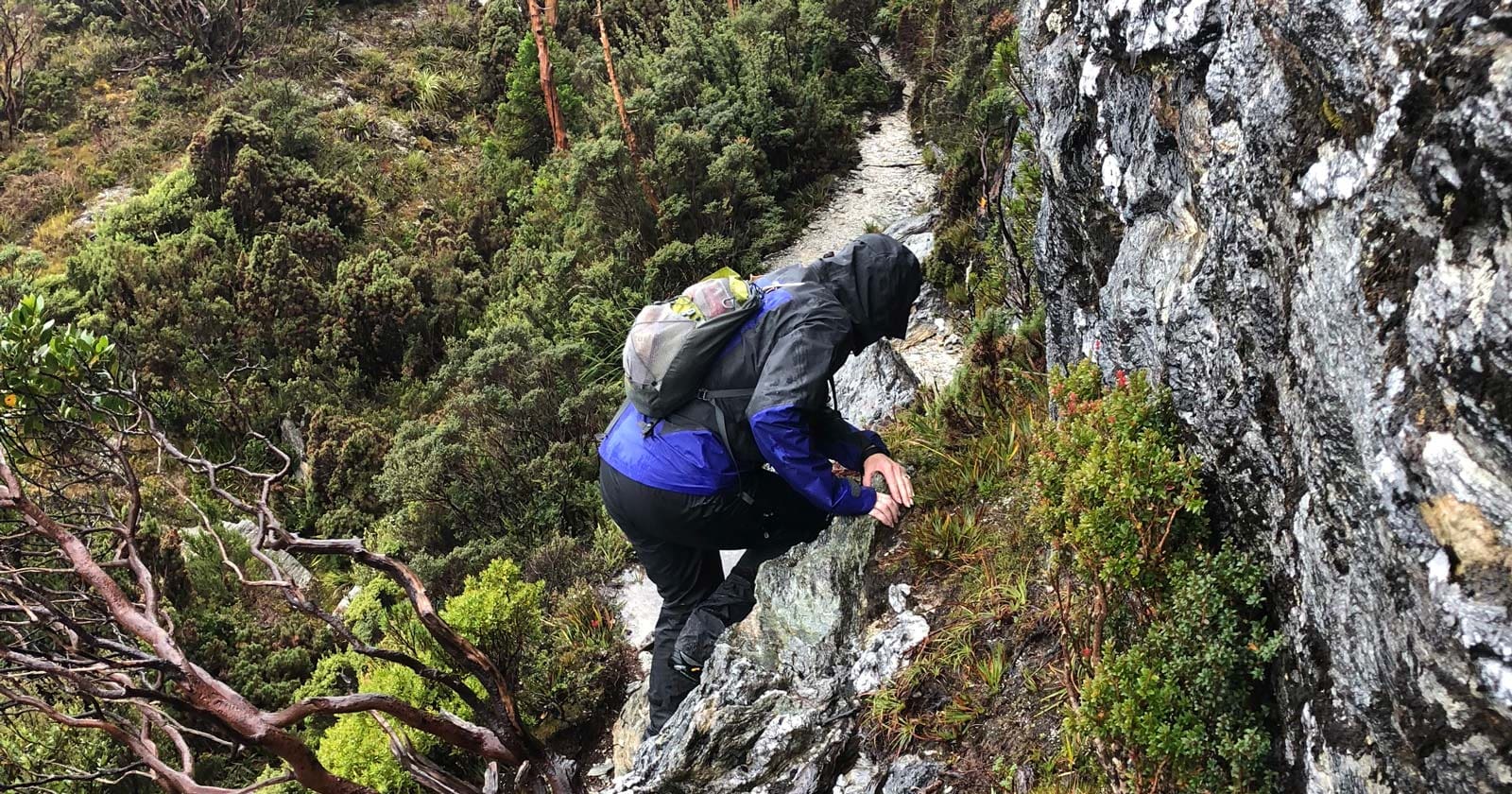
Conducting a Hiking Risk Assessment: A Practical Guide for Australian Hikers
Read more →A practical guide to assessing hiking risk in Australia: hazards, likelihood versus severity, and how heat, snakes, bushfire and remote terrain fit together.
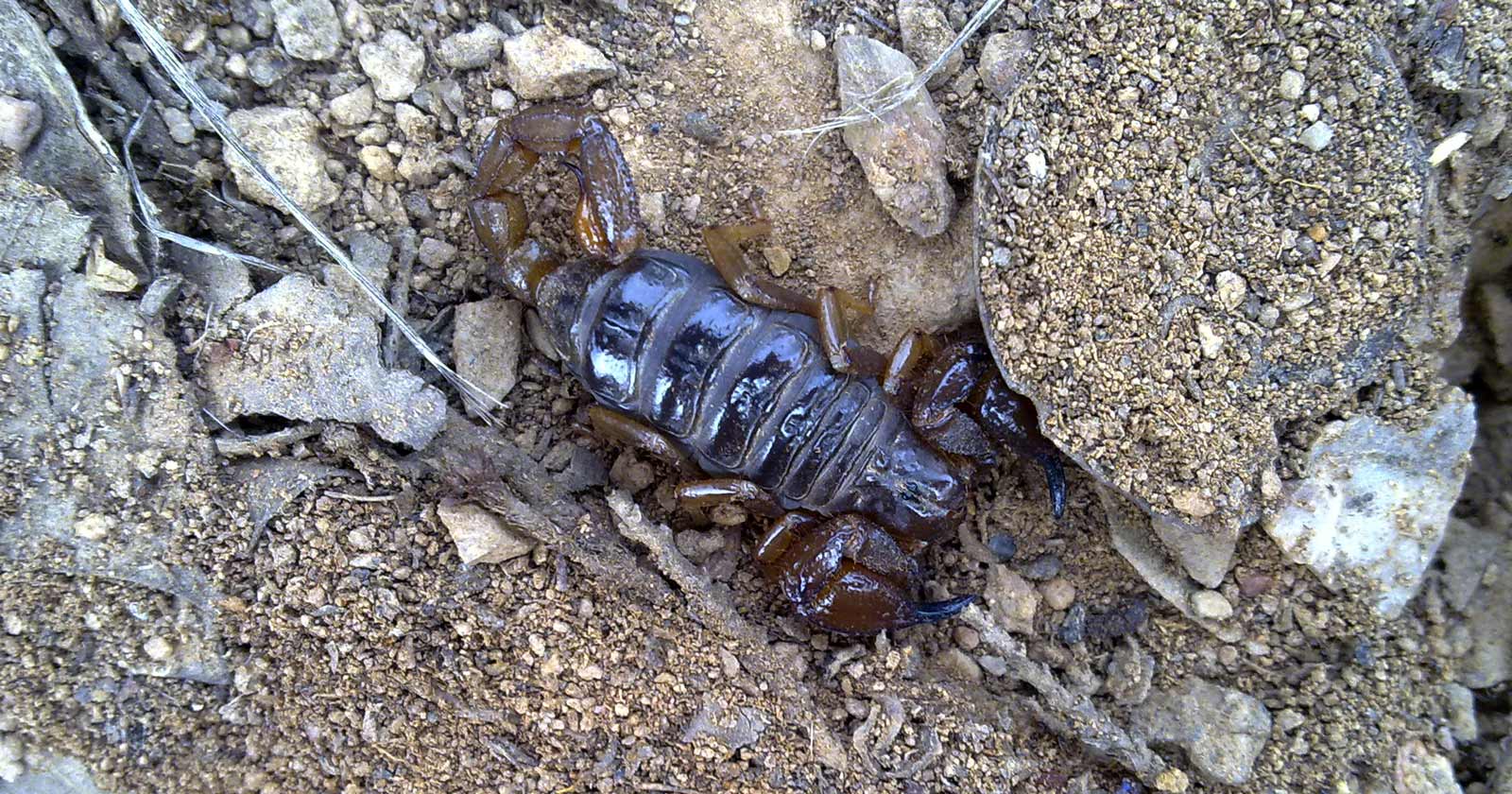
Dangers of Arthropods to Hikers and Bushwalkers in Australia
Read more →How to tell which Australian arthropods hikers should worry about, from ticks and Jack Jumper ants to funnel-webs, and when a bite needs urgent care.
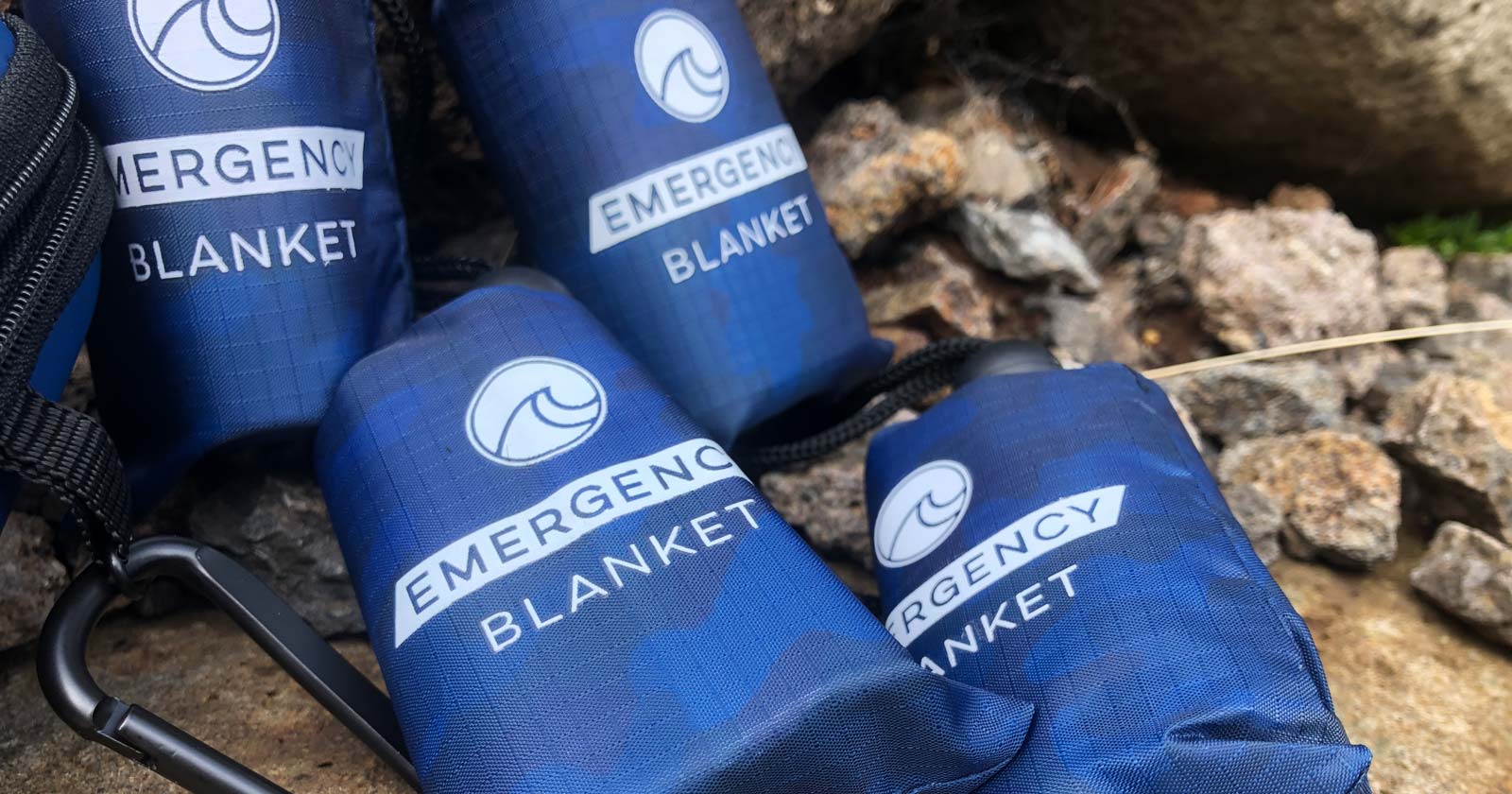
Emergency blankets: what they are and when they actually help
Read more →How emergency blankets actually work, when they help most, how to use one properly, and how to choose between a foil blanket and an emergency bivvy.
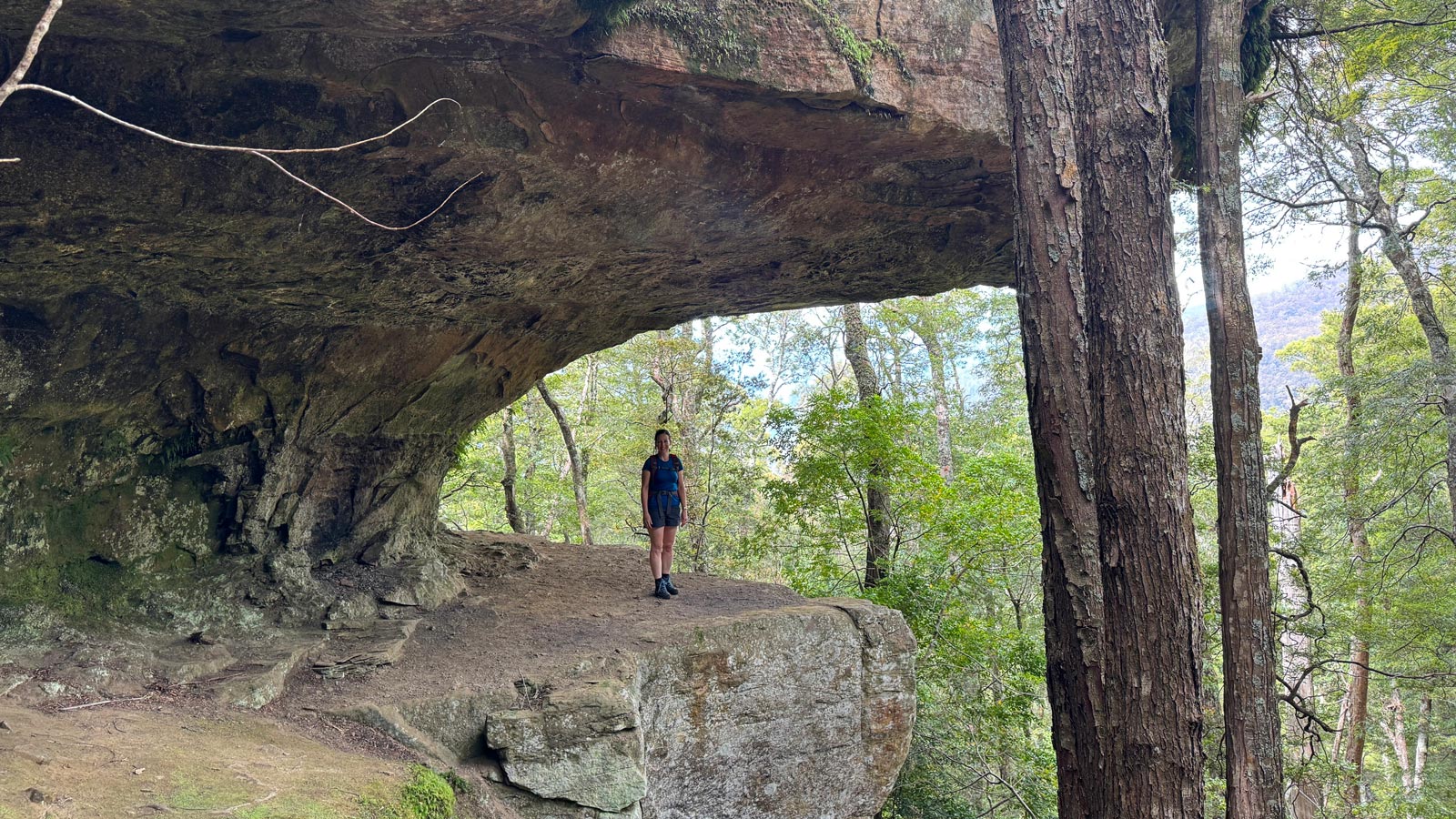
Emergency shelter use and insulation from the ground
Read more →How to think about emergency shelter on a hike: using what you’re carrying, when building is worth it, and why ground insulation matters.
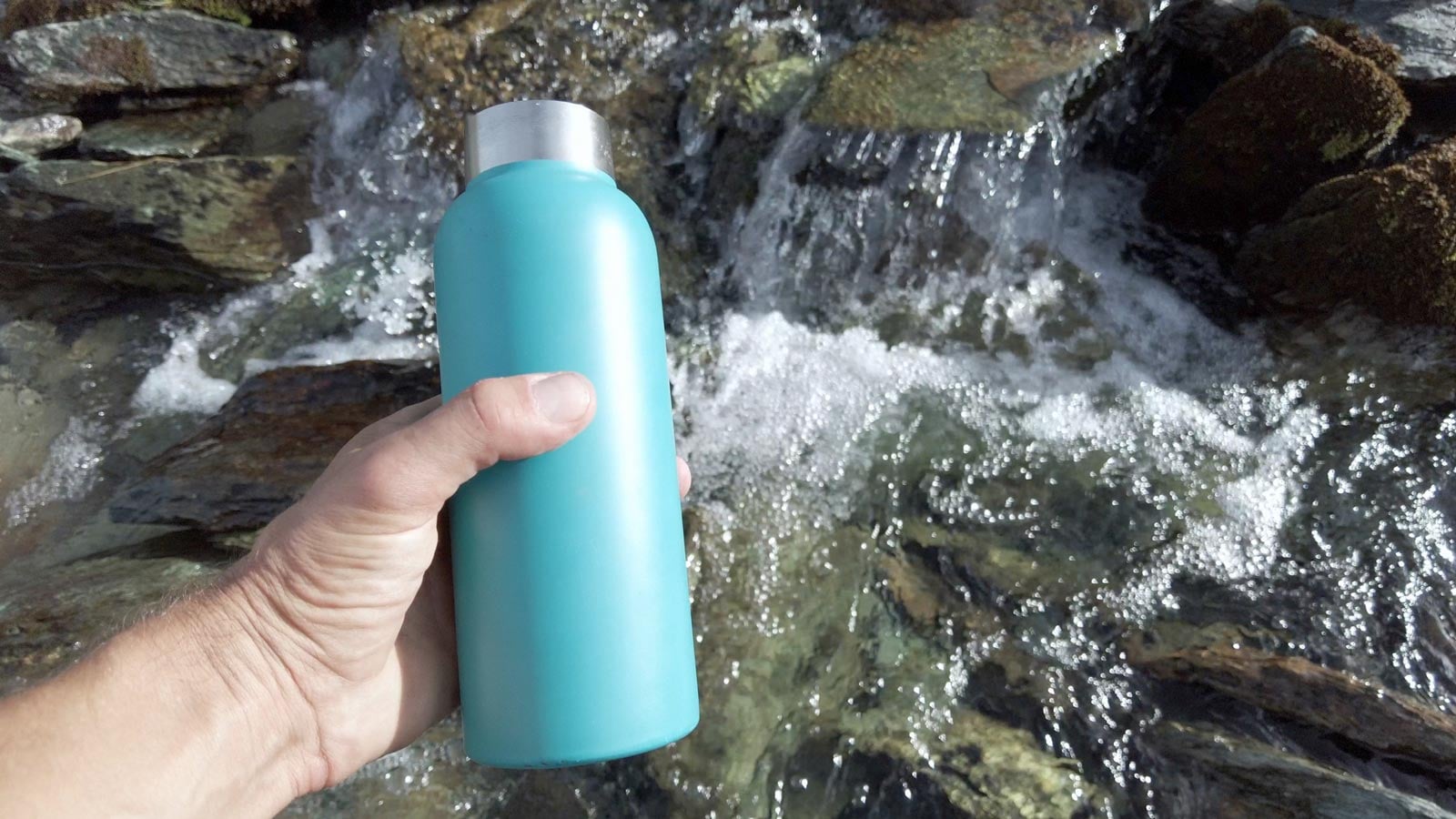
Emergency water strategies for hiking
Read more →Running low on water while hiking is a thinking problem before it’s a survival one. How to audit, ration, cool down, and know when to turn back.
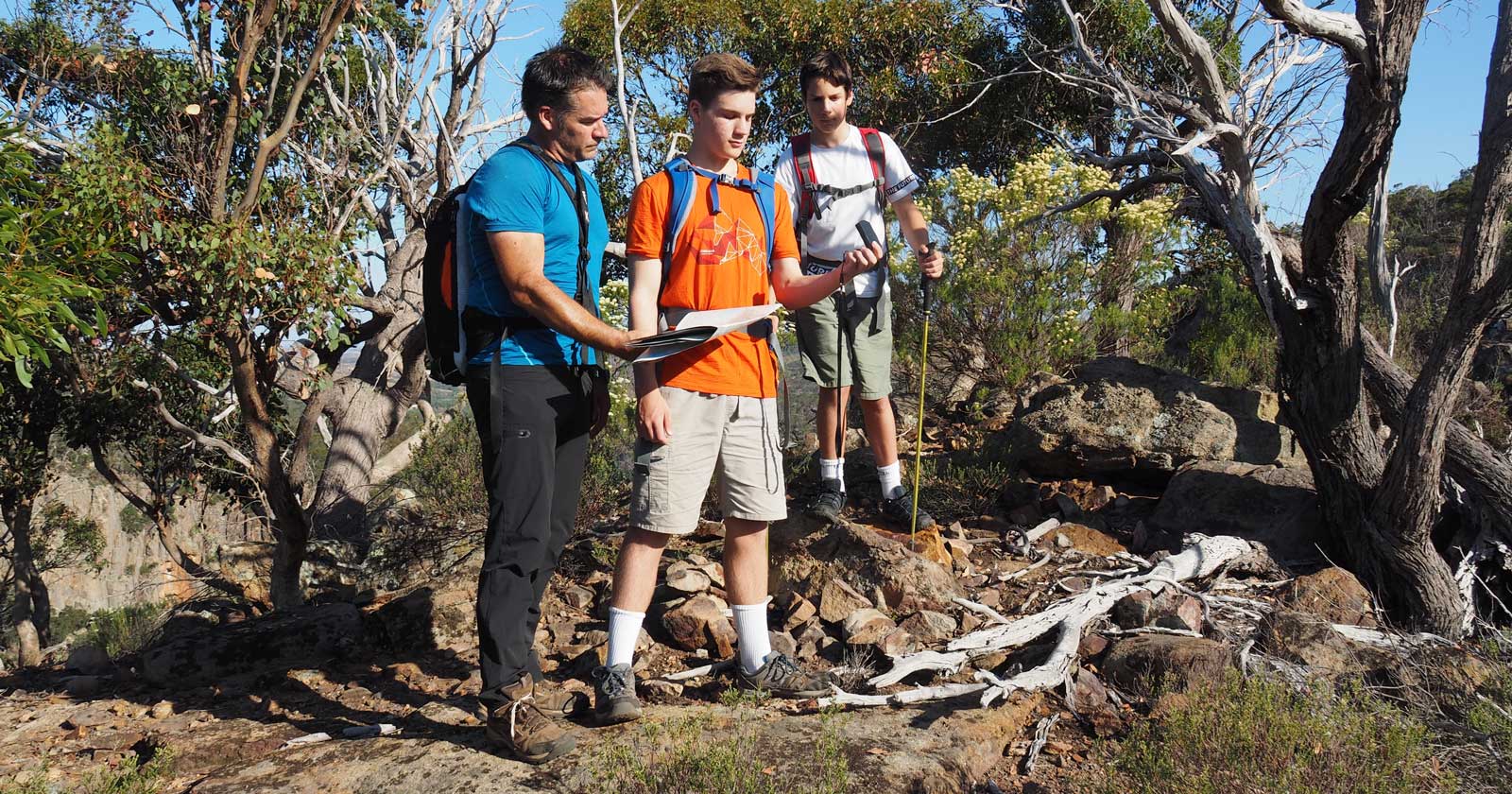
Essential items for hiking in Australia
Read more →The three hiking essentials for Australian trails: navigation tools, a first aid kit and a personal locator beacon, and why water isn’t on the list.
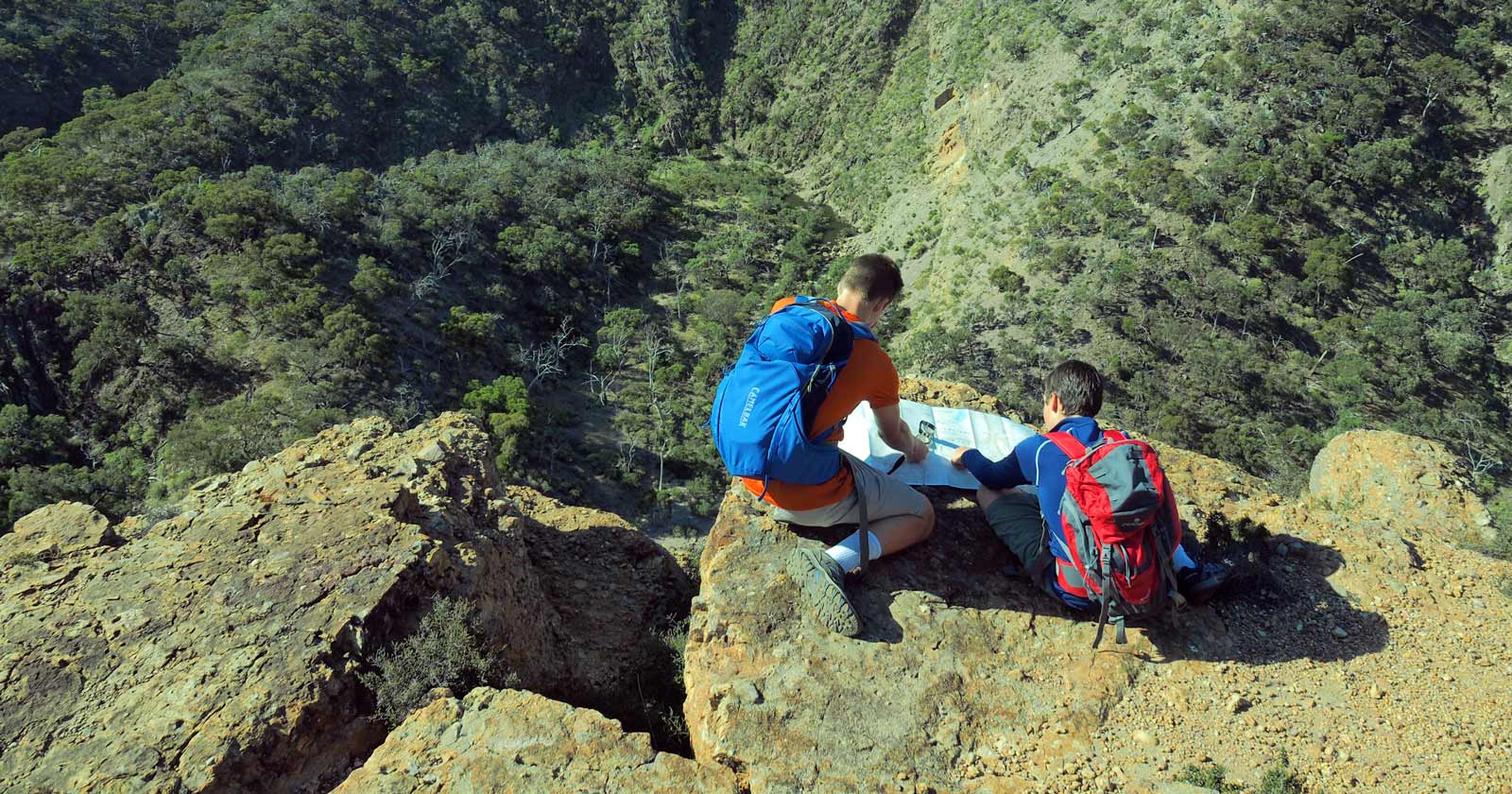
Essential navigation tips for safer hiking
Read more →Practical navigation habits for Australian hikers: planning before you leave, reading terrain, choosing spurs over gullies, and catching mistakes early.
ExploreSafe: Seven Principles for Safer Bushwalking
Read more →ExploreSafe helps hikers make better decisions outdoors through seven principles covering preparation, capability, changing conditions and emergency response.
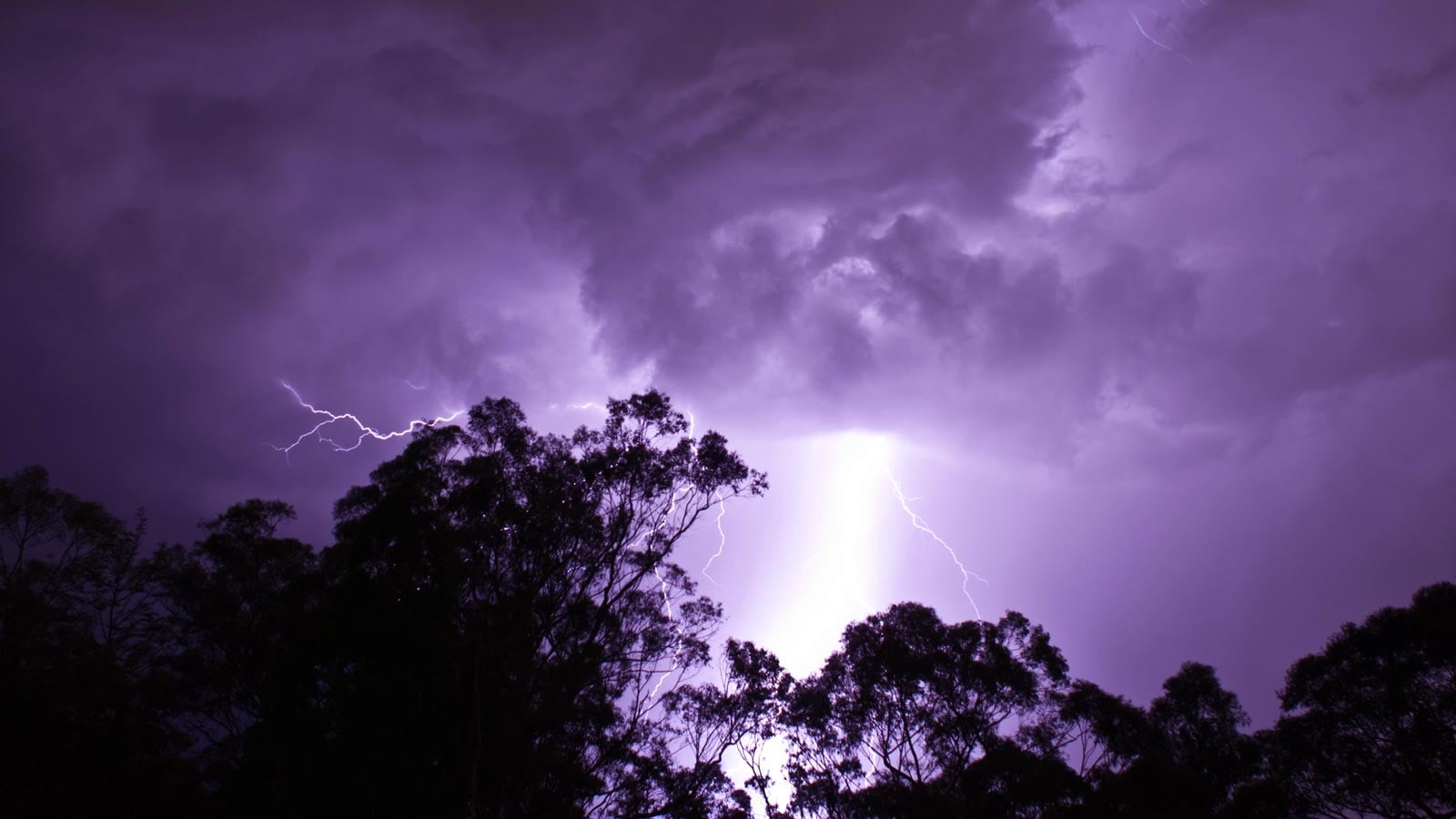
Extreme Weather Preparation for Australian Hikers
Read more →Extreme weather preparation for Australian hikers: heat, bushfire, lightning, cold and flash flooding, covering before, during, and after exposure.
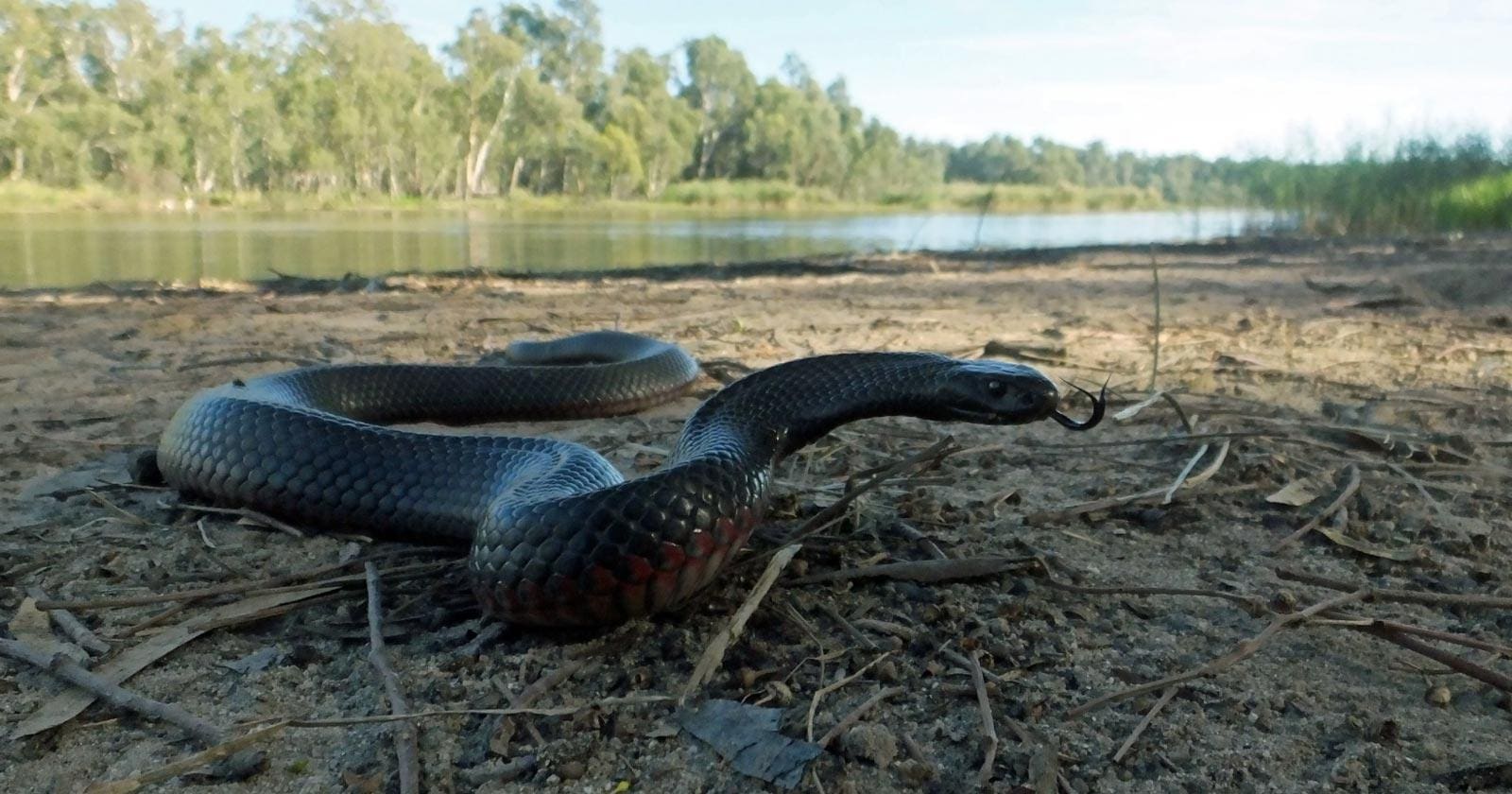
Facts about snake bites and hiking
Read more →Australian snake bite facts for hikers: reducing risk on trail, correct pressure immobilisation first aid, and recognising envenomation.
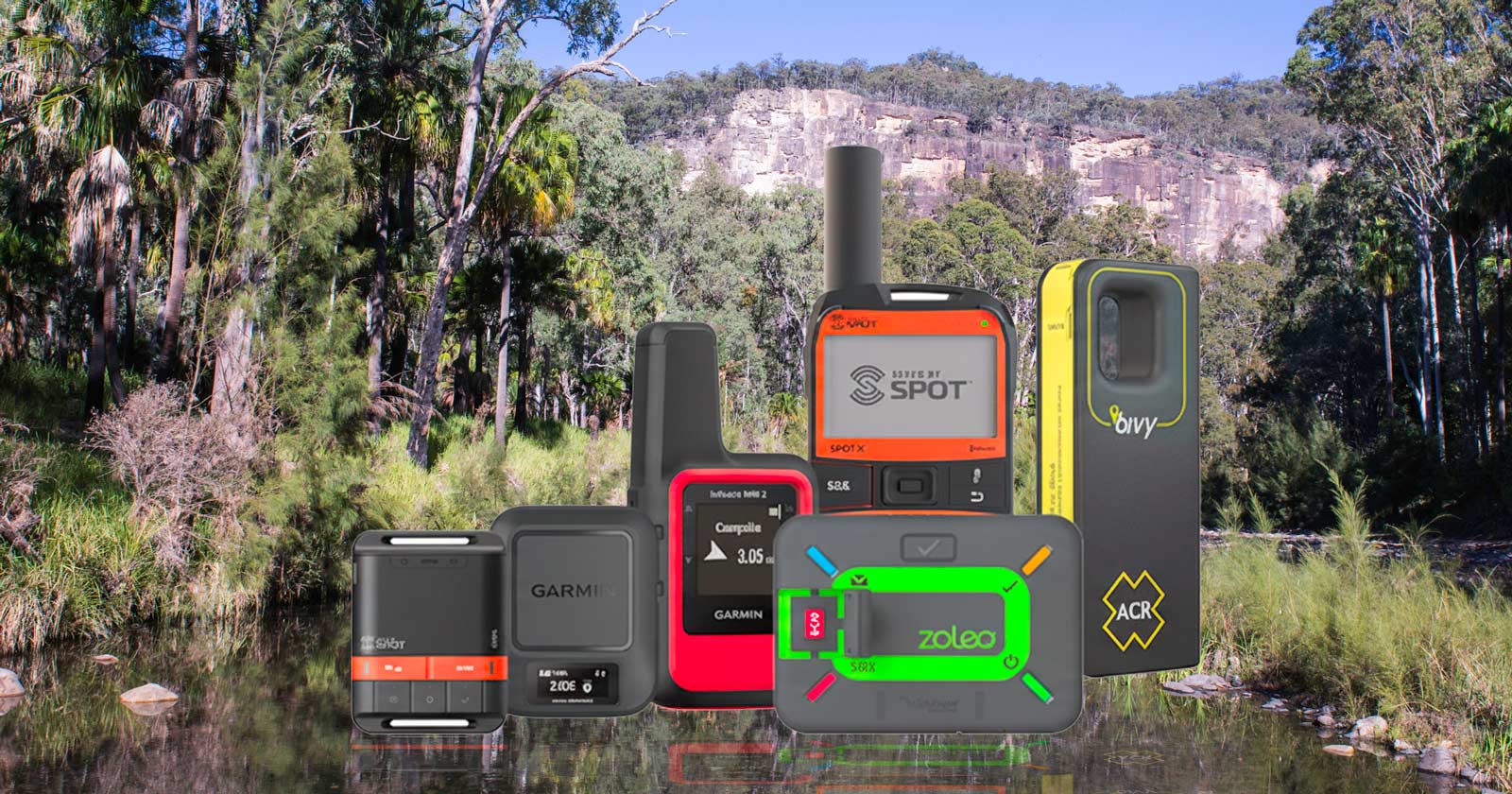
Features of Modern Satellite Communicators
Read more →A look at what modern satellite communicator features actually do for hikers, from hybrid messaging to navigation support and SOS reliability.
Feeling Unsafe on a Solo Walk
Read more →Practical, non-confrontational ways to reduce risk on a solo walk: signalling tools, check-in habits and planning that actually help if something feels wrong.
Hike Planning and Preparation in Australia
Read more →Plan and prepare for hikes in Australia: trip plans, remoteness-based checklists, essential gear, weather risks and emergency response.
Hike Safely: Why You Should Always Leave a Map Before You Start
Read more →Leaving a detailed trip plan and map with a trusted contact can speed up a hiking rescue. Here’s exactly what to include, from route details to vehicle info.
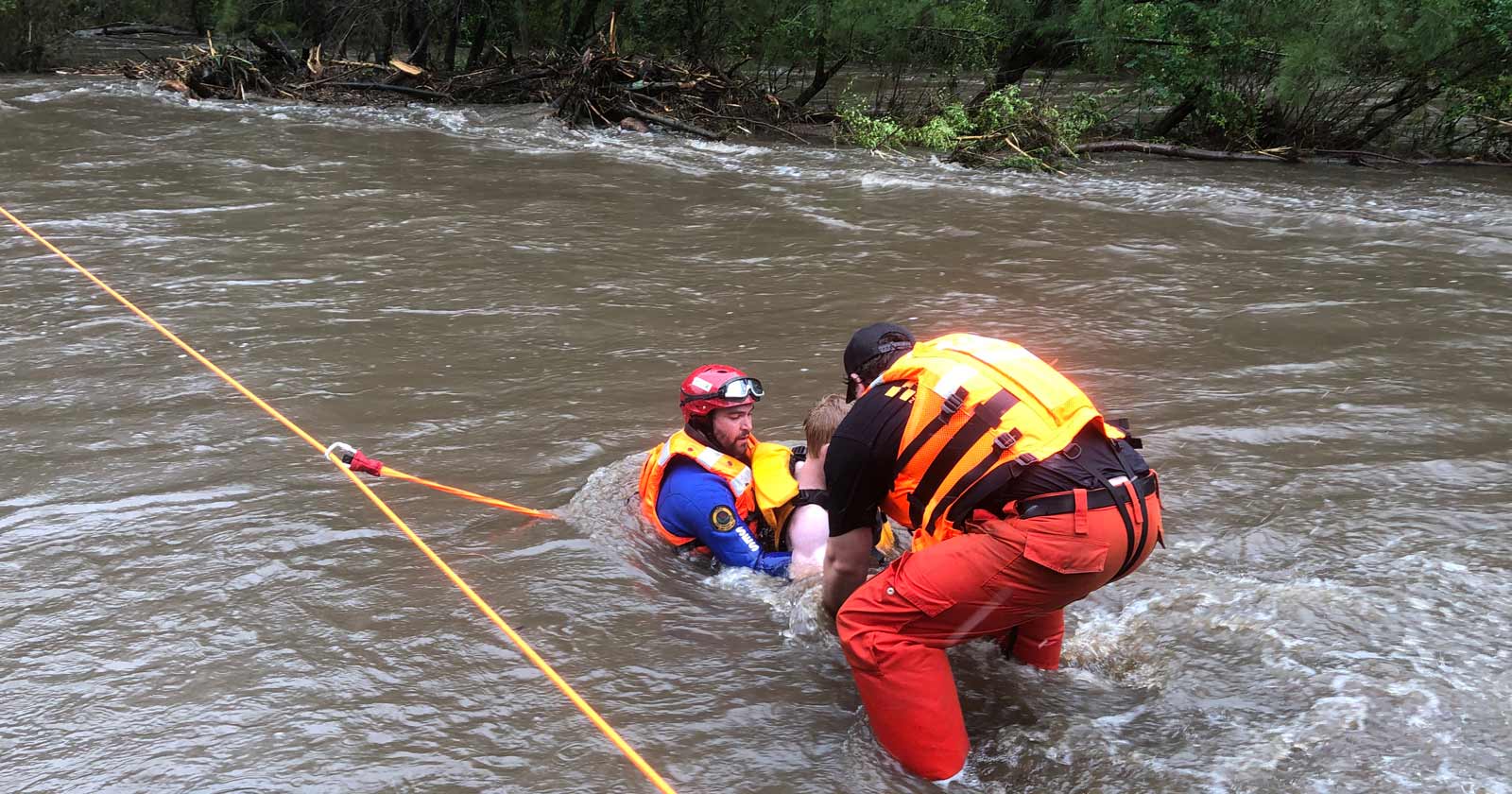
Hiking after heavy rain in Australia
Read more →Hiking after heavy rain in Australia: river crossing risks, unstable ground, falling branches, landslides and when to turn back.

Hiking in summer: start early to avoid peak heat
Read more →Summer hiking in Australia demands early starts and conservative pacing. Practical strategies for managing heat exposure and knowing when to turn back.
How hikers actually get lost
Read more →How hikers actually get lost: why small planning gaps, fatigue and group dynamics combine to cause most bushwalking incidents in Australia.
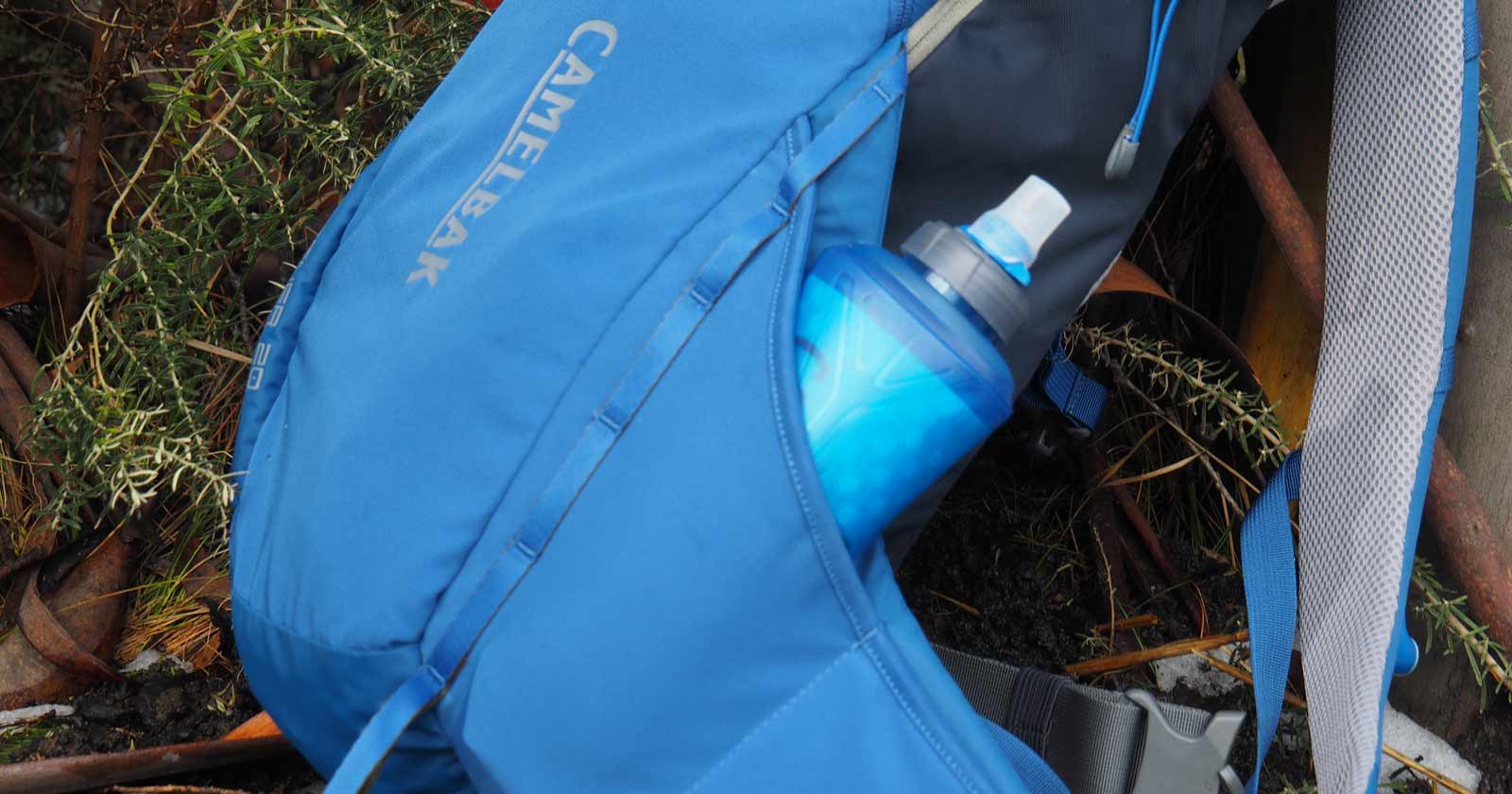
How much water should you carry on a hike?
Read more →Plan hiking water by time, terrain, weather and remoteness, not a fixed rule. Covers drinking cadence, pack weight and dehydration warning signs.
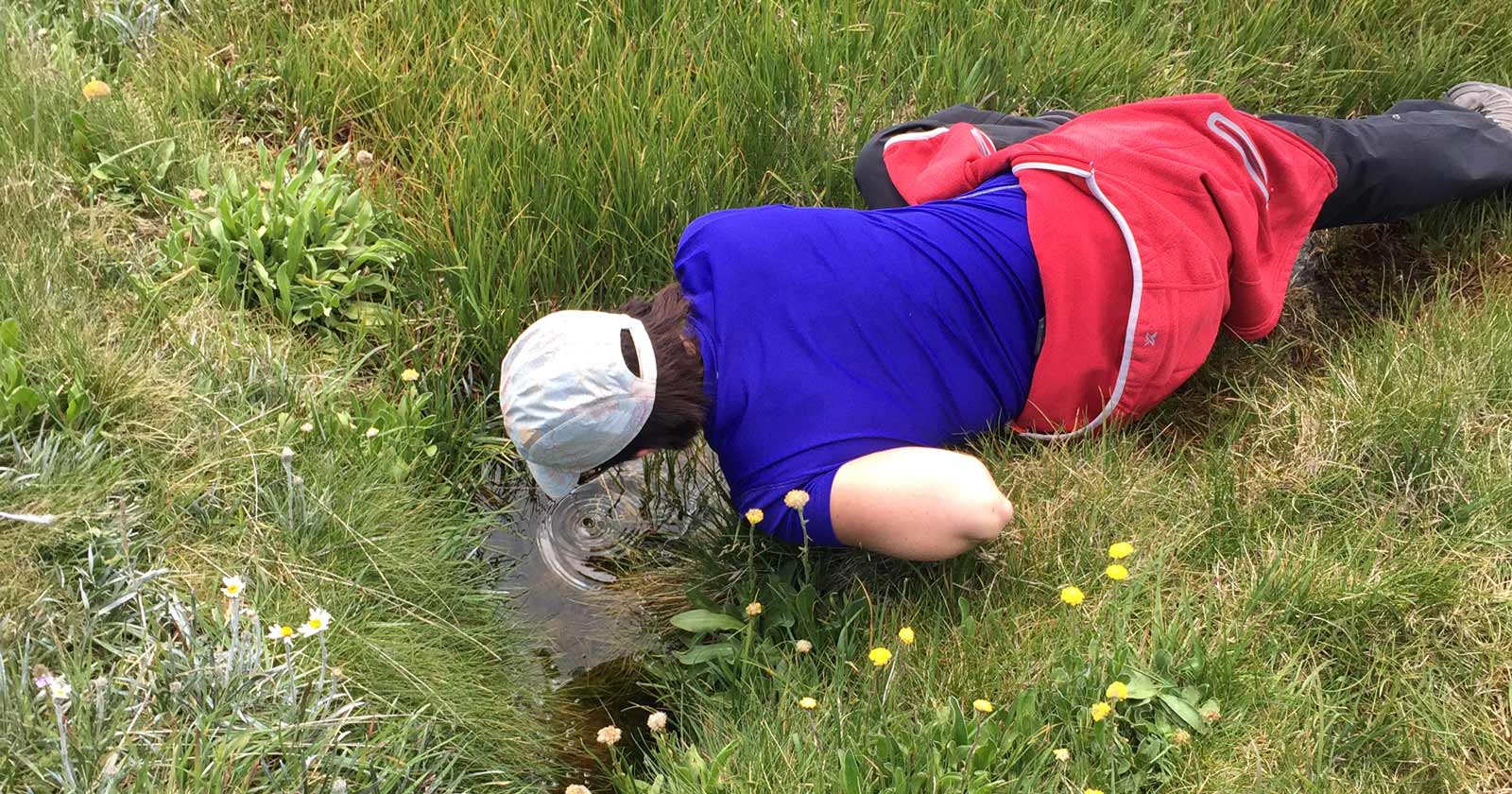
How to find water on a hike: sources, reliability, and safety
Read more →Finding water on a hike: how reliable natural and artificial sources really are, reading landscape clues, and managing risk if supply runs low.
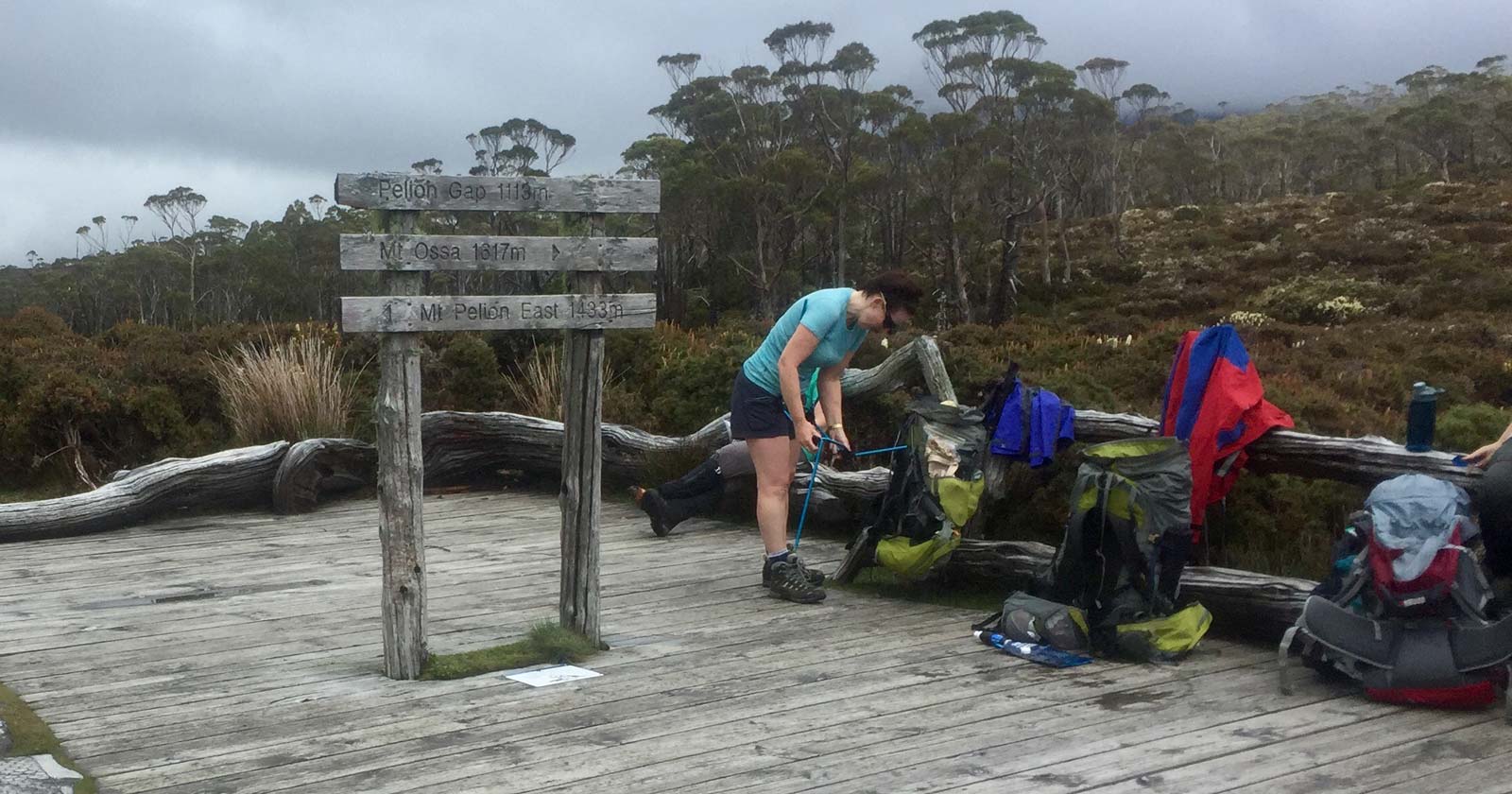
How to Keep Wildlife Out of Your Pack and Tent
Read more →Practical, no-nonsense guide to keeping possums, rodents, birds and dingoes out of your pack and tent while bushwalking in Australia, and why it matters.
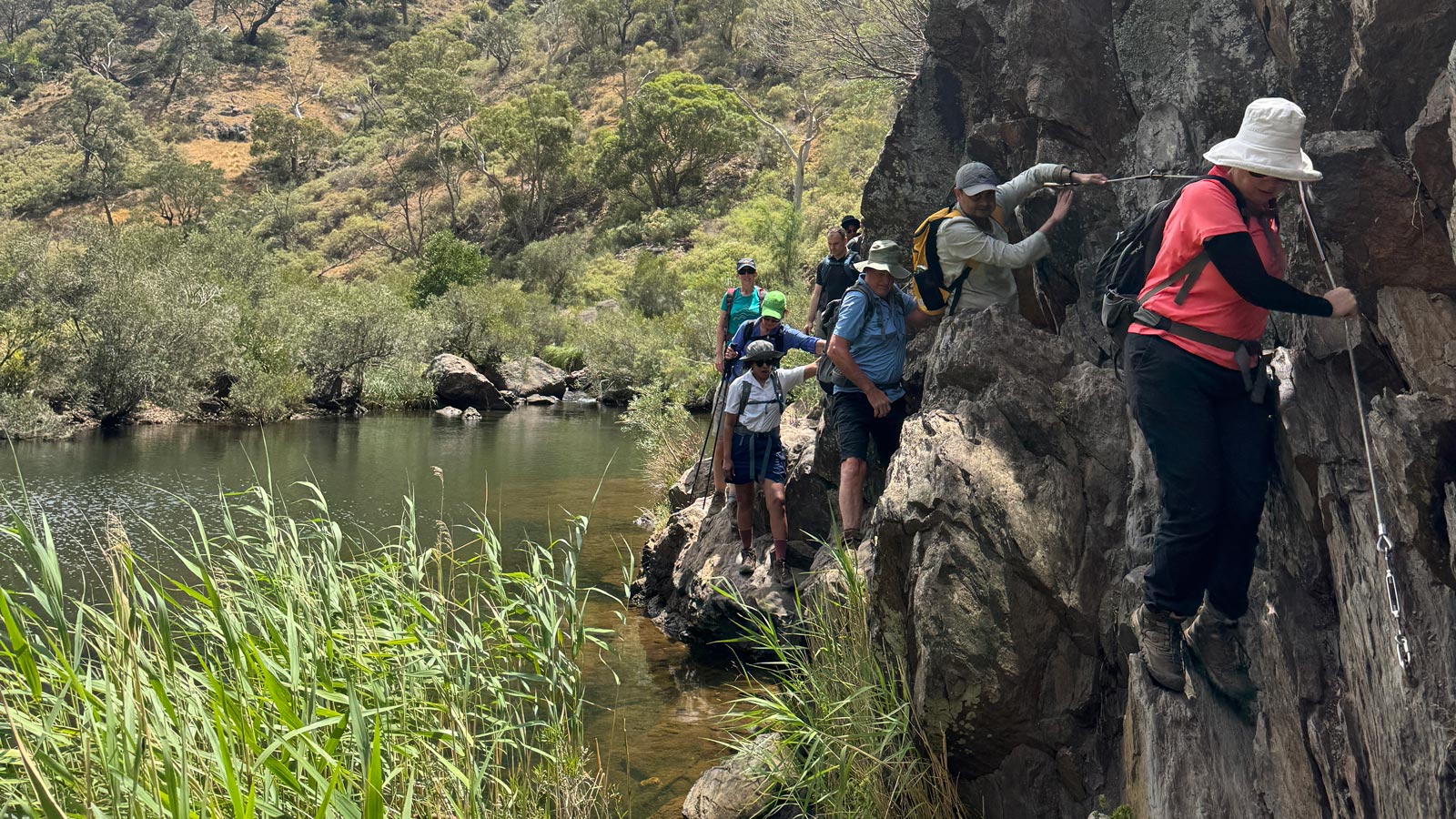
How to keep your hiking group together
Read more →Learn how to keep a hiking group together with clear roles, pace set from the back, regular regrouping, and rules that stop hikers going missing.
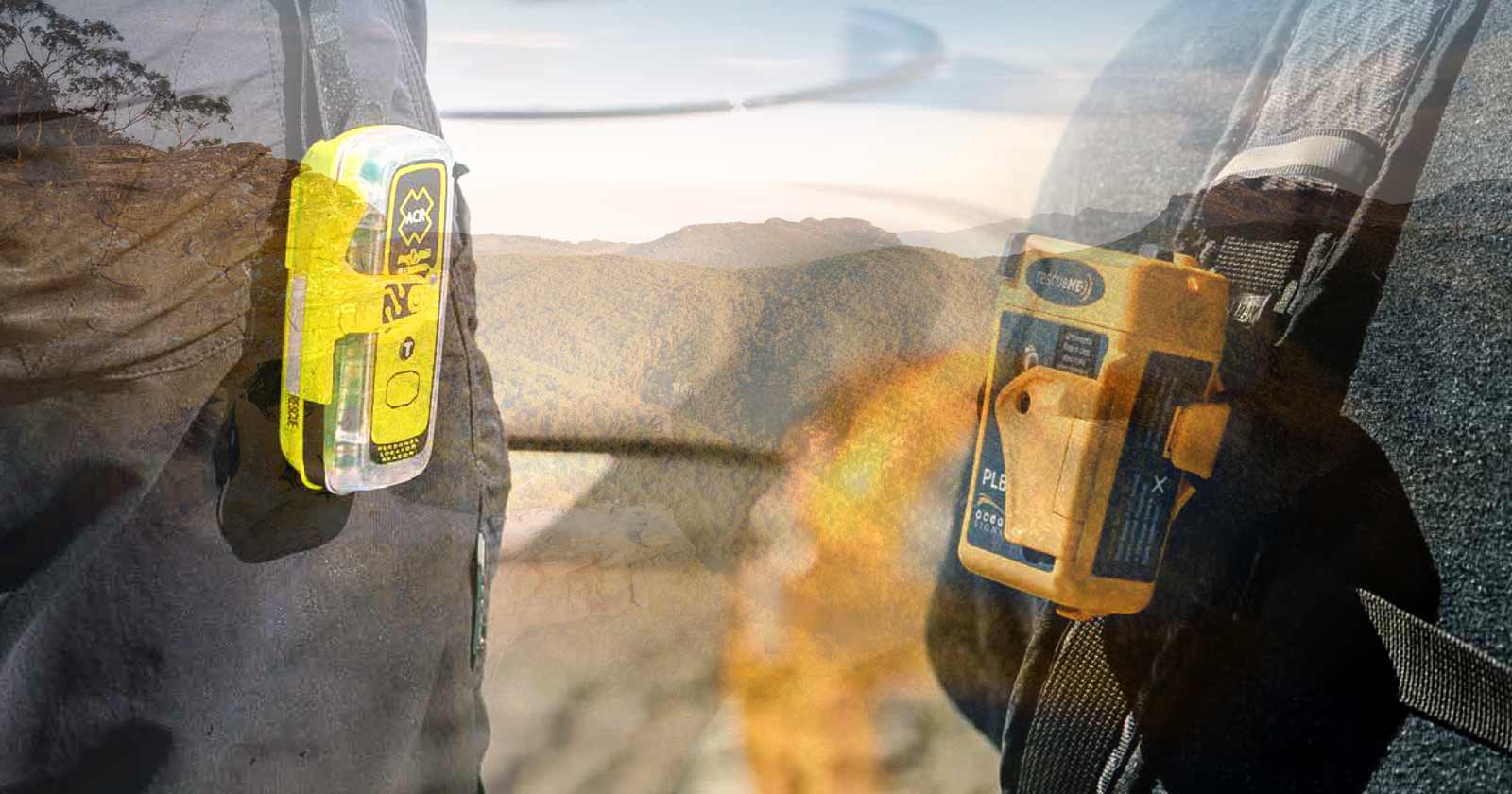
How to Keep Your Personal Locator Beacon (PLB) in Working Order
Read more →Keep your PLB working when it matters: storage, battery service life, avoiding false alarms and registration explained as one connected system, not a checklist.
How to manage hydration during a hike
Read more →How to manage hydration on a hike: drinking little and often, matching intake to conditions, spotting early warning signs, and avoiding overhydration.
How to recognise and treat mild dehydration while hiking
Read more →How to recognise mild dehydration early on a hike, what to do about it, and when it’s serious enough to stop or turn back.

How to spot and treat heat exhaustion
Read more →How heat exhaustion develops on a hike, how it differs from dehydration, and how to recognise and treat it before it becomes heatstroke.
Incident Management for Hikers in Australia
Read more →A practical incident management framework for hikers: prevention, in-the-moment response, common incident scenarios, and post-incident review.
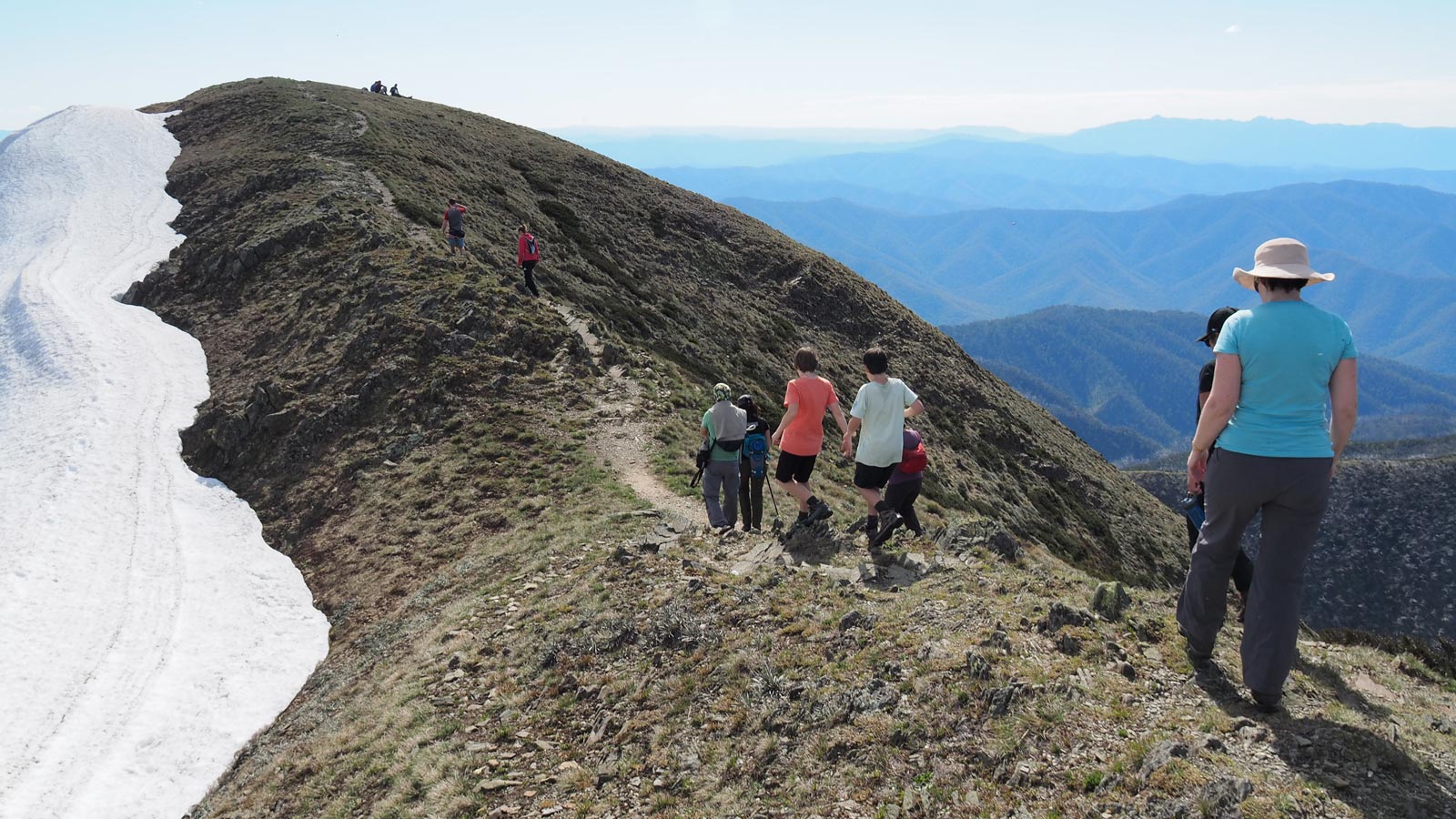
Keeping Kids Safe on the Trail: Supervision, Spacing and Judgement
Read more →Keeping kids safe on the trail is about active supervision, spacing, and judgement, not eliminating risk. How to manage it as conditions change.
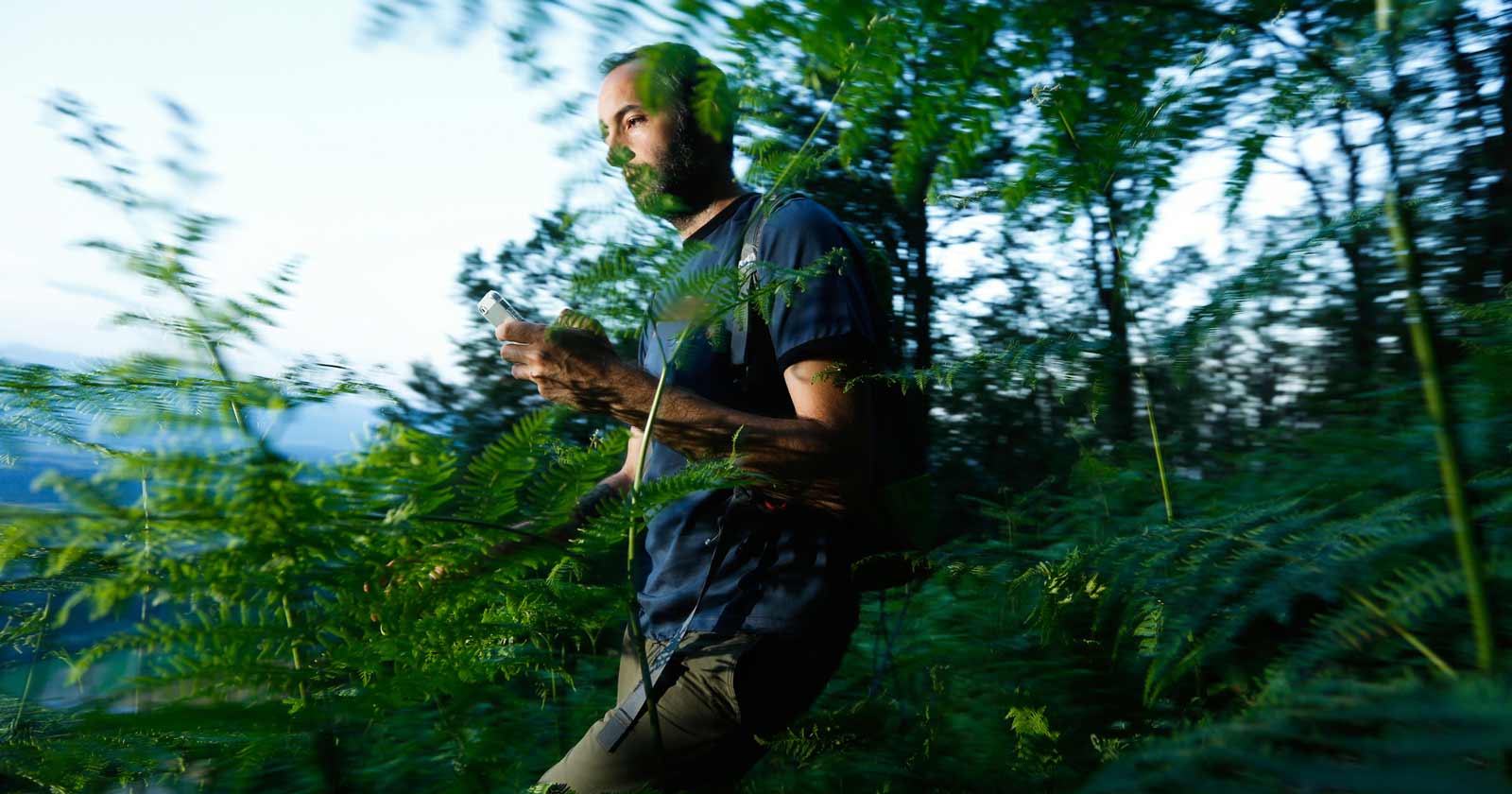
Lost or Stranded in the Bush? A Practical Guide to Survival Priorities
Read more →A practical guide to bush survival priorities: the Rule of Threes, the Big 5, and the Seven Survival Priorities explained in the order they actually matter.
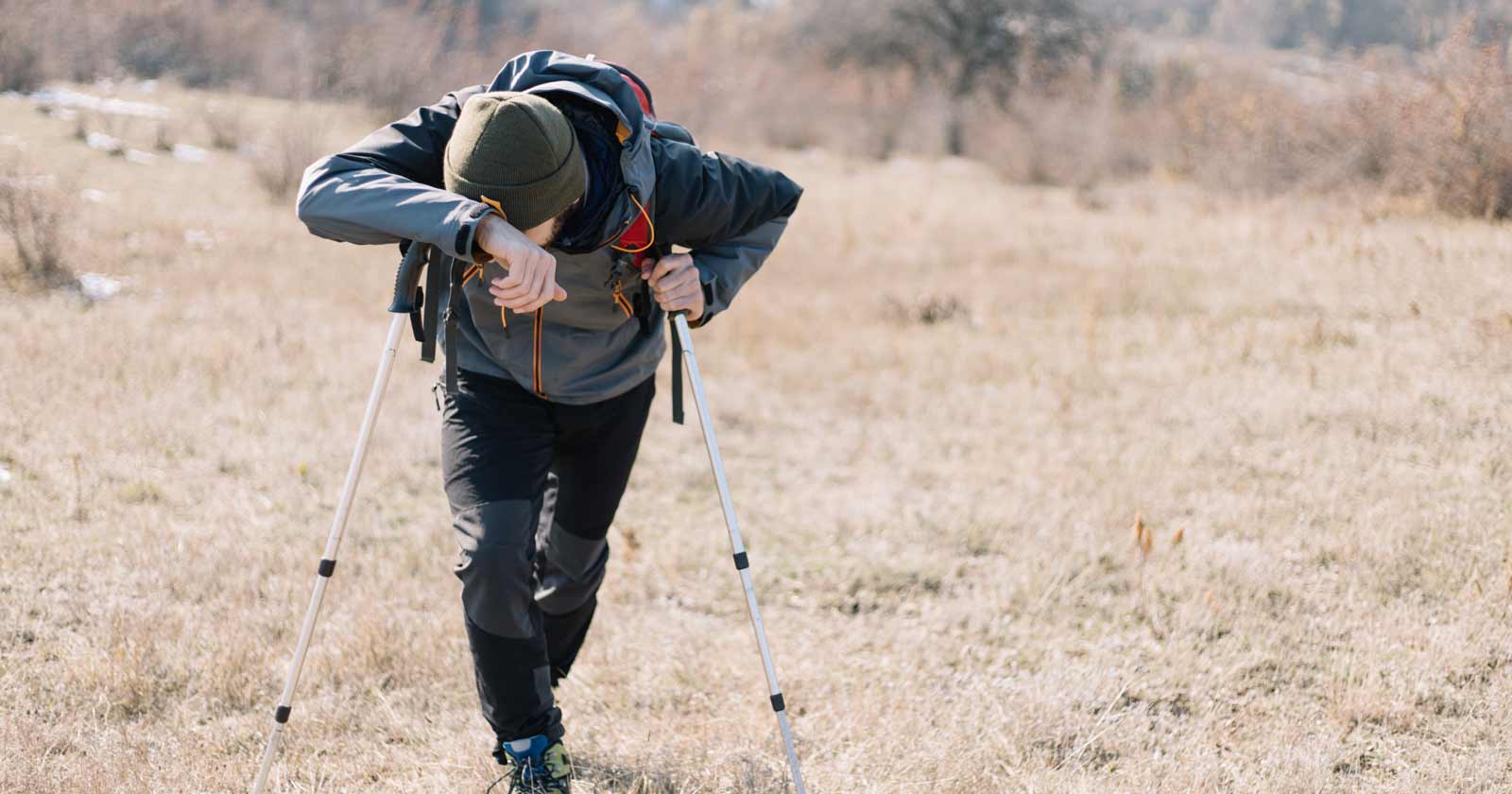
Mental Fatigue and Hiking: Understanding the Impact and How to Manage It
Read more →How mental fatigue builds on a hike, what it costs your judgement and safety, and practical ways to manage it, including protecting sleep on multi-day trips.
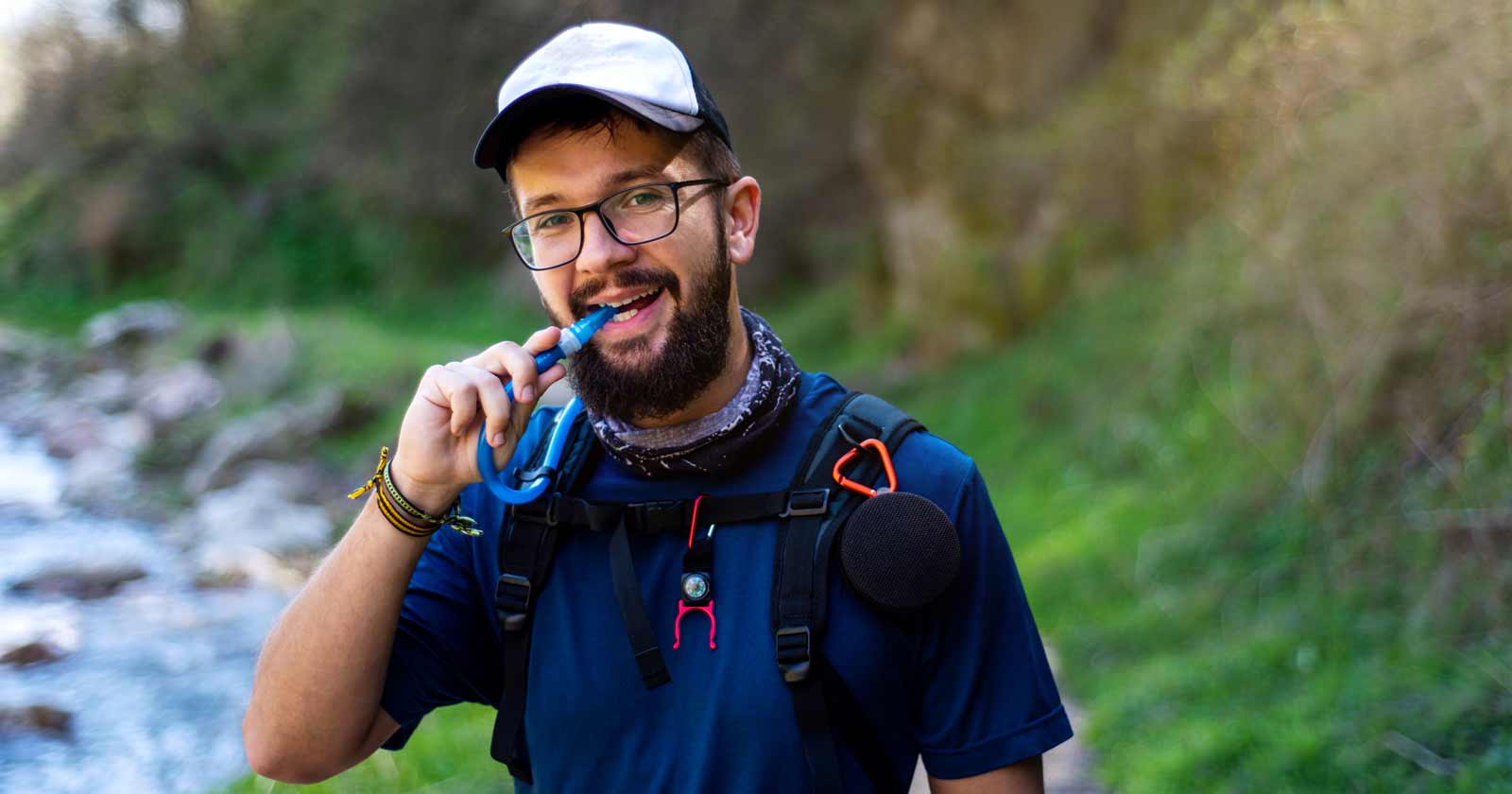
Overhydration and hyponatremia: a lesser-known hiking risk
Read more →Hyponatremia is a lesser-known hiking risk from drinking too much water. What it is, why it happens, and how to keep hydration in balance.
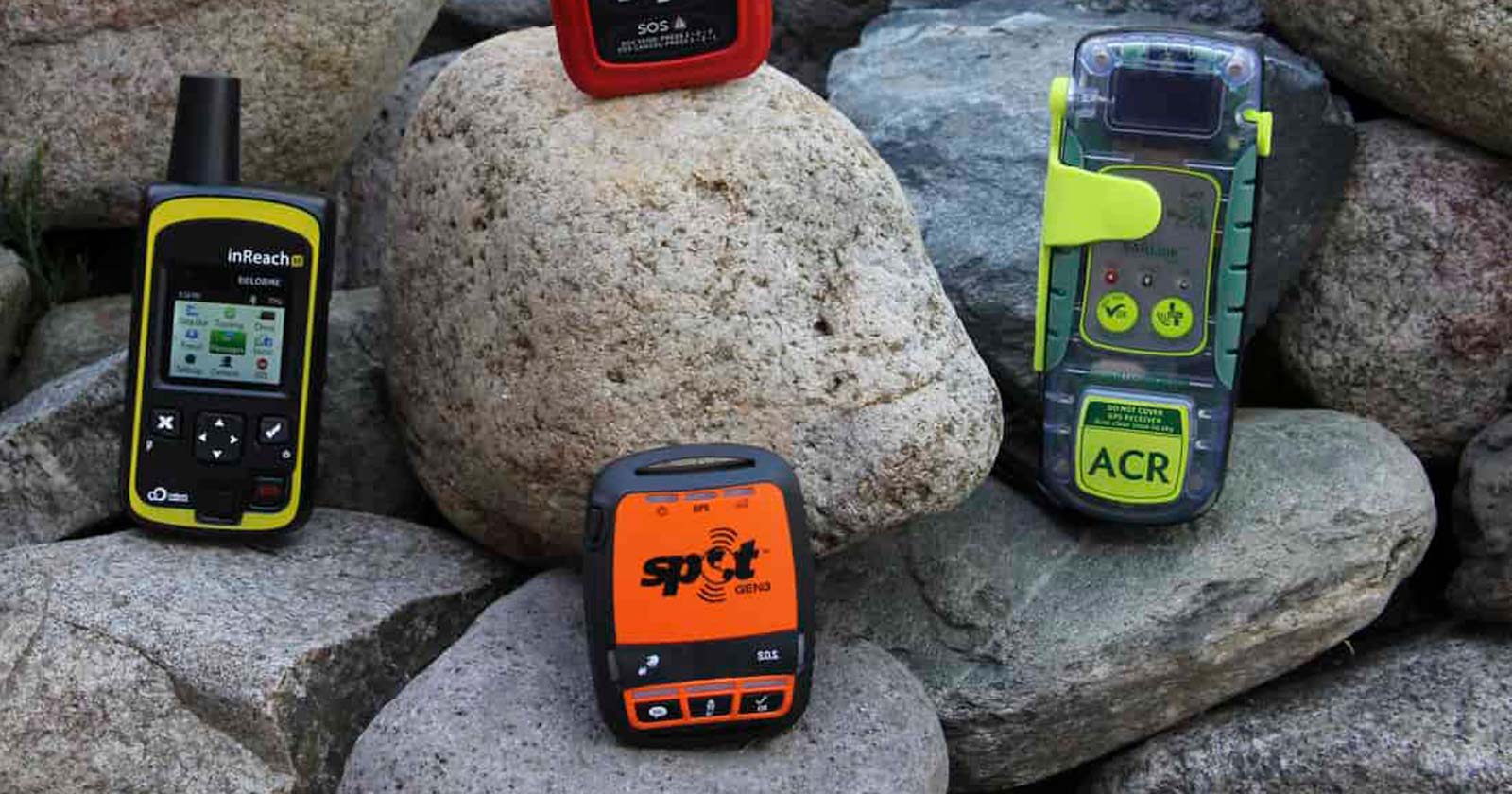
PLB or Satellite Communicator? Redundancy, Reliability, and Rescue
Read more →Why I think through PLBs and satellite communicators as one redundant system, not a choice between devices, and how failure modes drive that logic.
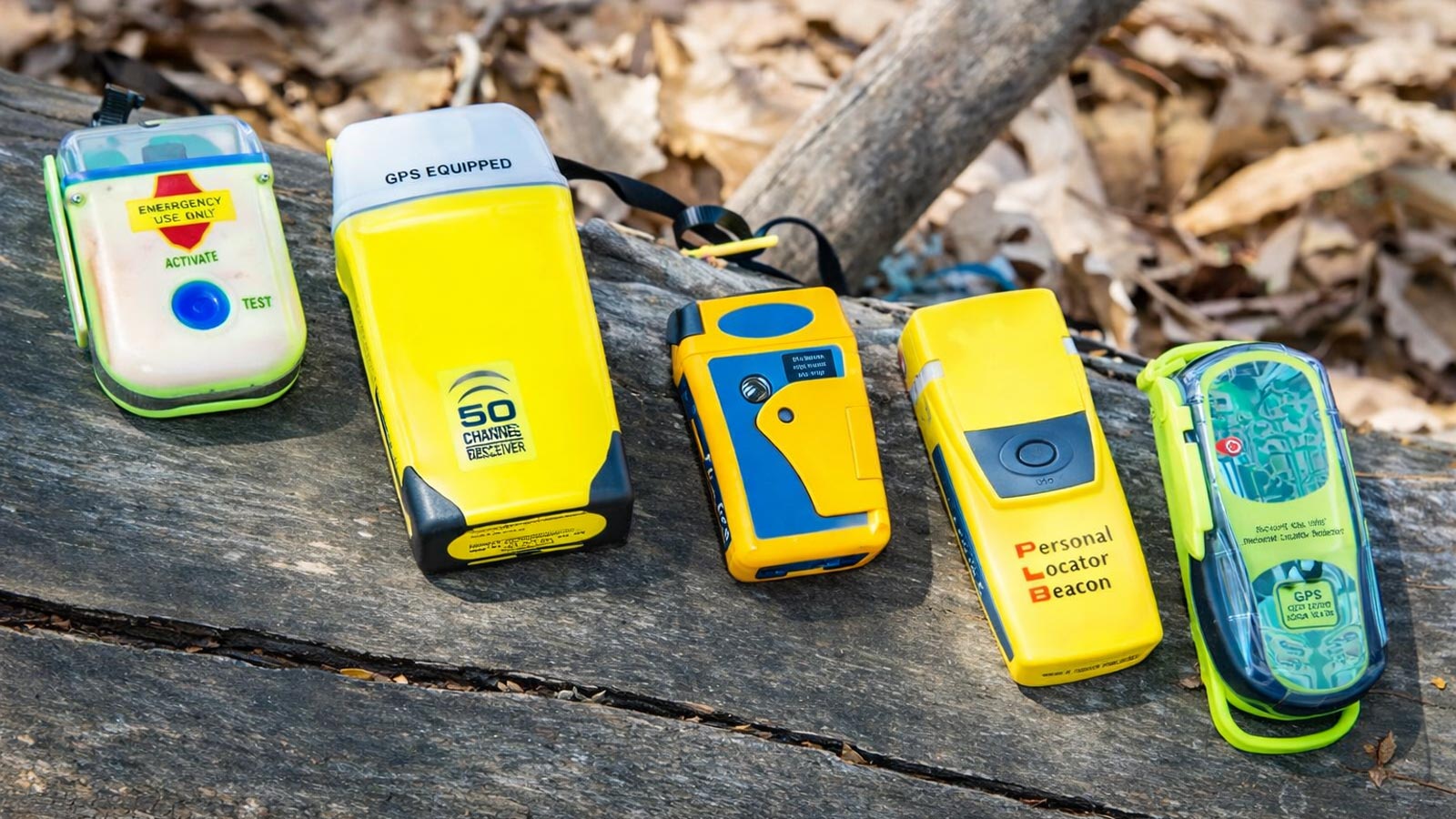
Preparing Your PLB for a Hike: Registration, Checks, and Legal Requirements
Read more →Preparing your PLB for a hike: AMSA registration, pre-trip checks, accidental activation, and using beacons overseas or from overseas in Australia.
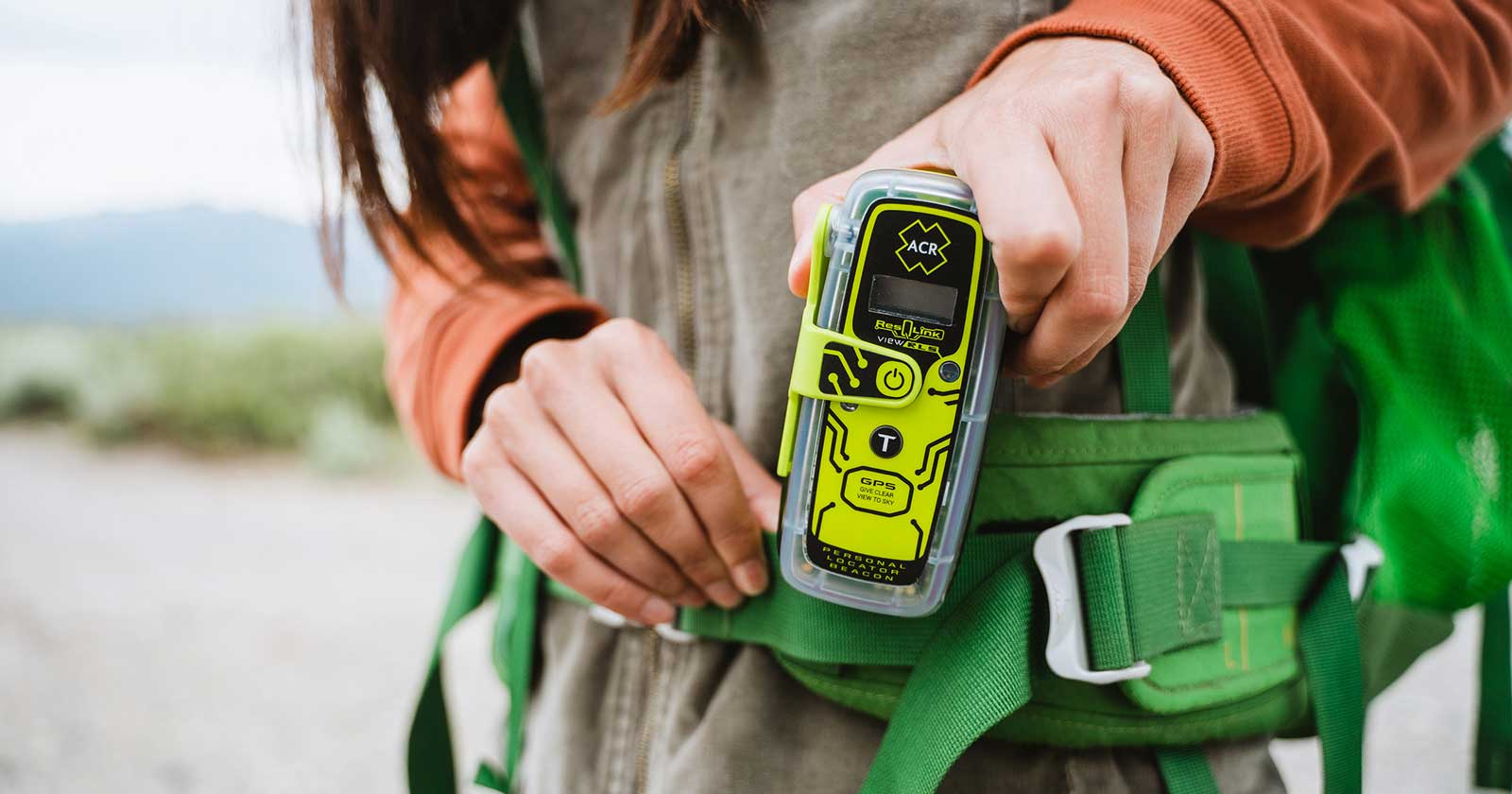
Replacing the Battery in Your PLB
Read more →PLB battery replacement in Australia: when it’s due, why servicing must be authorised, and contact details for every major beacon brand.
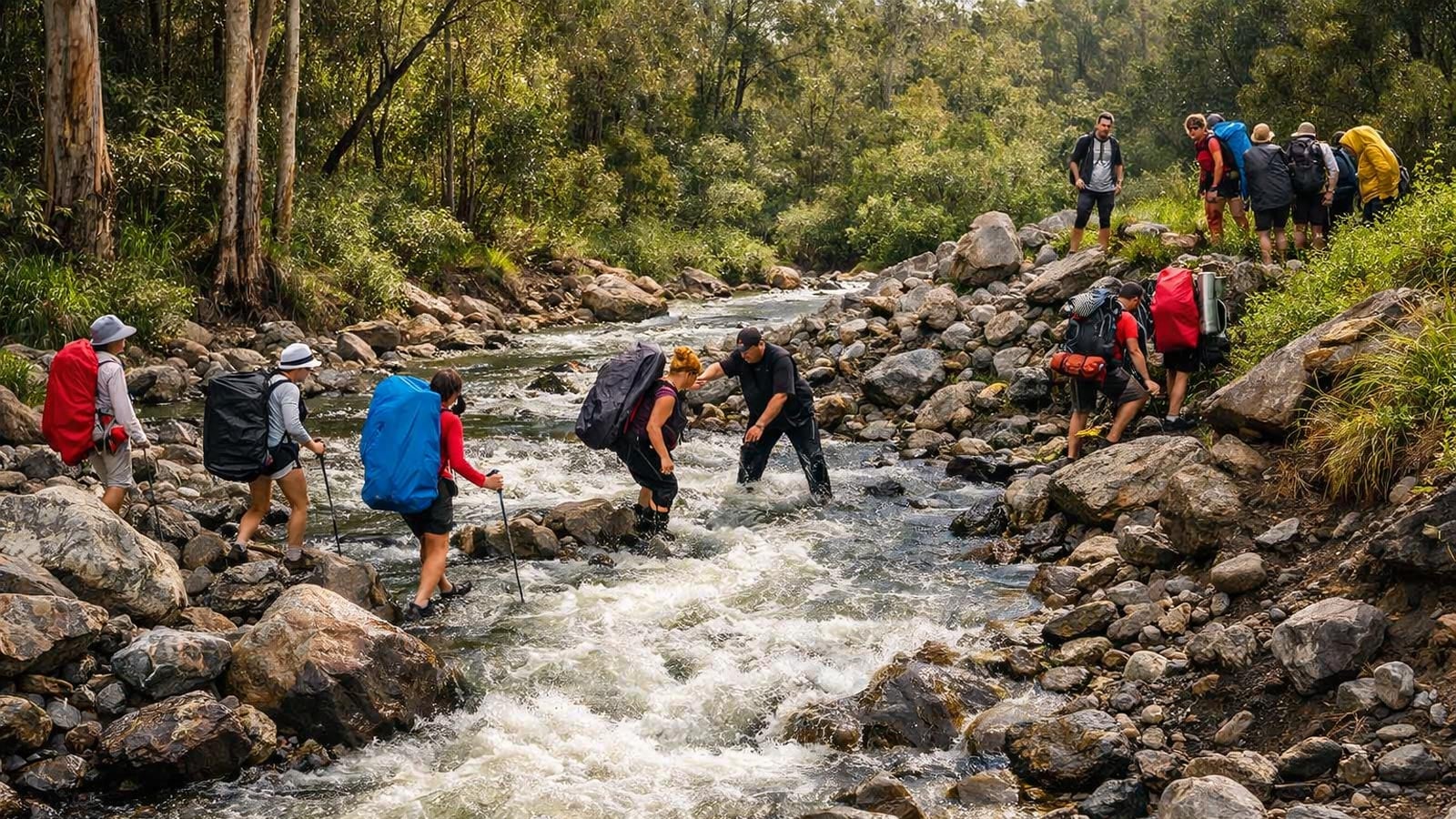
River crossing techniques: assessing risk and making safe decisions
Read more →A practical guide to assessing river crossing risk, including the mid-thigh depth rule, tripod technique, and when to turn back on Australian trails.
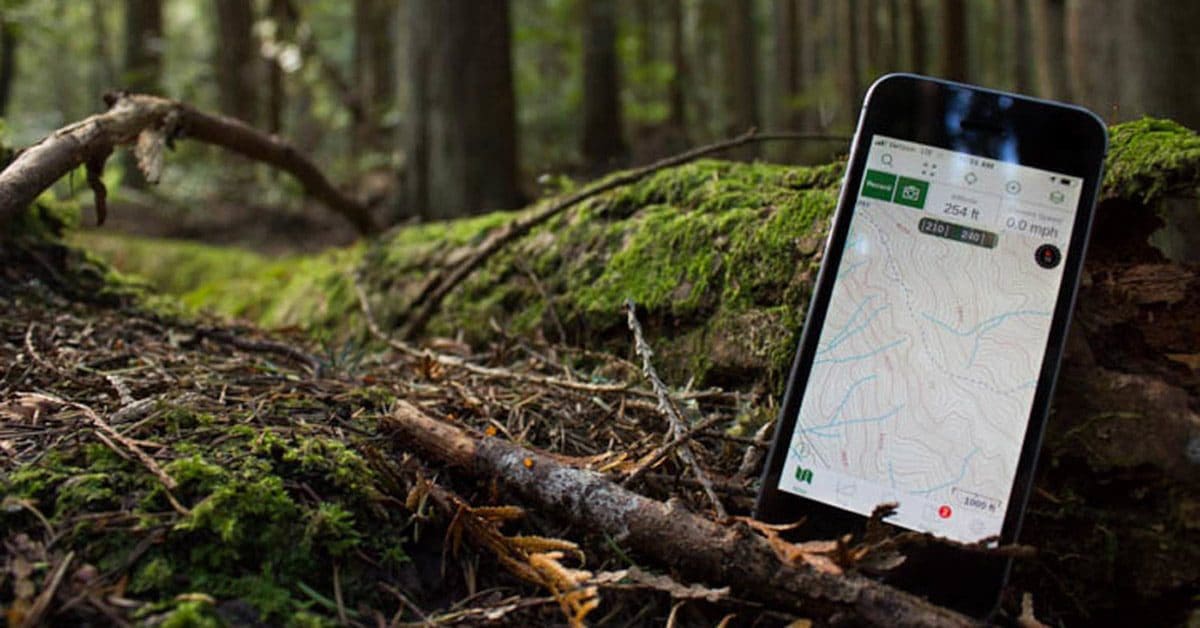
Safety and Navigation Apps for Hiking in Australia
Read more →A curated list of safety and trail navigation apps for hiking in Australia, covering emergency response, weather, first aid, and offline mapping.
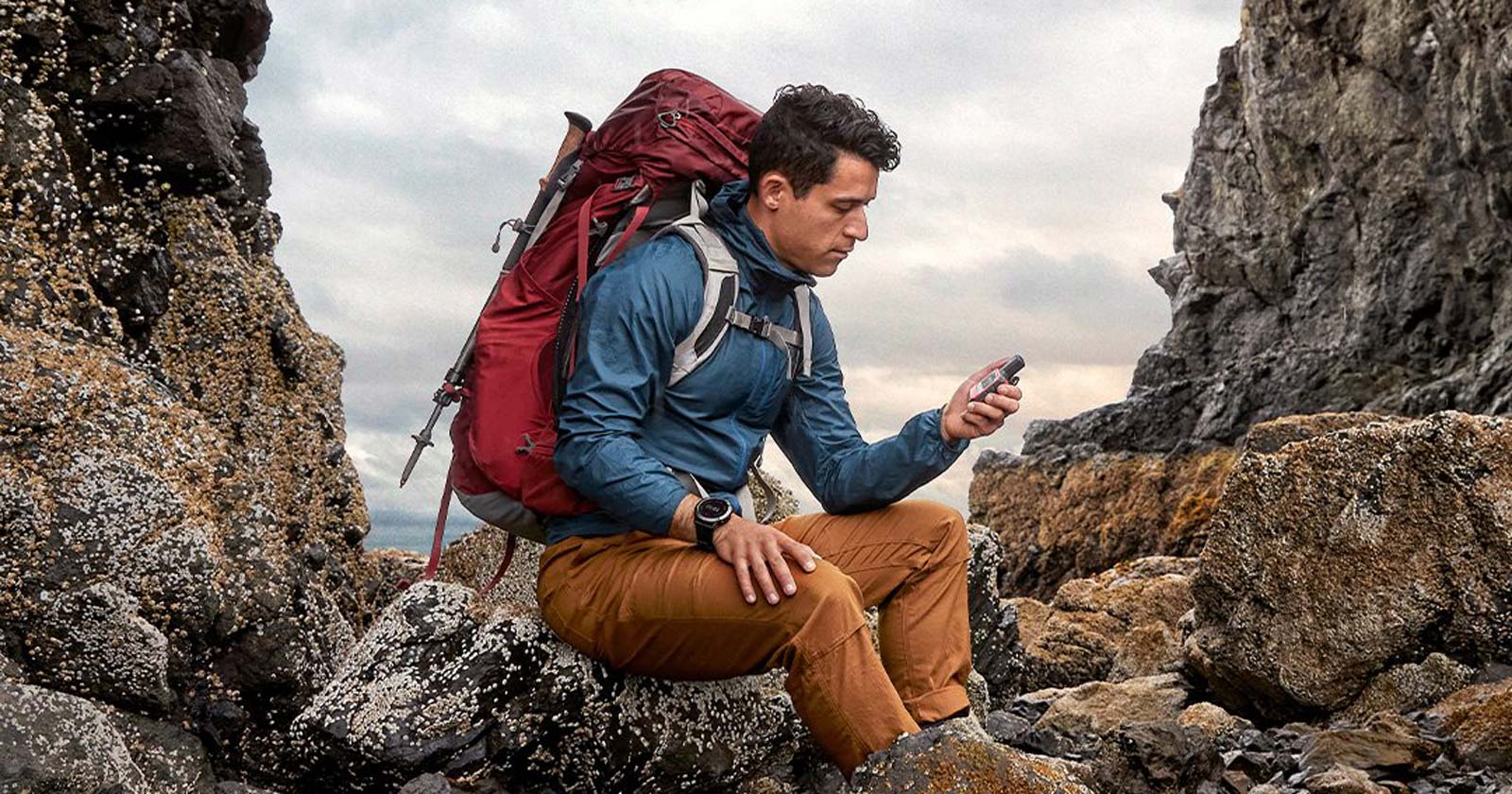
Satellite Communicators Compared for Hiking
Read more →A practical comparison of Garmin inReach, SPOT and ZOLEO satellite communicators for hiking, covering networks, subscriptions, failure points and specs.
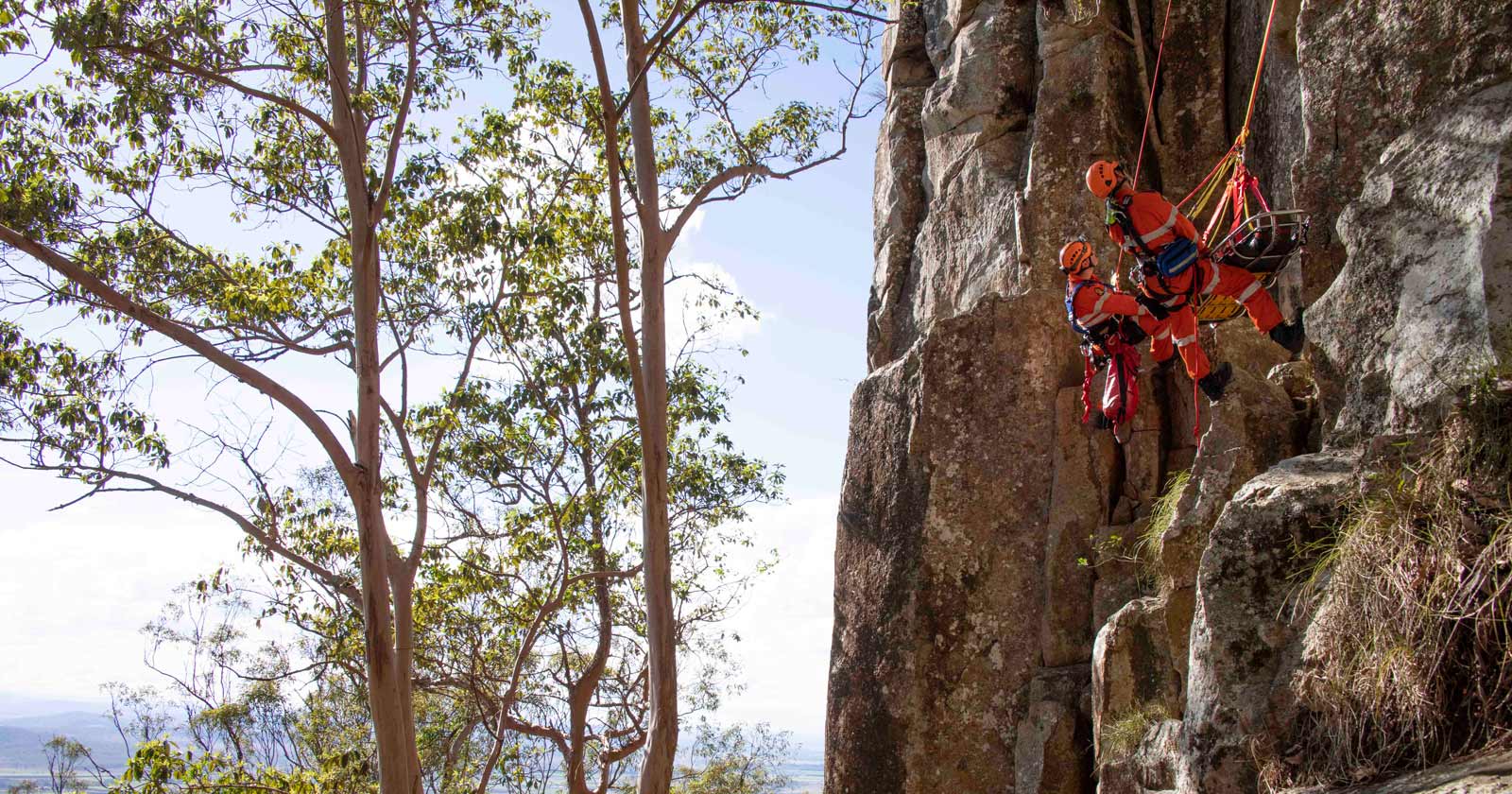
Search and Rescue in Australia: How It Works
Read more →How search and rescue actually works in Australia: who responds, what it costs, ambulance cover, and how to lower your own chances of needing a rescue.
Signalling for Help When Lost or Injured on a Hike
Read more →How to signal for help when lost or injured hiking in Australia, covering whistles, torches, visibility markers, mirrors, signal fires and arm signals.
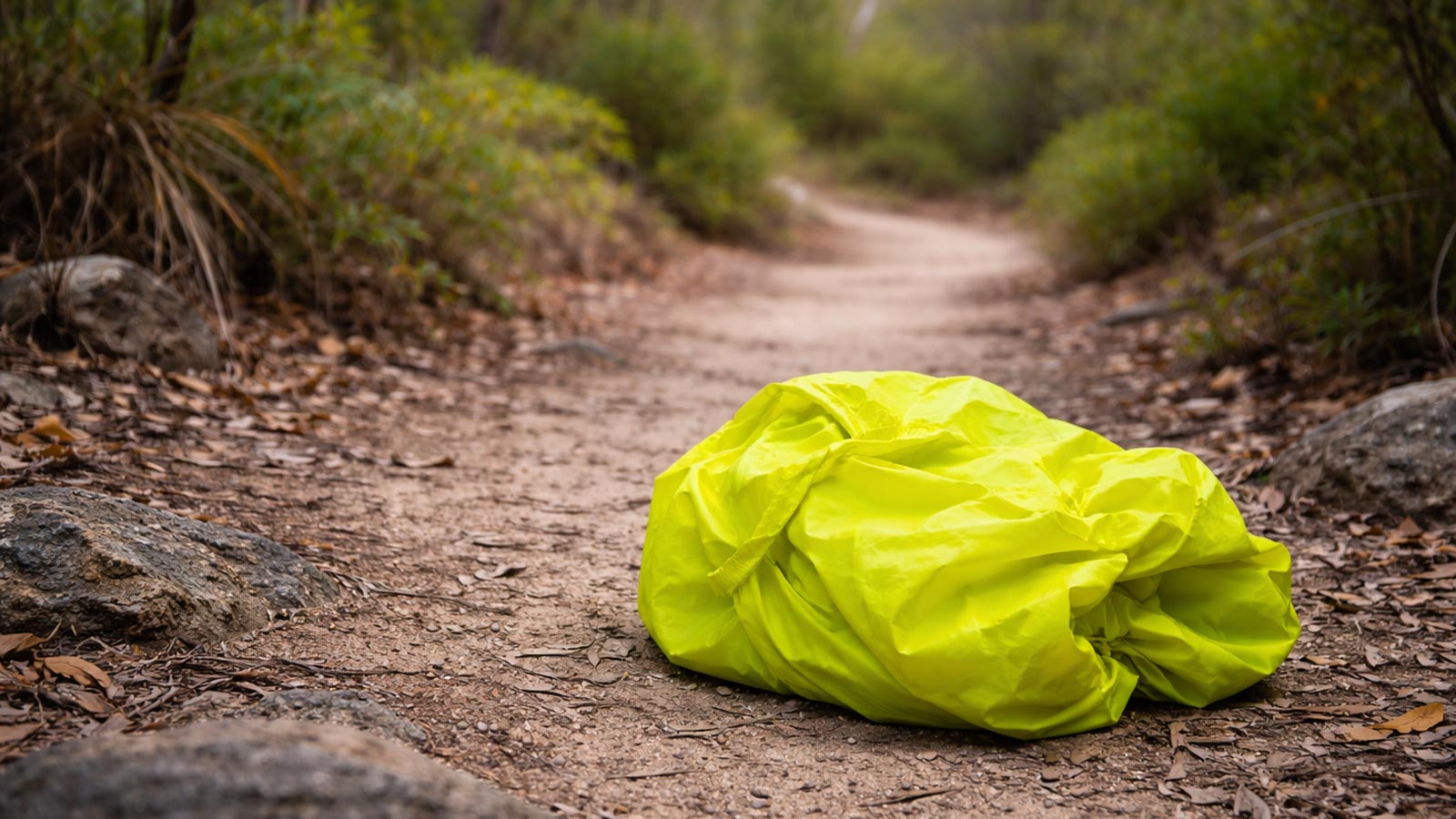
Stepping Off the Trail Safely: The Importance of Leaving a Sign
Read more →Stepping off the trail is normal, but Australian bush can disorient you fast. Learn why leaving a sign, marker or plan matters, and how to do it properly.
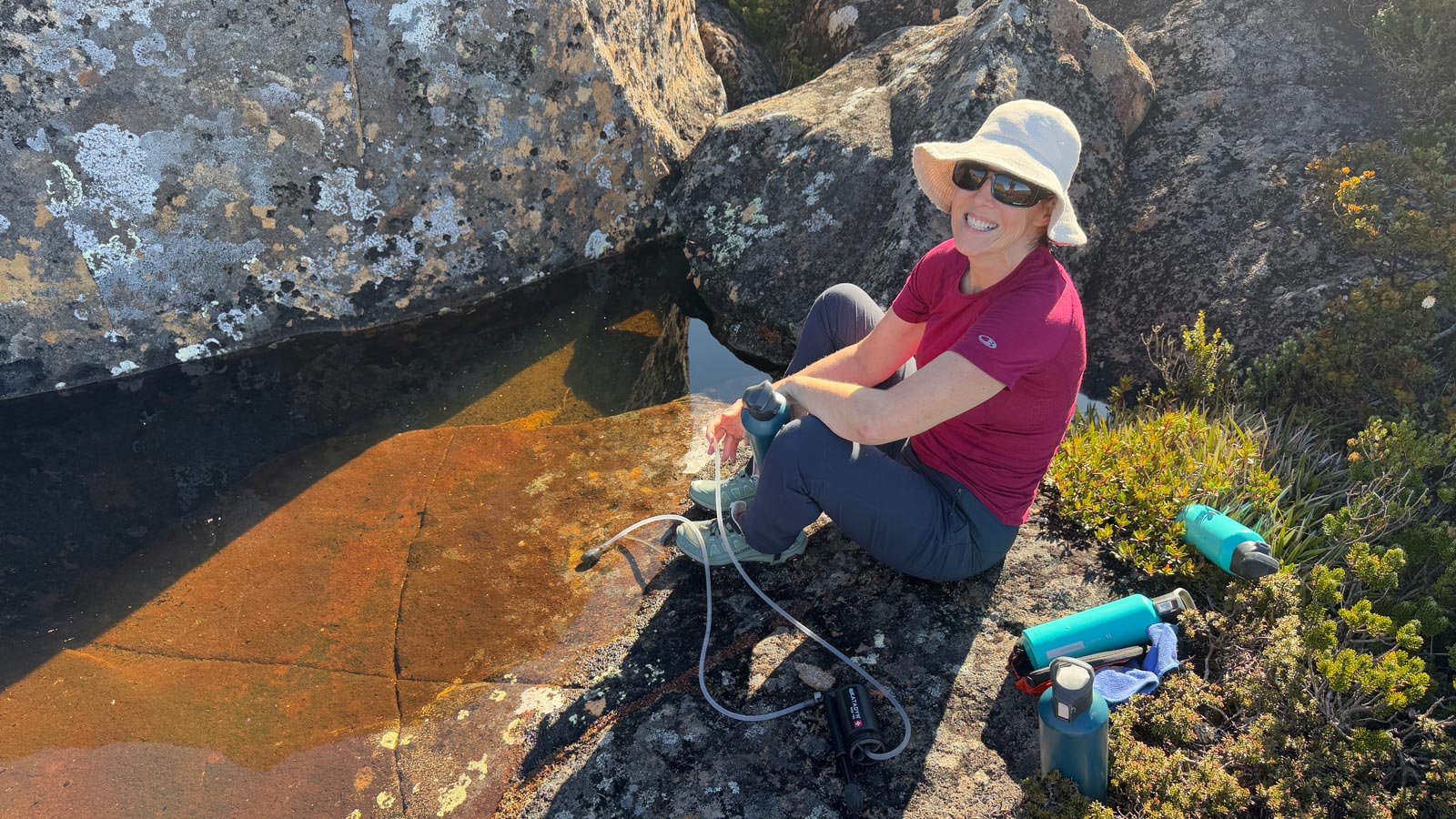
Survival myths vs reality
Read more →Seven hiking survival myths, from “three days without water” to heat illness, explained plainly with what actually keeps you safe.
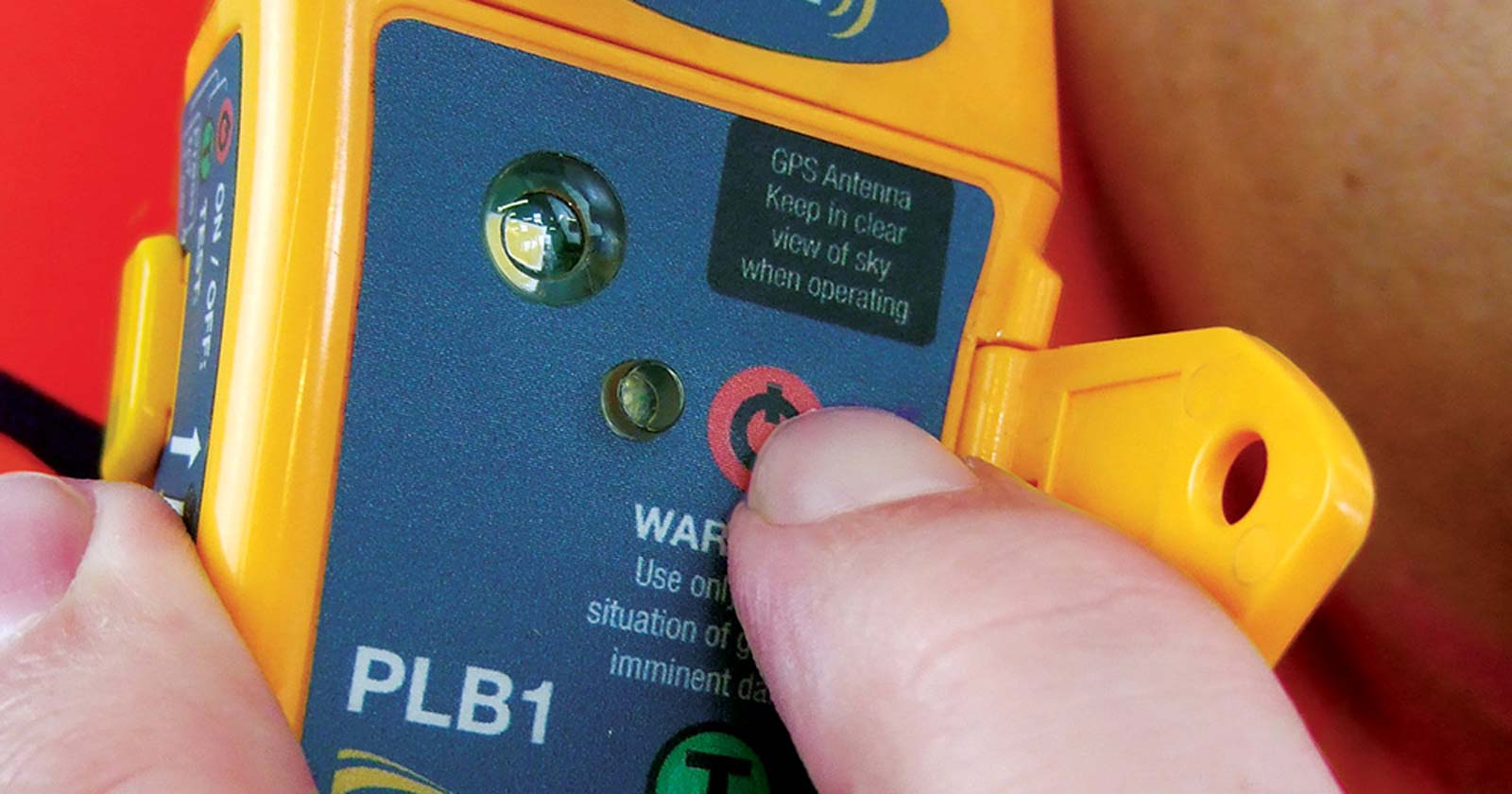
Testing your personal locator beacon (PLB)
Read more →How and when to test a personal locator beacon (PLB) correctly, including self-testing, battery expiry, registration, and why live testing is restricted.
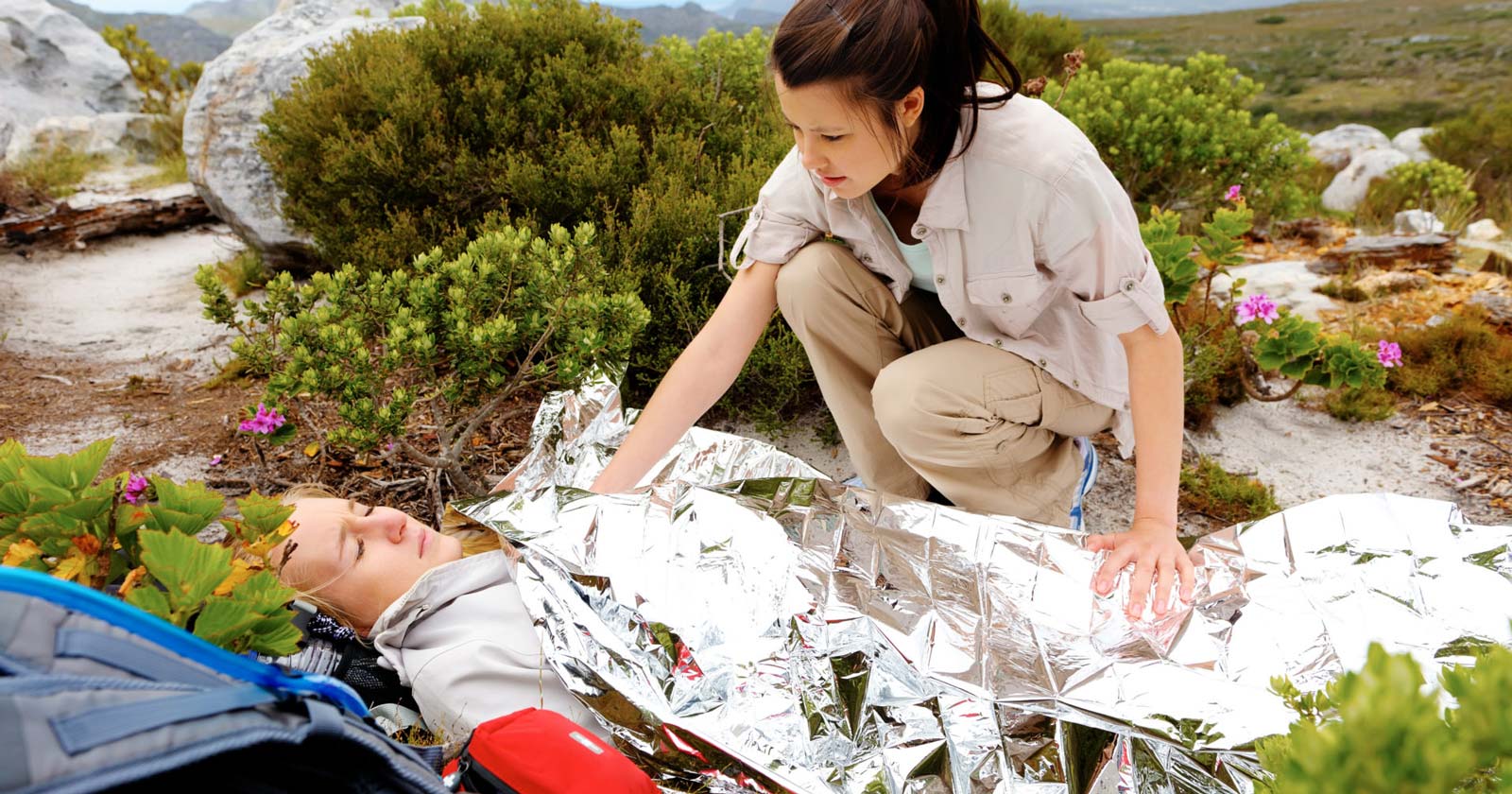
The benefits of wilderness first aid training
Read more →Wilderness first aid training prepares hikers to assess, stabilise and manage injuries when evacuation is delayed, especially in remote Australian terrain.
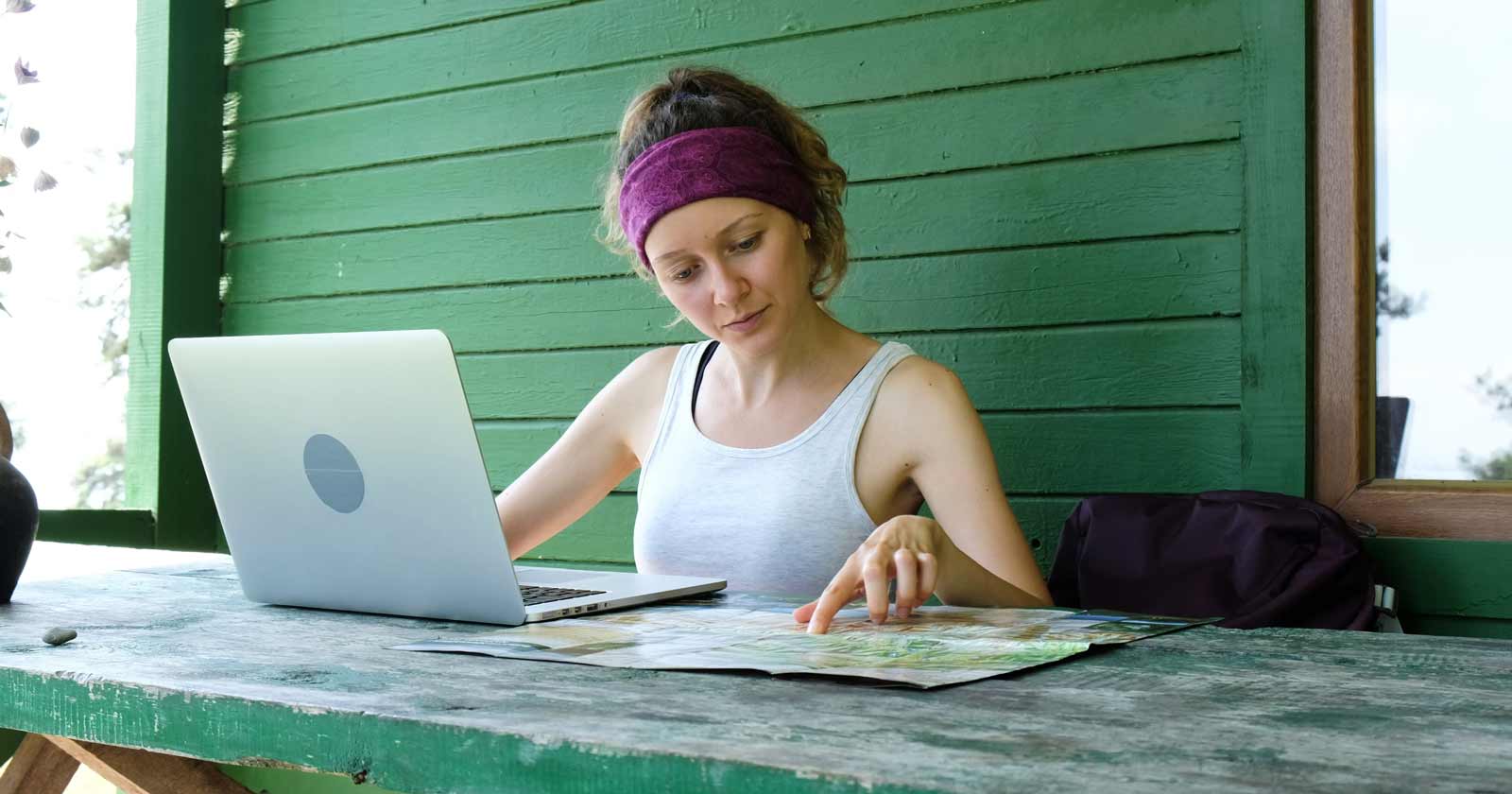
The Importance of Online Trip Intentions Form for Hiking
Read more →A trip intentions form tells search and rescue where you’re going and when to expect you back. Here’s why it matters and which form to use.
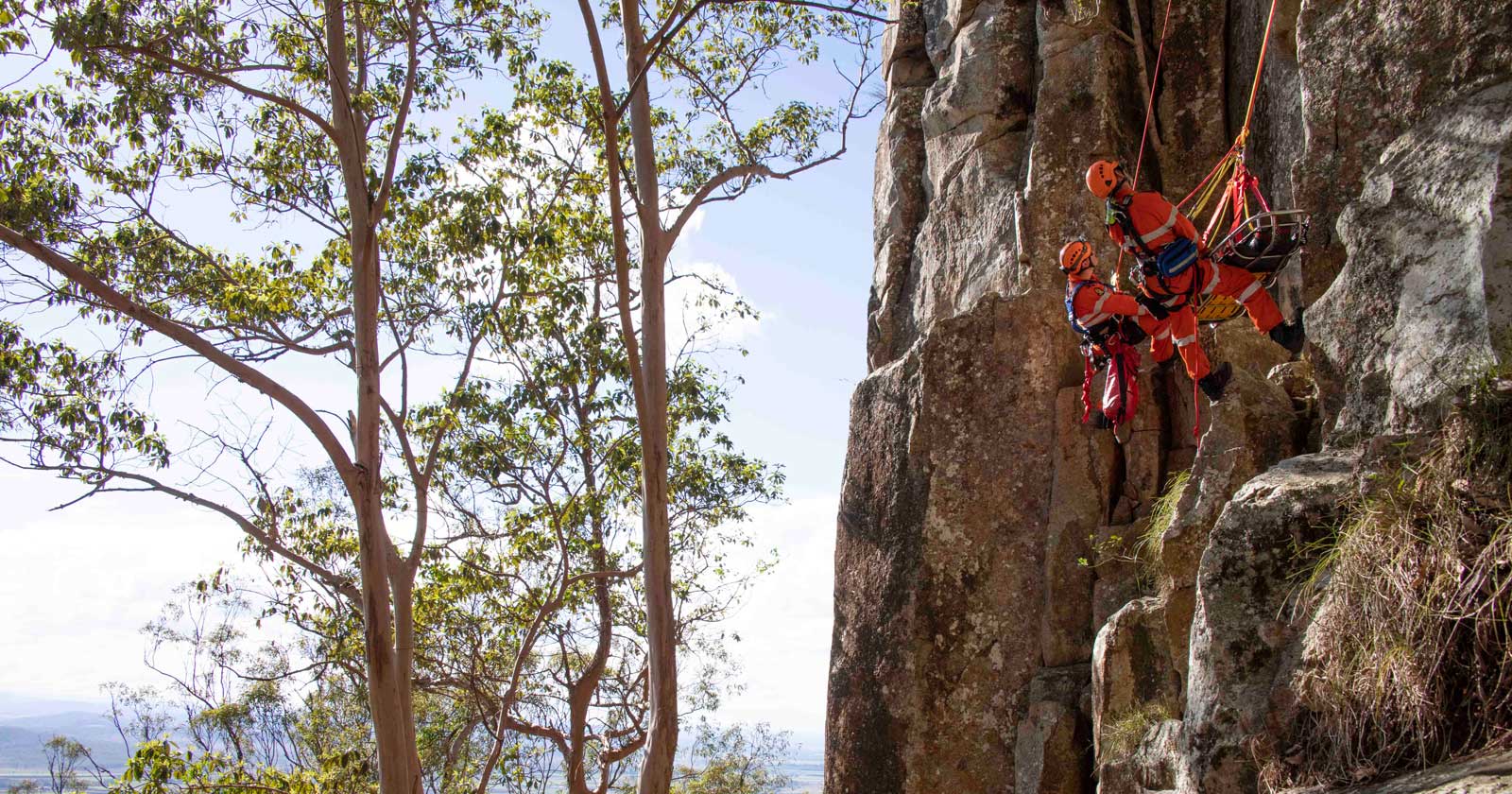
The Importance of Preparedness: Why Hiking Readiness Matters
Read more →Why hiking preparedness matters more than ever: recent Australian incidents, the risk of over-relying on PLBs, and a full pre-hike readiness checklist.
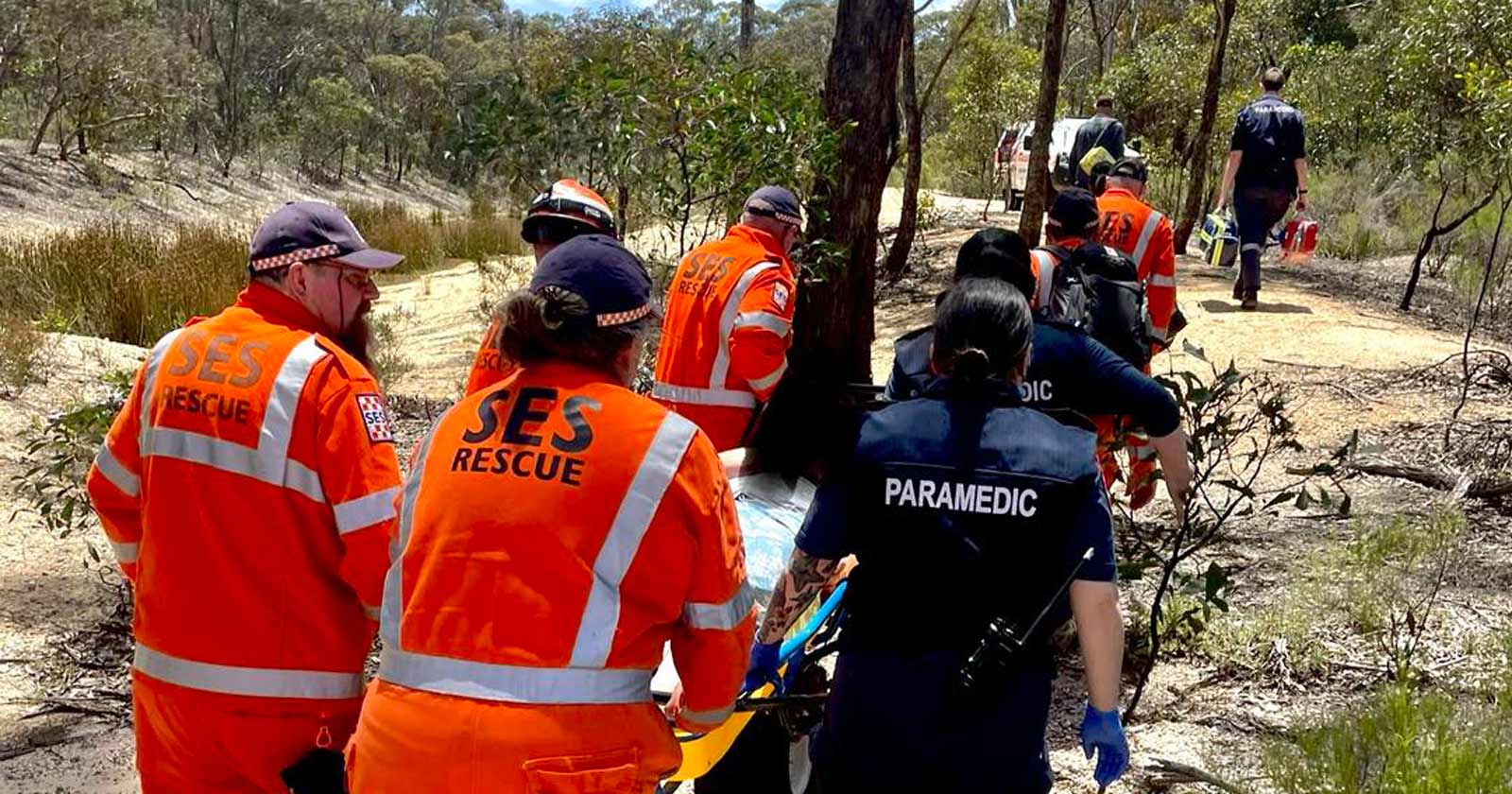
The Stages of Search and Rescue in Australia
Read more →How search and rescue actually works in the Australian bush: which agencies respond, how each stage unfolds, and what preparation changes for you.
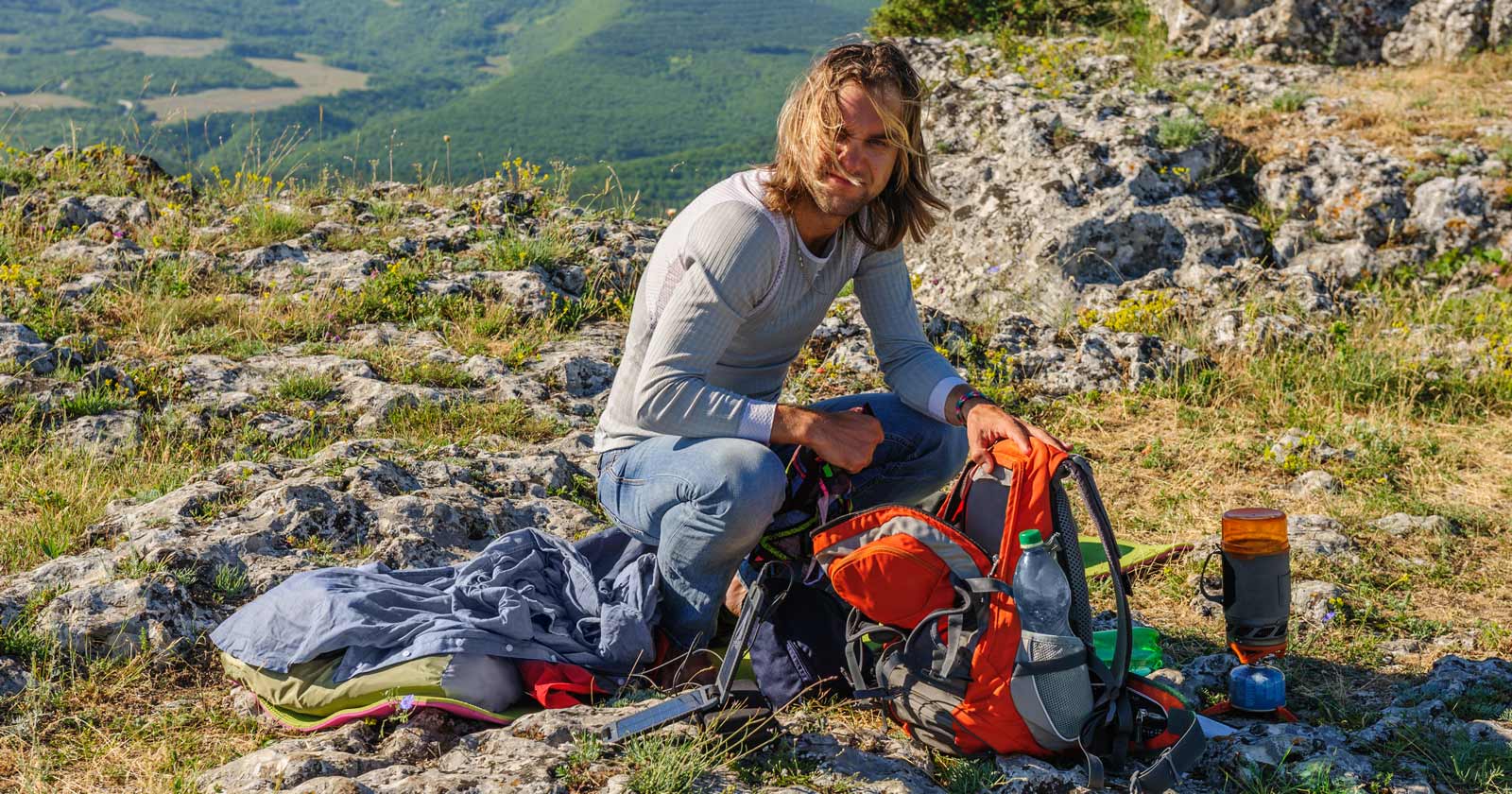
The Ten Essentials: a systems approach to hiking safety
Read more →The Ten Essentials explained as a systems approach to hiking safety, from classic gear list to the modern functional framework.
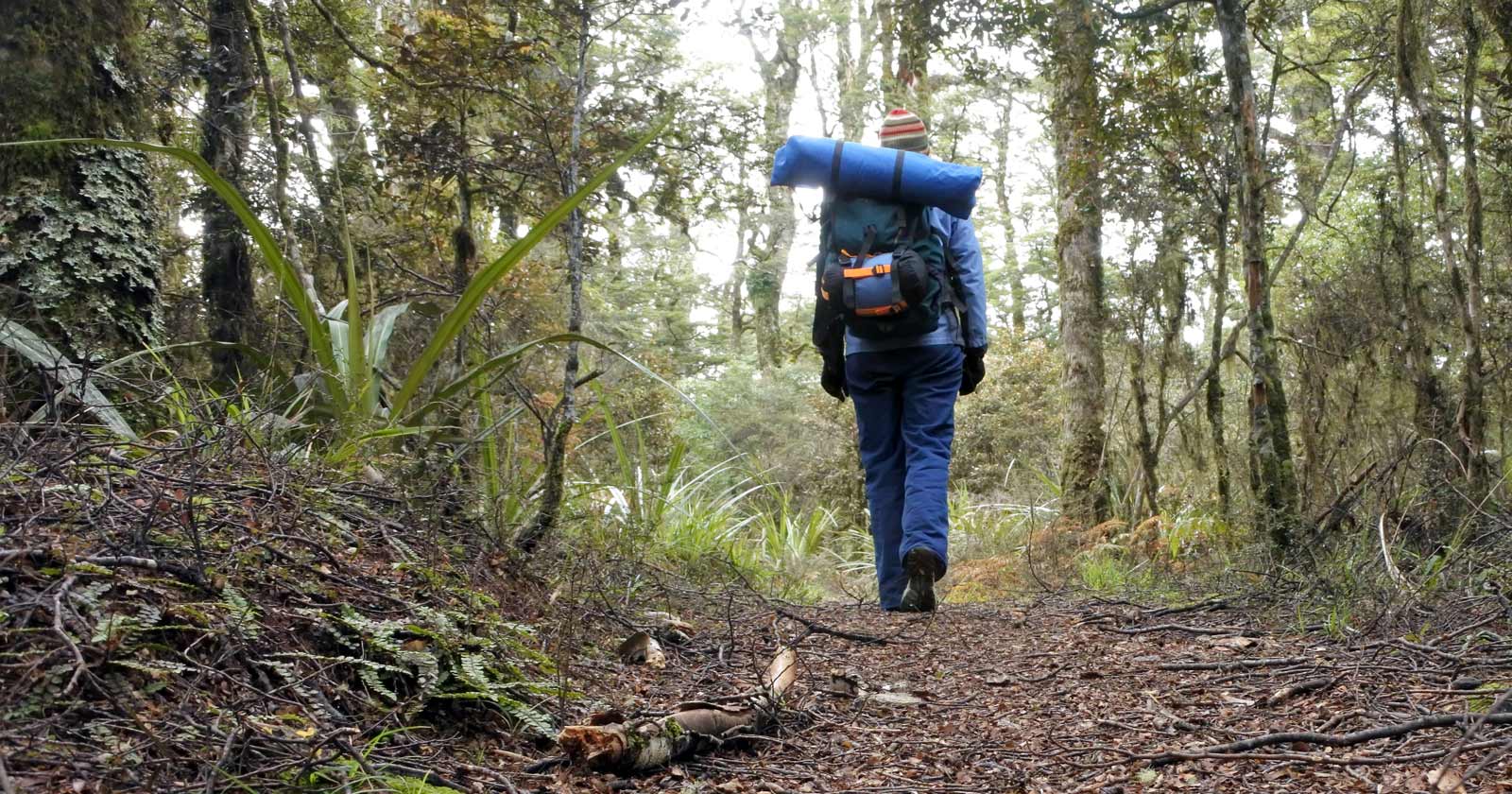
Think Before You Trek: A Practical Safety Guide for NSW National Parks
Read more →The NSW NPWS and Police TREK framework: take supplies, register your trip, carry a PLB and keep to your planned route.
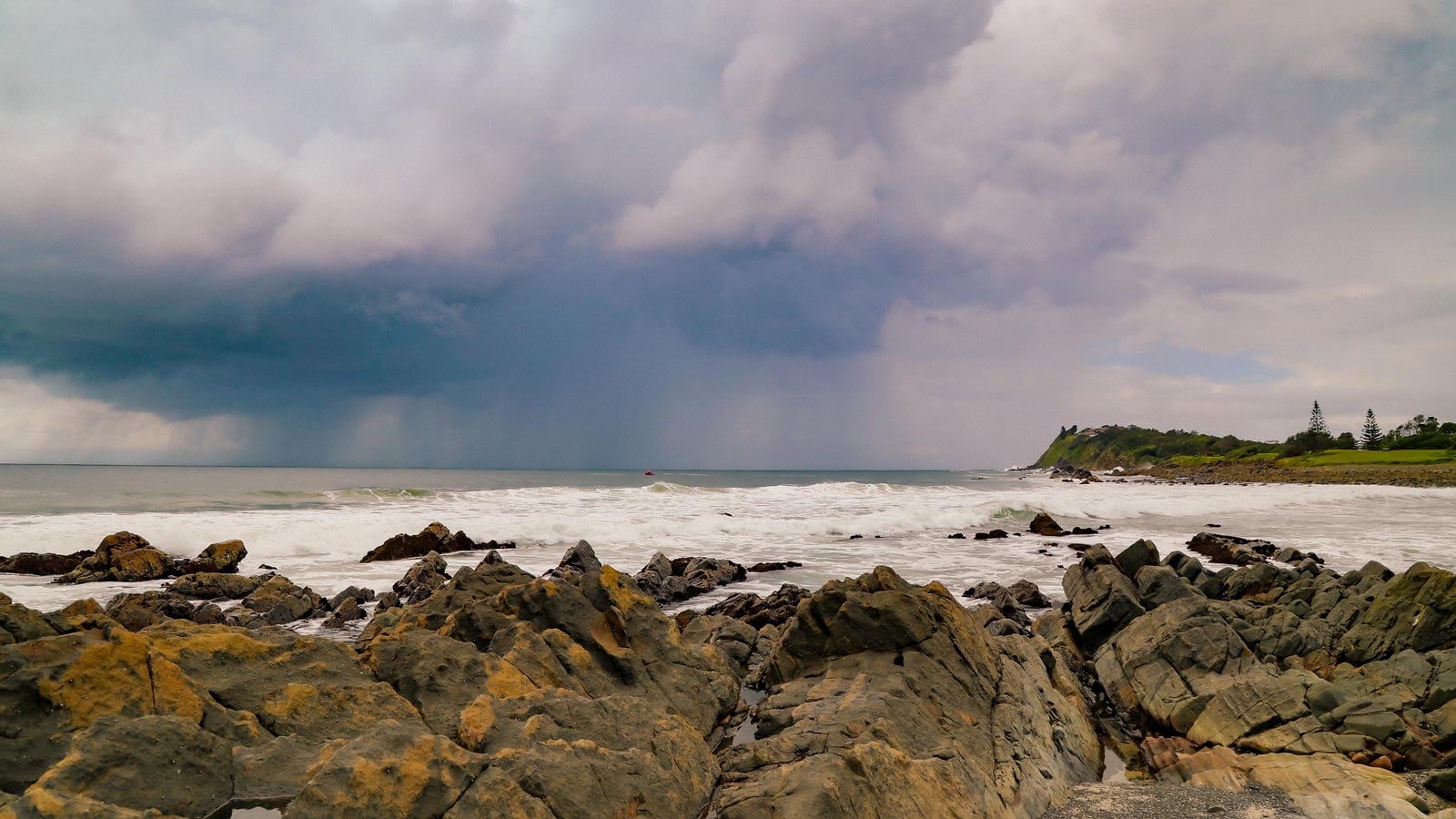
Thunderstorm Asthma: What Hikers Need to Know
Read more →Thunderstorm asthma can affect hikers who have never had asthma before. What causes it, how forecasts work, and go, delay, or cancel guidance.
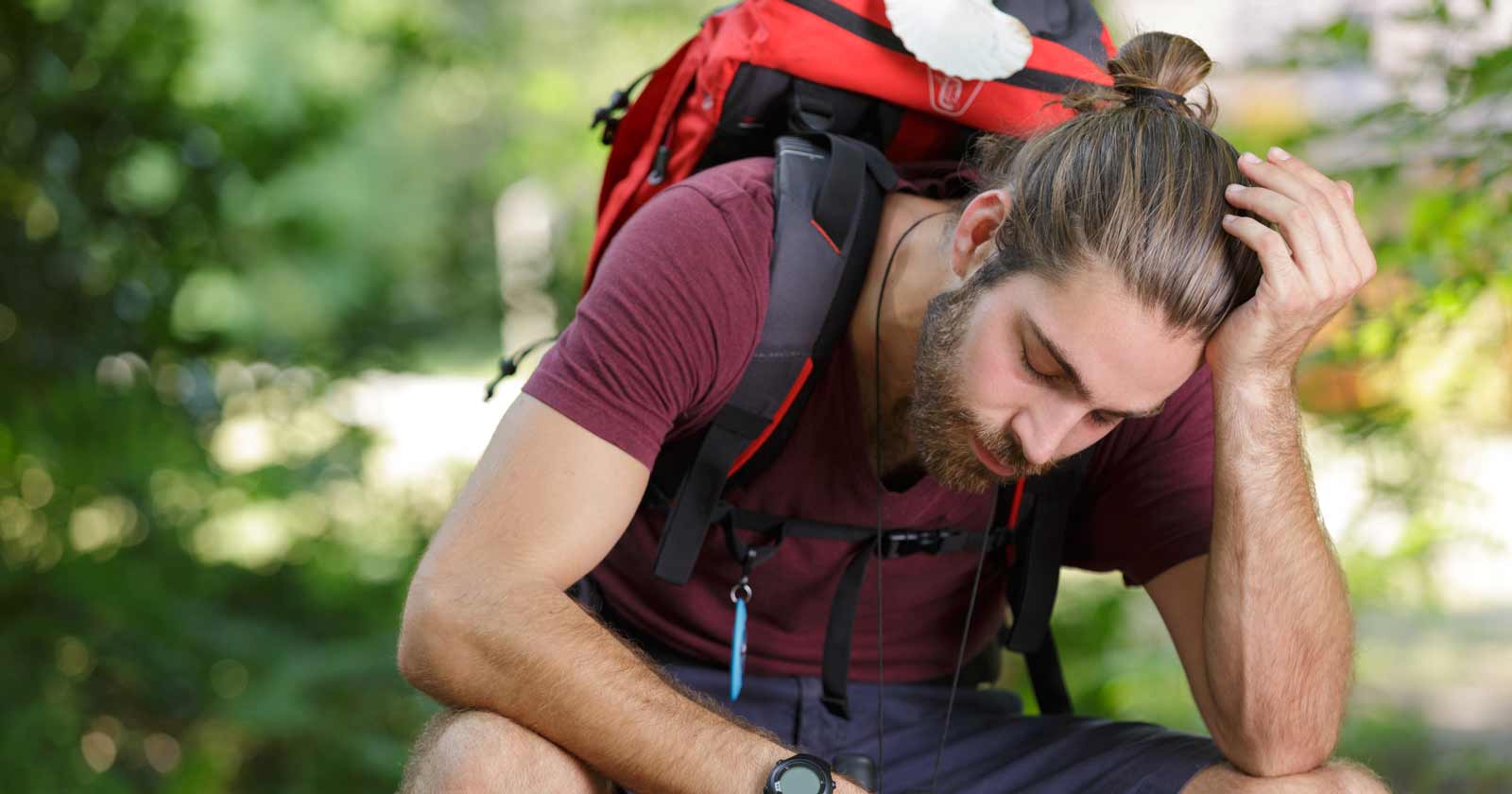
Tips for avoiding heatstroke when hiking
Read more →Heatstroke on the trail is preventable. Learn how to plan, pace and dress for heat, spot the warning signs early, and know when to turn back.
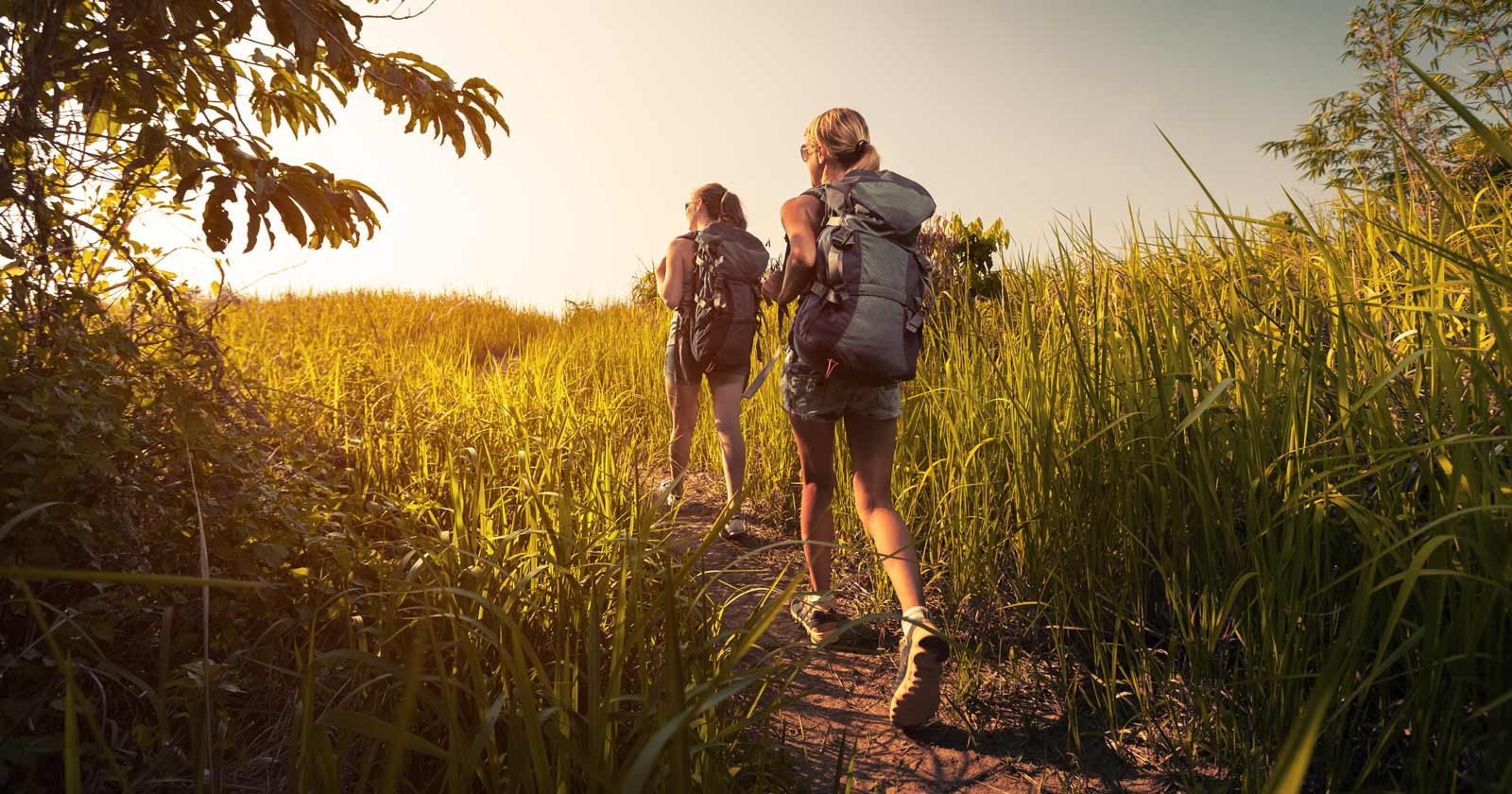
Tips for hiking in hot weather in Australia
Read more →Hiking safely in Australian heat: early starts, clothing, hydration, heat stress signs, fire danger and knowing when to change plans.
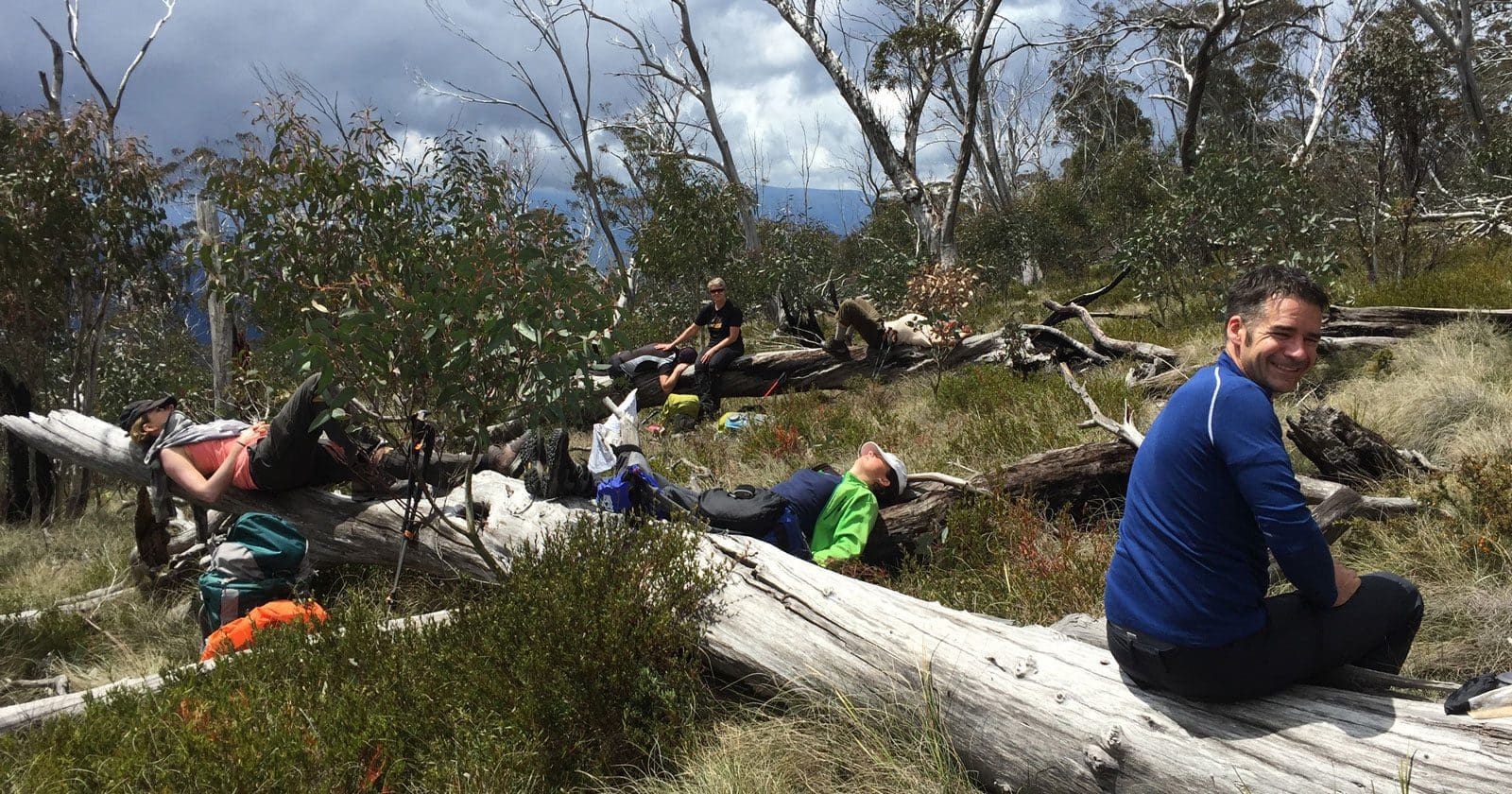
Tips for New Hikers: Building Confidence and Safer Hikes
Read more →Practical, connected advice for new hikers on planning, packing, trail behaviour and handling things going wrong, so your confidence builds safely with experience.
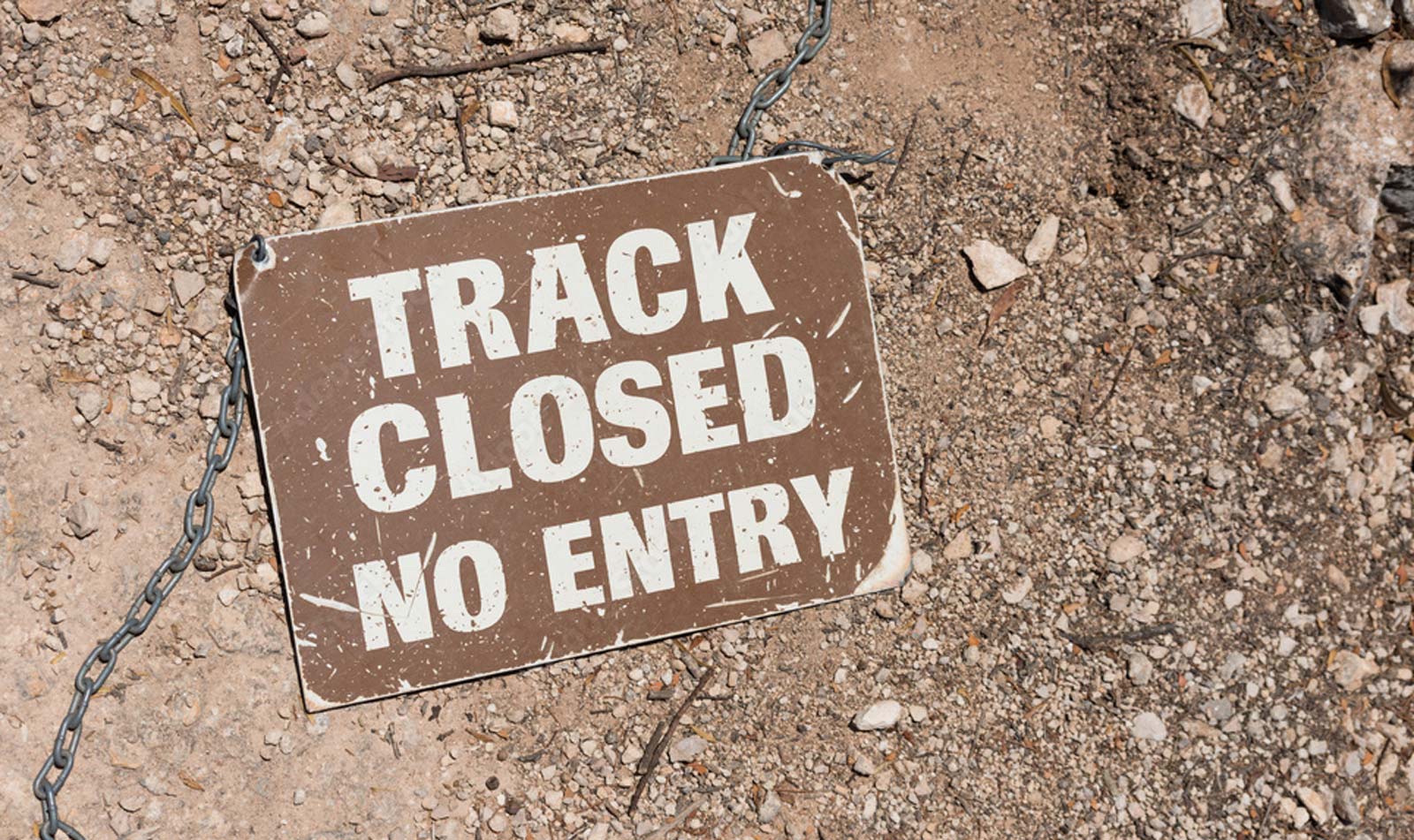
Track closed: Is it still OK to hike?
Read more →Why track closures in Australia exist, what they’re actually protecting you from, and why turning around at a closed gate is the right call.
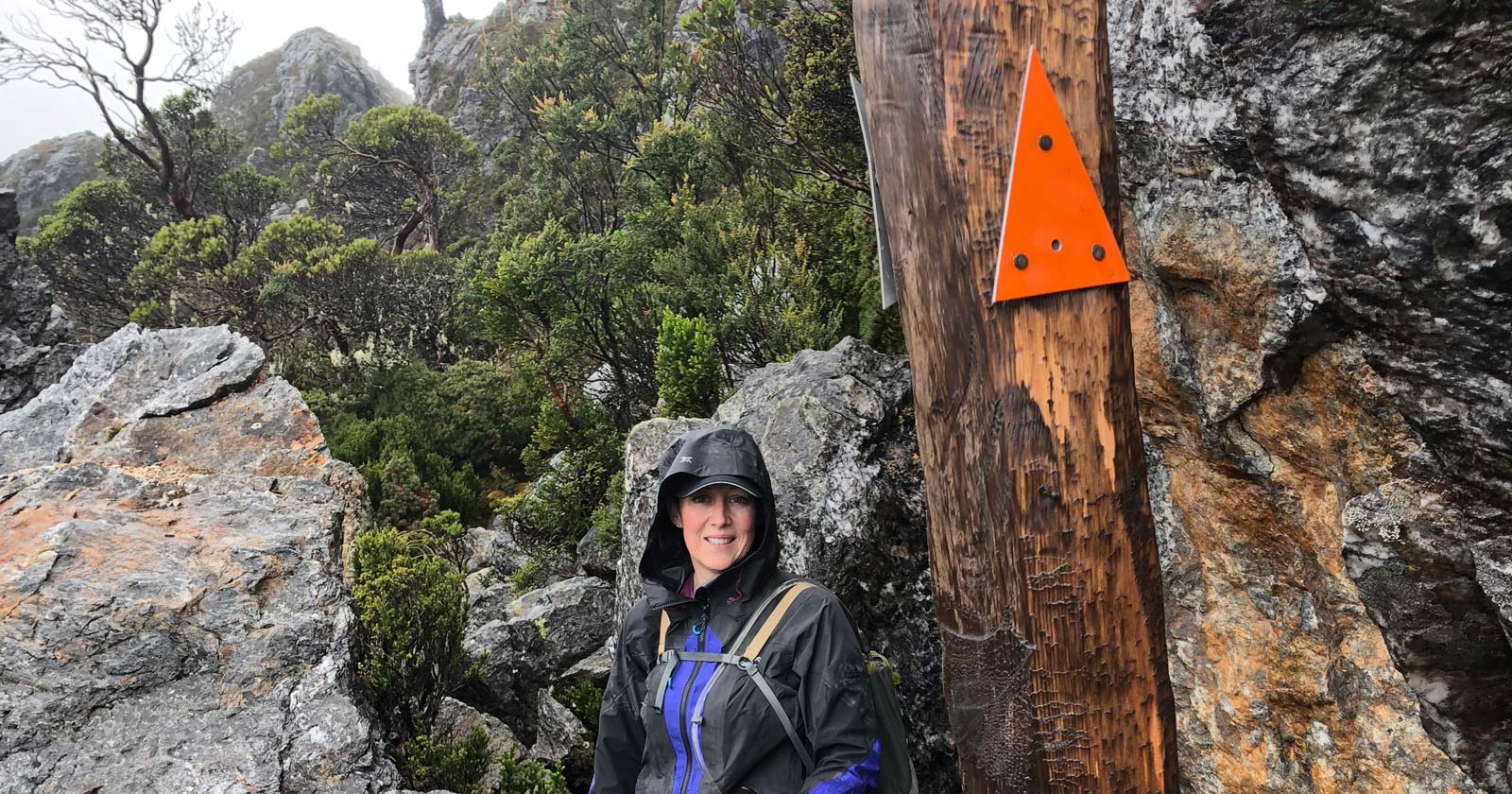
Track markers, pads and false trails: navigating beyond the paint
Read more →How trail markers, cairns and ribbon work in Australian bush navigation, their limits, and what to do when markers disappear or a false trail appears.
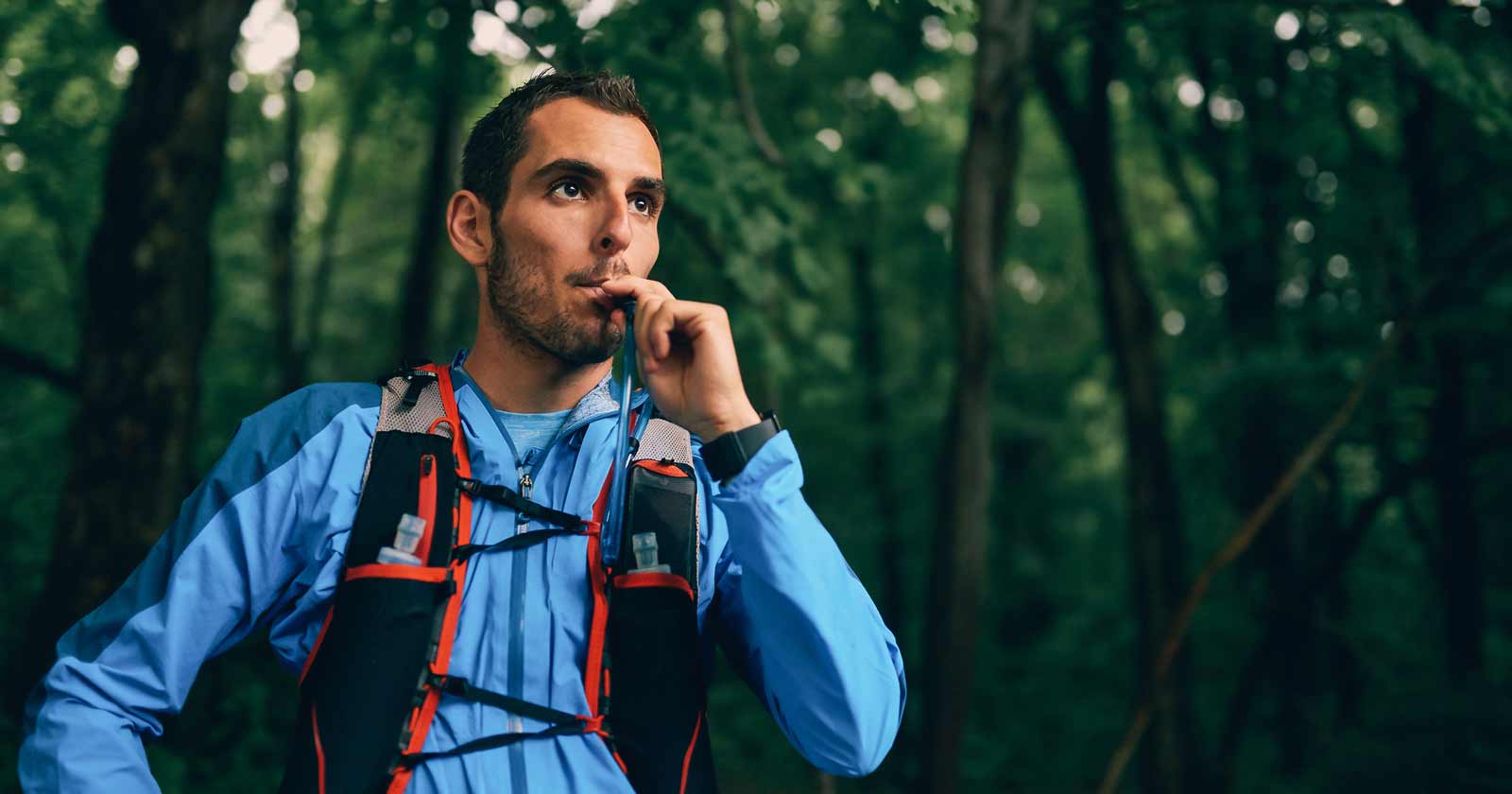
Trail Running: How much water should you carry?
Read more →How much water to carry trail running: planning by time not distance, fluid loss, carry systems, and staying safe on short or remote runs.
Trip Intentions and Rescue Planning for Hikers
Read more →Why trip intentions matter for hiker rescue planning: what to include, why escalation time is critical, and how overdue searches unfold.
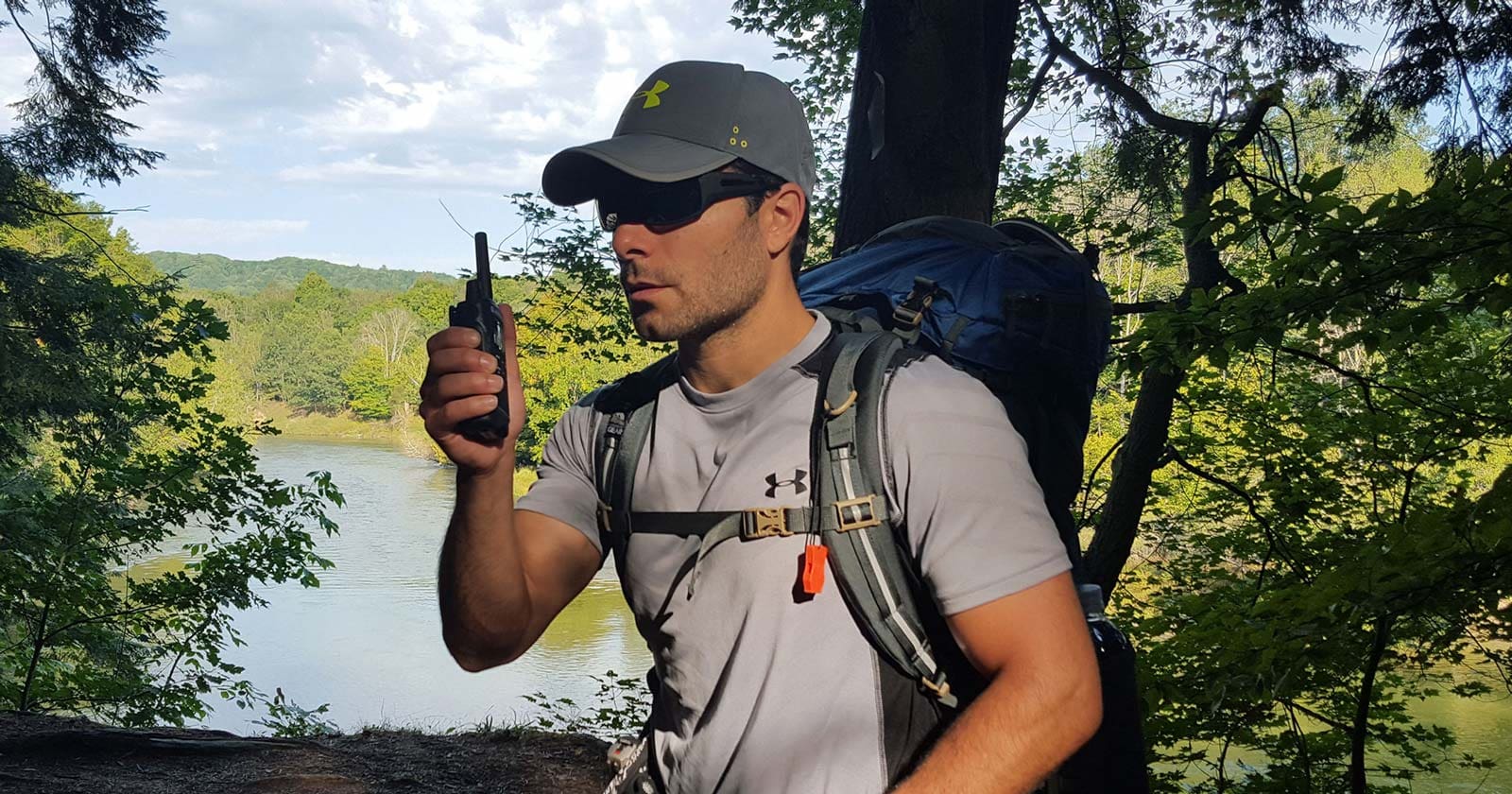
UHF Radios for Hiking in Australia: Group Communication, Limits, and Safety
Read more →What UHF radios do for hiking groups in Australia, their real range limits, and how they fit alongside phones, satellite comms and a PLB for safety.
Walk Safe: Essential Tips for a Safe Hiking Experience
Read more →Bushwalking Victoria’s WALK SAFE principles for planning, spotting hazards, and matching a walk to your experience before heading into the Australian bush.

Water purification for hiking: methods and limitations
Read more →Comparing boiling, filters, chemical treatment and UV for hiking: what each removes, where it falls short, and how to combine them safely.
Weather Guide for Hiking in Australia: Forecasts, Hazards and Warnings
Read more →How to use seasonal context, BOM forecasts, and warnings to plan and monitor weather risk on Australian hikes, with hazard and warning reference tables.
What Happens After You Activate a Personal Locator Beacon
Read more →What actually happens after you activate a Personal Locator Beacon in Australia: satellite detection, rescue coordination, and how to be found faster.
What Happens When You Call 000 While Hiking
Read more →What actually happens when you call 000 while hiking: automatic location sharing, any-network fallback, and where both quietly break down.
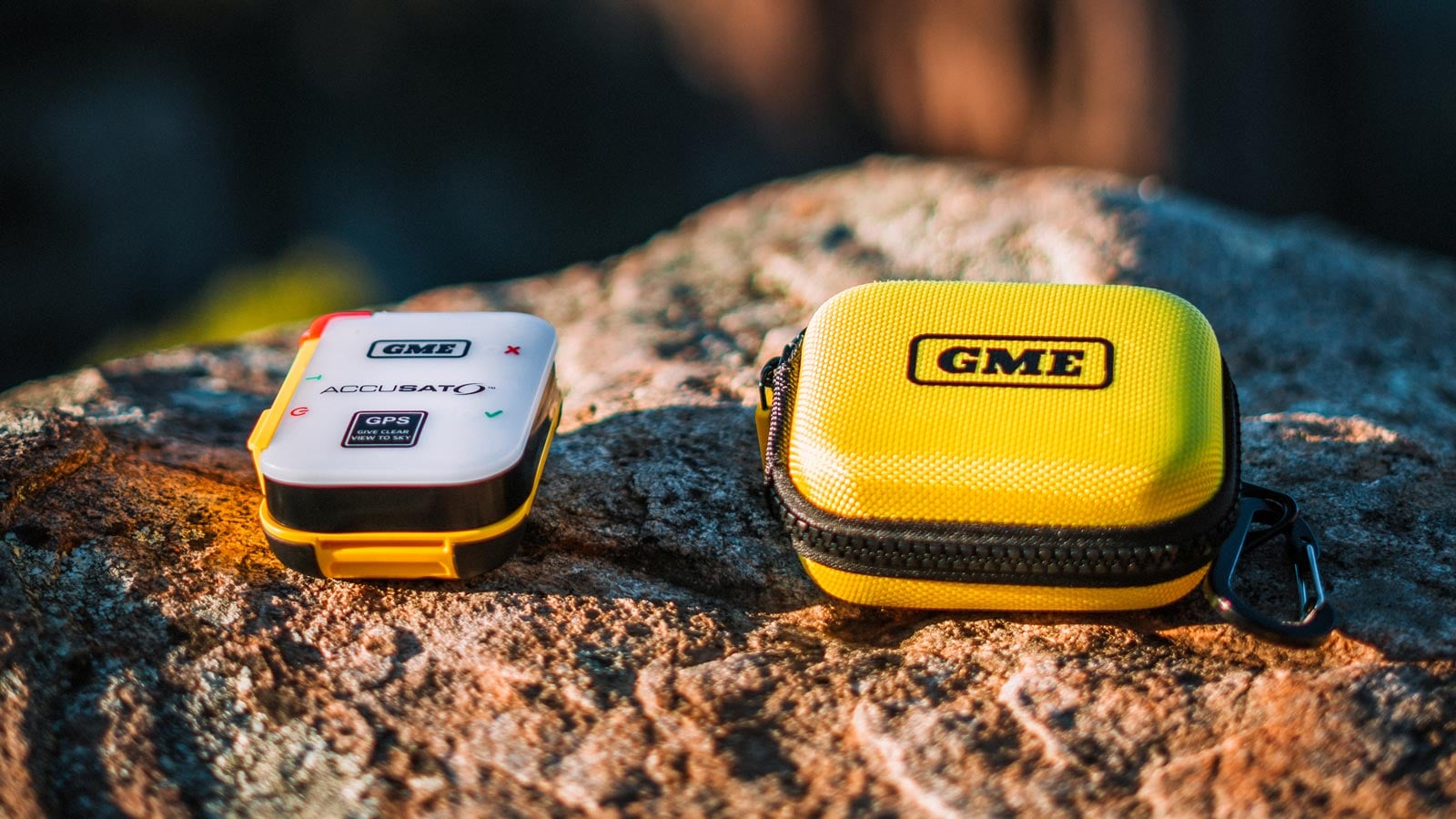
What is a Personal Locator Beacon (PLB)?
Read more →A PLB is essential gear for remote hiking in Australia. Learn how it works, which beacon type you actually need, and how to buy, register and use one safely.
What to do if a child becomes separated on a hike
Read more →What to do if a child goes missing on a hike: stop the group, search the immediate area calmly, then escalate early by calling 000 if needed.
What to do if you get lost hiking in Australia: Stop, Confirm, Relocate
Read more →What to do if you get lost hiking in Australia: the stop, confirm, relocate model, when to stay put, and how to contact emergency services.
What to do when a group member becomes lost hiking
Read more →What to do when a hiker in your group goes missing: headcount, Last Known Point, search decisions, and when to call 000 for help.
Why Carrying a Torch is Essential for Hiking Safety
Read more →Why carrying a torch matters for hiking safety: seeing the trail, navigating in low light, signalling for help, camp tasks, and why your phone isn’t enough.
Why hikers get lost: patterns behind bushwalking incidents
Read more →Bushwalking incidents rarely come from one mistake. Here’s how small, reasonable decisions combine into serious trouble on the trail.
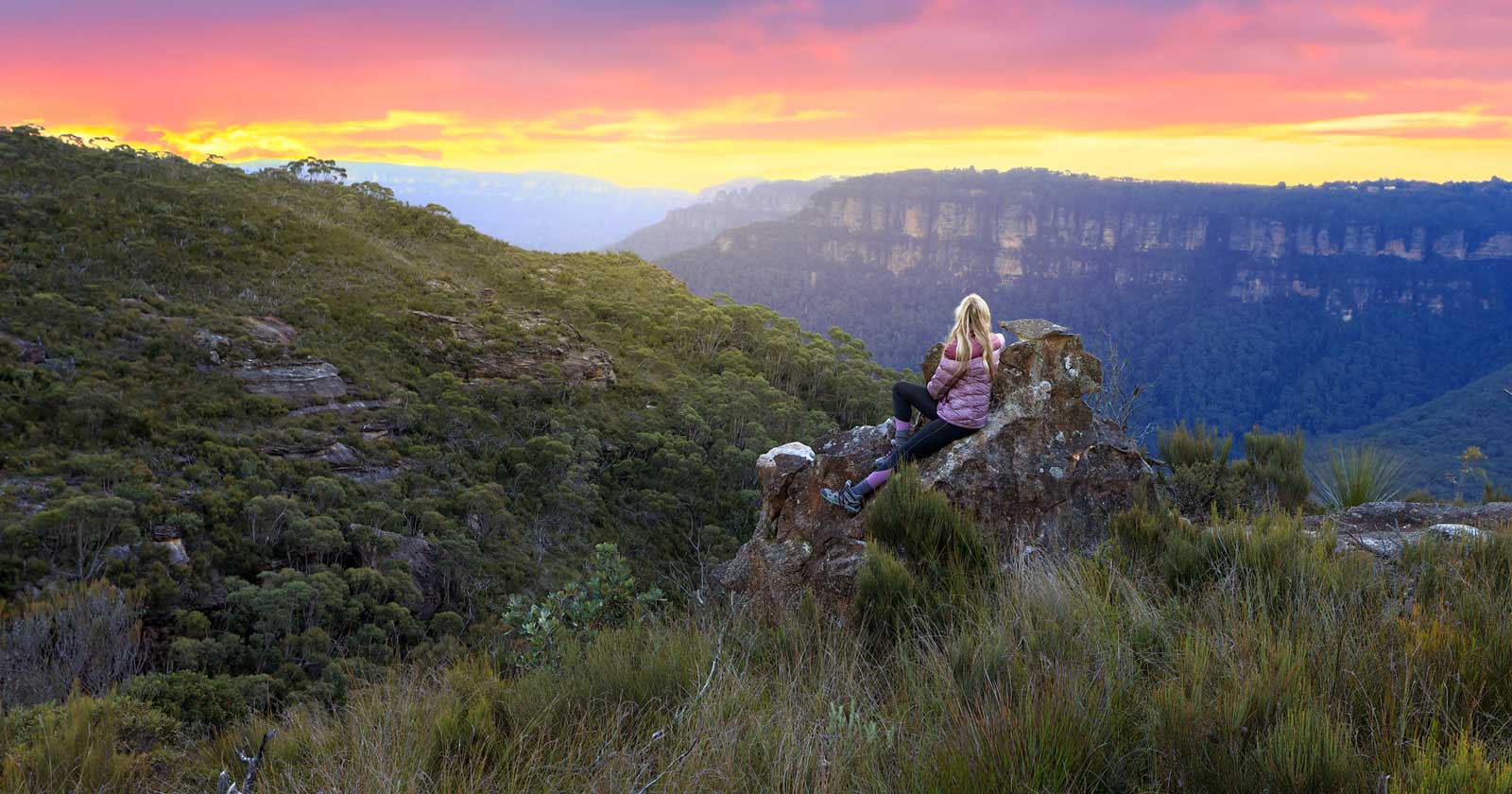
Why Improvisation is Important for Hiking: Adapting to the Unexpected
Read more →Weather turns, gear breaks, or you lose the trail: on a hike, what keeps you safe once plans change is your ability to improvise with what you’re carrying.
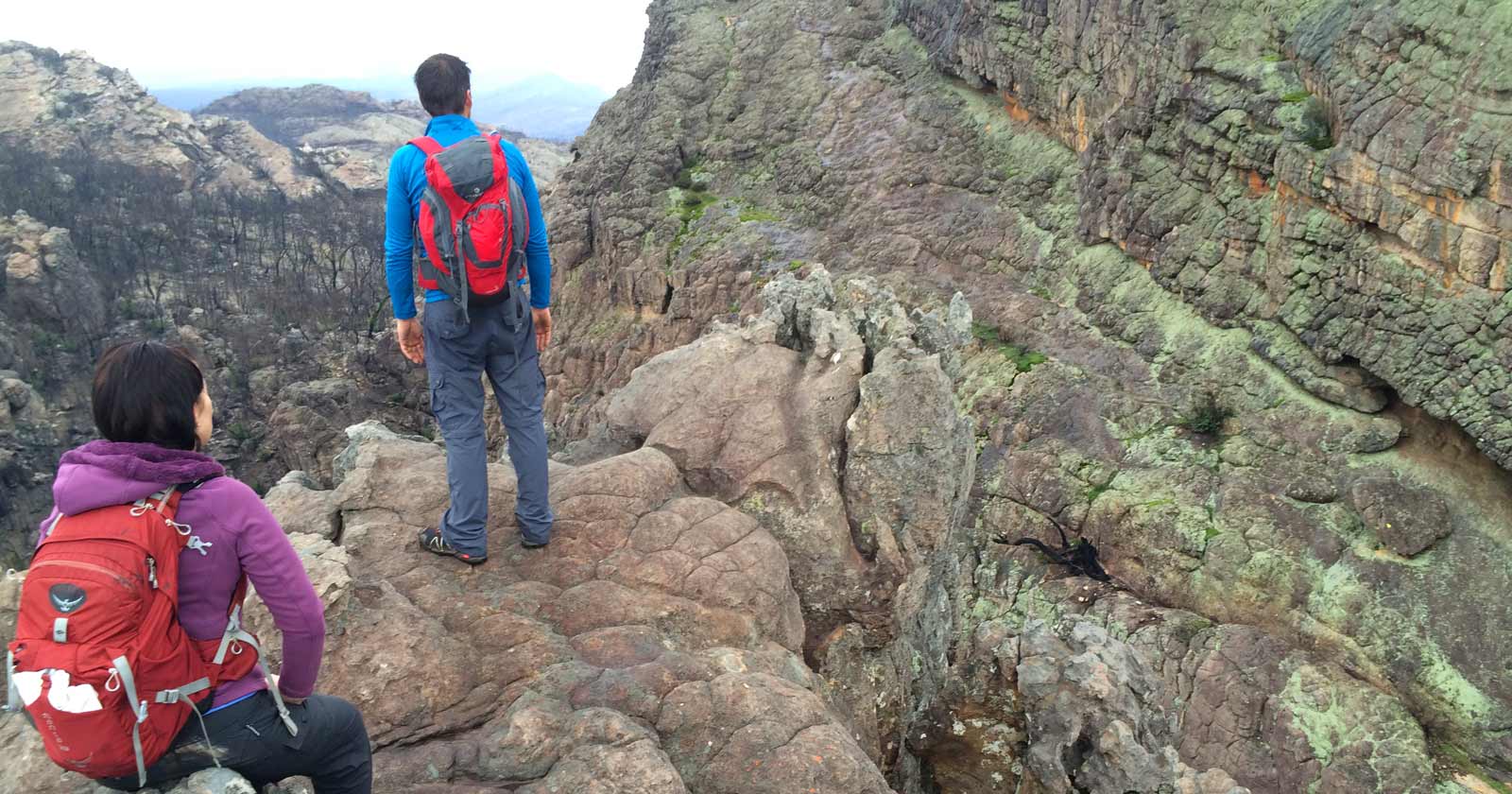
Why self-reliance is the key to safe hiking
Read more →A 2023 survey found most Australian hikers lack basic safety skills. Why self-reliance, not apps, is what actually keeps you safe on the trail.
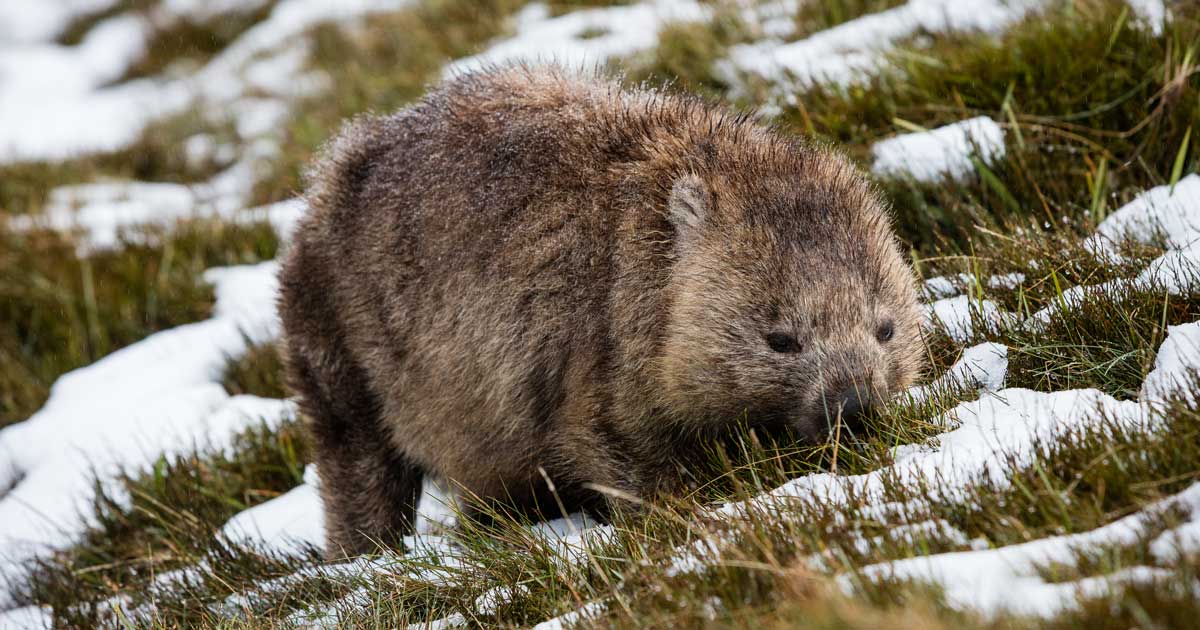
Why You Should Never Interfere with Australian Wildlife
Read more →Why hikers should never approach, touch, or feed Australian wildlife, the legal and welfare risks involved, and what to do instead.
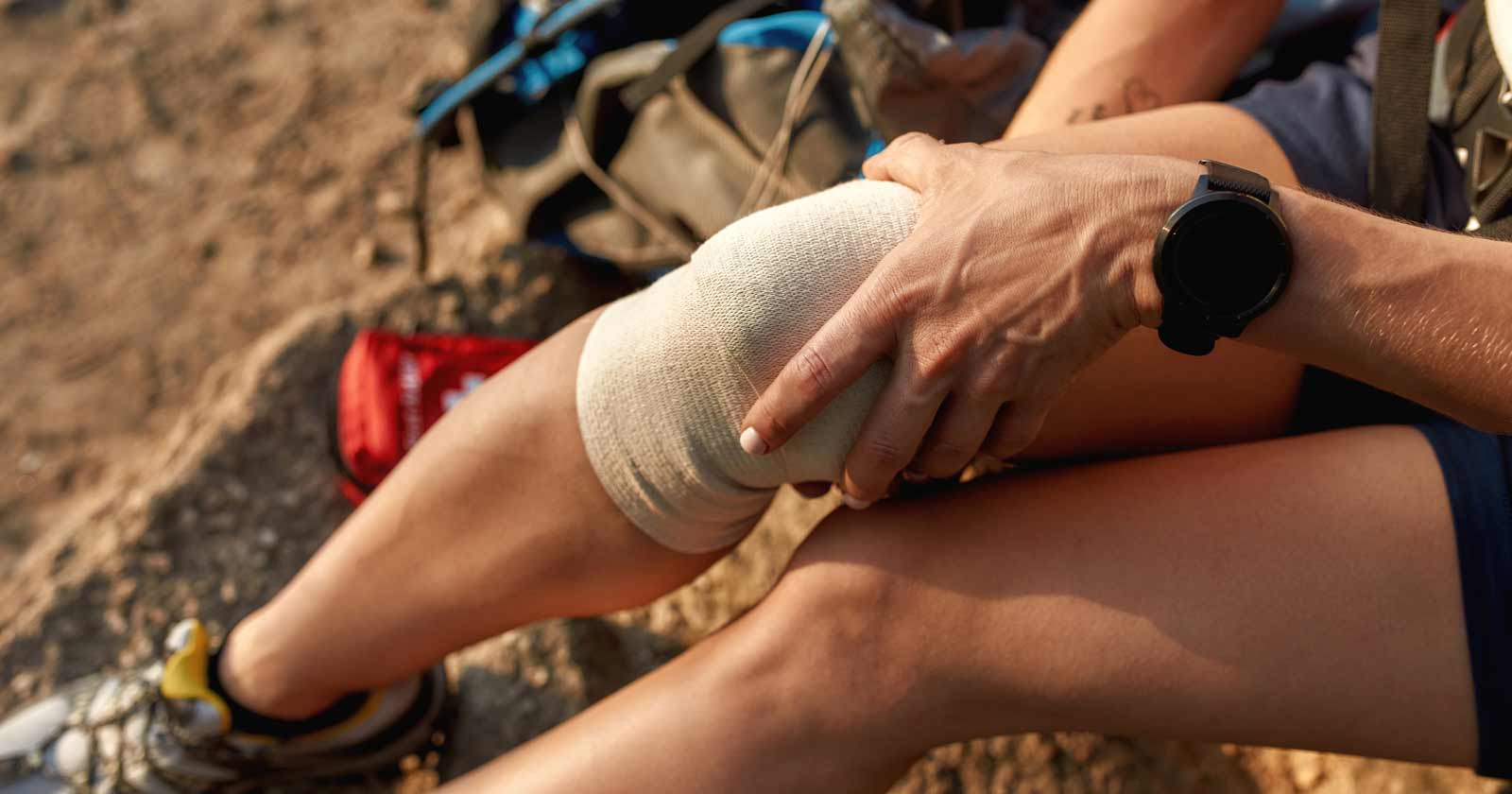
Wilderness First Aid Priorities for Hikers
Read more →Ten wilderness first aid priorities for hikers: scene safety, treating what will kill first, managing exposure, and planning evacuation early.
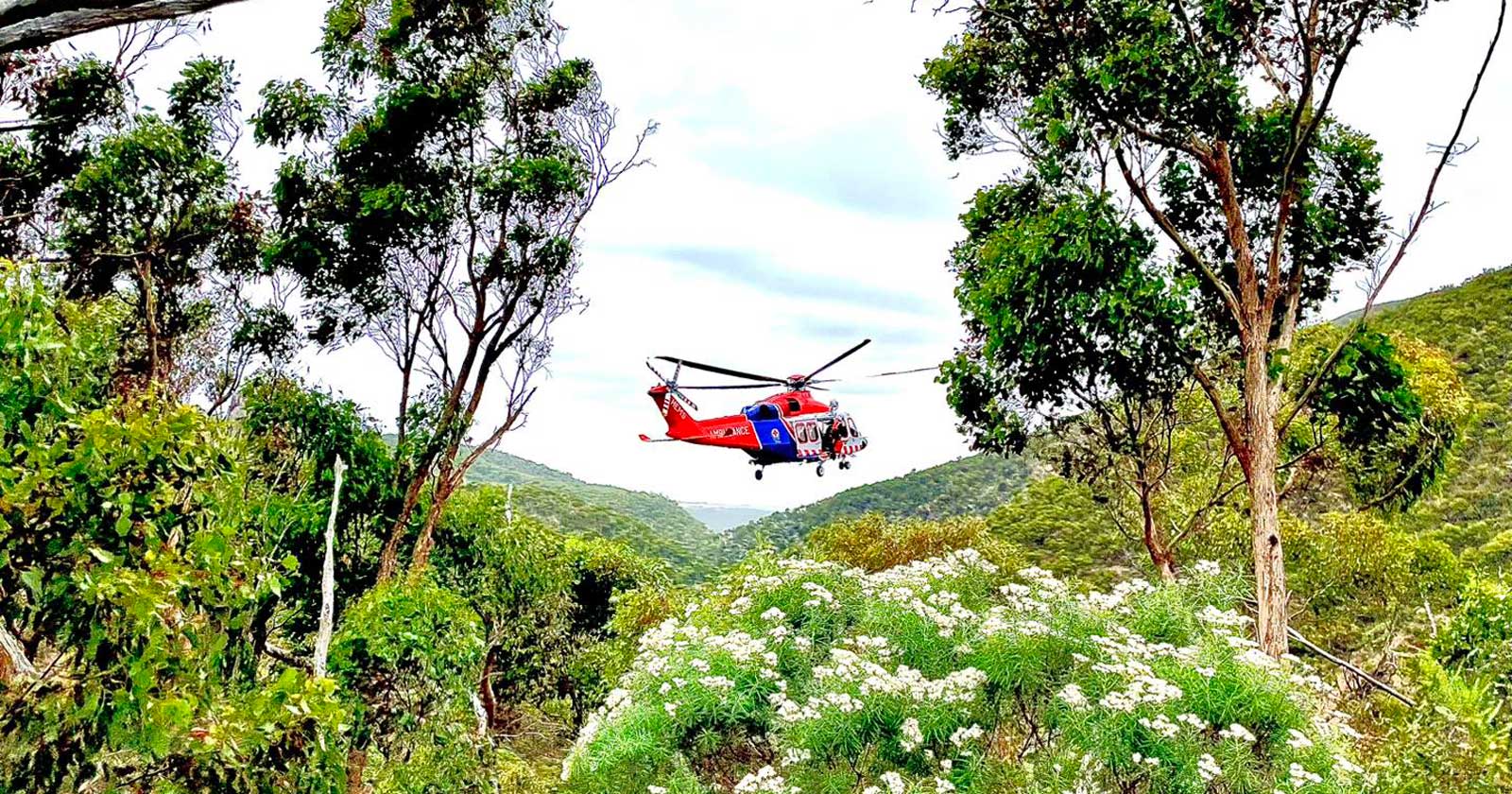
Working with helicopters in search and rescue
Read more →How to behave safely around search and rescue helicopters: landing sites, winching, boarding as a passenger, and getting noticed if lost.


