Hiking preparation tends to focus on physical stamina, legs, lungs, the pack on your back, but mental fatigue can limit you just as much, and sometimes it’s more dangerous precisely because it’s harder to notice happening.
Mental fatigue is what happens after sustained cognitive load, stress, or too little rest wear down the mind’s ability to function clearly. It’s subtler than physical exhaustion, which tends to announce itself, and it shows up instead as slower decisions, narrowed attention, and a weaker read on genuine risk. On trail, that translates into missed navigation cues, reduced awareness of what’s actually happening around you, and, worst of all, a reduced ability to notice that you’re the one who’s fatigued.
Where it comes from
A hike asks a lot of the mind even before the body’s tired. Terrain, weather, navigation and potential hazards all need constant low-level processing, and that cognitive load builds on harder or more technical routes regardless of how fit you are. Unfamiliar or challenging environments add genuine stress on top of that: worry about getting lost, about wildlife, about weather turning, all of it adds to the mental strain even when nothing’s actually gone wrong yet.
Monotony works the opposite way but ends up in a similar place. Flat, repetitive terrain with little to engage the mind can tire it out through under-stimulation rather than overload, which reduces both enjoyment and focus in a way that’s easy to write off as boredom rather than genuine fatigue. Underneath all of it, insufficient rest, especially over multiple days, compounds everything else. A brain that hasn’t recovered overnight has less capacity to handle whatever cognitive load the next day brings, which is part of why the effects tend to build rather than reset each morning.
What it actually costs you
Mental fatigue clouds judgement in ways that matter. It’s what leads someone to push on when turning back was the better call, or keep going despite weather that’s clearly deteriorating, not because the facts weren’t there but because the capacity to weigh them properly wasn’t. It slows reaction time and coordination too, which raises the odds of a slip, a trip, or a fall on terrain that wouldn’t normally cause trouble.
Situational awareness drops as well, so the cues that would normally register, a shift in the weather, a change in the terrain underfoot, wildlife nearby, are more likely to get missed entirely. The hardest part of all of this is that a sufficiently fatigued mind can lose the ability to recognise its own limits, which is how people end up genuinely exhausted, dehydrated, or into heat-related illness before anyone, including themselves, notices what’s happening.
Sleep is a safety variable on multi-day hikes, not a comfort preference
Even one night of poor sleep measurably slows reaction time, impairs judgement and lowers risk awareness. After two or three nights of it, small errors start compounding: navigation mistakes increase, turn-around decisions get delayed past the point they should have been made, and descents feel less controlled than they actually are.
Sleep gets disrupted on trail for reasons that are mostly preventable: uneven ground or a poorly chosen campsite, cold exposure or insufficient insulation, wind noise and a tent moving all night, heat retention in warm conditions, hunger or poor evening nutrition, and overexertion late in the day that leaves the body too wound up to settle. In Australian alpine and remote terrain, the effects of poor sleep compound quickly, because a fatigued brain under physical load is slower to recognise deteriorating weather, unstable footing, or genuine distress in someone else in the group.
Protecting sleep quality is really protecting judgement, and it’s worth treating that way rather than as a comfort issue. Choosing stable, level ground for camp, prioritising insulation that actually matches the overnight temperature, eating properly in the evening, and avoiding pushing into camp after dark all help sleep happen in the first place. If sleep has genuinely been poor for a night or two, the right response is to shorten the following day and build in margin, not to push through on the assumption that willpower covers the gap. Sleep debt accumulates on multi-day hikes the same way physical fatigue does, and scaling effort back conservatively is the safer response, not the one that feels like giving something up.
This is why sleep quality feeds directly into the Decision-Making & Judgement system, and interacts closely with Load Carrying & Mobility once fatigue starts affecting how a pack actually feels on the trail.
Managing it on the day
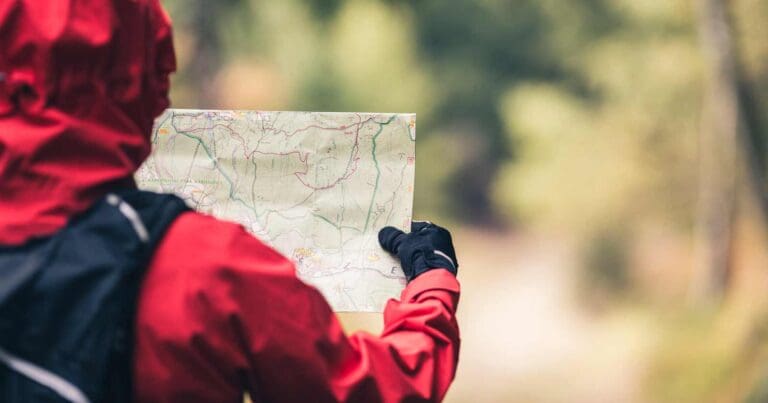
Good preparation removes a lot of cognitive load before you’ve even started, since knowing the route, the terrain and the likely conditions in advance means less has to be processed and decided on the fly. Adequate food, water and gear matter for the same reason: comfort and fuel free up mental capacity that would otherwise go toward managing discomfort.
Regular short breaks do real work here too, not just physically but mentally, giving the mind a chance to reset rather than running continuously through a long or demanding day. Slowing your pace has a similar effect: hiking a little slower conserves the mental sharpness that a rushed pace burns through faster than it feels like it should. If you’re hiking with others, the same logic extends to the group. A pace or style that leaves someone feeling rushed or stressed adds fatigue to the whole group, not just that person, so it’s worth checking in rather than assuming everyone’s managing at the same rate.
Set goals that actually match your fitness and experience, rather than the trail’s reputation or what you’d like to be capable of, and be genuinely willing to turn back early if the day starts to feel like more than it should. Staying mindful of your own mental state as the day goes on, and treating a rising sense of overwhelm as information rather than something to push through, is often the difference between catching fatigue early and only noticing it once it’s already affecting your judgement.
Mental fatigue rarely announces itself the way physical exhaustion does, which is exactly what makes it dangerous. Protecting sleep, managing cognitive load through preparation, and staying genuinely honest with yourself about how you’re feeling as the day goes on are what catch it before it starts affecting the decisions that matter most.



I know I feel this when I’m hungry. I start looking at hills as though they were mountains and can feel myself thinking of better things to be doing. Have to keep my energy up by snacking regularly.
What strategies have you found helpful in combating mental fatigue while hiking, and do you have any go-to mindfulness techniques you swear by?
Trail Hiking Australia with my fucked sense of interoception, my usual go-to is a sit down and eating something sugary so my brain can deal.
Petey Mason yep, amazing how quickly things improve after a short break and a bit of fuel.
Singing loud and lusty German / Austrian hiking songs never fail to lift spirits and send your companions scurrying ahead to get away from it. They’ll forget how tired they are as their legs receive urgent brain signals to move faster, even as they find themselves matching the oompah-oompah pacing of the song.
Seriously though, lots of situational awareness in a ‘ooh, lookit the bug’ or ‘hey, nice flower’ type of way means lots of small breaks from physical work and from thinking about it. More pauses, more enjoyment, keep conversation away from world politics and occasional improvisational dance breaks to celebrate the good stuff.Media: https://l.facebook.com/l.php?u=https%3A%2F%2Fmedia1.giphy.com%2Fmedia%2Fv1.Y2lkPTk5OWFjZWFjMXRodTVnMWs2bWs2emZzYmhoejNocTY4ZzJxaXdrcTYwNDNhYWQ3dCZlcD12MV9naWZzX3NlYXJjaCZjdD1n%2FkVEo2v9nPf9MhPtjsW%2Fgiphy.gif&h=AT5TlFJHBHip-vgYarYnS683IfH3r4uov6IwCOkjy2D2bbGvvV8wuUUA2-hpvEI_WWwhXcZ3Tg6kYVDfTr-sD7Q4EktVDpy4zKI-tX_ewQnqm2vhDhSHr15c1S1TlFNJXZdKskMKfhNhicUH&s=1
Ben Marshall I’m now imagining a whole hiking group moving along to an oompah tempo. There’s a lot of truth in that. The moment you stop focusing on the effort and start noticing things around you, the whole experience shifts.
I agree with this! But the irony for me in particular is that my job gives me mental fatigue, so being out there for lonnnnnnng periods, actually helps my head hurt less 🤣 I give my brain a break so I can think clearly and enforce physical exhaustion instead 👏
Kelsey Tarabini that’s exactly the reason I hike so often too. Just being in nature gives my brain a rest from everything else.