Cold weather hiking punishes small mistakes more than most conditions do. Get your clothing, pacing or habits slightly wrong and fatigue, heat loss and risk compound quickly, one feeding the next. None of that means winter hiking has to be something you endure. With the right preparation and a realistic approach, it can be genuinely comfortable, and most of what makes the difference comes down to a handful of habits rather than expensive gear.
Layer your clothing properly
Layering works because it lets you regulate body temperature as conditions and exertion change through the day, and each layer does a specific job.
- Base layer: Manages moisture and heat. Choose breathable, moisture-wicking fabrics that stay warm when damp.
- Mid layer: Provides insulation and traps warmth while remaining breathable.
- Outer layer: Protects against wind and rain. It should fit comfortably over the other layers without restricting movement.
Choose fast-drying clothing
Fast-drying fabrics cut down the heat loss that sweat or rain would otherwise cause, and that matters most on multi-day hikes, where drying time is limited and conditions can stay cold overnight regardless of what you do.
Carry a thermos
A thermos of something hot can genuinely change how a cold day feels. Warm fluids help maintain core temperature, and there’s a morale benefit too, especially during a break or at the end of a long walk.
Stay hydrated and eat regularly
Cold conditions push your energy demands up because your body is working harder just to stay warm, so Drink water regularly and eat high-energy foods such as nuts, dried fruit, bread, or jerky to keep your fuel levels up.
Check the forecast carefully
Cold weather risk is about more than air temperature alone. Check wind chill, rain or snow forecasts, and think about how conditions might change through the day, particularly at higher elevations where they often shift faster than at the trailhead.
Avoid excessive sweating
Sweat speeds up heat loss the moment you slow down or stop, so if you notice yourself sweating, take a layer off early rather than waiting until you’re already wet. Once the moisture is there, it’s working against you for the rest of the day.
Protect your extremities
Hands, feet, head and neck lose heat fast. Gloves, warm socks, a beanie and a neck gaiter are light to carry but make a disproportionate difference to comfort and warmth.
Keep breaks short and purposeful
The longer you stop, the colder you get, so keep breaks short where you can. If you do need to stop for longer, add a warm layer before you cool down, not after, and take it off again once you’re moving.
Use a waterproof pack cover
Spare layers are only useful if they stay dry. A pack cover protects them from rain, sleet and condensation, and it’s worth using even when rain isn’t forecast, because conditions in the cold change faster than forecasts do.
Cold weather hiking is manageable once you treat it as something to prepare for rather than push through. Layer properly, manage sweat and breaks deliberately, protect your extremities, and keep your spare gear dry, and the conditions stop being the thing you’re fighting and just become part of the day.
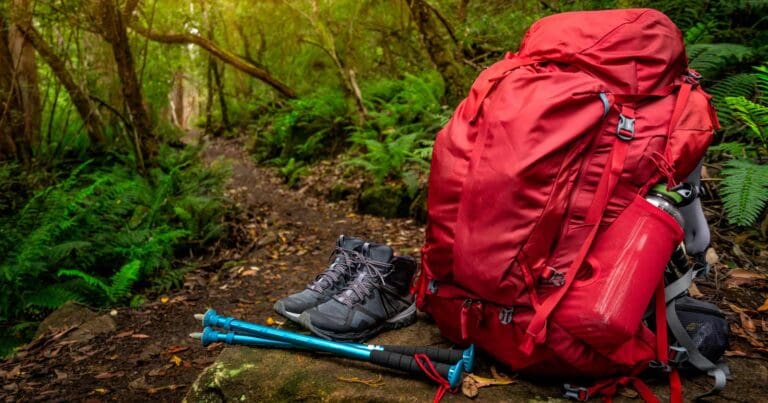
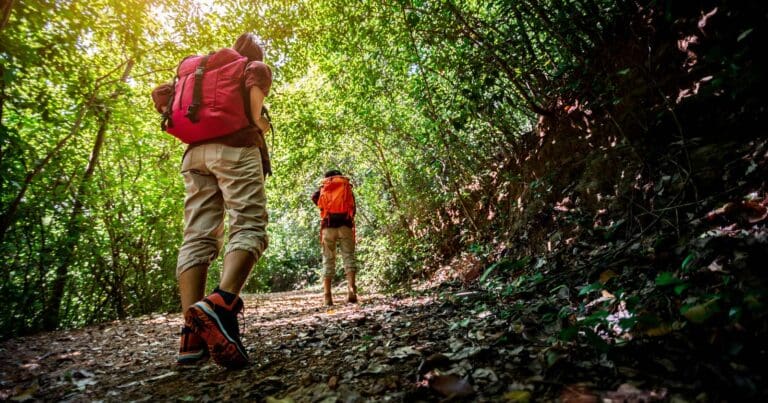
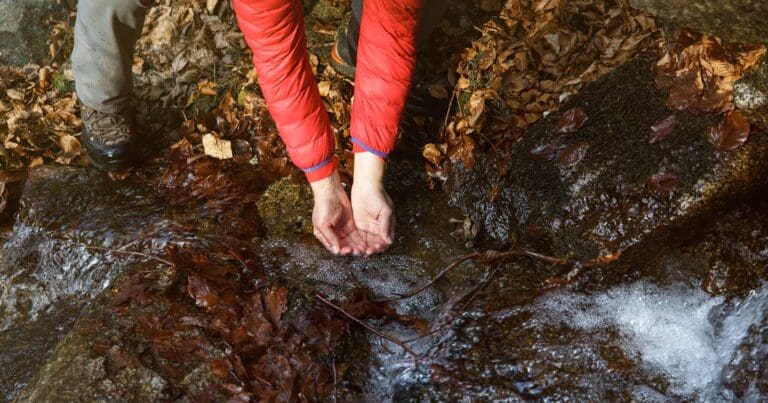




It’s important to remember that cold weather can hit any time, particularly in southern Australia. Just last week we had a hike planned in Tassie’s southwest and had to change plans due to a 10cm snow dump in summer.