A good day on the trail often starts well before you reach the trailhead.
Choosing a hike that suits your experience, checking the weather and conditions, understanding the terrain, packing for what you might encounter and making sure someone knows your plans can all make a big difference once you’re out there.
I’ve brought together a collection of hiking preparation guides covering everything from planning day and overnight hikes to track grades, fitness, packing, hot and cold weather, hiking solo or in groups, navigation and more.
Whether you’re just getting started or have been hiking for years, there’s plenty here to help with planning your next adventure.
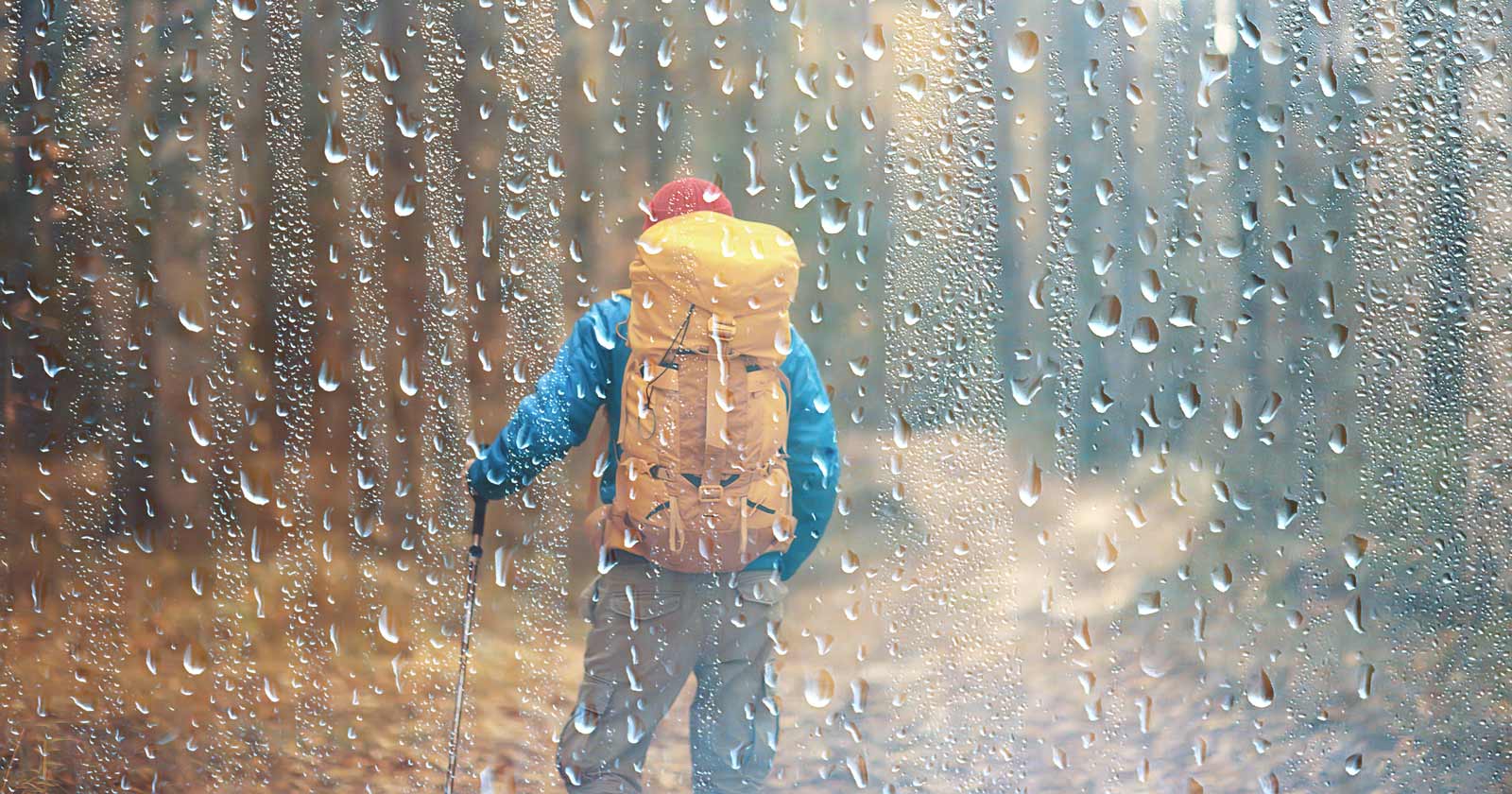
14 Outdoor hacks for wet weather
Read more →14 practical, field-tested hacks for staying warm and dry in wet weather while hiking or camping in Australia, from gear choices to campsite setup.
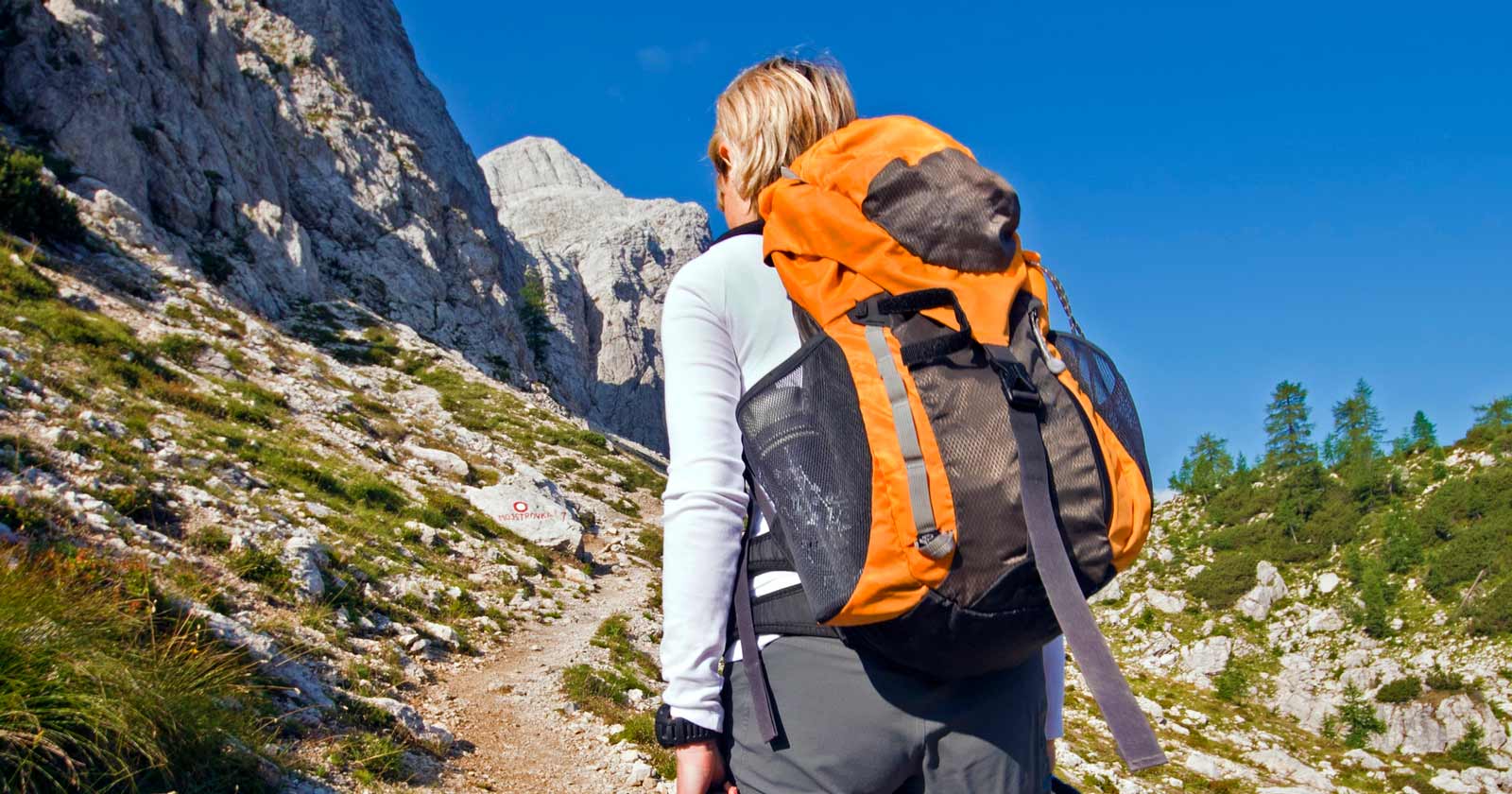
7 Ways to lighten your hiking pack load
Read more →Practical ways to reduce hiking pack weight through planning, packing technique, food and water management, pacing, and experience, not just gear upgrades.
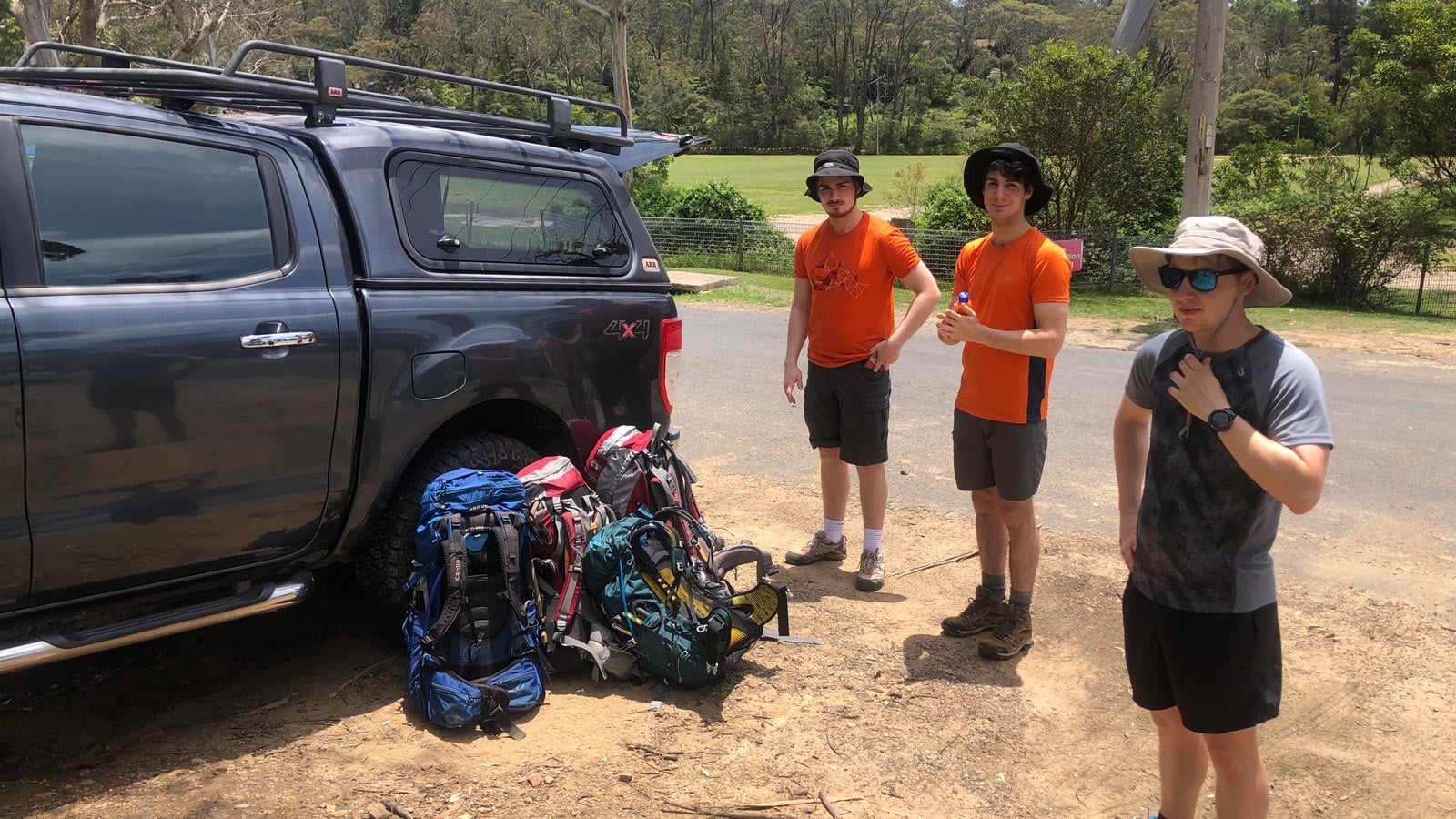
After the Hike: Wrapping Up Once You’re Home
Read more →What actually needs doing after a hike: closing the loop with your contact, gear care, reporting track issues, and sharing trip data responsibly.
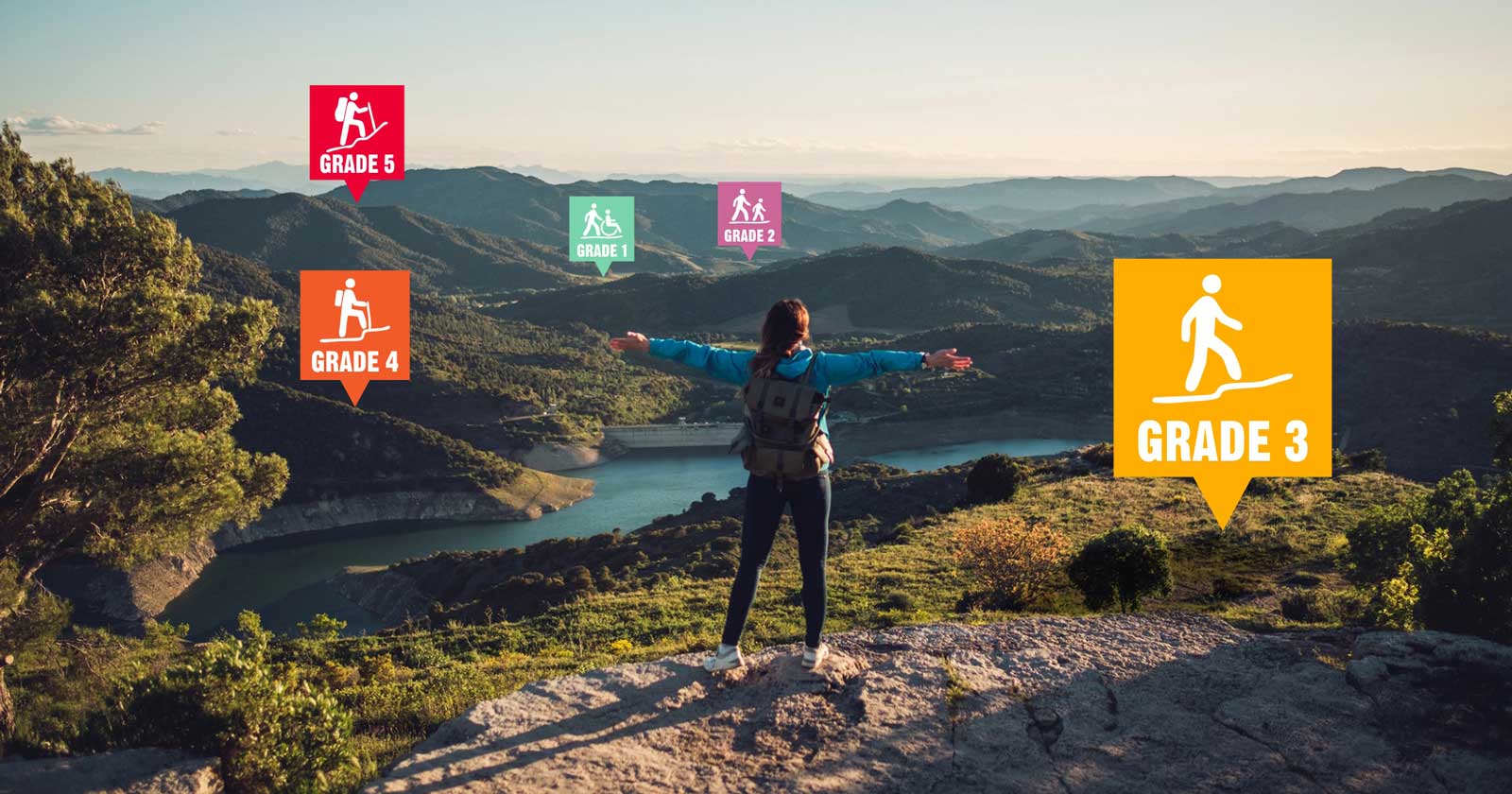
Australian Walking Track Grading System (AWTGS)
Read more →A plain-English guide to the Australian Walking Track Grading System (AWTGS), covering all five grades, what each one demands, and its limitations.
Beginner’s guide to hiking in Australia
Read more →A practical beginner’s guide to hiking in Australia, covering time and distance, matching terrain to fitness, gear, and building confidence gradually.
Beyond the App: Why Planning Your Hike Builds Confidence
Read more →Why planning a hike yourself, beyond what a navigation app shows you, builds real confidence and better decision-making on the trail.
Beyond the Headlines: What Bushwalking Incidents Teach Us About Safety
Read more →What bushwalking incidents and search and rescue patterns actually teach hikers about preparation, judgement, and safer decision-making.
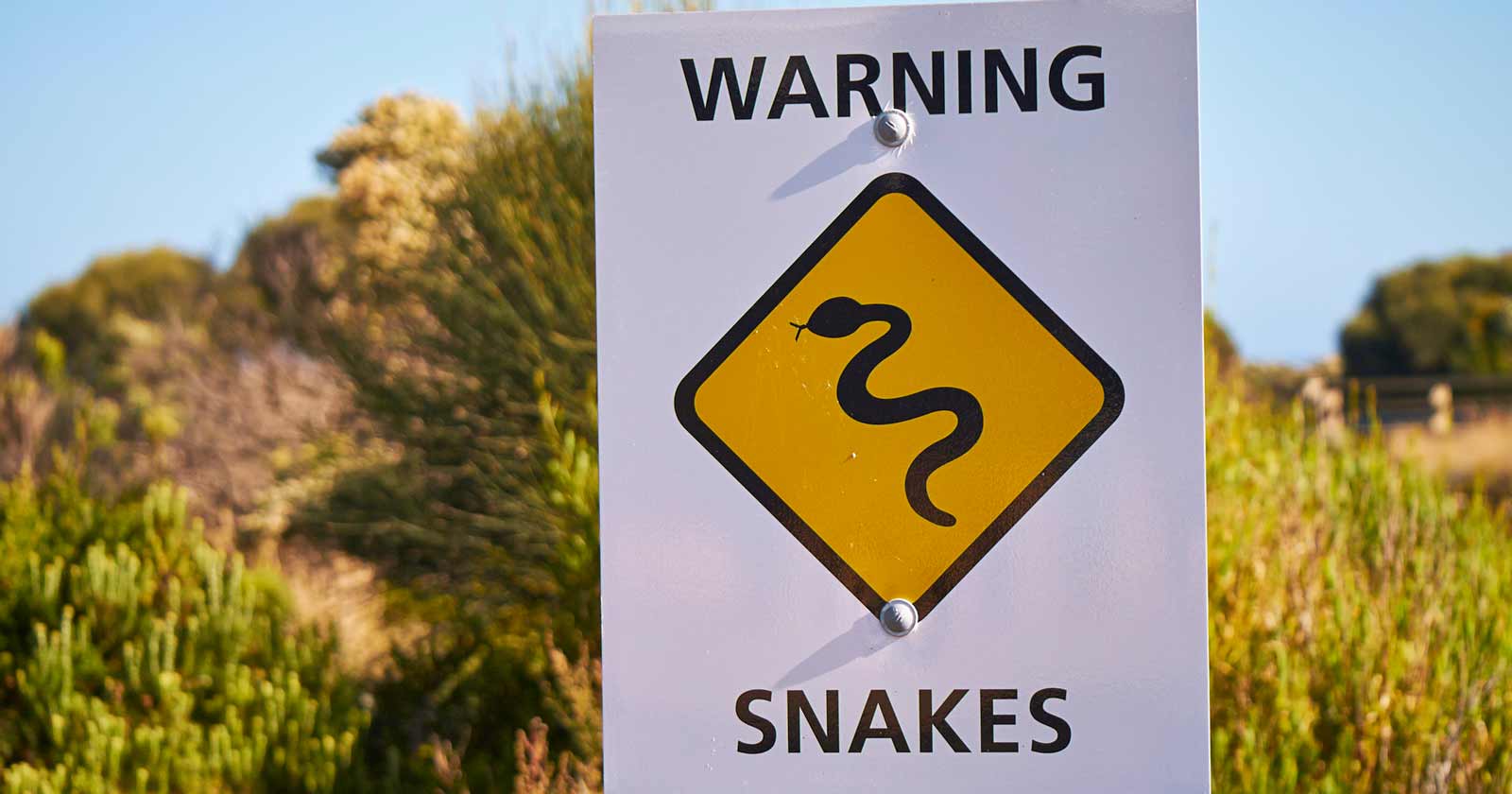
Bushwalking During Snake Season: How to Reduce the Risk
Read more →Snakes want to avoid you, not attack you. How to reduce risk while bushwalking in snake season, spot likely habitat, and apply first aid if bitten.
Bushwalking Without Tech: A Practical Test of Navigation and Self-Reliance
Read more →A practical test for assessing real bushwalking skill: removing GPS and apps for a controlled hike to check your navigation and self-reliance.
Camping in the Australian outback
Read more →A practical guide to camping safely in the Australian outback, covering water planning, heat management, campsite choice, and emergency preparation.
Campsite selection for overnight and multi-day hikes
Read more →How to choose a safe campsite for overnight and multi-day hikes in Australia, covering drainage, wind, cold ground, water proximity, and hazards.
Choosing the Right Hike: Circuit, Return or One-Way Routes Explained
Read more →Circuit, return or one-way: how each hike format changes your logistics, safety margins and planning, and how to choose the right one for your trip.
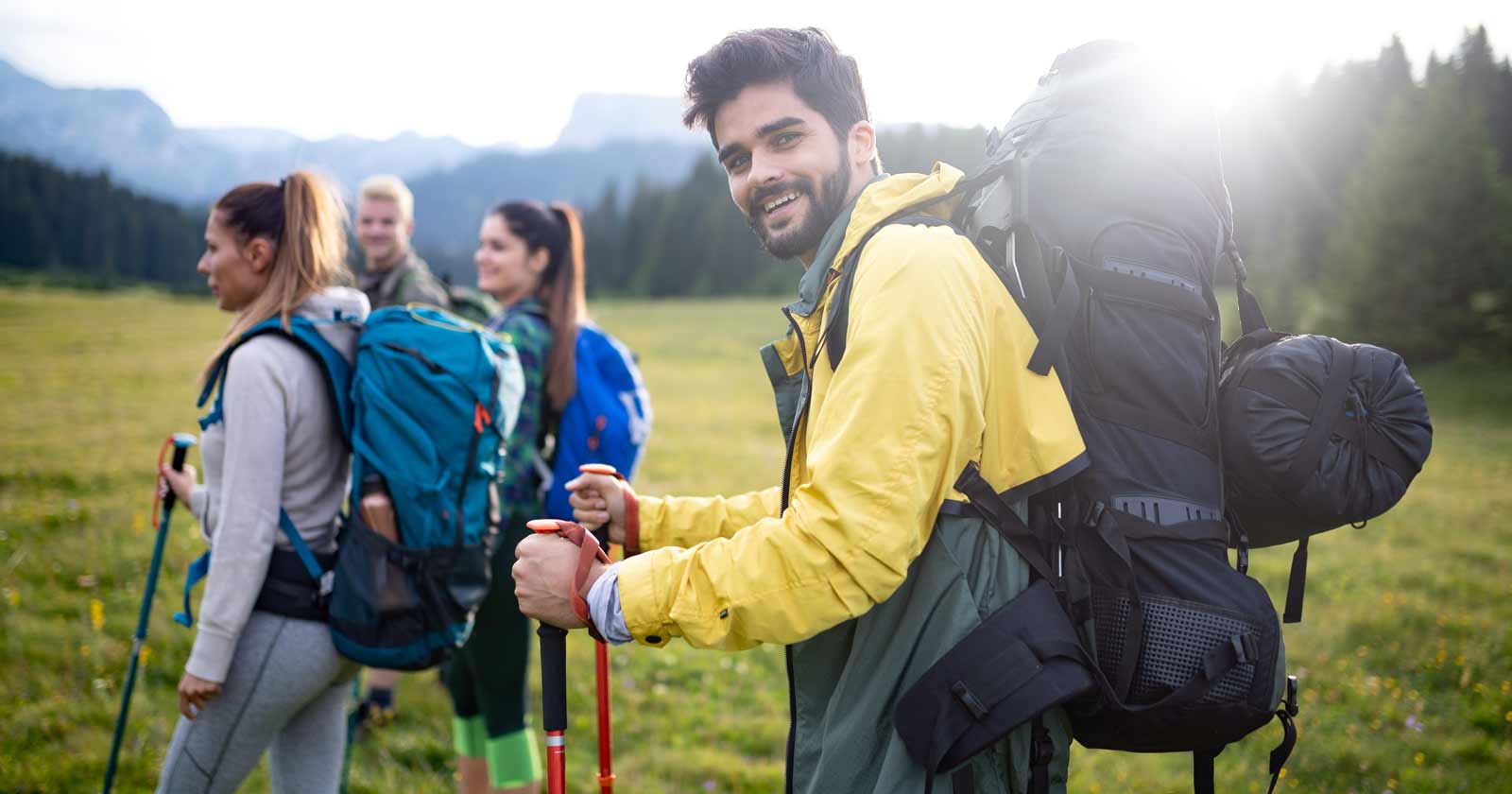
Comfort on the Trail: Practical Ways to Improve Your Hiking Experience
Read more →Comfort on the trail isn’t indulgence. Practical ways to manage hydration, layering, sleep, sun protection and camp shelter for a safer, easier hike.
Common Hiking Questions: Practical Answers for Safer Hiking
Read more →Practical answers to the hiking questions people ask most, from packing and navigation to altitude, solo hiking and what to do if you get lost.
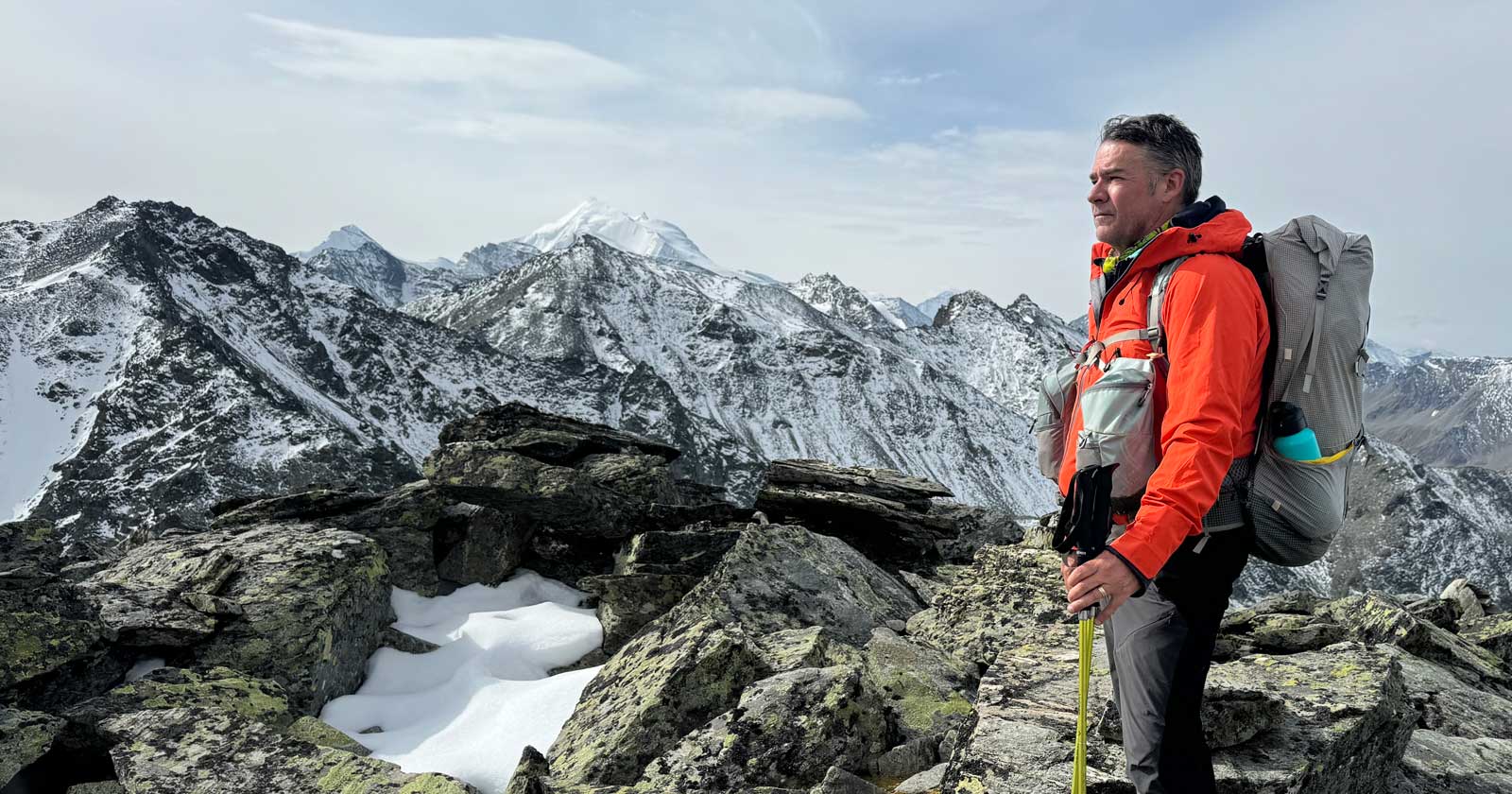
Common Mistakes to Avoid When Trekking at High Altitudes
Read more →The most common high-altitude trekking mistakes, and how mental fatigue makes each one harder to catch before it becomes dangerous.
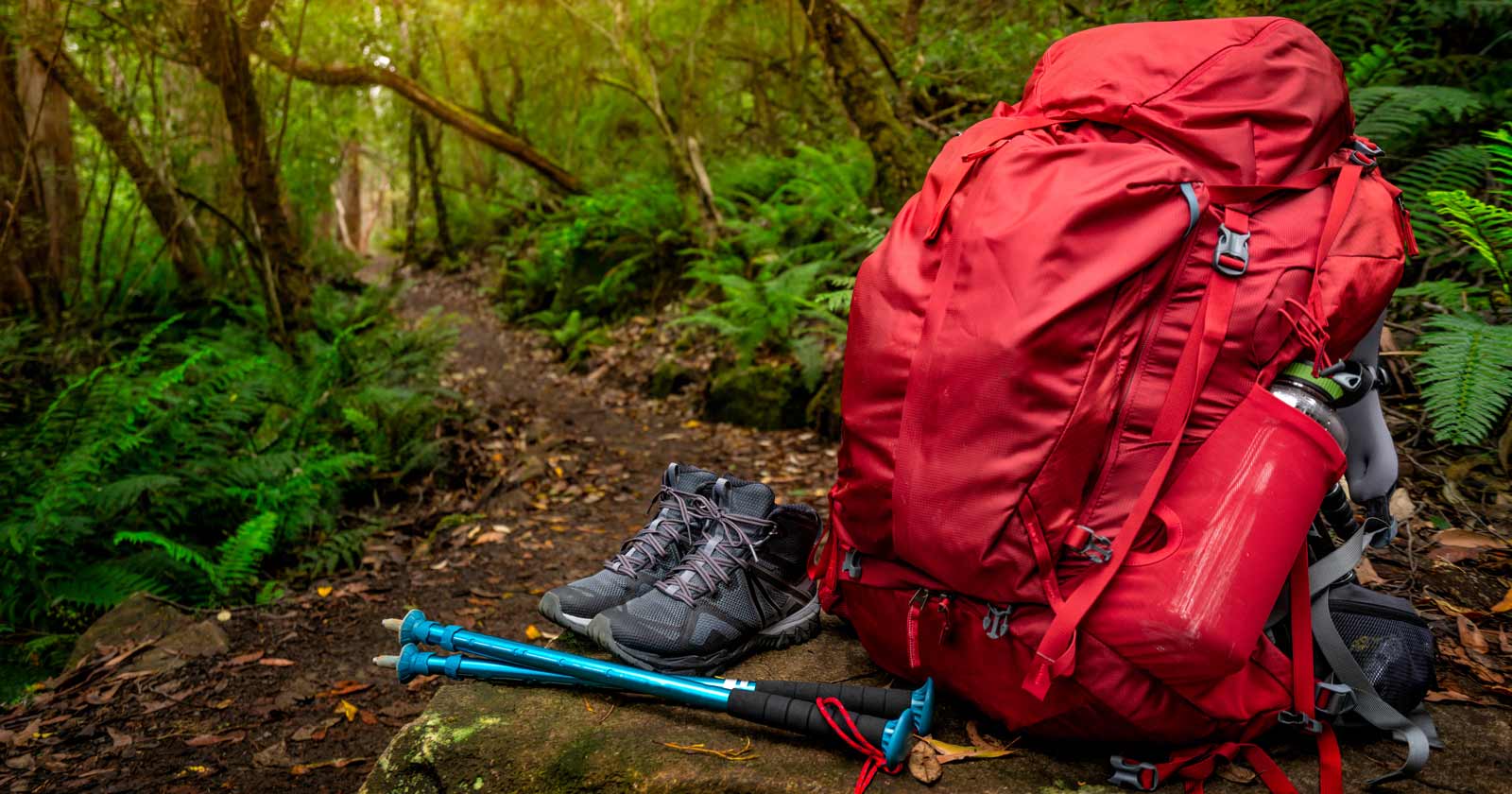
Day Hike Packing List: The Essentials and Why They Matter
Read more →A day hike packing list built around safety systems, not just gear: navigation, hydration, weather protection, first aid and communication.
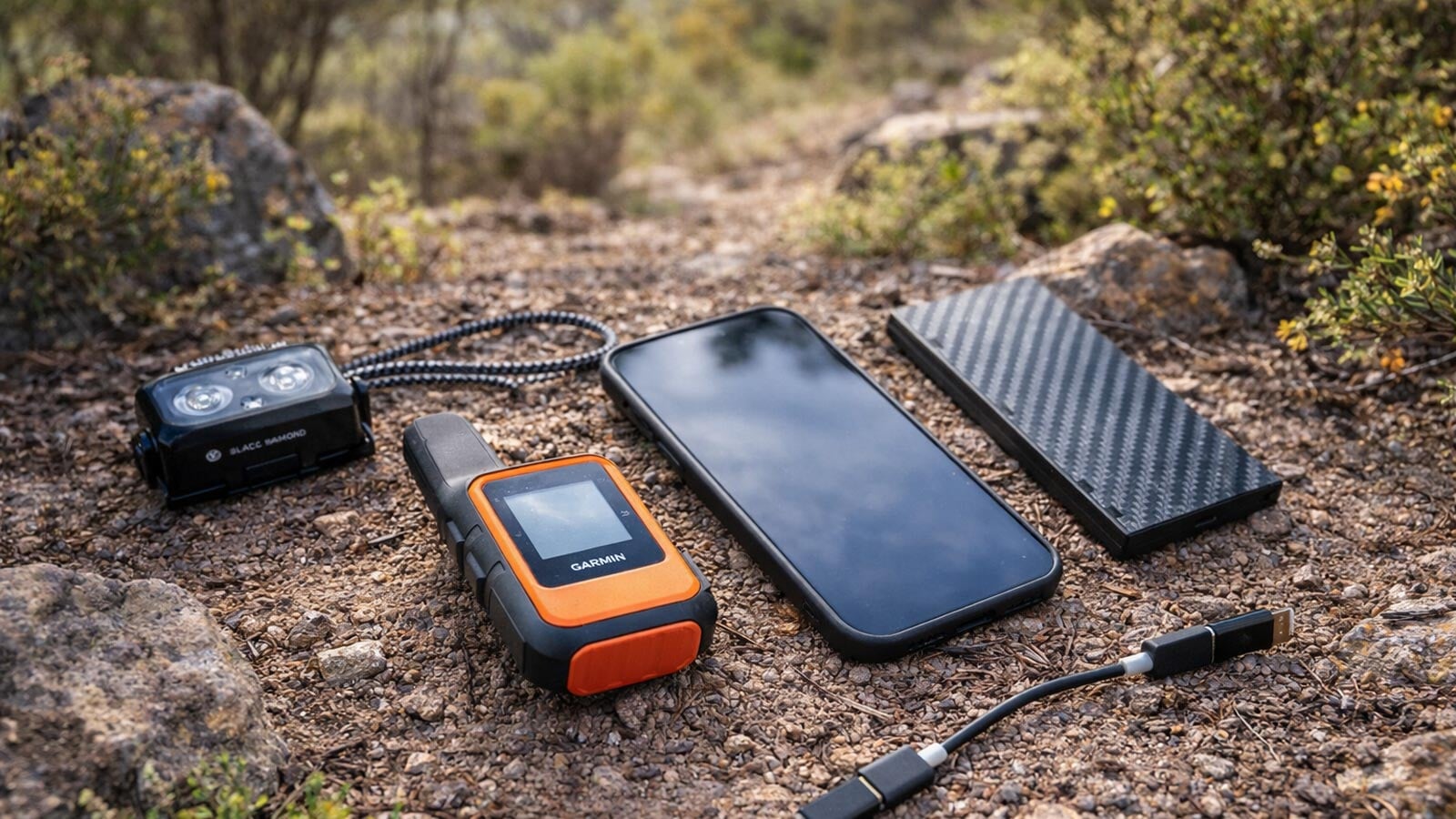
Electronics redundancy planning for hiking
Read more →How to build real electronics redundancy for hiking: why phones fail first, where solar and satellite communicators fit, and what a PLB is actually for.
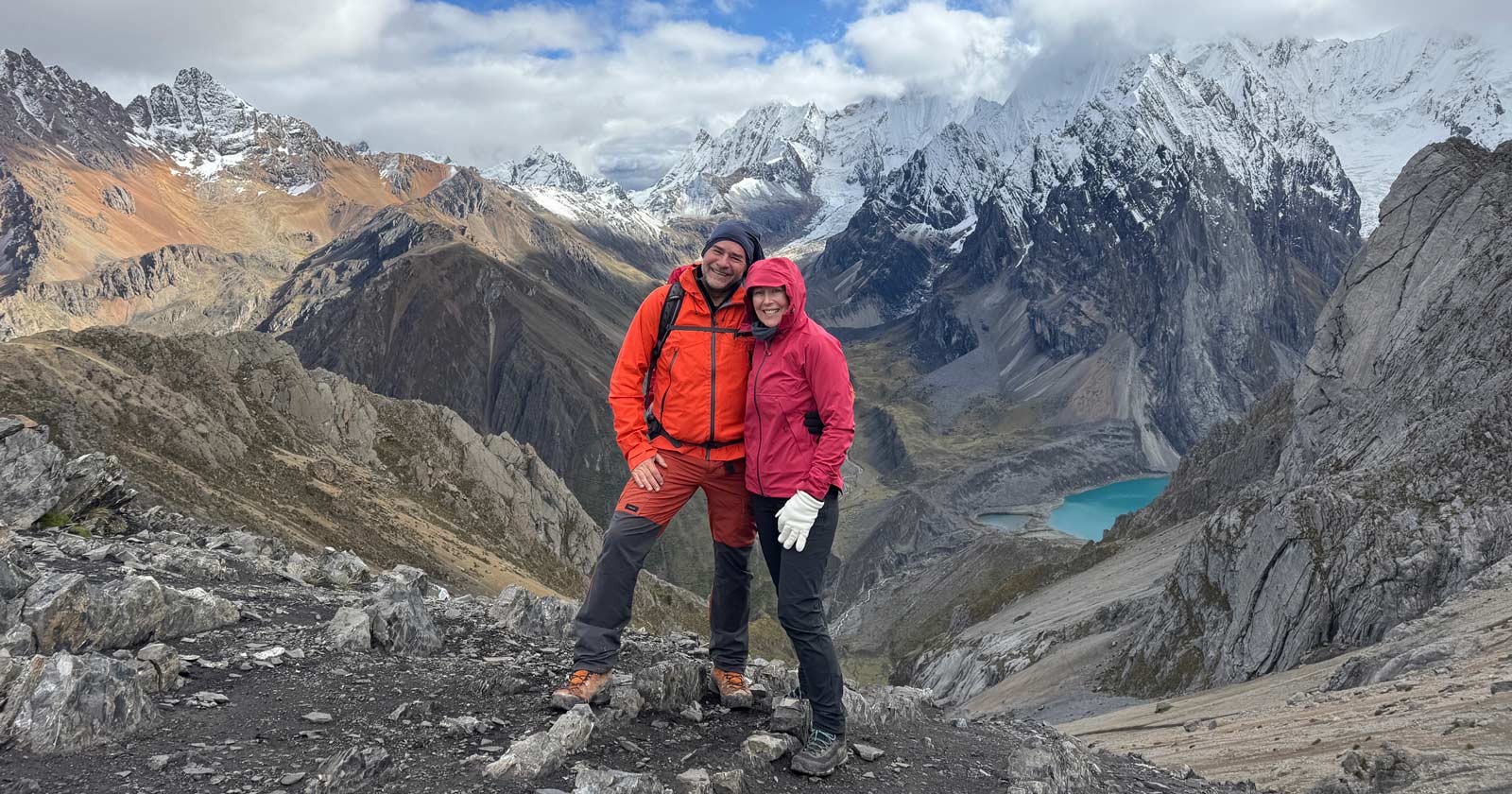
Essential Travel Tools for Overseas Hiking Adventures
Read more →The travel tools and services Julie and I actually use for overseas hiking trips, from Smartraveller to eSIMs, money management, and booking accommodation.
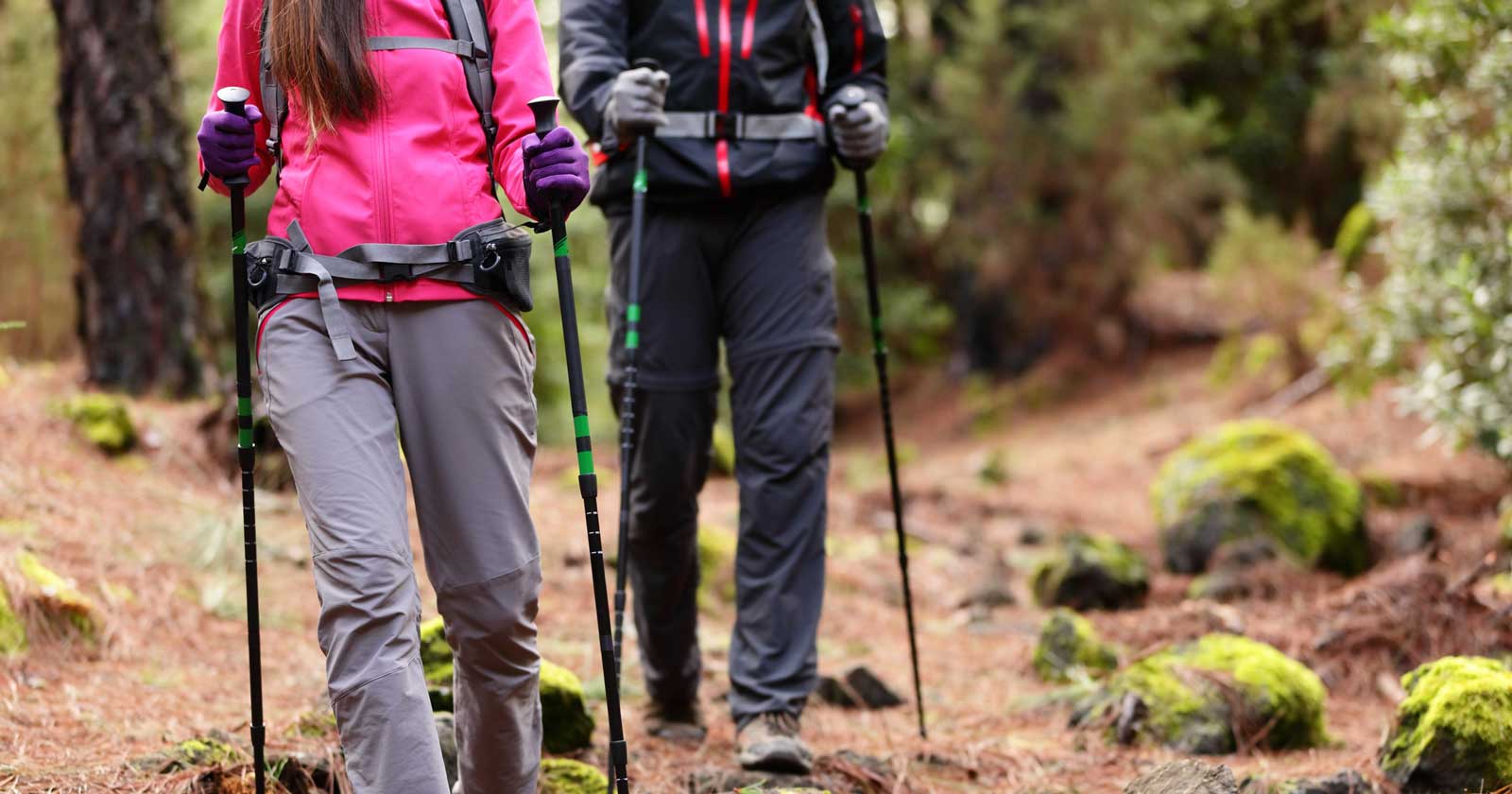
Get Ready to Hike: Building Fitness for the Trail
Read more →Building real hiking fitness: why trail-specific training, strength, and aerobic conditioning matter more than general gym fitness for the track.
Get Ready to Trek: Training for a Multi-Day Hike
Read more →Multi-day treks demand more than general fitness. How to train aerobic base, strength and load carriage for consecutive days on the trail.
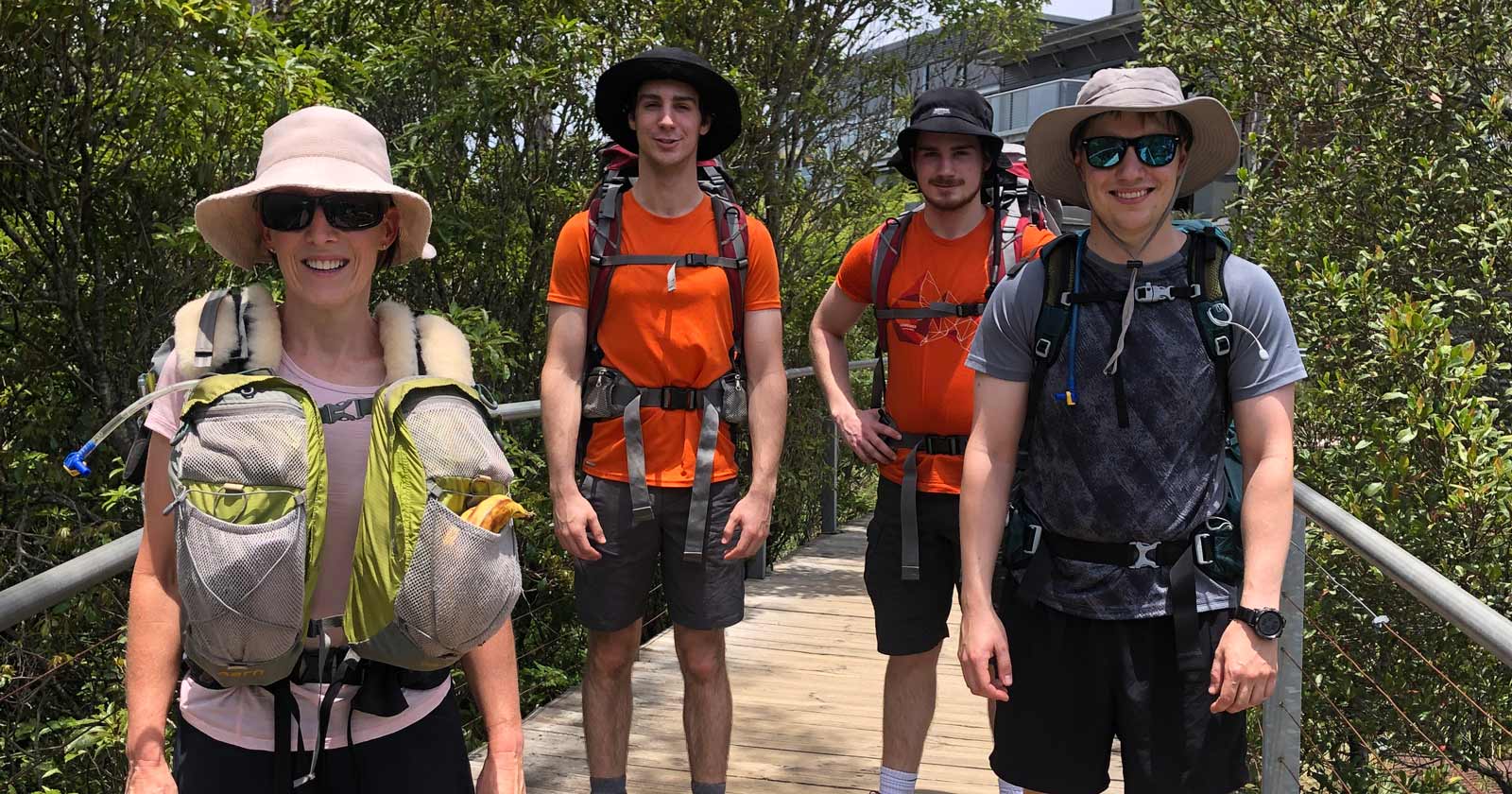
Getting a group of hikers together
Read more →Planning a group hike takes more than picking a date. How to choose the right hike, set expectations, and match people to it honestly.
Getting to Your Hike: Travel Options for Australian Trails
Read more →Practical advice on driving, public transport, flights and shuttles for reaching Australian trailheads, plus safety basics for however you travel.
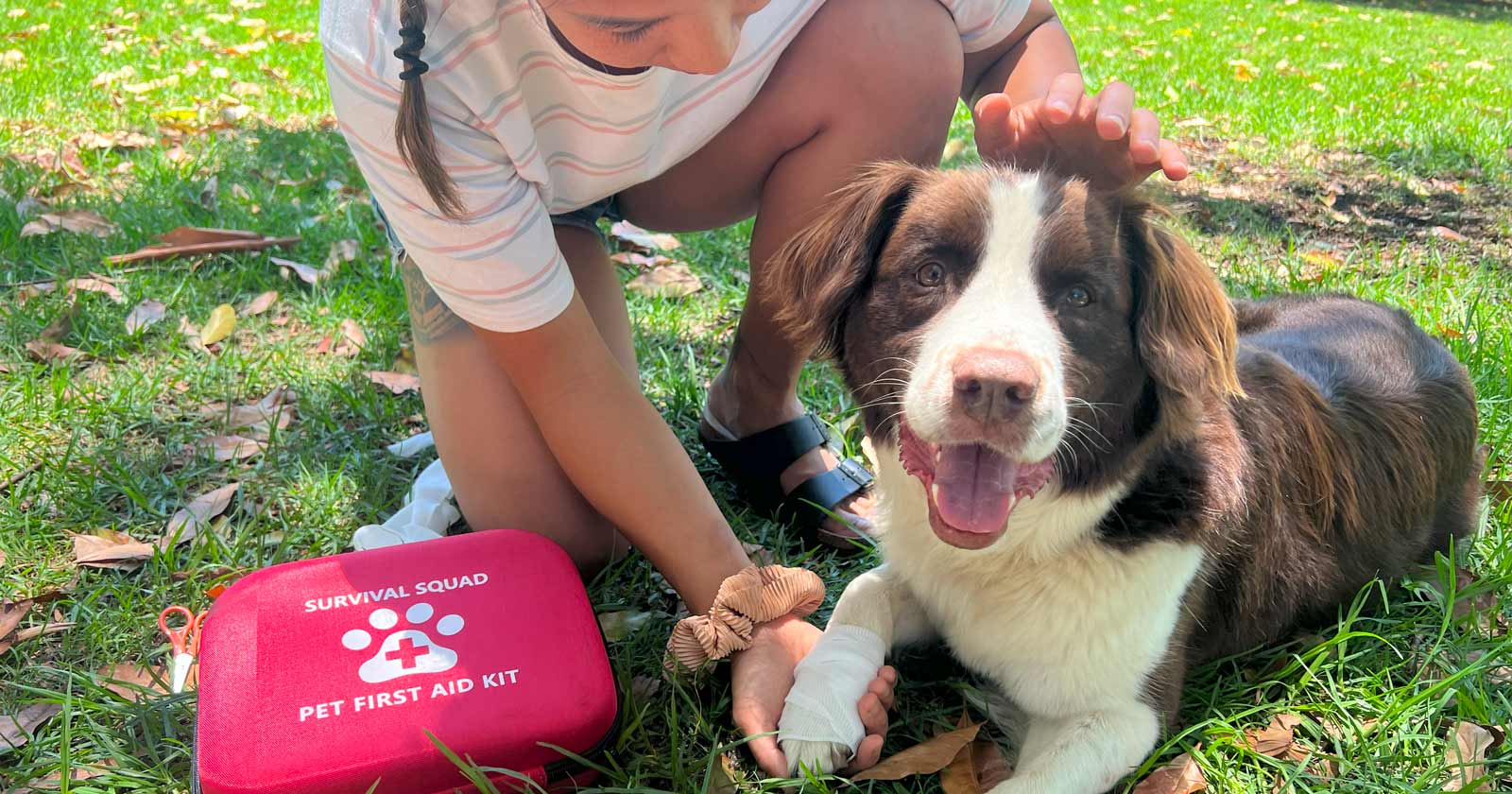
Guide to hiking with your dog in Australia
Read more →A guide to hiking with your dog in Australia: choosing dog-friendly trails, gear, and hazards like heat, snakes, paralysis ticks and 1080 baiting.
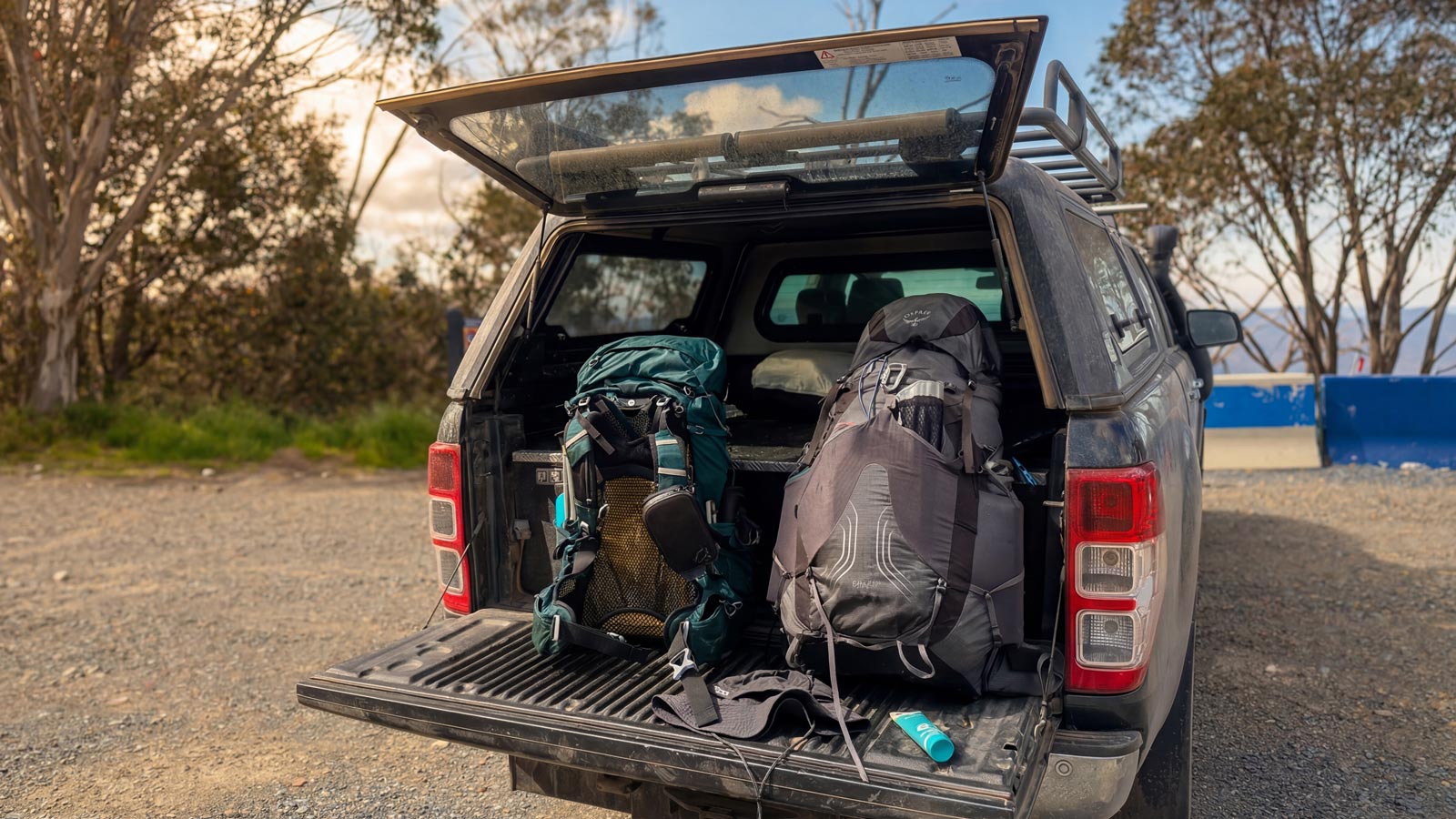
Heading Off and Settling In: The First Hour of a Hike
Read more →What to check at the trailhead, how to brief a group before setting off, and why the first twenty minutes of a hike matter more than people think.
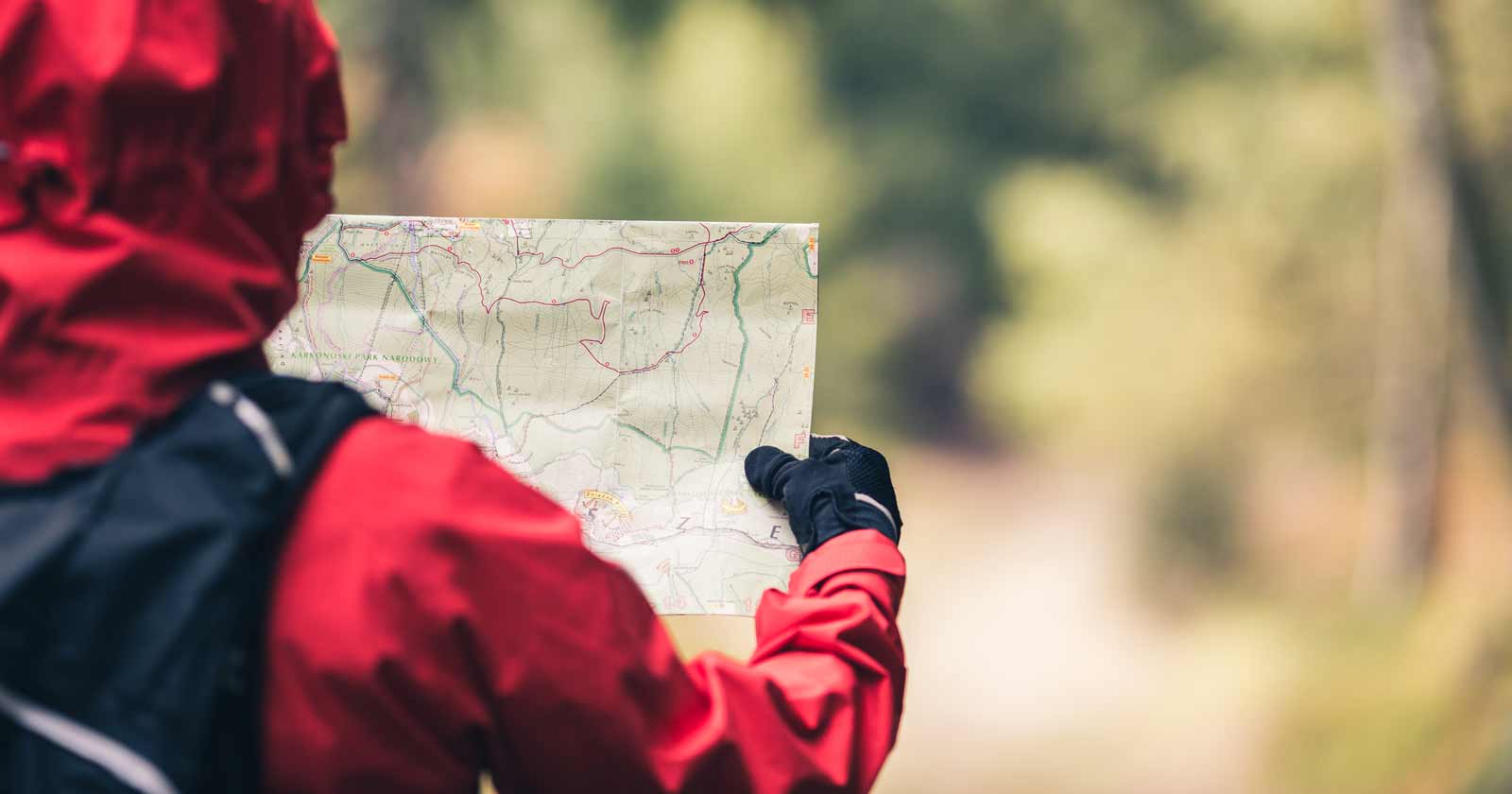
Hike Planning and Preparation in Australia
Read more →Plan and prepare for hikes in Australia: trip plans, remoteness-based checklists, essential gear, weather risks and emergency response.
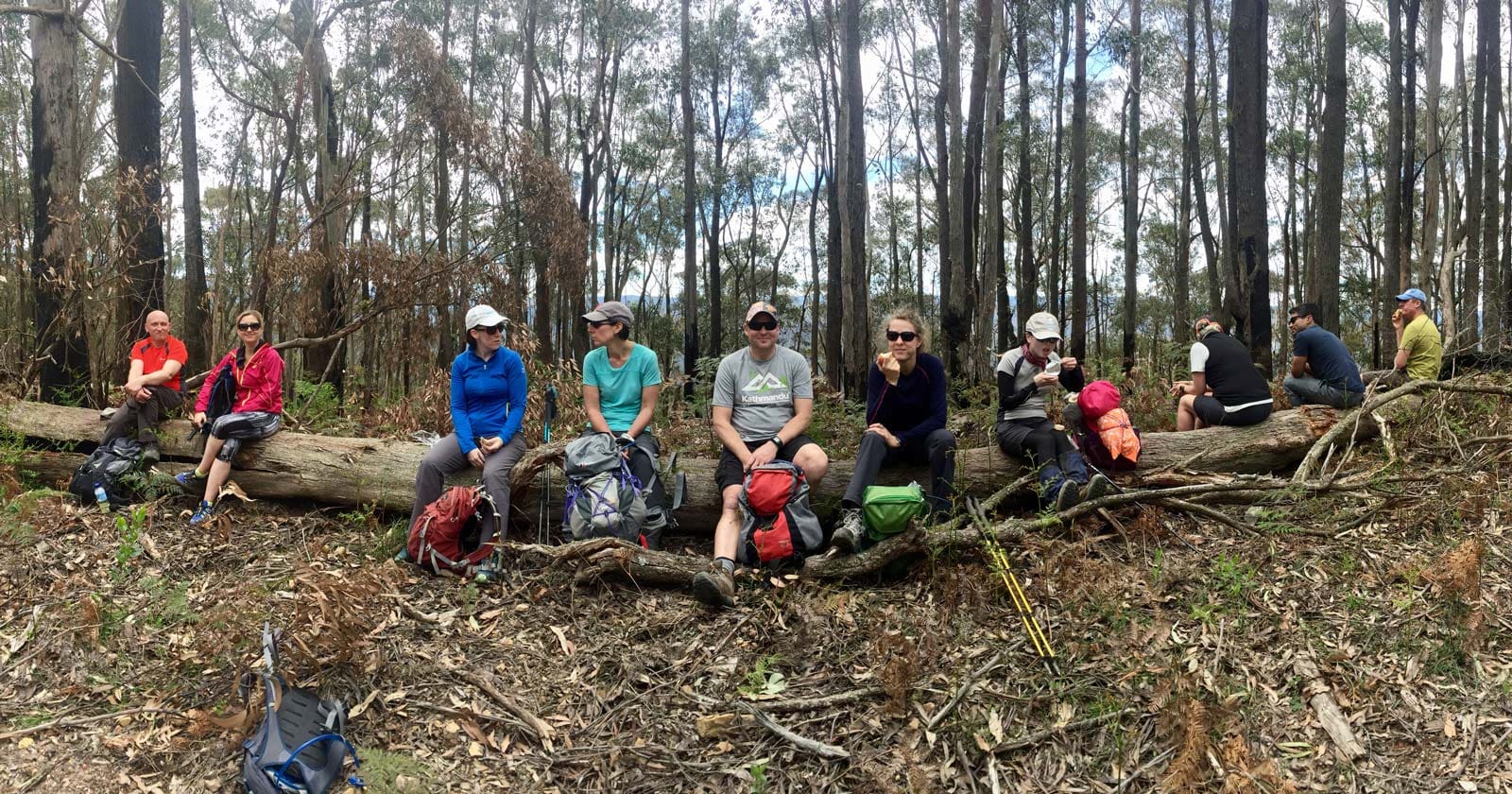
Hiking group size: why keeping it small matters
Read more →Group size shapes hiking safety, pace and environmental impact more than people expect. Why smaller groups are usually the better call.
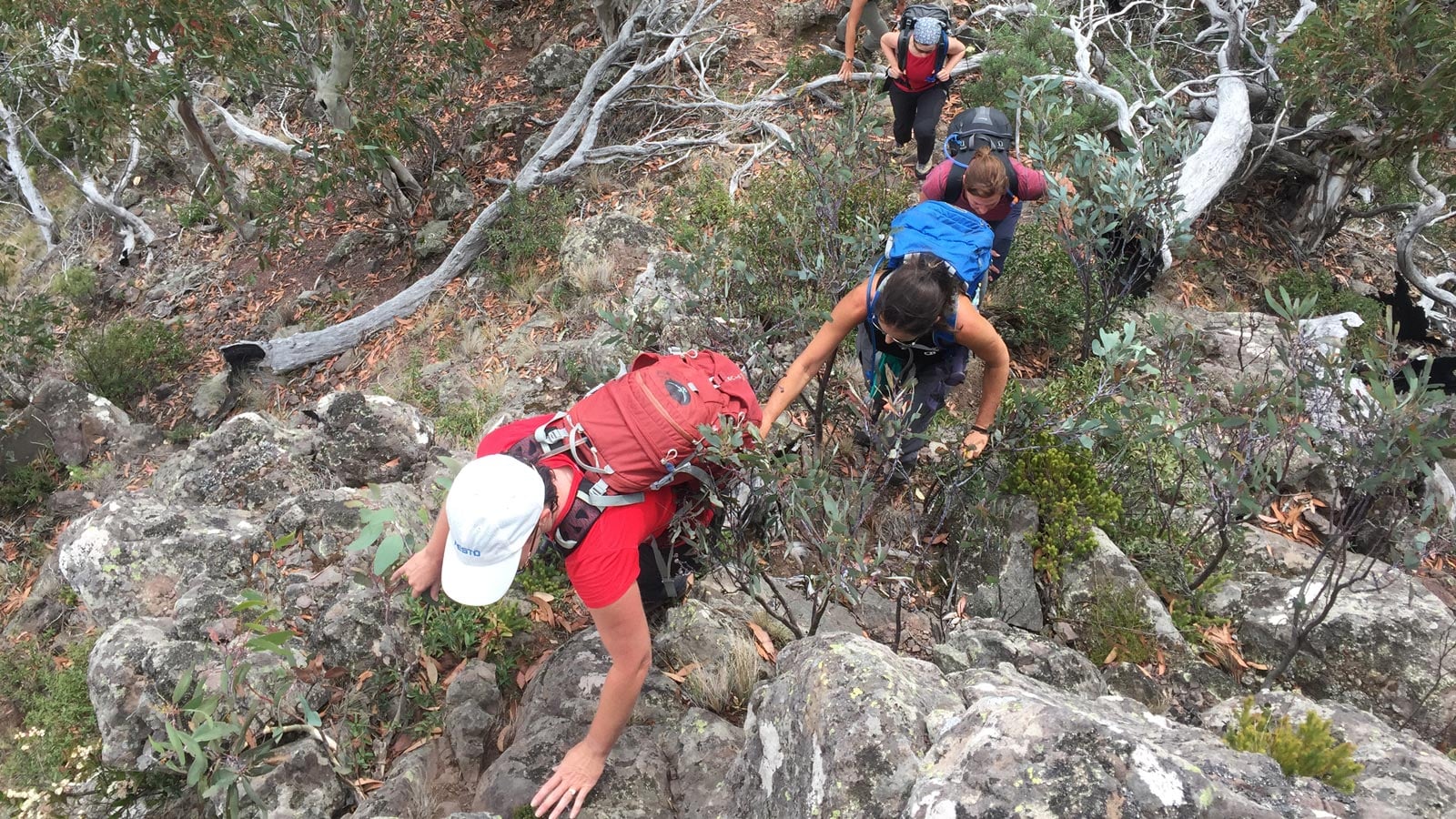
Hiking in a group: benefits, tips and safety
Read more →Group hiking adds real benefits and real responsibilities. A starting-point guide to planning, sizing, managing and staying safe in a group.
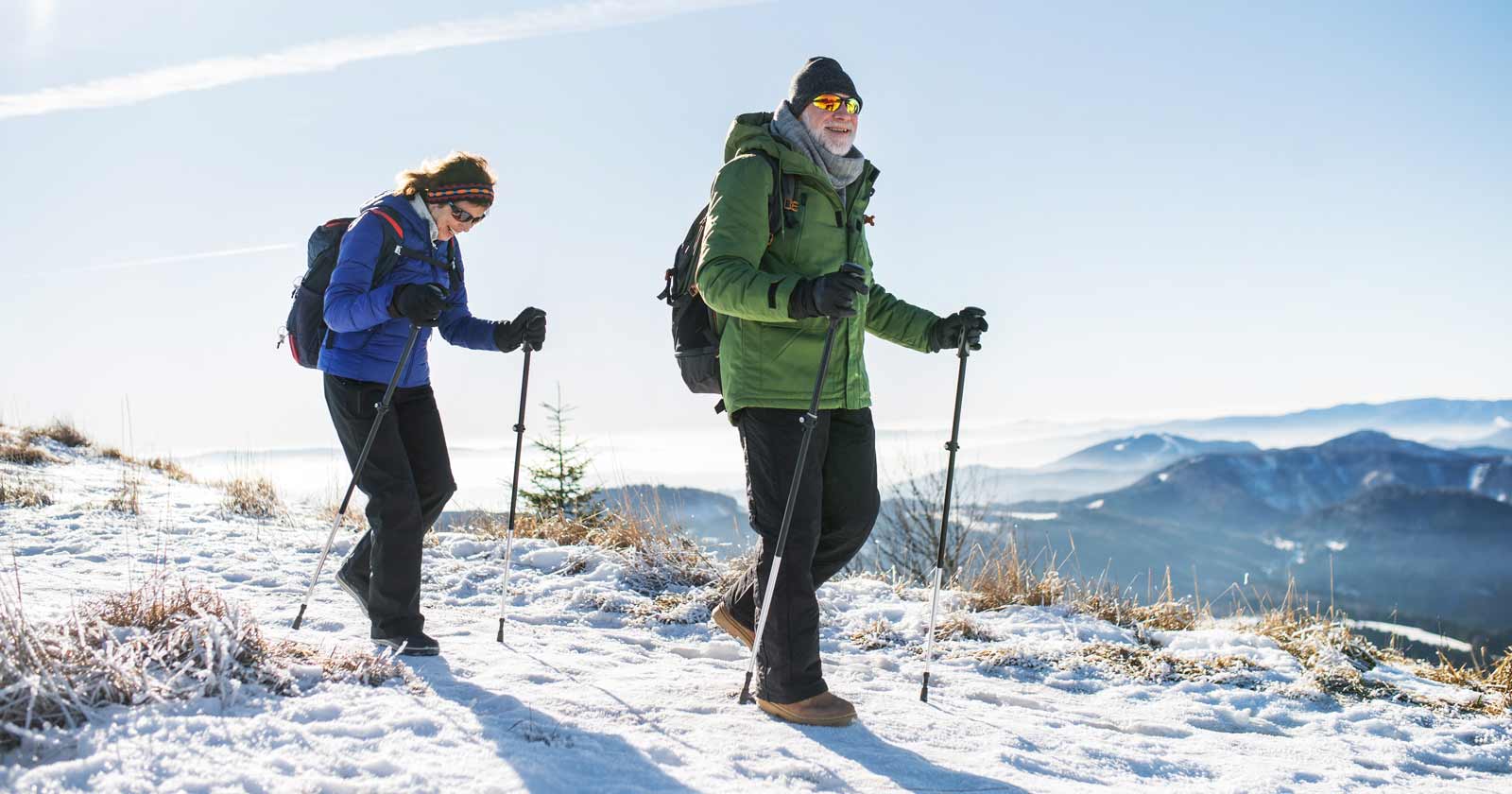
Hiking in Cold Weather: Staying Warm, Dry, and Safe
Read more →Cold weather hiking punishes small mistakes. Practical habits for layering, pacing and staying dry so winter hikes stay comfortable, not miserable.
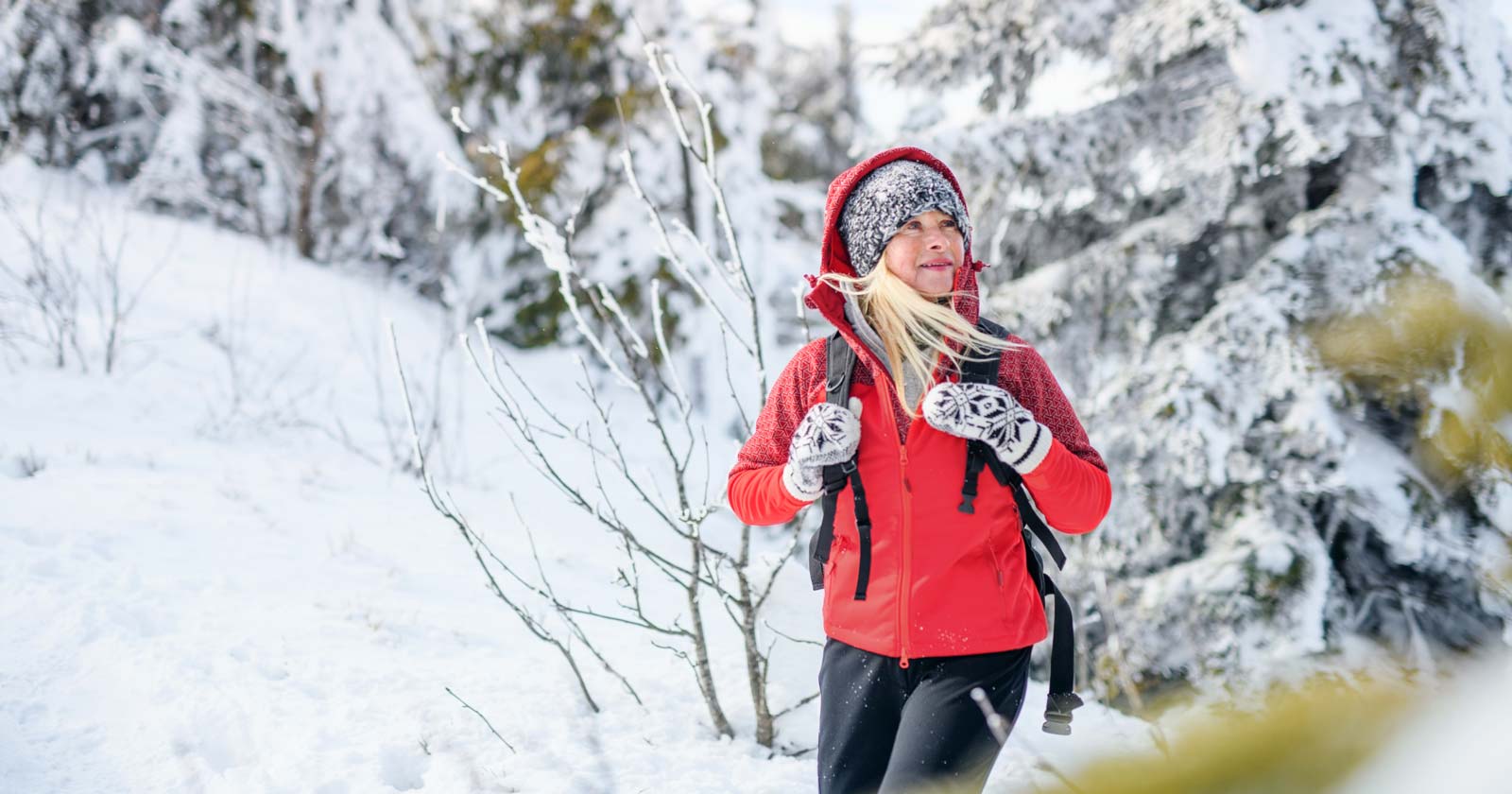
Hiking in different seasons: Tips for exploring year-round
Read more →How spring, summer, autumn and winter each change hiking conditions in Australia, with links to detailed seasonal guides for heat and winter hikes.

Hiking in summer: start early to avoid peak heat
Read more →Summer hiking in Australia demands early starts and conservative pacing. Practical strategies for managing heat exposure and knowing when to turn back.
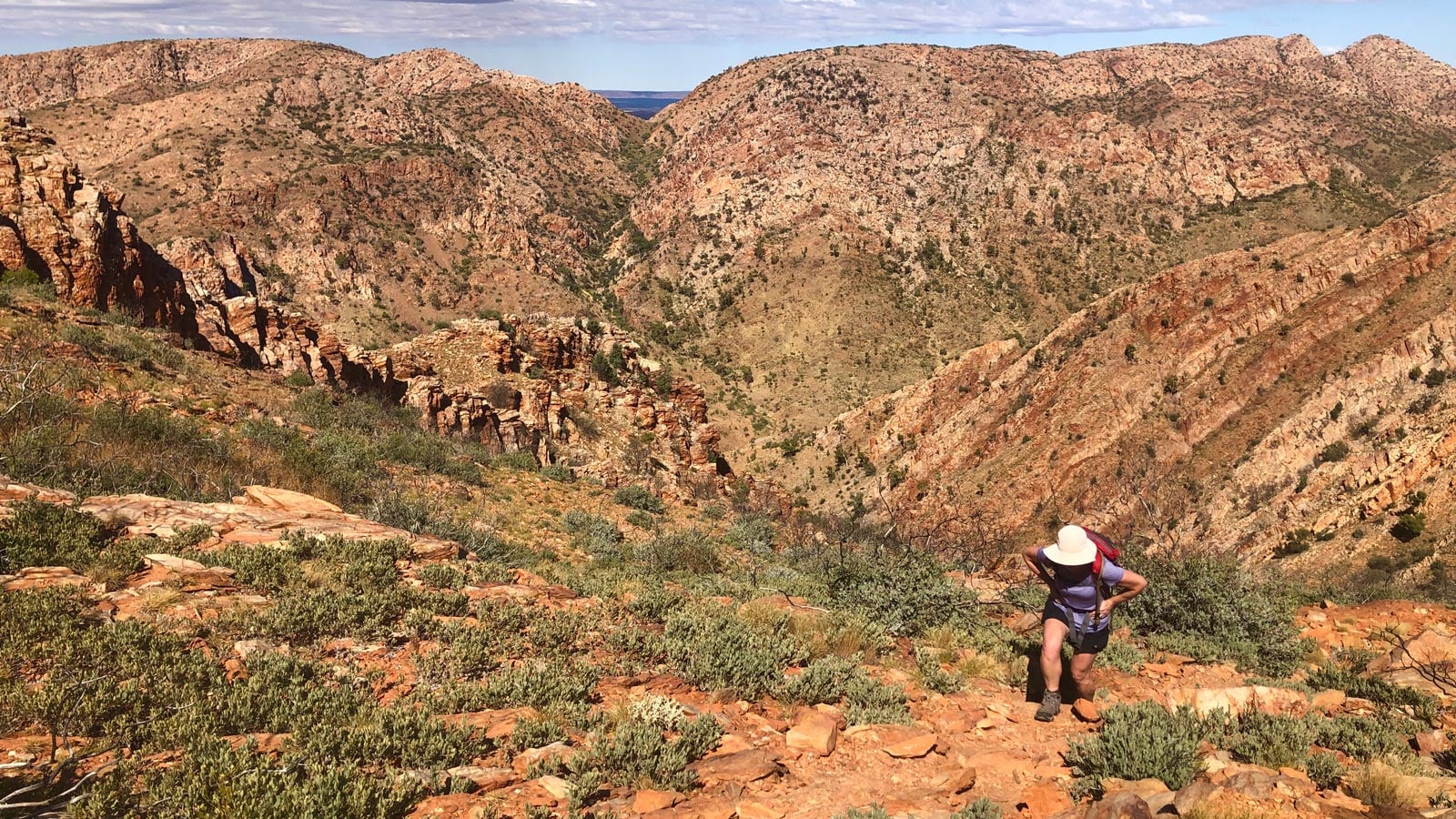
Hiking in the Australian outback
Read more →Outback hiking leaves little margin for error. Managing heat, water, navigation and fatigue where distances are vast and help is far away.
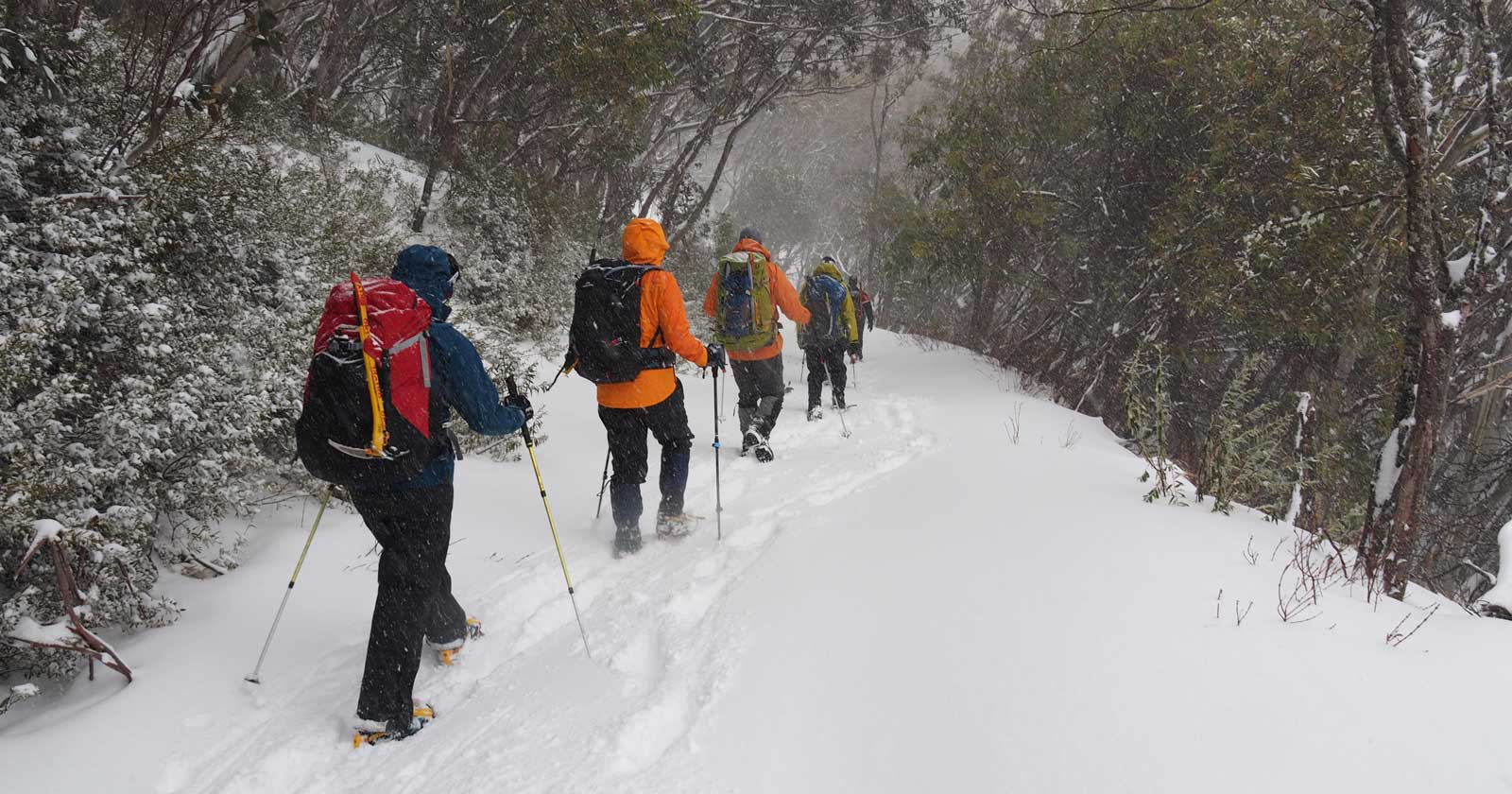
Hiking in Winter: A Guide for Australian Adventurers
Read more →A practical guide to winter hiking in Australia, covering conditions, layering, traction, daylight planning, navigation and overnight safety.
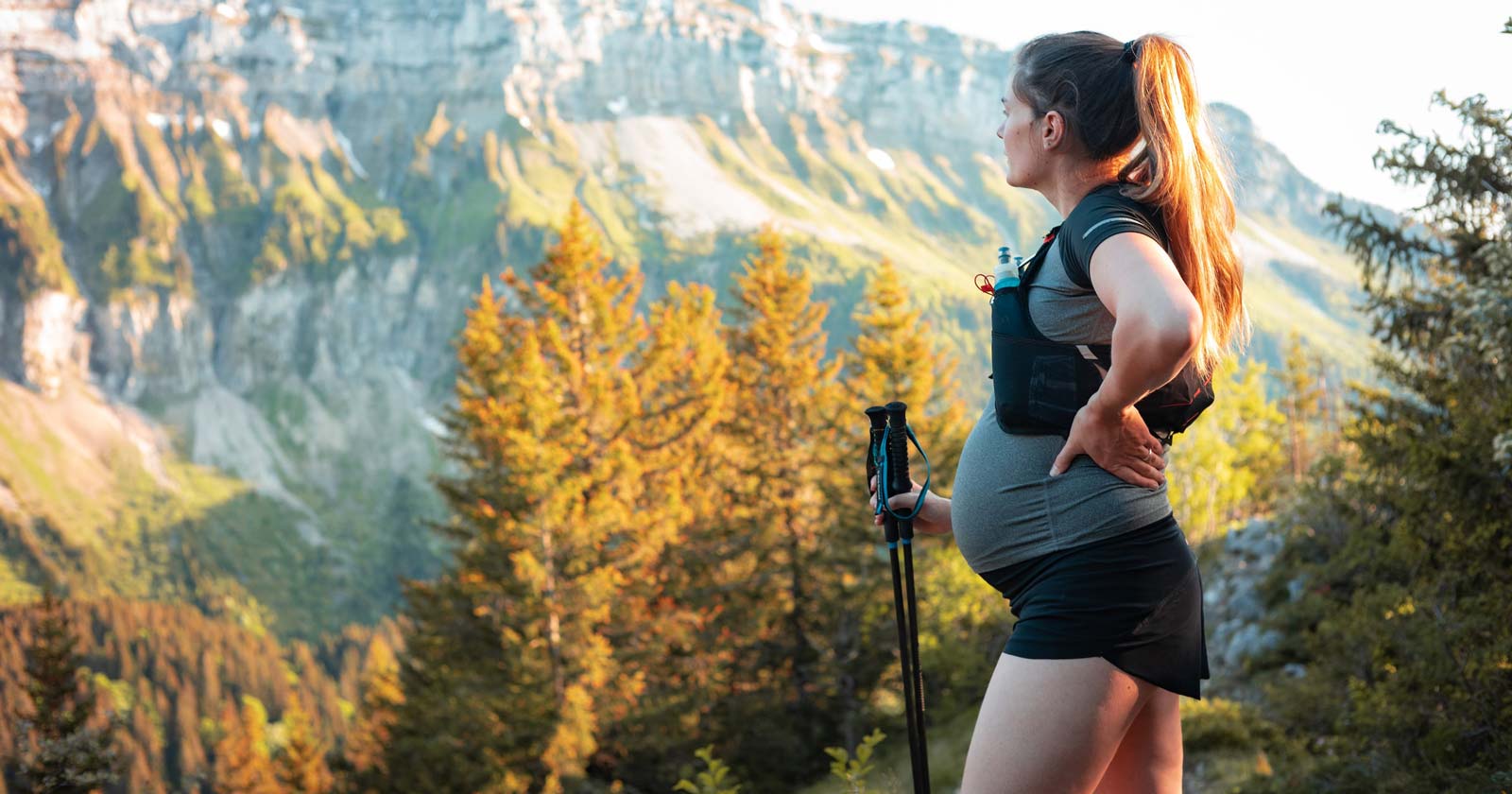
Hiking with a baby bump: Tips for hiking while pregnant
Read more →Practical, safety-first advice on hiking while pregnant, covering trail choice, pacing, hydration, terrain to avoid, and essential gear.
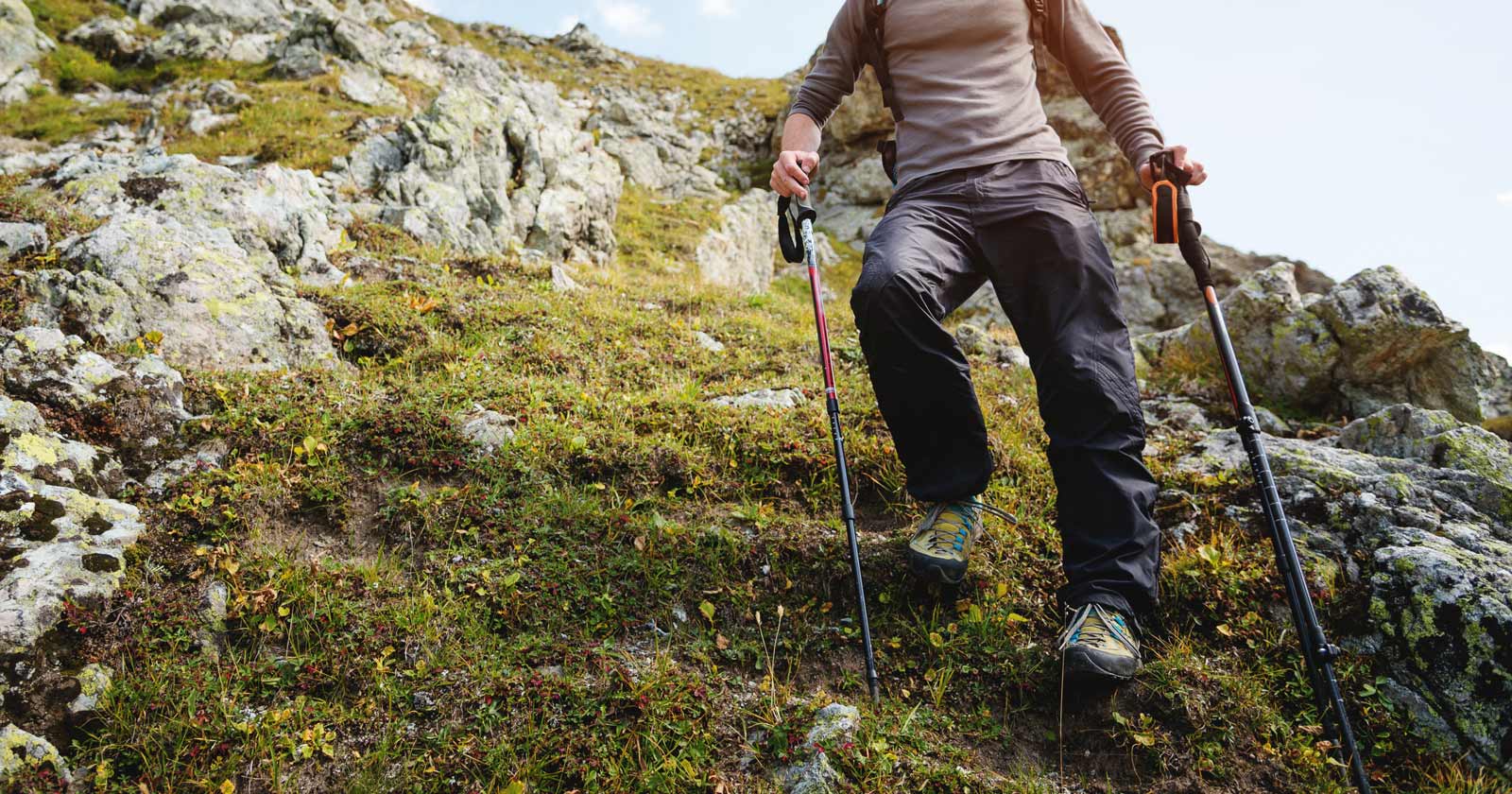
Hiking with confidence: A guide to walking steadiness
Read more →Why walking steadiness matters for hikers, how to assess your own balance, and practical ways to build it for safer, less tiring hikes.
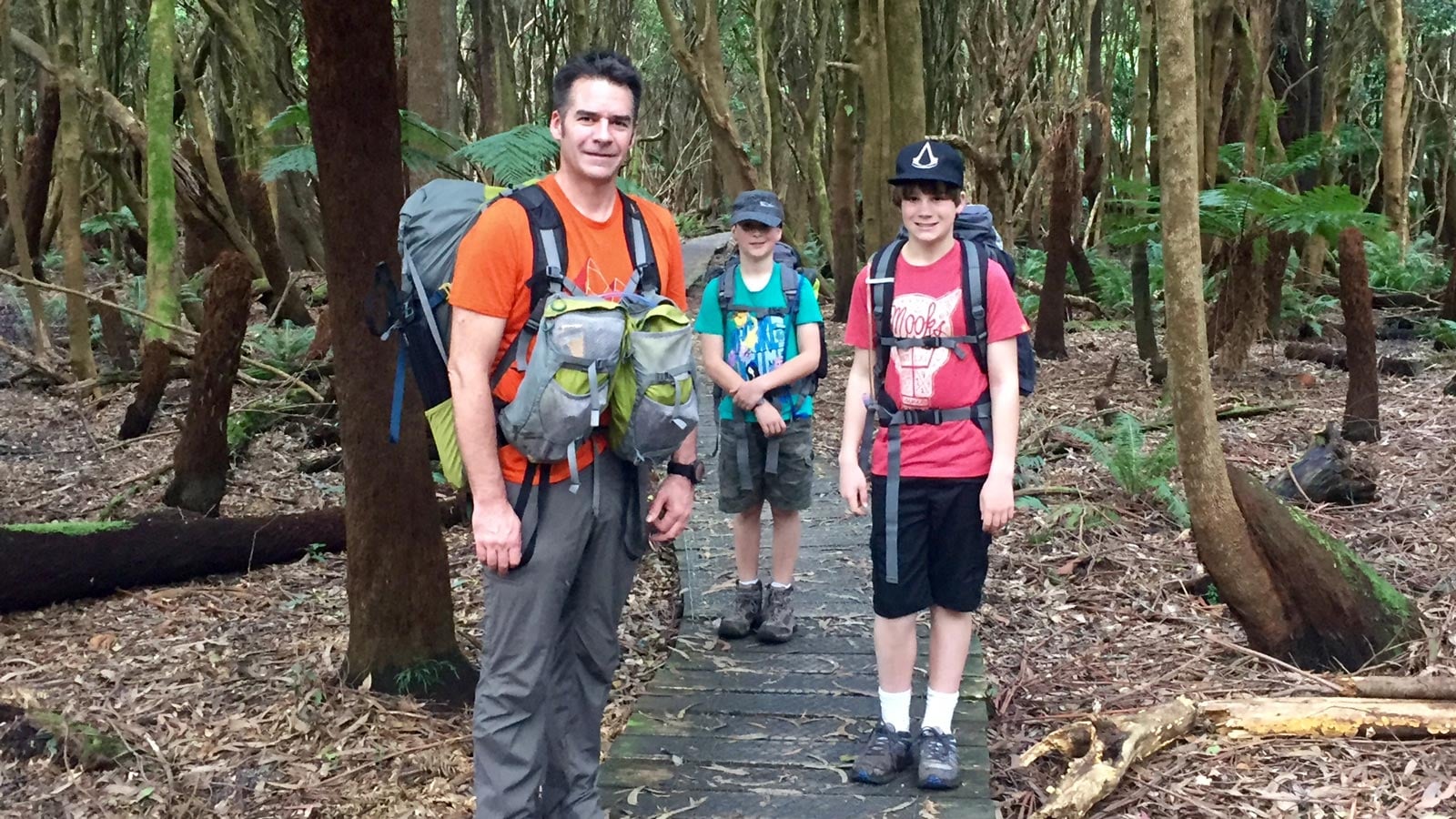
Hiking with Kids: Planning, Safety and Shared Responsibility
Read more →How hiking with kids differs from hiking solo, covering planning, shared responsibility, and how to keep family hikes safe and enjoyable.
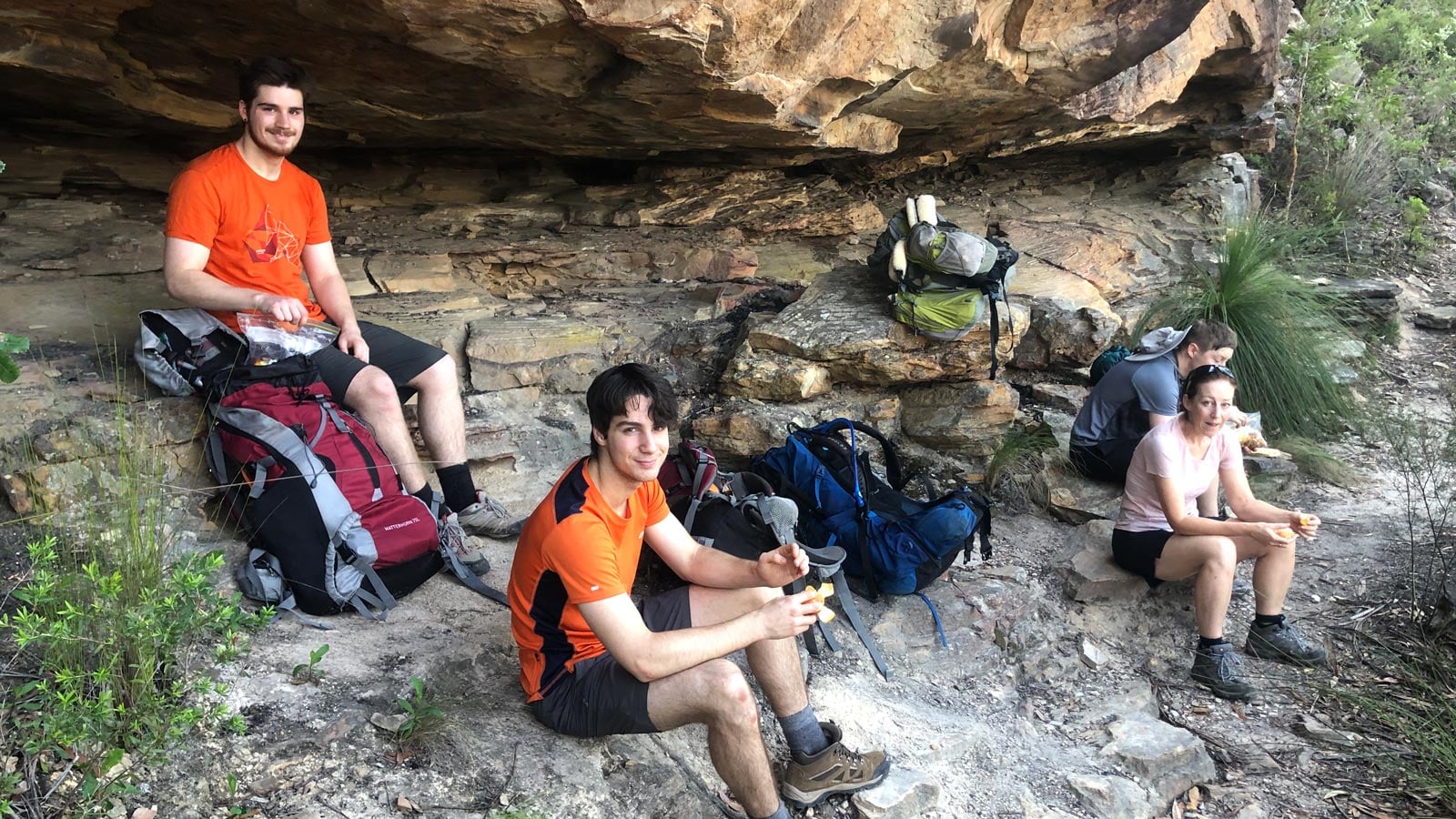
Hiking with Older Kids and Teenagers
Read more →How to manage pace, responsibility and risk when hiking with teenagers, so growing independence doesn’t outpace their judgement.
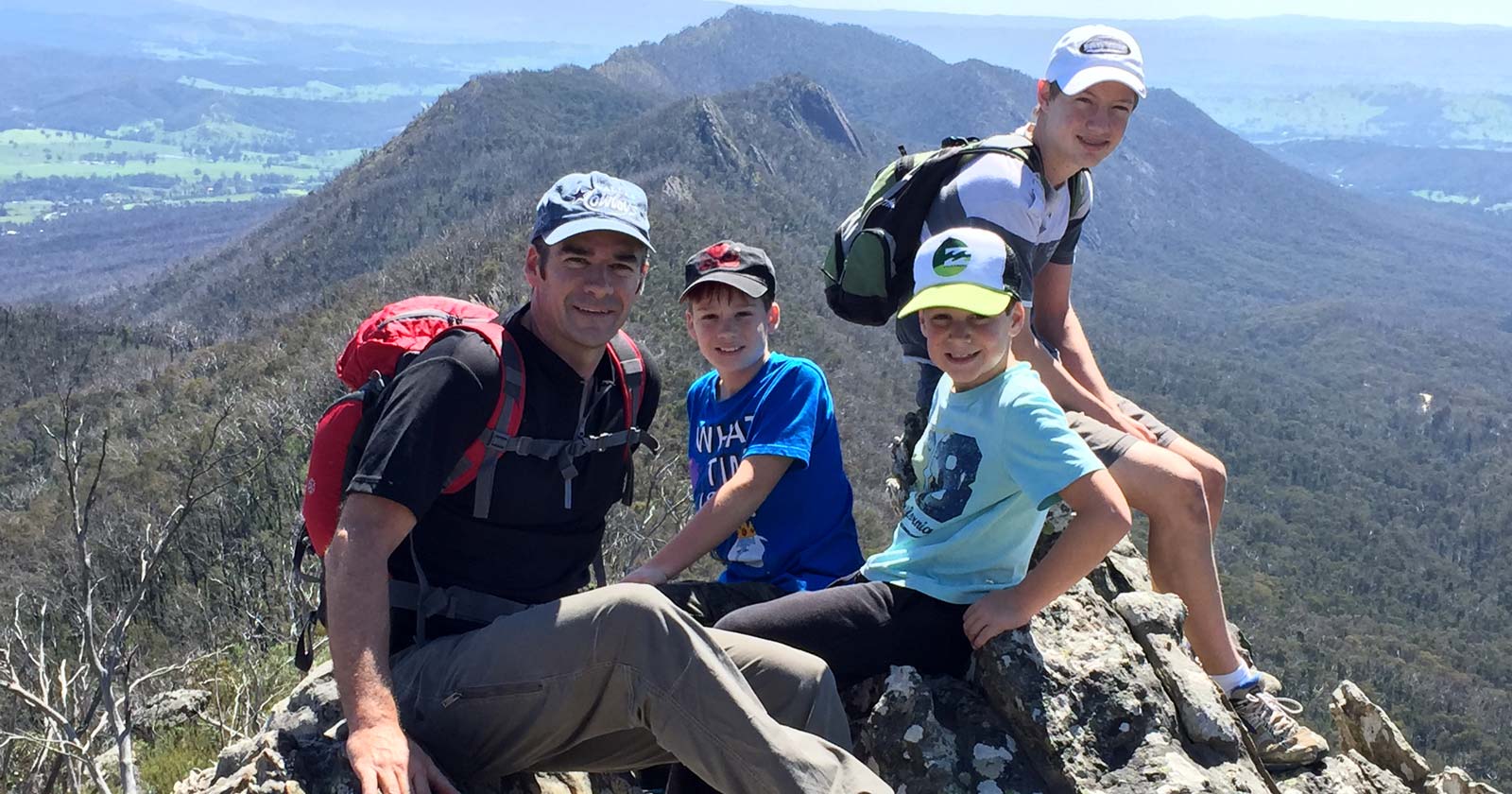
Hiking with Young Children: Toddlers to Primary Age
Read more →Practical advice for hiking with toddlers and primary-aged kids, covering supervision, pacing, energy management, and knowing when to turn back.
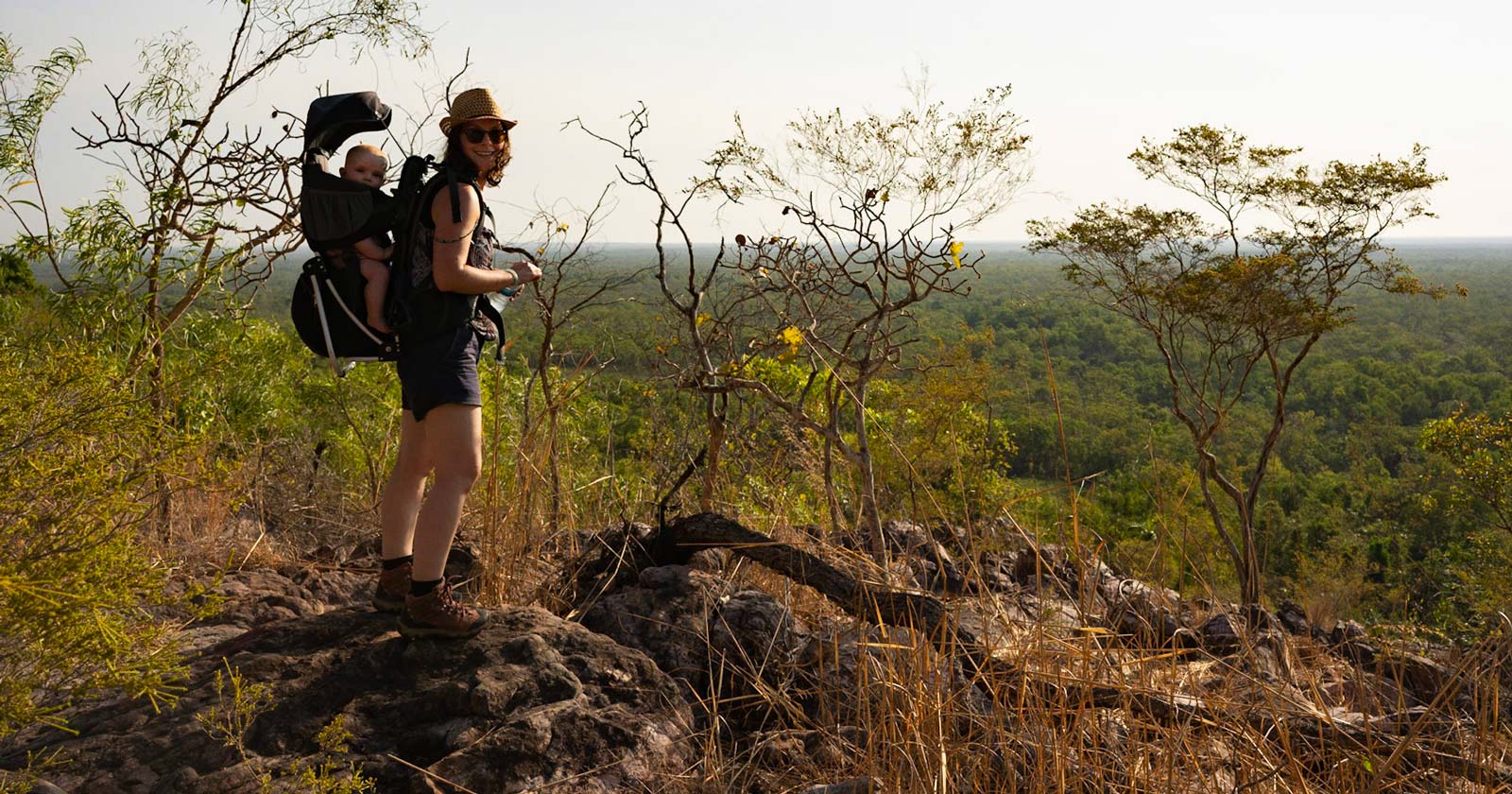
Hiking with your baby: Tips for a safe adventure
Read more →Practical tips for hiking safely with a baby, covering carrier choice, dressing for temperature, packing, trail choice, and pacing.
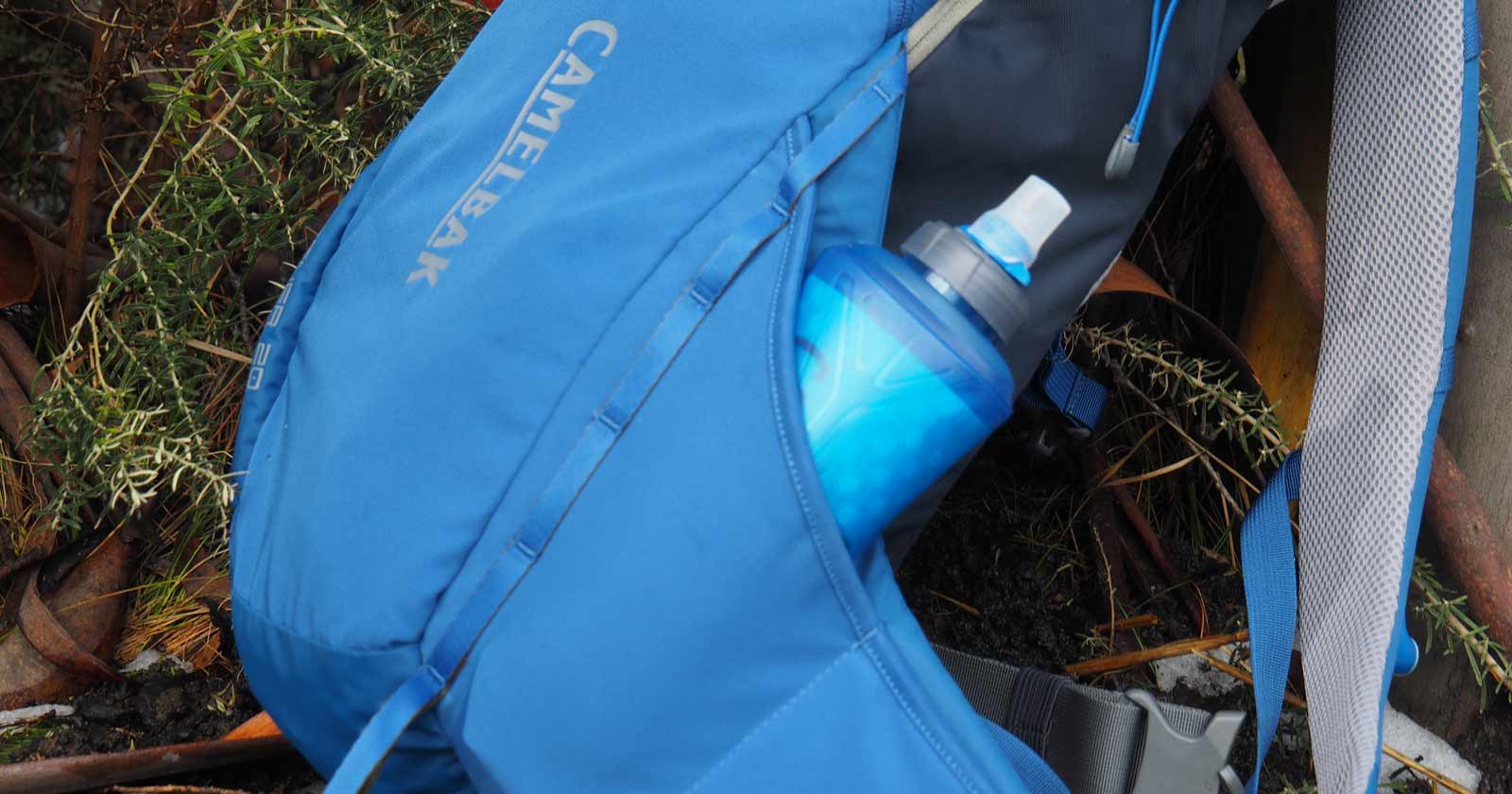
How much water should you carry on a hike?
Read more →Plan hiking water by time, terrain, weather and remoteness, not a fixed rule. Covers drinking cadence, pack weight and dehydration warning signs.
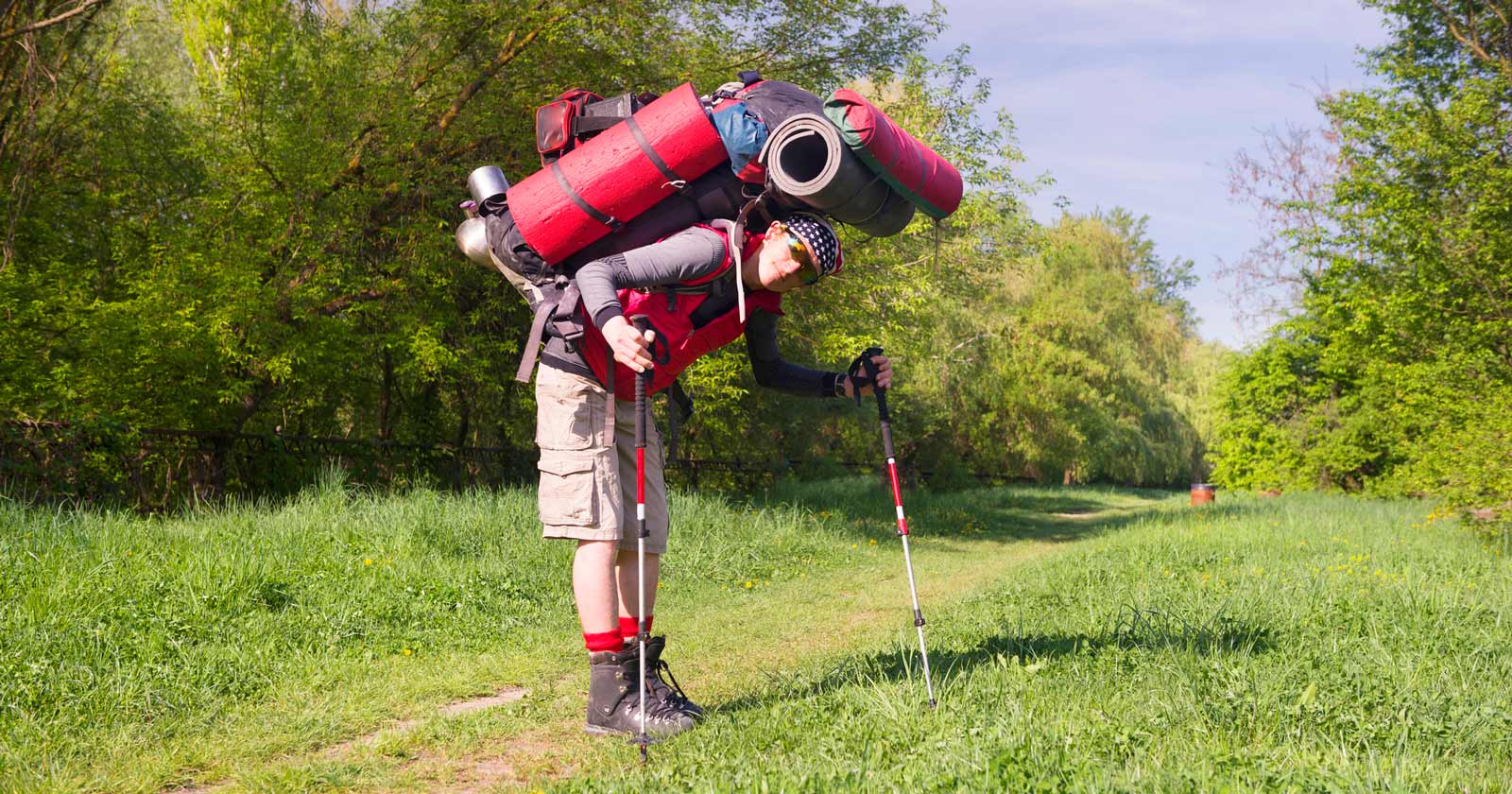
How to Calculate and Optimise Your Base Weight
Read more →How to calculate your hiking base weight, what to include, what a reasonable range looks like, and how to optimise it without cutting safety margin.
How to Keep Wildlife Out of Your Pack and Tent
Read more →Practical, no-nonsense guide to keeping possums, rodents, birds and dingoes out of your pack and tent while bushwalking in Australia, and why it matters.
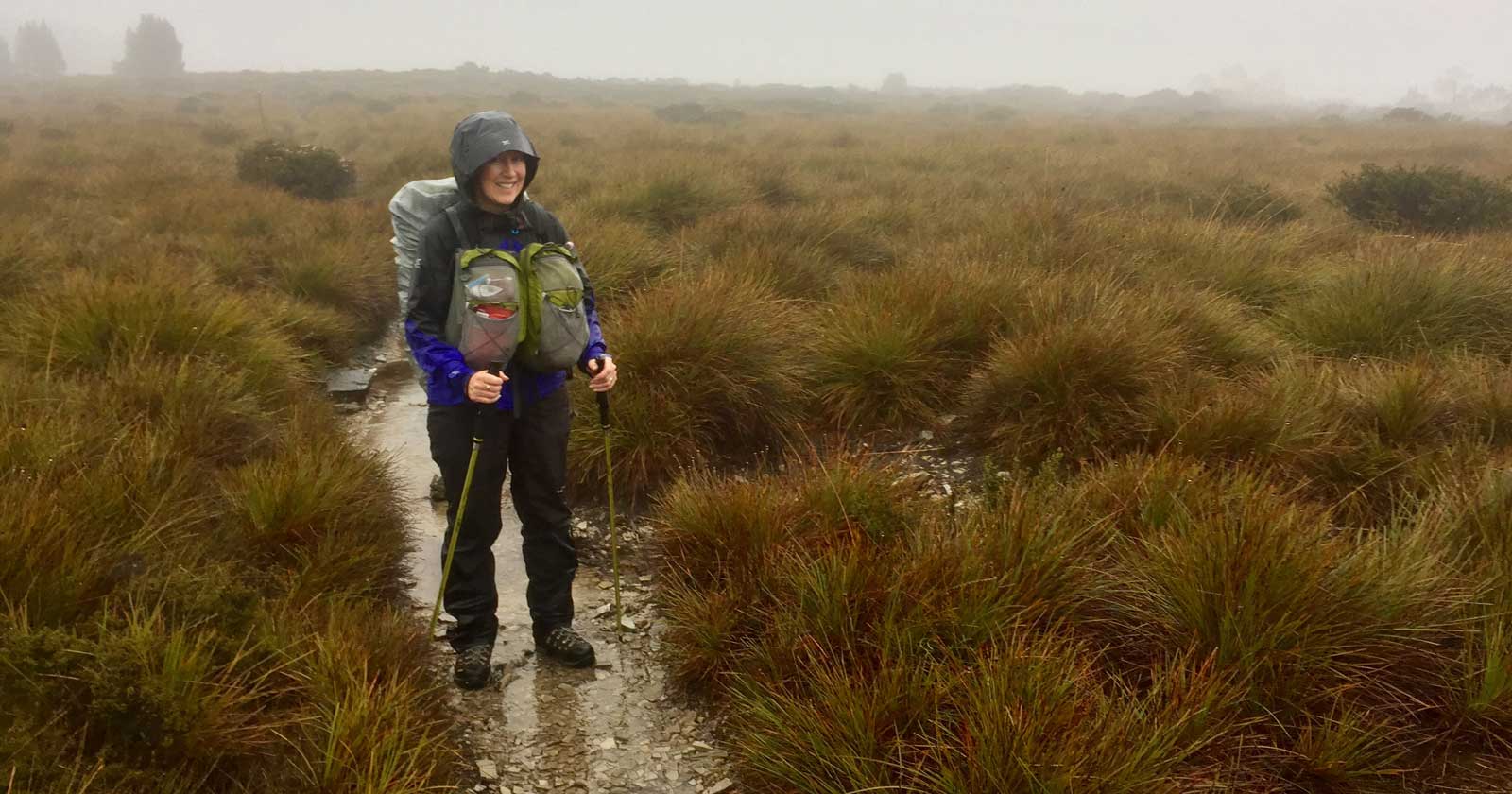
How to keep your hiking gear dry and organised
Read more →A layered system for keeping hiking gear dry and organised, covering pack liners, dry bags, rain covers, and what to prioritise first.
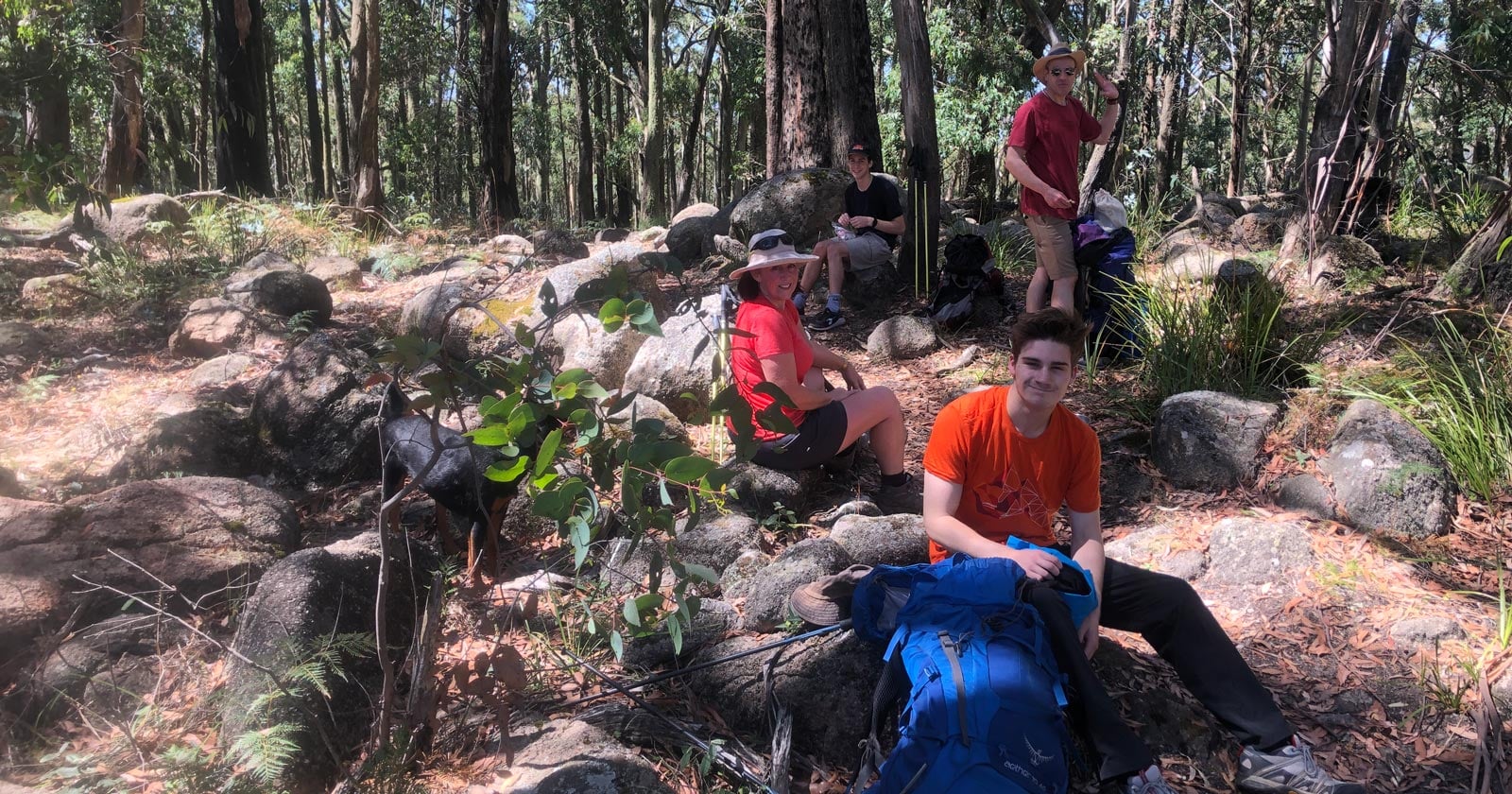
How to keep yourself safe on a group walk
Read more →Why hiking in a group does not remove personal responsibility, and how to stay prepared, aware, and safe when walking with others.
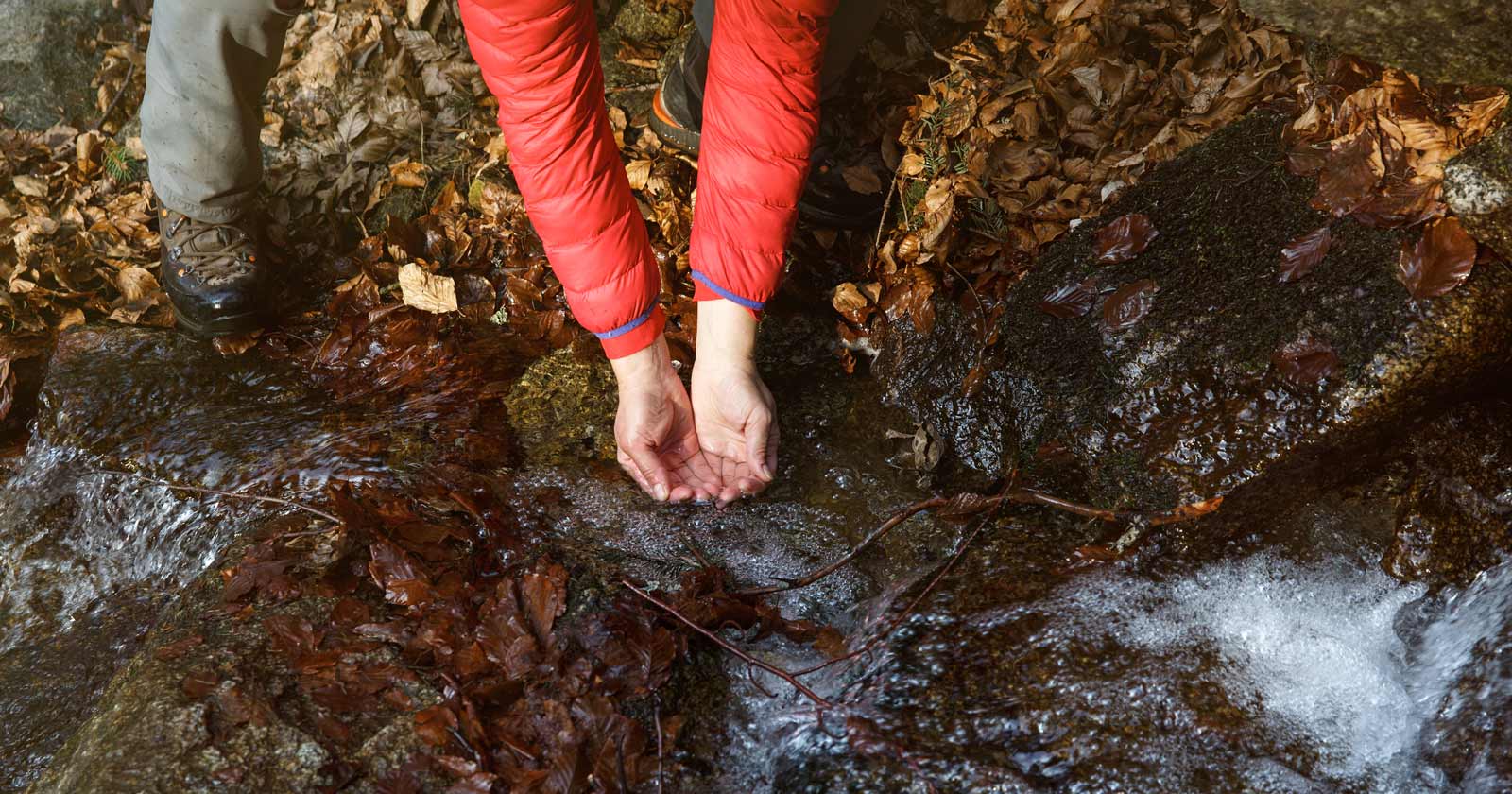
How to manage hydration during a hike
Read more →How to manage hydration on a hike: drinking little and often, matching intake to conditions, spotting early warning signs, and avoiding overhydration.
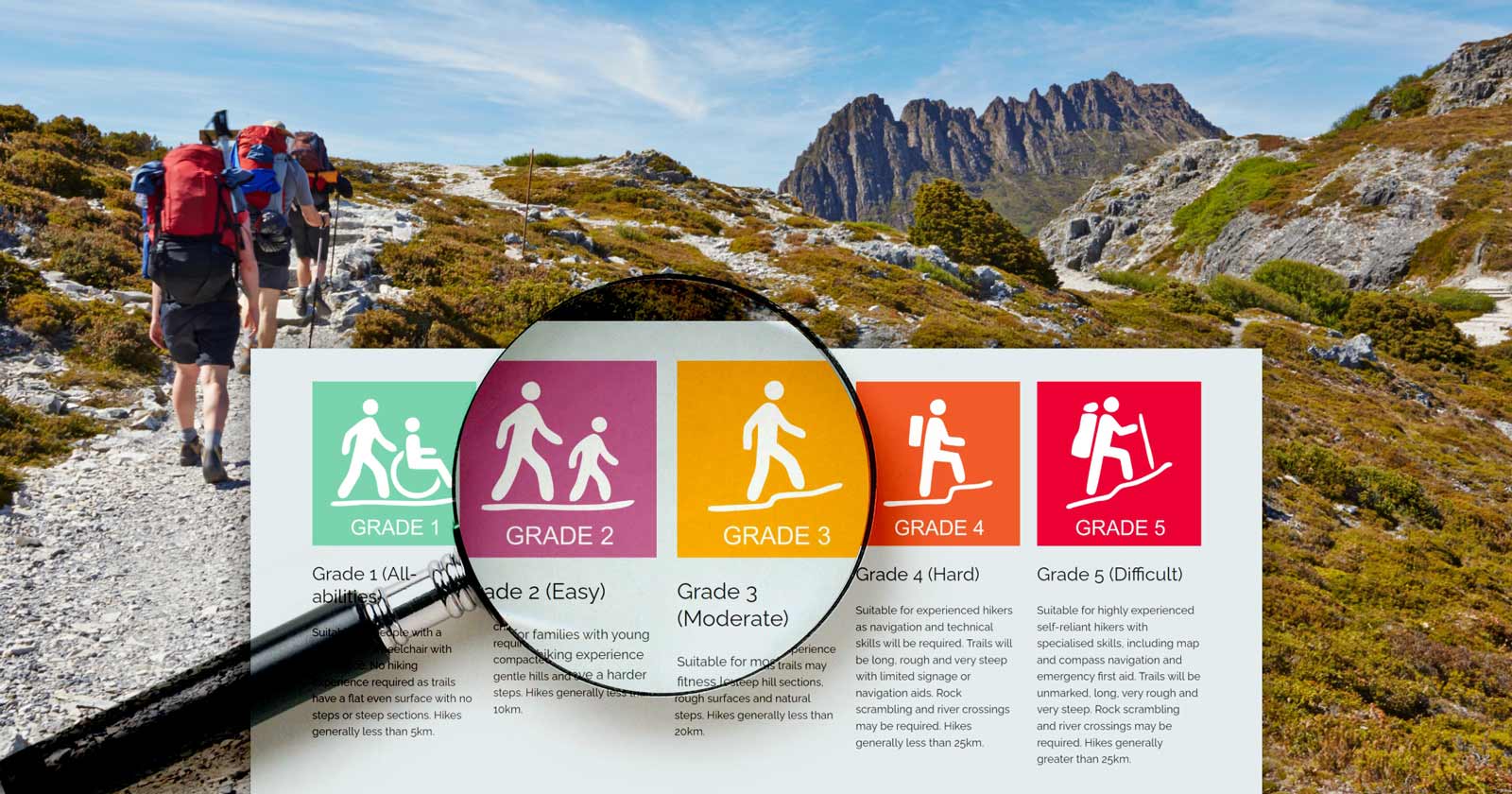
Interpreting the Australian Walking Track Grading System: Limitations and Context
Read more →Why two tracks with the same Australian Walking Track Grading System rating can demand very different levels of skill and self-reliance.
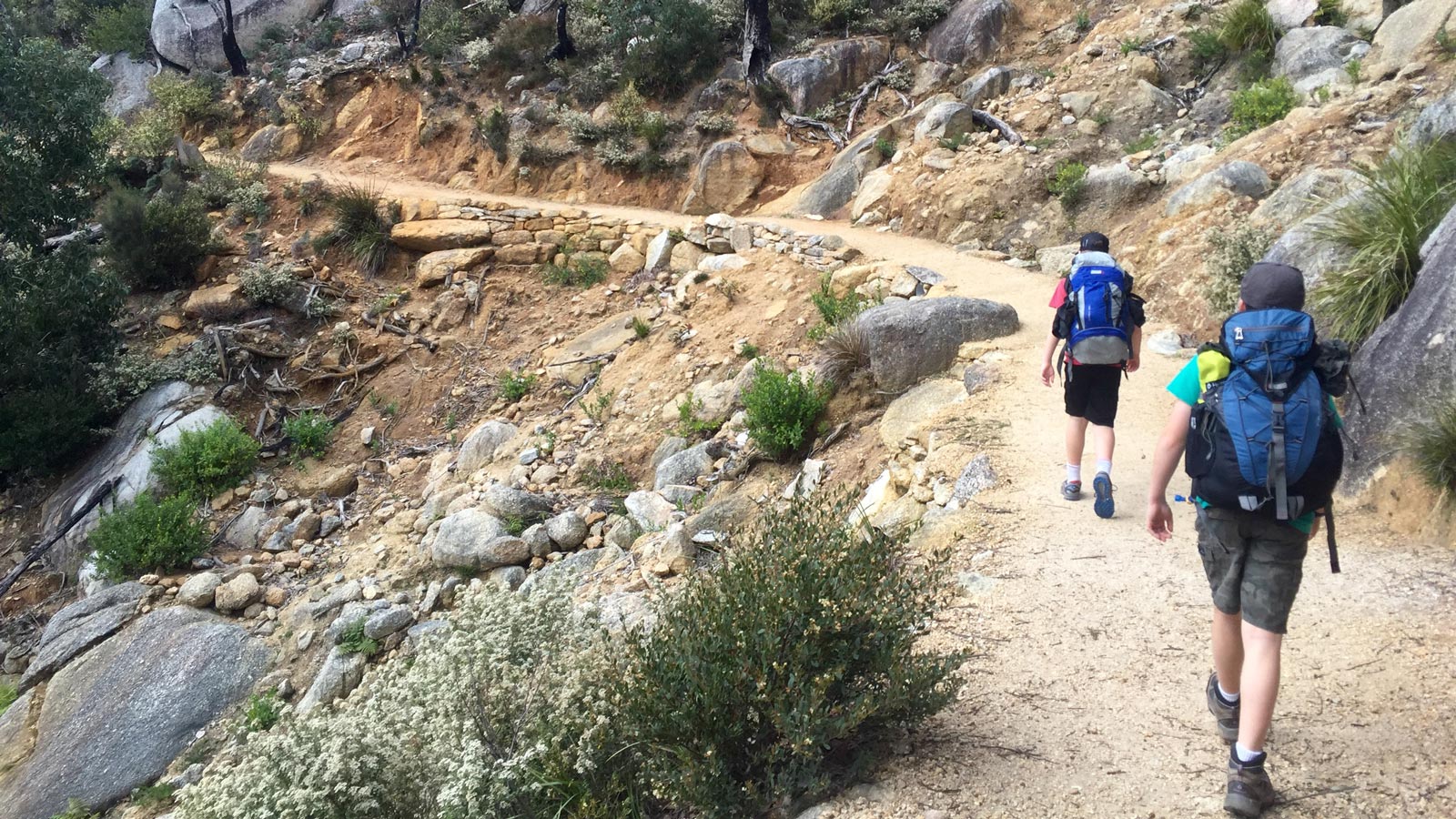
Is this hike suitable for kids?
Read more →How to judge whether a hike is genuinely suitable for kids, looking at terrain, exposure, weather, and escape options, not just distance.
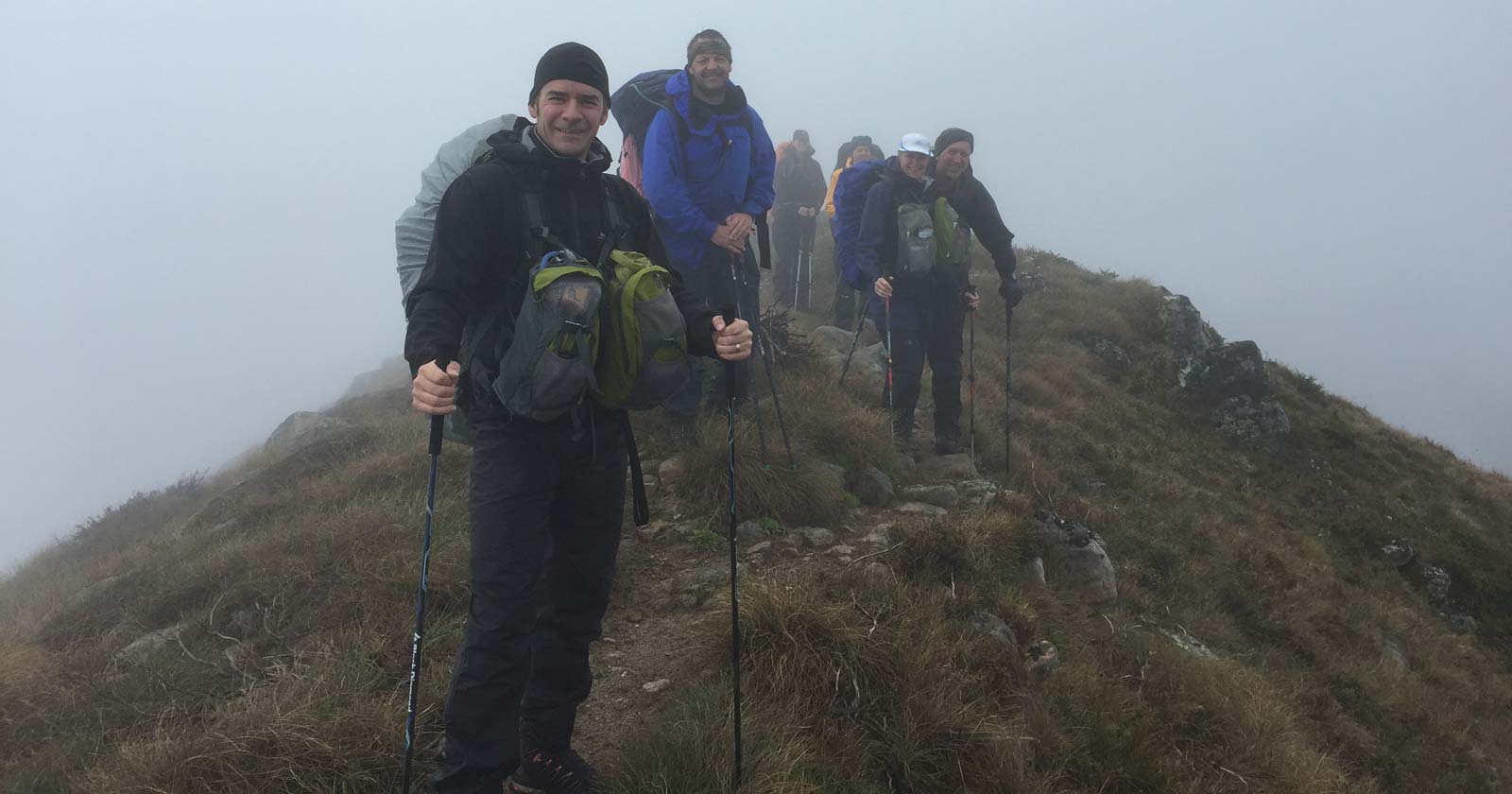
Leading a Hiking Group: Responsibilities, Decision-Making and Safety
Read more →What leading a hike actually involves: trailhead checks, pace, avoiding a single point of failure, and knowing when to turn a group back.
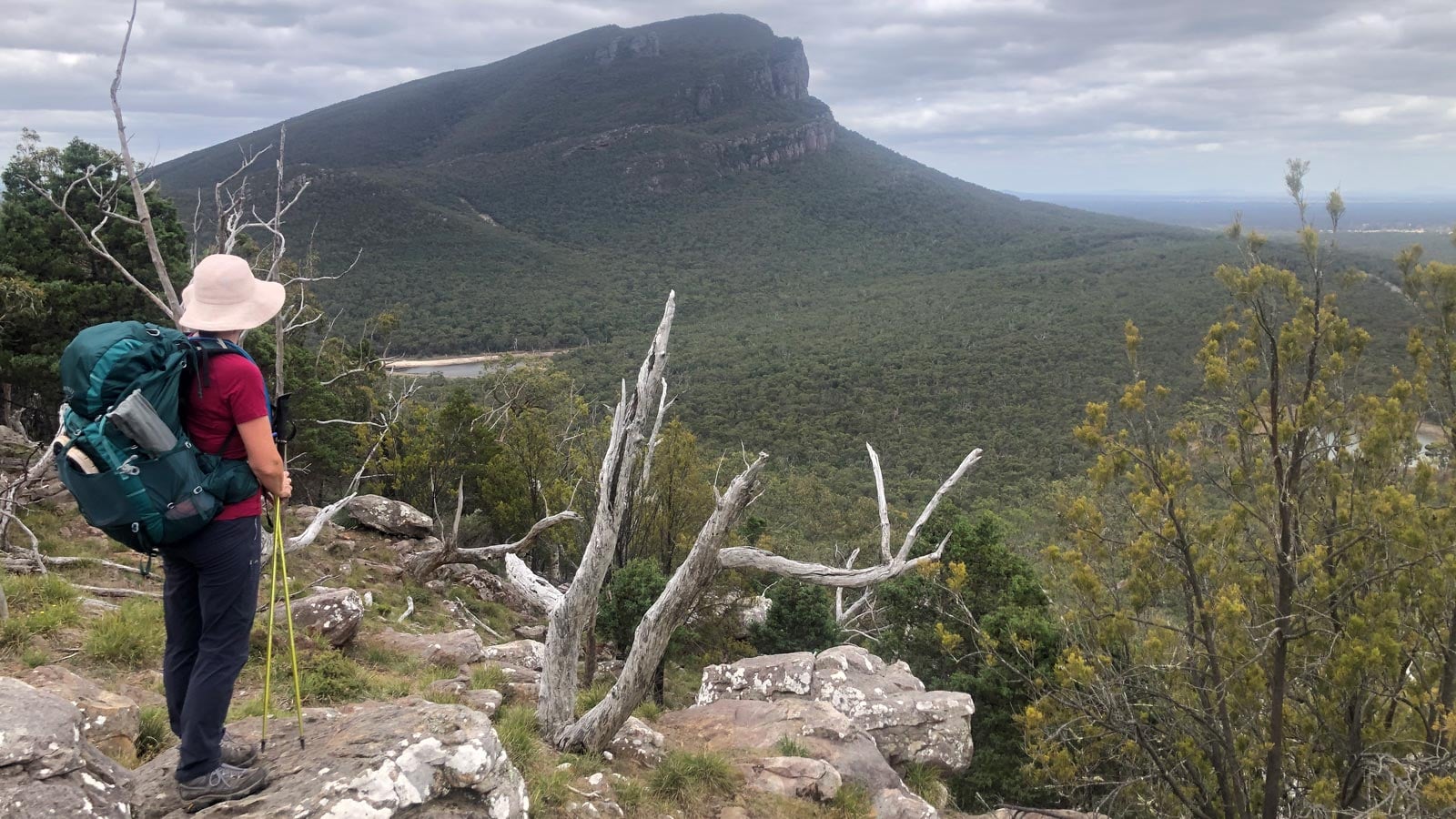
Leave No Trace when bushwalking
Read more →How the seven Leave No Trace principles apply to bushwalking in Australia, and why small individual choices reshape trails over time.
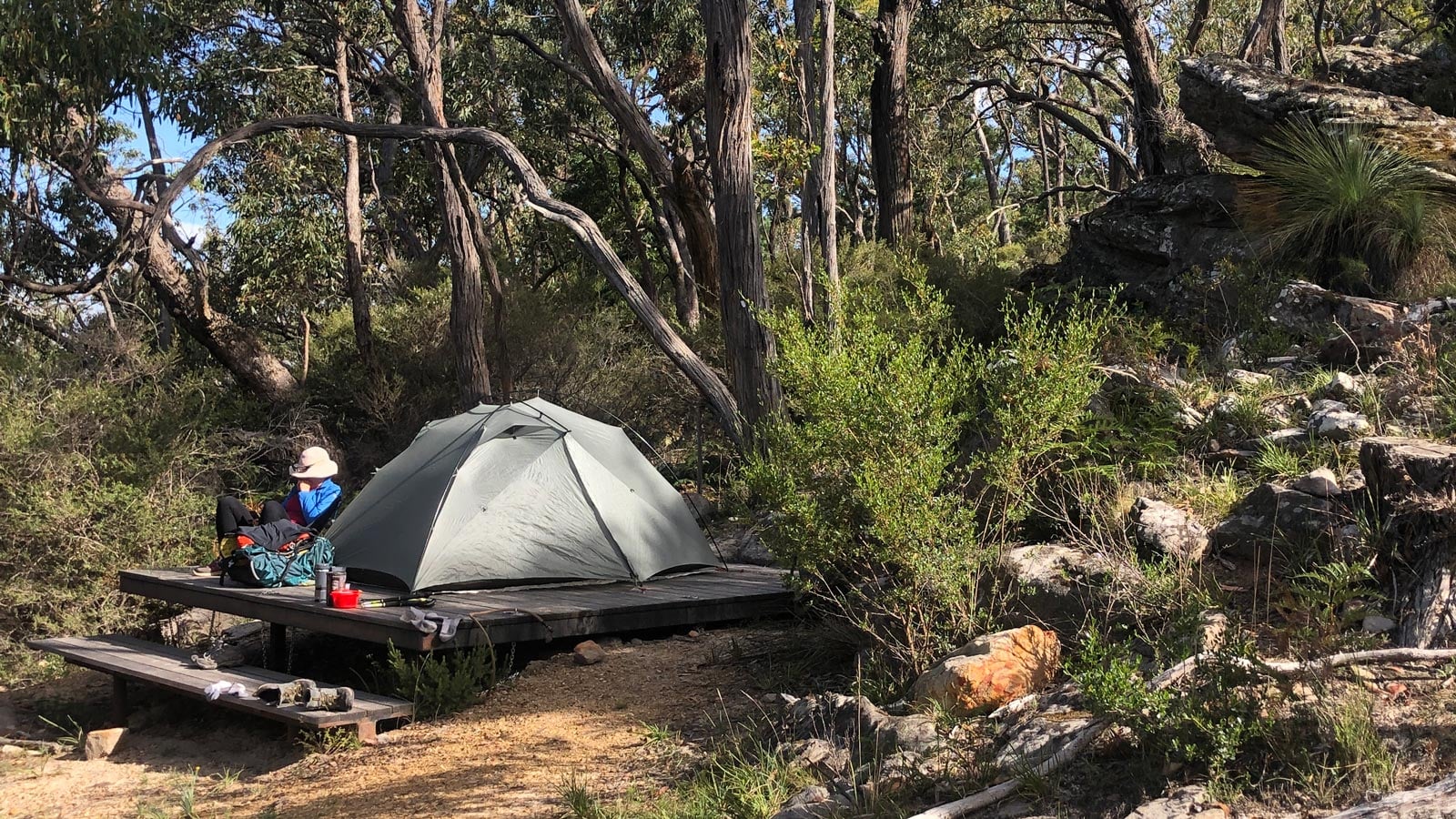
Leave No Trace when Camping on Overnight Hikes
Read more →Leave No Trace principles for camping on overnight hikes in Australia, covering campsite choice, cathole depth, waterways, food, and fires.
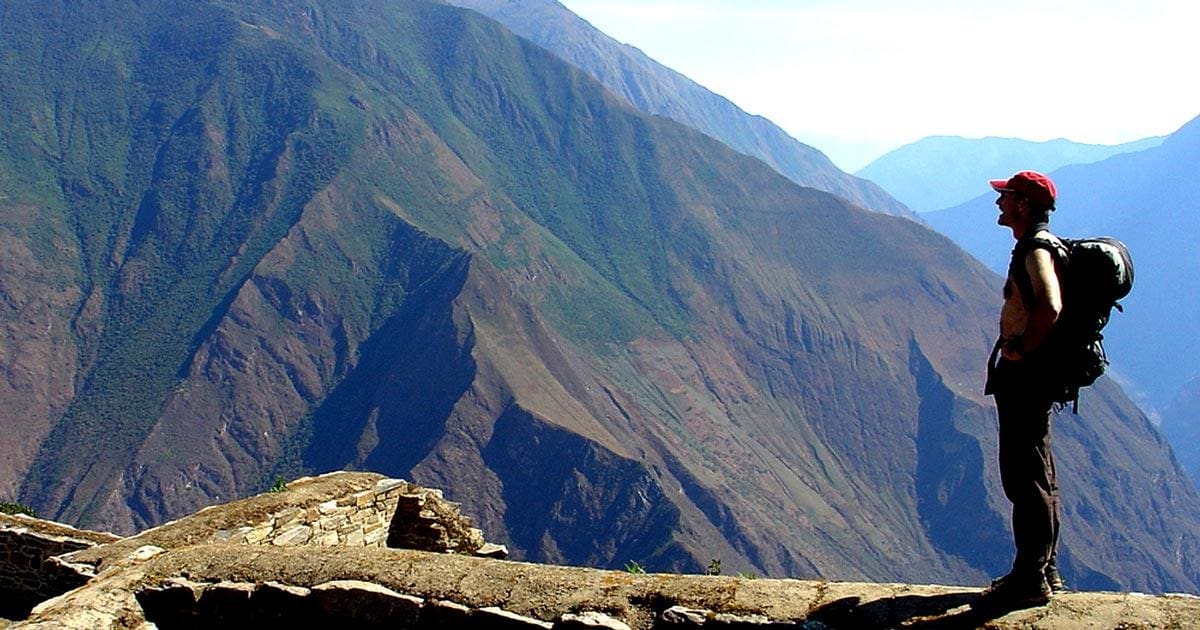
Minimalist Camping: How to Pack Light Without Sacrificing Safety
Read more →How to pack light for camping without cutting into safety, by planning around real conditions rather than stripping gear at random.
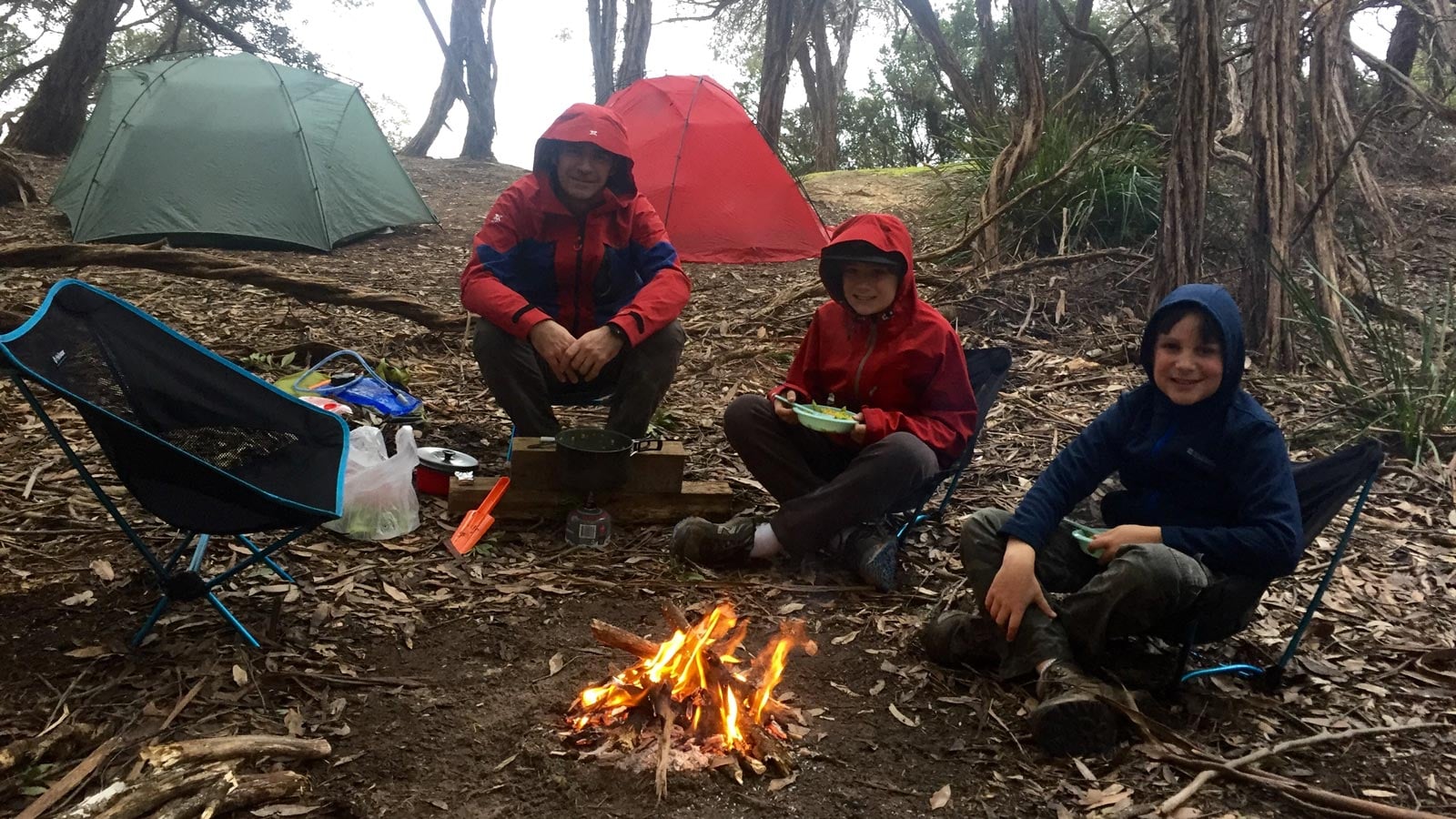
Overnight hiking with kids: Tips and advice
Read more →Practical advice on when kids are ready for overnight hikes, how to manage pack weight and campsite routines, and when to turn back.
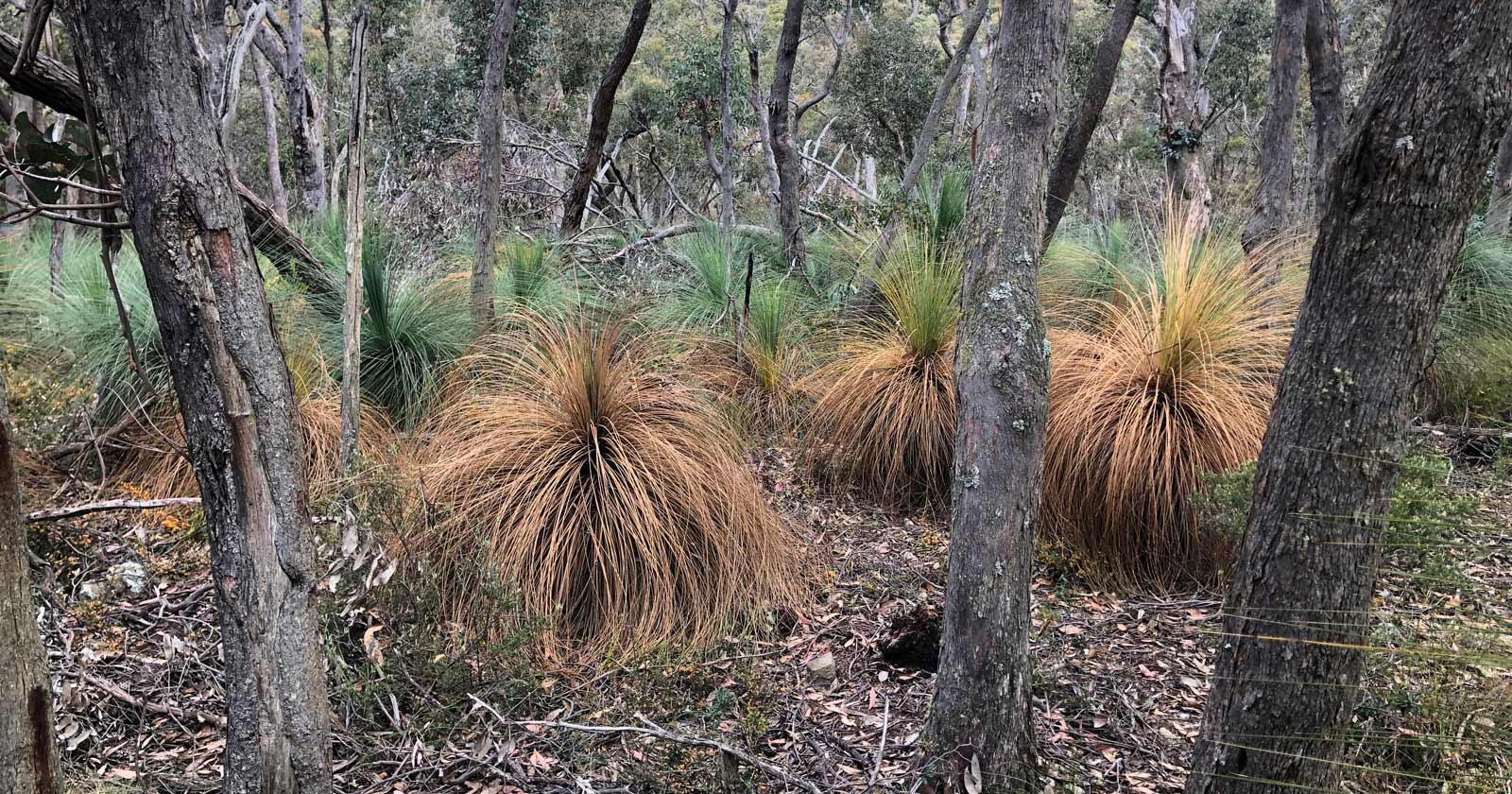
Phytophthora cinnamomi (Cinnamon Fungus)
Read more →How Phytophthora cinnamomi (dieback) spreads through Australian bushland, why it’s so destructive, and what hikers can do to stop it.
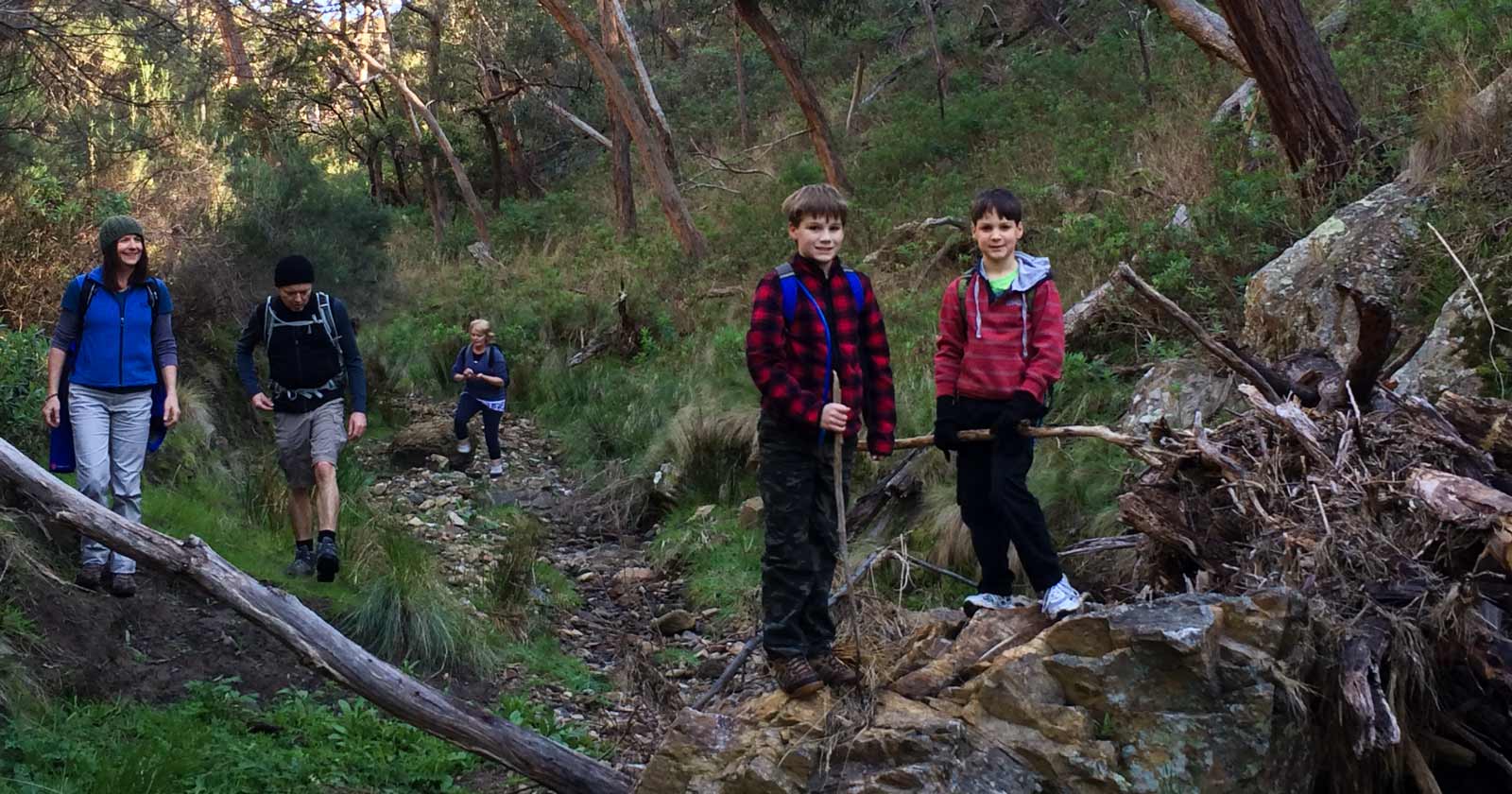
Planning a day hike: A guide to day trip preparation
Read more →A step-by-step guide to planning a day hike in Australia: knowing your limits, choosing a trail, gear, letting someone know, and emergency planning.
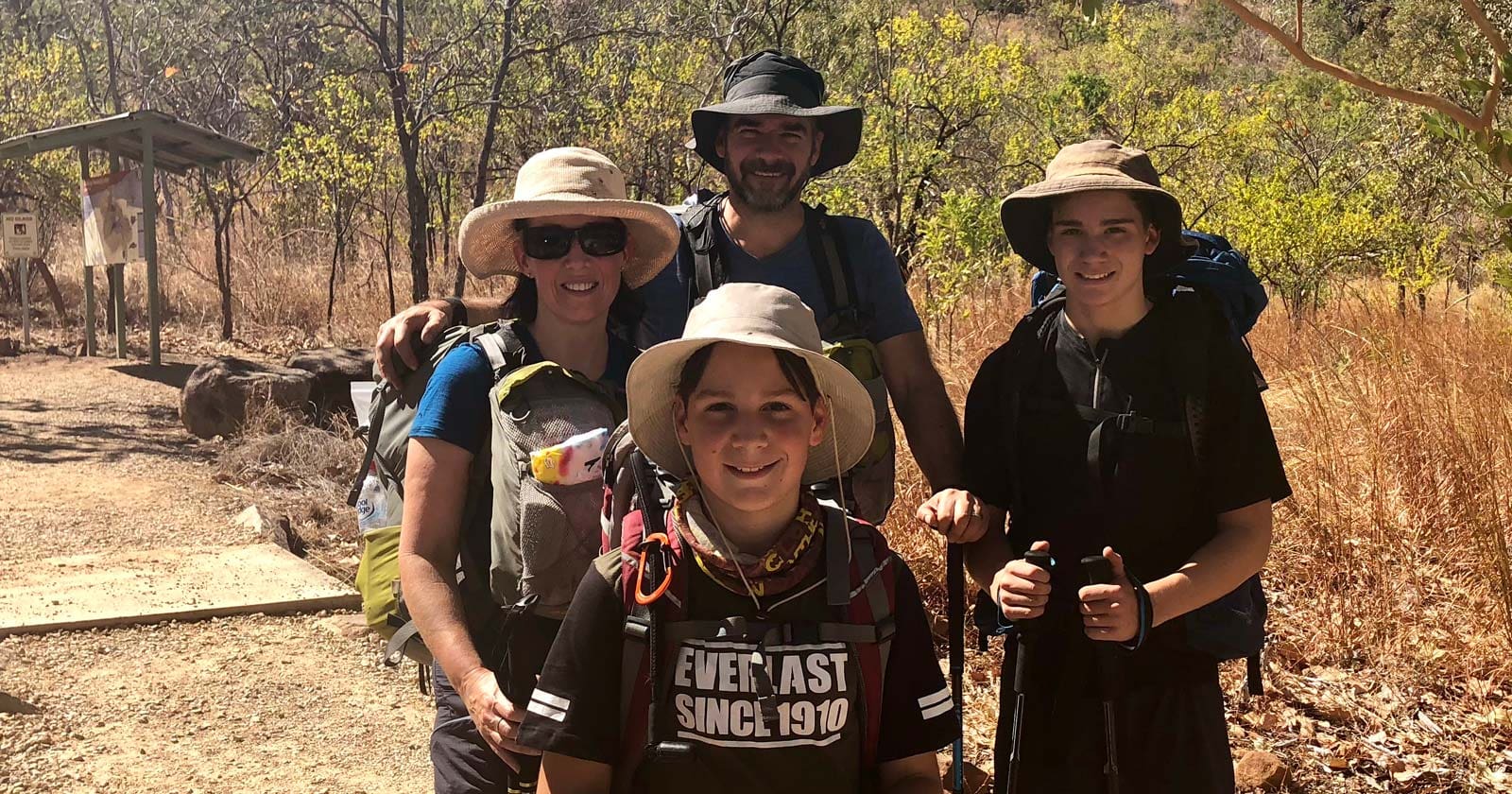
Planning a Family Hike: Expectations, Pacing and Margins
Read more →How to plan a family hike around realistic pacing, margins, and expectations, so the day stays positive instead of pressured.
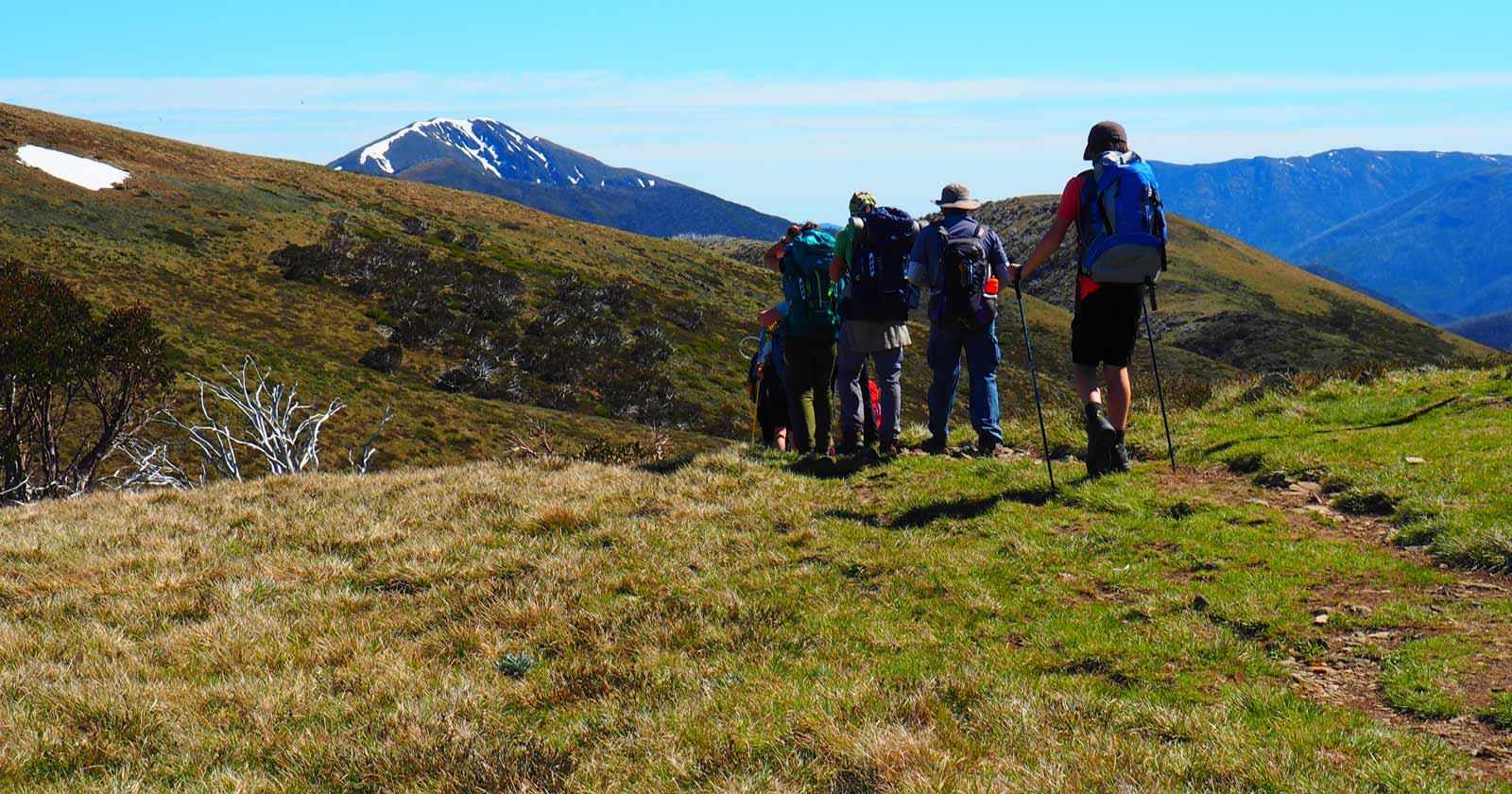
Planning an overnight hike: Stepping beyond the day trip
Read more →What changes when you step up from a day hike to an overnight trip in Australia: load, sleep systems, water, camping, and risk management.
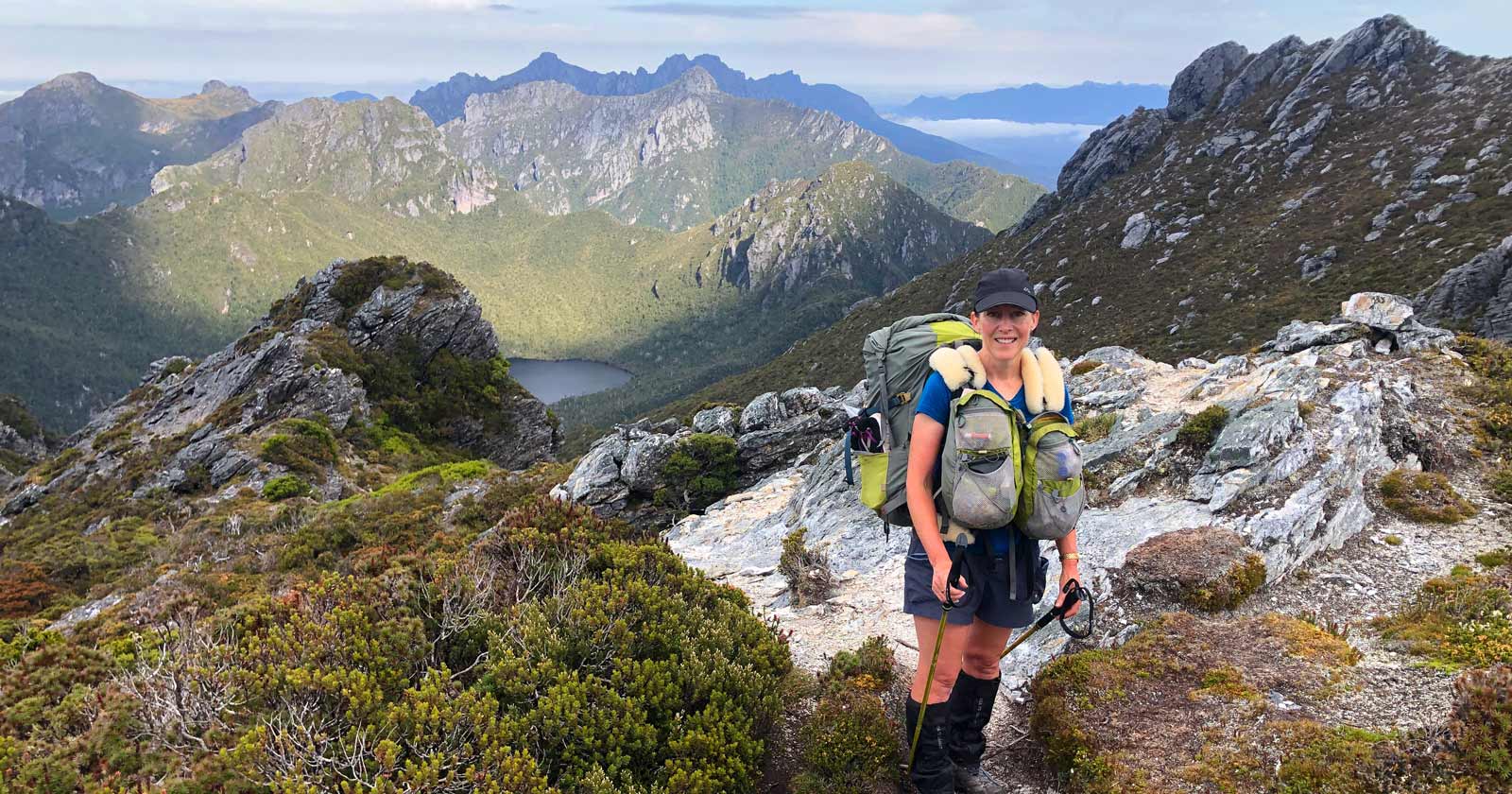
Planning Multi-Day Hikes in Australia: Navigation, Water, Food, Camps and Risk
Read more →What changes when you move from day hikes to multi-day trips in Australia: navigation, water, food, camps, permits and risk management.
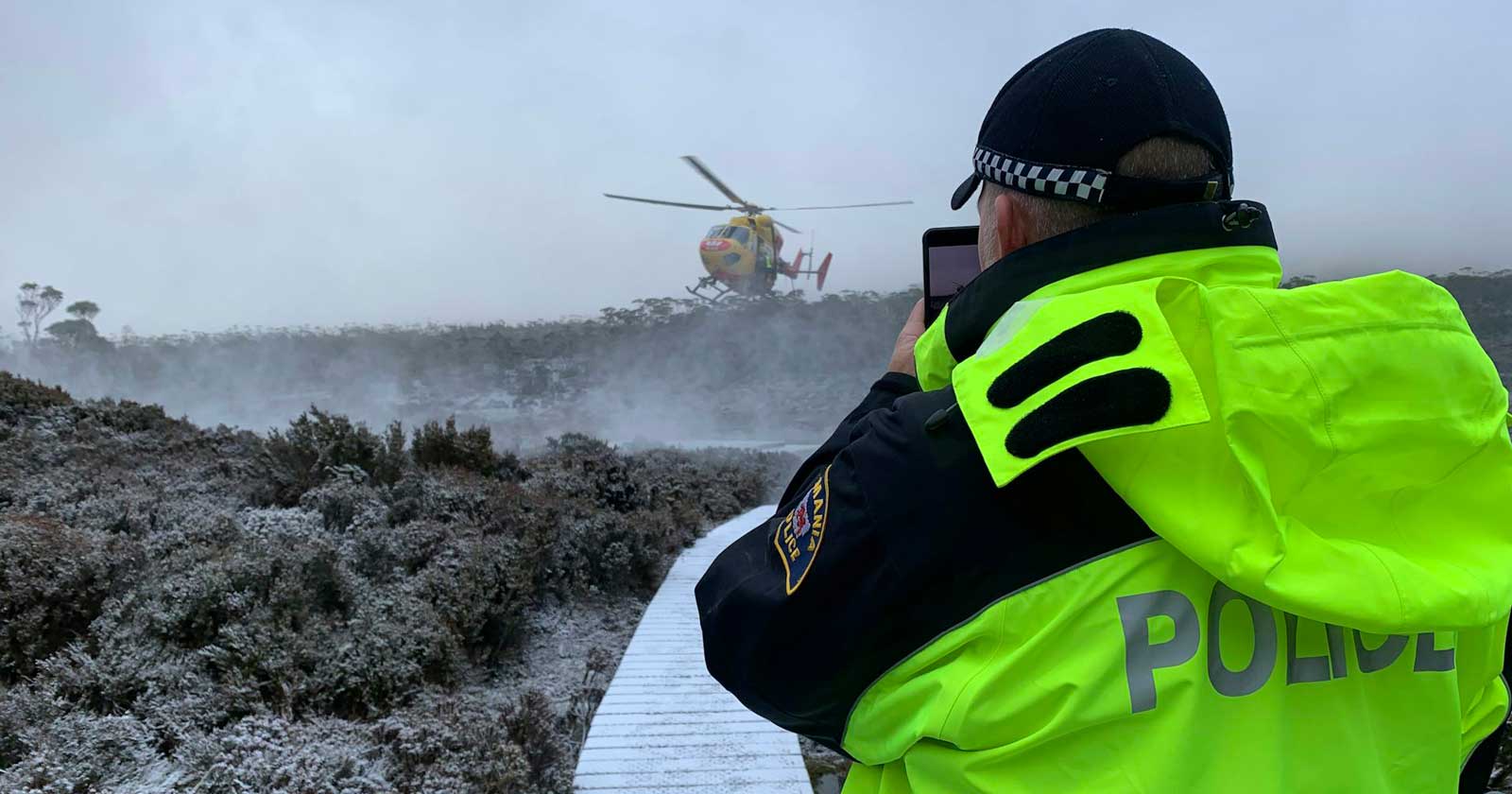
Planning to hike in winter? Invest in the right gear
Read more →Research into hiker preparedness in Tasmania reveals who’s most at risk in winter conditions and outlines the gear and planning needed to stay safe.
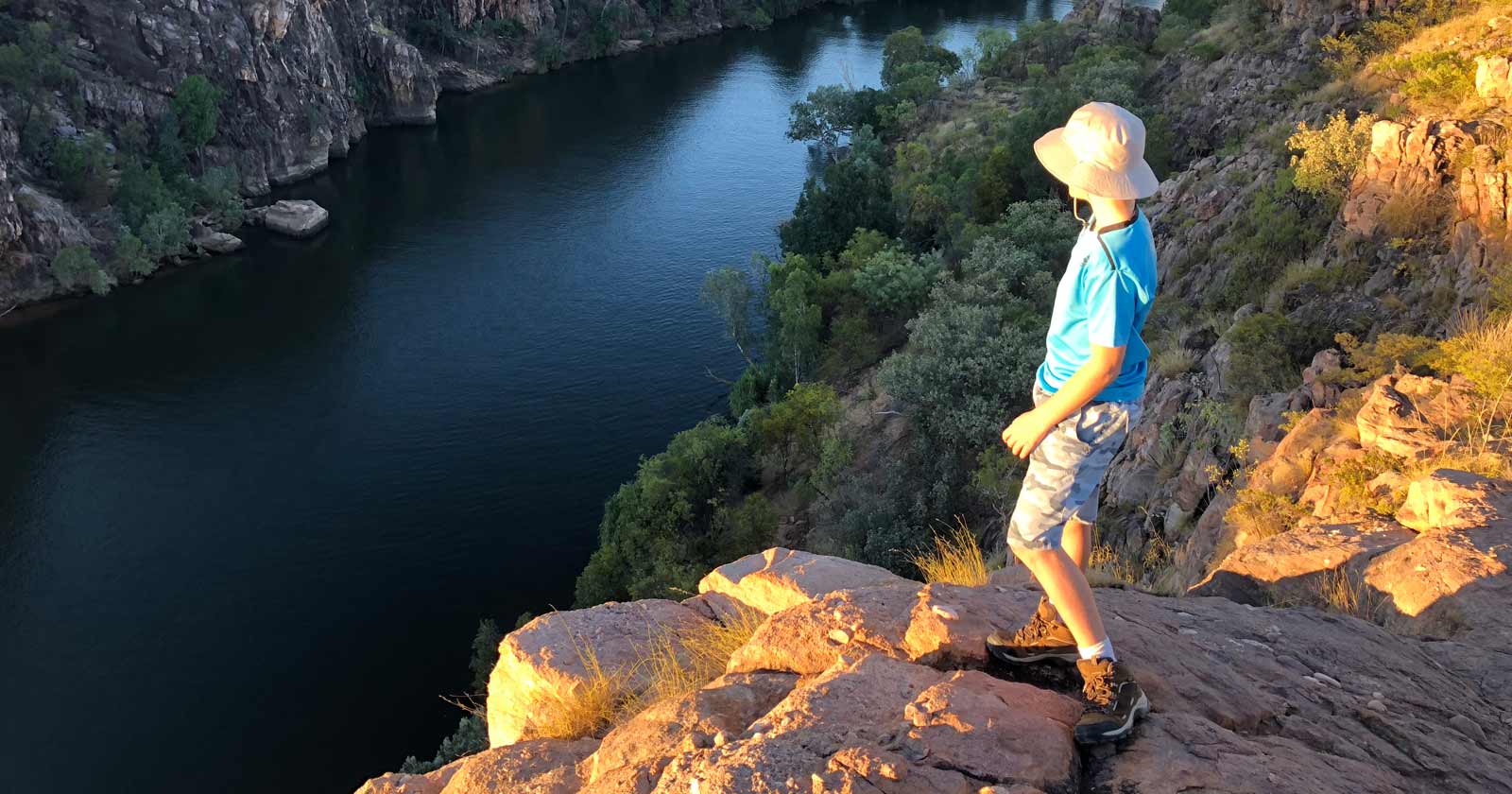
Planning Your Australian Hiking Adventure: A State-by-State Guide
Read more →A state-by-state guide to planning a hike in Australia, covering landscape, climate, and hazards to prepare for in each state and territory.
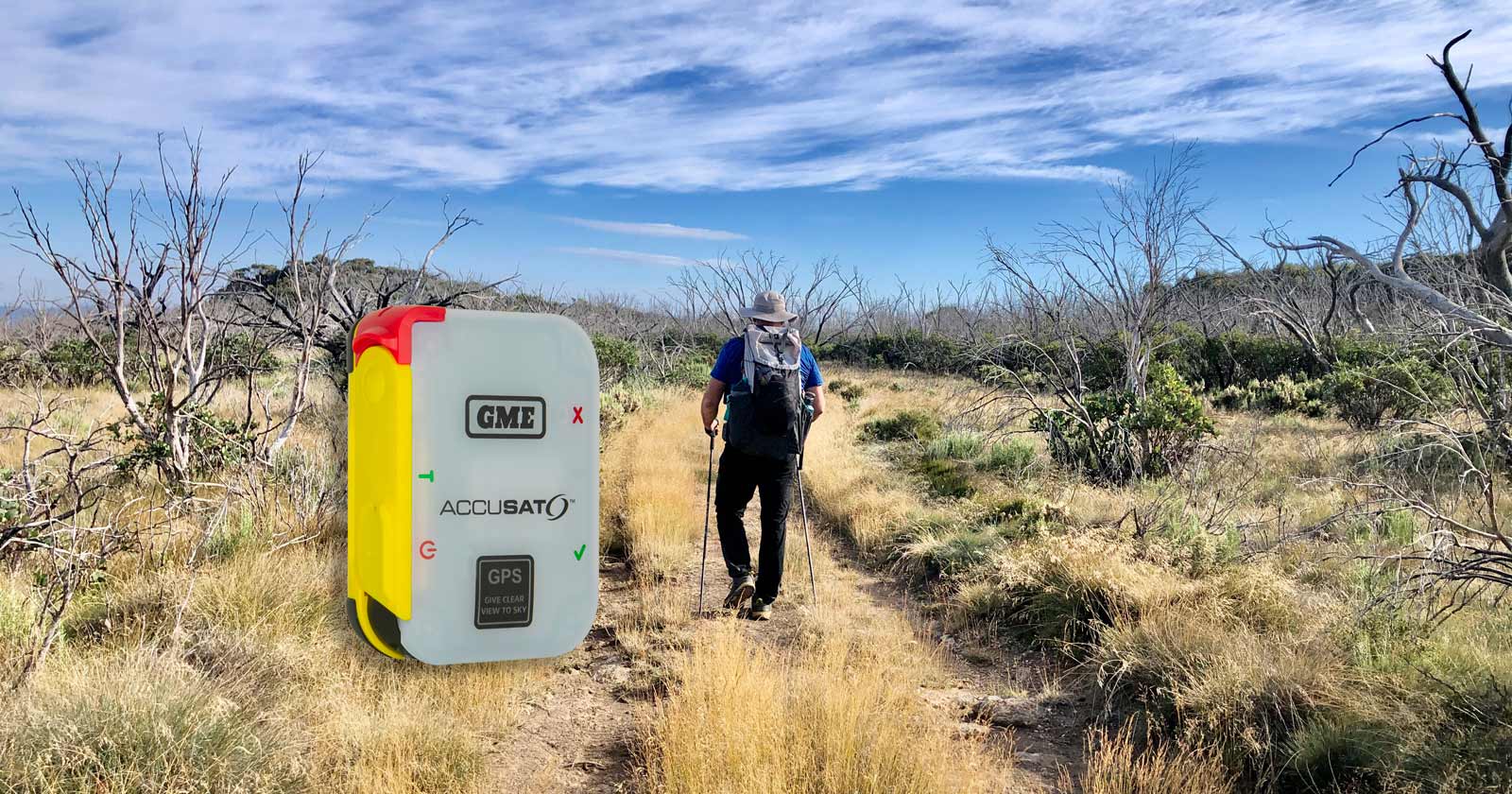
PLBs: Safety nets, not shortcuts – Why self-reliance matters
Read more →Why a PLB is the last layer of hiking safety, not a substitute for planning, navigation skill, and good judgement in the Australian bush.
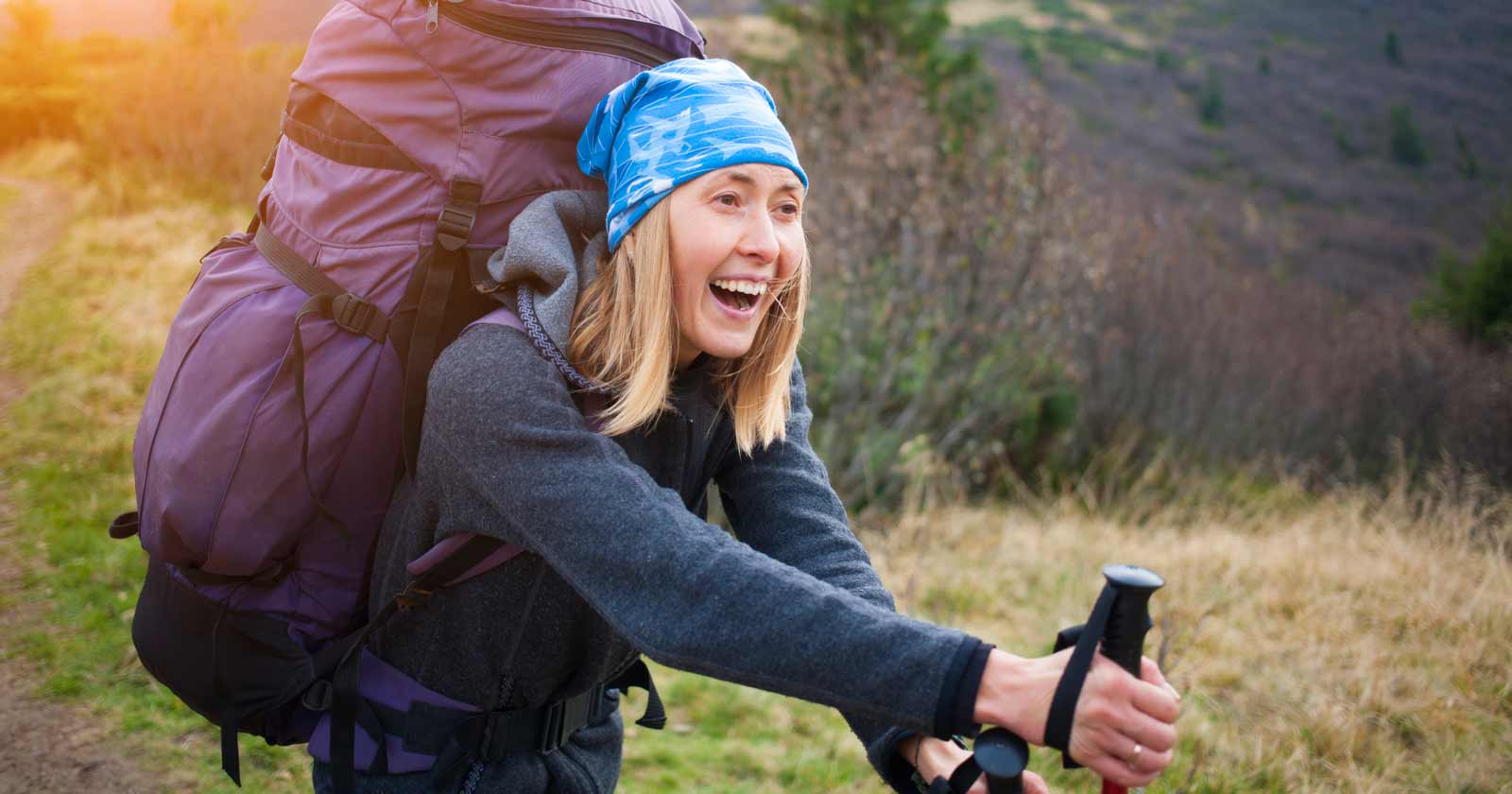
Preparing for your first multi-day hike in Australia
Read more →Practical guidance for planning your first multi-day hike in Australia: trip selection, pack weight, fitness, food and health considerations.
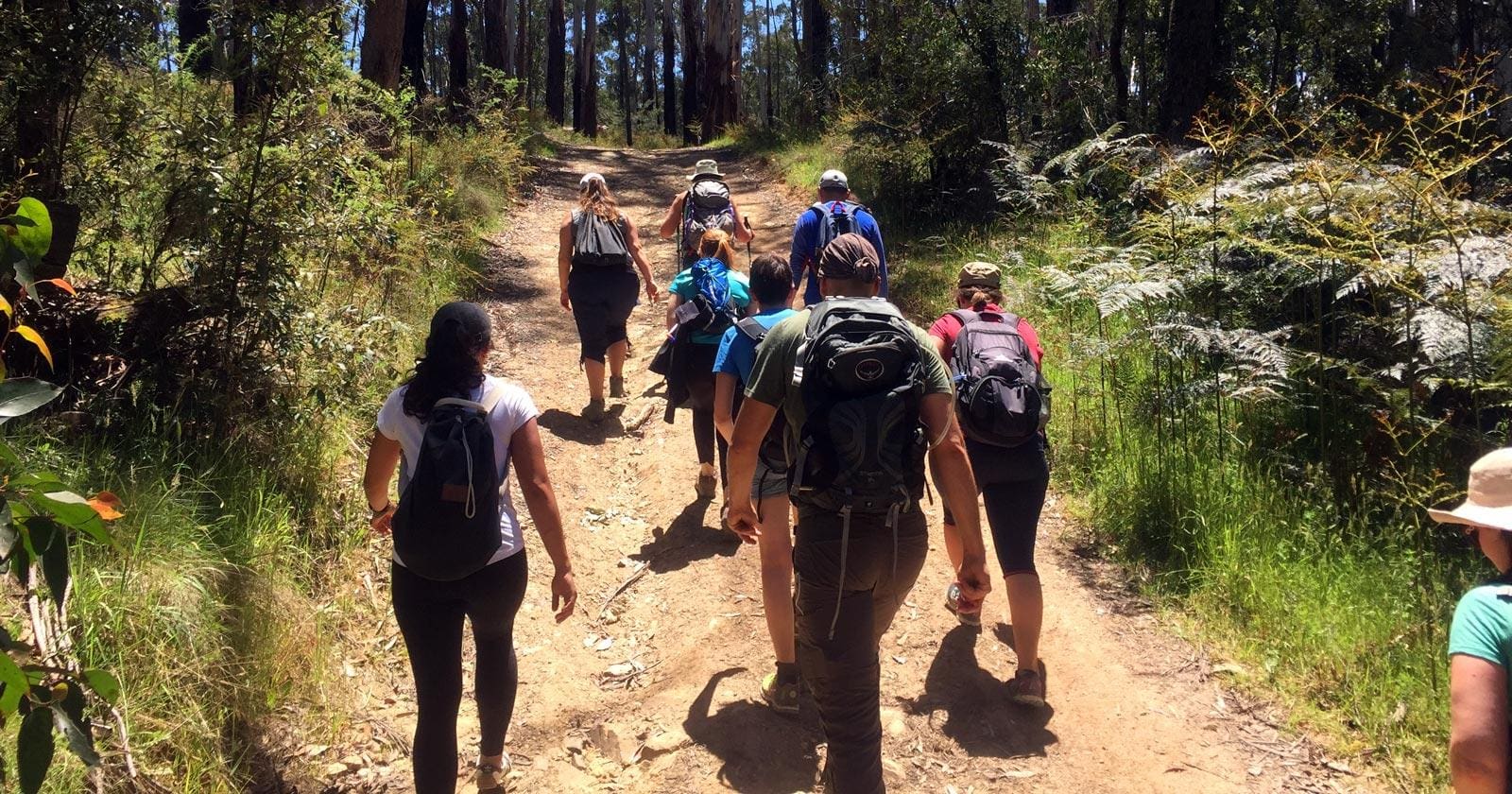
Six practical ways to become a more comfortable hiker
Read more →Six practical ways to hike more comfortably: pack weight, multi-use gear, insulation, joint care, packing balance and footwear choice.
Solo hiking: understanding what’s different
Read more →What makes solo hiking different in Australia: self-assessment, planning, communication, gear and building experience gradually.
The Ten Essentials: a systems approach to hiking safety
Read more →The Ten Essentials explained as a systems approach to hiking safety, from classic gear list to the modern functional framework.
THINK Before You Hike: Essential Safety Tips for Every Hiker
Read more →THINK before you hike: a five-part pre-departure framework covering trail, gear, itinerary, need and knowledge for Australian conditions.
Think Before You Trek: A Practical Safety Guide for NSW National Parks
Read more →The NSW NPWS and Police TREK framework: take supplies, register your trip, carry a PLB and keep to your planned route.
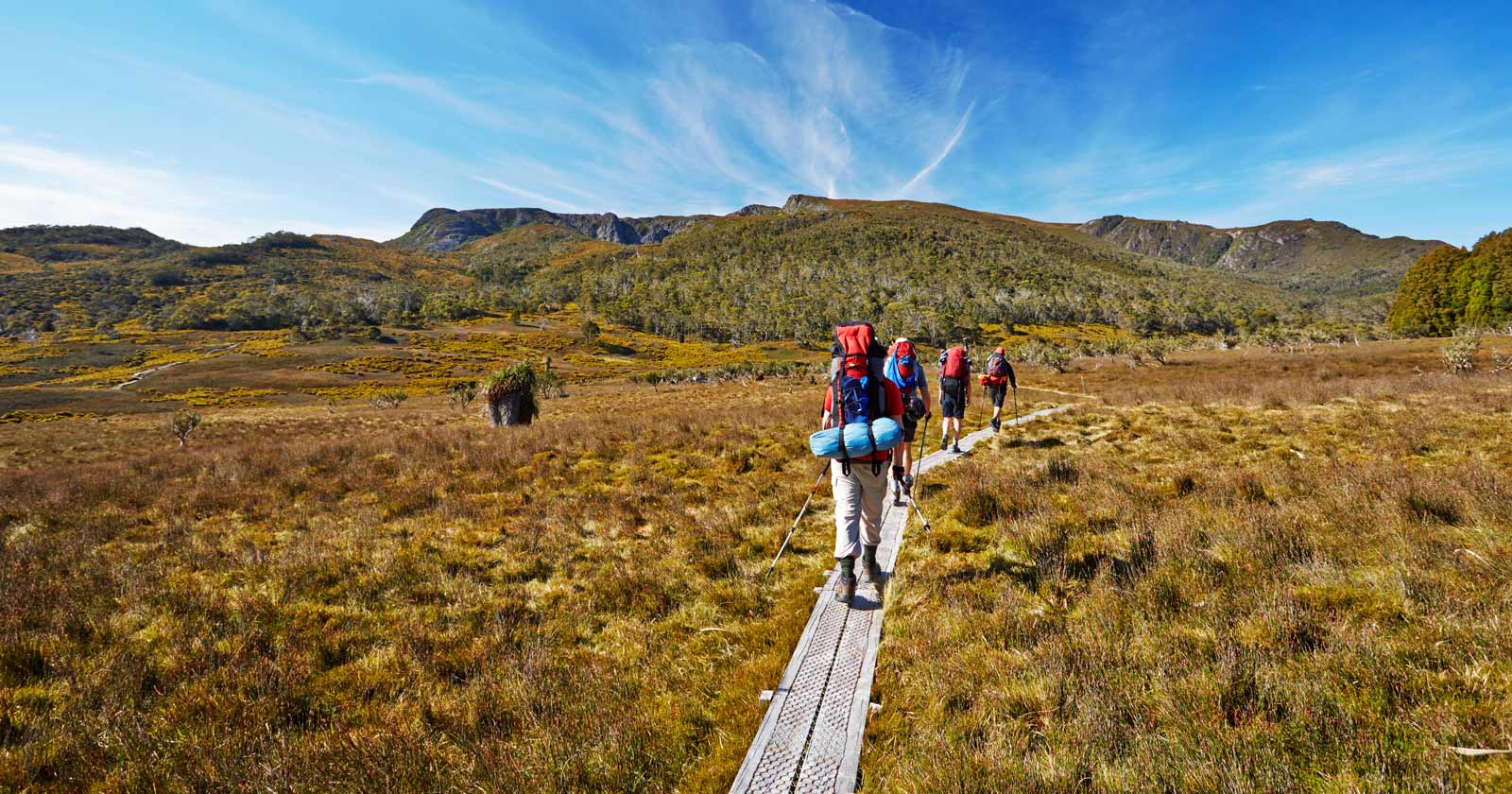
Time and Distance Planning for Hikes: Estimating Duration, Elevation and Effort
Read more →How to estimate hiking time realistically: terrain, elevation, Naismith’s Rule, group pace, breaks and daylight margins.
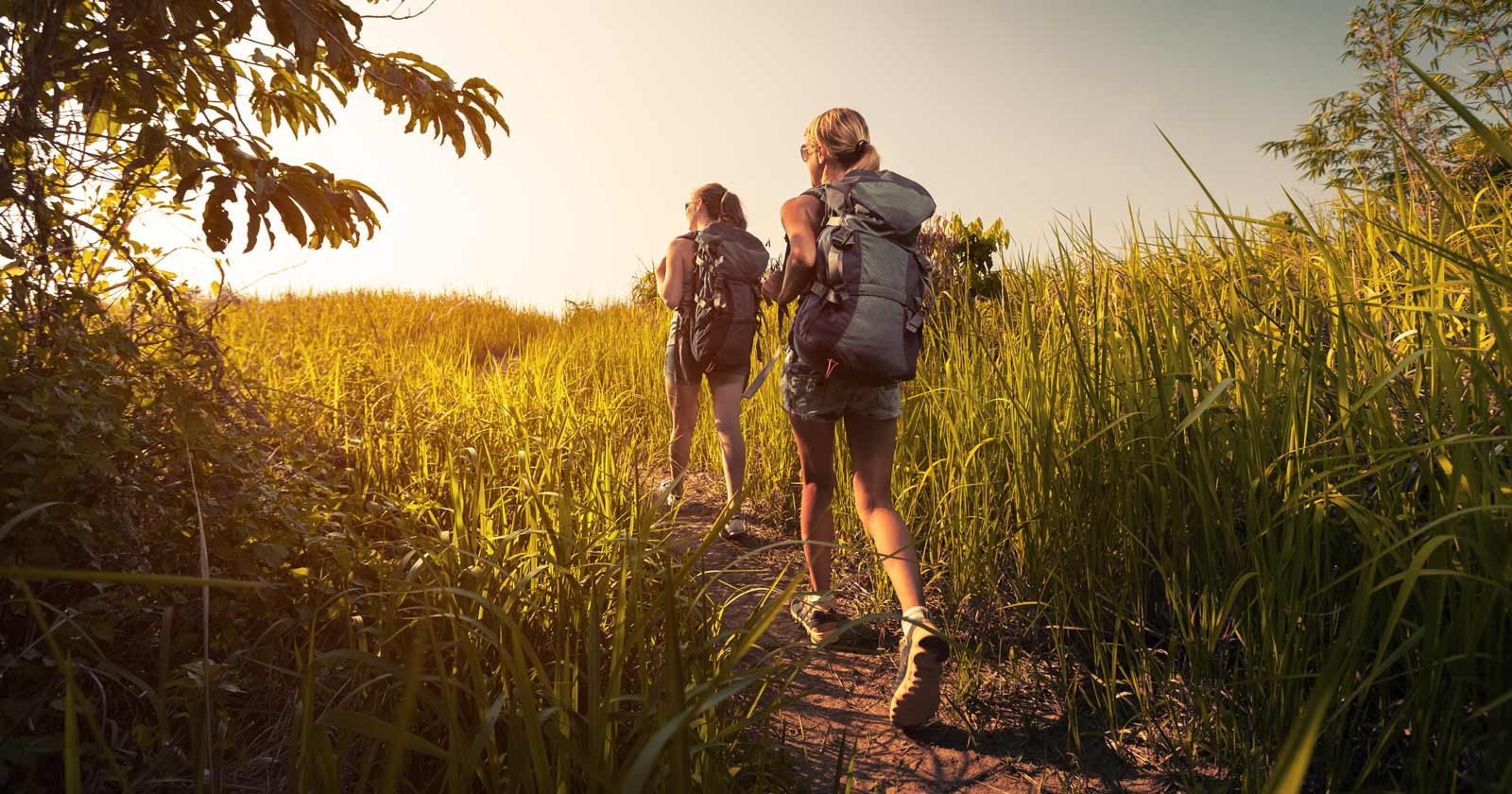
Tips for hiking in hot weather in Australia
Read more →Hiking safely in Australian heat: early starts, clothing, hydration, heat stress signs, fire danger and knowing when to change plans.
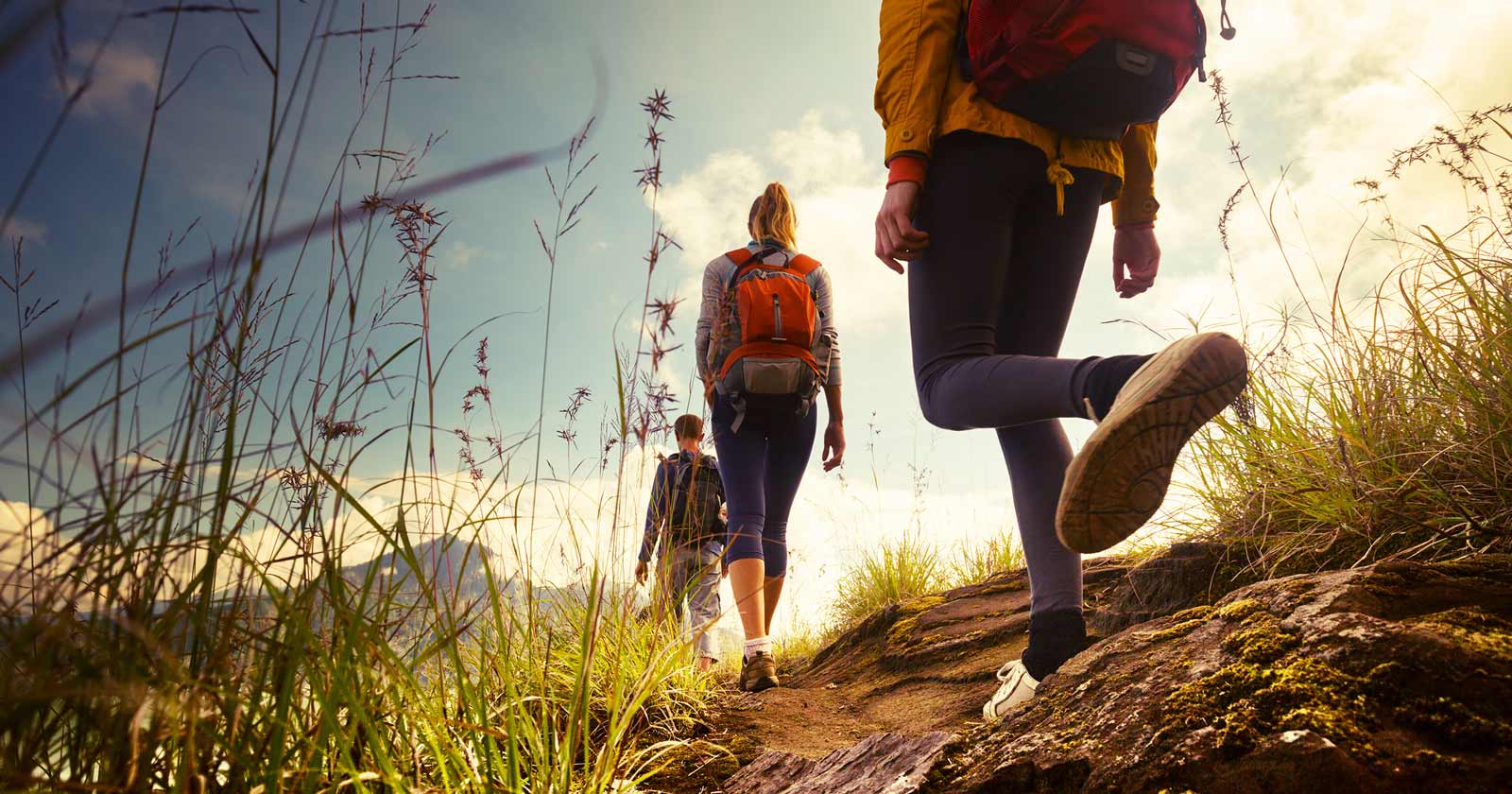
Trail etiquette: Sharing tracks safely and respectfully
Read more →Trail etiquette for Australian tracks: right of way, passing, noise, closures, dogs, and tech use, so shared trails stay safe and enjoyable.
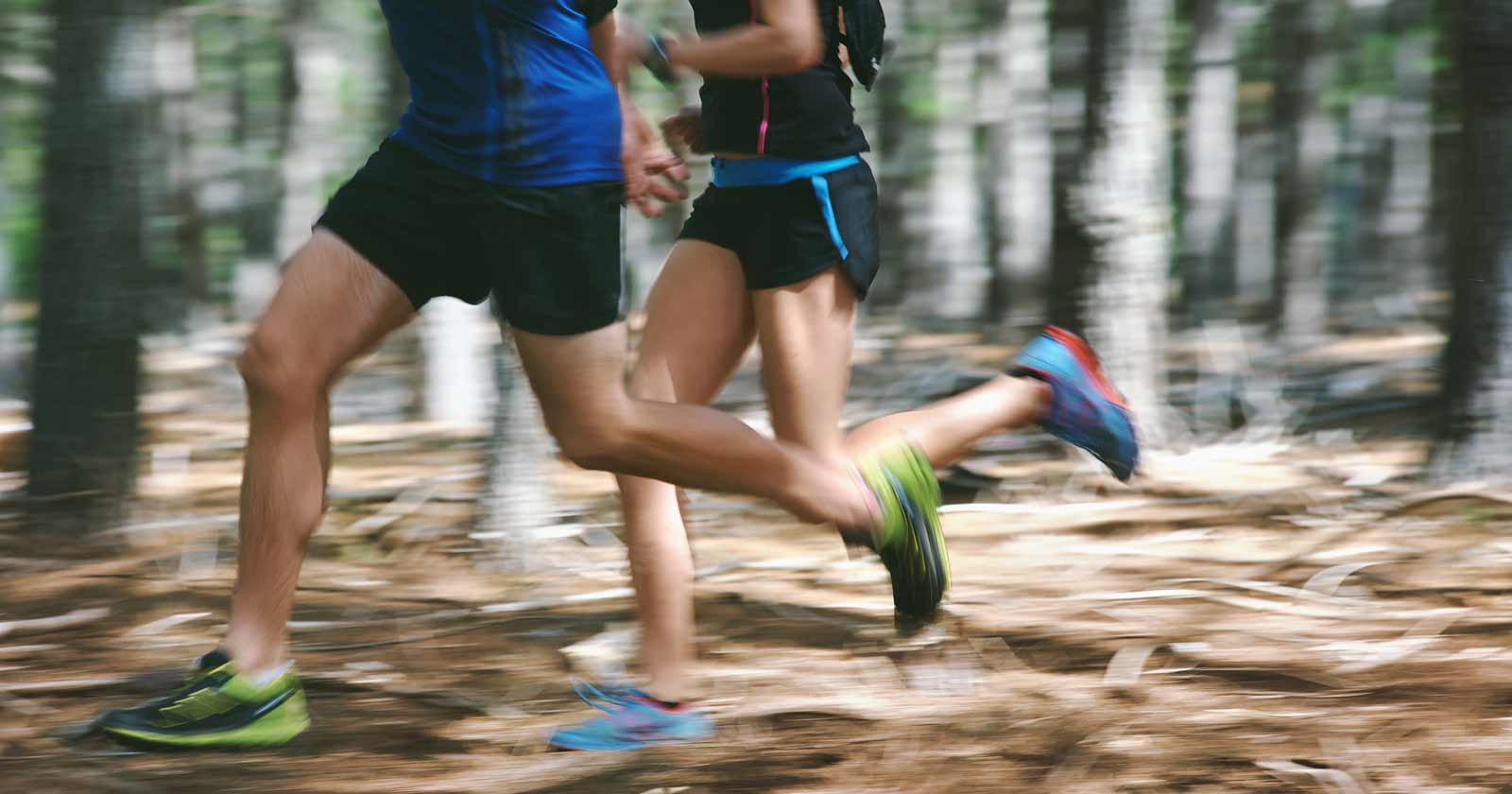
Trail Running for Beginners: A Safe and Progressive Approach
Read more →A progressive, safety-focused guide to starting trail running: building terrain exposure, gear, form, injury prevention, and sharing trails well.
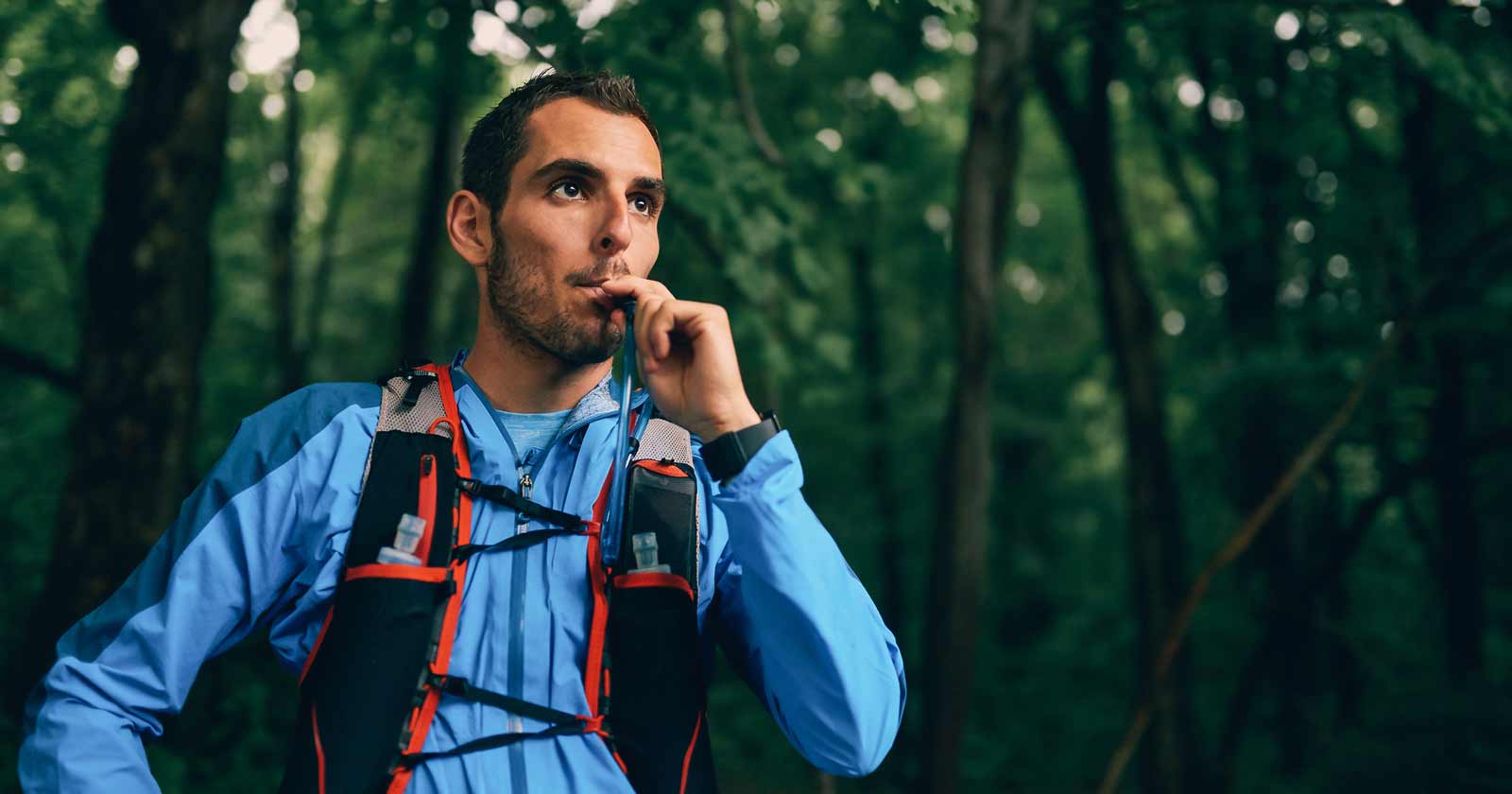
Trail Running: How much water should you carry?
Read more →How much water to carry trail running: planning by time not distance, fluid loss, carry systems, and staying safe on short or remote runs.
Trip Intentions and Rescue Planning for Hikers
Read more →Why trip intentions matter for hiker rescue planning: what to include, why escalation time is critical, and how overdue searches unfold.
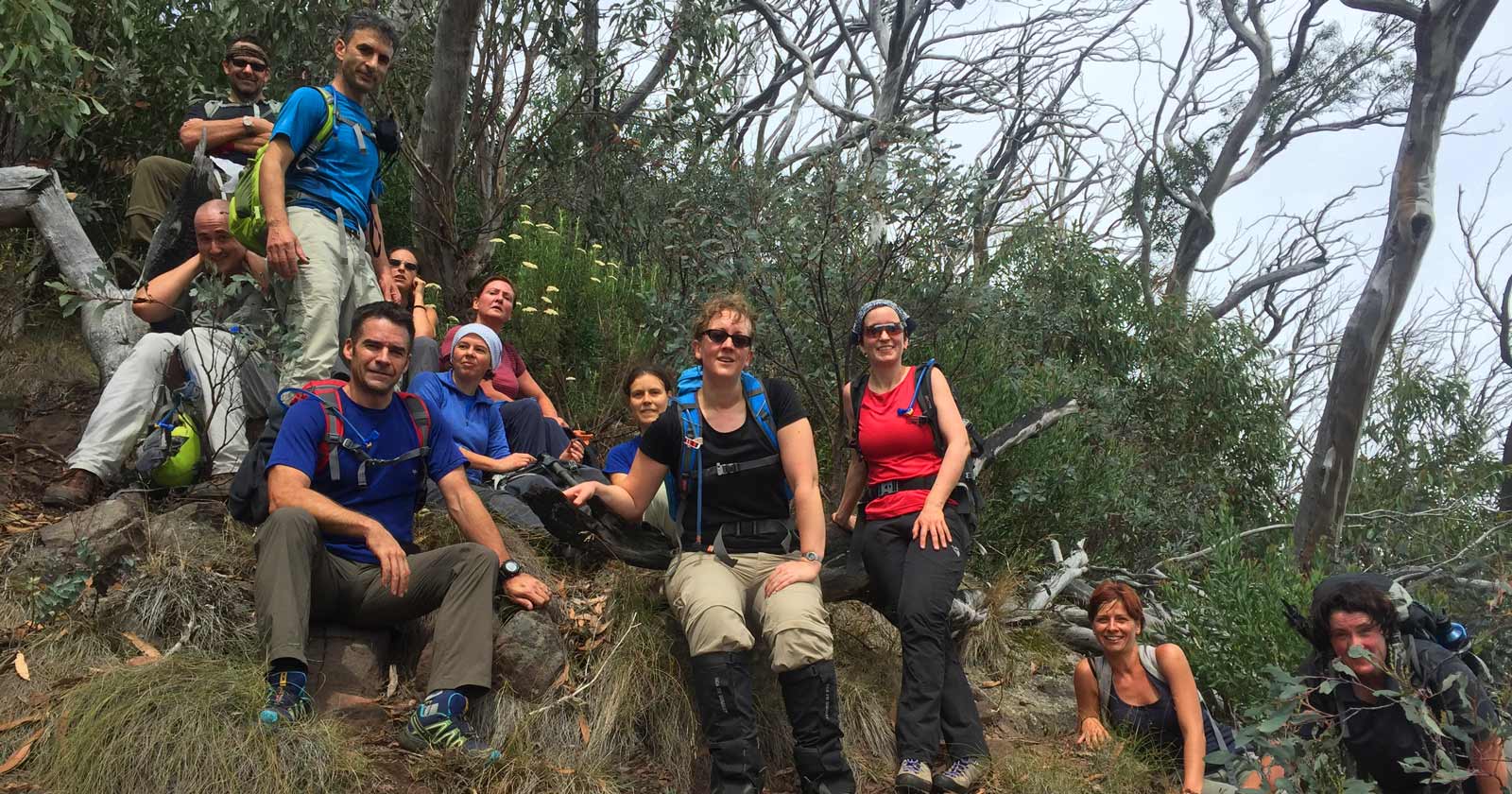
Understanding different hiking styles and outdoor safety
Read more →Eight common hiking styles in Australia, their strengths and blind spots, and the habits that keep each one safer on the trail.
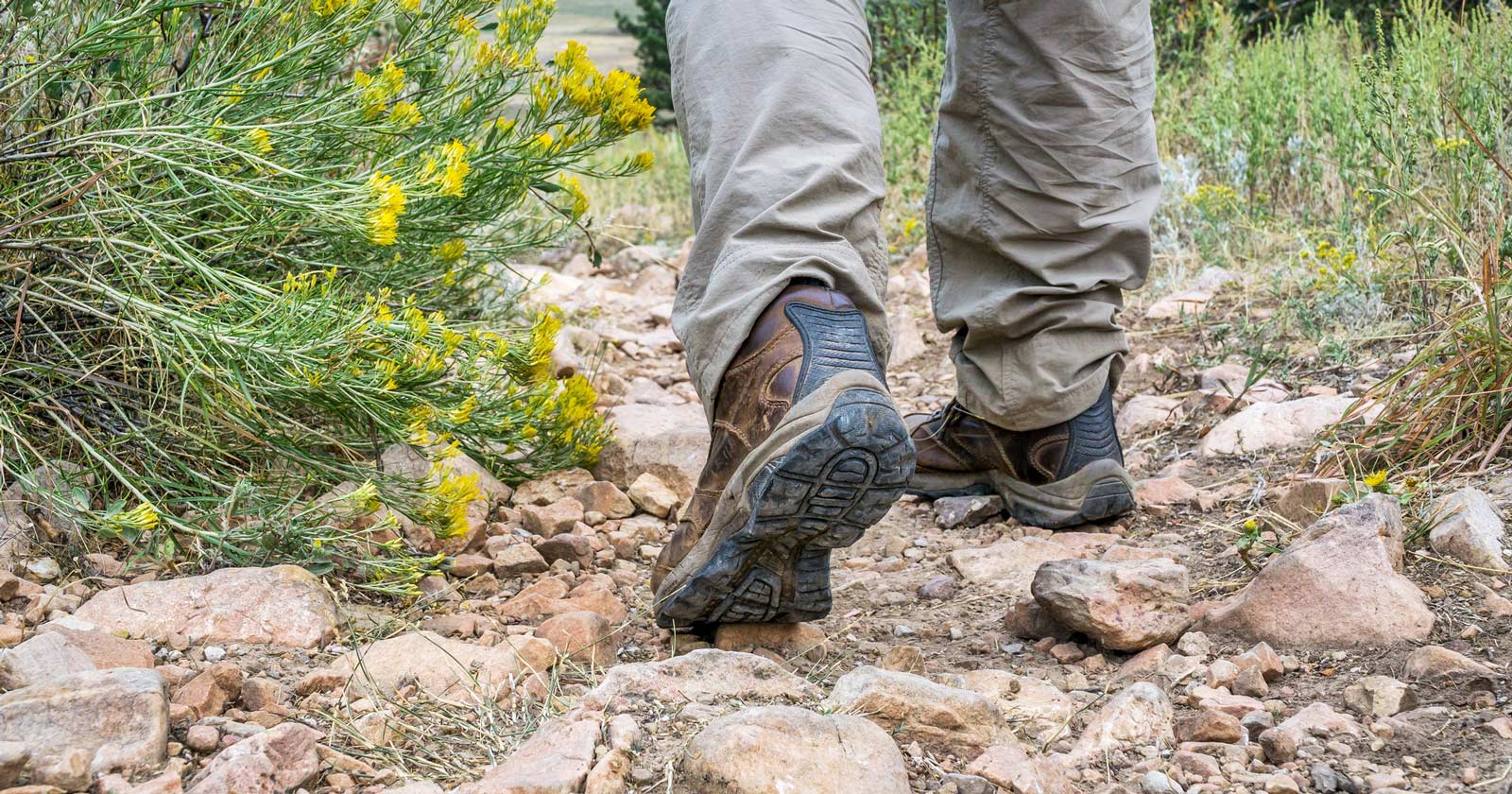
Understanding Gait Speed for Hiking
Read more →Understanding gait speed for hiking: how to measure your sustainable pace and use it to plan time, distance, and a safer turnaround.
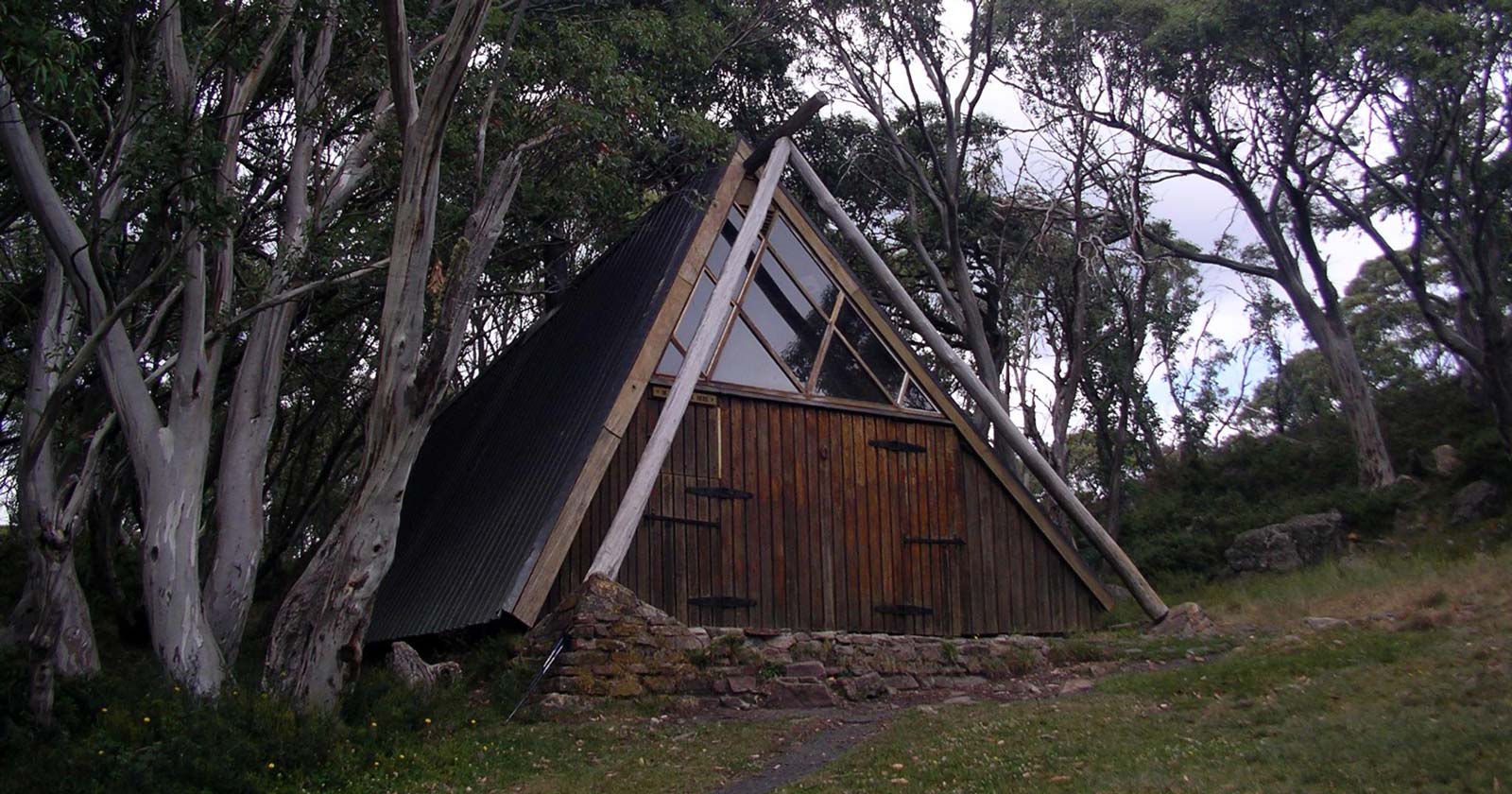
Victorian High Country Huts Code of Conduct
Read more →Victorian High Country huts code of conduct: heritage, self-reliance, fire safety, toilets, log books, and reporting damage or misuse.
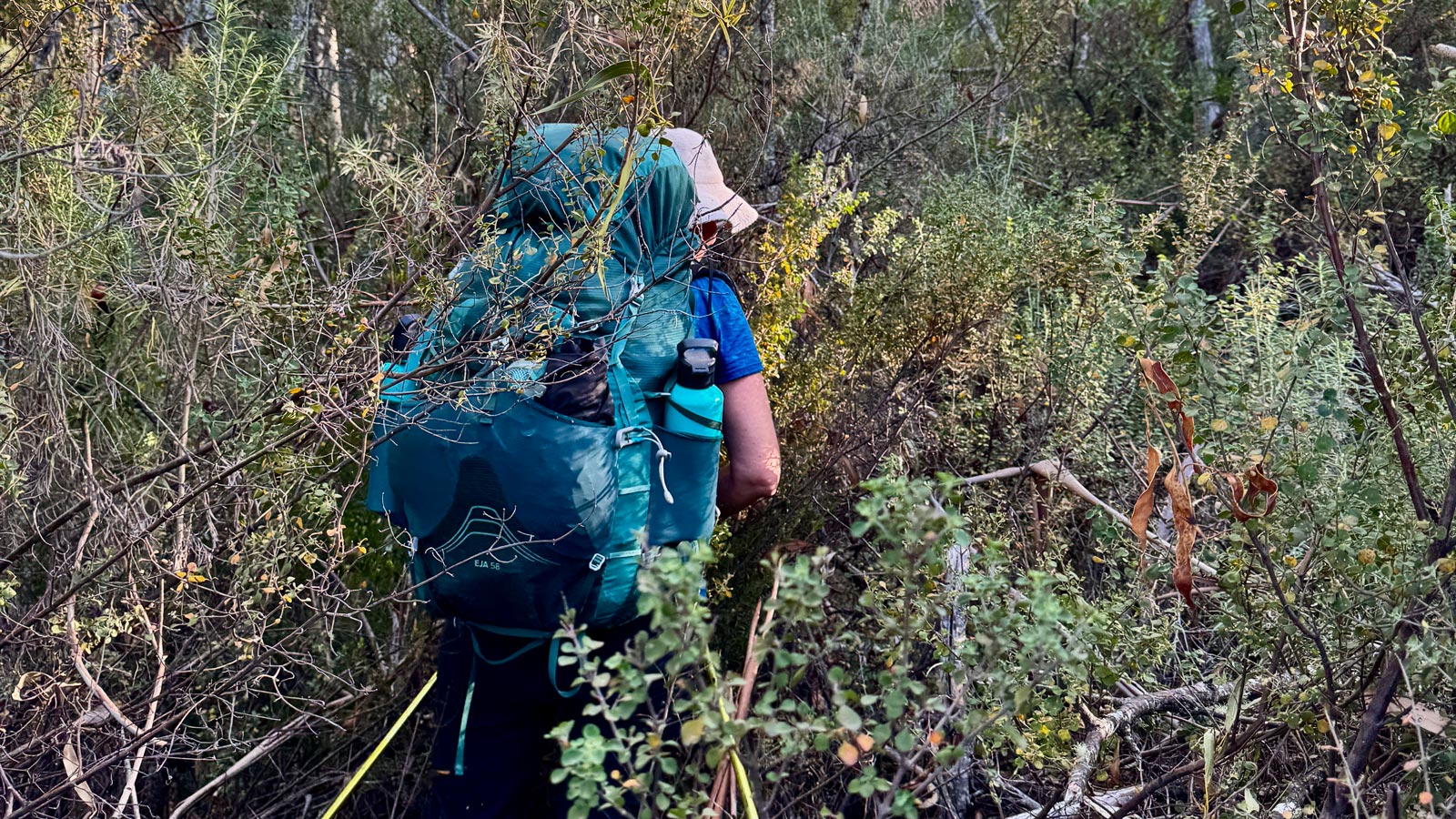
When Family Hiking Doesn’t Make Sense (and That’s OK)
Read more →Why choosing not to hike with kids is sometimes the right call, and how to recognise the conditions, moods, and pressures that signal it.



Comments are closed.