Plan your pace and finish before dark
Many day hike problems start with one simple mistake: underestimating how long the walk will take. A route that looks “easy enough” on a map can become stressful when terrain slows you down, breaks take longer than expected, or a late start leaves no daylight buffer.
Understanding your gait speed, your sustainable walking pace, helps you plan time and distance more realistically. It also gives you an early warning system on the trail. If you are moving slower than expected, you can adjust plans before you are committed to continuing.
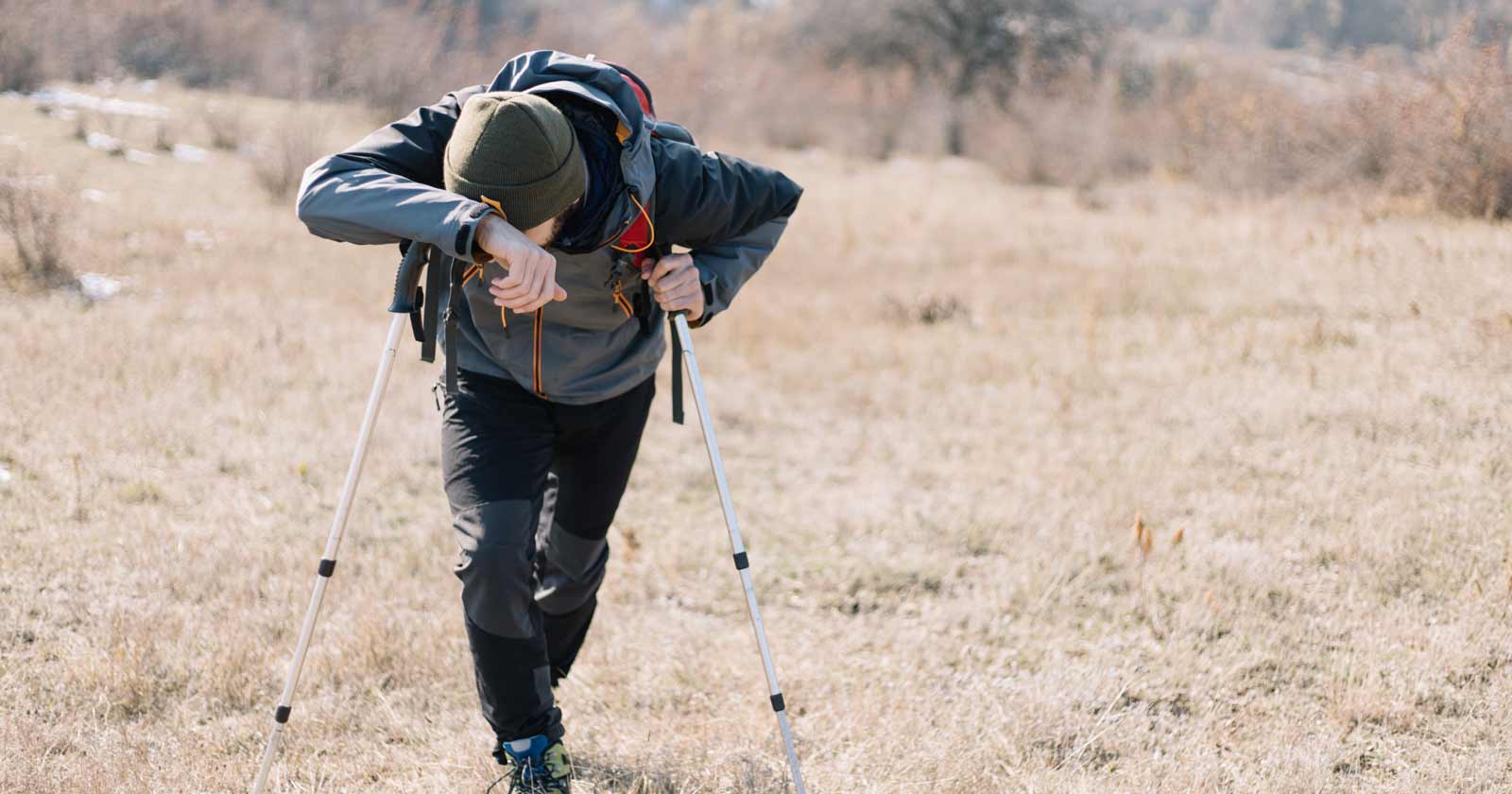
Why gait speed matters for hiking
Gait speed is simply how fast you move over ground at a pace you can sustain for hours. It is not your fastest possible walking speed. It is your reliable pace on a normal day, before fatigue, heat, and terrain start to take their toll.
Once you know your baseline, you can plan a hike with far more accuracy and a much wider safety margin.
Time and distance planning
Knowing your usual gait speed helps you estimate how long a hike will take, build in breaks, and create a realistic turnaround time. It also helps you avoid the common trap of thinking “we can make up time later” once you fall behind.
On many tracks, the difference between 4 km/h on a flat path and 2 km/h through rough terrain is the difference between finishing comfortably and being caught out by darkness. Planning with your real pace, not your optimistic pace, reduces that risk.
Read more about Time and Distance Planning here.
Fitness and efficiency
Your gait speed can act as a simple benchmark over time. As your hiking fitness improves, your sustainable pace often increases. More importantly, you become more efficient at holding a steady rhythm without spikes in effort.
This is not about pushing harder. It is about moving consistently, recovering well after climbs, and arriving with enough energy to finish the day safely.
Injury prevention
Pacing affects injuries more than many hikers realise. When people push beyond a sustainable pace, form breaks down. Foot placement becomes sloppy, descents feel harsher on joints, and small issues become bigger problems.
A steady, comfortable gait reduces fatigue and helps you move with control, particularly when the track is steep, rocky, or slippery. That is one reason why learning to manage effort on uphill terrain and adjusting pace early is so effective.
Group dynamics
Groups often run into trouble when pace expectations are unclear. The strongest hiker sets an unspoken tempo, and others quietly work above their sustainable effort to keep up. This increases fatigue and reduces decision-making quality.
Knowing individual gait speeds helps groups agree on a realistic plan, keep cohesion, and reduce frustration. It also makes it easier to apply practical strategies for keeping your hiking group together.
Read more about keeping your group together here.
What changes your gait speed on the trail
Your pace is not fixed. It shifts with conditions and decisions. The goal is to understand what reliably slows you down so you can plan with realistic buffers.
- Fitness and fatigue: The fitter you are, the easier it is to hold a steady pace, especially late in the day.
- Terrain: Rough ground, loose rock, scrubby sections, creek lines, and slippery rock all slow movement because they demand more attention and safer foot placement.
- Climbs and descents: Most hikers slow on sustained climbs, and many also slow on steep descents due to joint load and caution. Downhill is not always “fast”.
- Pack weight: Heavier loads reduce pace and increase fatigue. This becomes obvious on longer climbs and uneven terrain.
- Weather: Heat, cold, wind and rain change effort levels and how frequently you need to stop. Always check weather conditions and plan for the worst part of the day, not the best.
- Breaks: Stops for water, food, photos and navigation checks are normal. They should be part of your time plan, not an afterthought.
How to measure your personal gait speed
You do not need a lab test. You just need a repeatable method and a realistic effort level.
- Choose a flat, level route where you can walk consistently for 10 to 20 minutes without interruptions.
- Walk at a comfortable pace you could hold for hours, not a fitness test pace.
- Record distance and time, then calculate your speed in km/h by dividing distance by time.
- Repeat on a different day and take an average.
This gives you a baseline. From there, you can apply conservative adjustments for hills, rough ground, heat, pack weight, and group pace.
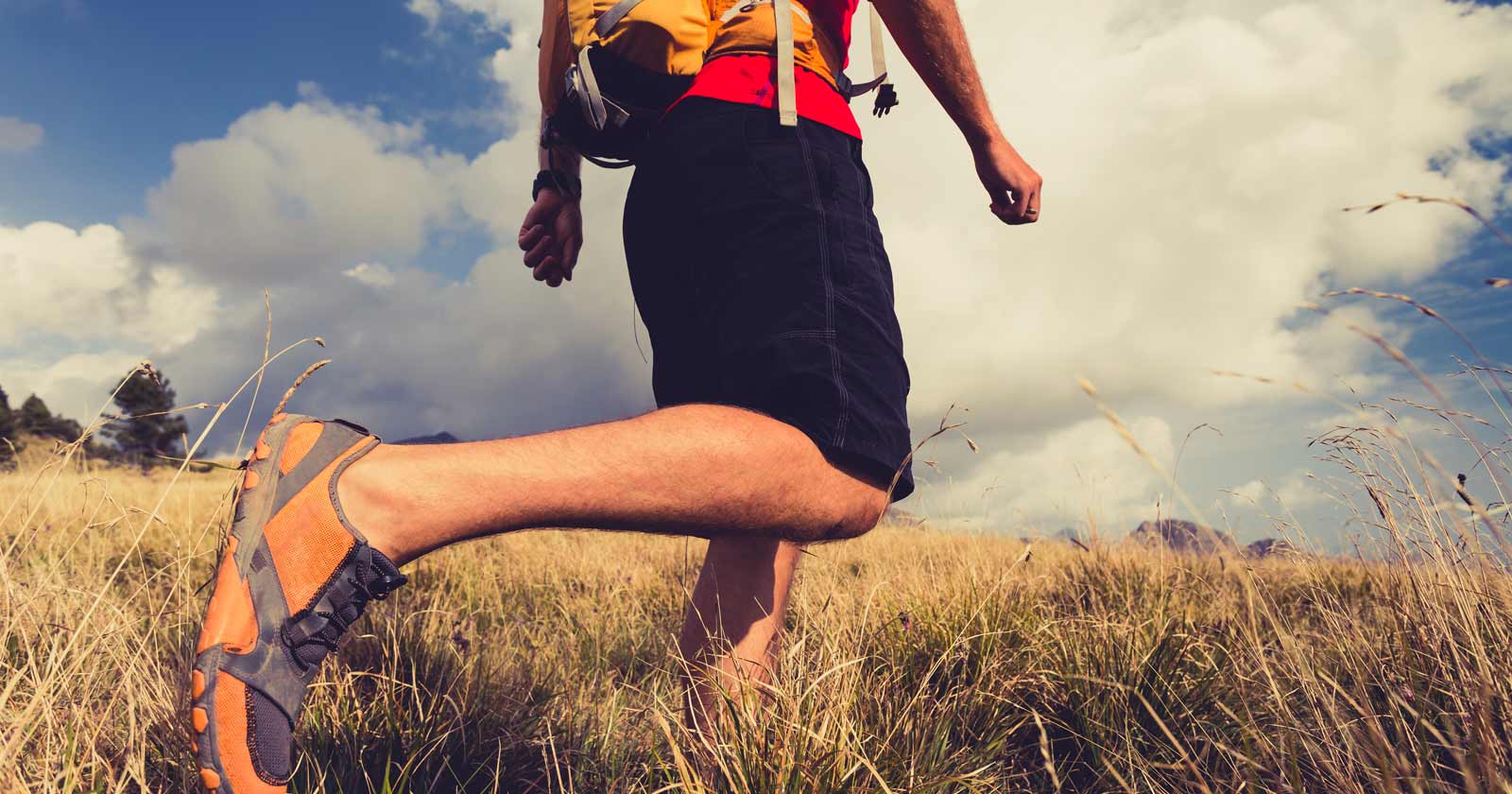
Using gait speed to plan a hike
Gait speed becomes useful when you apply it to time and distance decisions, not when you use it as a number to chase.
- Estimate moving time: Apply your baseline pace to the route distance, then slow it down for climbs and rough terrain.
- Add a buffer: Build in breaks, navigation stops, and a daylight margin. Your plan should cope with delays.
- Set a turnaround time: If you are behind schedule by a specific point, turn back early rather than trying to make up time later.
- Adjust on the go: If weather deteriorates or the track is slower than expected, shorten the plan. Turning back is a decision-making skill.
Used properly, this approach supports safer choices and reduces the likelihood of being caught late, fatigued, or committed beyond your margins.
Efficient pacing on the trail
- Start conservatively: A steady start is more sustainable than rushing early and paying for it later.
- Keep effort even: On climbs, shorten your stride and maintain rhythm rather than trying to maintain flat-ground speed.
- Use micro-breaks: Short, regular stops can prevent deep fatigue, especially in heat.
- Watch for mental fatigue: When concentration drops, foot placement and judgement follow. Slow down early rather than pushing through.
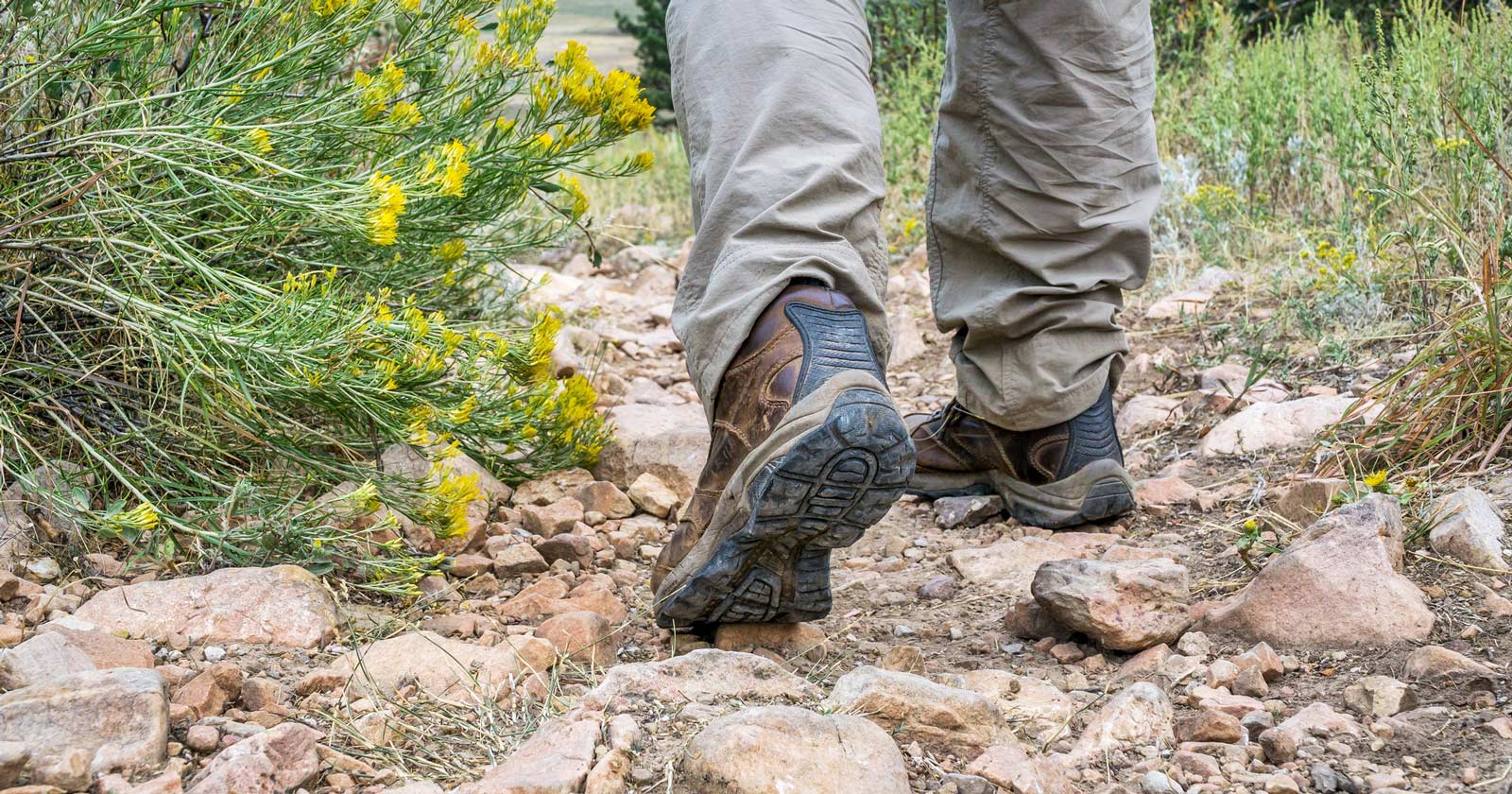
About Naismith’s rule
Naismith’s rule is a simple planning guide used to estimate hiking time based on distance and ascent. It can be useful as a starting point, but it still needs adjustment for terrain, pack weight, fitness, heat, and group pace. Treat any formula as a rough estimate, then refine it using your own gait speed and local conditions.
Gait speed is a guide, not a target
Your gait speed is not a measure of worth or experience. It is a planning tool. The goal is to finish with margin, not to chase a number.
When you understand your sustainable pace and how it changes with terrain and conditions, you plan more realistically, manage effort better, and make clearer decisions on the trail.






Only longer sometimes because the kilometres are written the wrong distance …
I think if you have been hiking long enough you will have a pretty good idea of what sort of pace you can maintain over different types of terrain. The wild card is, of course, the terrain. Is it what you expected? Has recent rain made it slippery? Has a recent storm brought down trees over the track, increased river levels, etc, etc.
I’ve begun to fall behind when hiking in groups and noticed recently that my stride has shortened dramatically from a couple of years ago. Age and injury related I suspect so this article is a good reminder to better understand your needs for time and energy requirements.
What’s your usual pace on hikes? I generally calculate mine at around 3.5-4km per hour for day hikes, this includes breaks.