This page brings together tools, guides and training that show how hiking safety actually works in real conditions. It teaches you how to think, not just what to pack. Start with checklists and planning tools to prepare for your hike. From there, explore guides, books and training that explain how decisions shape outcomes on the trail.
Tools for Planning a Safer Hike
Most things that go wrong on a hike are decided before you leave the car park. These tools help you plan your route, assess your risk and prepare for what the day might actually look like, not just what you’re hoping for.
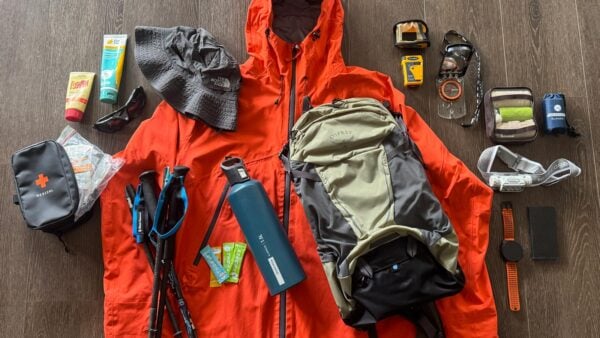
Hiking Safety Checklists
Download practical hiking checklists to plan and prepare for your hike.
Covers day hikes, multi-day trips, gear, survival kits and first aid.
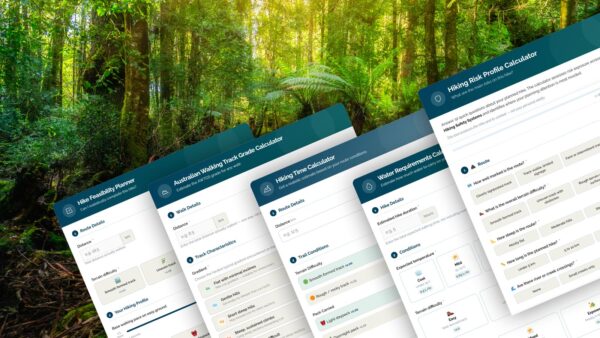
Hiking Planning Tools & Calculators
Use planning tools and calculators to assess time, water, terrain and risk before your hike. Build a clearer picture before you leave.

Hiking Meal Planner
Plan meals and nutrition for your hike. A simple guide to food, energy needs and resupply for day hikes and multi-day trips.
Books That Change How You Think on the Trail
Most hiking books tell you what to pack. These ones explain how incidents actually develop, how small decisions compound, and how to recognise when a day is starting to drift before it becomes a problem.
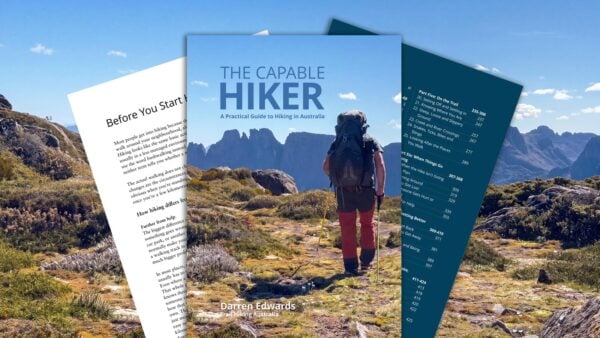
The Capable Hiker
The Capable Hiker is a practical guide to hiking safely in Australia and making good decisions when reality starts diverging from the plan. The aim is not simply to tell you what to do. It is to help you understand why things matter.
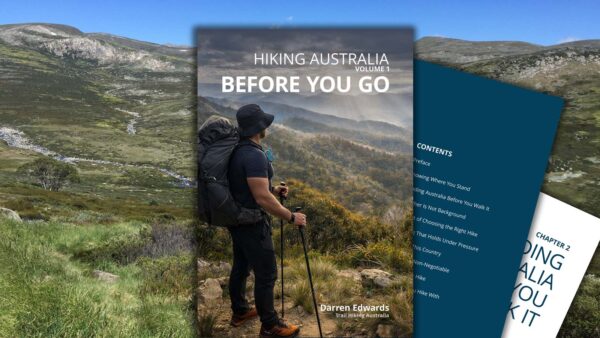
Hiking Australia: Volume 1 – Before You Go
Before You Go is a practical guide to building preparation that still works when conditions don’t. The book treats preparation as more than a checklist. It helps you build the system before you step onto the trail.
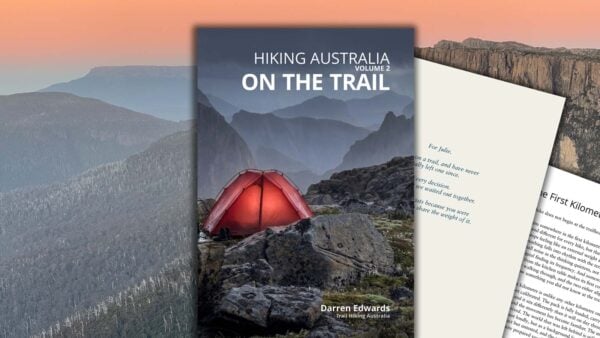
Hiking Australia: Volume 2 – On the Trail
On the Trail is a practical guide to attention, judgement and decision-making once the plan meets reality. Preparation gets you to the trailhead. What happens next depends on how well you read the day that actually unfolds.
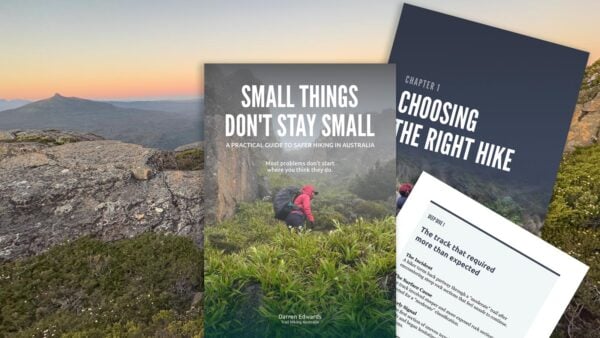
Small Things Don’t Stay Small
A practical guide to recognising the early signs of trouble before they become harder to manage. Rather than giving you another list of hiking rules, it shows how small changes develop, how they affect other parts of a hike, and why responding early preserves more options.
Test How You Think, Not Just What You Know
Reading about how incidents develop is one thing. Working through realistic scenarios is another. These tools put you in the situation and show you how decisions unfold when conditions start to shift.
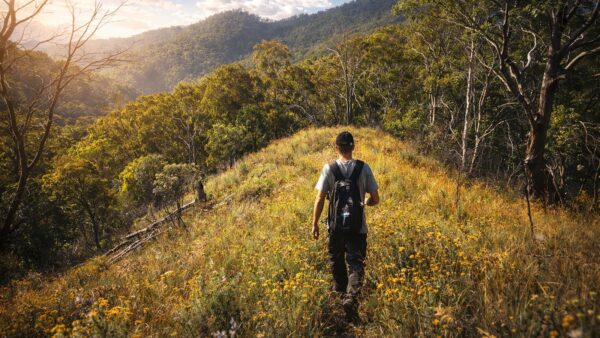
Hiking Safety Scenarios
Work through realistic scenarios that show how pressure builds and decisions compound. See what changes when you act earlier.
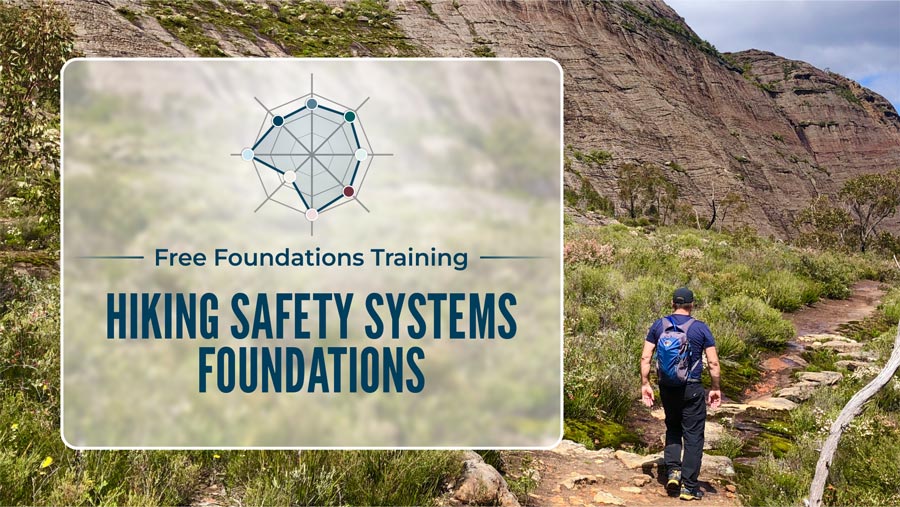
Foundations Training
A free, self-paced introduction to the Hiking Safety Systems Framework. Learn how incidents develop and how to assess risk more clearly.
HSSF Readiness Assessment
A structured assessment of your ability to apply the framework in realistic conditions. Designed to test how you think, not what you know.
The Thinking Behind Trail Hiking Australia
Every tool, book and scenario on this page draws from the same foundation: the Hiking Safety Systems Framework. If you want to understand how the eight systems interact and why incidents develop the way they do, this is where to start.
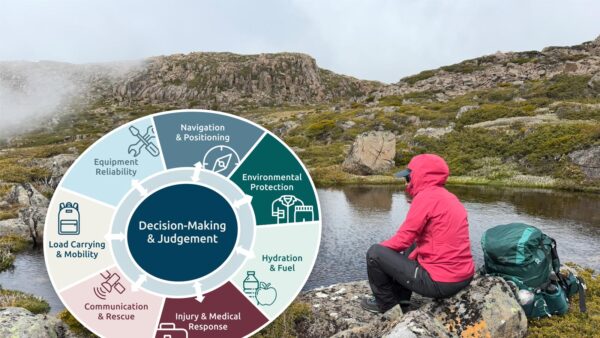
The Hiking Safety Systems
Explore the eight systems that shape hiking outcomes. See how they interact and where pressure builds across a hike.
The Hiking Safety Systems Framework (HSSF)
Download the full framework. A detailed guide to how hiking incidents develop and how to manage risk across all systems.
ExploreSafe Framework for Outdoor Decision-Making
Download the ExploreSafe framework. A framework that explores the decisions that connect preparation with what happens on the trail.


