Hiking skills develop over time, often through a mix of learning, practice and experience on the trail.
Knowing how to move confidently across different terrain, manage steep climbs and descents, cross rivers, use hiking poles, load your pack properly and adjust your approach as conditions change can all make hiking safer and more enjoyable.
I’ve brought together a collection of practical hiking skills covering everything from rock scrambling, scree, snow, sand and muddy trails to river crossings, pacing, finding water, reading the weather, useful knots and more.
Whether you’re still building confidence or looking to extend the range of hikes you can comfortably tackle, developing these skills is an important part of becoming a more capable hiker.
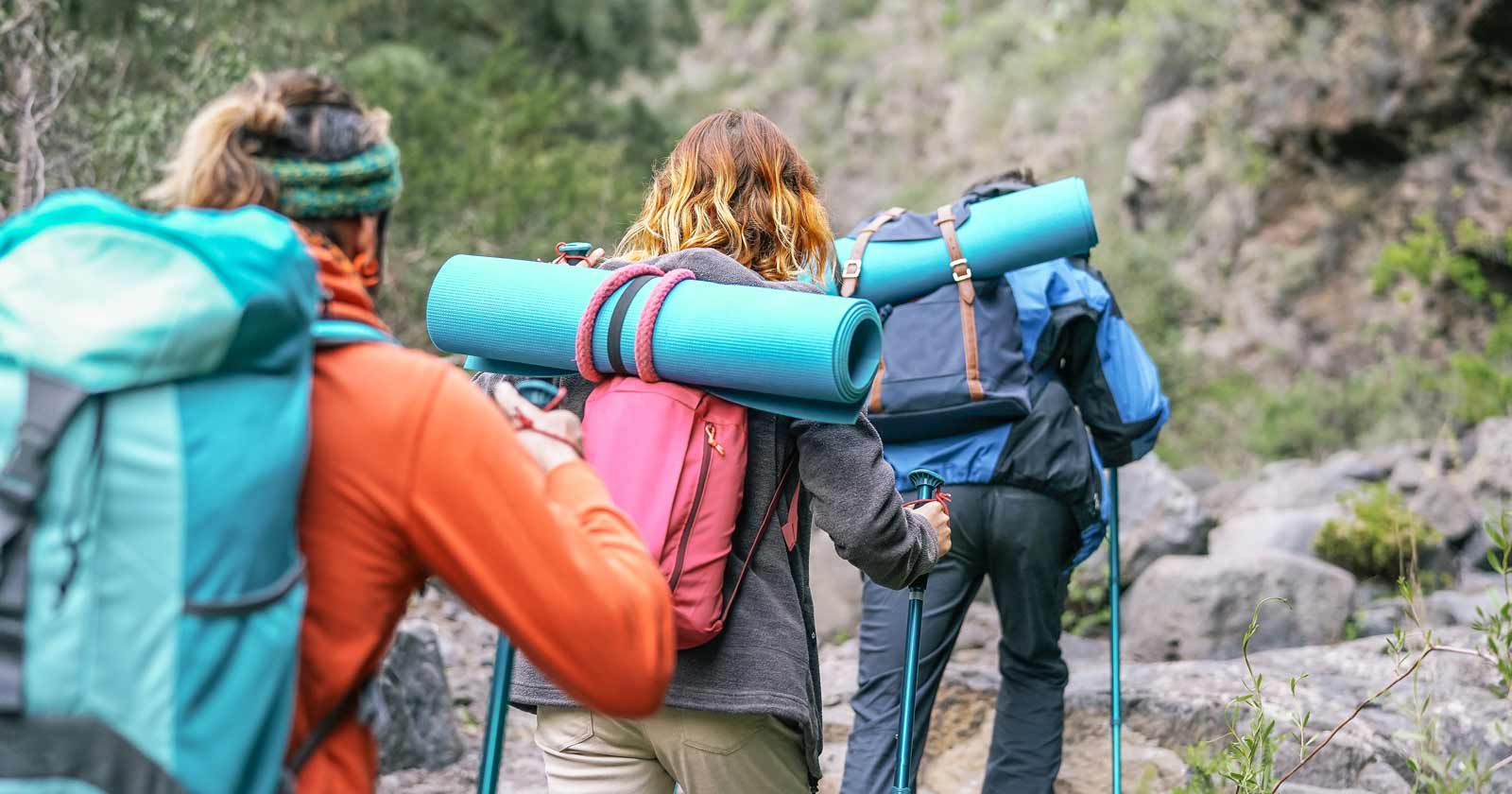
A Guide to Hiking Skill Levels and How to Choose the Right Trails
Read more →A guide to hiking skill levels and how to match them to Australian trail grades, including the AWTGS five-grade system.
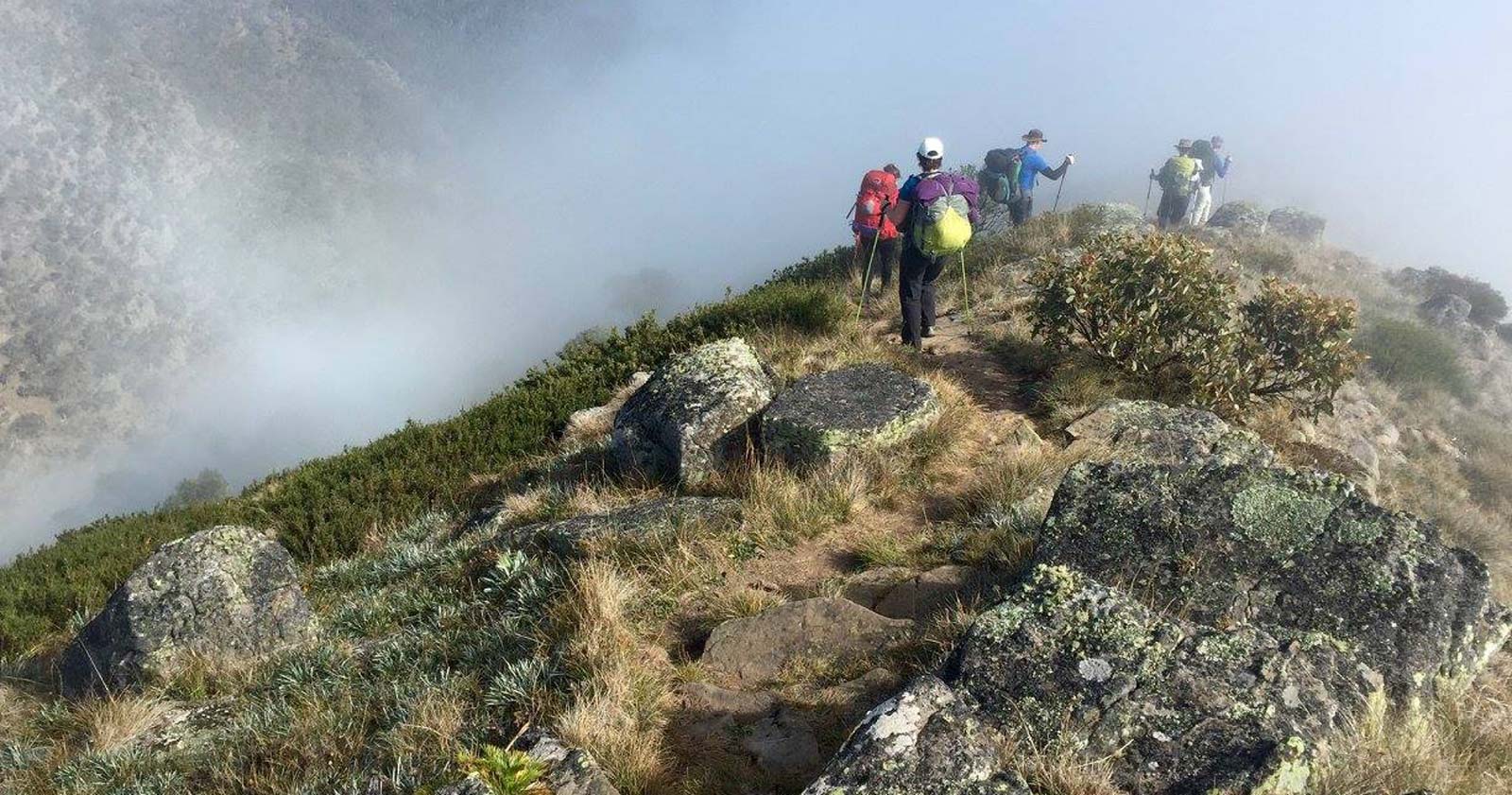
Essential Hiking Skills for Safe and Confident Walking
Read more →An overview of the core skills hikers need for safety and confidence, from navigation and self-reliance to first aid and risk assessment.
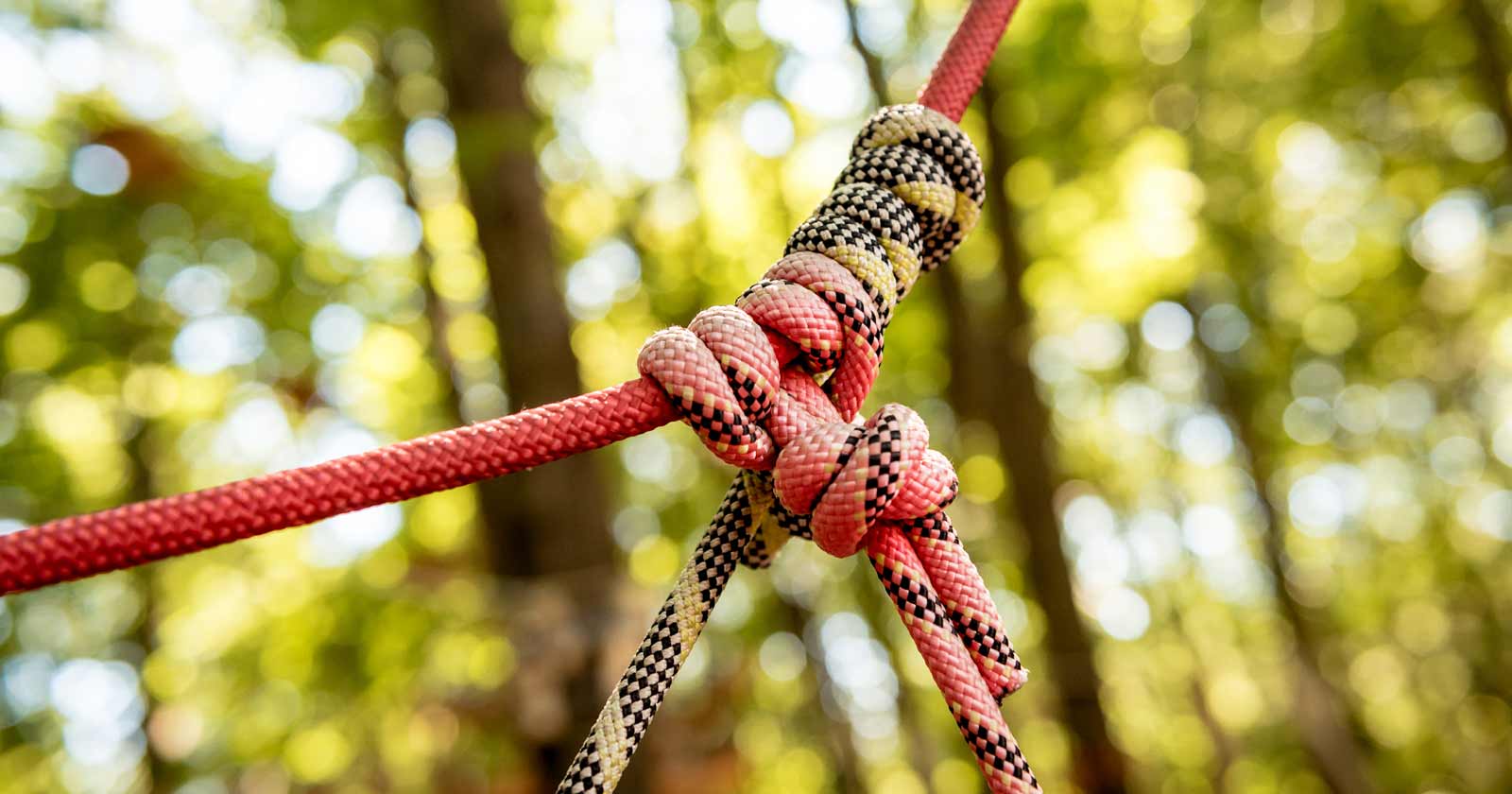
Essential Knots for Hikers: Types, Uses, and Tips
Read more →A practical guide to knots hikers actually use, covering reef knots, clove hitches, bowlines, Prusik knots, and more, with correct steps.
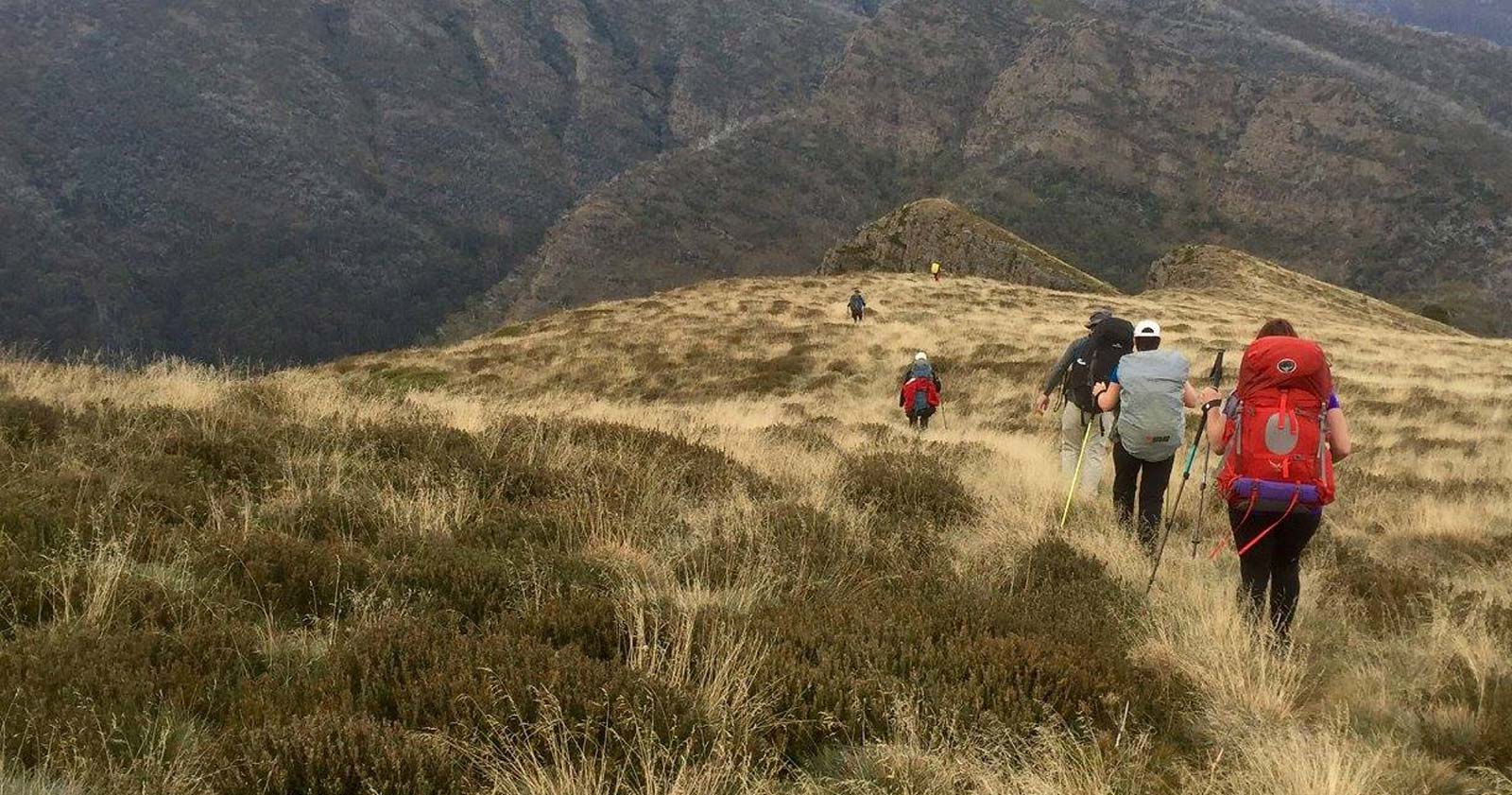
Hiking Downhill: Technique, Control and Knee Protection
Read more →Technique for hiking downhill with better control: pacing, posture, foot placement, poles, and protecting the knees on descents.
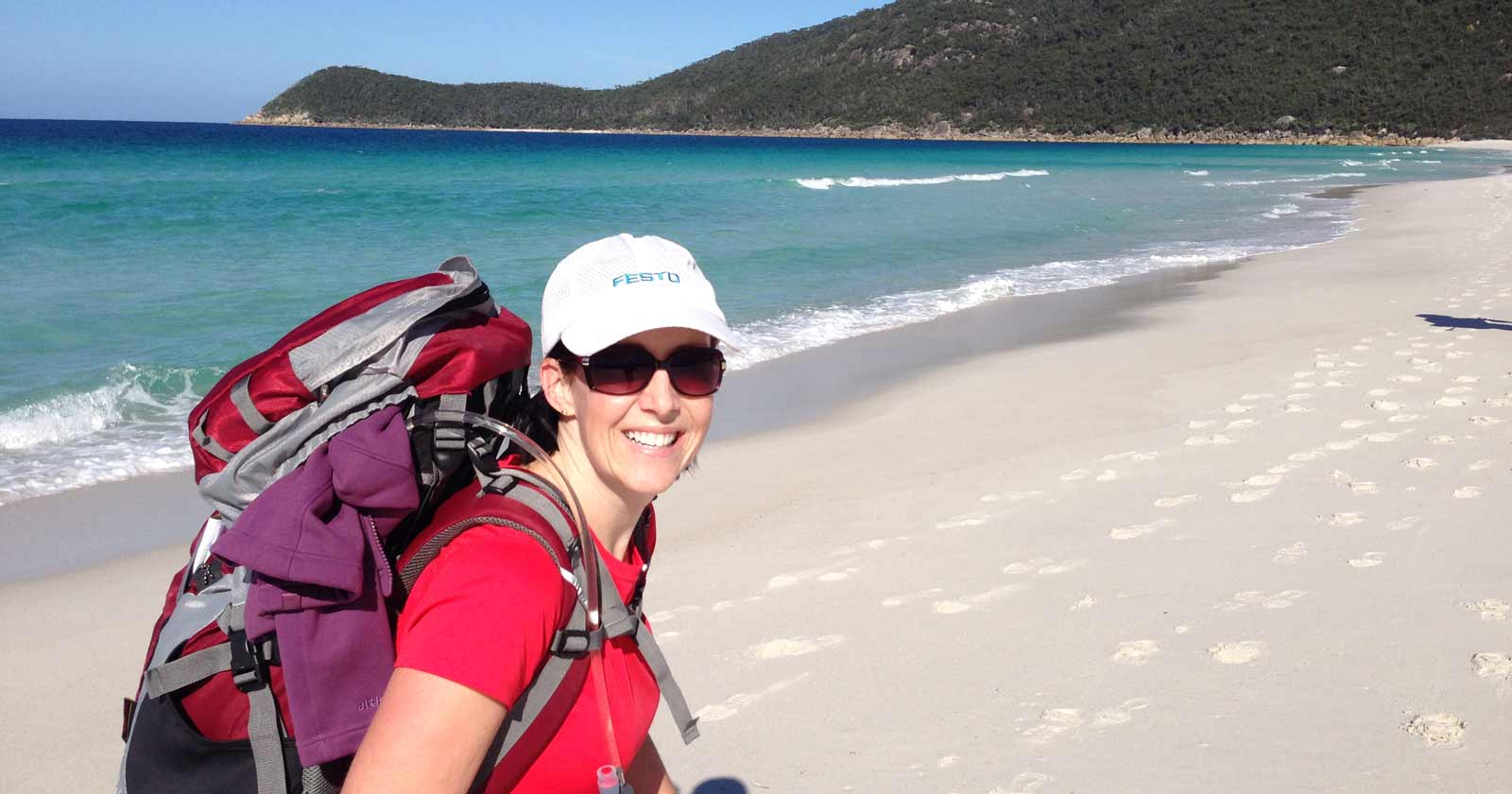
Hiking on sand: Tips and techniques
Read more →Tips for hiking on sand: pacing, footwear, dune technique, hydration, and navigation across beaches, dunes, and desert terrain.
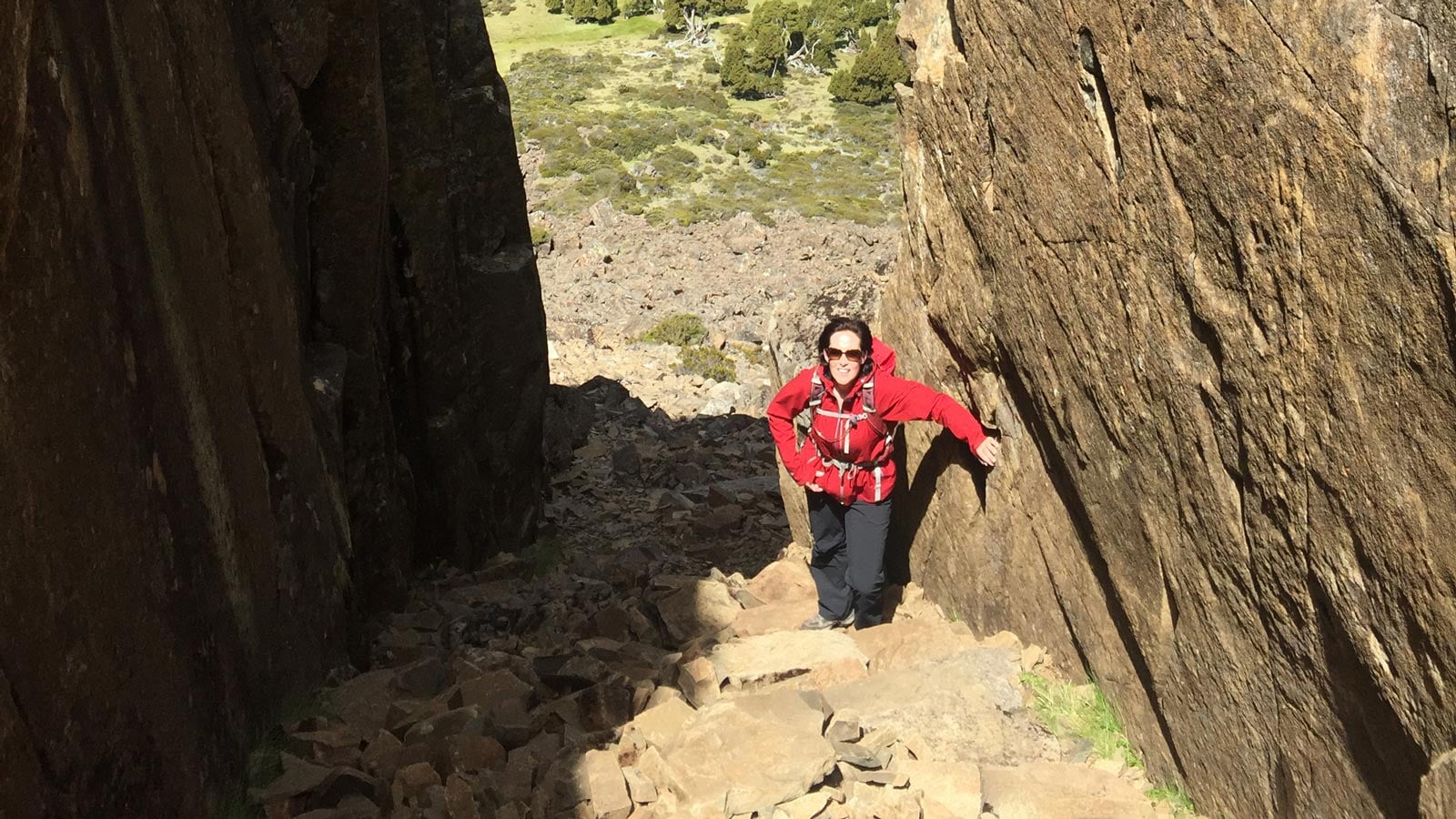
Hiking on scree: Tips and techniques
Read more →How to hike safely on scree: foot placement, descending technique, pole use, group spacing, and when to turn back.
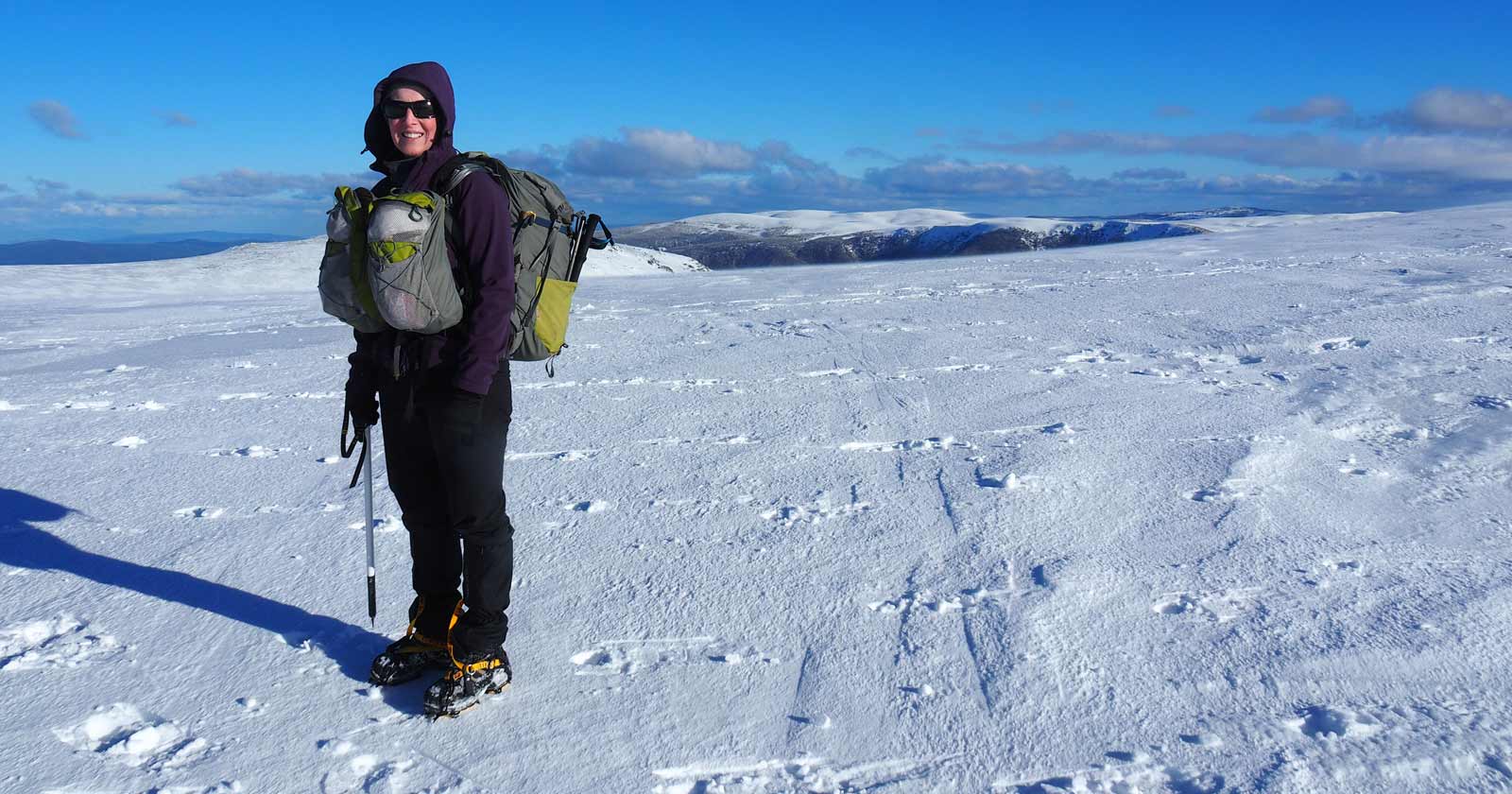
Hiking on snow: Tips and techniques
Read more →Practical guidance on hiking on snow in Australian alpine terrain: foot placement, transition zones, snowshoes, poles, crampons and ice axe technique.
Hiking Pace: Why It Matters More Than Most Hikers Think
Read more →A look past the “slow hiking” trend to the real question of pace: when it’s personal preference, when it’s practical, and when it’s a safety issue.
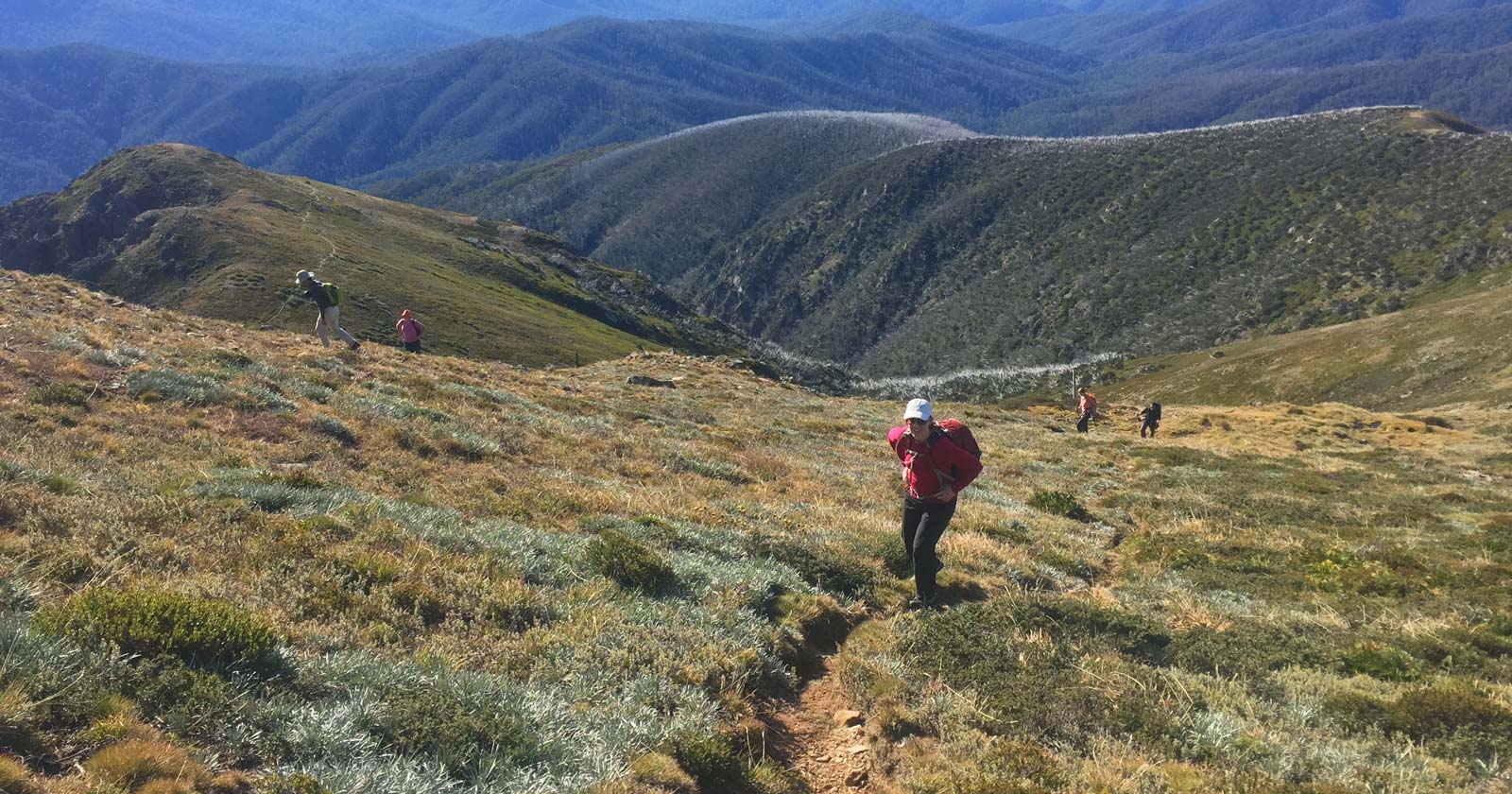
Hiking Uphill: Technique, Pacing and Safety
Read more →Technique, pacing and posture guidance for hiking uphill efficiently, reducing fatigue and knee strain on climbs in Australian conditions.
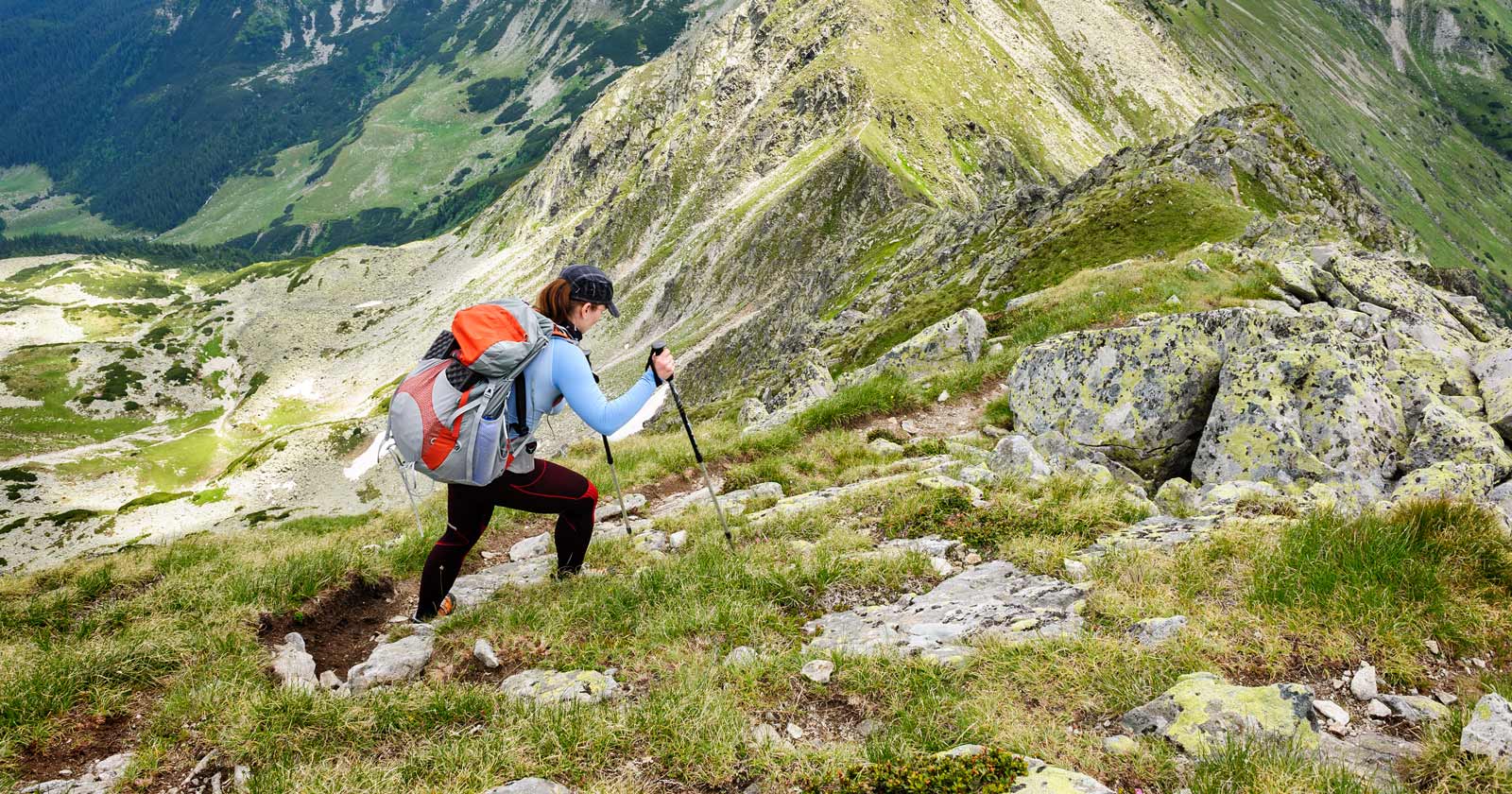
How and when to use hiking poles
Read more →A practical guide to when hiking poles help, how to size and use them, and the technique that makes them worth carrying on the trail.
How to Become a More Proficient and Experienced Hiker
Read more →A first-hand account of progressing through Australia’s hiking trail grades, from beginner tracks to off-trail navigation and rock scrambling.
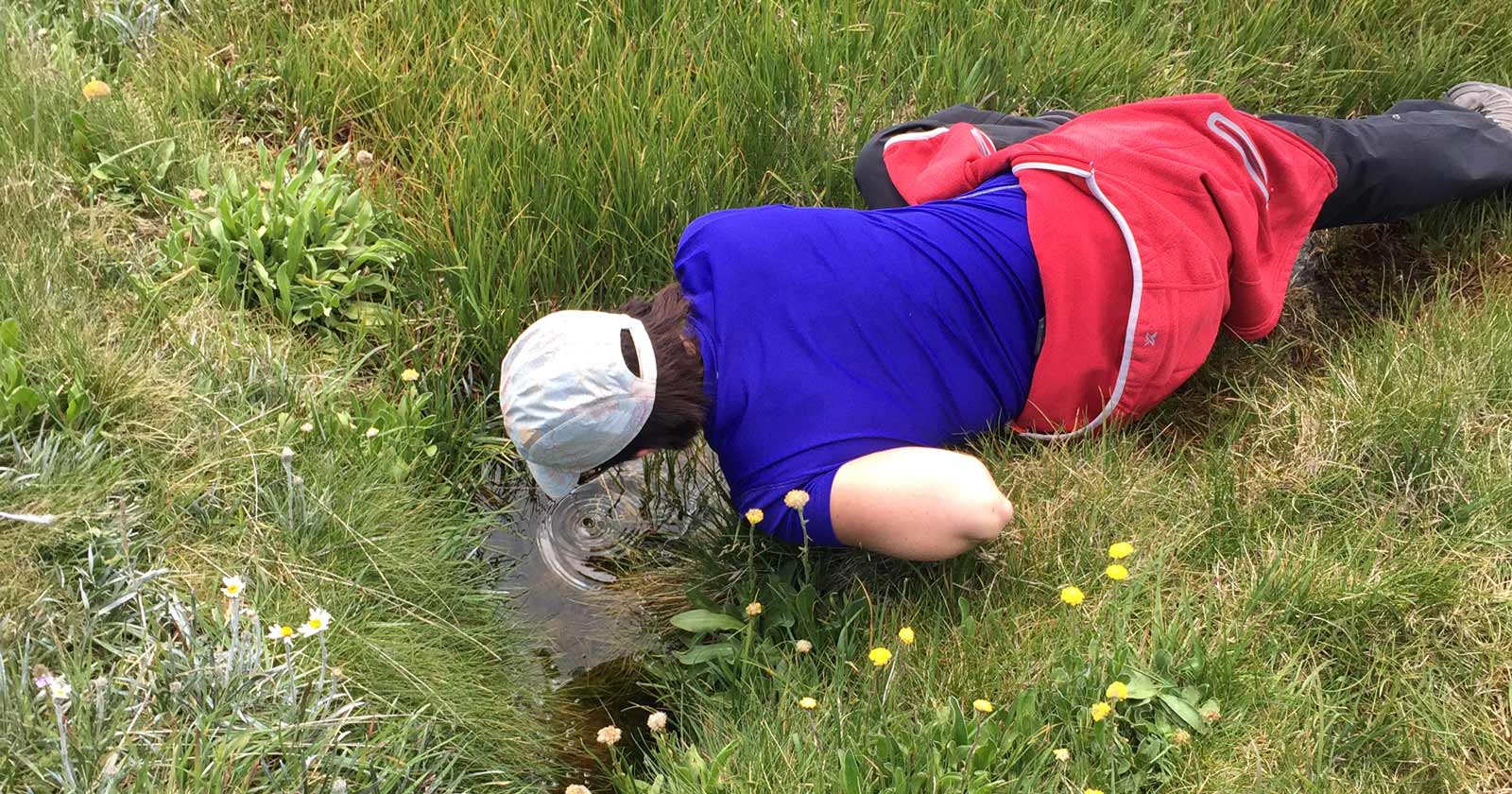
How to find water on a hike: sources, reliability, and safety
Read more →Finding water on a hike: how reliable natural and artificial sources really are, reading landscape clues, and managing risk if supply runs low.
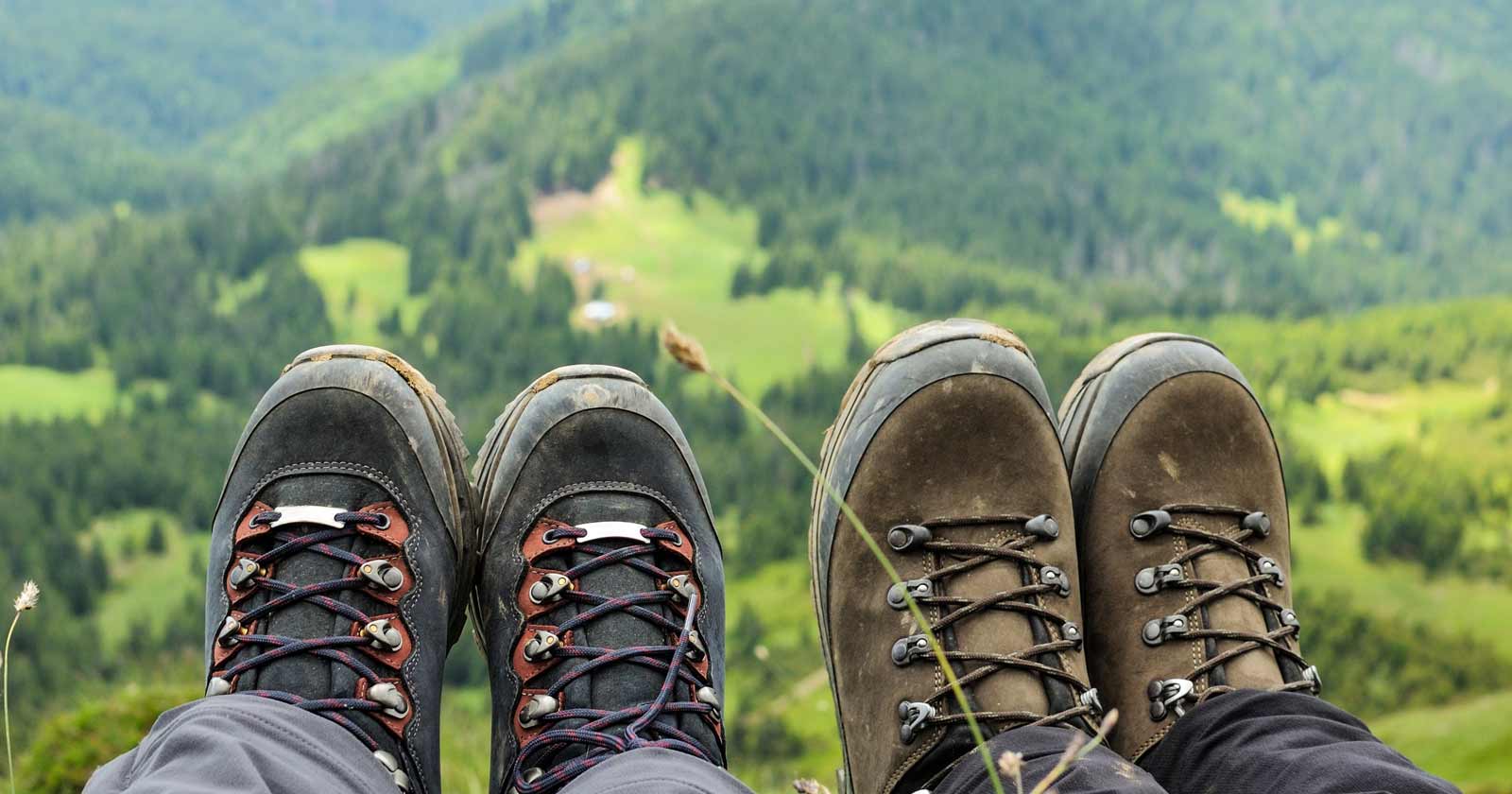
How to Lace Hiking Boots for Comfort and Stability
Read more →Practical lacing techniques for hiking boots, covering heel lift, top-of-foot pressure, toe pain, and adjusting laces to different terrain.
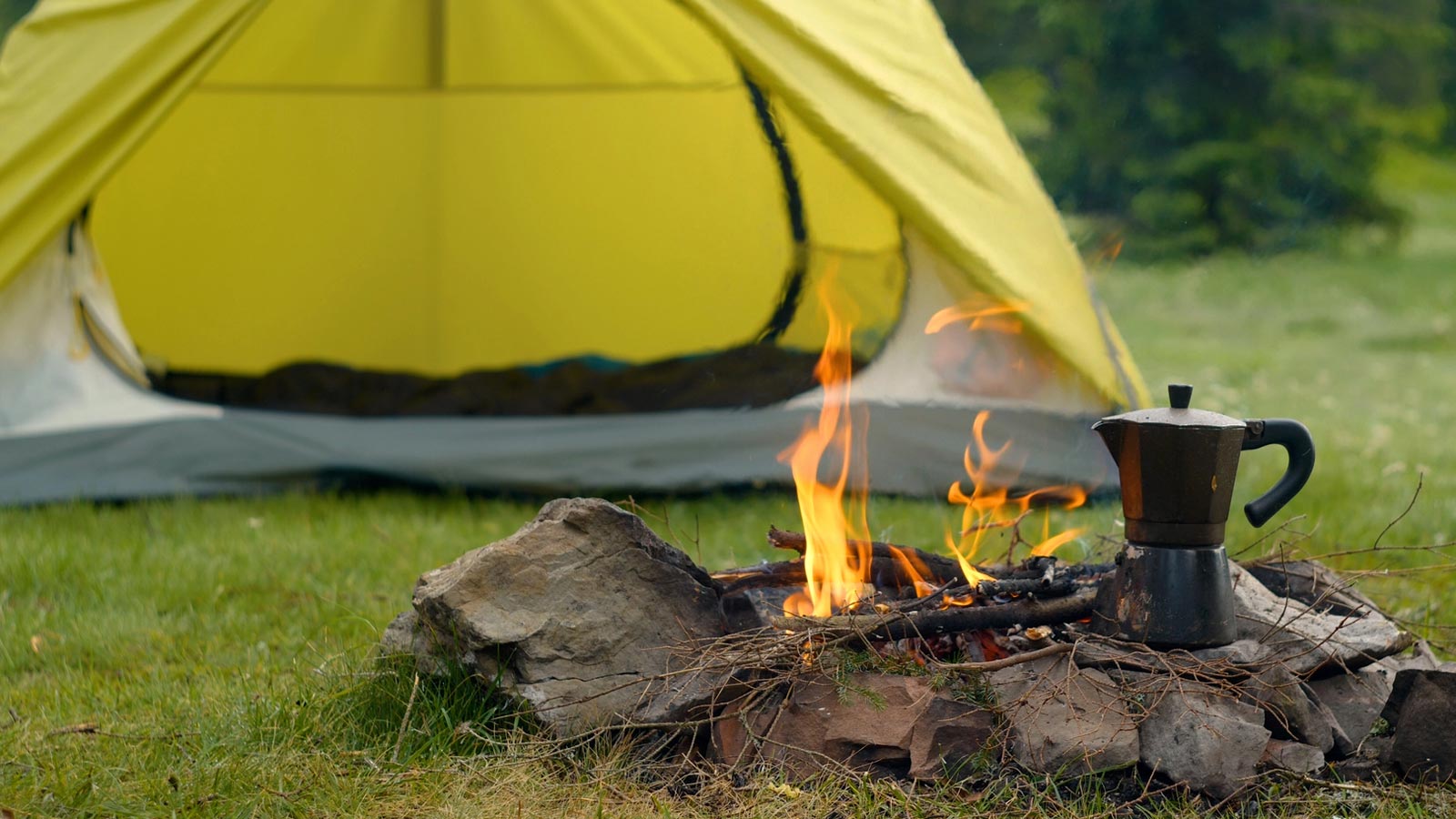
How to manage a campfire: An essential skill
Read more →Guidance on when and how to safely light, manage and extinguish a campfire while hiking or camping in Australia.
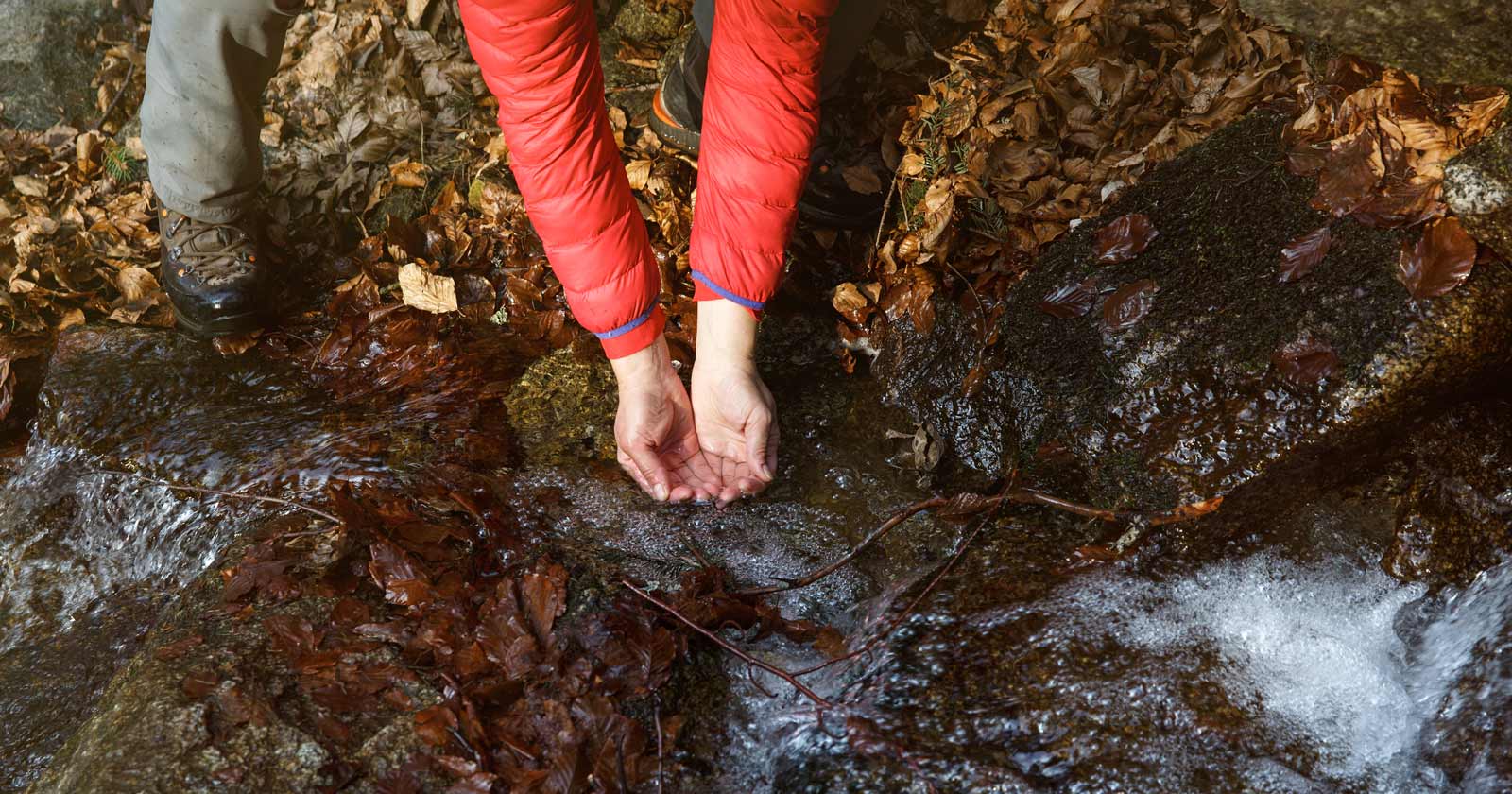
How to manage hydration during a hike
Read more →How to manage hydration on a hike: drinking little and often, matching intake to conditions, spotting early warning signs, and avoiding overhydration.
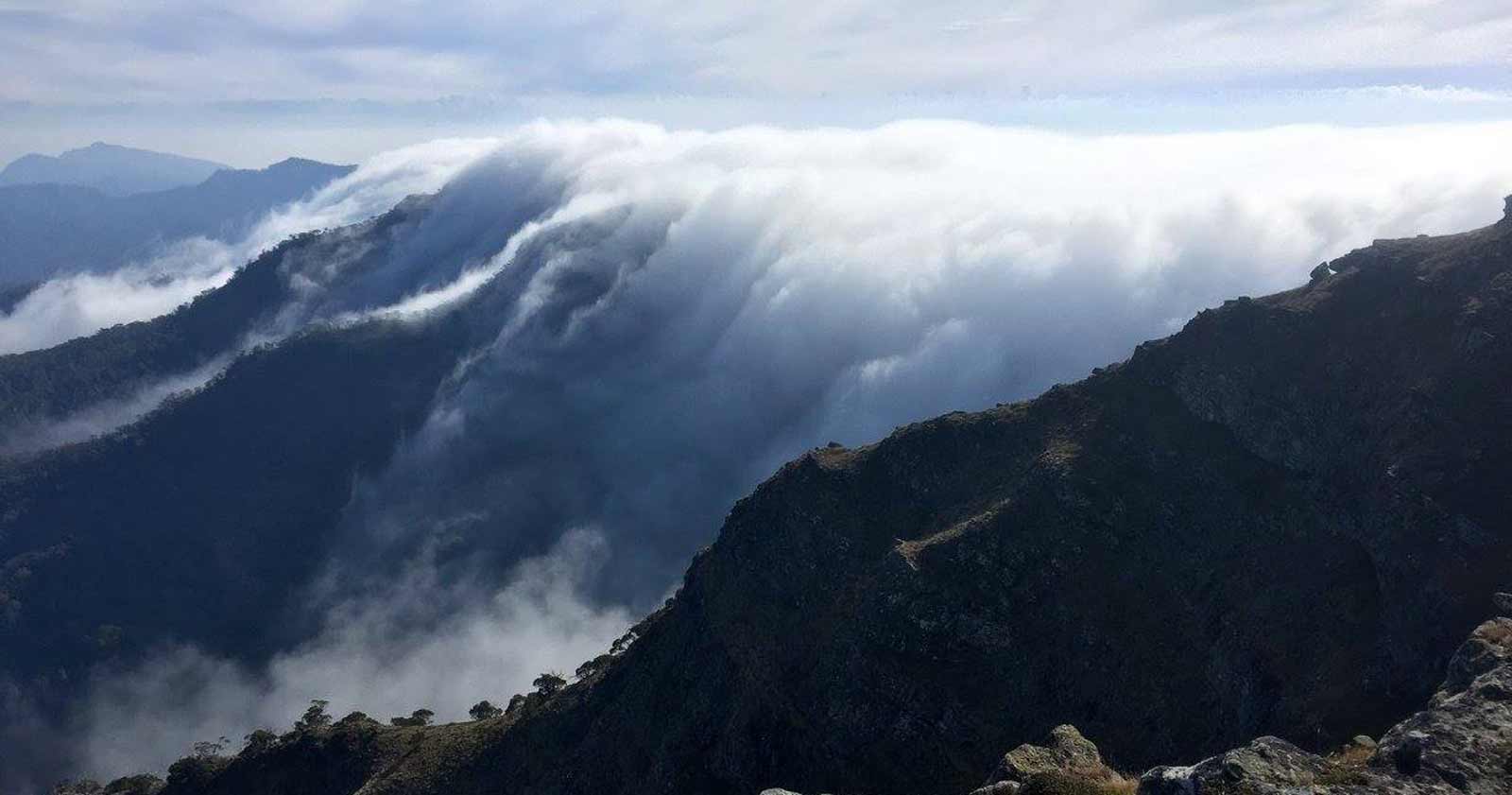
How to Predict Weather from the Clouds: A Guide for Hikers
Read more →A hiker’s guide to reading cloud types and what each one signals about incoming weather on the trail.
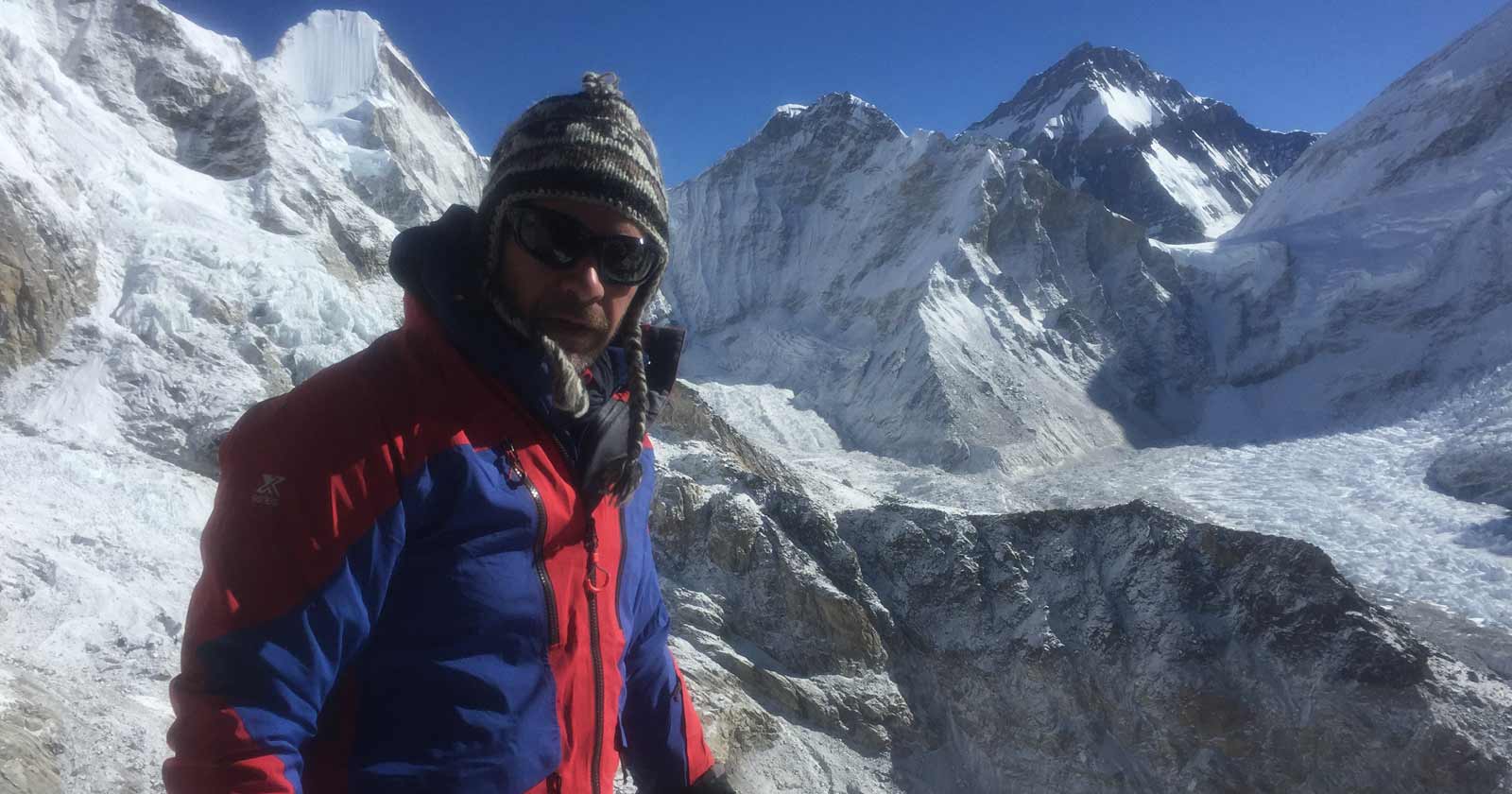
How to Prepare for an Alpine Climb: Essential Tips for Hikers
Read more →Practical preparation guide for alpine climbs covering acclimatisation, training, pack weight and nutrition.
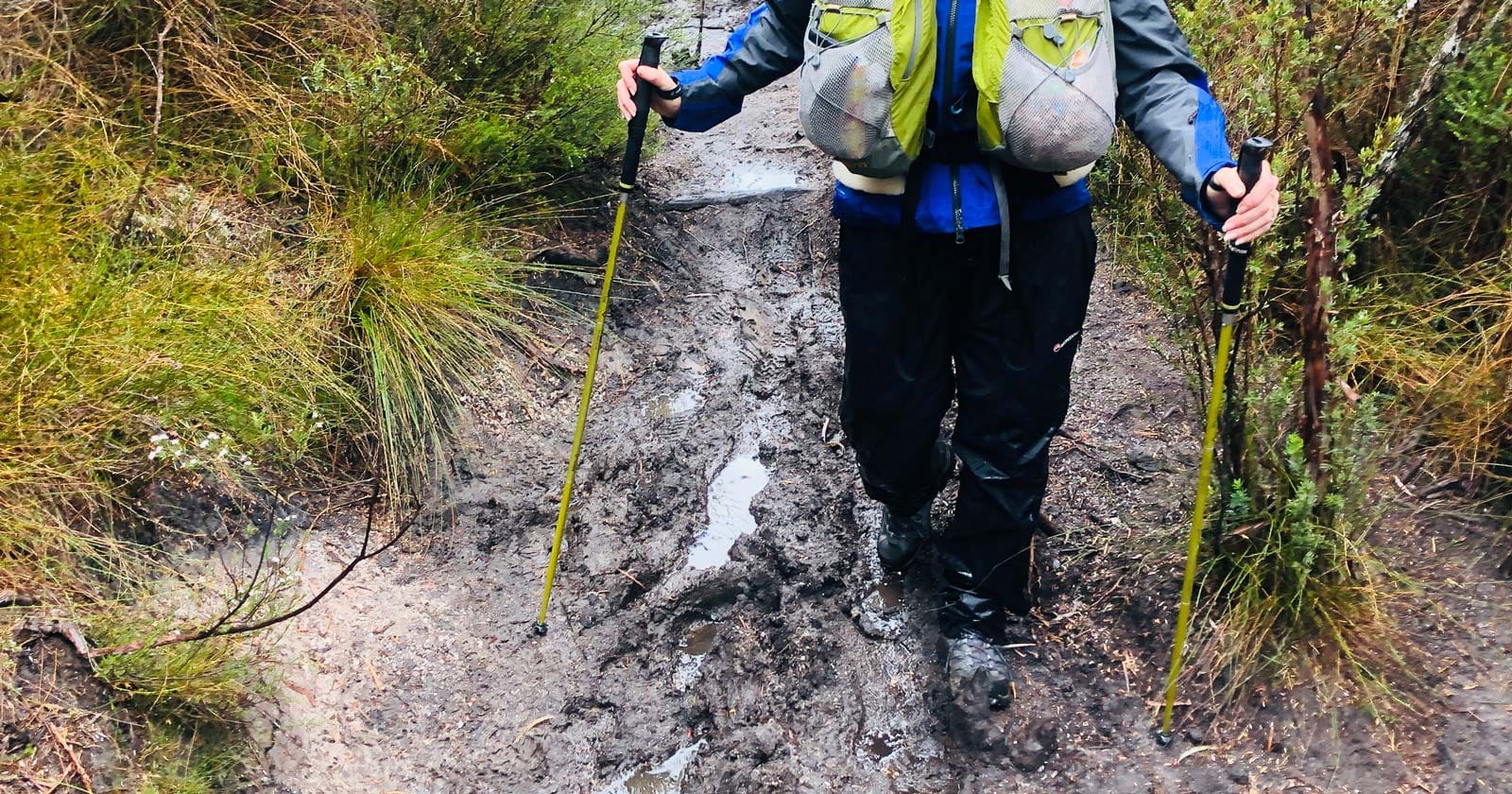
How to Safely Hike on Muddy Trails
Read more →Practical techniques for hiking safely on muddy trails, covering footwear, pace, poles and footing.
Lost or Stranded in the Bush? A Practical Guide to Survival Priorities
Read more →A practical guide to bush survival priorities: the Rule of Threes, the Big 5, and the Seven Survival Priorities explained in the order they actually matter.
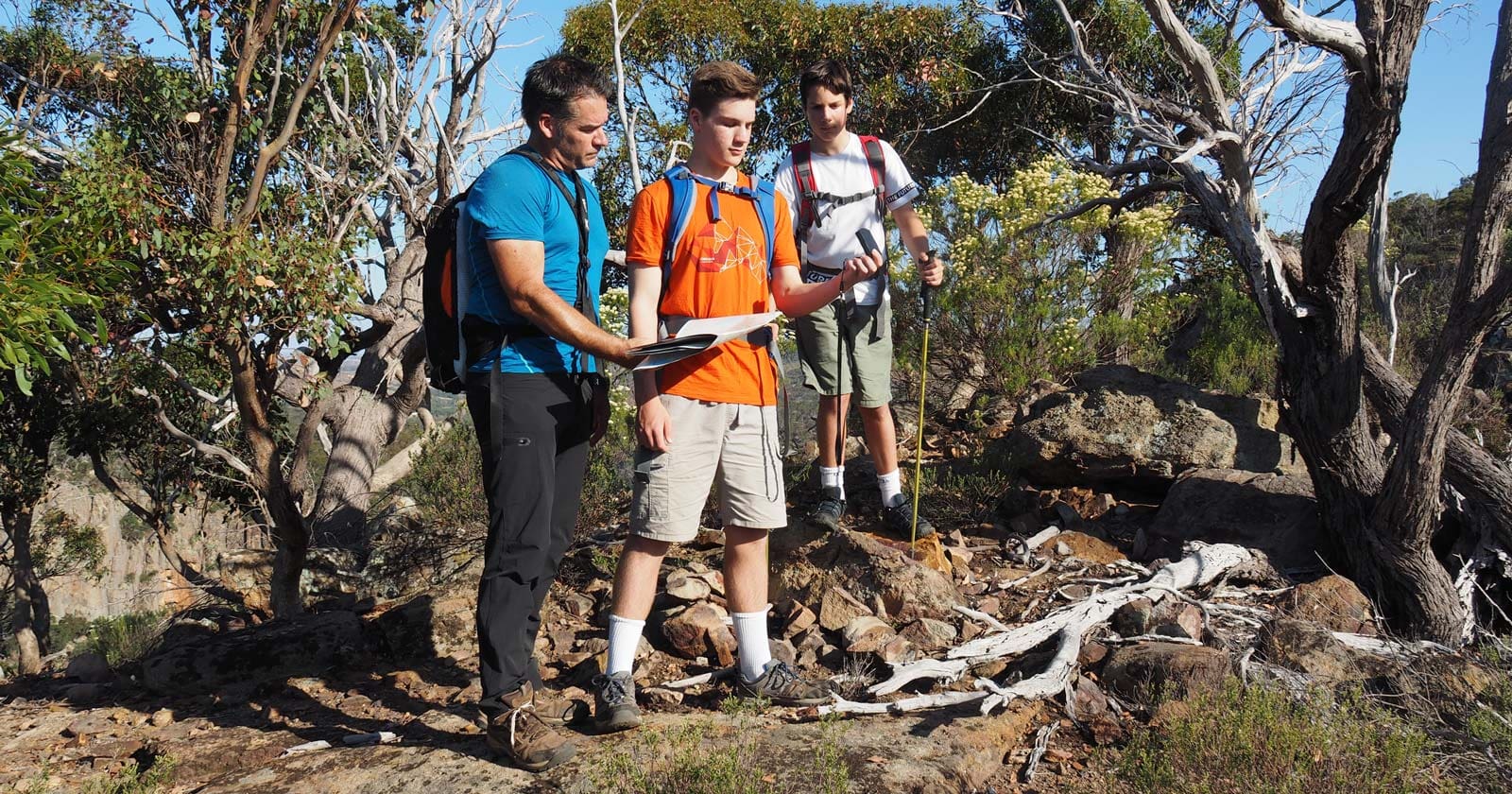
Observation as a Core Hiking Skill
Read more →Why observation is a core hiking skill, covering navigation, hazard awareness and reading terrain. It’s not about constantly scanning everything at once.
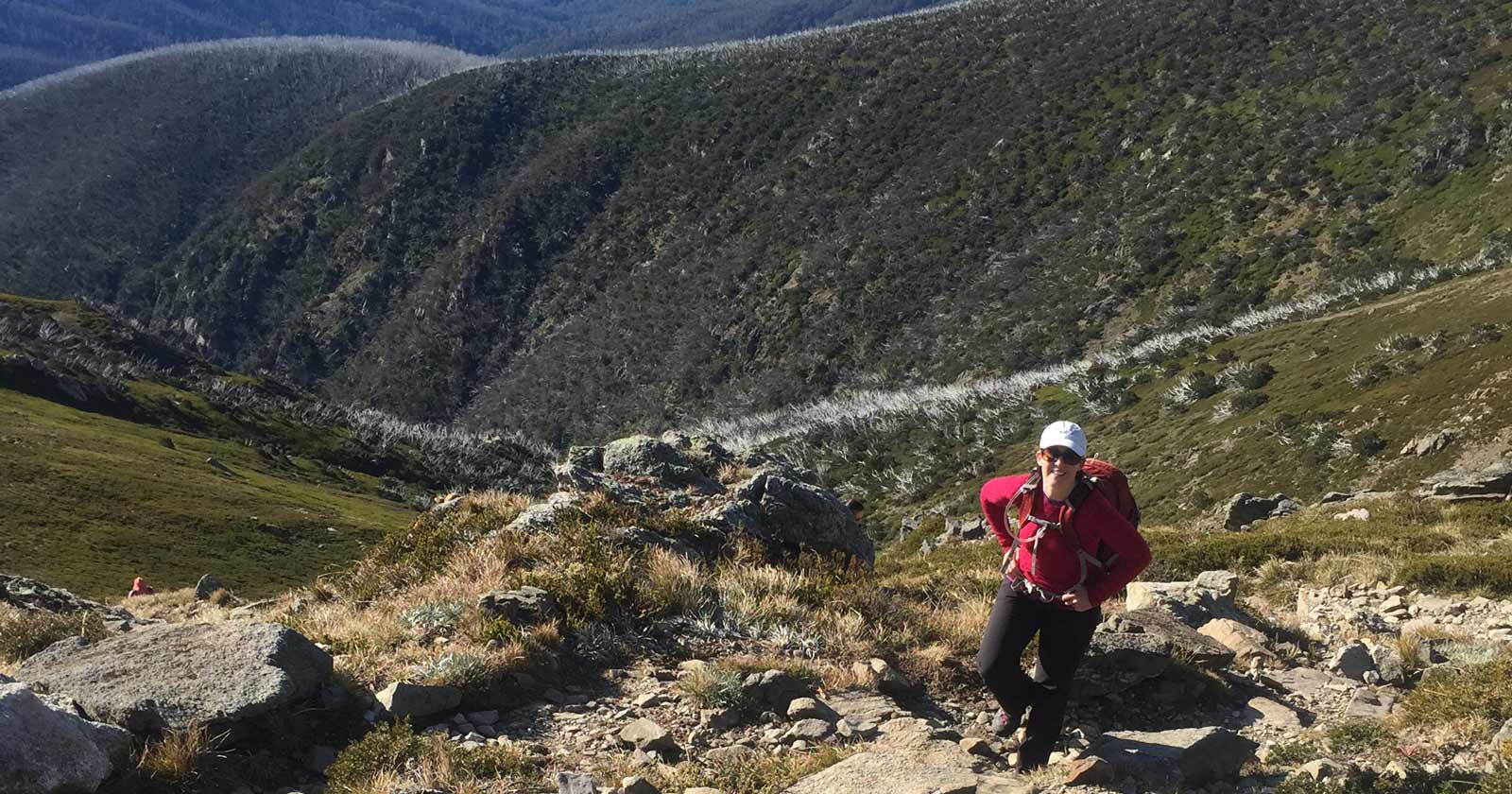
Practical tips for hiking up or down hills
Read more →Practical technique tips for hiking uphill and downhill, covering stride, posture, pace and pole use.
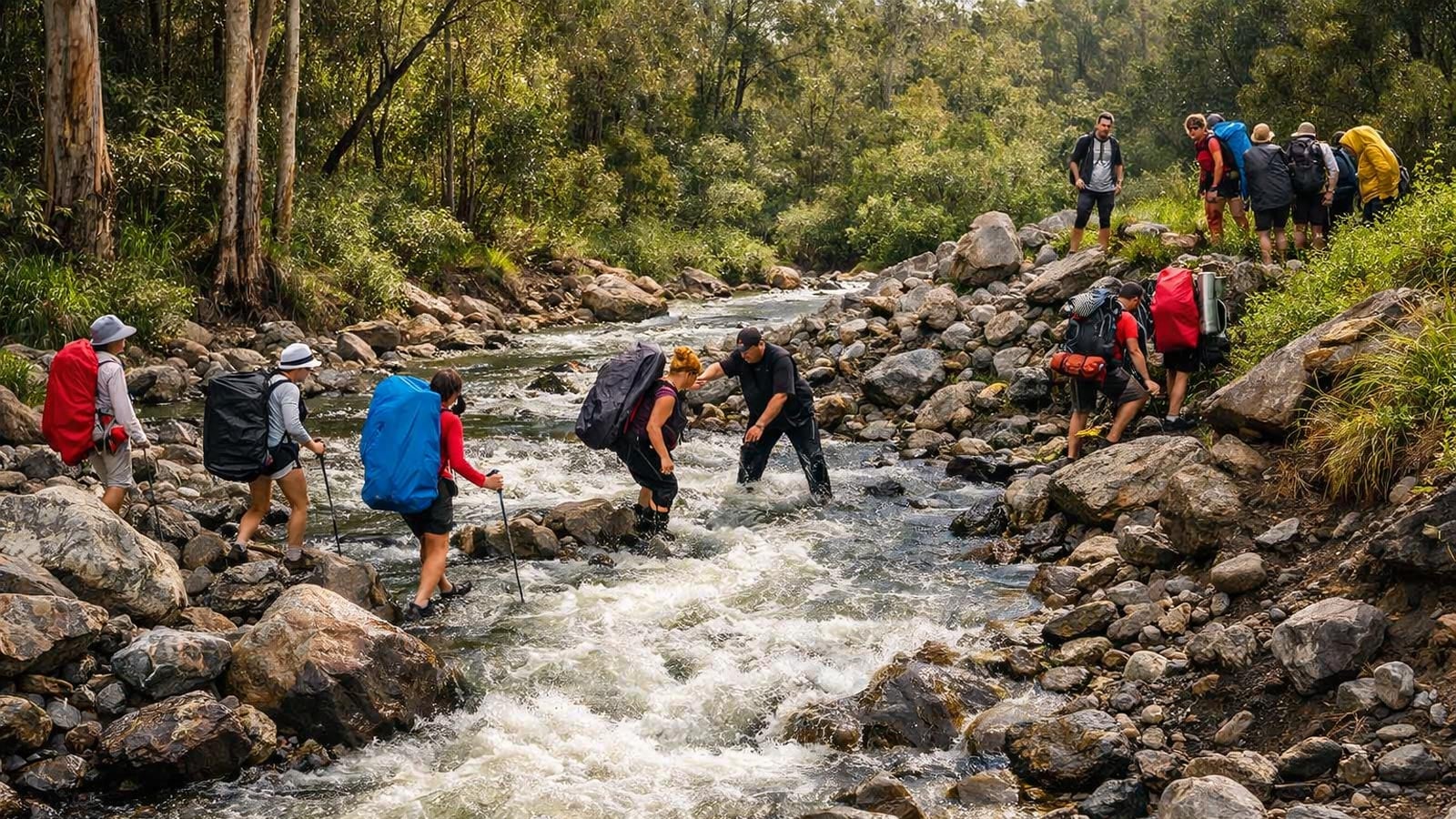
River crossing techniques: assessing risk and making safe decisions
Read more →A practical guide to assessing river crossing risk, including the mid-thigh depth rule, tripod technique, and when to turn back on Australian trails.
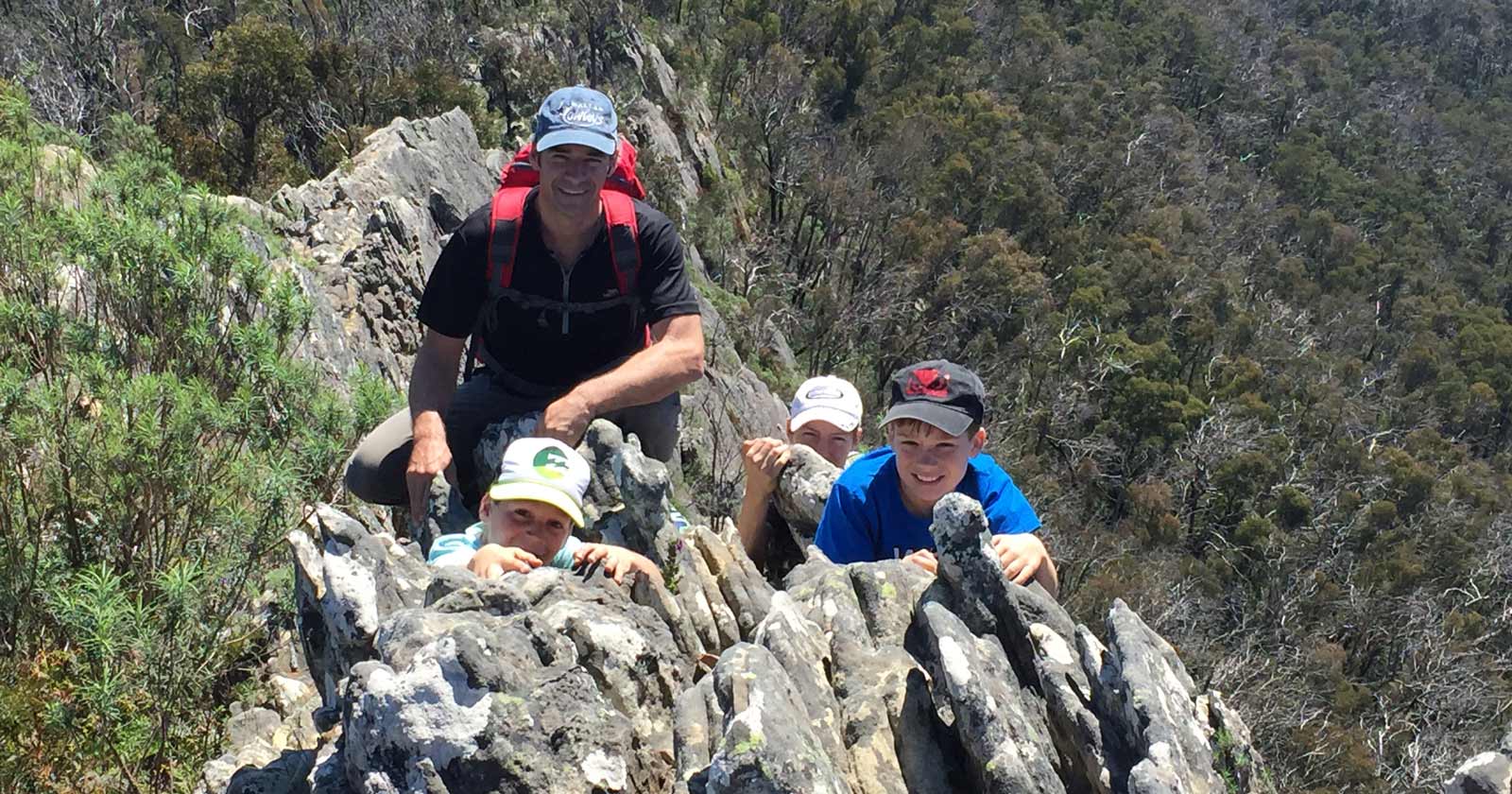
Rock scrambling: Tips and techniques
Read more →Practical rock scrambling technique covering balance, foot placement, testing holds, and knowing when to slow down or turn back on Australian trails.
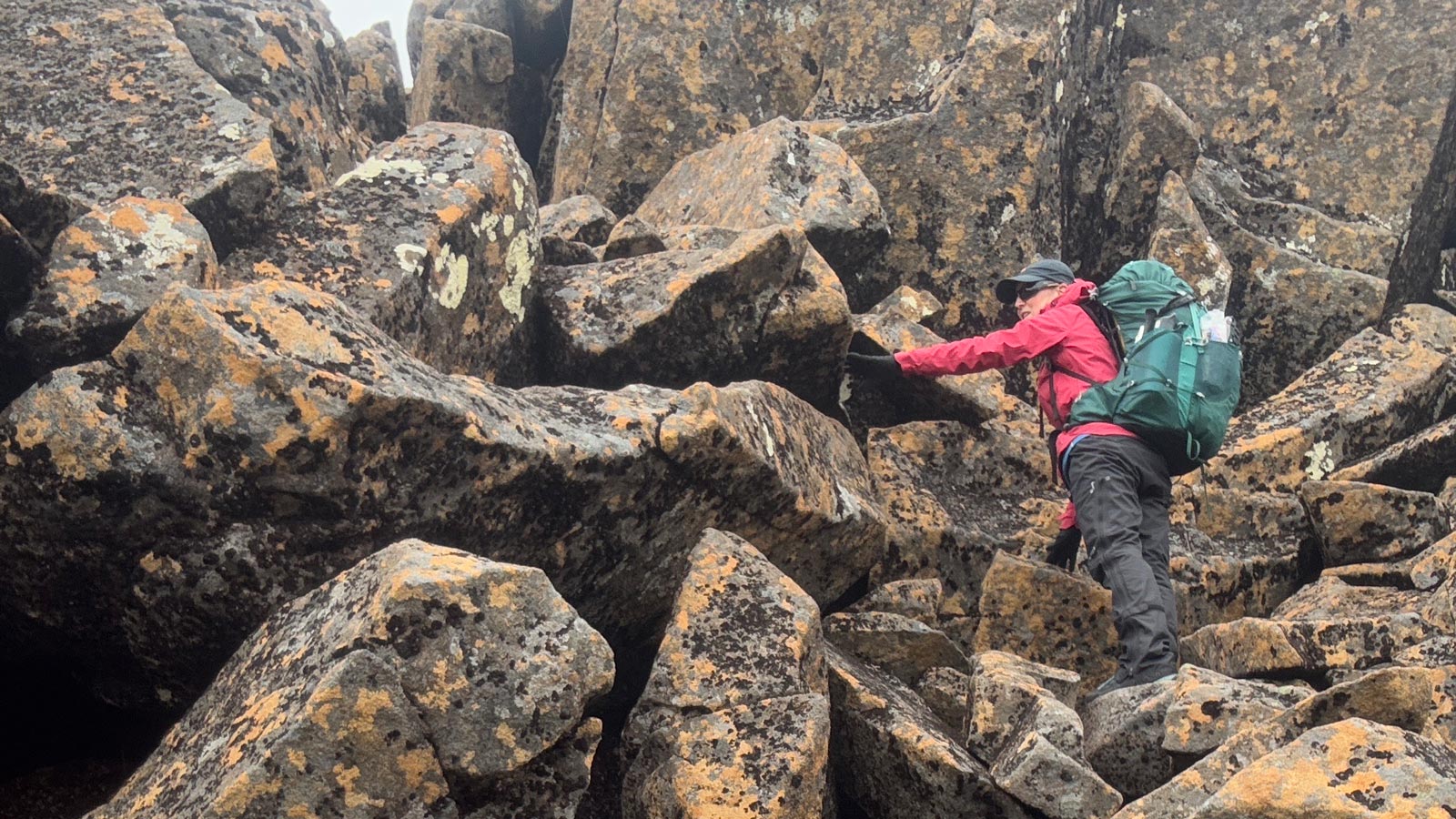
Safe Boulder Hopping: Techniques for Stability and Risk Management
Read more →A guide to safe boulder hopping, covering foot placement, footwear, descending technique, fatigue management, and Leave No Trace practice.
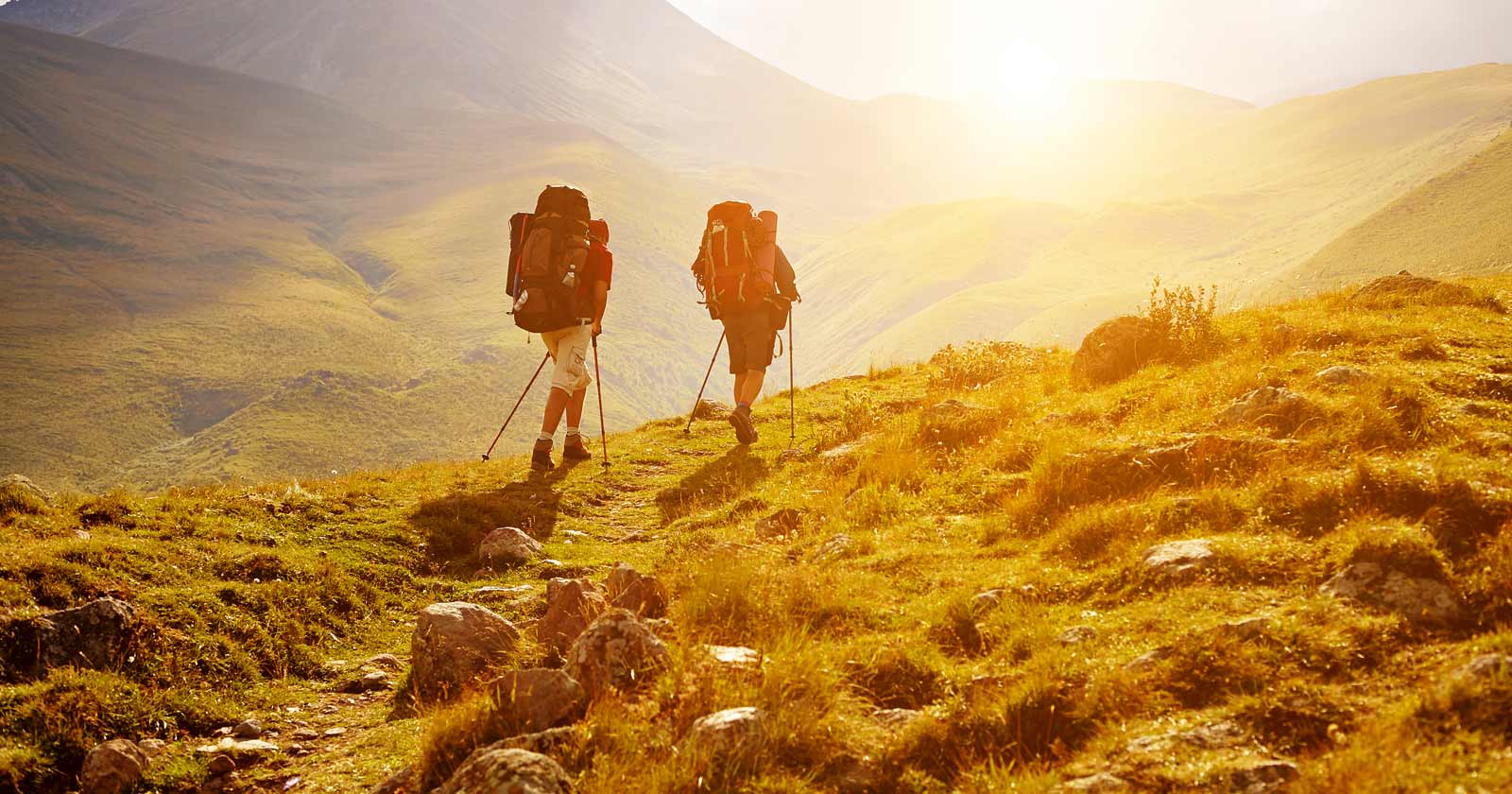
Setting the Pace on Your Hikes: Rhythm, Endurance and Control
Read more →Guidance on setting a sustainable hiking pace, covering rhythm, breathing, terrain adjustment, group pacing, and pre-trip planning.
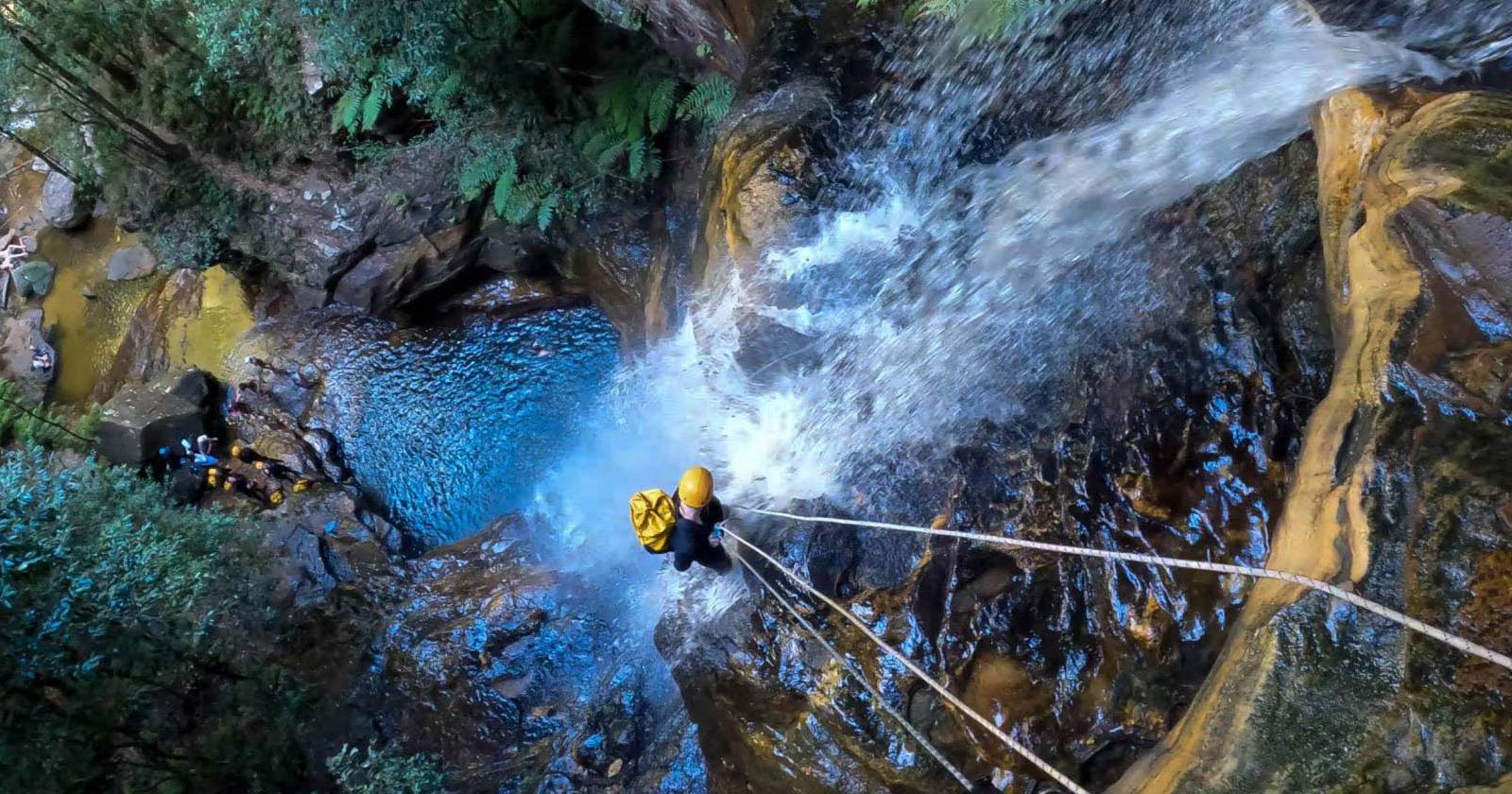
The exciting world of canyoning in Australia
Read more →Canyoning blends hiking, climbing, swimming and rappelling to move through Australia’s canyons. What it involves, the gear, safety, and where to go.
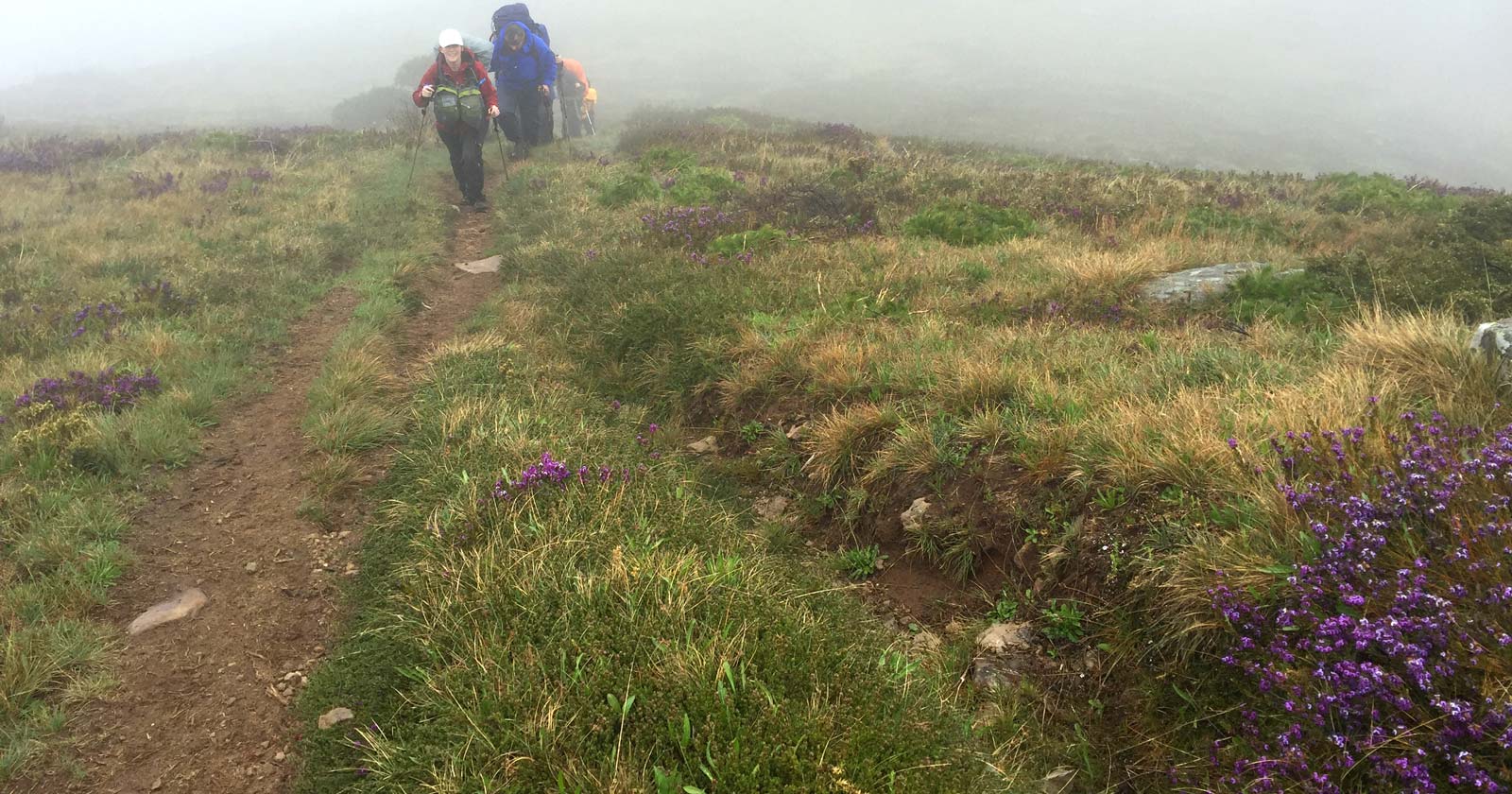
Understanding trail braiding: What it is and why it matters
Read more →An explanation of trail braiding, why it forms, how it damages Australian landscapes, and how hikers can help prevent it.
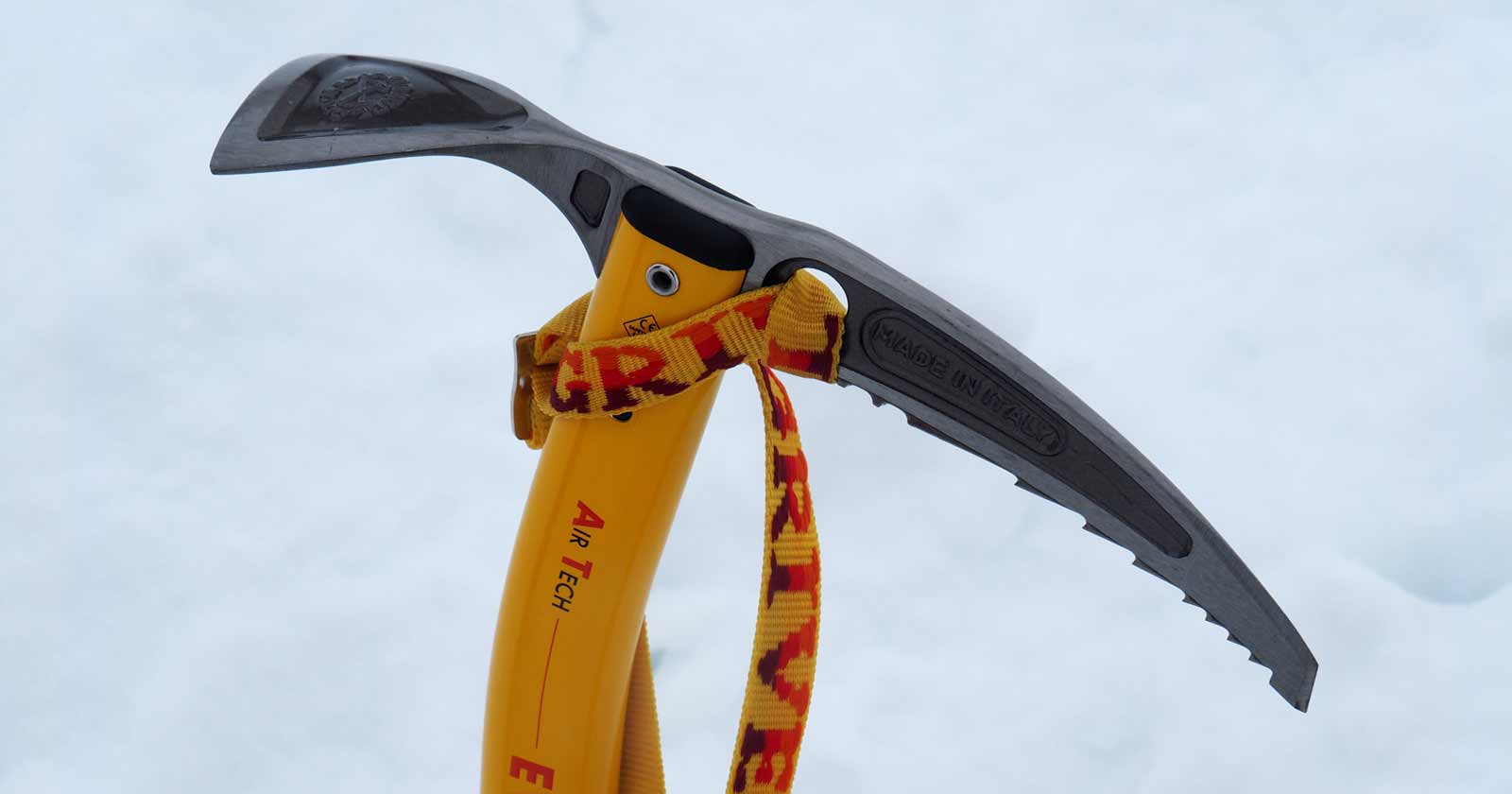
Using an ice axe for hiking in Australia
Read more →How an ice axe is carried, used, and relied on for self-arrest on Australian alpine snow and ice, and when it is genuinely needed.

Water purification for hiking: methods and limitations
Read more →Comparing boiling, filters, chemical treatment and UV for hiking: what each removes, where it falls short, and how to combine them safely.
Why Improvisation is Important for Hiking: Adapting to the Unexpected
Read more →Weather turns, gear breaks, or you lose the trail: on a hike, what keeps you safe once plans change is your ability to improvise with what you’re carrying.


