Understanding hiking pace
Setting the right pace is one of the most important skills in hiking, and it’s also one of the most underrated. Poor pacing leads to early fatigue, rushed decision-making, and a higher risk of injury, particularly on longer or more demanding routes. In my experience, most hikers struggle not because the terrain is too difficult, but because they move too fast early and pay for it later in the day.
A well-managed pace lets you move efficiently, stay in control, and conserve energy right through the day. Good pacing isn’t about speed to me. It’s about consistency, awareness, and restraint.
Develop a pace you can sustain
A sustainable hiking pace is one you could keep up for hours, not minutes. It should feel steady and controlled, with your breathing elevated but manageable. You should be able to speak in short sentences without gasping for breath. Pace naturally shifts with terrain, weather, pack weight, and fitness, and I’ve found that recognising those changes early and adjusting before fatigue builds is what actually prevents overexertion, rather than relying on long recovery stops later in the hike.
Let rhythm do the work
Once I’ve settled into a steady pace, I let my movement fall into a natural rhythm rather than forcing it. Rhythm comes from the coordination between step length, posture, arm swing, and breathing. A good rhythm feels relaxed and repeatable. When rhythm breaks down, through rushed steps or irregular breathing, efficiency drops and fatigue rises quickly. I’ve noticed that slowing slightly is usually enough to restore it and get control back.
Adjust pace for terrain and conditions
Terrain should dictate your pace, not ambition. Steep climbs, loose surfaces, heat, wind, and technical sections all call for slower, more deliberate movement, and I don’t think that’s negotiable no matter how far behind schedule you feel.
On ascents, I aim for a pace that keeps effort below my upper limit, because sustainable climbing preserves energy for later stages of the hike. See Hiking Uphill: Technique, Pacing and Safety for detailed guidance.
On descents, pacing becomes about control rather than speed. Moving too fast downhill increases joint load and slip risk, especially once your legs are fatigued. Refer to Hiking Downhill: Technique, Control and Knee Protection for safe downhill techniques.
Match pace to the slowest hiker
On group hikes, I set the pace to the slowest member, because that’s both the safest and the most efficient approach. Letting the group spread out increases navigation risk, encourages rushed regrouping, and usually leads to more fatigue overall, not less. A consistent group pace keeps everyone moving, reduces stop-start inefficiency, and improves safety. Slower, steady movement almost always gets you further over a full day than a pace that keeps stalling and restarting.
Use breathing as a pacing guide
Breathing gives you immediate feedback on effort, and it’s the gauge I trust more than how I feel. If breathing becomes shallow, ragged, or forces frequent stops, the pace is too high. I aim for smooth, rhythmic breathing that lines up with my stride, and when I feel that control start to slip, I slow down early rather than push through and rely on a long recovery break later.
Take breaks before fatigue builds
Short, regular pauses do more for you than infrequent long stops. Brief breaks let your heart rate settle while keeping muscles warm and responsive. I use these pauses to hydrate, eat, adjust clothing, or check navigation. Waiting until exhaustion sets in tends to bring stiffness, slower movement, and longer recovery times, and that’s a trade I don’t think is worth making.
Stay focused and aware
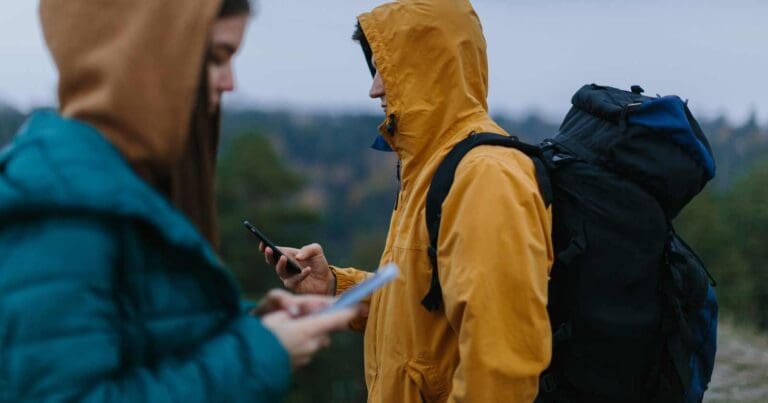
Good pacing takes attention. Distractions can disrupt your breathing rhythm, balance, and awareness of the trail. When I’m checking a map or navigation device, I always stop walking first. It’s also worth maintaining appropriate spacing between hikers, particularly on uneven or technical terrain, to avoid sudden stops or collisions.
Managing pace for safer hiking
None of this works in isolation from your planning. Good pacing on the trail depends on realistic pre-trip planning, because accurate time and distance estimates are what let you set a sustainable pace from the outset rather than guessing at it on the day. See Time and Distance Planning for Hikes: Estimating Duration and Managing Effort for guidance on planning conservative, achievable days.
I’d rather manage effort from the start than correct it later, because hikes feel easier and more enjoyable that way. Set a pace you can sustain, protect your energy, and let the day unfold on its own terms instead of fighting it.