Observations of Behaviour, Awareness and Decision-Making on the Trail
Most hiking incidents don’t begin with a mistake. They begin with something nobody noticed. A slight drop in pace. A decision to push on when the safer option was to stop. Familiar terrain that stopped getting the attention it deserved. Small things, operating quietly in the background, until the margin runs out.
These essays explore the human factors behind hiking safety. Not what to carry or where to go, but how fatigue, psychology, momentum and environmental pressure shape behaviour and judgement in the field. I’ve spent decades walking in the Australian bush and years working in Search and Rescue. The pattern I keep seeing isn’t recklessness. It’s capable, well-prepared people who didn’t recognise how the situation was changing around them. That’s what this series is about.
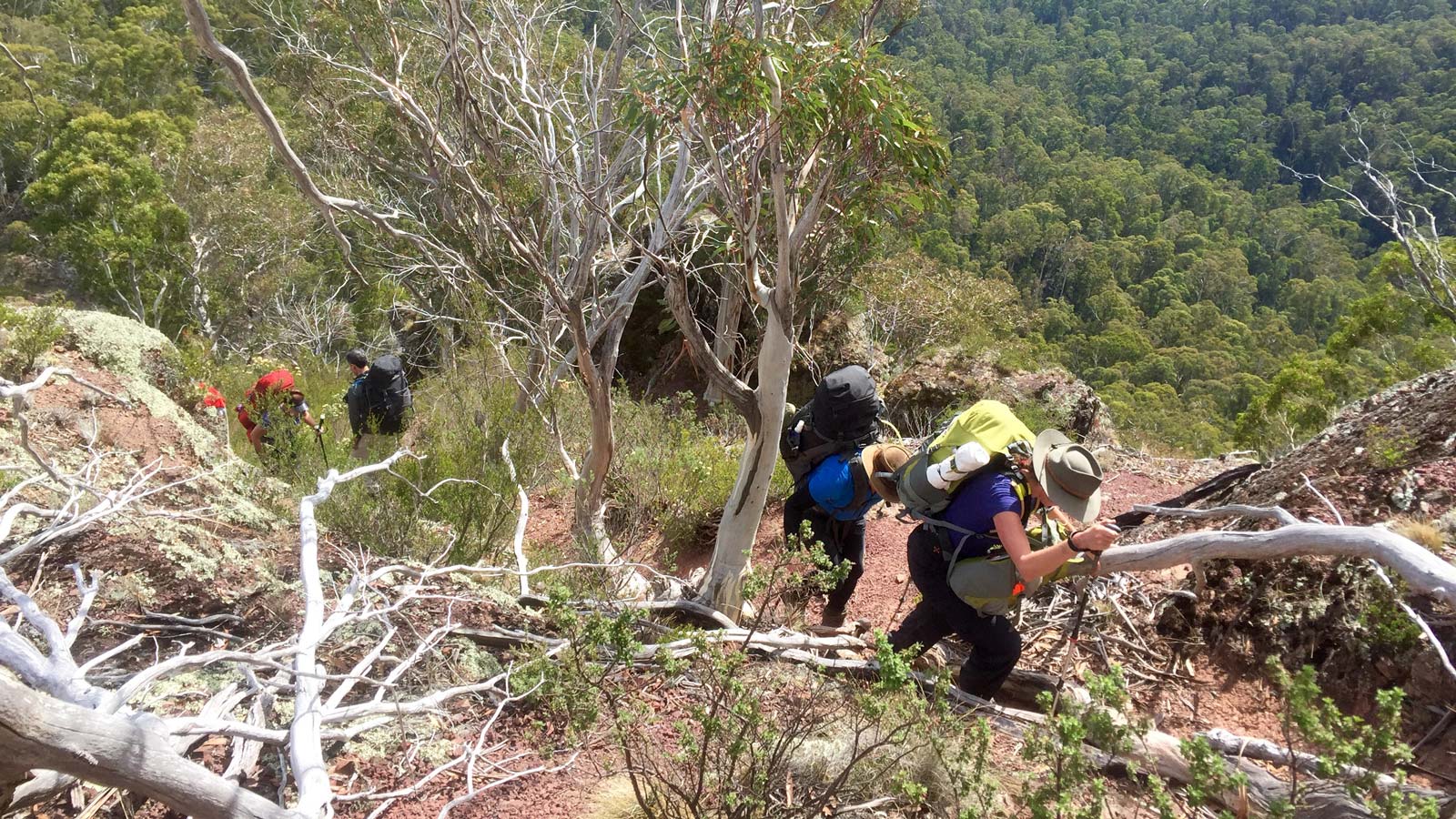
Spur ascents and decision debt
Read more →A hard climb doesn’t end at the ridgeline. How decision debt from the ascent quietly shapes the descent hours later, in fatigue and time.
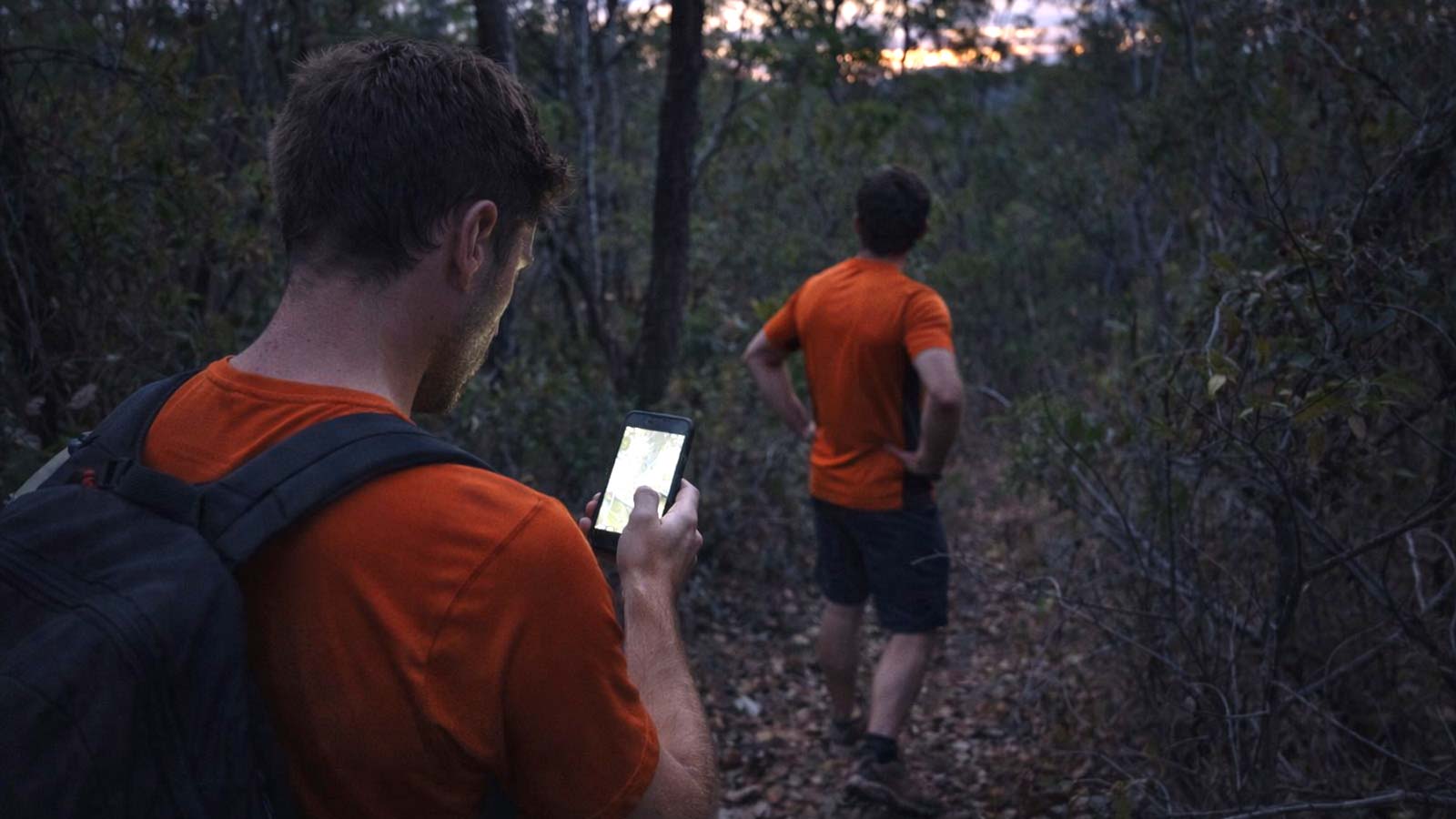
Group dynamics under strain
Read more →Groups aren’t automatically safer under strain. How social pressure and centralised leadership quietly narrow decision-making on the trail.
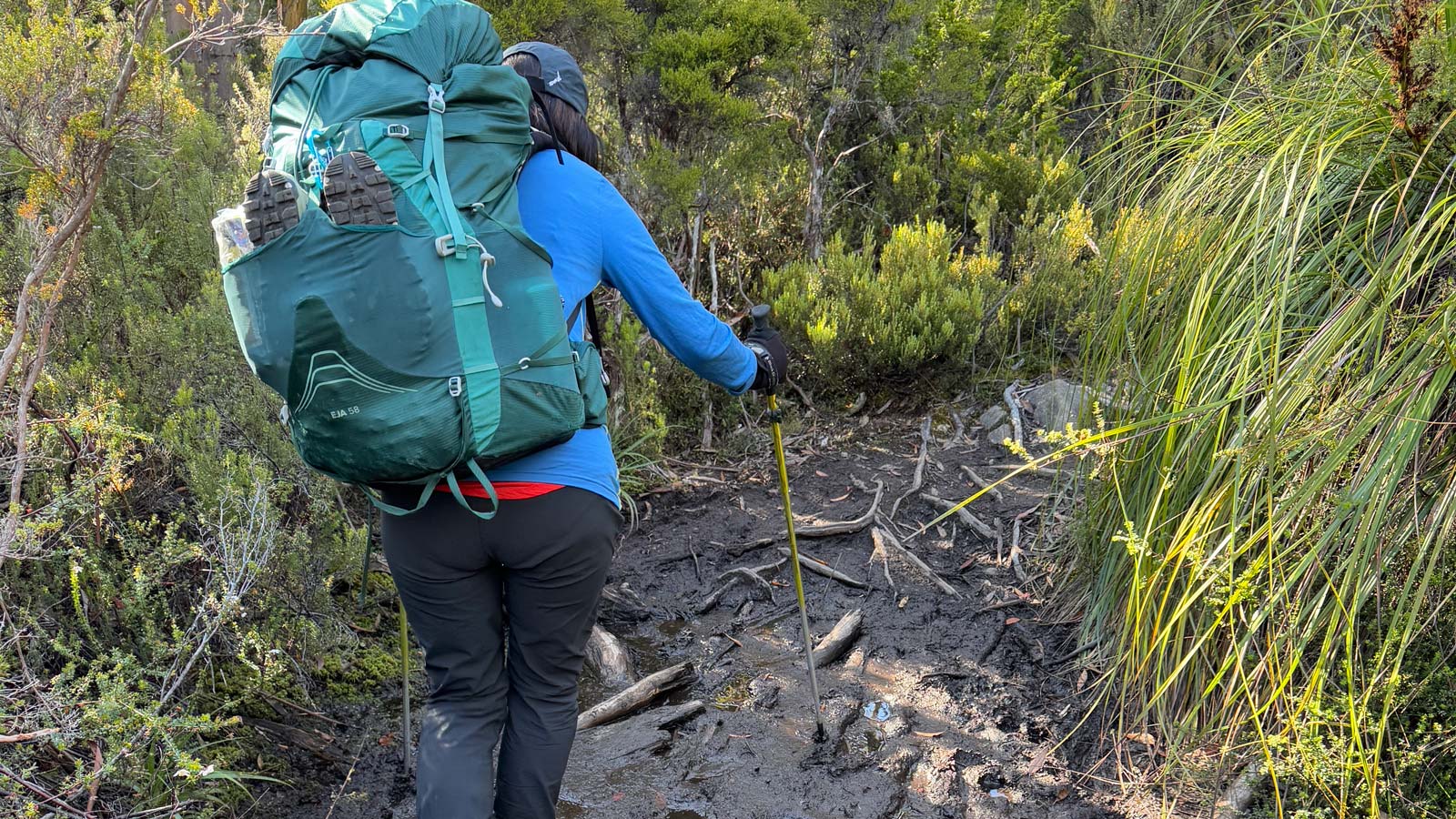
Confidence and competence on the trail
Read more →Confidence and competence usually move together, until they don’t. What a Wilsons Prom hike showed about verification versus assumption.
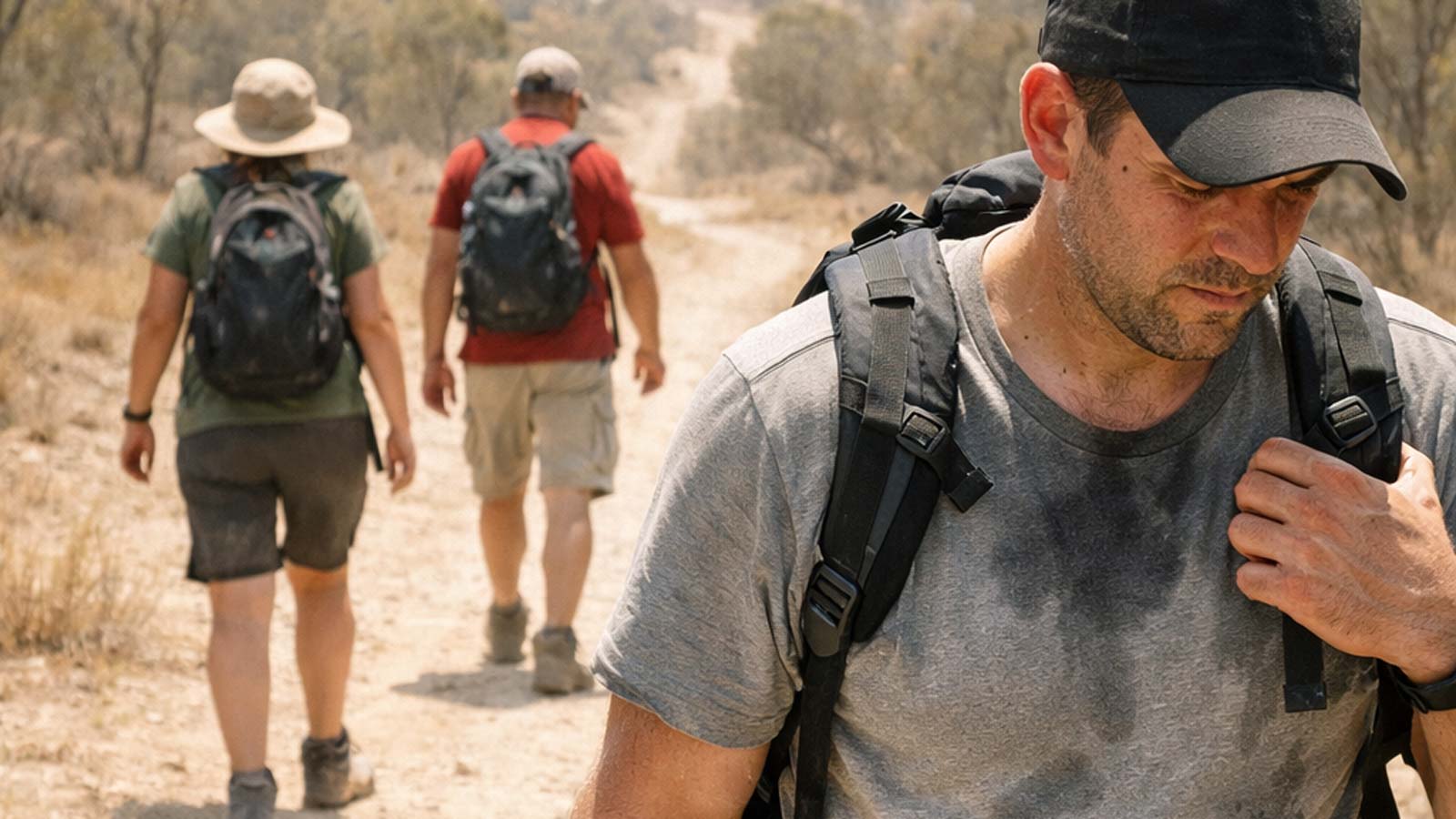
Water planning in dry landscapes
Read more →A creek on the map isn’t a guarantee of water. Why water planning fails less on bad maths and more on treating uncertain sources as reliable.
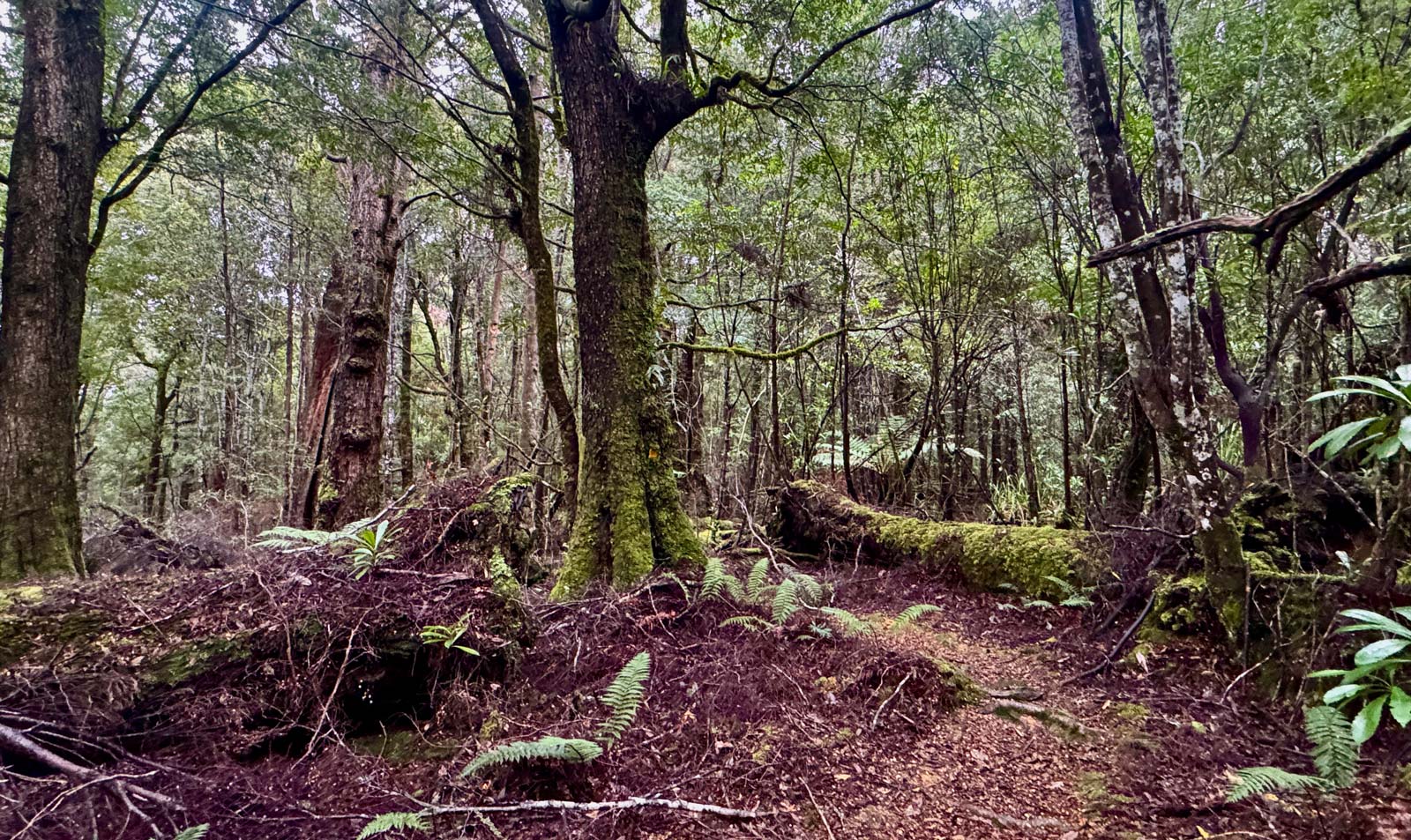
The normalisation of risk in repeat hikes
Read more →Repeated hikes on familiar trails can quietly reset how risk feels, even though the terrain and hazards themselves never actually change.
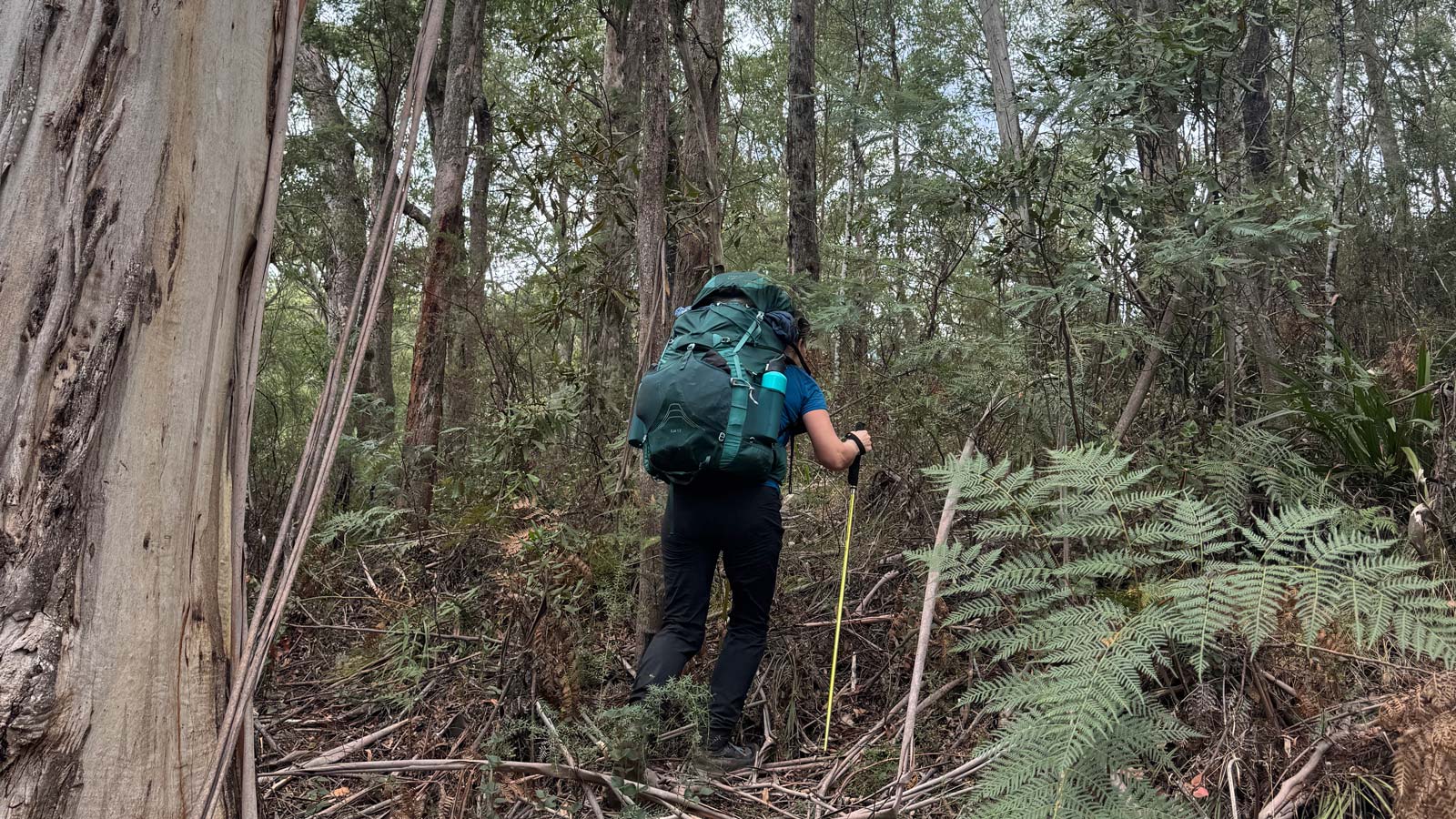
The same-same effect in Australian bush
Read more →Why the repetitive, feature-poor Australian bush makes it easy to drift off track without noticing, and how that drift turns into genuine disorientation.

When the risk is the point
Read more →Why some risky decisions on trail aren’t drift or fatigue but deliberate choices, driven by anticipated social approval rather than risk itself.
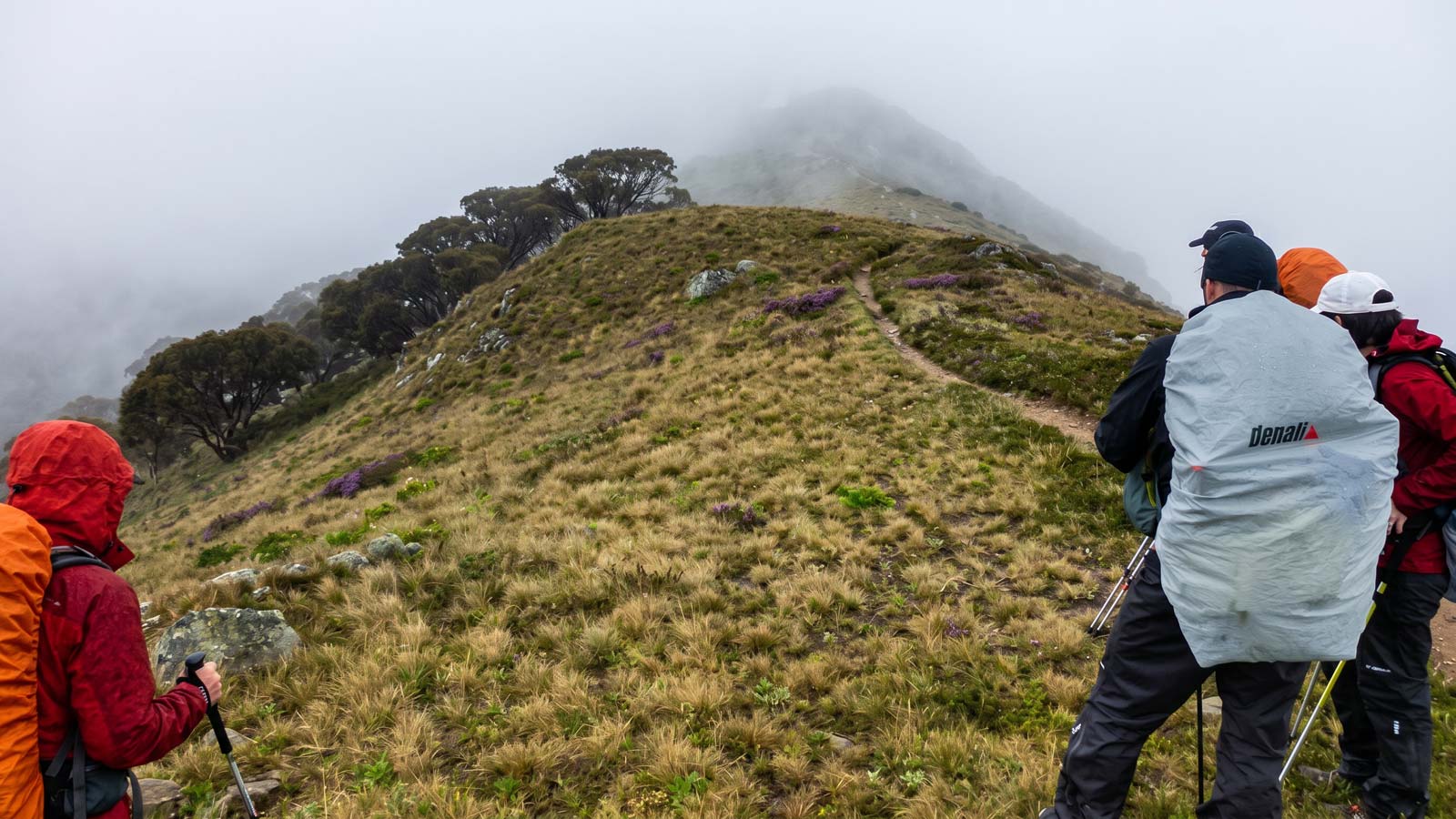
Load creep on the trail
Read more →Looks at how small, individually reasonable additions to pack weight accumulate and quietly reshape fatigue, awareness and decisions on the trail.
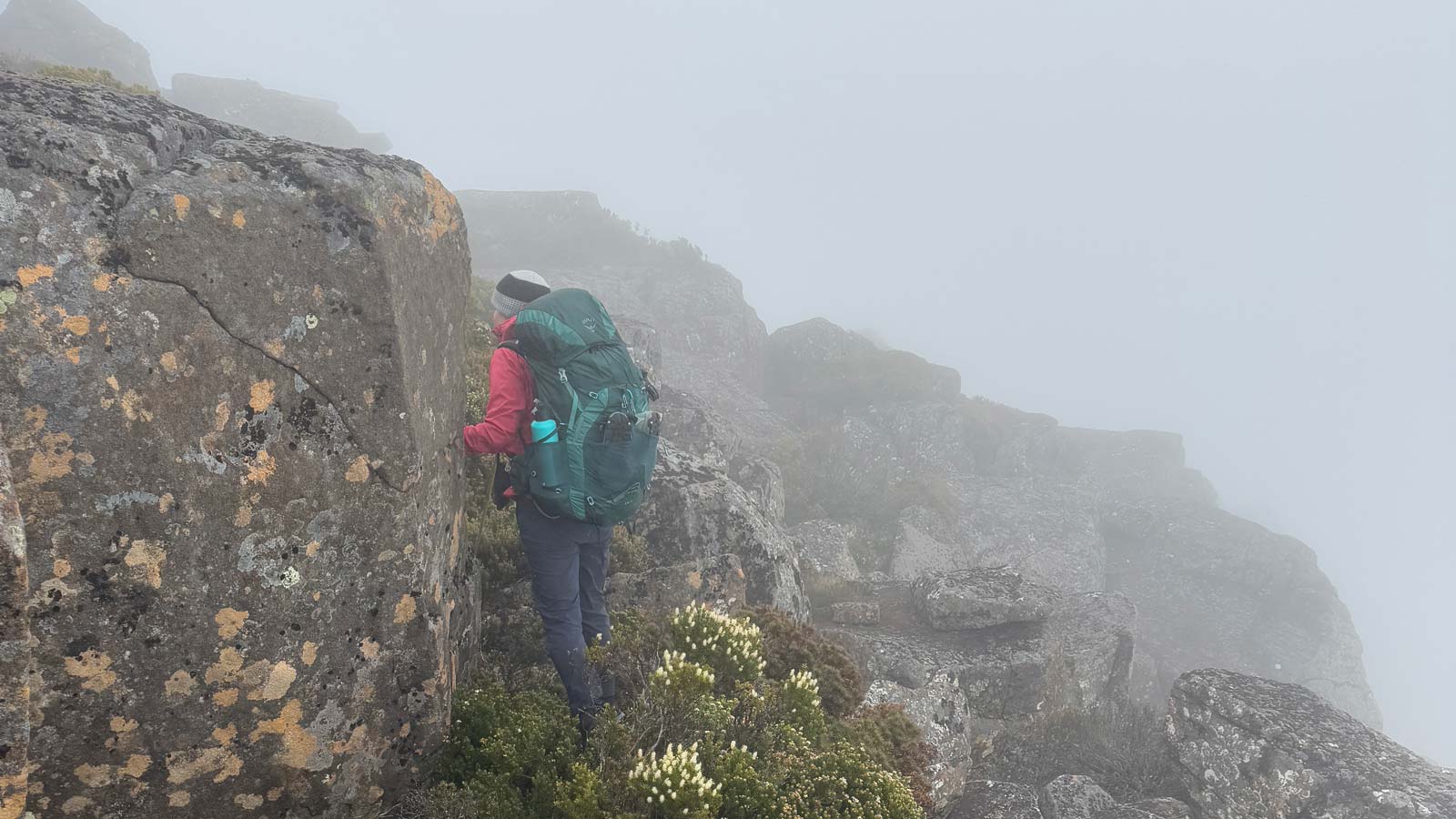
Entrapment vs exposure when hiking
Read more →Explains why terrain, not weather alone, determines whether hikers keep options open or become trapped as conditions deteriorate.
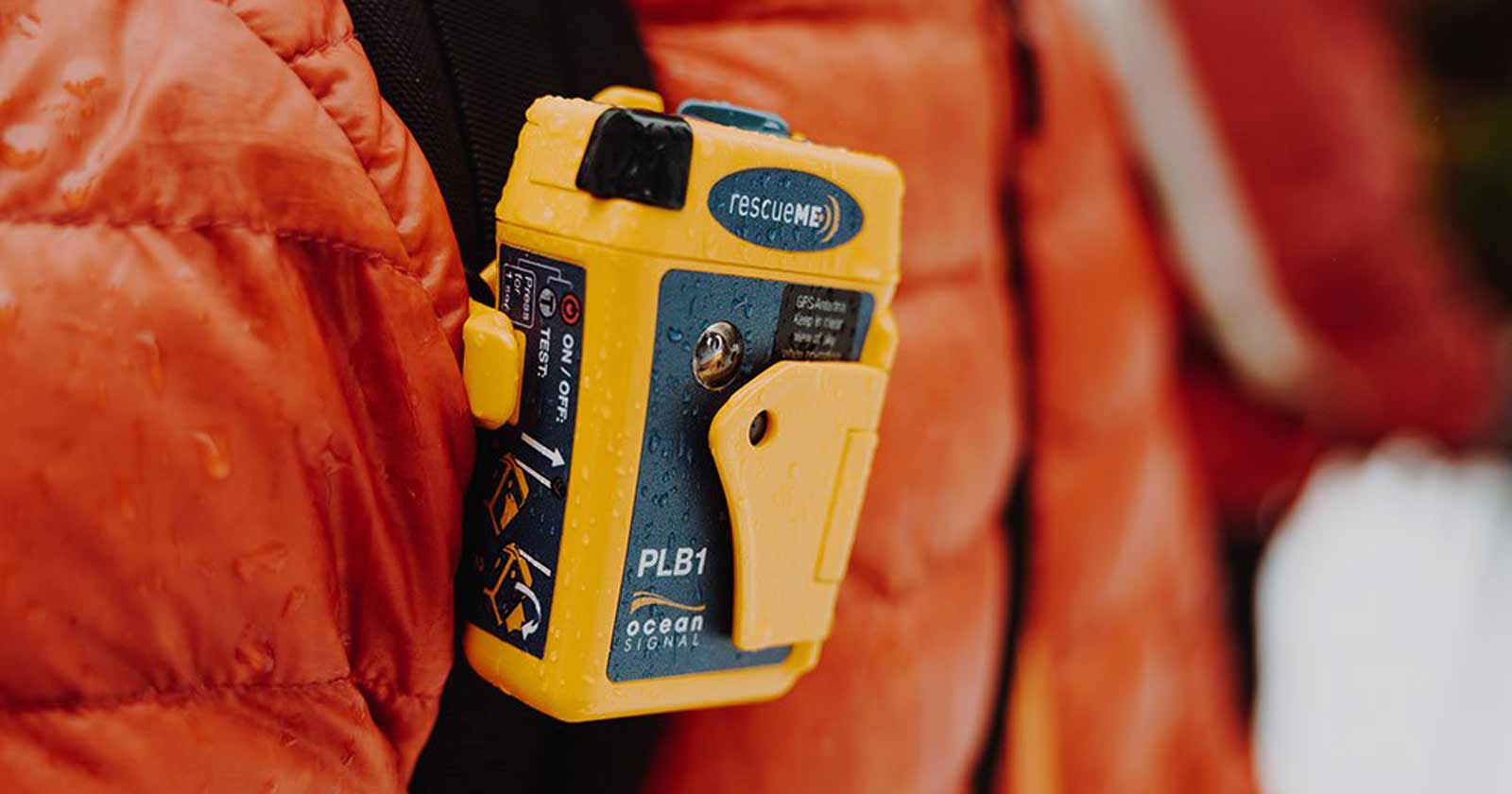
The myth of the emergency beacon as a safety plan
Read more →Explains why an emergency beacon is a last-resort safeguard, not a substitute for navigation, water management and sound decision-making.
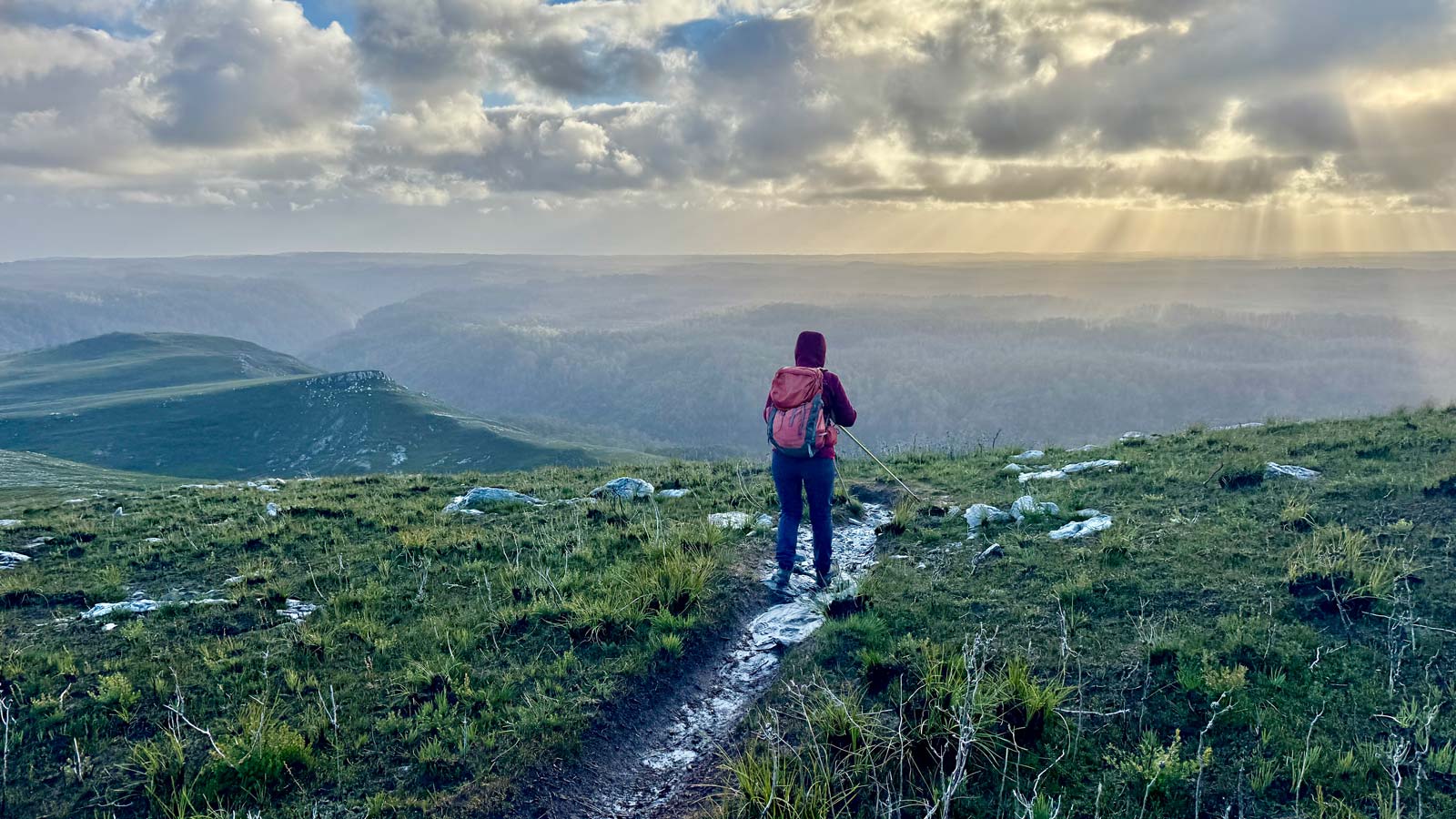
The Gap Between the Plan and the Country
Read more →Looks at how sound, ordinary hiking decisions can quietly drift from reality, and why preparedness depends on honest self-assessment, not just gear.
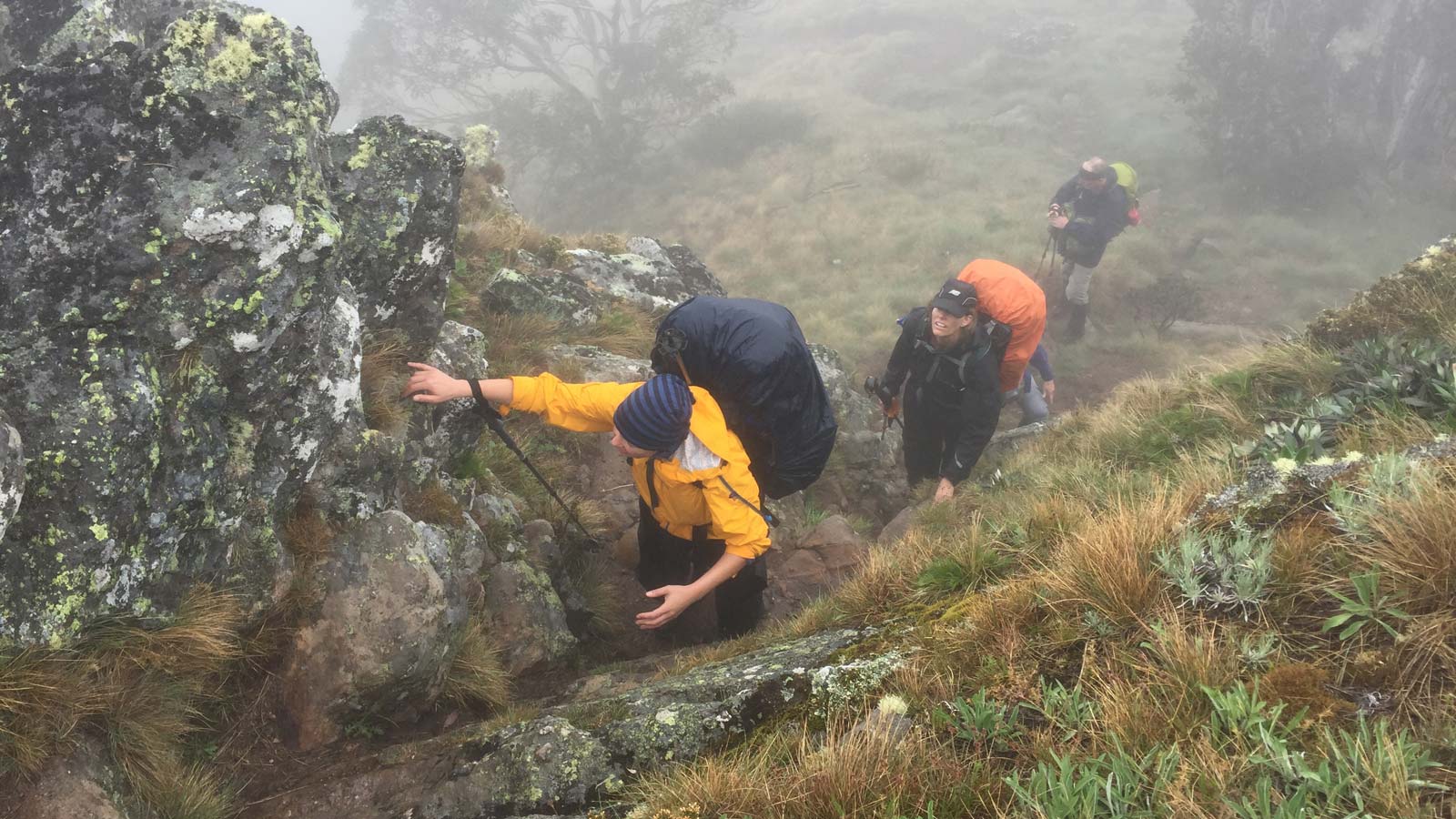
When “we’ll just push on” becomes the critical error
Read more →Why ‘we’ll just push on’ late in a hike is rarely reckless, and how momentum, sunk cost and optimism quietly shape that decision.
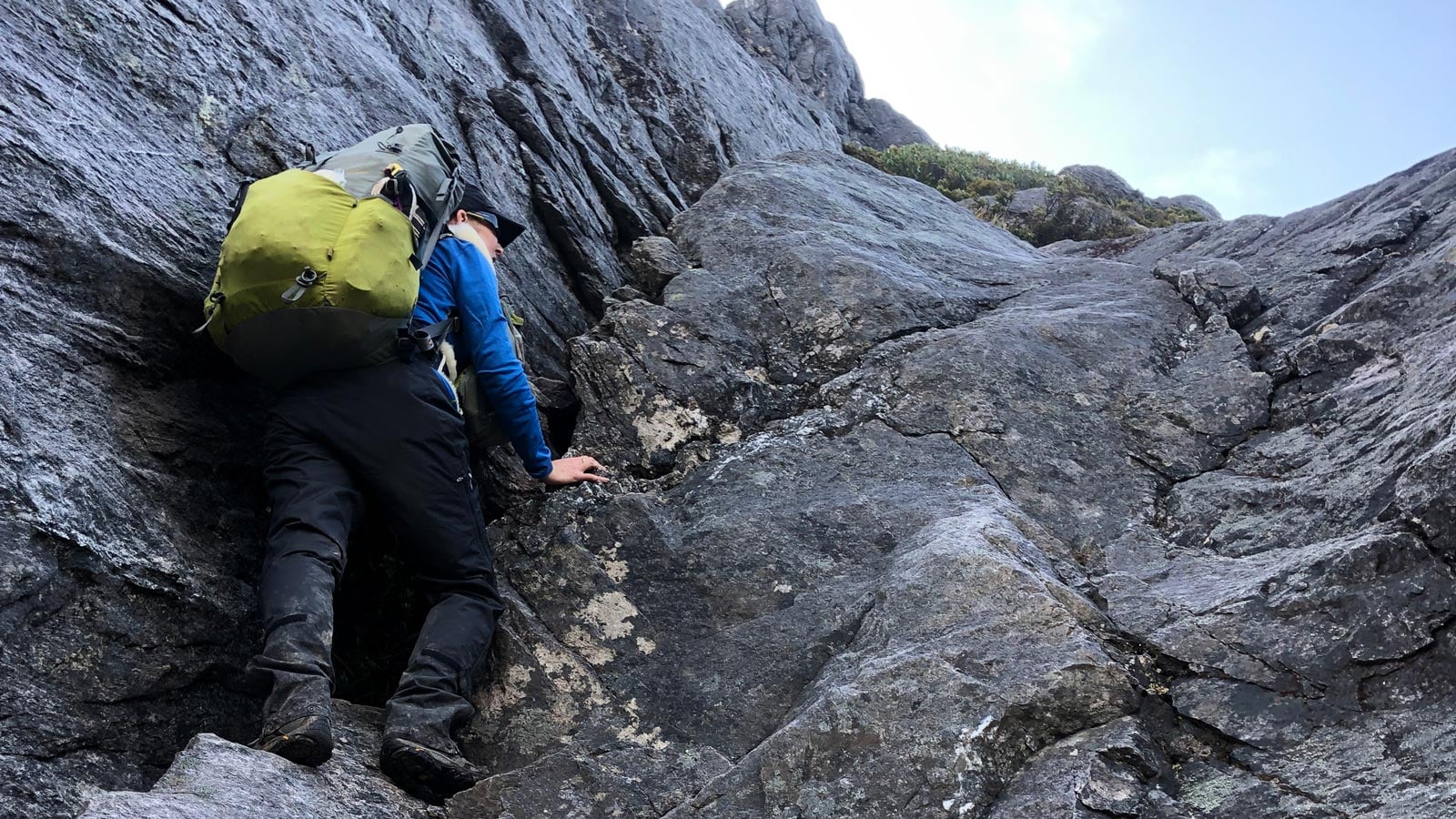
When the Marketing Doesn’t Match the Mountain
Read more →Why tourism marketing that hides the difficulty of serious wilderness walks, like Tasmania’s Western Arthurs, puts under-prepared visitors at real risk.
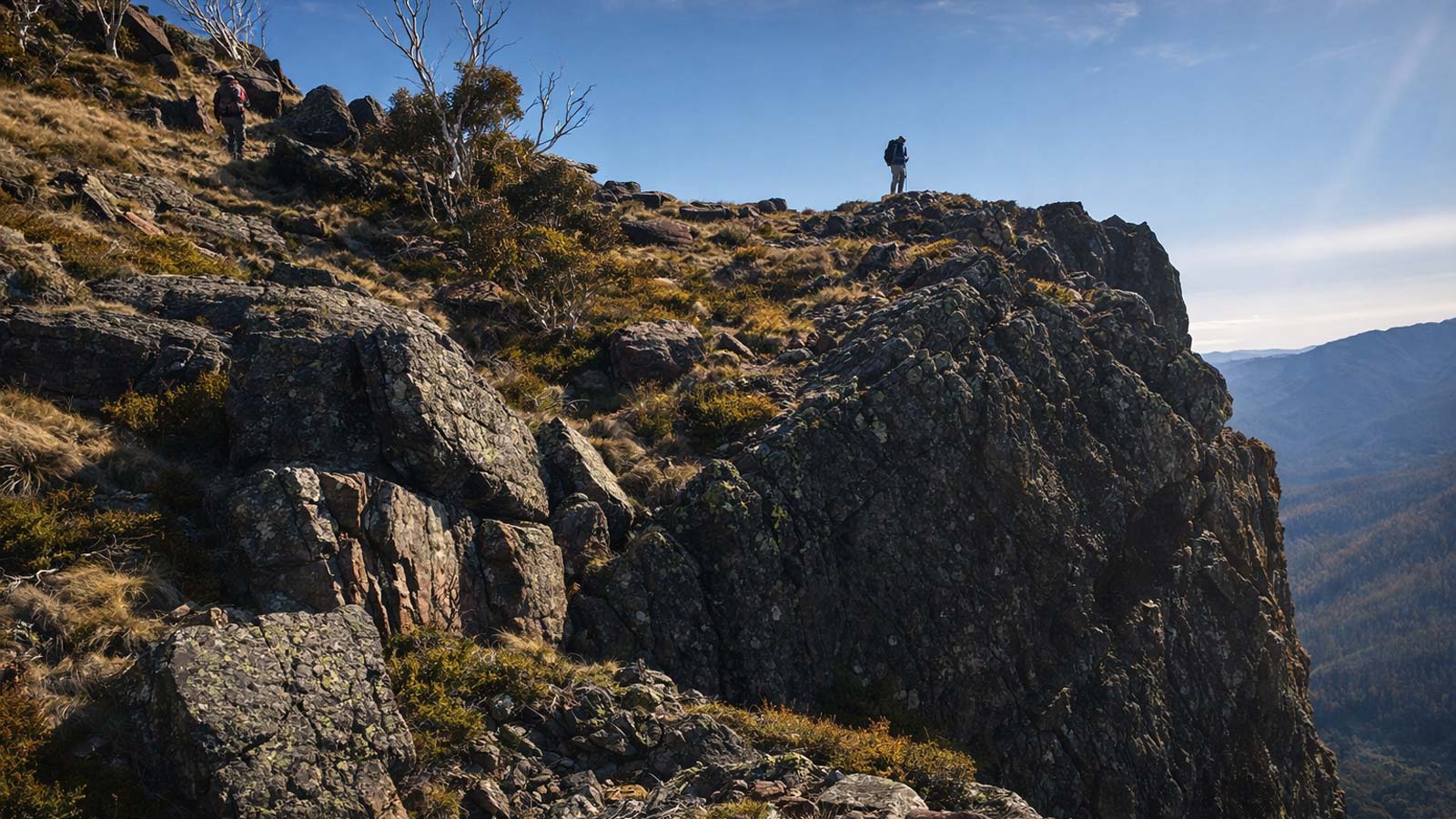
The slow drift toward trouble
Read more →Most hiking incidents aren’t one bad decision. This essay explains how small, reasonable choices gradually erode a day’s safety margin.
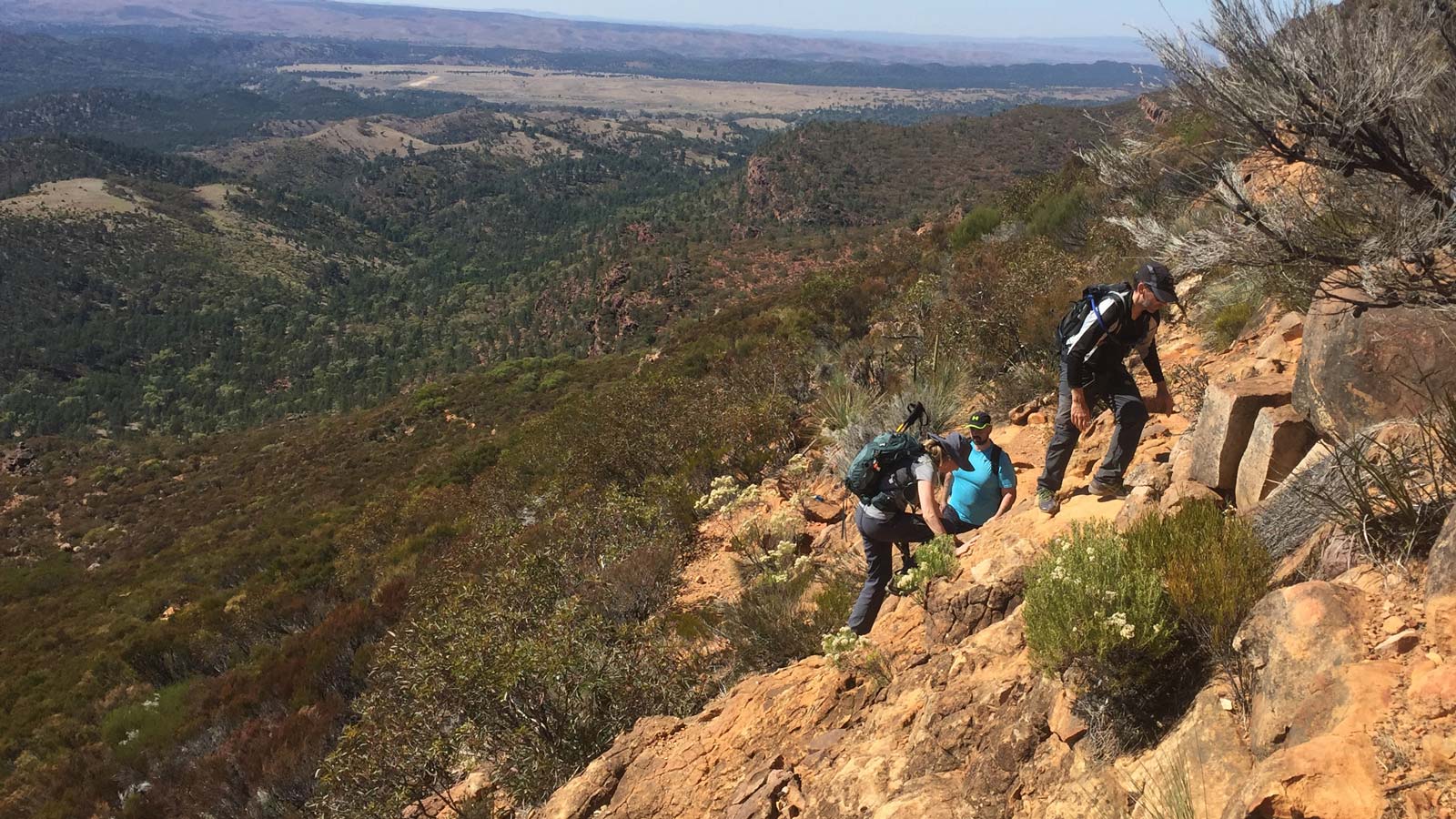
The difference between being prepared and being robust
Read more →Explores why robust plans, not just well-prepared ones, are what actually hold up when hiking conditions drift from what was expected.
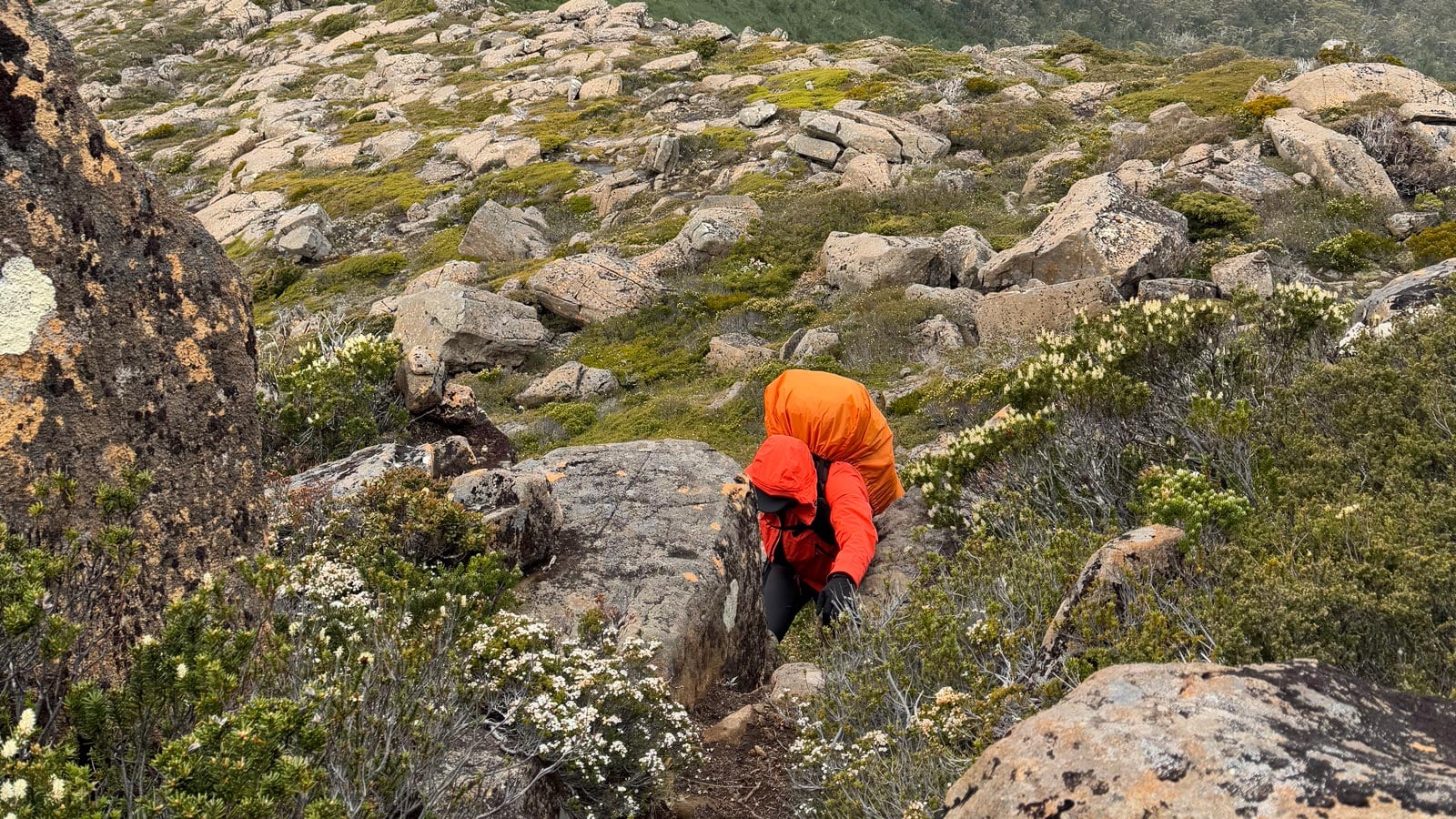
Fatigue changes more than your pace
Read more →Looks at how fatigue narrows judgement and decision-making on the trail, not just physical pace, and why that narrowing is easy to miss.
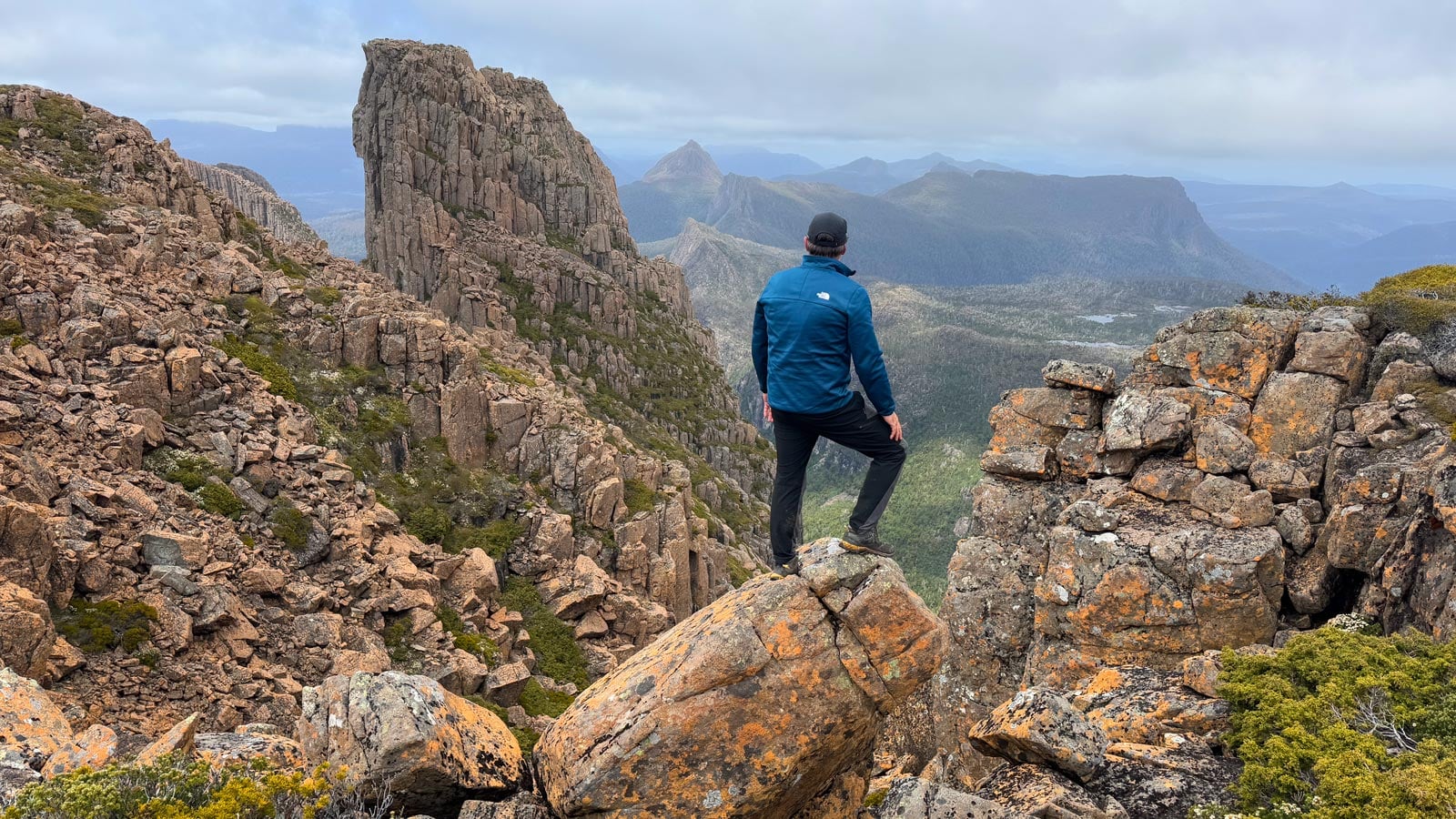
When Wilderness Becomes a Product to Consume
Read more →A reflection on why commercial lodges inside national parks quietly change what wilderness means, and why restraint can be its own form of stewardship.
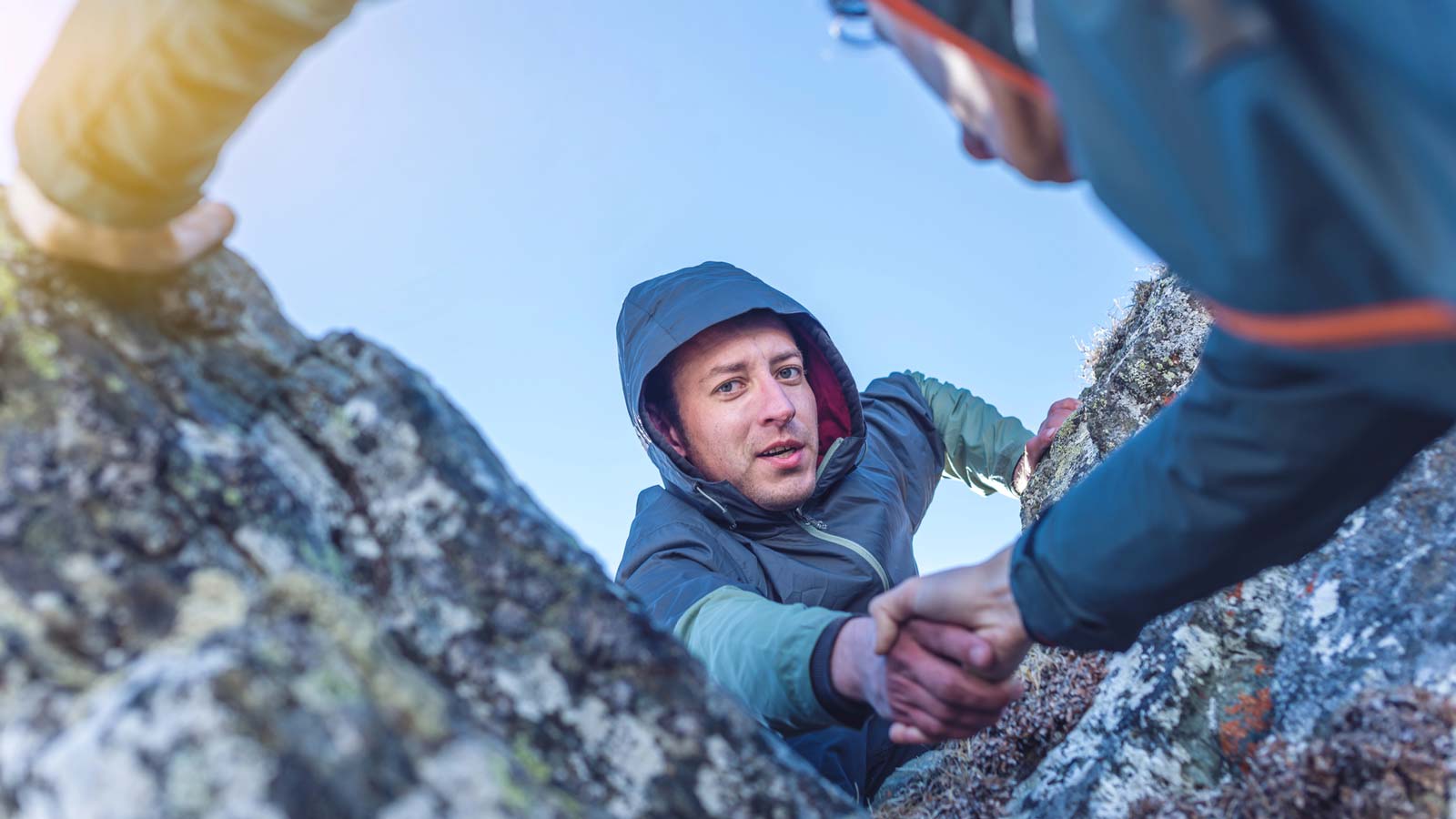
Why good hikers still make dangerous decisions
Read more →Why competent, well-prepared hikers still get into trouble, and how fatigue, dehydration and shrinking daylight interact to shift decisions.
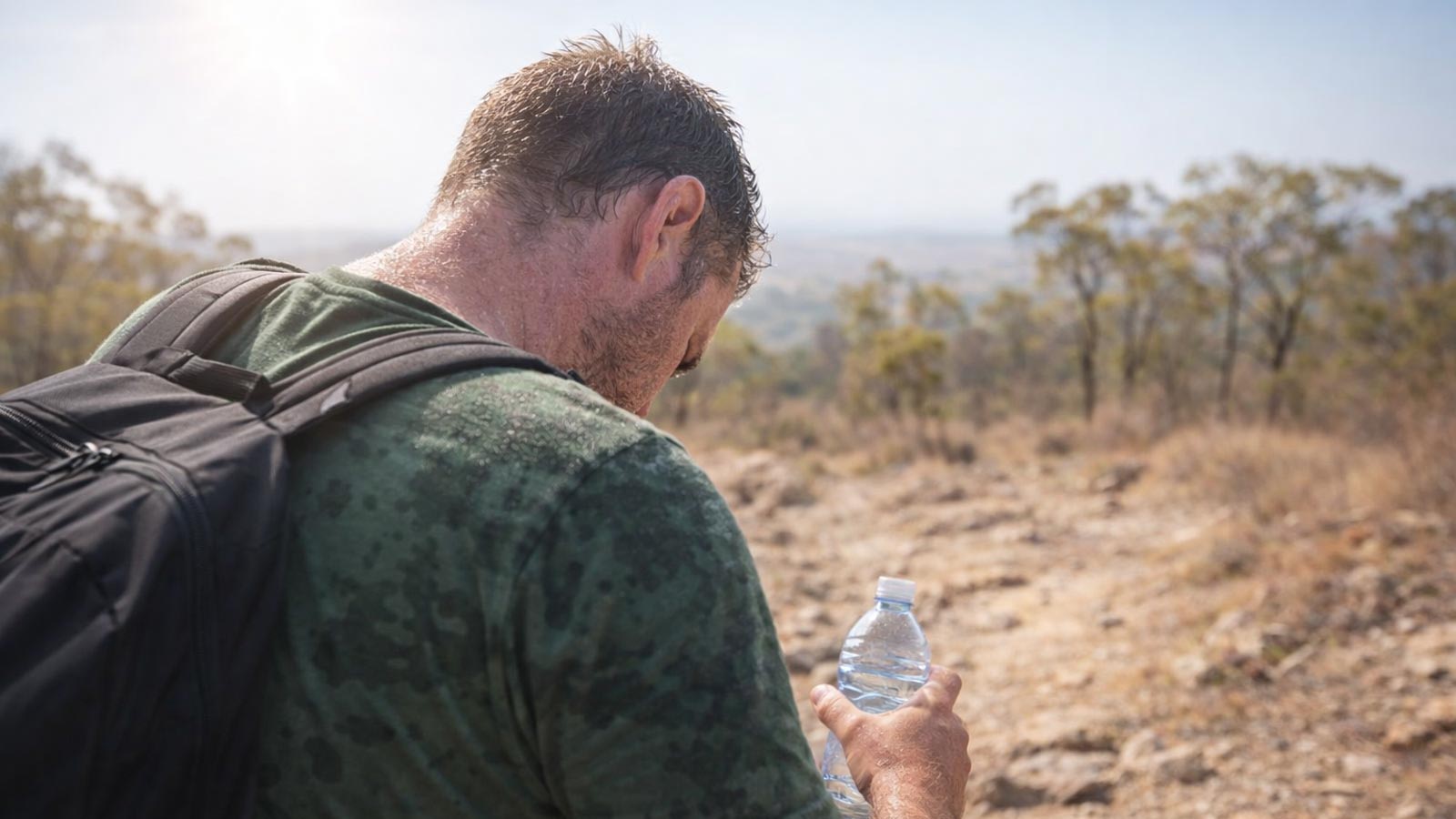
Heat is not just a comfort issue
Read more →Explains how heat gradually reshapes pace, hydration and judgement on hot-weather hikes, often well before it registers as a genuine risk.
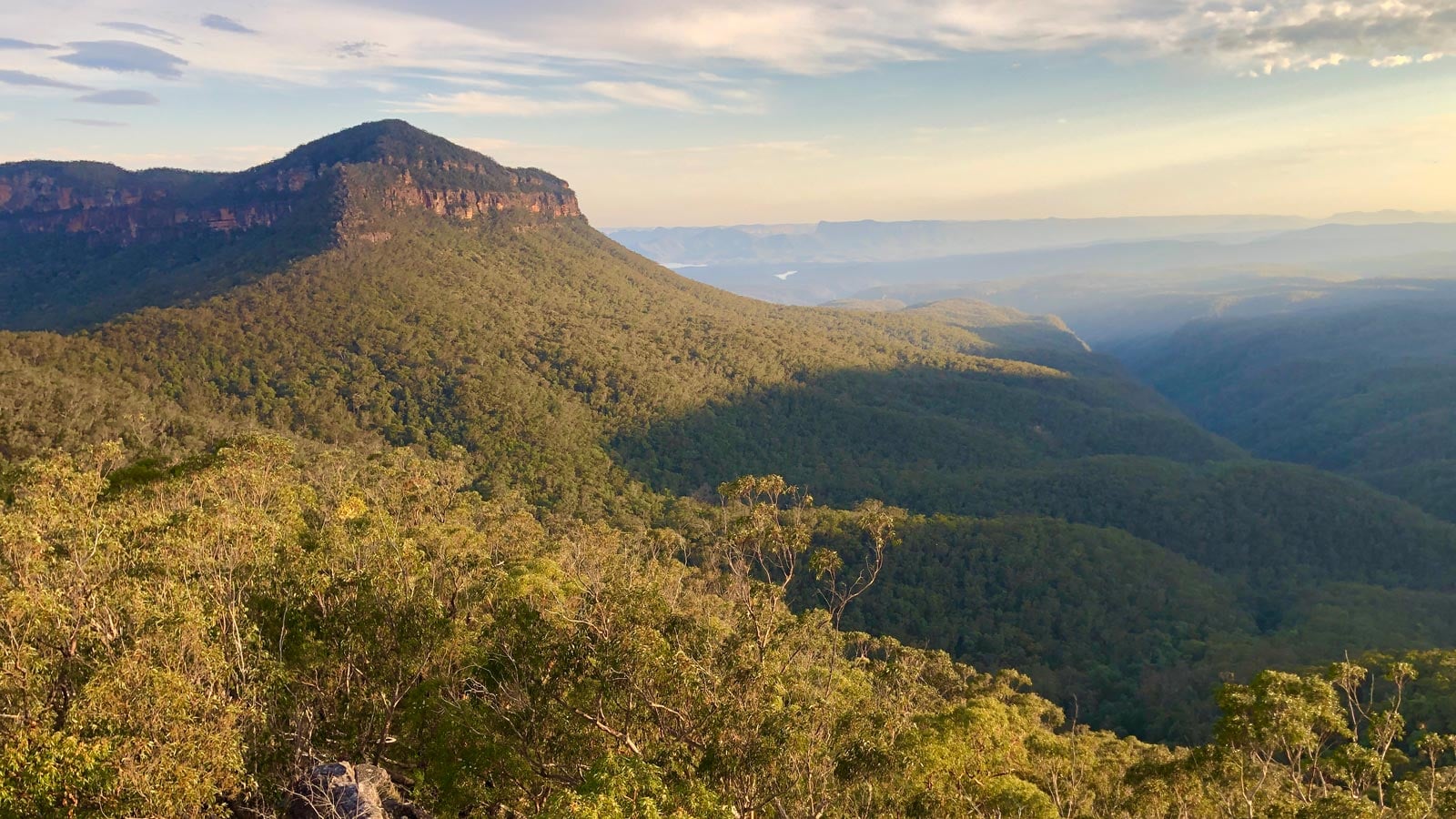
Beyond the Photo: How visibility reshapes responsibility
Read more →How social media visibility at places like Lincoln’s Rock and Wedding Cake Rock quietly shifts personal risk assessment onto land managers and infrastructure.
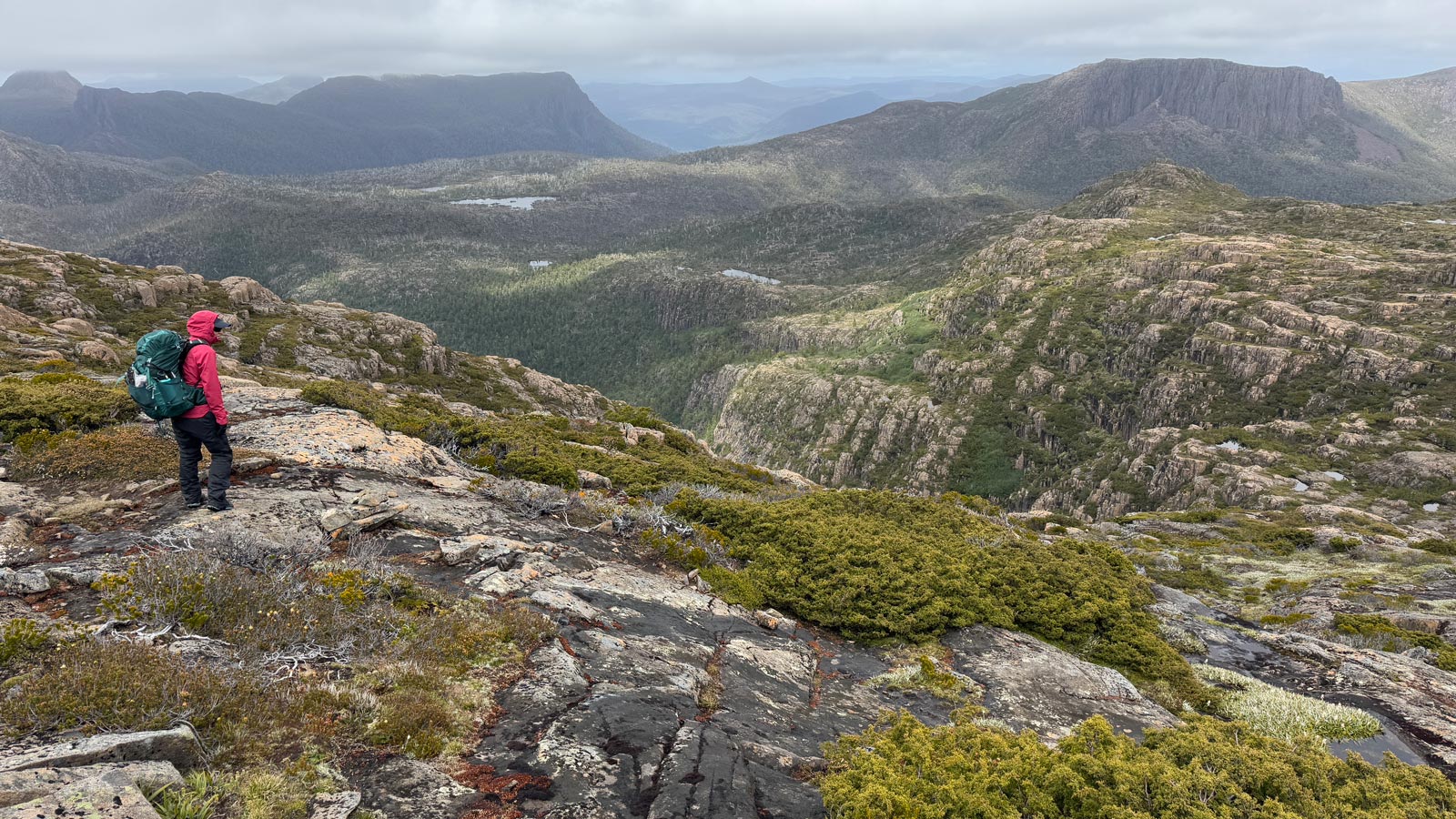
Respect: the often unspoken rule of the outdoors
Read more →Why respect, not rules, is what separates careless outdoor behaviour from responsible hiking, and what happens when we outsource that responsibility.
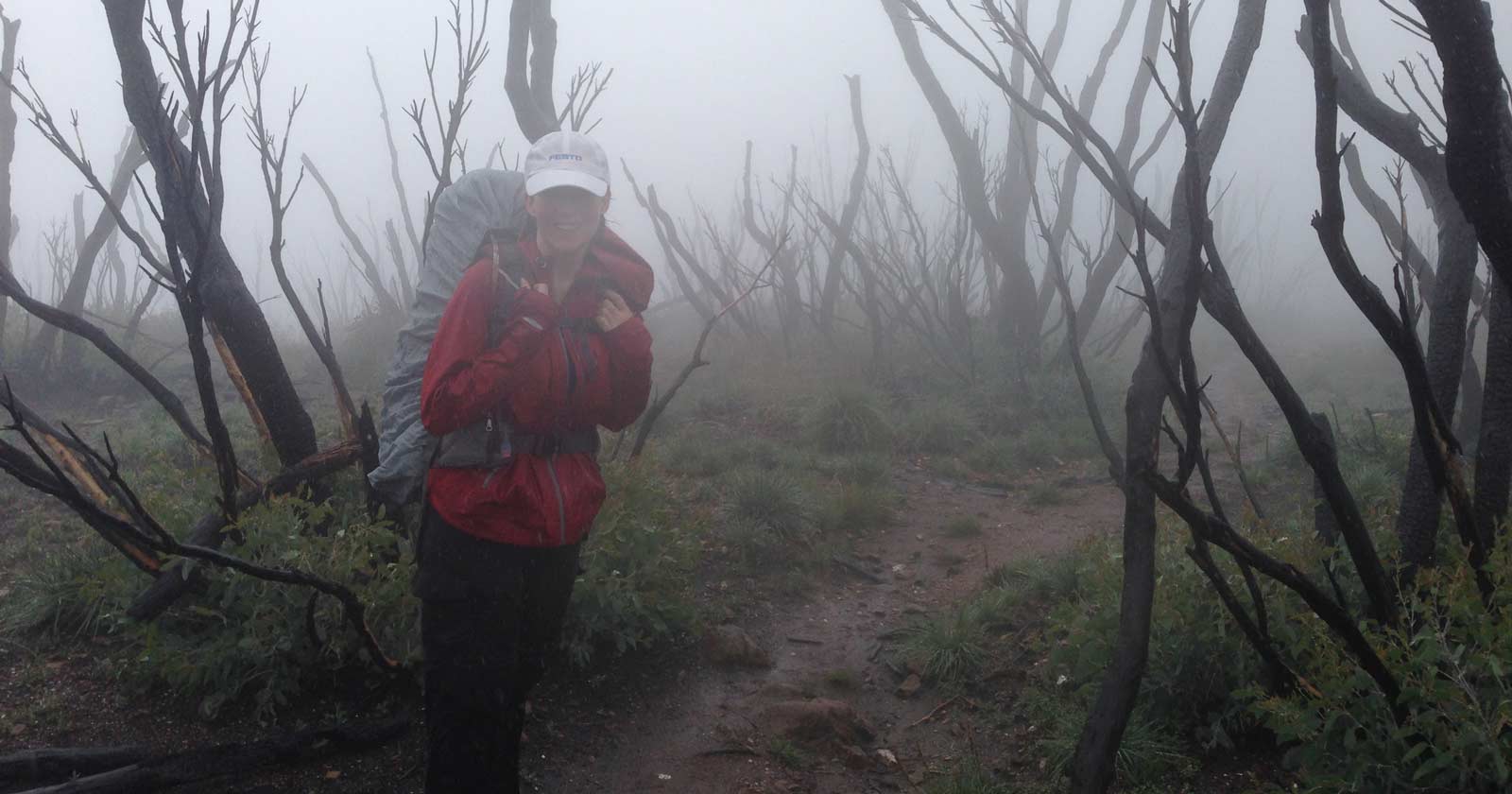
The Uneven Trail: Women, Fear, and Freedom
Read more →Why fear and vigilance shape women’s experience of solo hiking in Australia, and what the statistics, real accounts and everyday adaptations reveal.
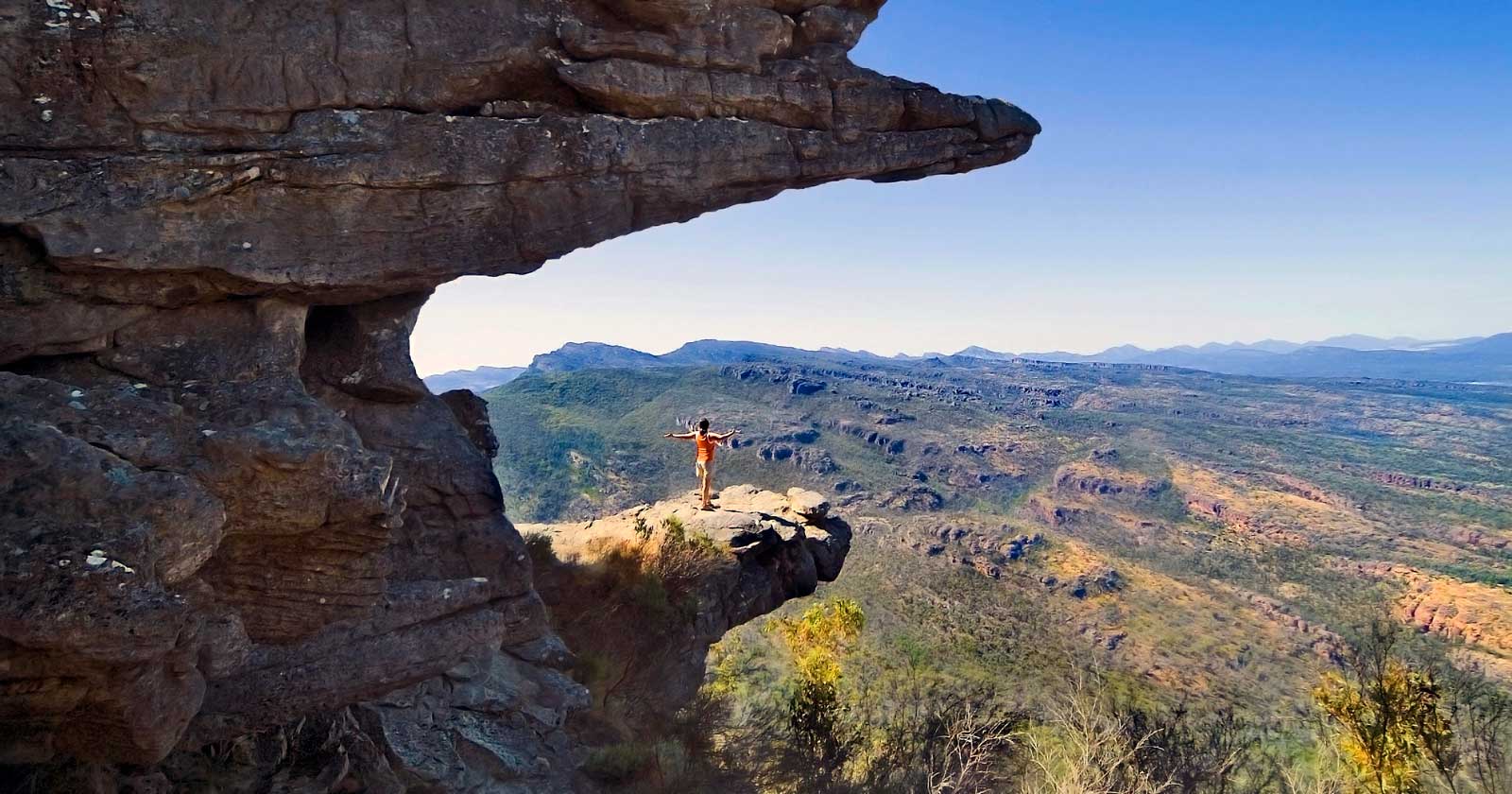
The Psychology Behind Risky Hiking Decisions
Read more →Why hikers take on trails beyond their ability: optimism bias, FOMO, Dunning-Kruger and social media, and how these biases build on each other.

Think Before You Geotag Your Hikes
Read more →How geotagging and social sharing have changed visitation to Australian trails, and what Leave No Trace’s updated guidance says about sharing responsibly.


