On most hiking trips, nothing about the plan seems risky to begin with. The forecast looks reasonable, the route looks manageable on the map, and the track’s popular enough that it feels familiar even if you’ve never actually walked it. At the trailhead, confidence is usually high. Packs get adjusted, boots get tightened, the first few kilometres pass easily, and the plan feels sound. Most difficult situations in the outdoors don’t start with a reckless decision. They start with a plan that looked entirely reasonable that morning. The difficulty shows up later, once conditions have drifted from what was actually expected.
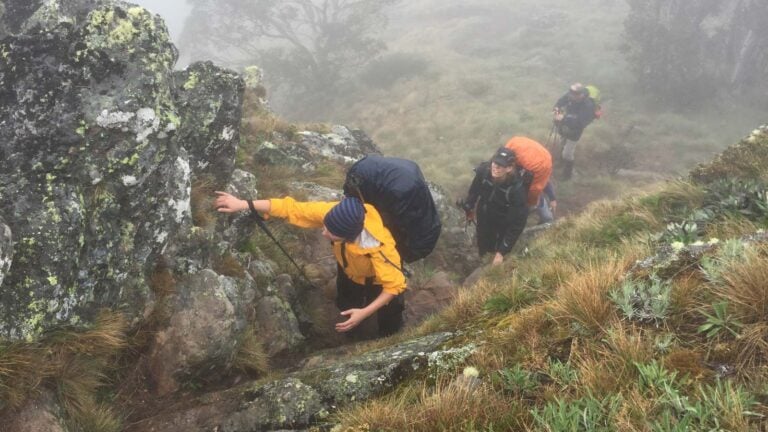
When people hear about a hiking accident or rescue, the natural assumption is that someone must have made an obviously poor call. In reality it’s usually far more subtle than that. Hikers rarely set out intending to take a real risk. The day just gradually gets more complex: progress runs slower than expected, the terrain turns out steeper than the map suggested, water gets used faster than planned, the weather starts to shift. None of these feel dramatic on their own, and each adjustment feels perfectly reasonable in the moment. Together, though, they start changing how the situation gets read and how decisions get made.
Some of that is straightforwardly psychological. People naturally assume that if others have completed a hike, they can too, and social media reinforces that by showing trails through curated moments of success rather than the physical strain, navigation difficulty and shifting weather that rarely make it into a photo. There’s also a genuine pull toward finishing what was started. Once real time, effort and emotion have gone into reaching a summit or completing a route, turning back can feel like failure even when it’s clearly the better call. None of that makes anyone reckless. It’s simply how human judgement tends to work under those conditions.
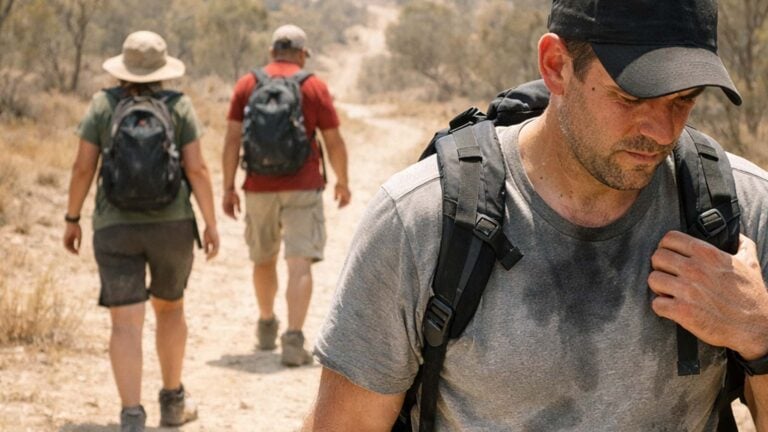
Decisions in the outdoors are rarely shaped by psychology alone though. They’re shaped by how human factors interact with the actual environment. Fatigue gradually affects how clearly people think. Dehydration impairs concentration and raises irritability. As time passes, daylight shrinks and the pressure to keep making progress builds. These things start interacting with each other directly: a slower pace increases time exposed to the weather, longer exposure builds fatigue faster, fatigue makes navigation mistakes more likely, and small navigation errors create further delays. Each change looks manageable on its own, but together they change the entire situation decisions are actually being made inside of. A call that seemed perfectly reasonable at the trailhead can look very different several hours later, once fatigue, weather and navigation uncertainty have all been added into the mix.
In a lot of search and rescue reports, the underlying pattern isn’t one dramatic mistake. It’s a gradual drift between the conditions a trip was planned for and the conditions that actually turned up.
Part of what makes this hard to catch is that the early stages rarely feel urgent. A slower pace just seems like a minor delay. A change in the weather looks temporary. A missed turn only adds a short detour. Because the shift is gradual, hikers tend to keep adjusting the plan rather than stepping back to look at the bigger picture. Turning around early in the day can feel unnecessary. Turning around later gets progressively harder once fatigue and distance from the trailhead have built up. The original plan quietly loses its grip on what’s actually happening, but the momentum of the trip keeps pushing everyone forward anyway, and by the time the situation looks obviously serious, the remaining options are often already limited.
This pattern is one of the reasons I developed the Hiking Safety Systems Framework. Outdoor safety often gets discussed as if incidents happen because someone made a single poor decision. In practice, most incidents come from several factors interacting at once, environmental exposure, hydration and energy, navigation uncertainty, equipment reliability, communication capability, all affecting the actual margin of safety over the course of a trip. Human judgement sits at the centre of all of it. When several of these start degrading together, assessing risk clearly gets genuinely harder. Fatigue reduces concentration, changing conditions add uncertainty, and time pressure starts shaping choices whether anyone’s noticed it happening or not.
The issue is rarely a lack of intelligence or good intent. It’s the ordinary way human decision-making responds to a changing environment. Risky hiking decisions rarely start out reckless. More often they build slowly, as fatigue, environmental conditions and human judgement drift further and further from the assumptions the original plan was actually built on.
This essay is part of the Human Factors in Hiking series, exploring behaviour, awareness and decision-making on the trail. Explore the series →