Heading out on an overnight or multi-day hike means carrying food and cookware, but it also means taking responsibility for how you clean up afterwards. While it can be tempting to rely on soap or large volumes of water, these approaches can damage fragile environments if used carelessly.
With a little planning, it is possible to clean cookware effectively on the trail while minimising water use and environmental impact. The goal is simple: remove food residue, avoid contaminating waterways, and leave no lasting trace of your camp.
Leave No Trace as your starting point
All trail cleaning practices should follow the principles of Leave No Trace. This includes managing wastewater responsibly and keeping all cleaning activities well away from natural water sources.
As a general rule, clean cookware and dispose of strained wash water at least 100 metres from rivers, creeks, lakes, or soaks, and further away where conditions allow. That figure is deliberately conservative: it is this site’s own recommendation rather than an implied universal standard, but the extra margin costs little and further reduces the risk of contaminating water that other people rely on downstream. Pack out all food scraps and cleaning materials, and never tip wastewater directly onto vegetation or into waterways. When collecting water from natural sources, use a dedicated clean container so food residue does not contaminate the waterway.
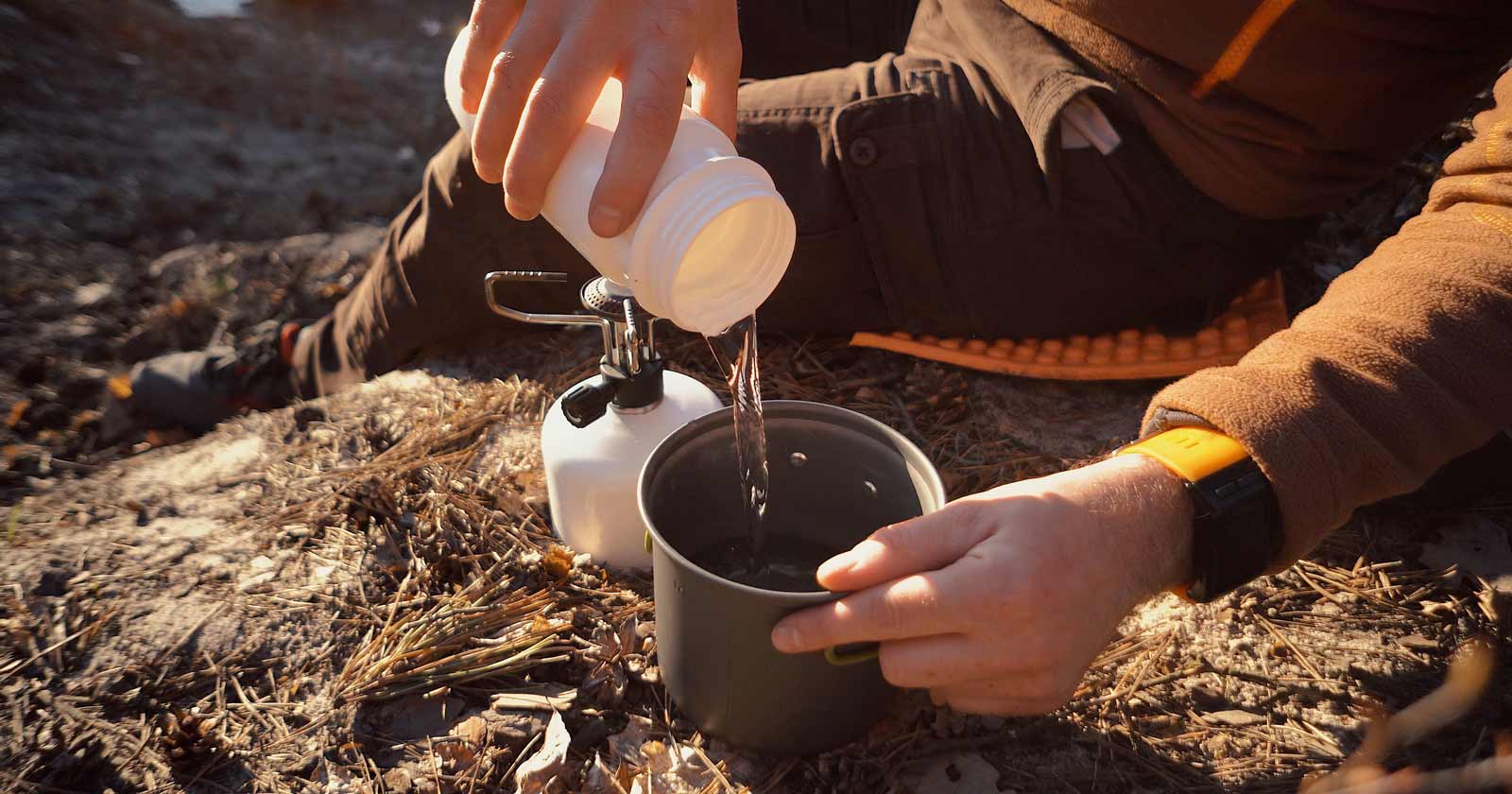
Collecting water in a separate clean container
Low-impact methods for cleaning cookware
Over the years, I have relied on a small set of simple, low-impact methods to clean cookware on the trail. These approaches minimise water use and avoid introducing unnecessary substances into the environment.
Biodegradable soap (used sparingly):
While I generally avoid introducing any cleaning agents into the bush, some hikers choose to carry a small amount of biodegradable soap designed for outdoor use. If you do, use only a drop, scrub lightly, and rinse well away from water sources. Soap should never be used directly in creeks or lakes, regardless of how it is labelled.
Sand scrubbing:
This is one of the most effective and reliable methods available. Fine, clean sand works well for removing stuck-on food without chemicals. Collect sand away from water sources, scrub gently, and scatter the used sand broadly so it does not accumulate in one spot.
Dirt scrubbing:
Fine dirt can also be used in place of sand, but it requires more care. Dirt may contain organic matter or bacteria and should be sourced thoughtfully. If you choose this method:
- Use clean, dry dirt well away from campsites, vegetation, and water
- Scrub gently to avoid damaging cookware
- Rinse cookware thoroughly with clean water
- Disperse used dirt thinly in a low-impact area
Boiling water:
Boiling water can loosen light residue and is useful when food has not fully burned on. Simmer water in the pot and gently scrape softened food. Once cooled, dispose of the water responsibly away from vegetation and waterways.
Reusable cloths or sponges:
Lightweight microfiber cloths or small dish towels are versatile, reusable, and easy to pack. Rinse them away from water sources and allow them to dry fully before storage. In a pinch, a bandanna can be used for light cleaning, though it is less hygienic for greasy cookware.
Scraping tools:
A dedicated lightweight scraper is ideal, but the back of a spoon or utensil can be used carefully to remove food residue. Avoid scratching non-stick or thin metal surfaces.
Sunlight and air drying:
Sunlight alone is not a reliable disinfectant, but thorough drying does help limit bacterial growth. Prioritise physical cleaning first, then allow cookware and utensils to dry completely before packing.
Natural scrubbers:
Using leaves, sticks, or other natural materials may seem low-impact, but it can still disturb the environment. Purpose-built or already collected materials are preferable and align better with Leave No Trace practices.
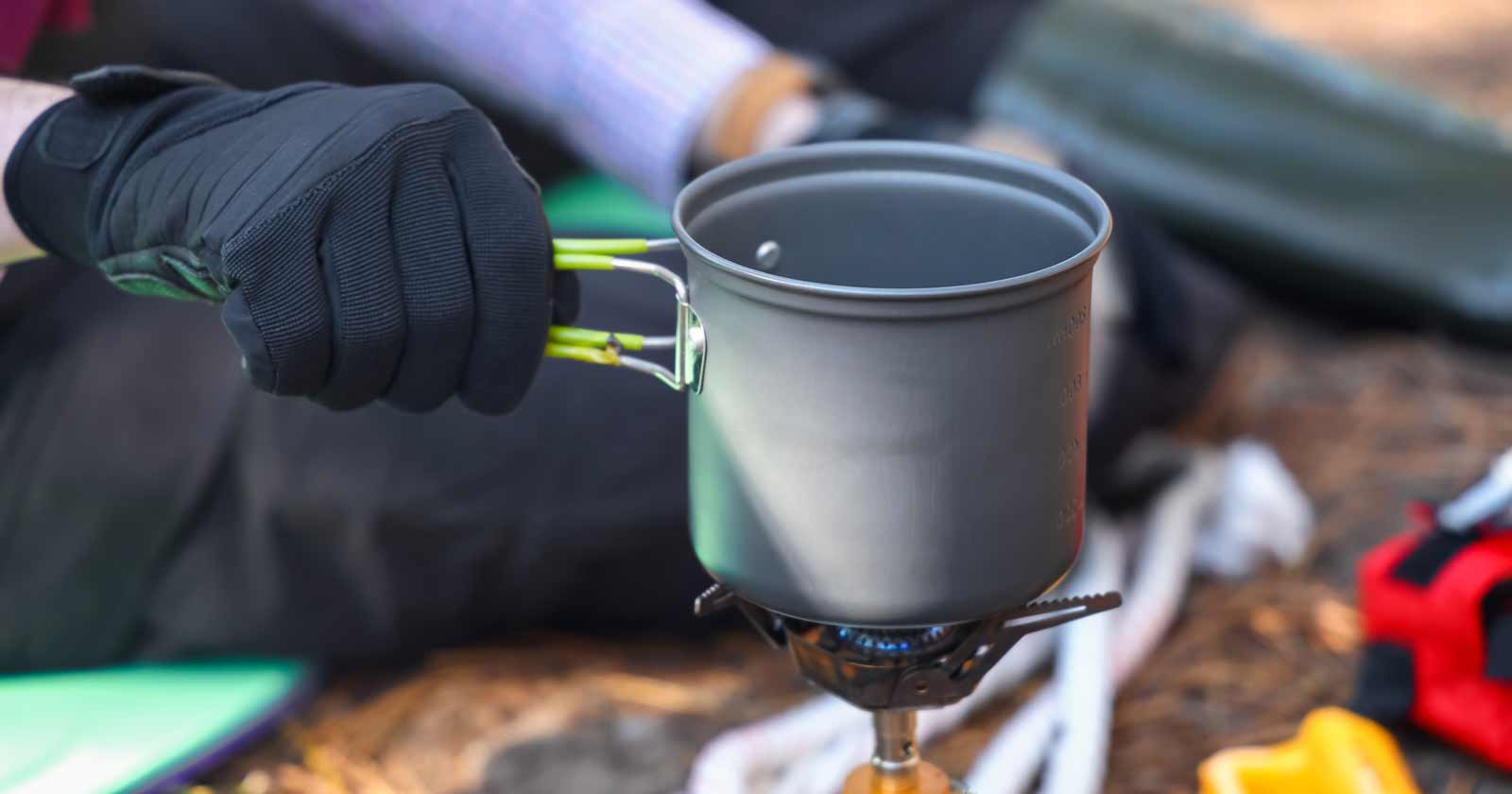
Season your cookware to create a natural non-stick surface
Additional tips for easier cleaning
- Season your cookware: A light seasoning with natural oils such as coconut or flaxseed creates a non-stick surface and reduces cleaning effort.
- Choose suitable cookware: Non-porous materials like titanium or hard-anodised aluminium are lightweight and easier to clean with minimal water.
- Prevent mess where possible: Use containers and thoughtful meal planning to limit food residue.
- Minimise water use: Clean efficiently using the smallest amount of water required.
- Pack with intention: Carry only the cleaning items you genuinely need.
- Leave no trace: Pack out all waste and leave campsites as you found them.
Cleaning cookware responsibly is a small task, but it is one worth doing properly. Stick to low-impact methods, keep your wash water well away from creeks, lakes and soaks, and pack out what you do not use. Do that consistently and the places you camp and cook in stay in the same condition you found them in.




More great tips 👏👏👏
Lick it clean
What’s your go-to method for keeping your cooking gear clean while camping? Do you have any tips for minimising impact on the environment?
I warm some water…grab a tuft or two of long grass and give the pots and plate a scrub. Works for me and environment friendly too
Nick Wright I’ve also used sand or dirt to clean mine. Julie has not been overly thrilled with that. Grass sounds a bit more tasteful.