Victoria’s highest peaks
Victoria’s high country holds a genuine range of mountains, each with its own challenges and its own reasons to climb it, whatever level hiker you are. The Victorian Alps are the state’s main bushwalking destination, home to Victoria’s highest mountain, Mount Bogong, along with other notable peaks including Mount Feathertop, Mt Hotham, Mt Buffalo, Mt Cope, and Mt Baw Baw.
Hike or run across the mountains and hills, valleys and high plains of the High Country, with views in every direction. With an extensive network of tracks and trails around Victoria’s highest peaks, you can choose an adventure that suits your time and fitness level, from short walks and challenging runs to multi-day hikes.
The 10 highest peaks
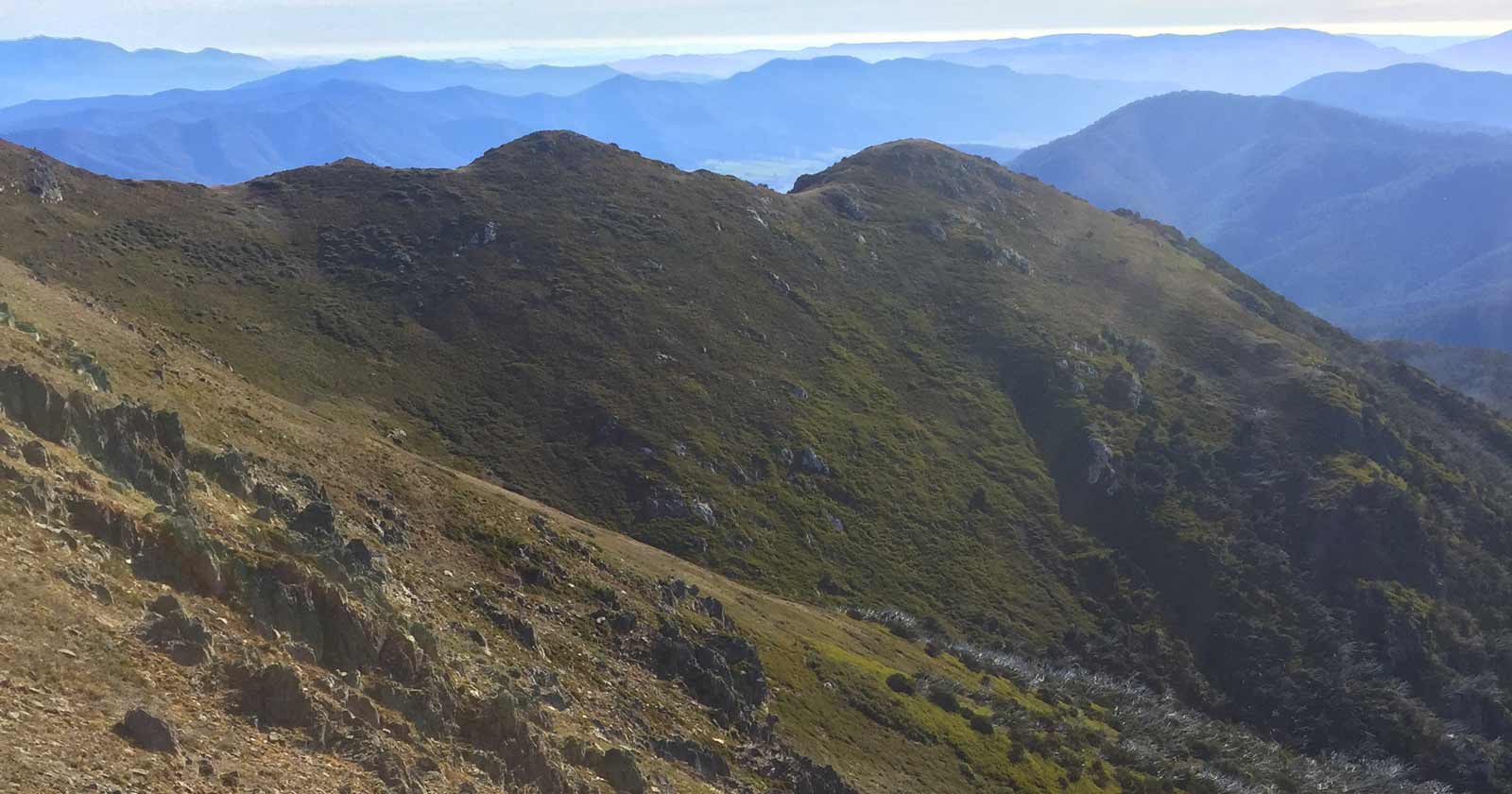
1. Mount Bogong (1,986m)
Standing at 1,986 metres (6,516 ft), Mount Bogong is the highest mountain in Victoria. Part of the Alpine National Park and the Victorian Alps, it’s one of the most prominent points on the Great Dividing Range.
The Big River carves a path between Mount Bogong and the Bogong High Plains to the south. Compared to the nearby town of Mount Beauty, the mountain rises about 1,600 metres (5,200 ft) in elevation, which makes it as notable for its dramatic rise from the valley floor as for its height above sea level.
Camping is a popular option below the treeline, but the summit ridgeline is fully exposed, so be aware of that before you commit to it. Emergency shelters are available at Bivouac Hut, Cleve Cole, and Michell’s Hut if conditions turn on you.
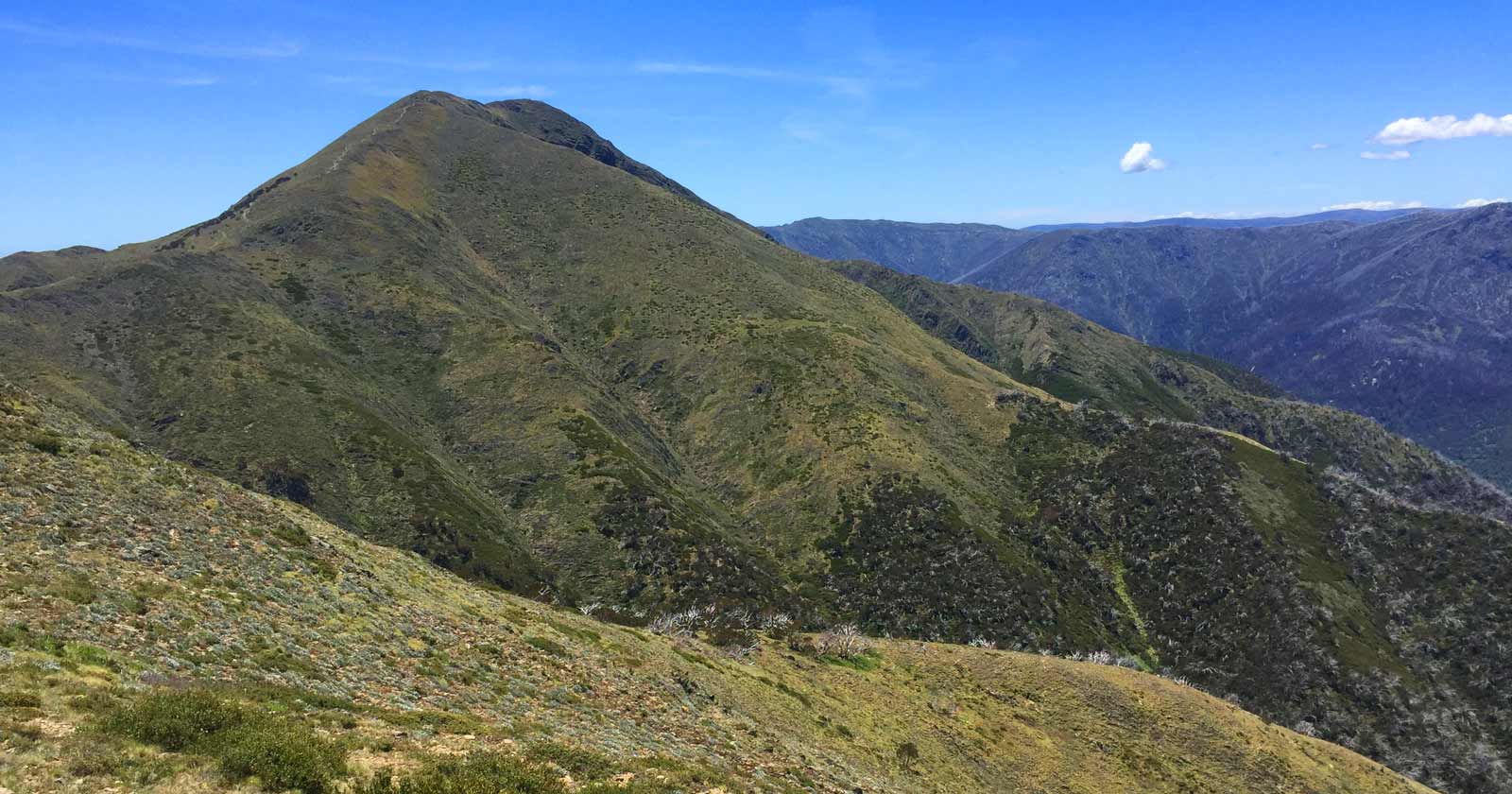
2. Mount Feathertop (1,922m)
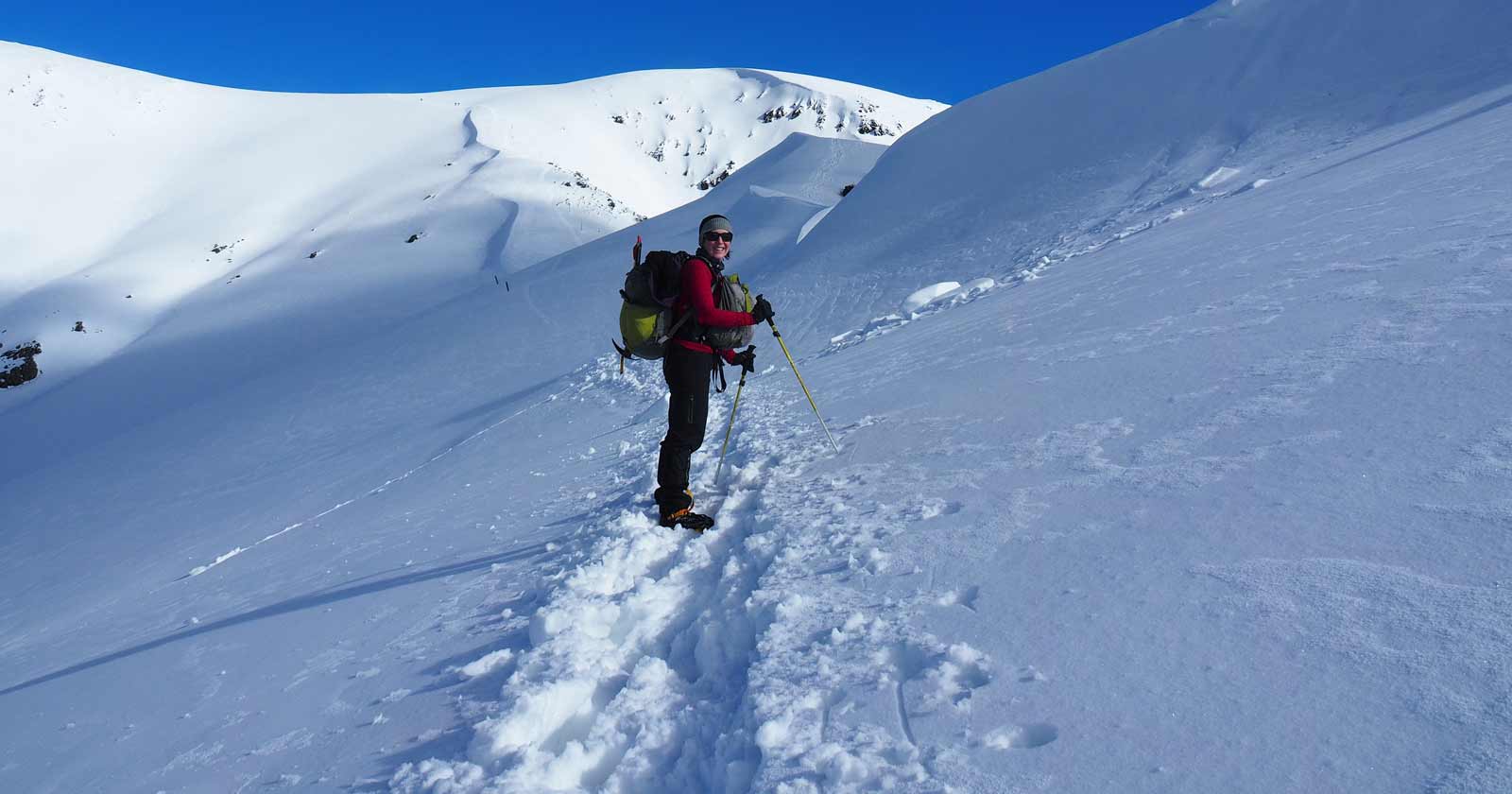
Victoria’s second-highest mountain, Mount Feathertop, sits within the Alpine National Park at 1,922 metres and typically carries snow from June to September. Unlike its rounded neighbours, Feathertop has steep summit slopes that hold snow well into spring, which is where the “feathers” in its name comes from.
Its proximity to Mount Hotham makes it popular with backcountry skiers, but it has a genuinely dangerous side. An enormous, treacherous snow cornice forms on the summit ridge during winter and spring, and it has been responsible for several fatalities. The slopes can also turn dangerously icy, which is a real risk for skiers and hikers alike.
Despite that, Feathertop’s demanding routes and its views over the surrounding alps keep drawing experienced hikers back.
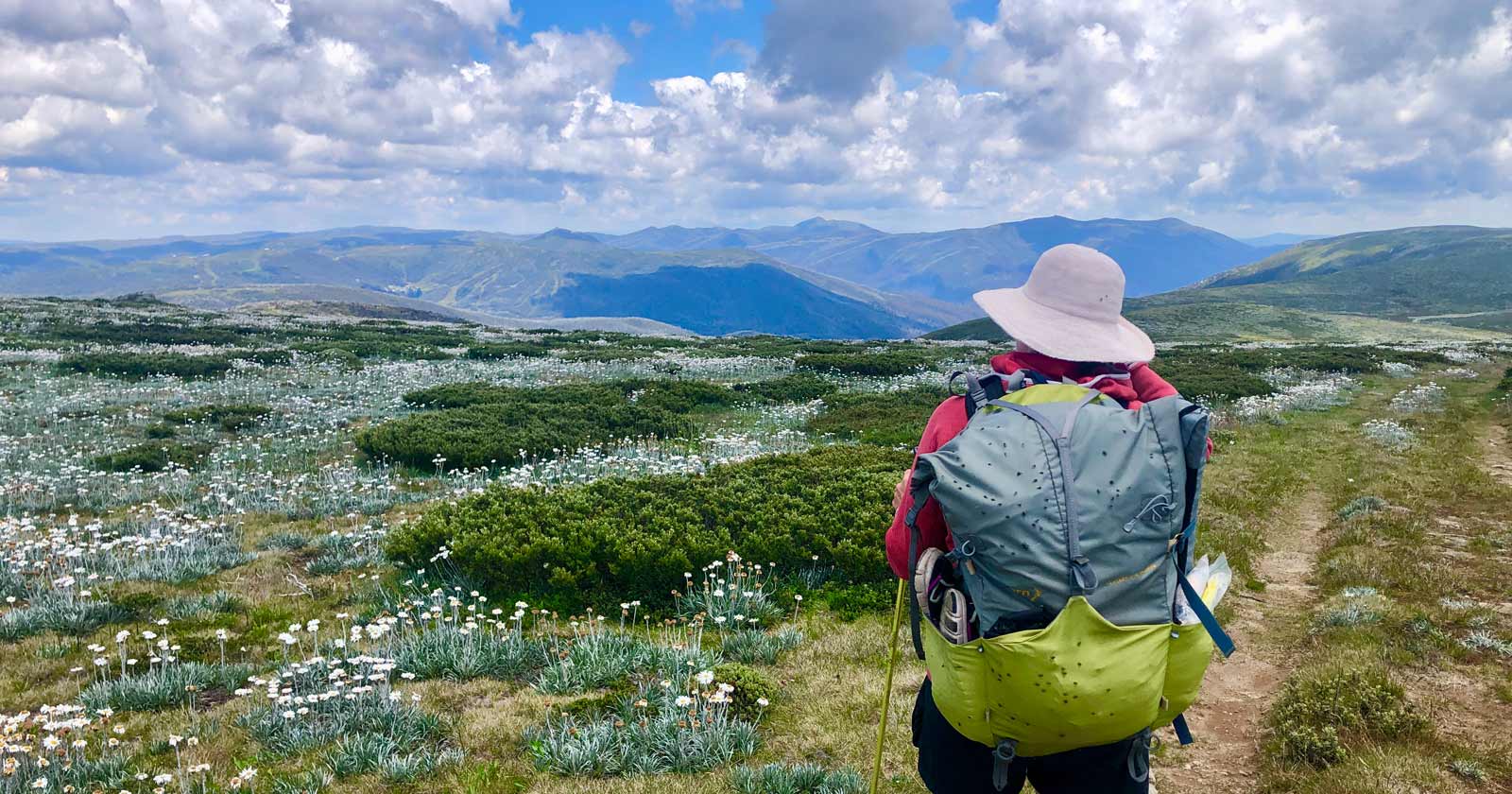
3. Mount Nelse West (1,891m)
Less well known than the previous two peaks, but still a genuine climb. Mount Nelse West sits within the Bogong High Plains area of the Alpine National Park in northeastern Victoria, part of the wider Australian Alps that span Victoria, New South Wales, and the Australian Capital Territory. From the summit, the alpine landscape stretches out to the neighbouring peaks, valleys, and wilderness areas of the high plains.
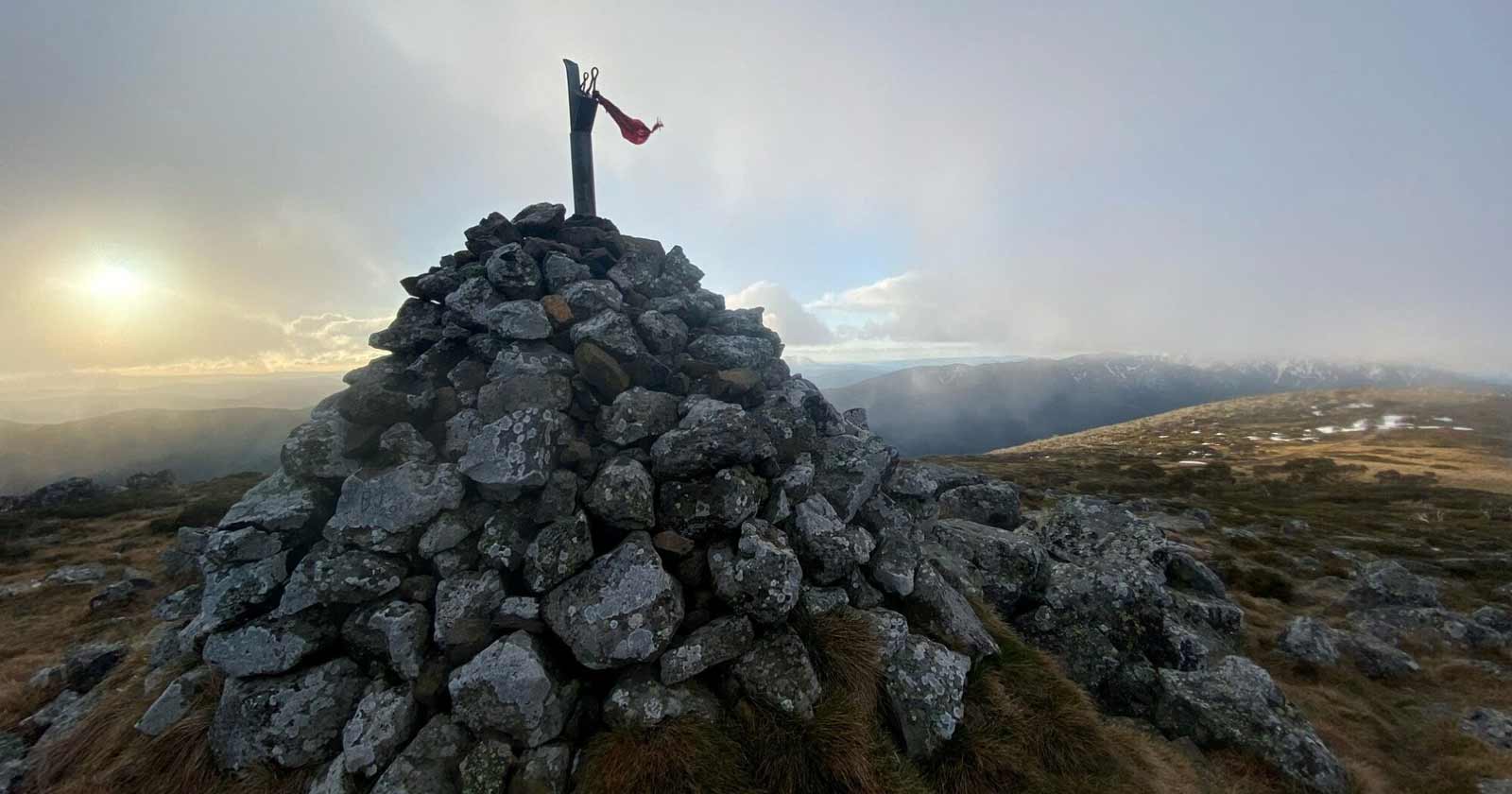
4. Mount Loch (1,887m)
Mount Loch sits within the Alpine National Park, close to the well-known Mount Hotham ski resort area. It’s a challenging hike, and one made better in spring, when wildflower displays cover the approach.
On clear days, the summit takes in alpine meadows, rugged peaks, and dense forest stretching across the high country. Access to Mount Loch and its trails depends on weather conditions and seasonal closures. The mountain is reached by car via the Great Alpine Road, with parking at various trailheads, so it’s worth checking with local park authorities or visitor centres before you plan a visit.
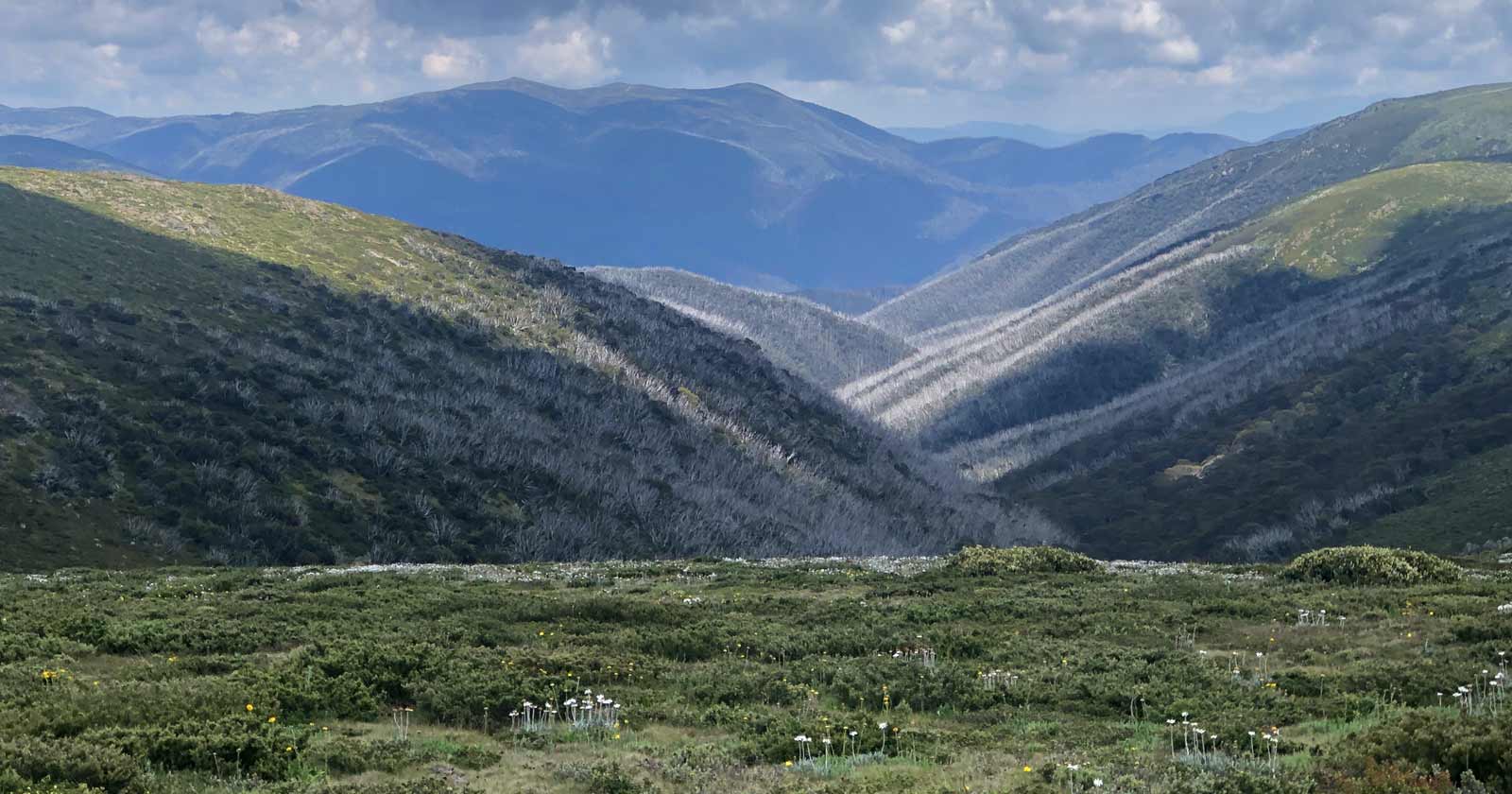
5. Mount Nelse North (1,885m)
Mount Nelse North sits near the Bogong High Plains and the popular ski resort area of Falls Creek. During winter, the surrounding area turns into a hub for snow sports, with Falls Creek offering downhill skiing, snowboarding, cross-country skiing, and snowshoeing.
From the summit, clear days reveal distant mountain ranges and deep valleys across the high country, making it a worthwhile stop for anyone already up on the plains.
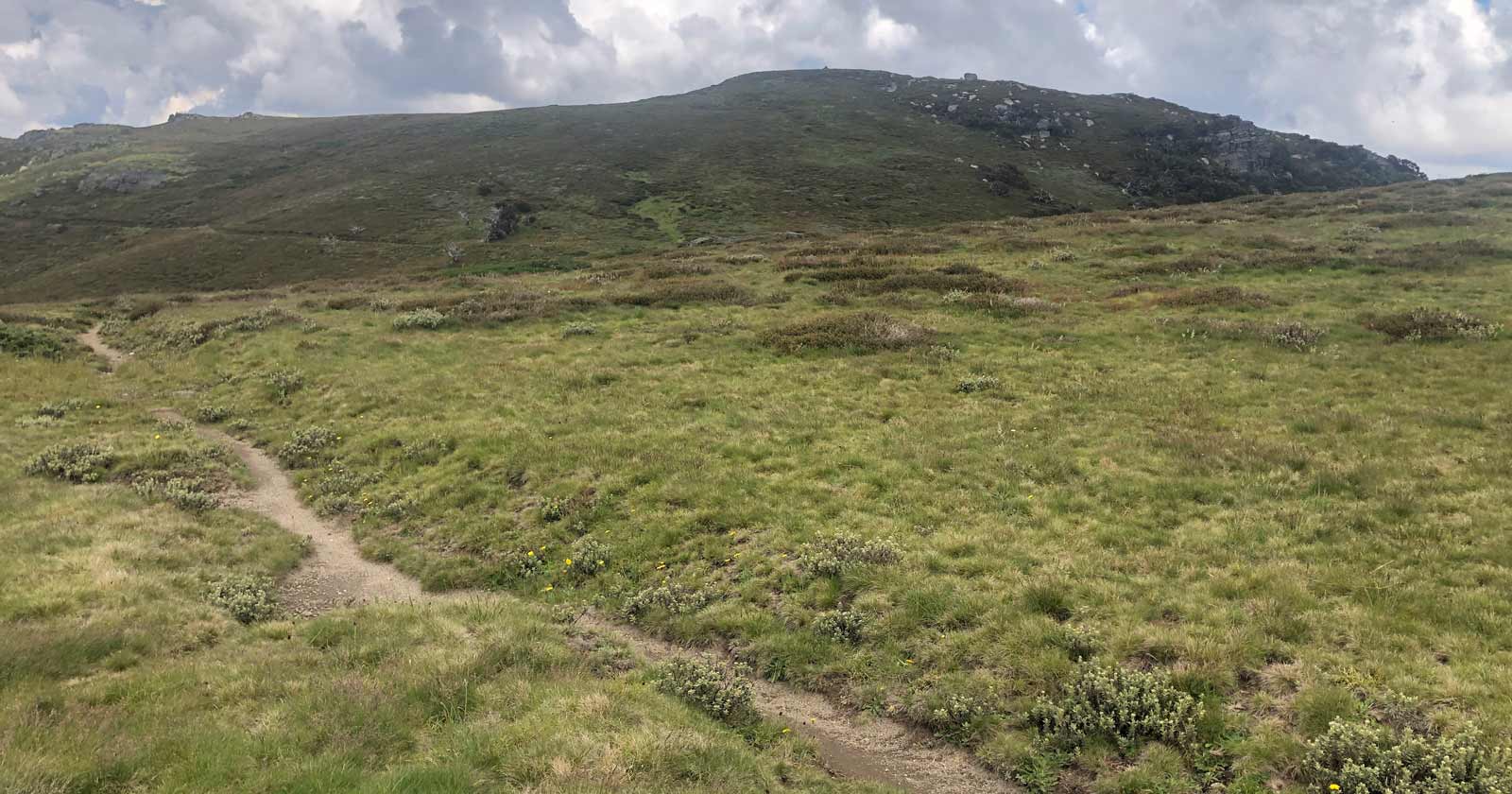
6. Mount Fainter South (1,883m)
At 1,883 metres above sea level, Mount Fainter South ranks as the sixth highest mountain in Victoria. It sits within the Alpine National Park, part of the Victorian Alps and the Great Dividing Range, and on clear days the summit takes in mountains, valleys, and alpine meadows stretching well into the distance.
Access depends on weather conditions and seasonal closures. The area is reached by car via the Bogong High Plains Road, with parking at designated trailheads, so check with local park authorities or visitor centres for current road and trail conditions before you visit.
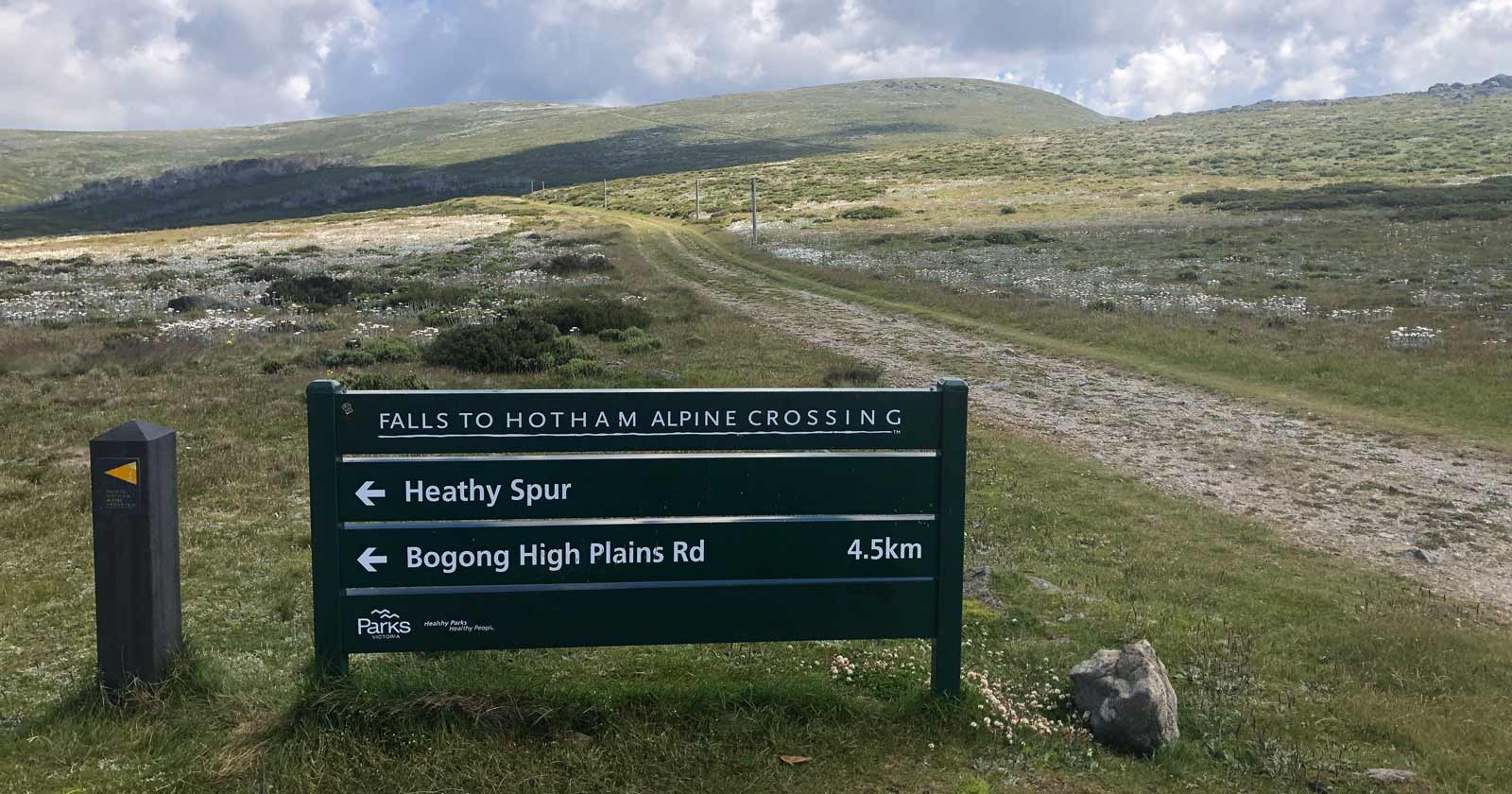
7. Mount Nelse (1,882m)
Mount Nelse sits within the Bogong High Plains, part of the Victorian Alps and the Great Dividing Range, close to Falls Creek Resort. It’s an all-season destination: hike to the summit in the warmer months, or ski there in winter, and either way it’s a solid outing for anyone spending time in the Australian Alps region.
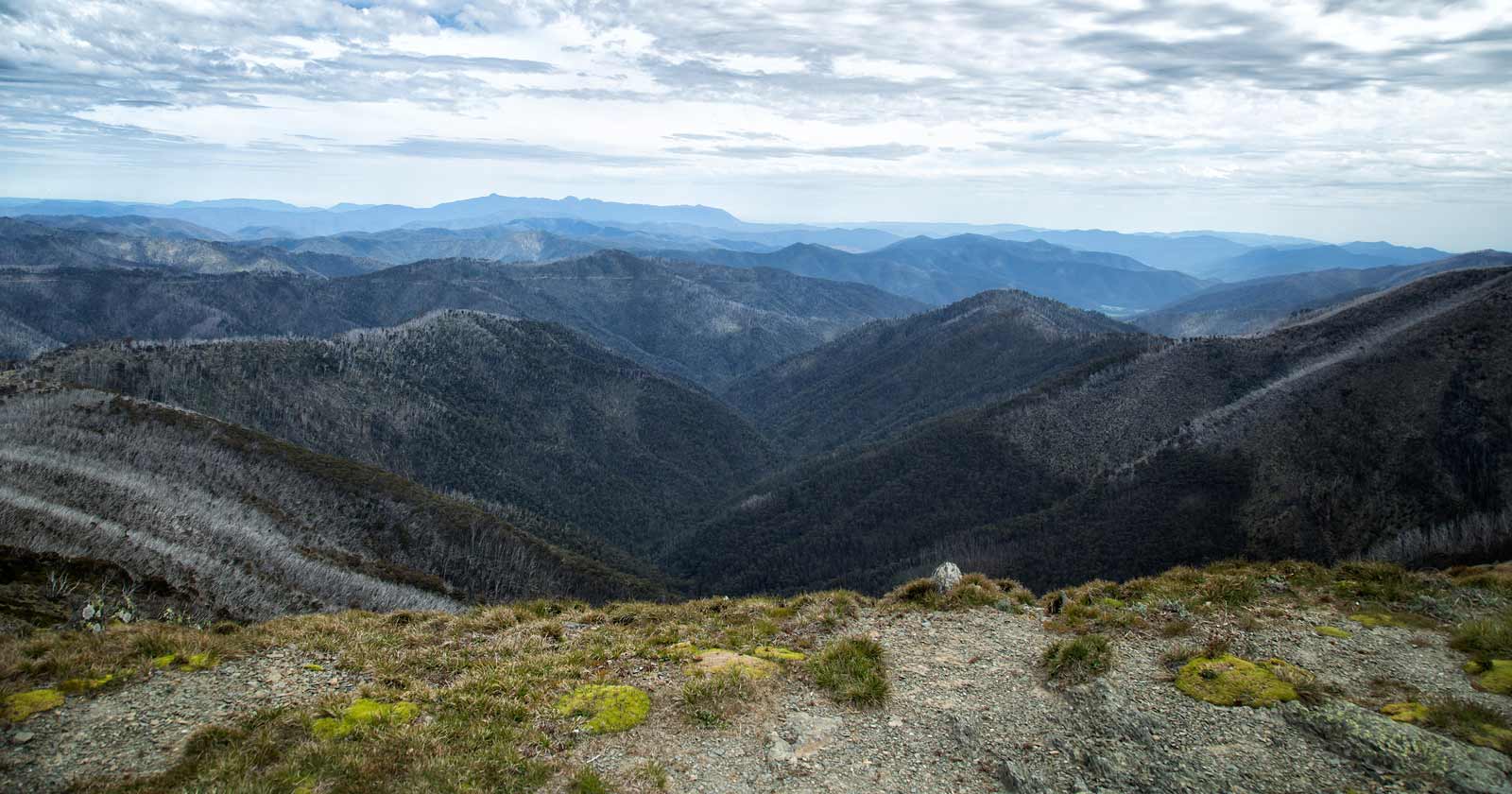
8. Mount Hotham (1,868m)
Mount Hotham is Victoria’s eighth-highest peak and one of the state’s premier alpine resorts. It’s best known for its ski runs, offering downhill skiing, snowboarding, cross-country skiing, and snowshoeing across varied terrain with reliable snowfall, which draws skiers and snowboarders from beginners through to advanced.
Outside the snow season, Hotham is worth visiting for its alpine scenery on its own terms. Lookouts and vantage points accessible by car or on foot take in the surrounding mountains, valleys, and forests, and hiking trails cross the mountain and its surrounds, including the Mount Hotham Summit Walk and the Razorback Trail.
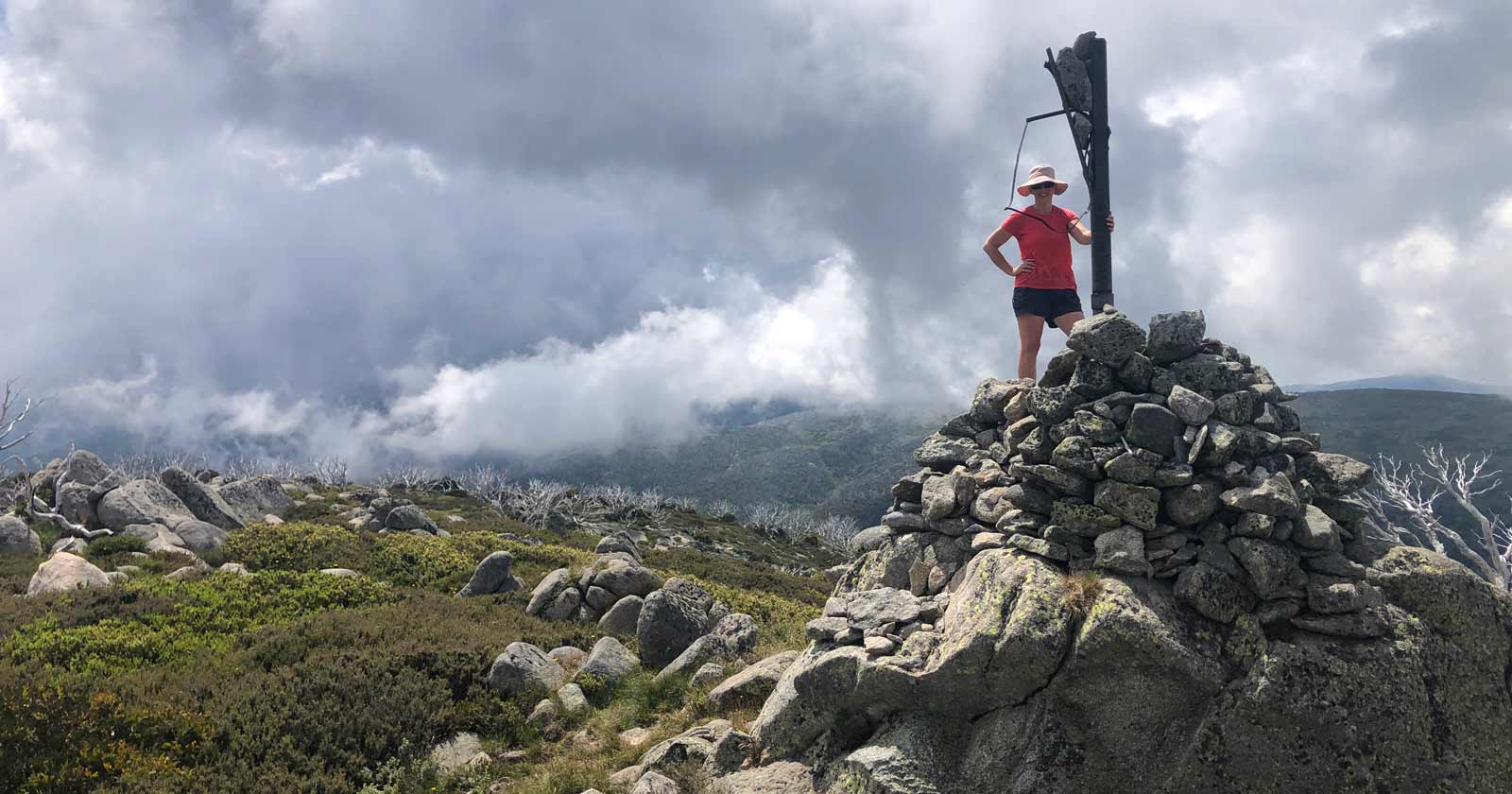
9. Mount Jaithmathang (1,852m)
Mount Jaithmathang stands at approximately 1,852 metres above sea level. It holds significant cultural importance to the Aboriginal communities of the region, considered sacred and associated with traditional stories, ceremonies, and spiritual beliefs. That significance is worth keeping in mind and respecting when visiting the mountain and its surrounds.
The summit takes in the alpine landscape beyond, nearby mountains, valleys, and wilderness areas, but the mountain’s cultural weight is as much a reason to visit as the view.
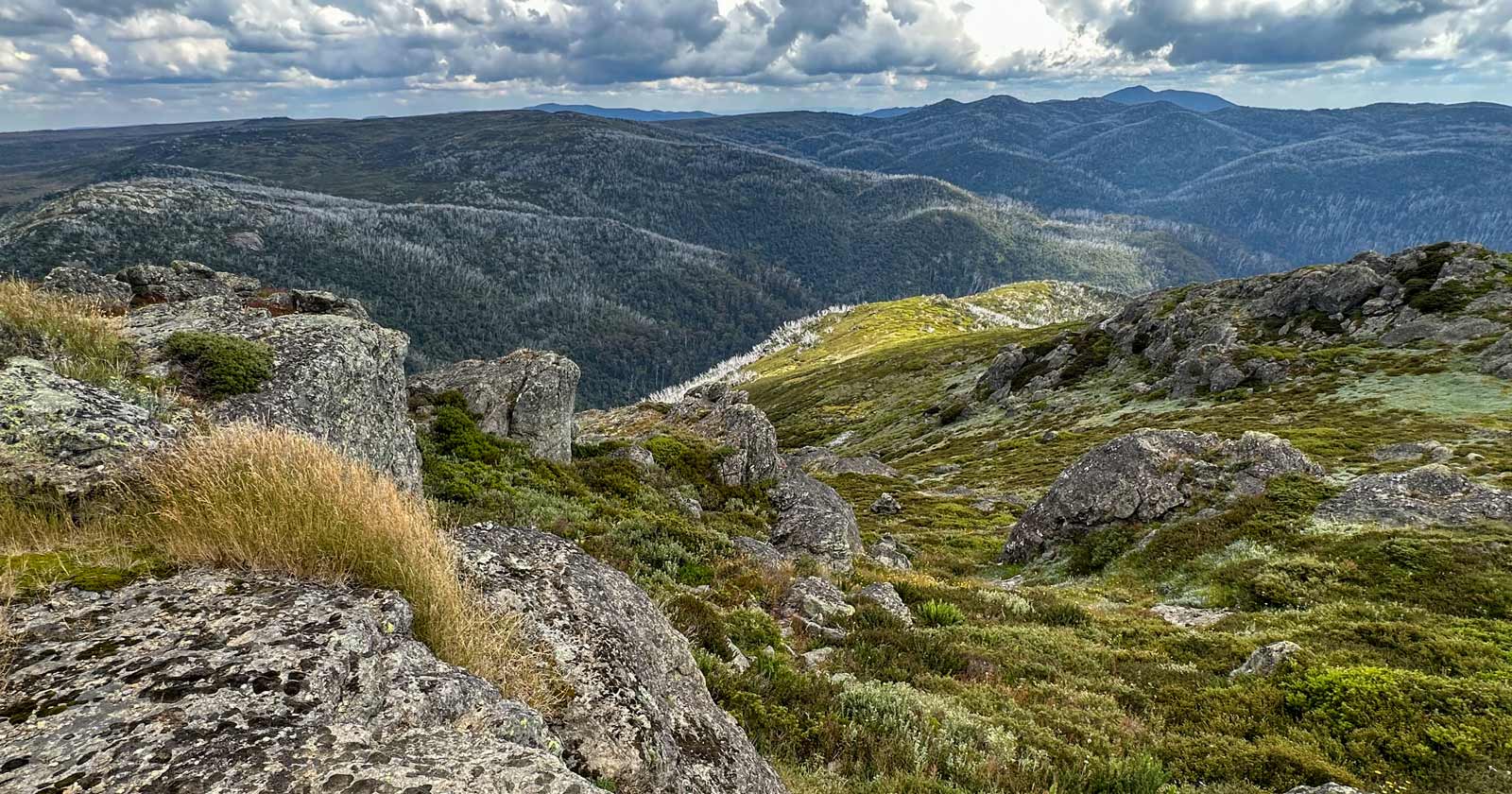
10. Mount McKay (1,849m)
Mount McKay sits in the Australian Alps region of the Great Dividing Range, close to the Falls Creek Alpine Village and its winter skiing. It holds the title of the highest drivable point in Australia, and from the summit you can look out over the Falls Creek village and the surrounding plains, stretching for hundreds of kilometres on a clear day.
The view doesn’t stop there. Mount McKay also looks out across the Bogong High Plains, with valleys and alpine meadows adding to the scene, and on clear days you can pick out distant mountain ranges across the wilderness beyond.
While the following two summits are not in the top ten, they’re worth a mention, since they’re in the same region and can be folded into a full circuit traverse.
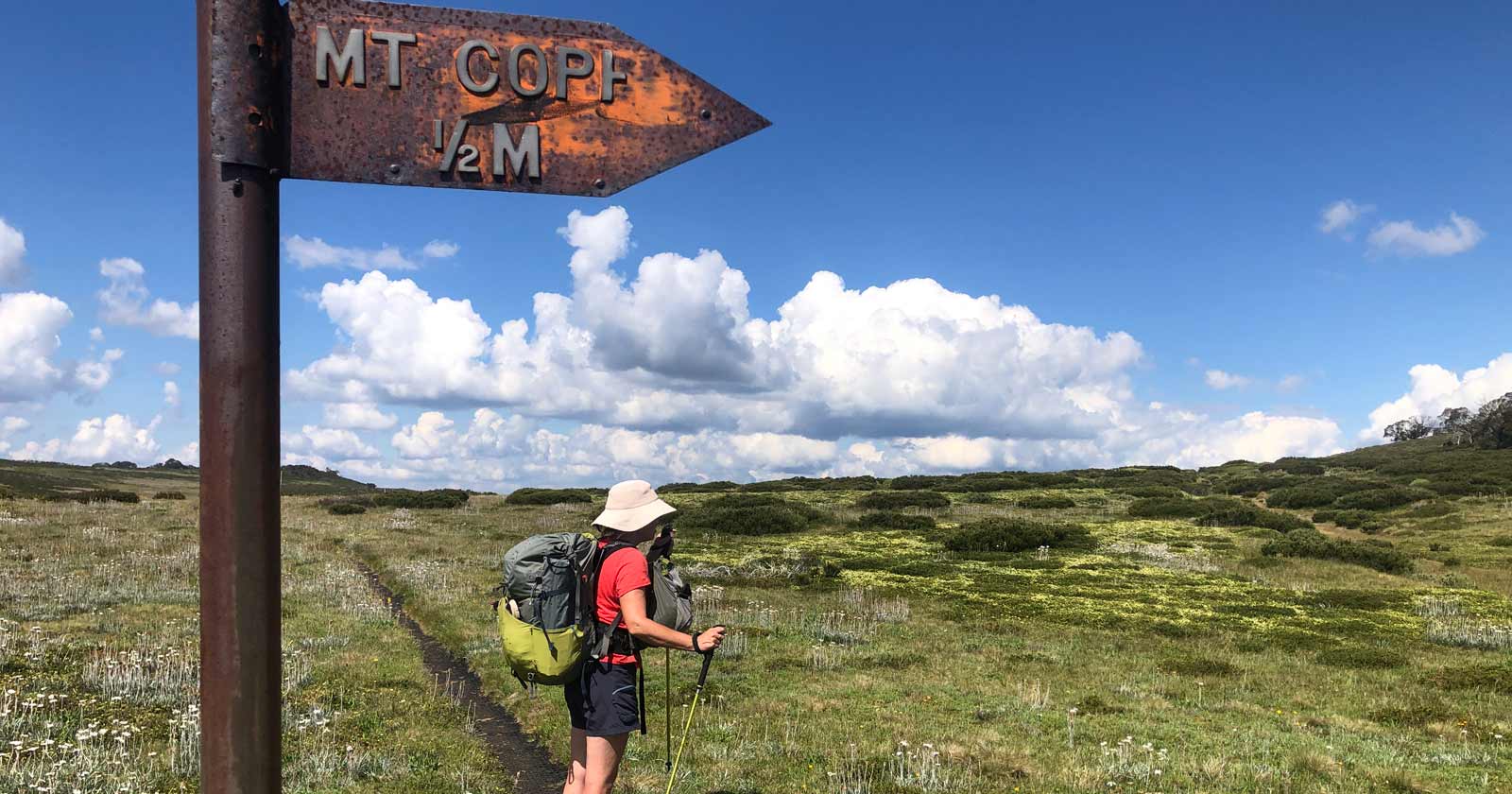
Two more worth knowing: Mount Cope and Spion Kopje (1,837m each)
Mount Cope sits at 1,837 metres (6,027 ft), just outside Victoria’s top ten but a genuinely worthwhile peak in its own right. It shares that height with the nearby Spion Kopje (1,837m). A single walking track leads to the summit of Mount Cope, starting at the Bogong High Plains Road, and it offers some of the best views in the high country for the effort involved.
Before you go, here’s a few things to consider
If you’re up for the challenge, it’s possible to traverse all of these peaks in a single multi-day adventure, though it takes careful planning, since stringing them all together makes for a long and demanding hike. You could also pick them off one at a time or in clusters, planning day hikes, overnighters, or shorter multi-day hikes. The best approach depends on your experience level, the challenge you want, and the time you’ve got available.
- Distance: The peaks are spread out across the Victorian Alps, so the total distance between them adds up. I’ve mapped out a circuit that comes to just over 150km.
- Terrain: These mountains vary in difficulty. Some, like Mounts Bogong and Feathertop, have established trails, while others involve more technical climbing, which slows your pace and adds to the planning and logistics.
- Resupply: Planning resupply points for food and water gets more difficult the further you’re covering.
Important Note: Weather conditions in the mountains are colder, wetter and much less predictable than at lower altitudes. Be prepared for unpredictable weather conditions including snow, thunderstorms, high winds, and fog. Always carry a Personal locator beacon (PLB), appropriate gear, clothing and check the latest weather forecast before you set off. You need to be equipped for hiking and camping in all conditions and to be familiar with the symptoms and treatment of dangerous cold stress (hypothermia) and heat stress (hyperthermia).
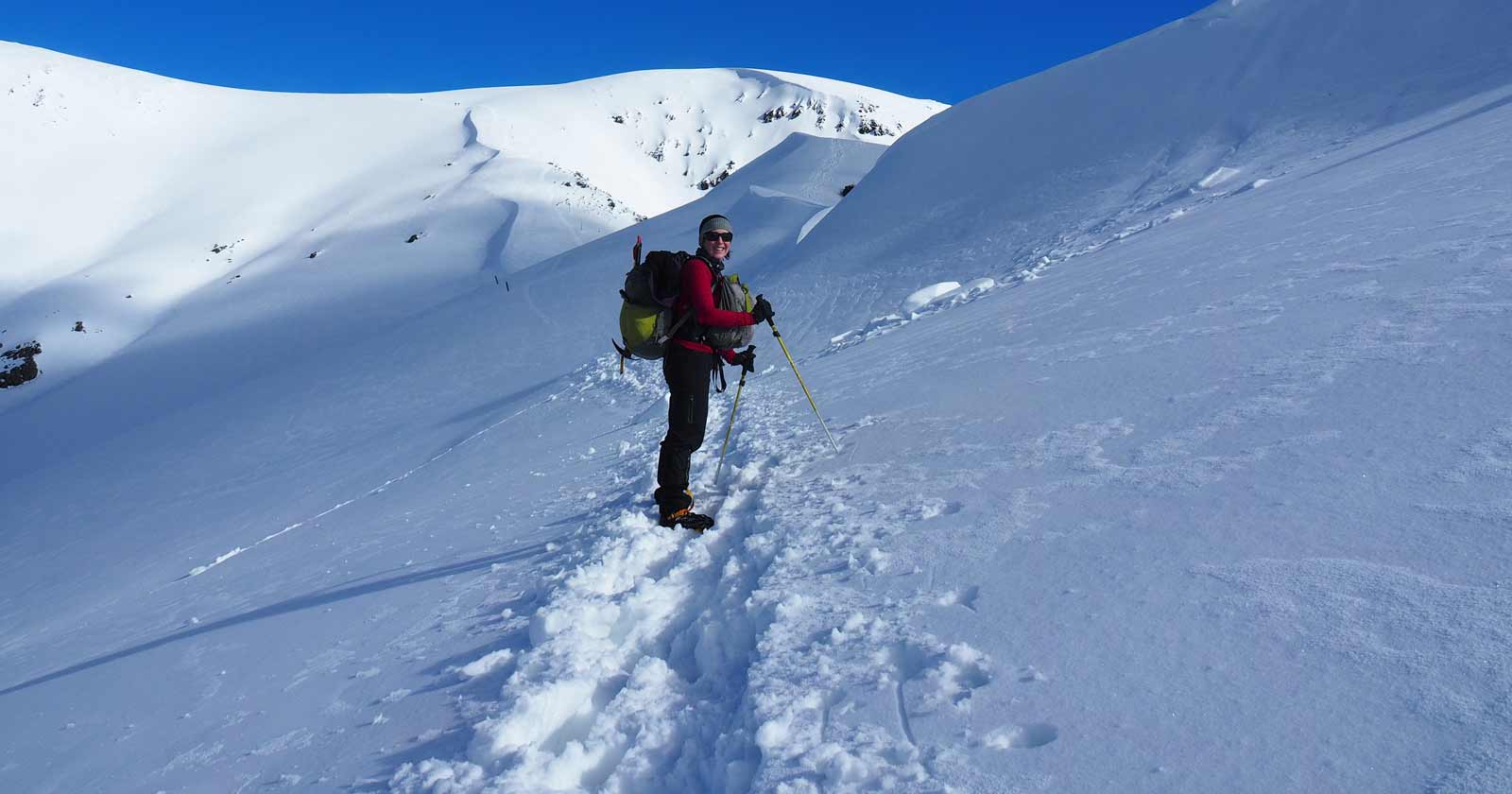
Possible itinerary
With an extensive network of tracks and trails around these peaks, you can choose an adventure that suits your time and fitness level, from short walks and challenging runs to multi-day hikes. If you wanted to tie the top ten together with Cope and Spion Kopje in one traverse, here’s a possible 150km itinerary (all distances are approximate and are from summit to summit). A lot of the summits are clustered close together, and it’s not until you head out towards Bogong and Feathertop that the distances and terrain get properly challenging.
- Trailhead: Loch carpark Hotham Heights
- Mount Loch summit (3.5km)
- Mount Cope (21.5km)
- Mount McKay (13km)
- Mount Nelse (15km)
- Mount Nelse North (2km)
- Mount Nelse West (1km)
- Spion Kopje (6km)
- Mount Bogong (15km)
- Mount Fainter South (37km)
- Mount Jaithmathang (6km)
- Mount Feathertop (18km)
- Mount Hotham (12km)
- Trailhead: Loch carpark Hotham Heights (1km)
The itinerary above covers the full circuit, but you don’t have to do it all in one hit. Pick off the peaks one at a time as day hikes, string a few together as overnighters, or plan shorter multi-day trips, whatever suits your fitness and the time you have. However you approach it, this stretch of Victoria’s high country covers a lot of ground, from the exposed ridge of Bogong and the icy cornices of Feathertop to the cultural significance of Jaithmathang and the drivable summit of McKay. With proper preparation, it’s a genuinely rewarding stretch of country to spend time in, whichever peaks you choose.
Data source for peak heights: Geoscience Australia. Bogong 1:100 000 topographic map
.jpg "A hiker's guide to Victoria's 10 highest peaks")
.jpg "A hiker's guide to Victoria's 10 highest peaks")
.jpg "A hiker's guide to Victoria's 10 highest peaks")
.jpg "A hiker's guide to Victoria's 10 highest peaks")
.jpg "A hiker's guide to Victoria's 10 highest peaks")
.jpg "A hiker's guide to Victoria's 10 highest peaks")
.jpg "A hiker's guide to Victoria's 10 highest peaks")
.jpg "A hiker's guide to Victoria's 10 highest peaks")
.jpg "A hiker's guide to Victoria's 10 highest peaks")
.jpg "A hiker's guide to Victoria's 10 highest peaks")
.jpg "A hiker's guide to Victoria's 10 highest peaks")
.jpg "A hiker's guide to Victoria's 10 highest peaks")
Do you have any photos from this hike?
Your photos can help others plan. Share shots from along the trail so fellow hikers know what to expect.
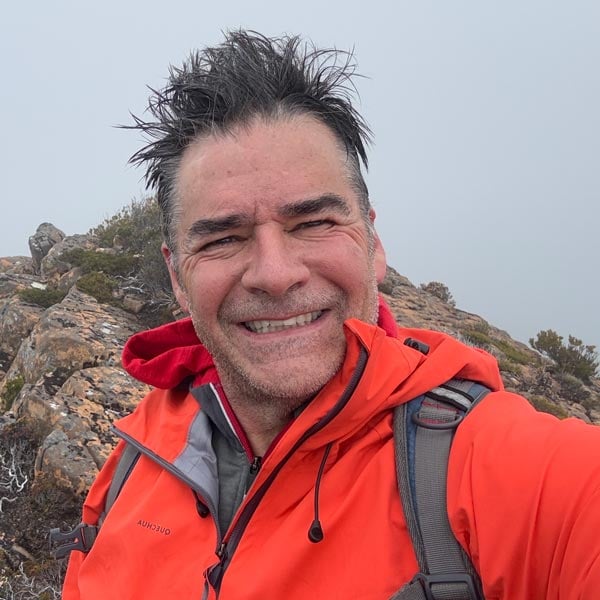



Over the New Year period I completed a seven‑day through‑hike linking Victoria’s ten highest mountains. The route begins in Harrietville and finishes at Mountain Creek Campground. For a total of around 130km and 6000m ascent.
I looked at doing a circuit, but with my son and his friends joining me for the first day, a through hike with less than 1 hour drive from the finishing point to the start made the most sense. Unlike the proposed circuit route, it was at least one day less with each day comparable to the others in terms of time and effort
Day 1. Harrietville to Federation Hut – Mount Feathertop
Day 2. Federation Hut to Derrick Hut – Mount Hotham, Mount Loch
Day 3. Derrick Hut to Tawonga Huts – Mount Jaitmathang
Day 4. Tawonga Huts to Pretty Valley – Mount Fainter South, Mount Mckay
Day 5. Pretty Valley to Edmondson Hut – Mount Cope
Day 6. Edmonson Hut to Bongong Creek Saddle – Nelse Massif, Spion Koppje
Day 7. Bogong Creek Saddle to Mountain Creek Campground – Mount Bogong
Each day included one or two summits, alternating between single‑peak and double‑peak days to complete all ten. Outside the first and last peaks the Queen (Mt Feathertop) and King (Mt Bogong) of the Victorian Alps, the hike stays mainly on the ridges with the Cobungra River and Bogong Creek Saddle around 1340m the low points
One of the advantages of this route is the consistent access to huts and toilets, with toilets at every campsite except Bogong Creek Saddle. Additional toilets are at Mt Loch carpark, Dibbins Hut, Cope Hut and Bivouac Hut. Water is available at all campsites except Pretty Valley. For Pretty Valley, water can be collected about 1 km up the road on the return from Mount McKay. For the first night I recommend the NW spring near Feathertop.
The route follows well‑defined tracks almost the entire way. The only exception is a short section up Mount Cope from the AAWT. From the old ‘Mt Cope 1/2 M’ (sic) sign, head south and then east to avoid the boggy ground of a more direct route, this leads reliably to the summit. Even the less‑frequented Grey Hills section is well maintained and easy to follow.
The only vehicle‑accessible road walking was from Pretty Valley Pondage to Mount McKay and back to Pretty Valley Hut. Despite this, it was more pleasant than expected, with views into Pretty Valley that justify the name.
This was an excellent walk, combining some of Victoria’s most iconic alpine terrain with a logical, efficient route that links all ten of the state’s highest peaks. The mix of huts, reliable water, and mostly well‑formed tracks makes it accessible for experienced hikers with moderate fitness looking for a multi‑day challenge without bush‑bashing or huge changes in elevation.
That’s an outstanding trip, thanks for taking the time to share it in such detail.
Your Harrietville to Mountain Creek through-hike is a really great idea. Dropping a full day off compared to a circuit, keeping effort more even, and finishing within an easy drive of the start makes a lot of sense, especially with others joining for part of it. The way you alternated single- and double-peak days is particularly smart and makes the itinerary feel very achievable rather than punishing.
The practical details are really helpful too. Knowing where the huts, toilets, and reliable water are makes a big difference when people are trying to work out whether a trip like this is realistic for them. The Mount Cope line choice and the note about the Pretty Valley Pondage road section are especially useful, as they’re the sort of things you only really learn by being out there.
This is a great itinerary for connecting Victoria’s highest peaks into a logical, efficient, and genuinely enjoyable multi-day hike. Nicely done, and well earned summit time on both the Queen and the King.
What’s your favourite peak in Victoria for a hike? Any special memories or tips to share from your adventures?
Trail Hiking Australia Mt Spec is one of my favs and getting to it via the Cross Cut Saw
What a great hike
Jill Allen agree totally. Such a walk across the crosscut saw.
For point to point hikes in the Vic Alps use Snow Dog Transport to avoid the dreaded car shuffle!
Thanks Hamish. Transport logistics can definitely make a difference to how a trip unfolds, especially for point-to-point hikes.