Cold injuries are not limited to snow or sub-zero temperatures. In Australia, hypothermia most often develops in cool, wet, windy conditions when hikers are fatigued, under-fuelled, or poorly sheltered. It commonly occurs well above freezing and often progresses quietly. I’d treat any cool, wet, windy day as a genuine hypothermia risk, not just the obvious alpine cold snaps, because that combination is exactly where people are least prepared.
Understanding how heat is lost, recognising early warning signs, and intervening early can prevent a manageable situation from becoming a rescue.
How the body loses heat
Your body constantly produces heat through metabolism and movement. Hypothermia develops when heat loss exceeds heat production for too long. I think of it as a simple balance: if heat is leaving faster than you can replace it, you’re on the clock, regardless of what the air temperature says.
Heat is lost in four main ways.
Radiation occurs naturally as warmth transfers from your body to cooler surroundings. The greater the temperature difference, the faster this loss.
Conduction occurs through direct contact with colder surfaces. Water conducts heat away around 25 times faster than air. Wet clothing, sitting on cold ground, or falling into water accelerates cooling dramatically. Staying dry and insulating yourself from the ground are critical protective behaviours. I rate a dry sit mat and a spare dry layer as being about as important as anything else in a daypack, for this reason alone.
Convection strips away the thin layer of warm air trapped near your skin. Wind is the main driver. Even moderate wind in damp conditions can increase heat loss rapidly.
Evaporation removes heat as sweat or moisture evaporates. Sweat that helps cool you during movement can become dangerous once you slow down. Damp clothing increases ongoing evaporative heat loss. Managing sweat is therefore just as important as staying dry from rain. I’d rather shed a layer too early and feel slightly cool than sweat heavily and pay for it once I stop moving. See Managing sweat when hiking.
Why hypothermia develops
Whether someone becomes hypothermic depends on three competing factors: the cold challenge, heat retention, and heat production.
The cold challenge includes wind, rain, low temperature, fatigue, and exhaustion. Heat retention depends on clothing insulation, weather protection, shelter, and body composition. Heat production relies on movement, shivering, fitness, and adequate fuel and hydration.
When heat retention and heat production cannot keep up with the environmental challenge, core temperature falls. As it drops, both physical and mental function decline. I find it useful to think of this as a competition rather than a single cause: it doesn’t much matter how tough someone is if the cold challenge simply outweighs what they can retain and produce.
Recognising hypothermia early
Hypothermia often develops gradually. Coordination and judgement decline before the person realises what is happening.
A simple memory aid is the “umbles”: stumbles, mumbles, fumbles, and grumbles. Clumsiness, slurred speech, difficulty with simple tasks, irritability, and apathy are early warning signs. Persistent shivering, unusual fatigue, slowing pace, and withdrawal are also common. I find the “umbles” most useful as a check on hiking partners rather than yourself, since someone becoming hypothermic often can’t judge their own coordination or speech accurately.
Early recognition is critical. Mild hypothermia is far easier to reverse than severe hypothermia.
When it becomes serious
As hypothermia progresses, shivering may slow or stop, walking becomes difficult, and confusion worsens. Collapse or altered consciousness are medical emergencies.
If someone stops shivering, cannot walk, or does not improve with initial warming measures, activate your emergency communication device early rather than waiting. I’d rather trigger a PLB and feel foolish for overreacting than wait for someone to become unresponsive before acting. See PLB or Satellite Communicator? for guidance.
Managing mild to moderate hypothermia
The first priority is stopping further heat loss. Get out of wind and rain immediately. Add dry insulation layers. Insulate the person from the ground using sleeping mats, packs, or spare clothing. Use available shelter such as a tent, tarp, or bivvy.
If the person is conscious and able to swallow, provide warm, sweet fluids and easy-to-digest, high-energy food. Fuel supports heat production. Avoid alcohol, which increases heat loss and impairs judgement.
Encourage gentle movement only if the person is coordinated and stable. Trapping existing heat using sleeping bags or shared body warmth is often more effective than attempting rapid rewarming. I’d rather lose an hour stopping to rewarm someone properly than push on and find the situation has become much harder to manage.
Severe hypothermia requires caution
In severe cases, handle the person gently and avoid unnecessary movement. Rough handling can trigger dangerous heart rhythm disturbances in profoundly cold patients. Focus on protecting the core, preventing further cooling, and arranging urgent evacuation.
Do not aggressively rub cold limbs and do not force exhausted individuals to walk. This is one of the few situations on the trail where doing less, and doing it carefully, is genuinely the safer choice.
Other cold weather injuries
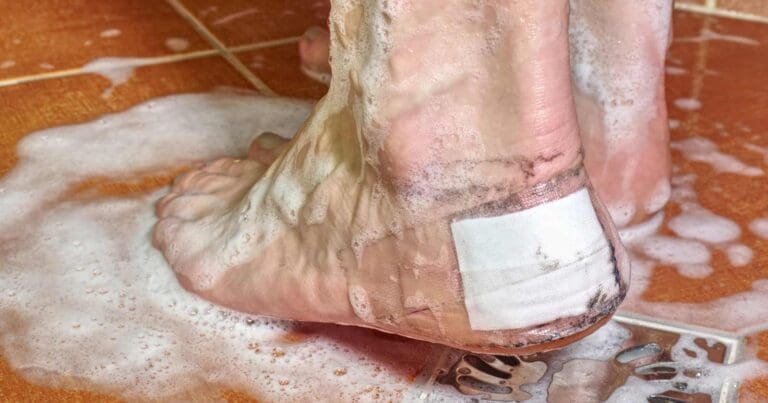
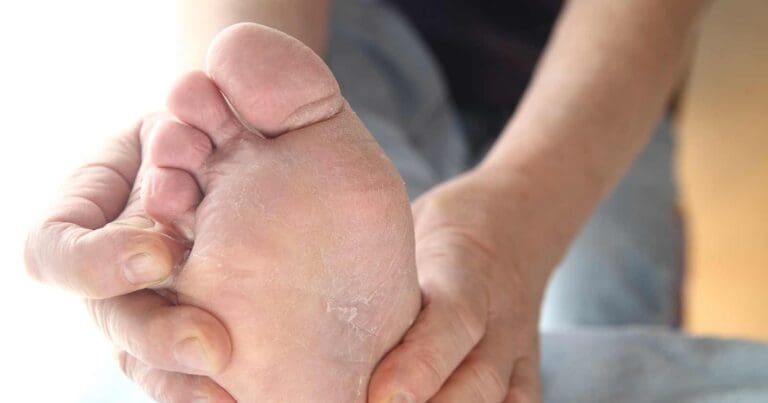
Immersion foot, sometimes called trench foot, can develop in cool, wet conditions well above freezing. Prolonged dampness and reduced circulation cause numbness, pain, and mottled skin. Prevention relies on keeping feet as dry as possible, changing socks regularly, and airing feet when conditions allow. I treat dry socks as basic hygiene on any wet multi-day trip, not just a comfort choice.
Chilblains result from repeated exposure to cold, damp conditions and usually affect fingers, toes, and ears. Keeping extremities warm and dry is the best prevention.
Frostnip and frostbite are uncommon on most Australian hikes but can occur in alpine regions. Frostnip is mild and reversible. Frostbite involves tissue freezing and requires urgent medical care. Never rub frozen tissue, and prevent refreezing at all costs.
Preventing hypothermia on the track
Most cases are preventable with conservative decisions and simple habits. Check weather forecasts including wind and rain, not just temperature. Adjust pace to avoid excessive sweating. Carry a dry spare insulation layer in a waterproof bag. Eat and drink regularly to maintain heat production. Use windproof outer layers before you feel cold, not after.
If conditions deteriorate faster than expected, turning around early is often the safest choice. Sound judgement is one of the most effective hypothermia prevention tools. I’d rather turn around early and explain a shorter day than explain why I kept going.