Sweating is a normal, necessary response to hiking, it’s how your body regulates temperature and avoids overheating. What actually causes trouble is sweating more than your body can manage in the conditions you’re in. That’s what drives dehydration risk, accelerates fatigue, contributes to chafing and blisters, and in cooler or windy conditions can leave you exposed to rapid heat loss once you stop moving. In Australia’s variable climate, from hot inland ranges to cold alpine plateaus, I treat managing sweat as a safety issue rather than a comfort preference.
Here’s why excessive sweating happens on hikes, why it matters, and how I think about reducing it through practical decisions before and during a walk.
Why hikers sweat more than expected
Hiking places sustained demand on the body, because you’re generating heat not just from walking but from climbing, carrying weight and pushing through uneven terrain. In Australia that’s often compounded by direct sun exposure, still air and reflective surfaces such as rock or sand.
In my experience, most hikers unintentionally increase their own sweating by overdressing, starting too fast or carrying more weight than they need. Once excessive sweating begins, it can be hard to reverse without actually stopping, and stopping isn’t always safe or practical on exposed tracks or steep sections. That’s why I’d rather understand what’s driving it before a hike than try to fix it mid-walk, which is really the point of knowing why it matters for safety in the first place.
Why excessive sweating matters for safety
Excessive sweating leads to fluid and electrolyte loss, and dehydration on top of that reduces physical performance, slows decision making and increases the risk of heat exhaustion and heat stroke. Even mild dehydration can affect balance and coordination, which matters when you’re on rocky tracks, narrow ridgelines or steep descents.
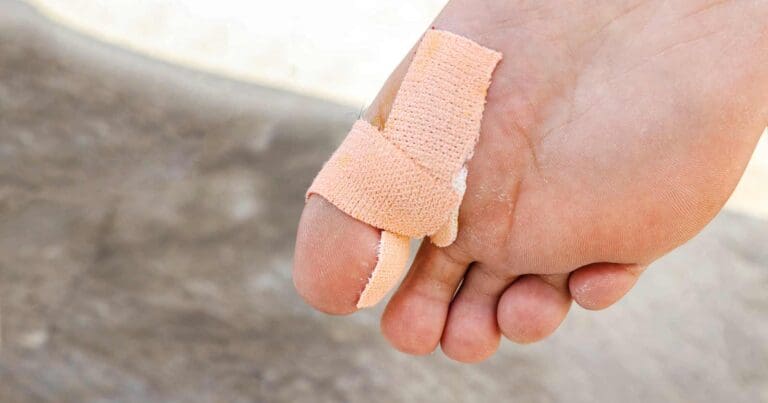
Sweat-soaked clothing also creates friction and softens skin, which is how it ends up contributing to blisters, chafing and hot spots. In alpine areas, wet clothing combined with wind or cloud cover can chill the body quickly once you slow down or stop, so hypothermia risk climbs even on days that started out warm.
So managing sweat, to me, comes down to three things: keeping your body temperature stable, conserving energy, and protecting your skin over the full length of a hike. That’s where clothing choice comes in first.
Clothing choices that reduce sweating
In my view, clothing is the most common failure point. Many hikers wear too much, too early, or choose fabrics that trap heat and moisture rather than let it go.
Lightweight, breathable fabrics let heat and moisture escape, and in Australian conditions that usually means synthetic or merino layers designed to move sweat away from the skin. Cotton is a poor choice because it absorbs moisture and dries slowly, which increases heat loss once conditions turn cool or windy, and that’s exactly why it’s often discussed in relation to hypothermia risk.
I’d also say layering matters more than warmth. Starting a hike feeling slightly cool is usually the right call, because if you’re warm while standing still at the trailhead, you’ll overheat within minutes of moving.
Outer layers should block wind when you need it but vent easily the rest of the time. Jackets with pit zips or front vents let heat escape without you having to stop or remove layers altogether.
Managing pace and effort
Clothing only gets you so far, though, because sweating is just as closely linked to how hard you’re working. Starting too fast is one of the most common mistakes I see, particularly on group hikes where people try to match everyone else rather than their own sustainable pace.
A steady, conversational pace lets your body regulate temperature far more effectively. On climbs, I’d rather shorten my stride and slow down than push harder, because small reductions in effort can cut heat build-up significantly without adding much to total walking time. Regular short pauses help too, as long as they’re brief and intentional, since that lets heat dissipate without cooling the body too much, especially in windy or shaded areas.
Pack weight and load management
Pack weight is the other side of effort, and it’s one hikers underestimate constantly, particularly on longer walks or climbs, because carrying extra weight increases heat production directly. Only carry what you realistically need for the conditions and distance. A well fitted pack that distributes weight evenly reduces both strain and heat build up across the shoulders and back, though a ventilated back panel won’t compensate for poor packing or an excessive load. Adjusting your straps during the hike, where you can, helps reduce pressure points and improve airflow as conditions change.
Hydration and electrolyte balance
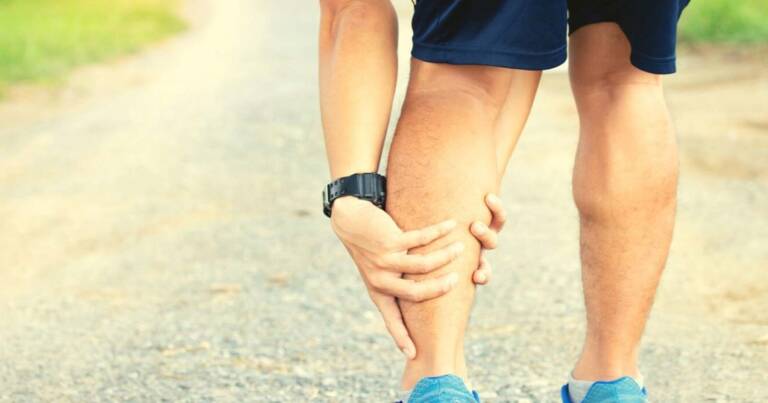
Drinking water does not stop sweating, but it does help your body manage it safely. When you sweat heavily you lose both water and salts, so replacing water alone may not be enough on longer or hotter hikes. Regular small sips work better than infrequent large drinks, and in hot conditions or on extended walks I’d add electrolyte replacement to support fluid absorption and reduce cramping.
Clear or pale urine is a simple indicator that your hydration is adequate. Dark urine, dizziness, headache or reduced sweating despite the heat are warning signs that need immediate attention.
Timing and route considerations
Planning the route and the start time matters just as much. Starting earlier in the day reduces exposure to peak heat, particularly in summer or in inland regions, and shaded routes, forested tracks and gullies are generally cooler than exposed ridges or open plains, though they can be more humid.
It’s worth being realistic about what humidity does here, because high humidity reduces the body’s ability to cool through evaporation, so you may sweat more without actually feeling any cooler for it. On those days I’d shorten distances, slow the pace and increase how often I rest.
Common mistakes to avoid
A few mistakes come up again and again. Some hikers respond to sweating by drinking less, to avoid frequent stops or toilet breaks, which only increases dehydration risk and makes the problem worse. Others delay removing layers until they’re already drenched, which makes it much harder to dry out later. Stopping for long periods while wet in windy or cool conditions is another one I see, so if you need to stop, add a light layer first to prevent rapid heat loss, even if you were sweating moments earlier.
Ignoring early warning signs such as excessive fatigue, confusion or chills after sweating can lead to serious heat or cold related illness, so I’d rather act on them early than wait and see.
When sweating becomes a medical issue
Some people naturally sweat more than others, but sudden changes in sweating patterns, an inability to cool down, or symptoms such as nausea, confusion or collapse aren’t normal, and they need immediate action. Heat exhaustion and heat stroke are medical emergencies.
In remote areas, prevention matters even more, because once serious heat illness develops, evacuation can be difficult or delayed. Managing sweat through pacing, clothing, hydration and planning is one of the simplest ways I know to keep that risk down.
You can’t and shouldn’t try to eliminate sweating when you hike. The goal, as I see it, is to keep it within manageable limits so your body stays hydrated, warm when it needs to be, and capable of making good decisions. Most excessive sweating problems come down to simple choices made early in the day: dress lightly, move steadily, drink regularly, and adjust before small problems turn into big ones. Those habits are what make hikes safer, more comfortable and more sustainable across the wide range of conditions you get in Australia.