Rain doesn’t have to end a hike or a camping trip, but it does change what you need to get right. Wet weather exposes weak gear choices and shortcuts in preparation fast, usually within the first hour. The good news is that most of the fixes are small and cheap. Get a few habits right and the right gear sorted, and you can stay warm, dry enough, and comfortable when conditions turn.
14 practical outdoor hacks for wet weather
1. Use dry bags and dry sacks
Dry bags and dry sacks are one of the simplest ways to protect your gear in wet conditions, because they seal out water even when your pack or tent gets soaked through. Use them for anything that ruins your day if it gets wet: food, spare clothing, electronics.
2. Always carry a rain cover for your pack
If rain is possible, a pack cover isn’t optional. Many hiking packs come with one built into a hidden pocket at the base, but an aftermarket cover works just as well. It stops your pack from soaking up water, which keeps the whole load lighter and easier to manage over a long day.
3. Pack zip lock bags for phones and electronics
Zip lock bags are cheap, weigh almost nothing, and do their job well. Use them for phones, spare batteries, headlamps, and any documents you’re carrying. They’re also useful in the other direction, containing a leak if something in your pack spills.
4. Wear quick-drying, breathable clothing
Quick-drying, breathable clothing matters in every condition, but rain is where it earns its keep. Heavy fabrics trap moisture against your skin and stay wet for hours. Lightweight synthetics and wool regulate temperature better while you’re moving and dry out faster once the weather clears.
5. Choose a breathable rain jacket
A good rain jacket keeps rain out without trapping sweat in, and breathability matters more here than absolute waterproofing. If a jacket can’t let moisture escape, condensation builds up inside it, and you end up just as wet as if the rain had gotten through.
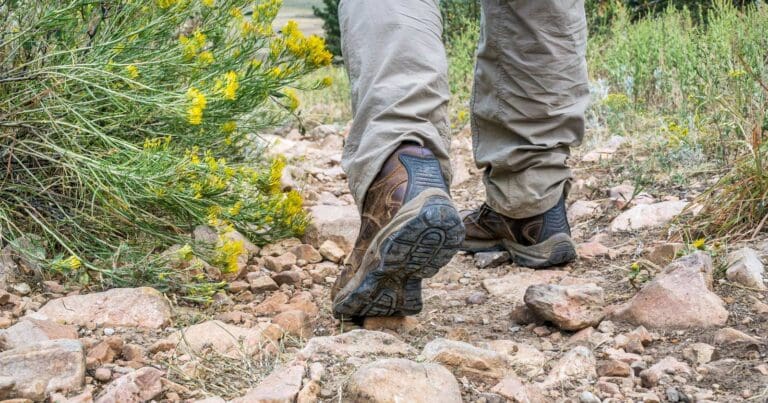
6. Choose waterproof footwear
Waterproof shoes or boots reduce blisters and keep your feet warmer in wet conditions. Gaiters add another layer on top of that, stopping water, mud, and debris from getting in around the ankles.
7. Do not apply waterproof wax or grease to shoes unless recommended
Applying wax or grease without understanding what your shoes are made of can reduce breathability and trap moisture instead of keeping it out. Different materials need different treatments, so follow the manufacturer’s care advice rather than guessing. The wrong product can do more harm than good.
8. Pack extra socks
Wet socks drain warmth fast. Carrying a spare pair means you can change into dry ones when conditions allow, and that alone can make a real difference to comfort and foot health over a long day.
9. Pack an extra tarp for camping
A tarp adds flexibility in wet weather. Rig it as extra shelter over a tent or swag, or lay it down as a ground layer to keep gear out of mud and standing water. Drier gear makes pack-up and movement far easier the next morning.
10. Avoid setting up camp under trees
Camping under trees can feel like shelter, but it raises the risk from falling branches and lightning. A small clearing with a well-positioned tarp over it is usually safer and more reliable than relying on tree cover.
11. Store dry wood and kindling in garbage bags
Where fires are permitted, sealing kindling and dry wood in garbage bags means you actually have something that will light when you need it, instead of discovering everything’s damp right when you want a fire most.
12. Take a portable cooking system
A compact stove removes the frustration of trying to coax a fire going in persistent rain. Hot food and drinks matter more in cold, wet conditions than in good weather, and a reliable cooking system you can rely on regardless of what the wood is doing keeps morale up.
13. Use a thermos as a hot water bottle
A thermos filled with hot water can warm your hands, your feet, or your sleeping bag before you get in it. It doubles as a morale boost too, since a hot drink after a wet day on the track does more than the calories alone suggest.
14. Pack microfibre towels
Microfibre towels are light, pack down small, and dry quickly, which makes them useful for drying gear, wiping condensation off the inside of a tent, or drying off after rain or a shower.
None of this is complicated, and that’s the point. Wet weather doesn’t ruin a trip on its own, it just punishes the gaps in your preparation. Sort the small things above before you leave, and rain becomes an inconvenience rather than the reason the trip goes wrong.