When you’re packing up after a hike, the way you store your gear is almost as important as the way you use it during your trip. Improper storage can lead to wear and tear that reduces the lifespan of your equipment, meaning you might not get the full performance out of your gear in future hikes.
Whether it’s your tent, sleeping bag, or sleeping mat, how you store them between hikes is key to maintaining their functionality and keeping them in top condition. In this article, we’ll break down the best practices for storing these essential pieces of outdoor gear, so you can enjoy many more hiking trips without the worry of damaged equipment.
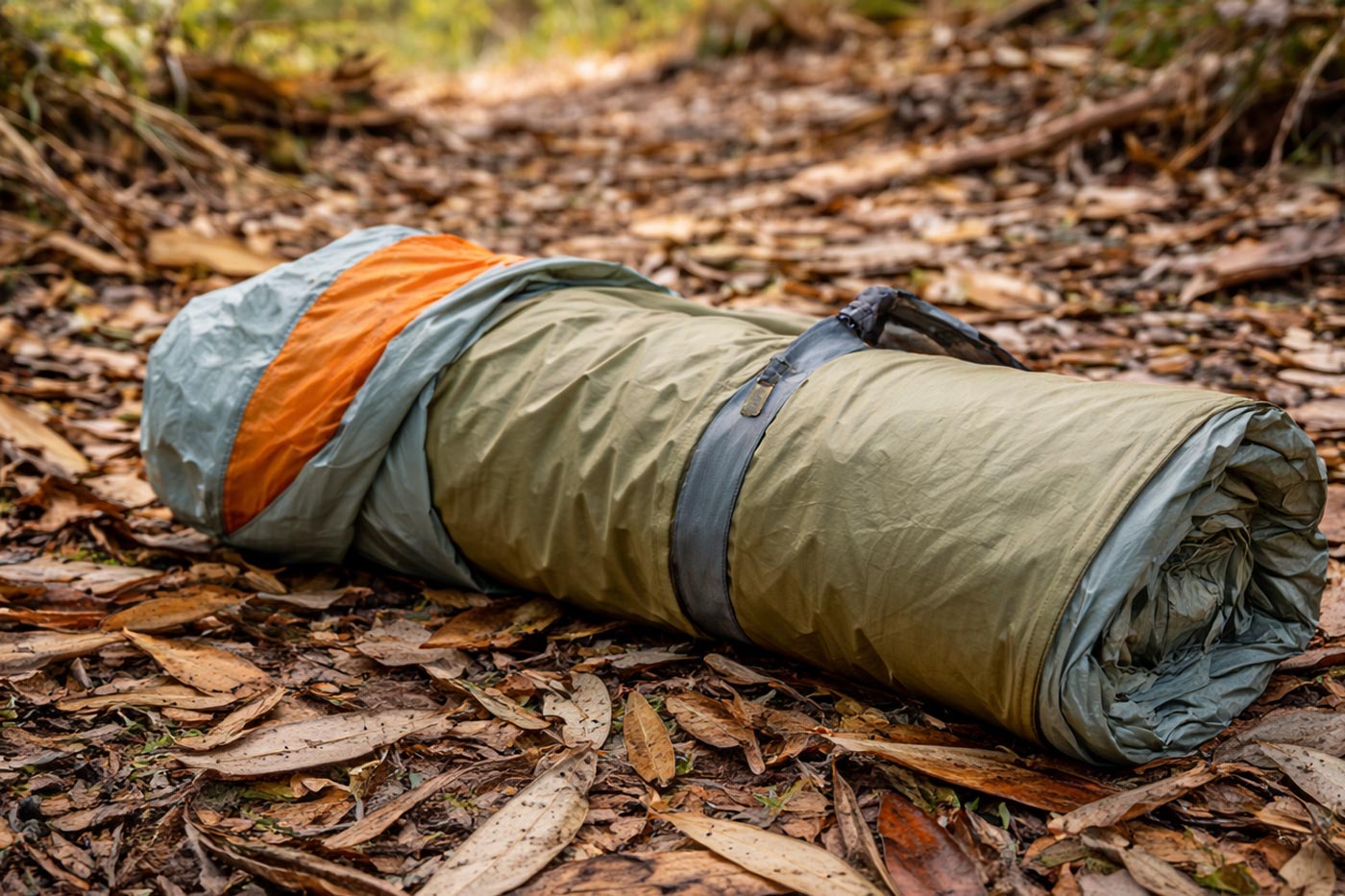
1. Storing Your Tent: To Stuff or to Roll?
Tents are built to withstand the elements and provide shelter from wind, rain, and sun, but how you store your tent is just as important to its longevity. The question of whether to stuff or roll your tent is one that many hikers have, and the answer depends on your priorities and the condition of your tent.
Stuffing Your Tent
Stuffing your tent involves rolling it up loosely and stuffing it into its stuff sack, usually without concern for how neatly the fabric is folded.
Pros of Stuffing
- Quick and easy: It’s the fastest method for packing up your tent after a long hike, especially when you’re tired or want to save time.
- Space-efficient: Stuffing allows the tent to be packed into a small, compact space in your backpack or storage sack.
Cons of Stuffing
- Creases and stress on seams: Regularly stuffing your tent can cause creasing and stress on the fabric, particularly the seams, which can weaken over time and lead to water leakage.
- Damaging the coating: Stuffing can wear down the waterproof coating of the tent, especially if you stuff it when it’s still damp or dirty.
Rolling Your Tent
Rolling your tent means folding it carefully, ensuring that it’s stored with minimal stress on the fabric and seams.
Pros of Rolling
- Reduces fabric stress: Rolling your tent minimises creasing and reduces the strain on the seams, helping preserve the integrity of the fabric.
- Protects the coating: A carefully rolled tent is less likely to damage the waterproof coating, especially if stored in a dry place.
Cons of Rolling
- Takes more time: Rolling the tent requires more effort and time than stuffing, which may not be ideal for hikers in a rush.
- Can be bulky: When rolled tightly, a tent can take up more space in your pack compared to stuffing.
Best Practice: Stuffing vs Rolling Your Tent
- Short-term storage: If you’re in a hurry or don’t need to worry about creasing, stuffing is fine. Just be sure to dry the tent completely before storing it to prevent mildew.
- Long-term storage: When storing a tent at home for an extended period, rolling is generally better. It reduces the stress on the fabric and seams, helping your tent stay in good shape for the next adventure.
For tents, a good compromise is to stuff it for travel but roll it for storage when you’re not using it.
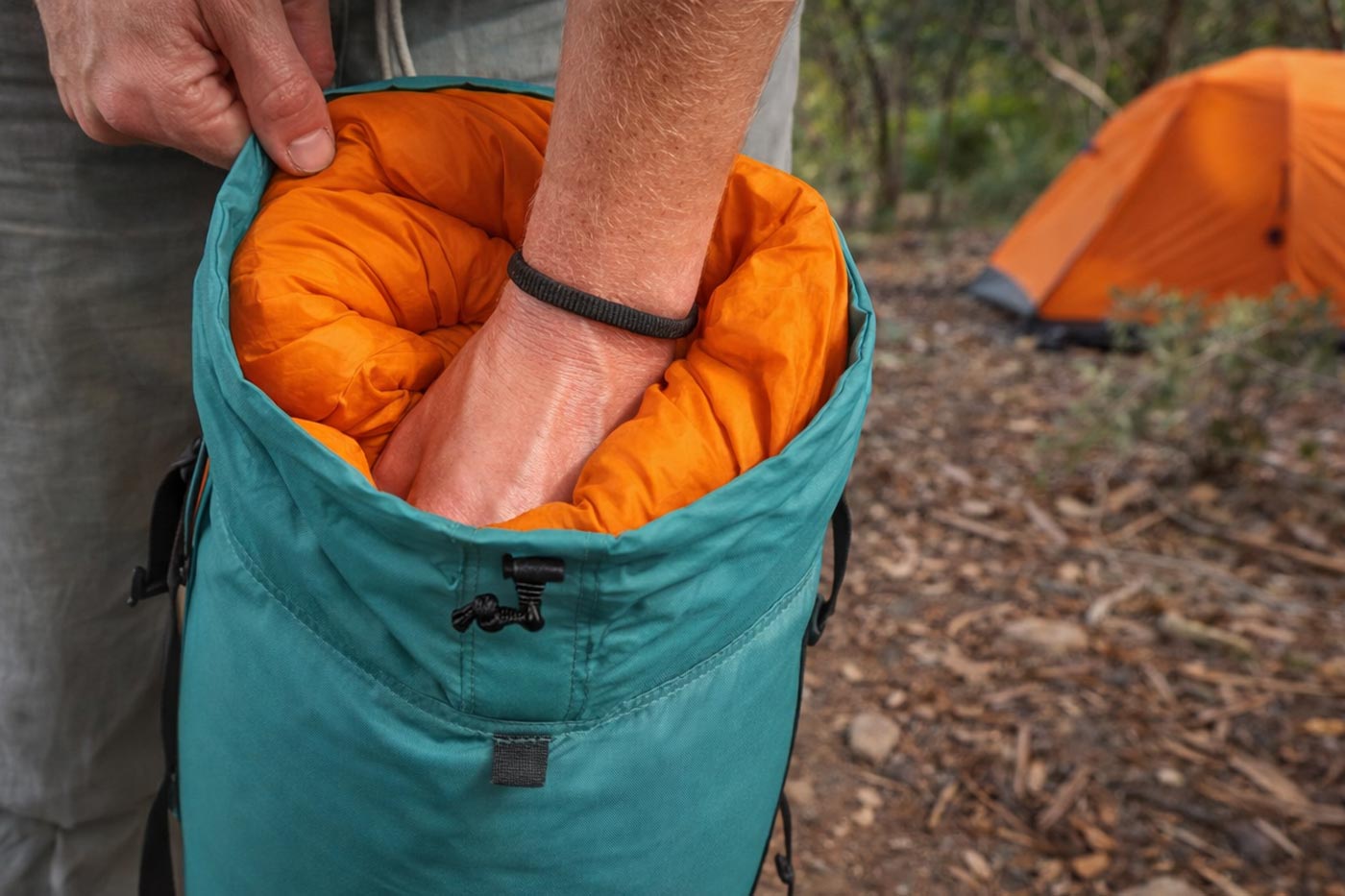
2. Storing Your Sleeping Bag: To Stuff or to Hang?
The storage of your sleeping bag is just as important as choosing the right one for your hike. Improper storage can cause the insulation to lose its loft, reducing its ability to keep you warm.
Stuffing Your Sleeping Bag
Stuffing a sleeping bag involves placing it into its stuff sack by tightly packing it down.
Pros of Stuffing
- Space-efficient: Stuffing your sleeping bag takes up less room in your pack, leaving more space for other gear.
- Quick and convenient: It’s the fastest method of packing your bag, especially when you’re on the go.
Cons of Stuffing
- Can damage the insulation: Regularly stuffing a sleeping bag, especially if it’s compressed too tightly, can cause the insulation (particularly down) to lose its loft, reducing its ability to keep you warm.
- Can lead to moisture retention: If your sleeping bag isn’t fully dry before being stuffed, moisture can get trapped, leading to mildew or odour.
Hanging or Storing Loose
Hanging or storing a sleeping bag loosely ensures that it maintains its loft and insulation. This is often the recommended method for long-term storage.
Pros of Hanging/Loose Storage
- Prevents compression: Storing your sleeping bag loosely (such as in a large storage sack or hanging it) allows the insulation to retain its loft and warmth.
- Preserves insulation: By not compressing the bag too much, you help preserve the quality of the down or synthetic fibres, ensuring your bag keeps its warmth.
Cons of Hanging/Loose Storage
- Takes up more space: Hanging or storing your bag loose requires more room, which might not be ideal if you’re tight on space.
Best Practice: Stuffing vs Hanging Your Sleeping Bag
- Short-term storage: If you’re storing your sleeping bag for a short period (like during a trip), stuffing is fine, but make sure to avoid over-compressing it. If it’s damp, give it time to dry fully before packing.
- Long-term storage: For longer-term storage, especially at home, it’s best to store your sleeping bag loosely or hang it in a dry, cool place. This helps maintain the bag’s warmth and loft.
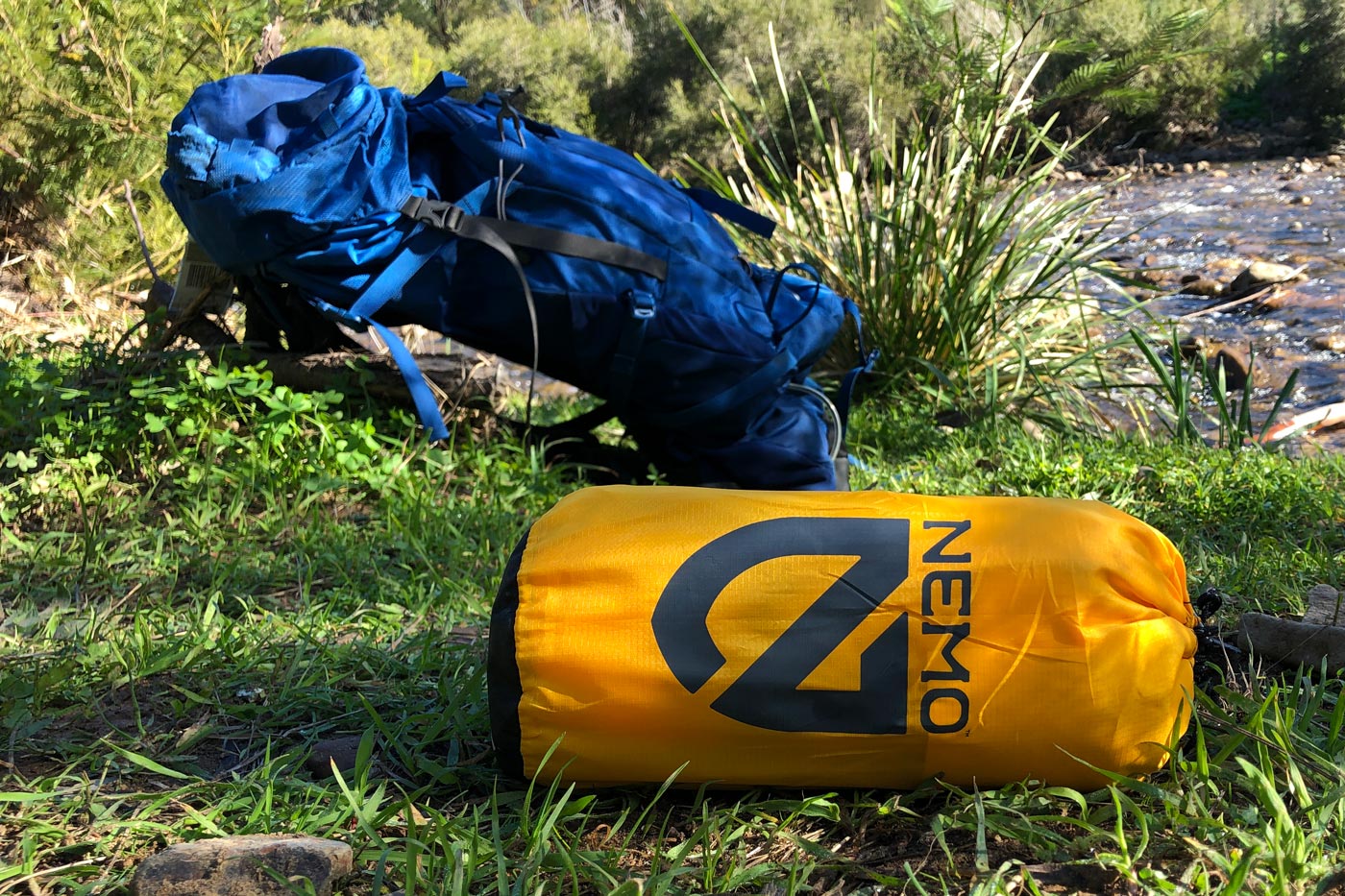
3. Storing Your Sleeping Mat: Rolling vs Stuffing
How you store your sleeping mat is also important to its longevity, especially for inflatable or self-inflating mats that are more prone to damage from rough handling.
Stuffing Your Sleeping Mat
Some mats come with stuff sacks, and the tendency is to simply stuff them in when you’re packing up.
Pros of Stuffing
- Quick and easy: Like with tents, stuffing your sleeping mat into its sack is fast and efficient.
- Compact storage: Stuffing your mat saves space when storing it in your pack or at home.
Cons of Stuffing
- Potential damage: If you stuff an inflatable mat too tightly, it can stress the seams and valves, leading to punctures or leaks.
- Decreases mat lifespan: Over time, constant stuffing can cause wear and tear on the material, reducing its durability.
Rolling Your Sleeping Mat
Rolling your sleeping mat carefully helps protect the seams, valves, and fabric from unnecessary stress.
Pros of Rolling
- Prevents damage: Rolling your mat gently, ensuring that there are no sharp folds or creases, prevents stress on the fabric and seams.
- More controlled compression: When rolled, the mat is compressed evenly without putting too much pressure on any one area.
Cons of Rolling
- Takes more time: Rolling a mat properly takes more time than stuffing, especially after a long hike when you’re eager to pack up.
Best Practice: Stuffing vs Rolling Your Sleeping Mat
- Short-term storage: If you’re in a rush to pack up after a hike, stuffing your mat is okay as long as you’re not overly tight. Ensure it’s dry before packing it away.
- Long-term storage: For better long-term care, rolling your mat is preferable. This ensures that the mat’s material and seams are under less stress, prolonging its lifespan.
Final Tips for Storing Your Gear
- Dry all gear thoroughly before packing or storing it. Damp tents, sleeping bags, and mats are prone to mildew, which can cause irreversible damage.
- Store your gear in a cool, dry place away from direct sunlight to prevent degradation of the materials.
- Use a gear storage sack or bag for longer-term storage. A breathable sack is best to prevent moisture buildup.
- Avoid storing items in compressed states for long periods. Store gear loosely to avoid damaging insulation and materials.
- Check your gear regularly: Ensure no damage, mildew, or wear develops. Proper maintenance now means better performance on your next hike.






I used to always meticulously roll my gear, the same way it came out of its packaging. Now my tent and sleeping bag get stuffed.
Trail Hiking Australia Came across a Finnish trend of stuffing your sleeping bag in your ruck last. Pushing it around all the items to take up the gaps and free space…
I’ve never tried it but it makes total sense in terms of maximising space. 🤔
Murky Murk it does make total sense. I do that with my puffer jacket but haven’t tried my sleeping bag or quilt.
Trail Hiking Australia I might give it a try and see if it messes with my pathological need to have everything neatly compartmentalised. 😅
Murky Murk hahahah. I totally hear you there. The thought of just stuffing it in, messes with my head too
Always stuff!
My sleeping bag even has stuff don’t roll in it’s packing instructions
Fold roll the tent. Stuff the sleeping bag.
Stuff when using, roll while storing for the tent, roll my sleeping bag when using and mesh sack for storage.
everything is stuffed and squashed.