Quilts have become a popular alternative to traditional sleeping bags, particularly among hikers who prioritise weight savings, comfort, and adaptability. By removing insulation that would otherwise be crushed beneath your body, quilts focus warmth where it actually works while relying on your sleeping mat for insulation from the ground. The result is a lighter, more flexible sleep system that suits a wide range of Australian hiking conditions.
Choosing the right quilt is not about chasing the lightest option on a spec sheet. It is about understanding how quilts function as part of a complete sleep system and matching their design to your body, sleeping habits, and the environments you hike in.
What Is a Quilt?
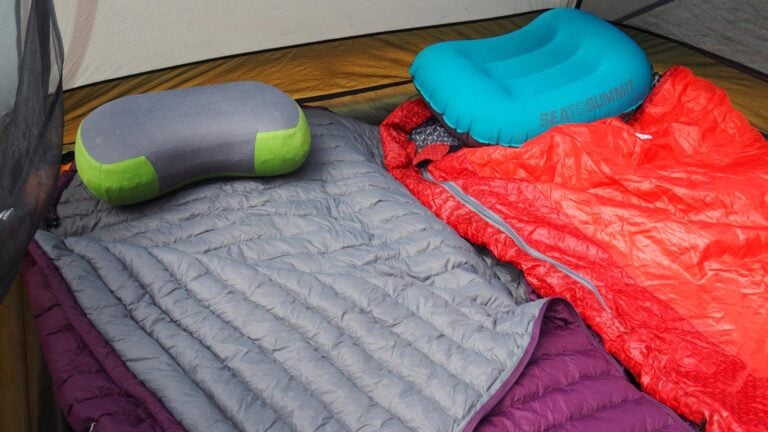
A backpacking quilt is an insulated top layer that functions more like a blanket than a fully enclosed sleeping bag. Instead of wrapping completely around your body with a zip and hood, a quilt lies over you and is secured around your sleeping mat using straps or clips. Most quilts include a closed or partially closed footbox to keep your feet warm, while the upper section remains open and adjustable.
The key principle behind a quilt is efficiency. Insulation only provides warmth when it can loft. In a sleeping bag, the insulation underneath you is compressed and contributes very little warmth. A quilt removes that ineffective insulation, reducing weight and bulk while still keeping your upper body warm.
Why Quilts Work Well for Australian Hiking
Australian hiking often involves variable conditions rather than prolonged deep cold. Warm days followed by cold nights, rapid weather changes, and mixed humidity levels are common across much of the country. Quilts suit these conditions because they are easy to vent, adjust, and adapt as temperatures change.
Quilts also appeal to side sleepers and people who move a lot during the night. The open design allows you to change position without fighting against a tight mummy shape, which can improve comfort and reduce insulation compression over consecutive nights.
Understanding Quilt Temperature Ratings
What a Temperature Rating Really Means
A quilt’s temperature rating represents the lowest temperature at which the quilt is intended to keep an average sleeper warm when used correctly. This assumes a suitable sleeping mat, appropriate clothing, and good campsite selection. Unlike sleeping bags, quilt temperature ratings are not governed by a universal standard, so there can be variation between manufacturers.
I treat a temperature rating as a planning tool rather than a promise. Wind exposure, ground conditions, fatigue, humidity, and individual metabolism all influence how warm you will feel at night.
Choosing a Rating for Australian Conditions
In Australia, overnight temperatures often drop well below daytime forecasts, even outside alpine regions. Clear inland nights, elevated tablelands, and desert environments can all produce unexpectedly cold conditions. Coastal areas add the challenge of wind and damp air, which can strip heat quickly.
For most Australian hikers, I choose a quilt rated at least 5 degrees colder than the lowest temperature I expect to encounter, which gives a sensible safety margin. This buffer helps account for weather changes, poor campsite shelter, or nights when your body is simply not generating much heat.
Common Temperature Rating Mistakes
A frequent mistake is choosing a quilt based on daytime comfort or average temperatures rather than overnight lows. Another is assuming a quilt with the same rating as a sleeping bag will feel equally warm. Quilts rely more heavily on correct setup and user awareness to achieve their rated performance.
Size and Fit: Length and Width Matter
Quilt Length
A quilt should be long enough to cover your body from feet to at least your chin when lying flat. Many hikers prefer extra length so the quilt can be pulled higher in colder conditions, allowing partial face coverage when combined with a beanie or insulated hood. A quilt that is too short will either expose your shoulders or force your feet into the footbox, both of which reduce warmth and comfort.
Quilt Width
Width is one of the most important and most commonly underestimated aspects of quilt selection. Because quilts do not fully enclose your body, they must be wide enough to wrap around you and tuck slightly underneath without tension.
If a quilt is too narrow, cold air will enter along the sides whenever you move. This is particularly noticeable for side sleepers, broad-shouldered hikers, or people who change position frequently during the night. Choosing adequate width usually has a far greater impact on warmth and comfort than saving a small amount of weight.
Body Shape and Sleeping Style
Height and weight alone do not determine the right quilt size. Shoulder width, sleeping position, and how much you move at night all matter. Restless sleepers and side sleepers should prioritise width and draft control over minimal dimensions, even if it adds a small weight penalty.
Insulation Types
Down Insulation
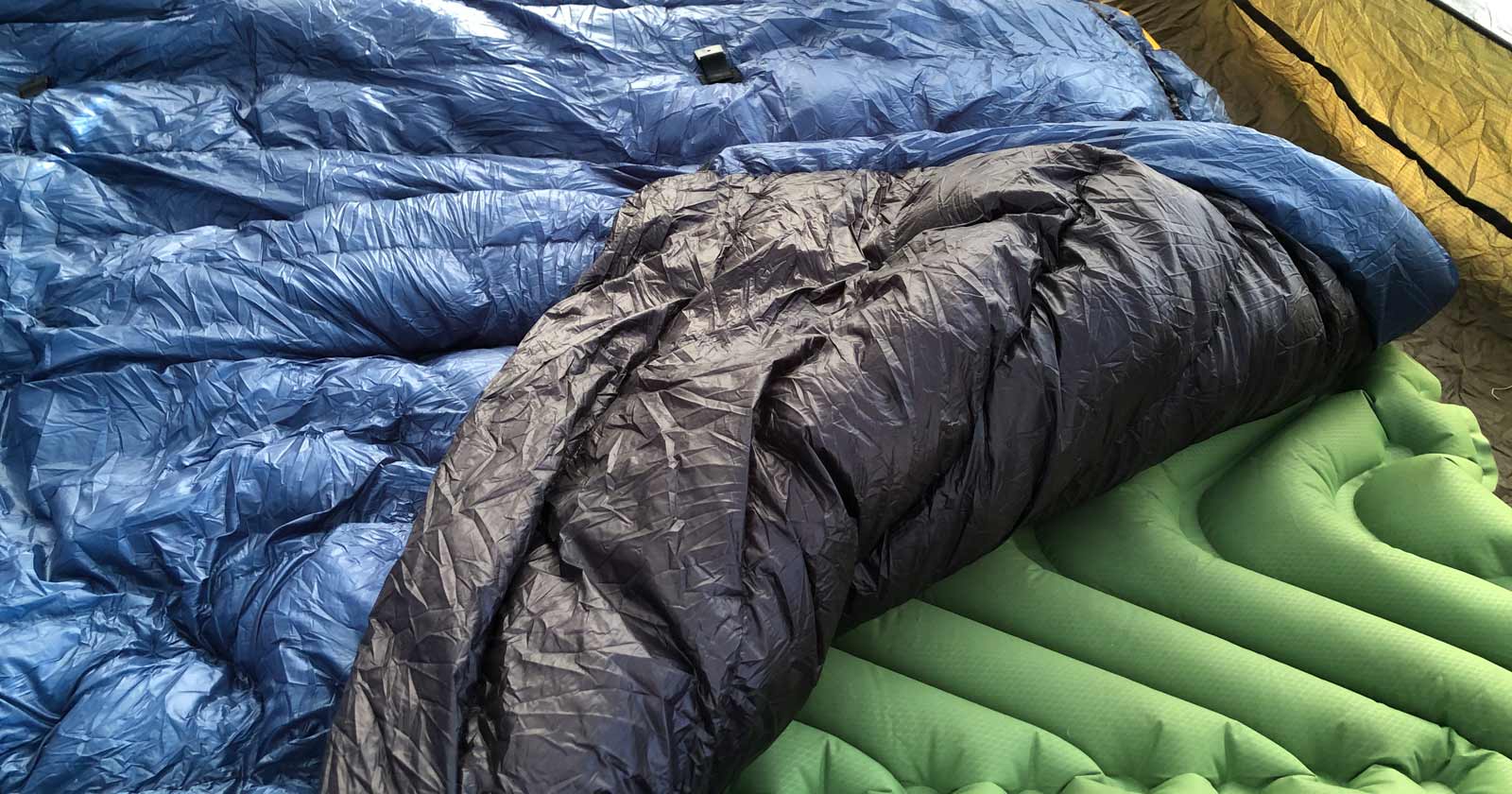
Down is the most common insulation used in backpacking quilts due to its excellent warmth-to-weight ratio and compressibility. High quality down lofts well, packs small, and offers long-term durability when cared for properly.
In Australian conditions, the main challenge with down is moisture. Humidity, condensation, and wet weather can reduce performance if the insulation becomes damp. Many modern quilts use treated down to improve moisture resistance, but good ventilation and campsite selection remain important.
Synthetic Insulation
Synthetic insulation is heavier and bulkier than down but performs better when wet and dries more quickly. Synthetic quilts can be a practical option for consistently damp environments or trips where drying opportunities are limited, such as coastal walks or rainforest areas.
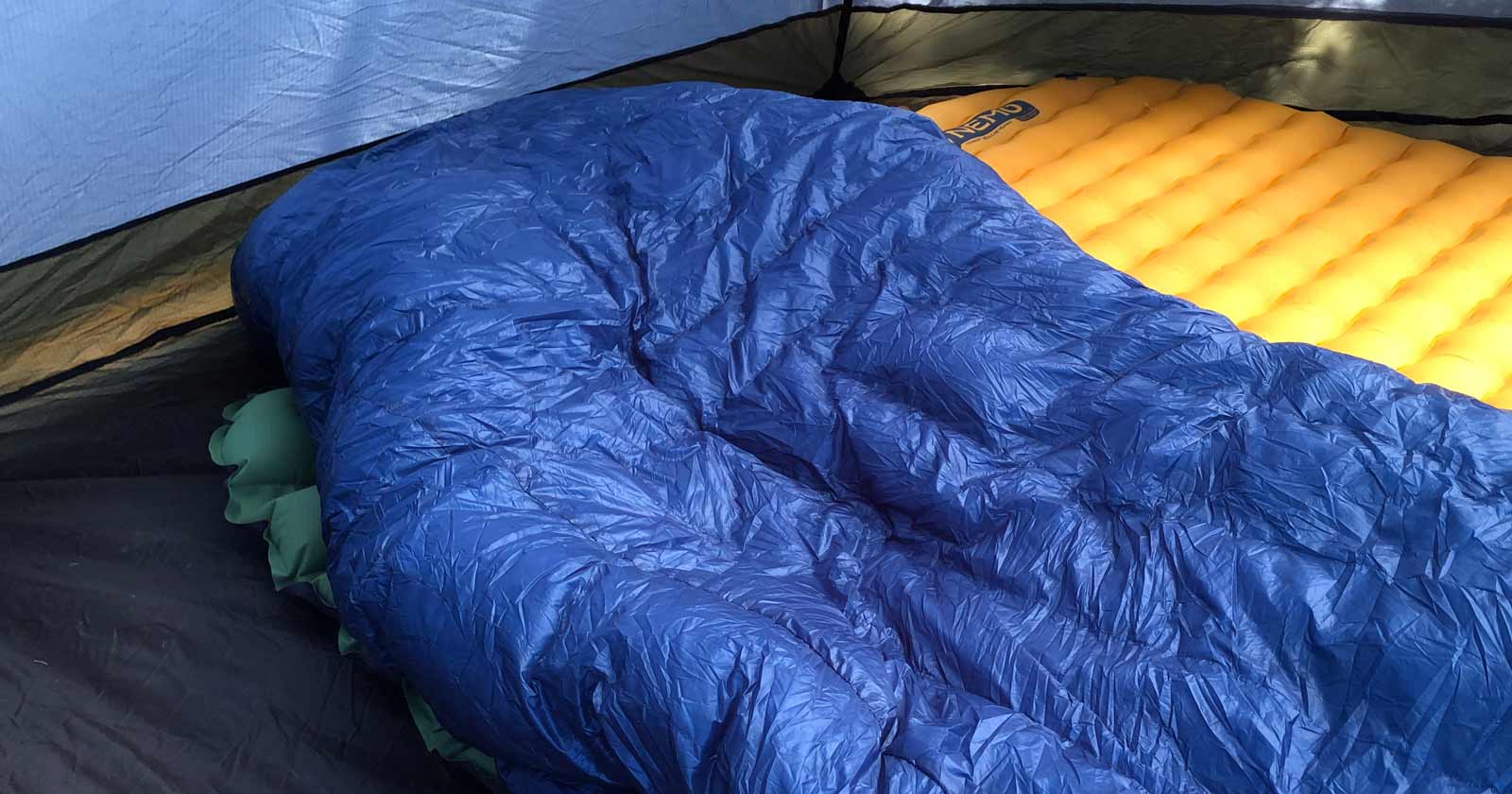
Footbox Design and Warmth
The footbox is the enclosed lower section of a quilt that keeps your feet warm and reduces drafts. Footbox design has a noticeable impact on warmth and versatility. Sewn footboxes are permanently closed. They are simple, lightweight, and generally warmer due to fewer gaps and seams. This design suits cooler conditions where ventilation is rarely needed.
Zippered or convertible footboxes can be opened flat in warm weather and closed when temperatures drop. This adds versatility but introduces potential draft points if not well designed. For variable Australian conditions, a well-executed zippered footbox can offer useful flexibility.
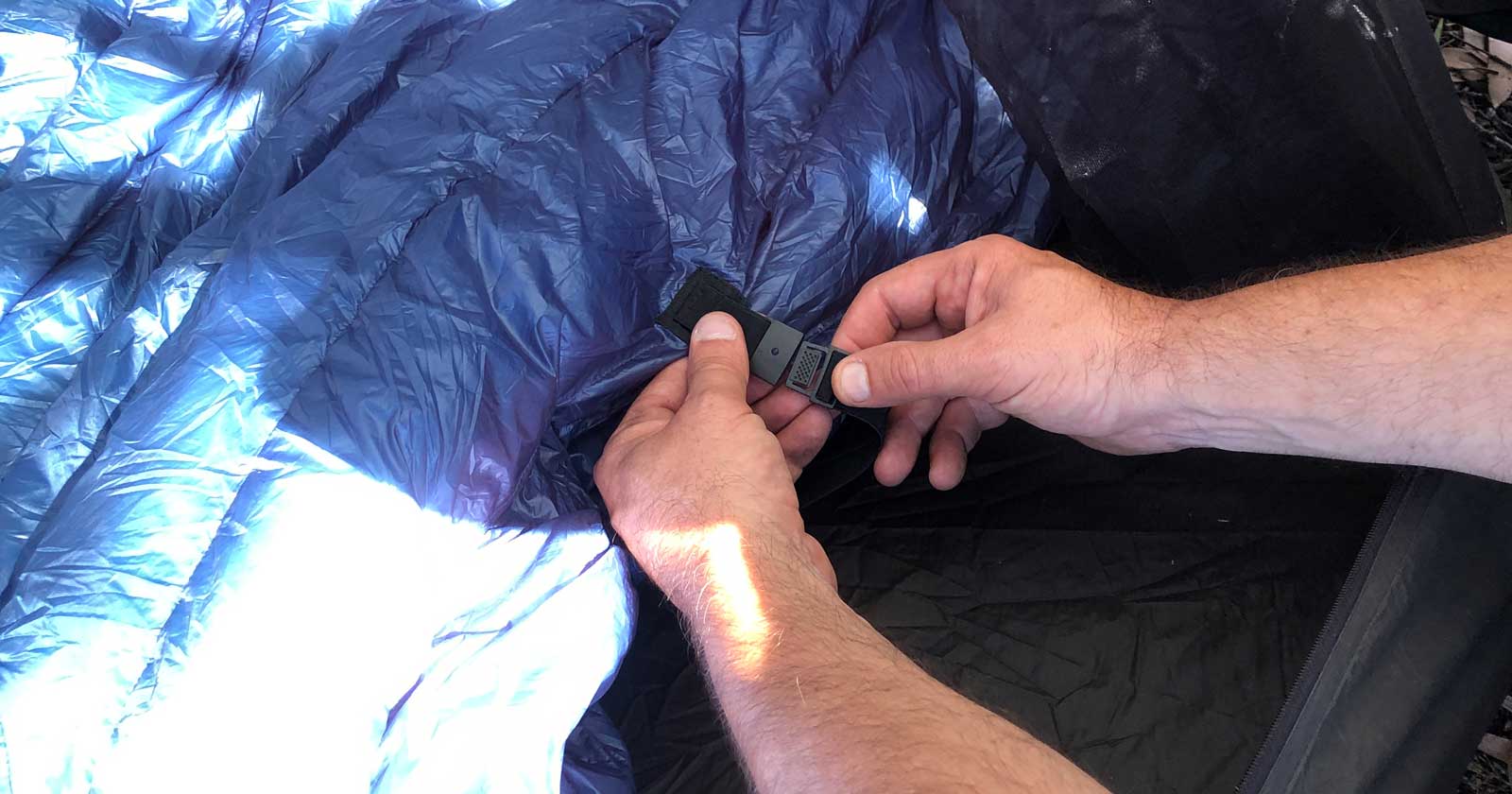
Draft Control and Attachment Systems
Quilts rely on good draft control to perform well in colder conditions. Common features include adjustable neck closures, elasticised edges, and pad attachment systems.
Pad straps or clips secure the quilt to your sleeping mat, preventing gaps from opening as you move. A good system should be easy to adjust and allow you to fine-tune tension without feeling restrictive. Attachment points that sit part way up the quilt body allow excess fabric to be tucked underneath you, improving seal and warmth.
Poor draft control is the most common reason quilts fail to meet their temperature rating in real-world use.
The Sleeping Mat Is Not Optional
Because quilts have no insulation underneath you, your sleeping mat provides all warmth from below. An inadequately insulated mat will undermine even the warmest quilt. In cooler Australian conditions, especially on frosty ground or in alpine areas, a sleeping mat with sufficient insulation is essential. Cold ground draws heat away quickly, and many people mistakenly blame their quilt when the real issue is heat loss through the mat.
Clothing and Head Insulation
Quilts are designed to work as part of a system. Sleeping in dry, appropriate clothing improves comfort and extends the usable temperature range of a quilt. Light insulated layers are often enough to bridge the gap on colder nights. Unlike sleeping bags, quilts do not have built-in hoods. Head insulation must be provided separately, usually with a warm beanie or insulated hood. This is a simple but critical detail, as significant heat loss occurs through the head and neck in cold conditions.
Common Mistakes When Choosing a Quilt
- Choosing the narrowest or lightest option without considering sleeping style
- Selecting a temperature rating with no safety margin
- Underestimating the importance of the sleeping mat
- Expecting quilts to behave exactly like sleeping bags
- Ignoring wind exposure and campsite shelter
Most quilt-related comfort issues stem from these decisions rather than from the quilt itself.
Is a Quilt Right for You?
Quilts suit hikers who value adaptability, weight efficiency, and freedom of movement, and who are willing to think in terms of a complete sleep system rather than a single piece of gear. They reward thoughtful setup and realistic planning. If you prefer a fully enclosed, set-and-forget solution, or regularly camp in very exposed, cold, or wet conditions, a traditional sleeping bag may still be the better choice.
For many Australian hikers, though, a well-chosen quilt provides an efficient and comfortable solution across a wide range of trips. Choosing the perfect quilt comes down to understanding how warmth, fit, and draft control interact in real hiking conditions. Temperature rating, width, length, insulation type, and attachment systems all matter more than headline weight figures. When I match these carefully to my body, my sleeping habits, and the environments I hike in, a quilt delivers reliable warmth, real comfort, and the flexibility that Australian conditions often demand.