The diverse world of explorers
Australia’s landscapes pull people outdoors for very different reasons, and that shows up clearly in how people hike. Some thrive on last-minute plans, some love detailed preparation, and most of us sit somewhere in between. None of that is a problem in itself. What actually determines how a day goes is preparedness, skills, and the decisions made along the way, which is what this piece looks at: not judging a hiking style, but understanding how each one shapes safety on the trails.
Prioritising outdoor safety
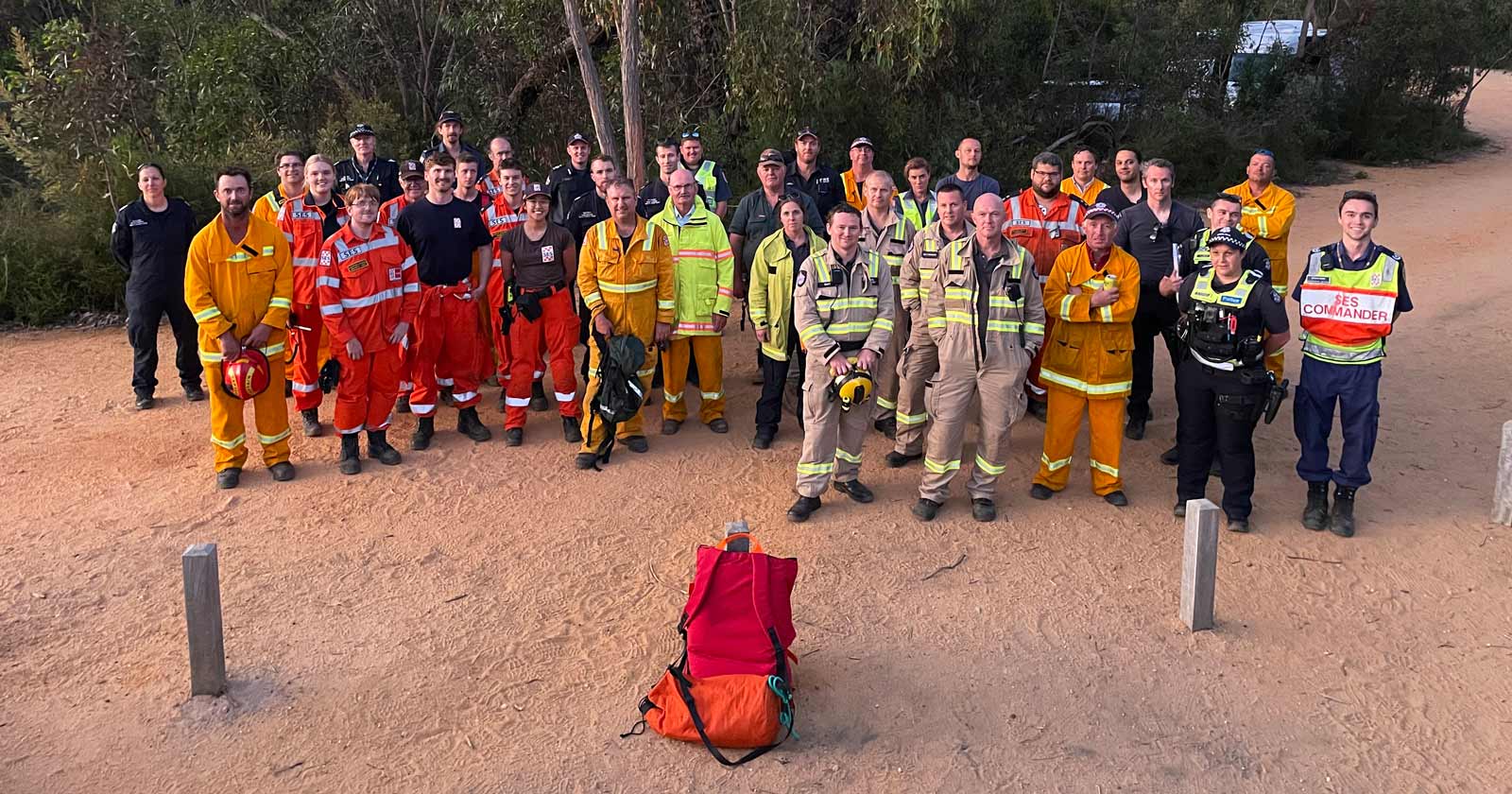
Before getting into hiking “types”, it’s worth acknowledging the volunteers and organisations, including SES and police Search and Rescue (SAR), who respond when trips go wrong. Most call-outs aren’t caused by one dramatic mistake. They come from small issues stacking up: a late start, underestimated time, a shift in the weather, a navigation error, fatigue, or a tech failure when there’s no coverage.
Here are eight commonly reported contributors to people becoming lost or injured in the wild. They matter regardless of experience level, because they’re about systems, not personality.
According to SAR Victoria, common factors include:
- Lack of planning or no planning of trip.
- Over-reliance on technology (GPS and mobile phones can lose battery or have no coverage).
- Underestimating the time and skill required for a route, causing delay.
- Lack of skill or physical ability for a particular terrain.
- Failure to carry a map or compass, contributing to disorientation.
- Lack of leadership in a group, leading to delayed or poor decisions.
- Failure to identify terrain hazards such as cliffs, rivers, waterfalls and slippery surfaces.
- Entering areas that are closed, ignoring barriers, or taking avoidable risks around hazardous terrain.
None of this is about blaming individuals. It’s a reminder that the outdoors is unforgiving of small gaps in preparation. With that in mind, here are some common hiking styles, along with the strengths, watch-outs, and habits that reduce risk for each.
Understanding the explorer within
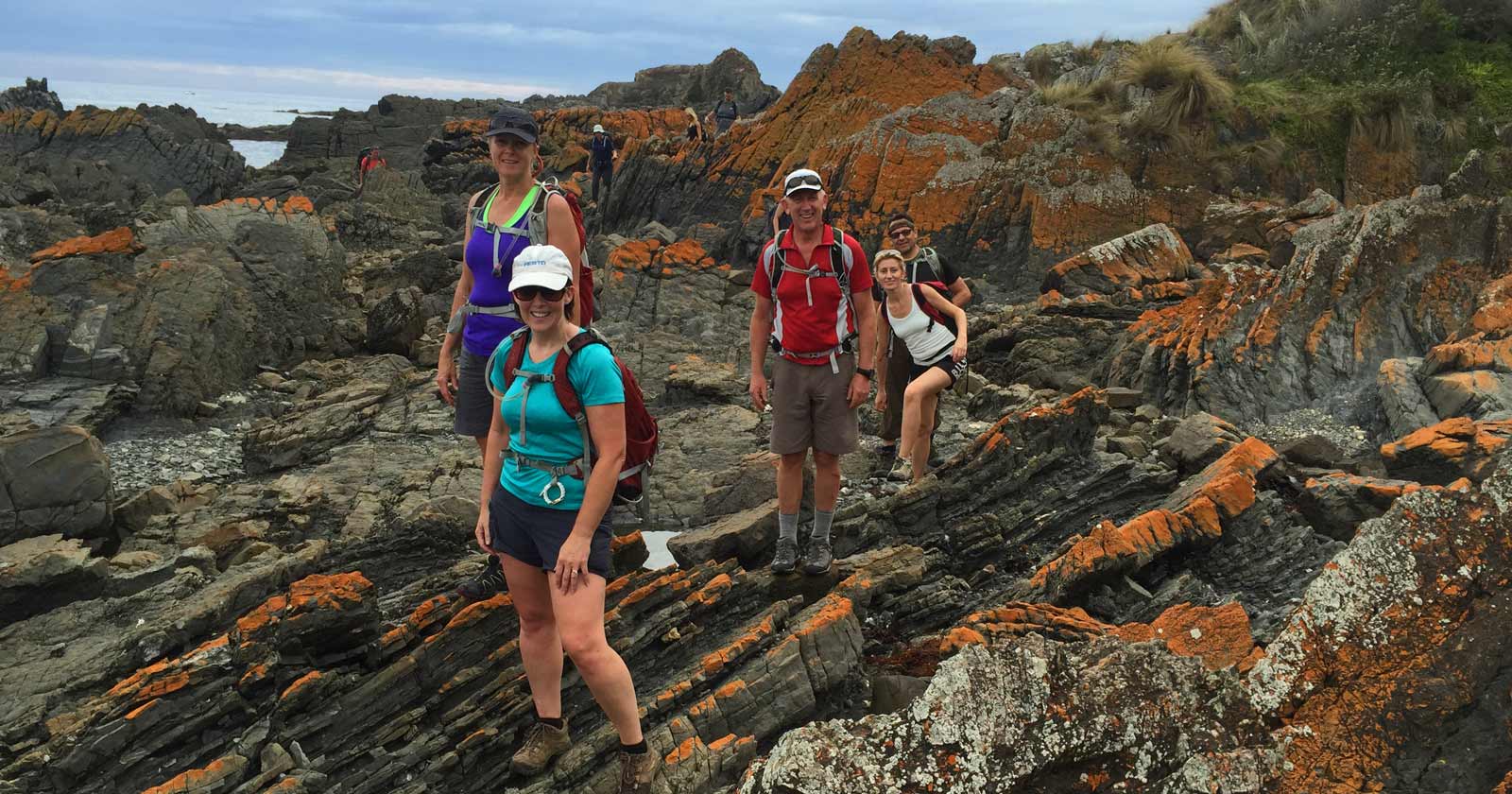
No one fits neatly into one category. Most of us shift between styles depending on time, weather, trip length, who we’re hiking with, and how familiar we are with an area. Use these less as labels and more as a way to notice what you already do well, and what you should deliberately add to your routine.
The following descriptions are for informational purposes only and do not substitute for professional guidance or experience.
1. The Spontaneous Explorer
The spontaneous explorer loves the ease of a last-minute decision: a friend mentions a track, an app shows a promising loop, the weather looks fine, and they’re off. There’s real energy and curiosity in that, but the risk shows up when excitement replaces planning, or when crowd-sourced trail info gets trusted as if it were verified.
- Strengths: Enthusiasm, willingness to get outside, adaptable mindset.
- Watch-outs: Relying on apps as the only source, skipping gear checks, leaving too late, and not factoring in time and distance planning.
- Safer habits: Use official sources where possible, carry a basic navigation backup, and set a firm turnaround time. Treat tech as helpful, not definitive, especially given the known issues with trail apps.
- Recommended trails: Easy, well-marked hikes such as grade 2 trails where the consequences of a small mistake are lower.
2. The Beginner
Beginners arrive with curiosity and motivation, and often want to learn quickly. Some are chasing fitness, some want time outdoors, some are joining friends, and plenty are figuring it out as they go. The risk isn’t the enthusiasm, it’s underestimating how long a hike actually takes, how steep a “short” track can turn out to be, or how quickly conditions can change.
- Strengths: Openness to learning, willingness to improve, good habits form early.
- Watch-outs: Unfamiliar terrain, poor timing, and not carrying basics like a light. A simple torch can prevent a late return turning into a bigger problem, which is why carrying a torch is essential.
- Safer habits: Build fundamentals with navigation basics, wear appropriate gear, and adopt Leave No Trace early.
- Recommended trails: Clear, signposted routes in the grade 2 to grade 3 range, ideally with other people around and straightforward navigation.
3. The Casual Scenic Walker
This hiker is there for the experience: a slower pace, photos, fresh air, time with the landscape. The risk isn’t intent, it’s the assumption that easy-going means low consequence. A casual day can still involve heat, dehydration, a wrong turn, or a late finish if time isn’t managed.
- Strengths: Good pacing, low ego decision-making, enjoyment of the journey.
- Watch-outs: Not checking weather, not carrying enough water, or pushing on “just a little further” near the end of the day.
- Safer habits: Pack a small emergency buffer and keep time awareness, especially if you are prone to long photo stops.
- Recommended trails: Scenic grade 2 and grade 3 tracks, or shorter grade 4 options if you want a harder effort without committing to a long day.
4. The Social Hiker
For social hikers, the hike is the shared experience. The conversation flows, the group energy is high, and the day can feel effortless. The downside is that distraction and group dynamics can lead to missed turns, split groups, or decisions that suit the loudest voice rather than the safest one.
- Strengths: Shared motivation, support, and problem-solving in a group.
- Watch-outs: Group fragmentation, mismatched fitness, and poor decisions when leadership is unclear.
- Safer habits: Set expectations early, keep the group together, and be deliberate about regroup points. If you hike in groups often, read getting a group of hikers together and reinforce good group habits.
- Recommended trails: Routes with clear navigation and obvious regroup points, generally grade 2 to grade 3.
5. The Balanced Planner
This hiker is comfortable with a bit of flexibility, but does the basics well: research the route, check conditions, pack with some margin. They’re more likely to cross-check information than run with assumptions from a single source.
- Strengths: Consistent habits, realistic expectations, good decision-making under pressure.
- Watch-outs: Overconfidence in a “standard plan” that is not adjusted for heat, recent rain, or a new environment.
- Safer habits: Confirm details with official sources where possible and build alternatives into your plan. If you care about timing, revisit time and distance planning and adjust for terrain.
- Recommended trails: A solid match for grade 3 and grade 4 hikes where preparation makes a clear difference to safety and enjoyment.
6. The Meticulous Planner
Meticulous planners enjoy the process: maps, alternatives, weather, timing, and contingency options. Their strength is self-reliance and risk management, and their main challenge is remembering that the outdoors still changes faster than any plan.
- Strengths: Strong preparation, high self-reliance, good navigation habits.
- Watch-outs: Rigid plans and the temptation to push on because the plan says you “should” be fine.
- Safer habits: Keep flexibility as part of the plan. Self-reliance is valuable, but it works best when paired with humility, which is central to safe hiking self-reliance.
- Recommended trails: Meticulous planners can safely operate across a wide range, from grade 1 to grade 5, provided experience and conditions match the trip.
7. The Solo Adventurer
Solo hikers value quiet focus, personal challenge, and the mental reset that comes from moving through nature alone. The key safety issue is that small incidents can become serious without immediate support, and simple tasks take longer when you’re managing everything yourself.
- Strengths: Focus, self-reliance, strong situational awareness when done well.
- Watch-outs: No margin for injury, navigation error, or equipment failure, especially in remote areas.
- Safer habits: Increase your safety margin, keep navigation simple, and always leave a plan. If you are solo, it is even more important to be deliberate about planning and conservative decisions.
- Recommended trails: Clear routes with straightforward navigation, generally grade 2 to grade 4 depending on experience and conditions.
8. The Overconfident Explorer
This style is less about experience and more about mindset. Overconfidence shows up when someone assumes they will be fine because they have been fine before, dismisses closures or conditions, or treats preparation as optional. Confidence is useful, but it needs to be grounded in evidence and current conditions.
- Strengths: Willingness to take on challenge and push comfort zones.
- Watch-outs: Skipping planning, ignoring closures, and stepping into terrain beyond current skill. These behaviours align closely with the factors listed above, especially entering closed areas and missing hazards.
- Safer habits: Reframe “turning back” as good judgement, and build skills methodically rather than relying on confidence alone.
- Recommended trails: Start with grade 3 and progress to grade 4 as skills and decision-making catch up with ambition.
What actually keeps you safe
Every hiking style carries its own strengths, and every one benefits from a few deliberate habits layered on top of it. The outdoors doesn’t require perfection, but it rewards good decisions made early: simplify the route if you’re unsure, choose a track that matches your current skills, and make the conservative call when conditions shift rather than waiting to see how things play out. None of the eight styles above is inherently safer than another. What matters is knowing your own tendencies well enough to add the habits you’re missing.
The real measure isn’t hiking a harder grade or collecting kilometres. It’s building the skills and judgement to enjoy more places, more often, and to come home safely every time.
Additional resources
Planning a day hike, an overnight trip, or a multi-day walk? These guides help you choose appropriate routes, plan conservatively, and build better habits:




A great article that recognises that outdoor enthusiasts come from different walks of life (excuse the pun) and are at different stages of their outdoor journeys. It is important that there are opportunities for all to enjoy the outdoors safely and confidently, and being prepared is the key to this!