Leading a hike is about much more than knowing where you’re going.
It means making good decisions for the whole group, setting a pace people can manage, keeping everyone together, recognising when someone is struggling and being prepared to adjust the plan as conditions change.
I’ve brought together a collection of hike leadership and group management guides covering planning, group size, communication, pacing, risk assessment, decision-making, hiking with kids and families, incident management and more.
Whether you regularly lead groups or simply find yourself being the person others rely on, these guides can help you build the skills and judgement needed to create safer, better managed hiking experiences.
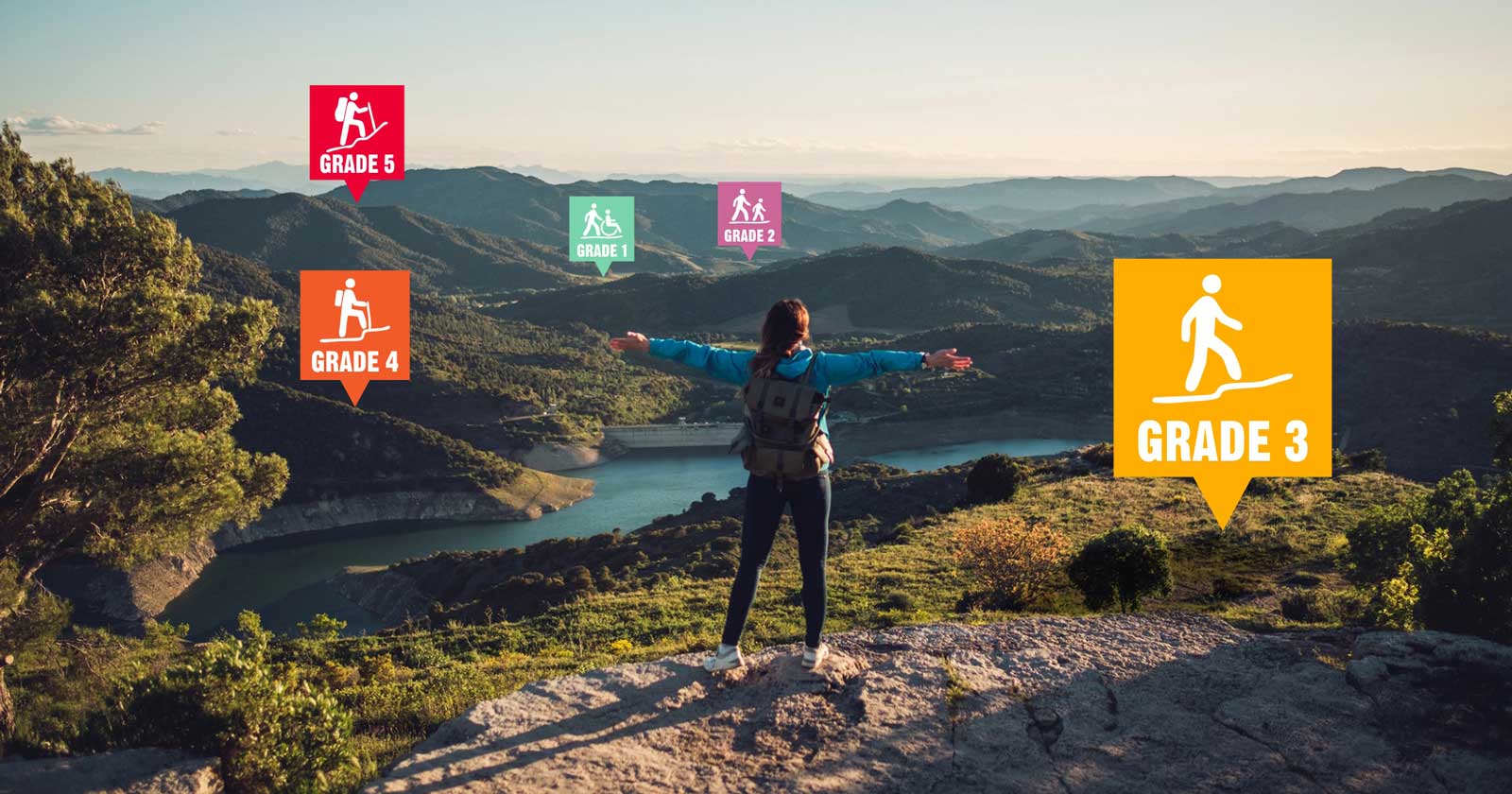
Australian Walking Track Grading System (AWTGS)
Read more →A plain-English guide to the Australian Walking Track Grading System (AWTGS), covering all five grades, what each one demands, and its limitations.
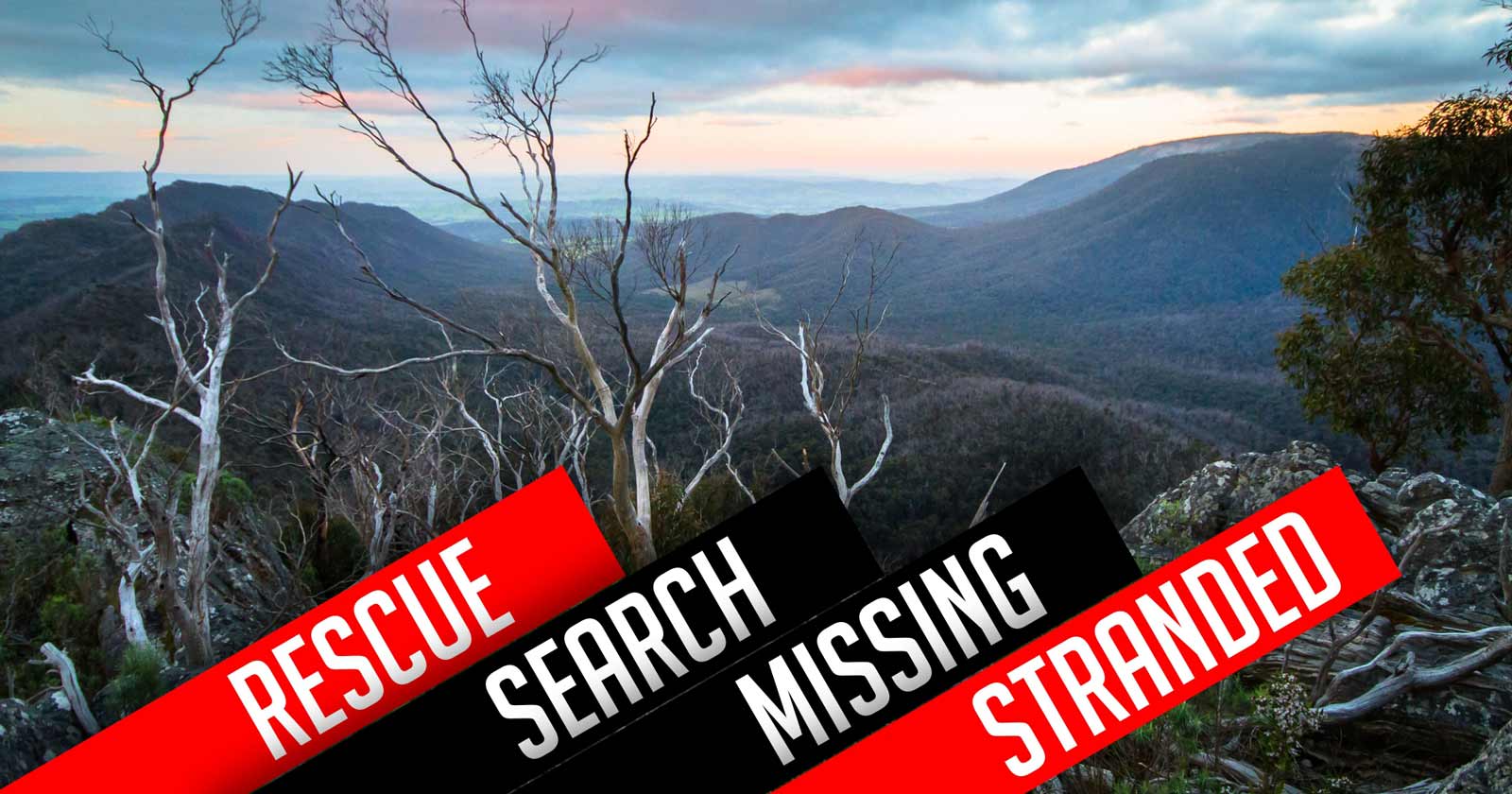
Beyond the Headlines: What Bushwalking Incidents Teach Us About Safety
Read more →What bushwalking incidents and search and rescue patterns actually teach hikers about preparation, judgement, and safer decision-making.
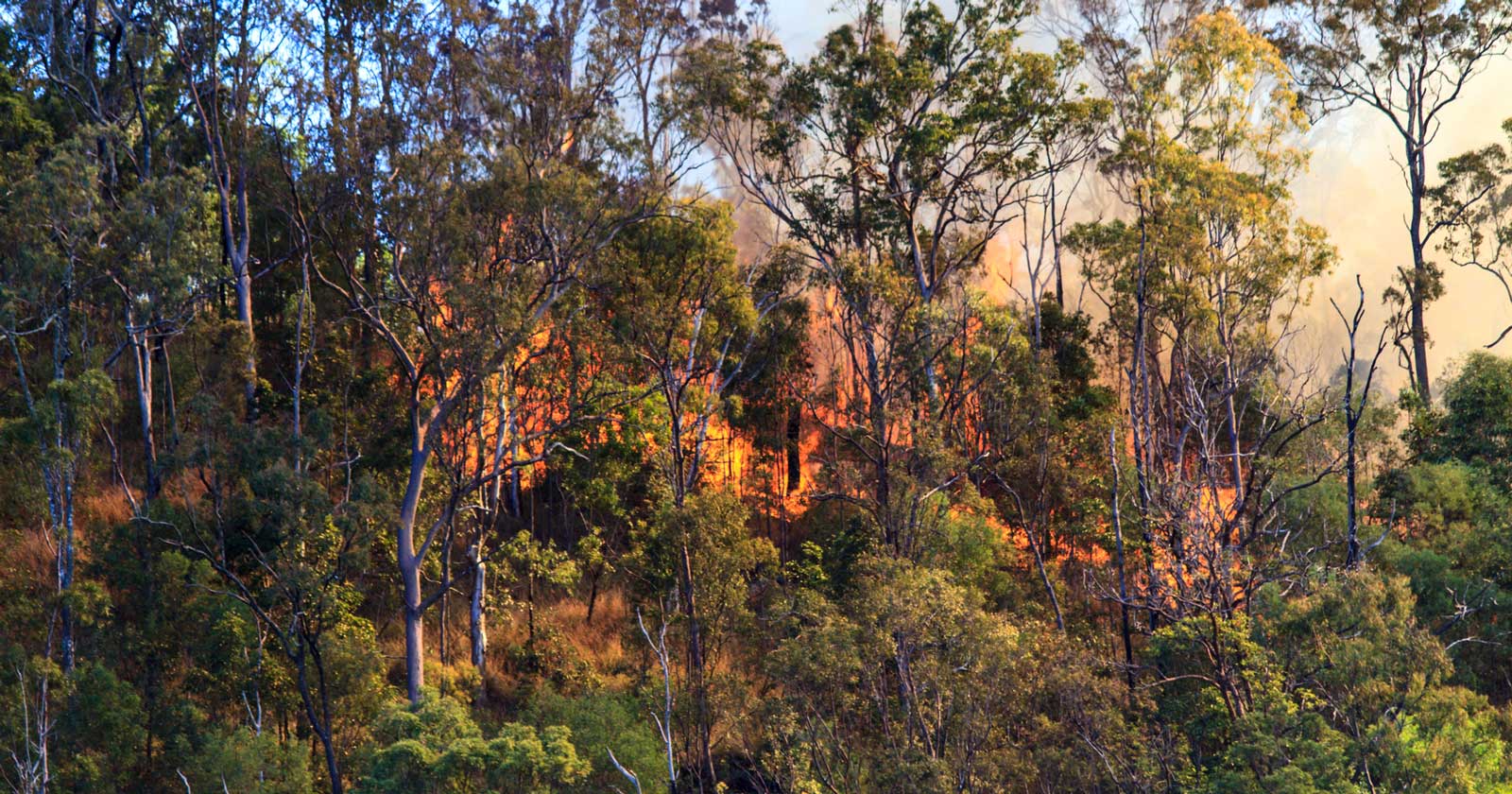
Bushfire Awareness and Safety for Hikers
Read more →Bushfire safety for Australian hikers: reading Fire Danger Ratings, spotting warning signs on the trail, what to do if a fire reaches you, and post-fire hazards.
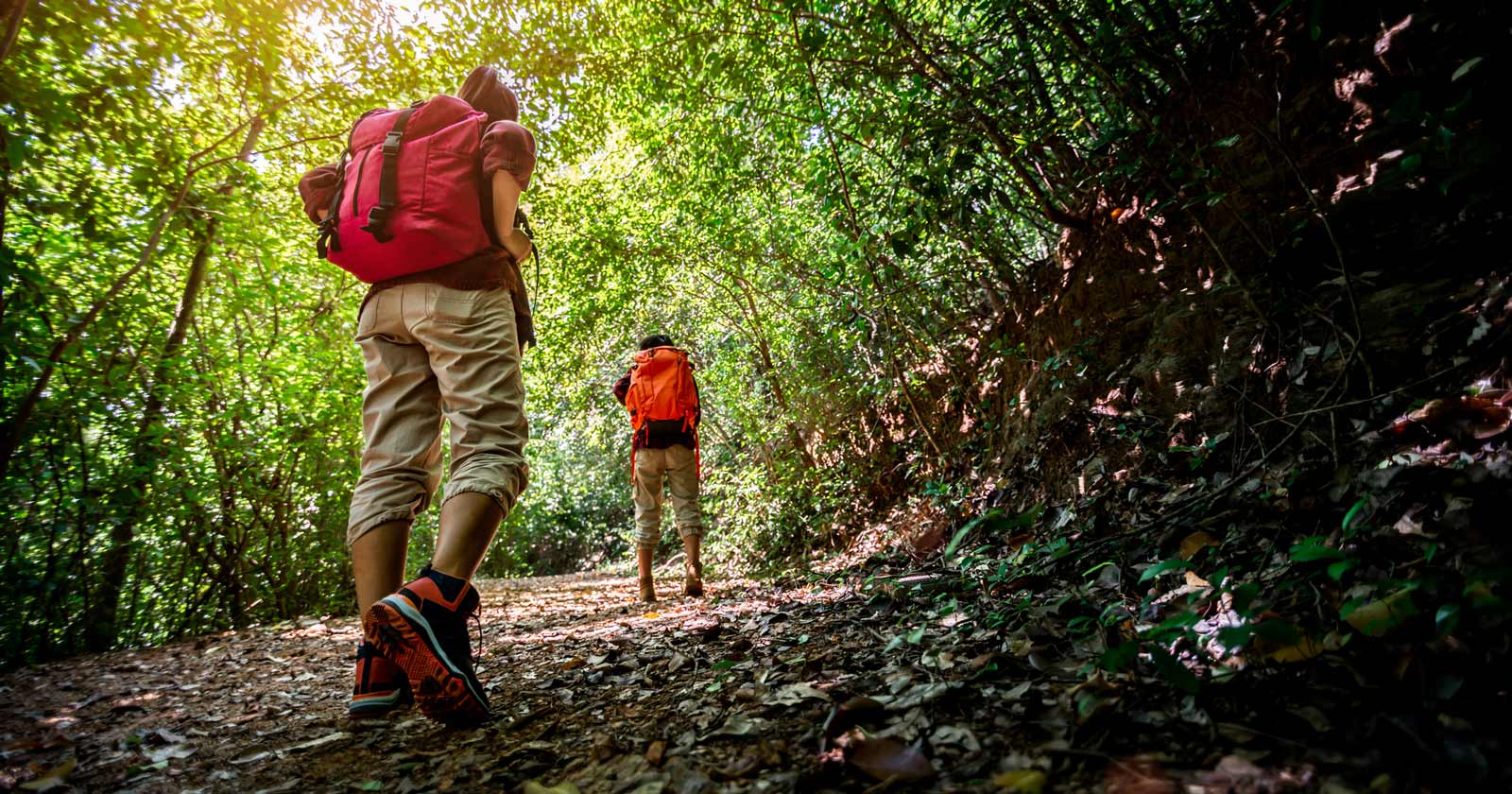
Choosing the Right Hike: Circuit, Return or One-Way Routes Explained
Read more →Circuit, return or one-way: how each hike format changes your logistics, safety margins and planning, and how to choose the right one for your trip.
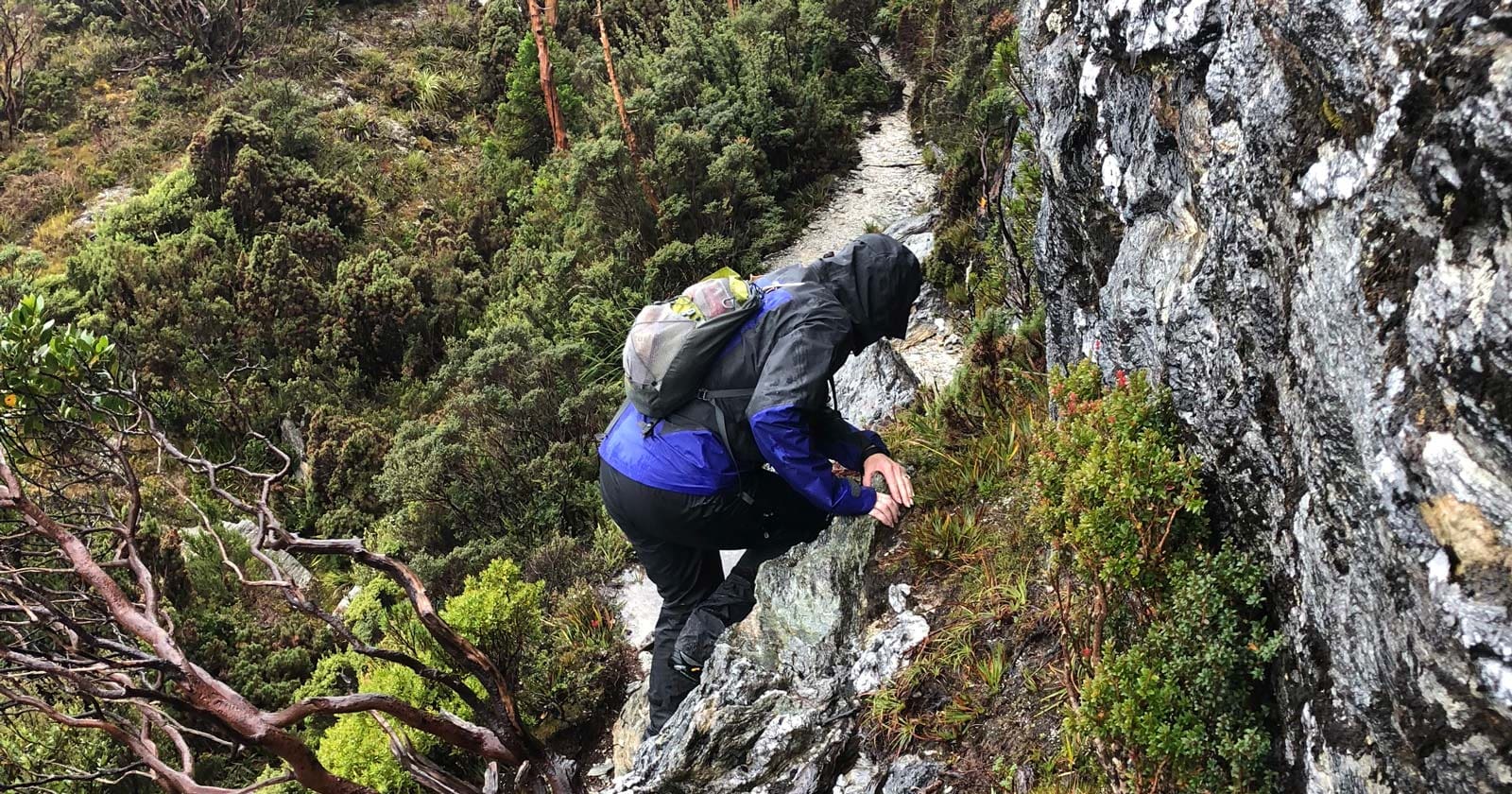
Conducting a Hiking Risk Assessment: A Practical Guide for Australian Hikers
Read more →A practical guide to assessing hiking risk in Australia: hazards, likelihood versus severity, and how heat, snakes, bushfire and remote terrain fit together.
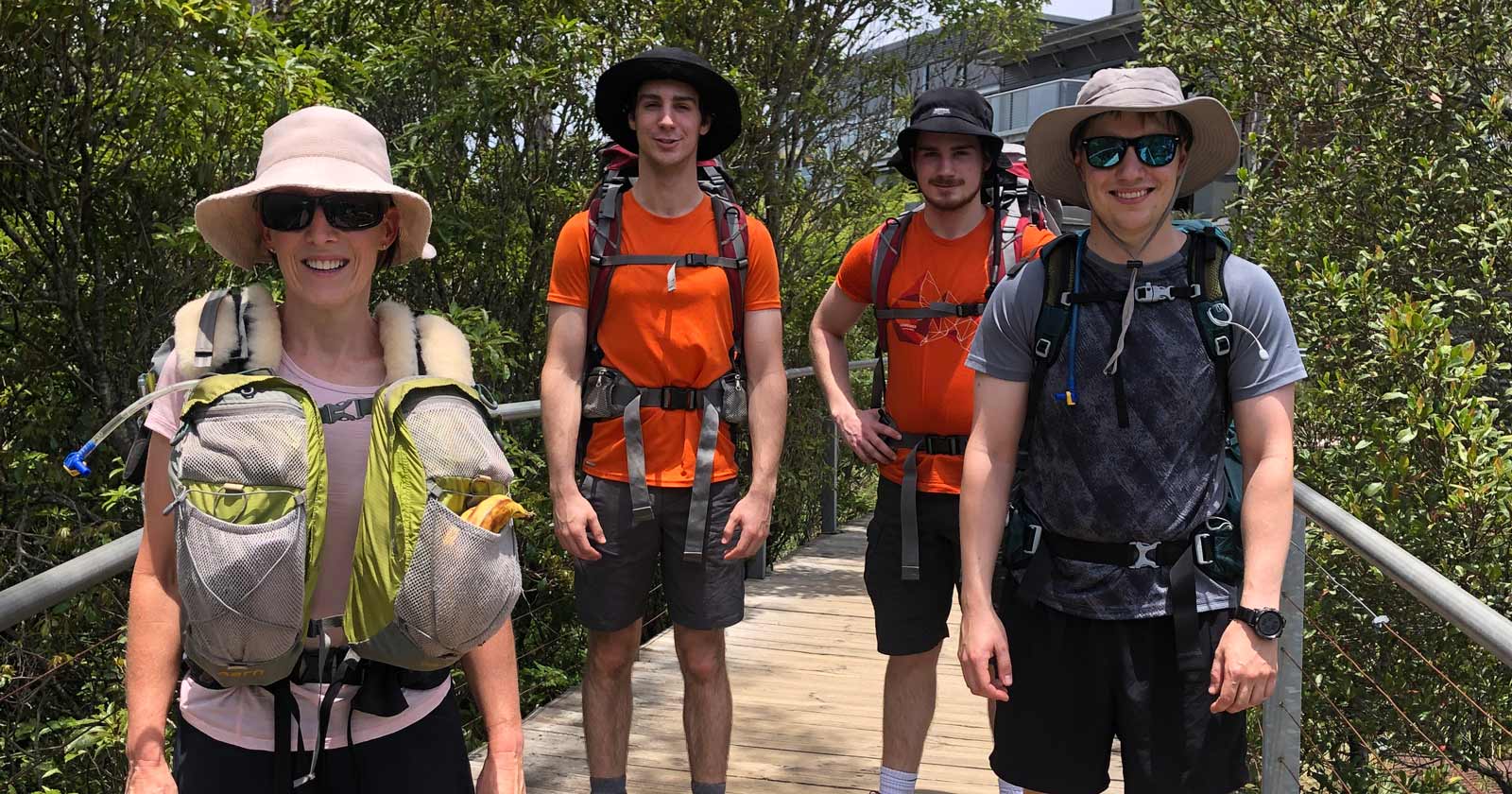
Getting a group of hikers together
Read more →Planning a group hike takes more than picking a date. How to choose the right hike, set expectations, and match people to it honestly.
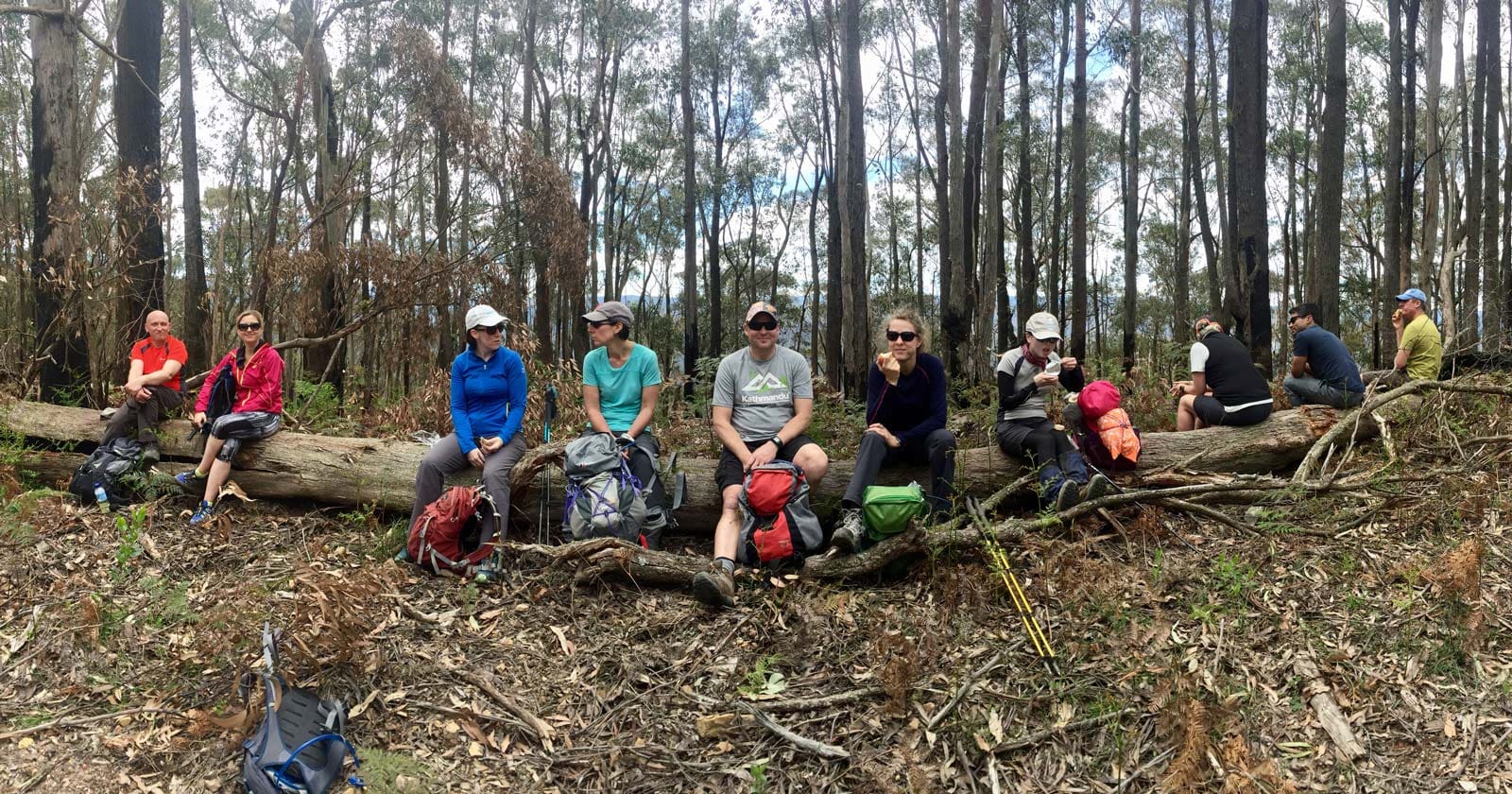
Hiking group size: why keeping it small matters
Read more →Group size shapes hiking safety, pace and environmental impact more than people expect. Why smaller groups are usually the better call.
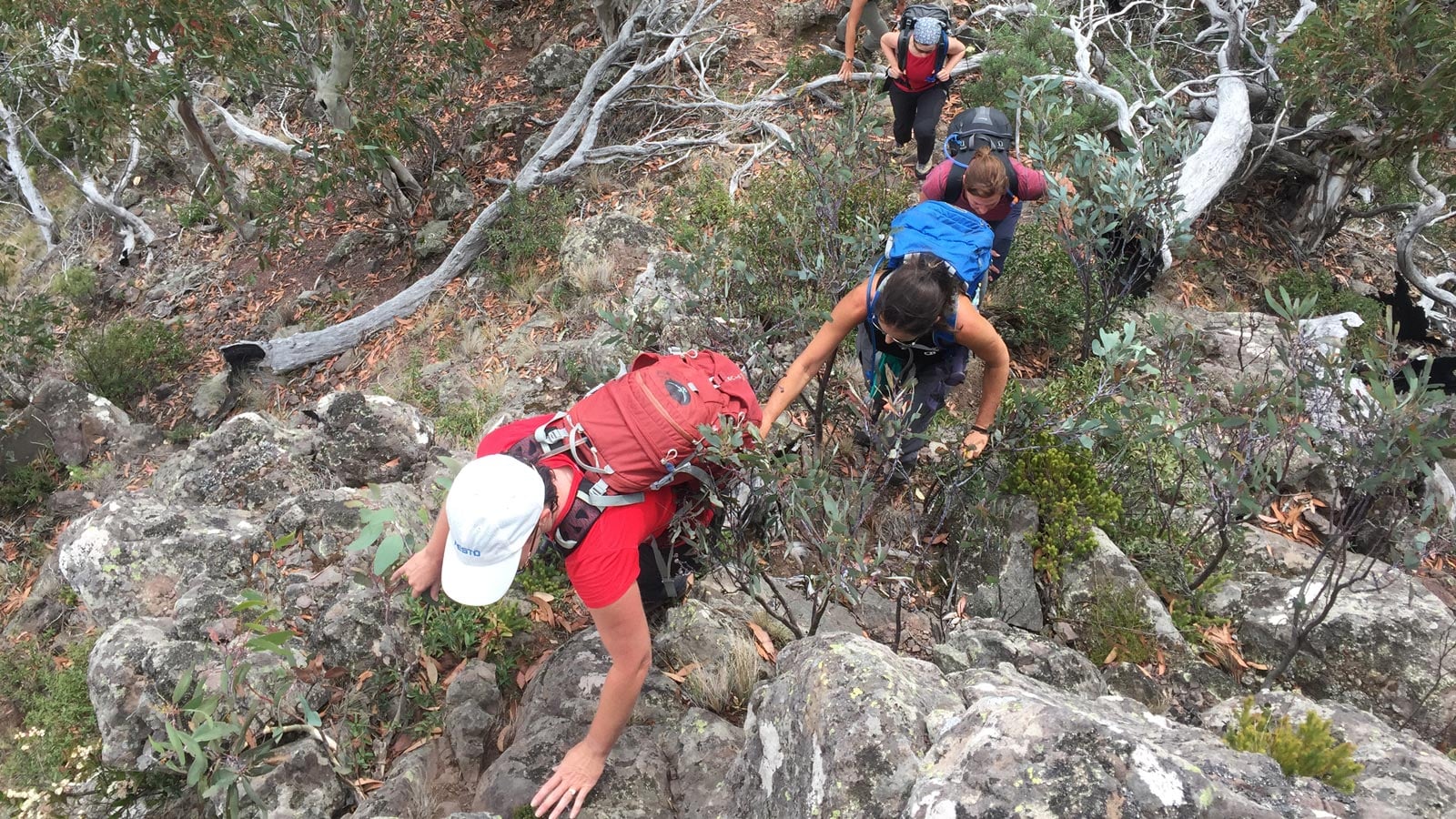
Hiking in a group: benefits, tips and safety
Read more →Group hiking adds real benefits and real responsibilities. A starting-point guide to planning, sizing, managing and staying safe in a group.
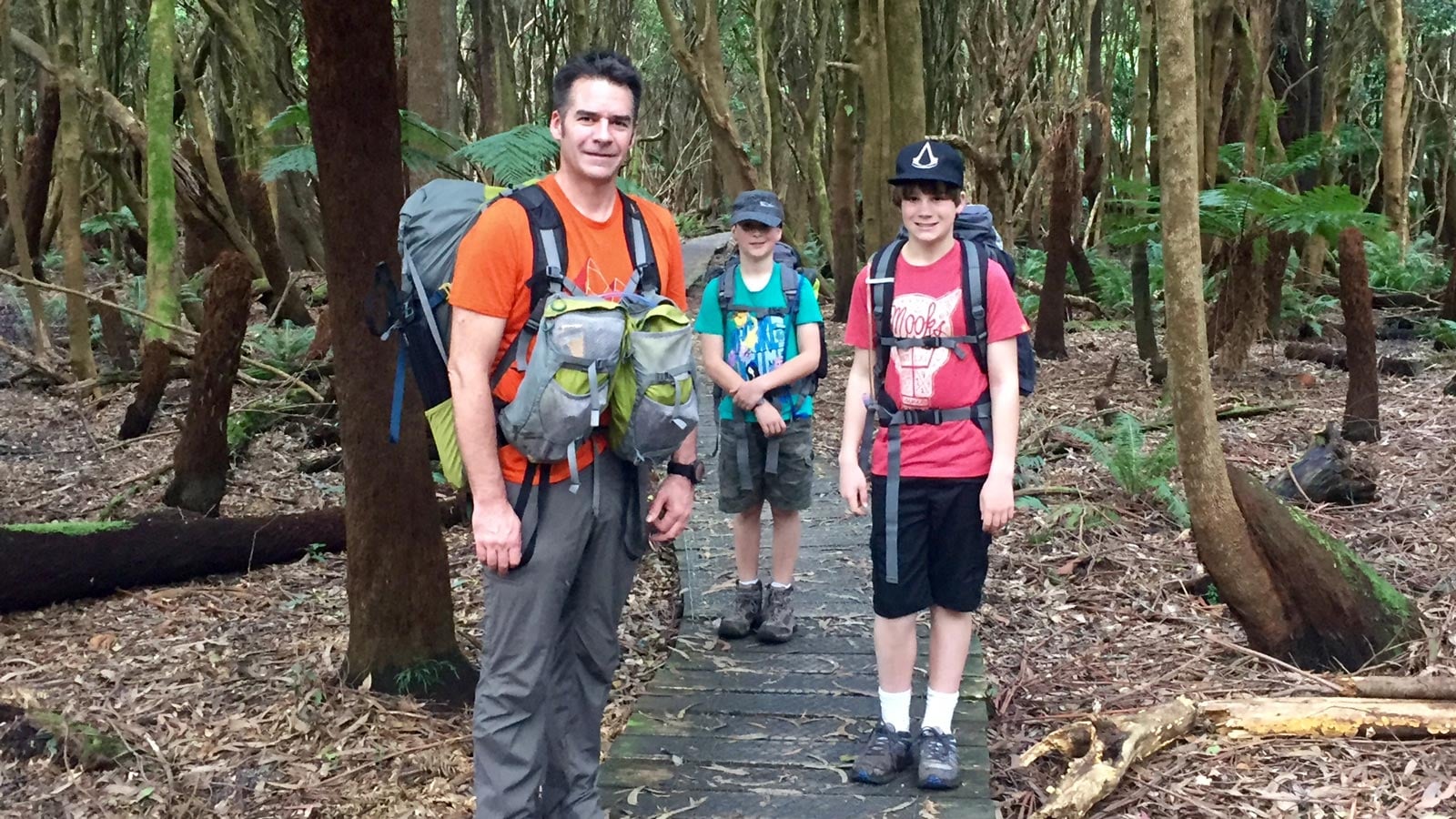
Hiking with Kids: Planning, Safety and Shared Responsibility
Read more →How hiking with kids differs from hiking solo, covering planning, shared responsibility, and how to keep family hikes safe and enjoyable.
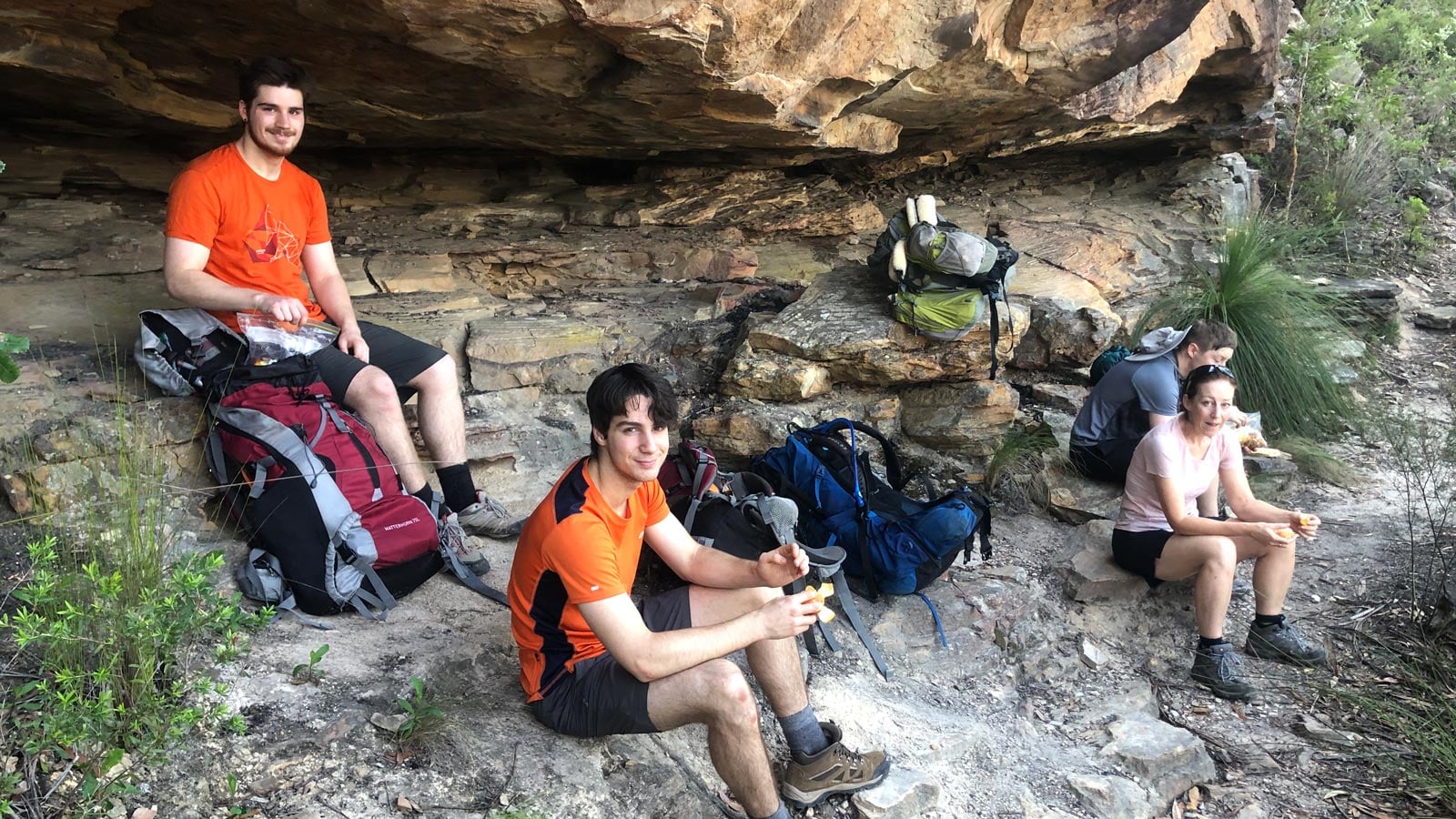
Hiking with Older Kids and Teenagers
Read more →How to manage pace, responsibility and risk when hiking with teenagers, so growing independence doesn’t outpace their judgement.
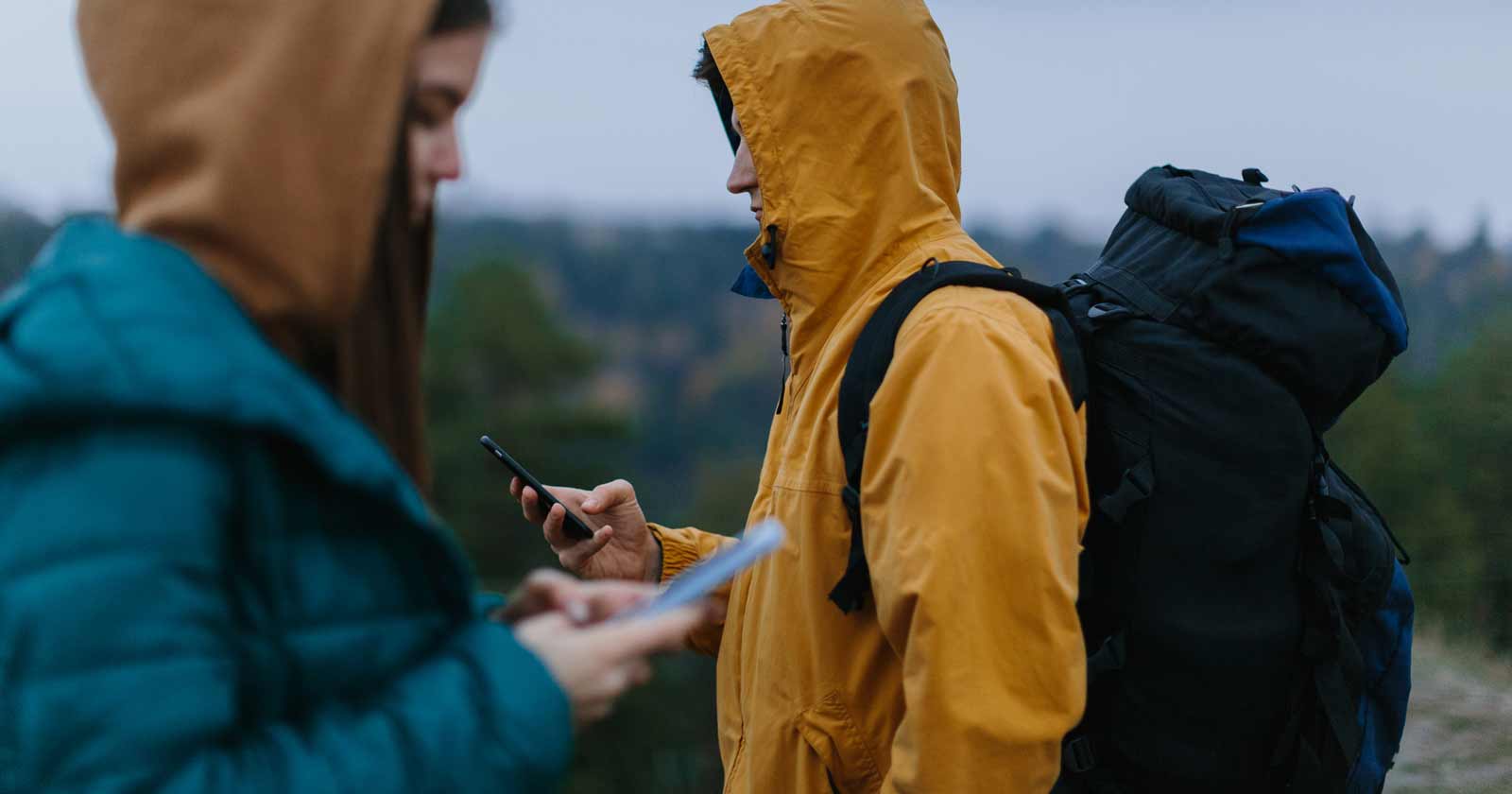
How hikers actually get lost
Read more →How hikers actually get lost: why small planning gaps, fatigue and group dynamics combine to cause most bushwalking incidents in Australia.
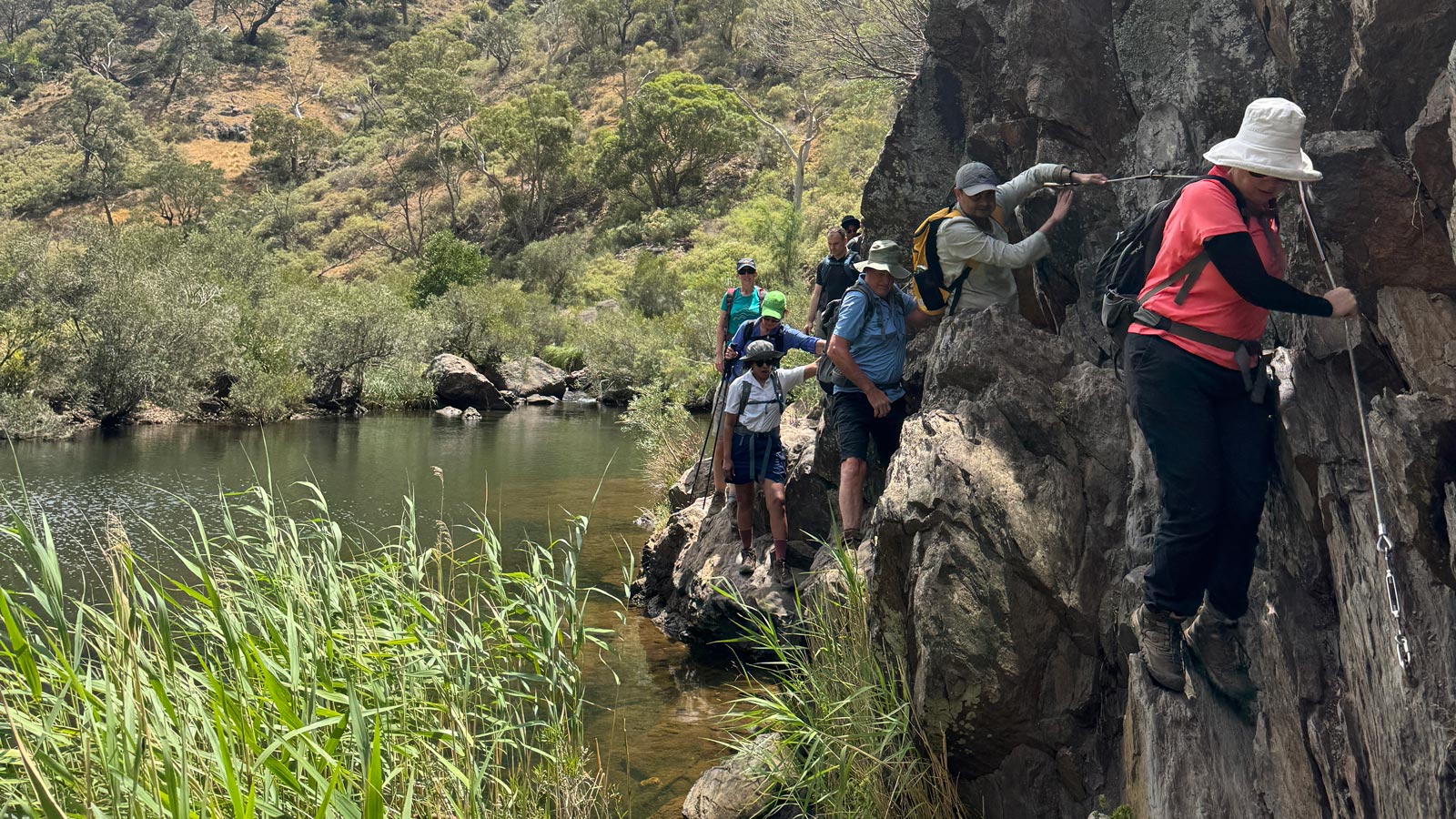
How to keep your hiking group together
Read more →Learn how to keep a hiking group together with clear roles, pace set from the back, regular regrouping, and rules that stop hikers going missing.
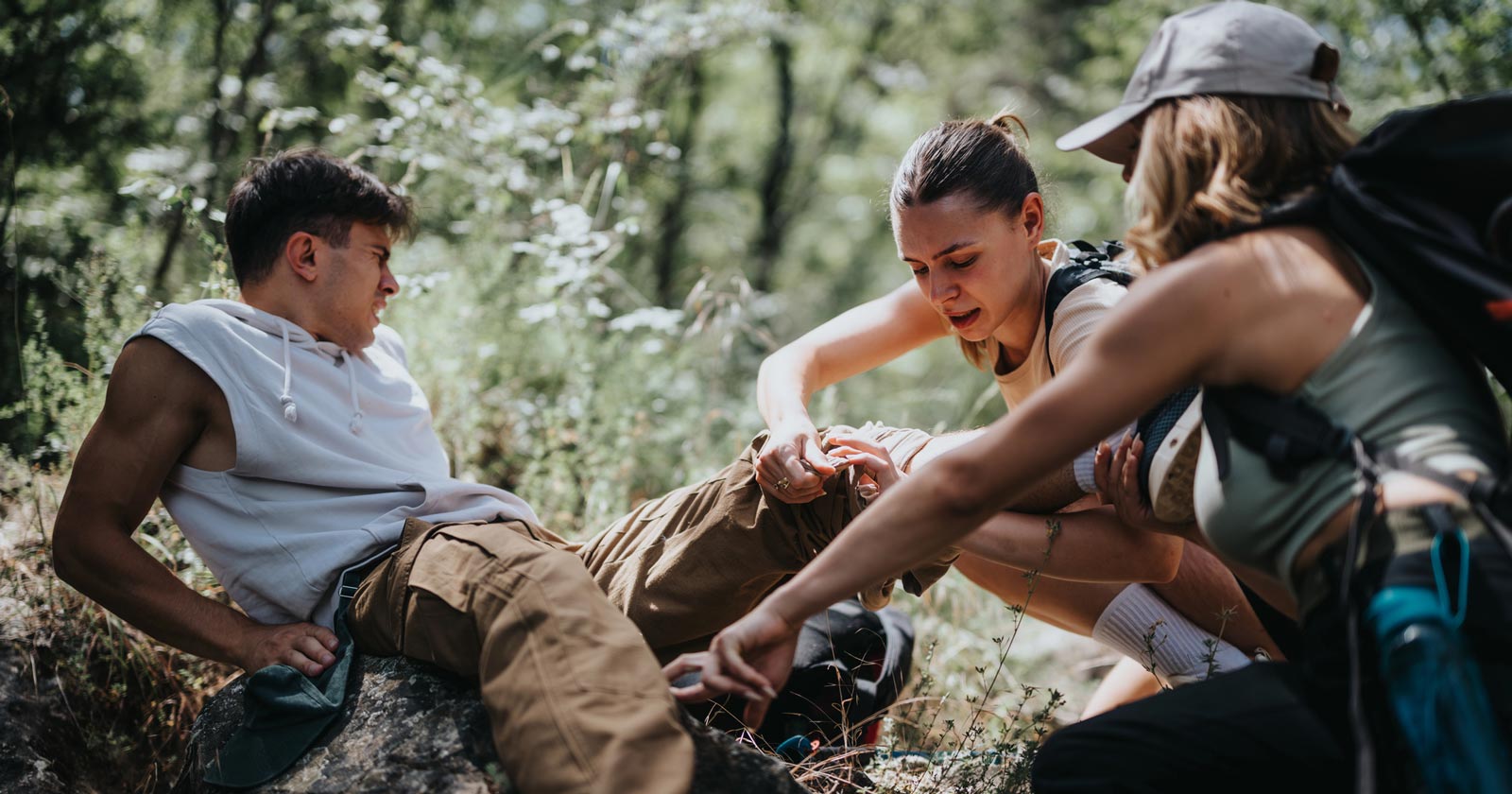
Incident Management for Hikers in Australia
Read more →A practical incident management framework for hikers: prevention, in-the-moment response, common incident scenarios, and post-incident review.
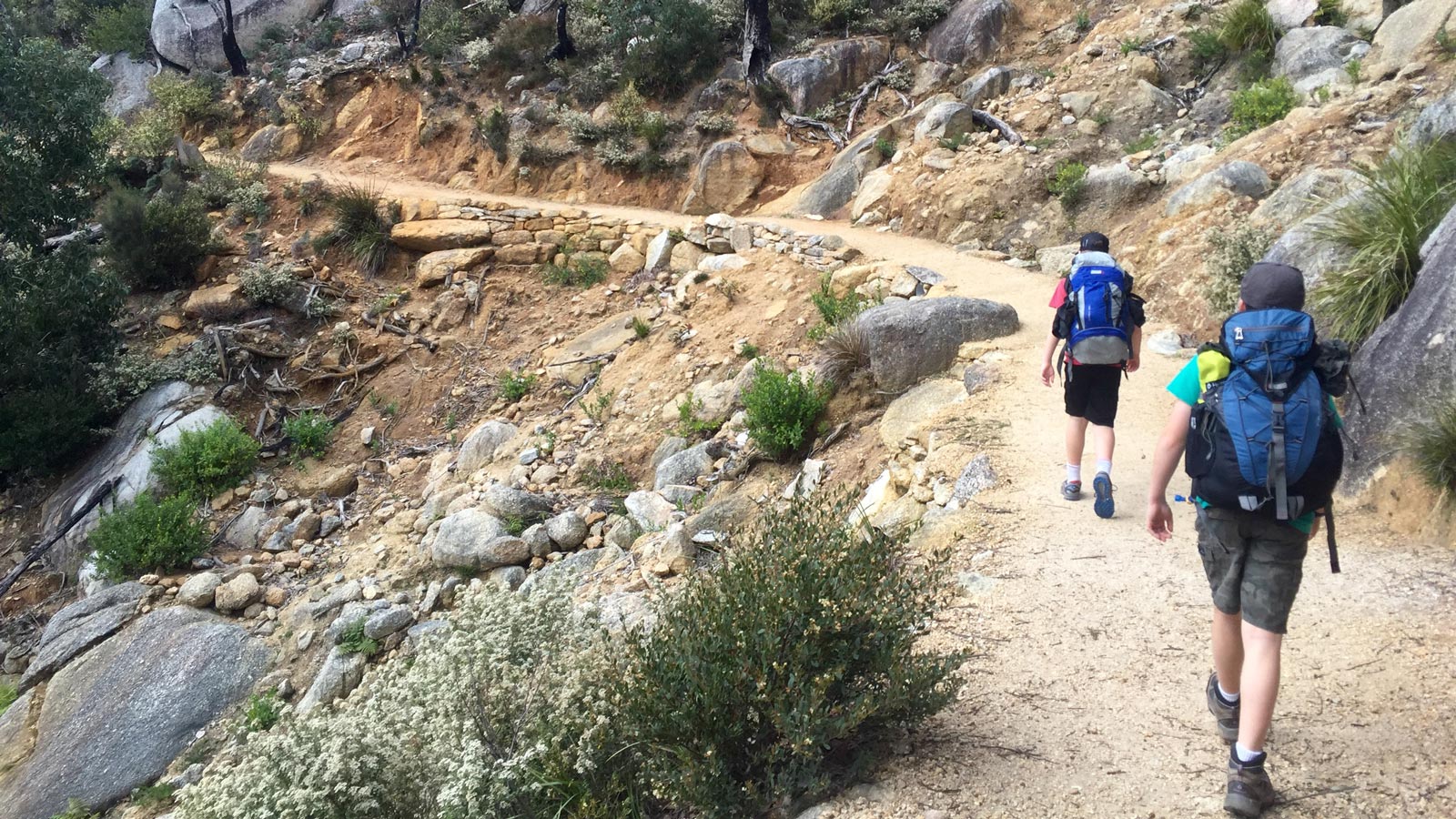
Is this hike suitable for kids?
Read more →How to judge whether a hike is genuinely suitable for kids, looking at terrain, exposure, weather, and escape options, not just distance.
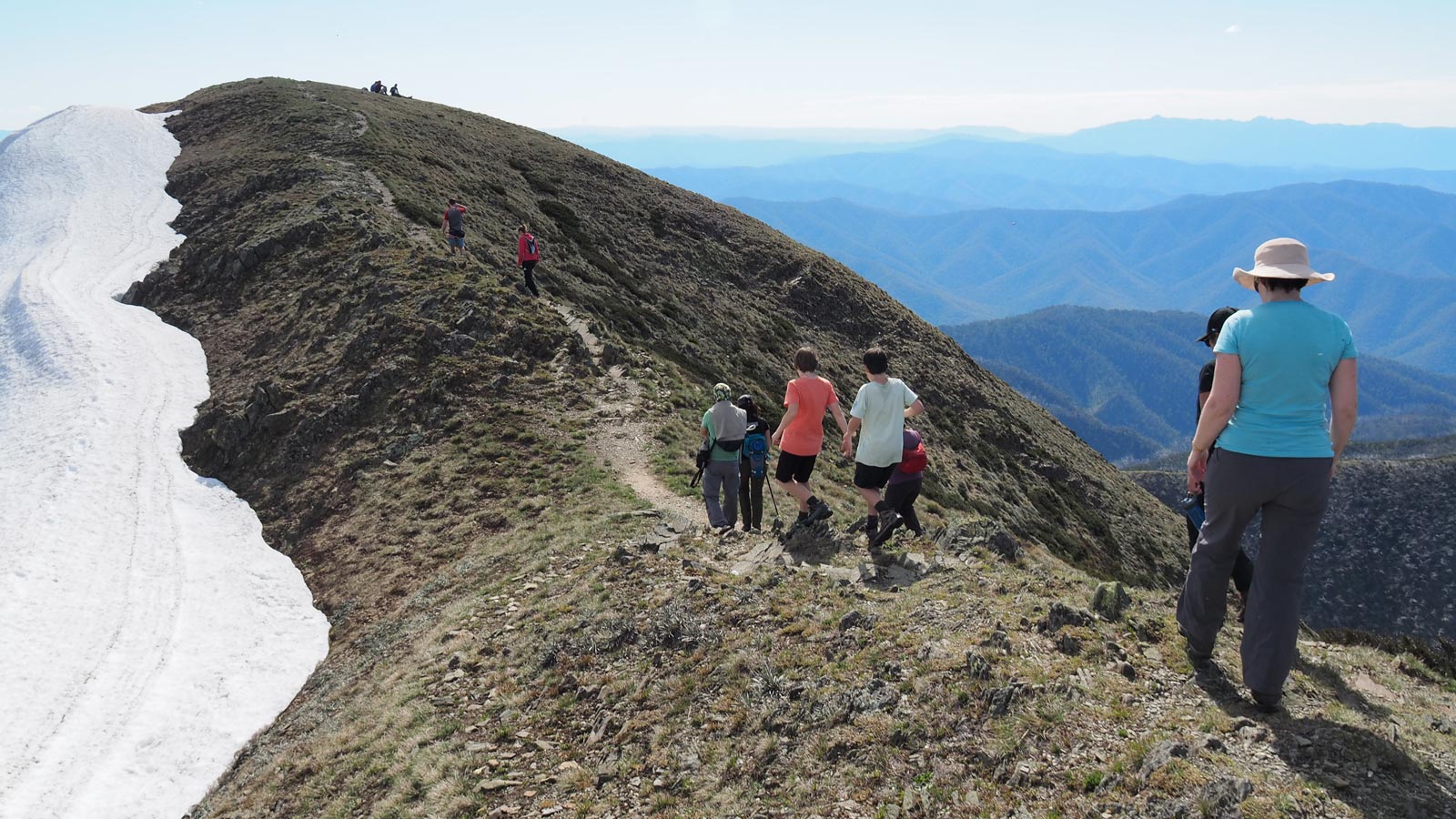
Keeping Kids Safe on the Trail: Supervision, Spacing and Judgement
Read more →Keeping kids safe on the trail is about active supervision, spacing, and judgement, not eliminating risk. How to manage it as conditions change.
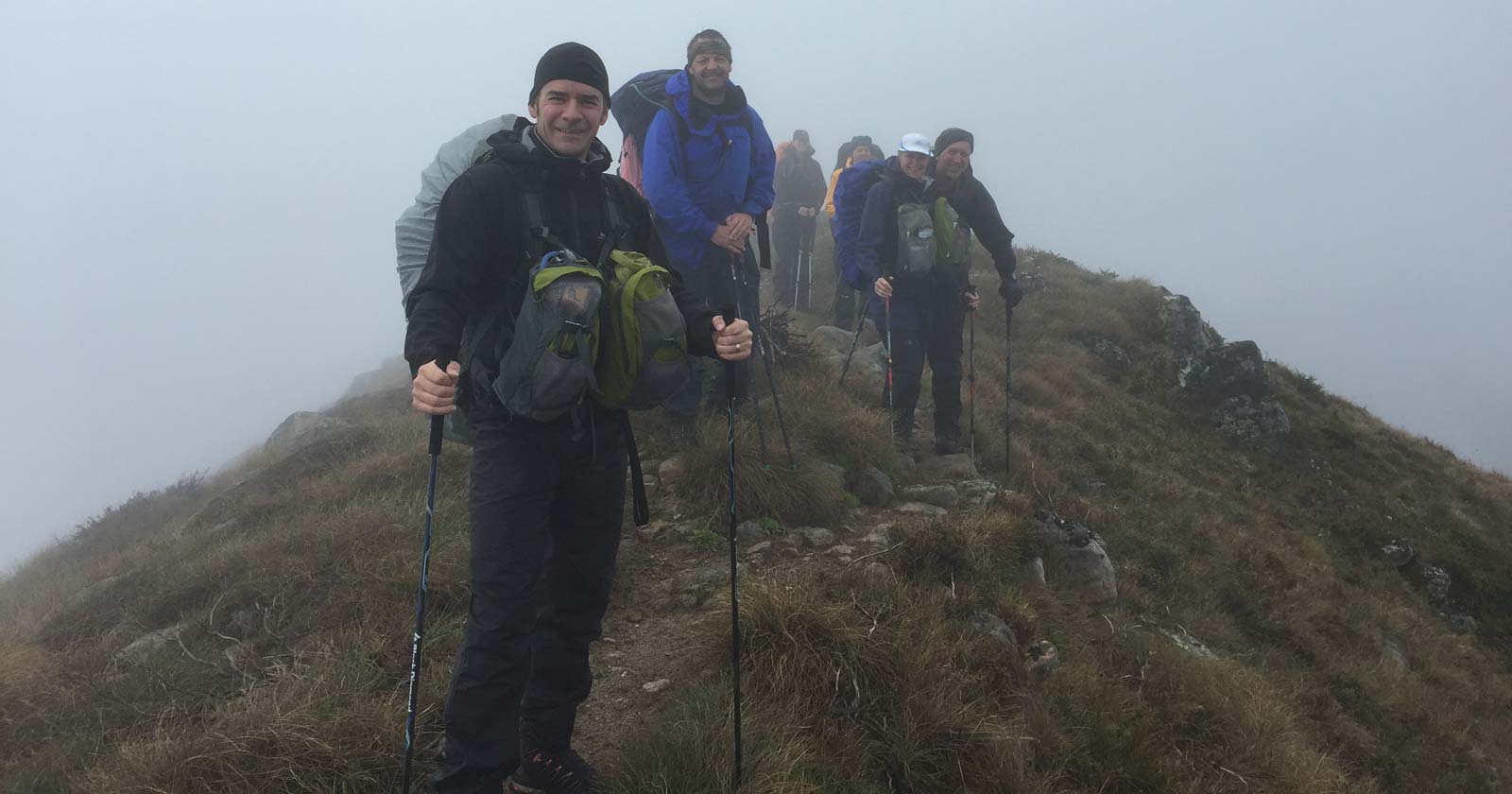
Leading a Hiking Group: Responsibilities, Decision-Making and Safety
Read more →What leading a hike actually involves: trailhead checks, pace, avoiding a single point of failure, and knowing when to turn a group back.
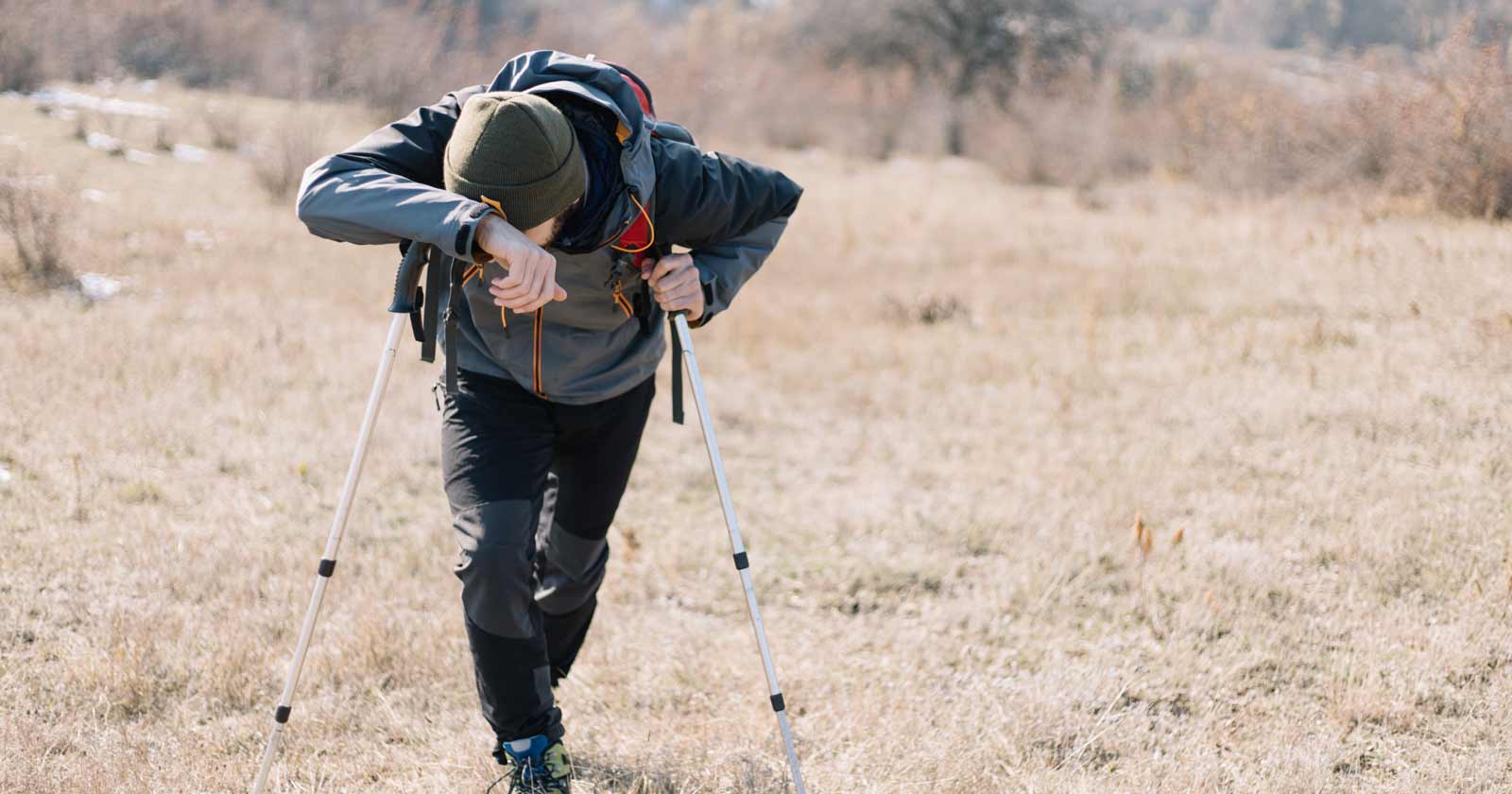
Mental Fatigue and Hiking: Understanding the Impact and How to Manage It
Read more →How mental fatigue builds on a hike, what it costs your judgement and safety, and practical ways to manage it, including protecting sleep on multi-day trips.
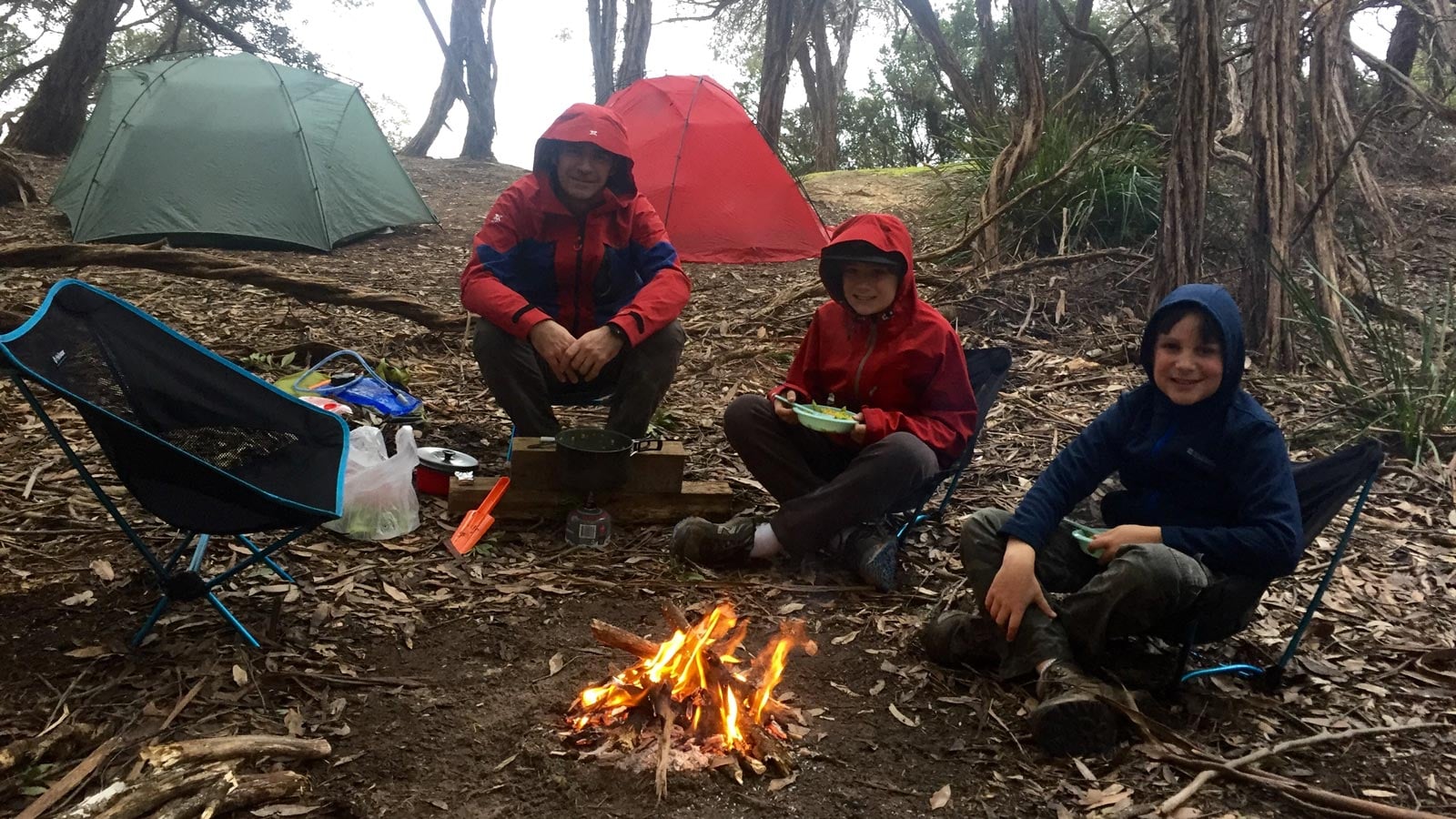
Overnight hiking with kids: Tips and advice
Read more →Practical advice on when kids are ready for overnight hikes, how to manage pack weight and campsite routines, and when to turn back.
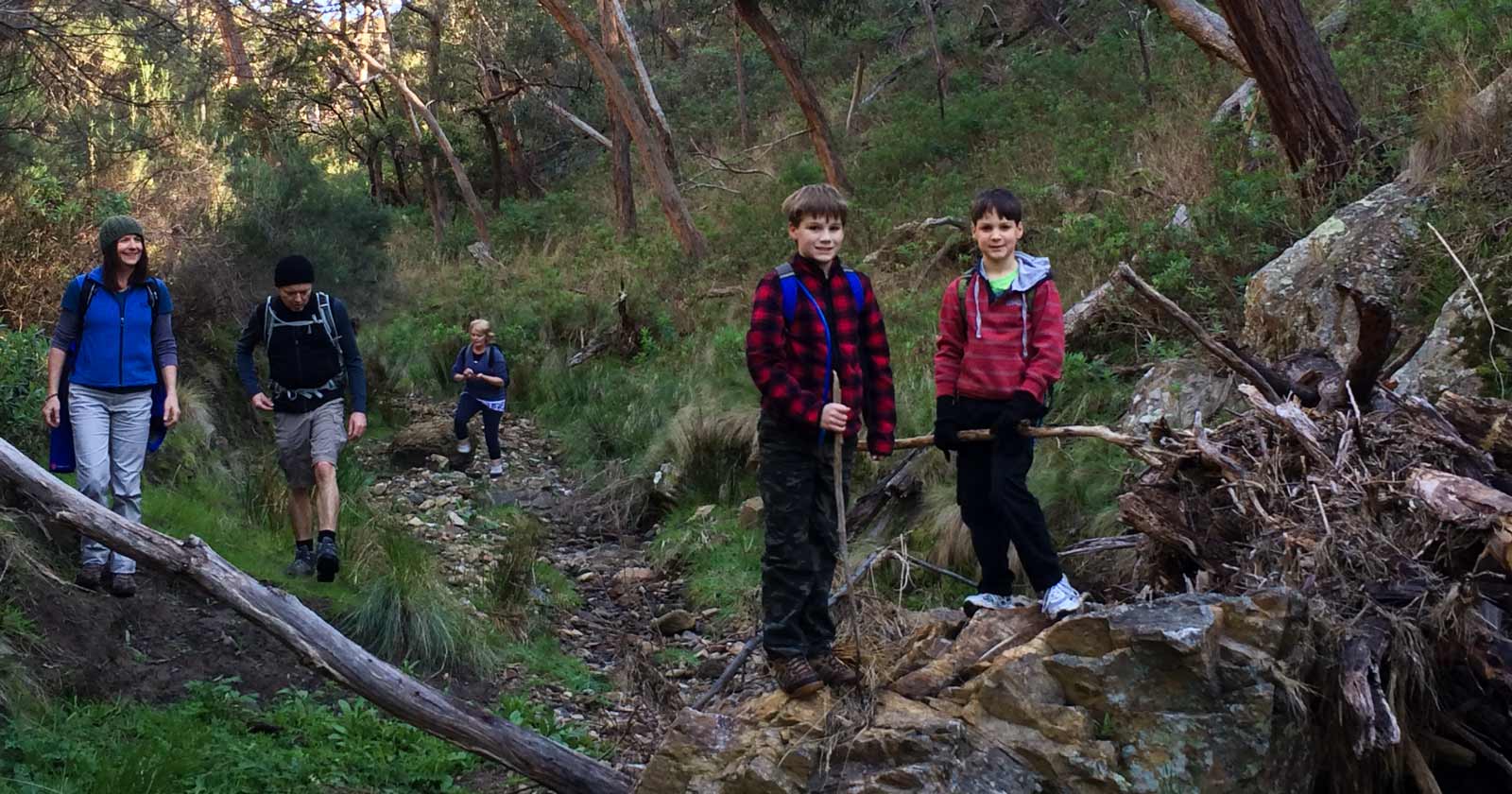
Planning a day hike: A guide to day trip preparation
Read more →A step-by-step guide to planning a day hike in Australia: knowing your limits, choosing a trail, gear, letting someone know, and emergency planning.
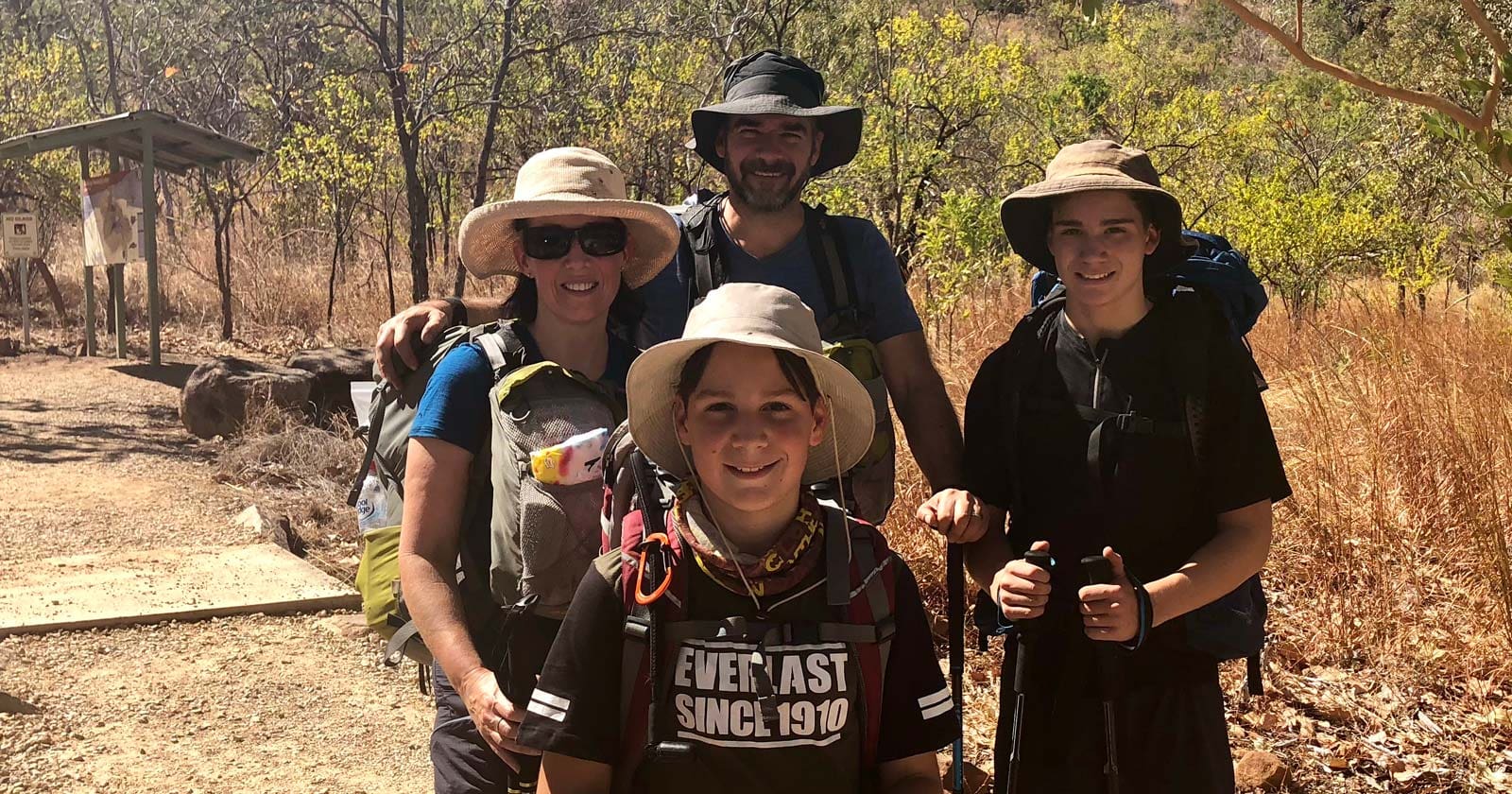
Planning a Family Hike: Expectations, Pacing and Margins
Read more →How to plan a family hike around realistic pacing, margins, and expectations, so the day stays positive instead of pressured.
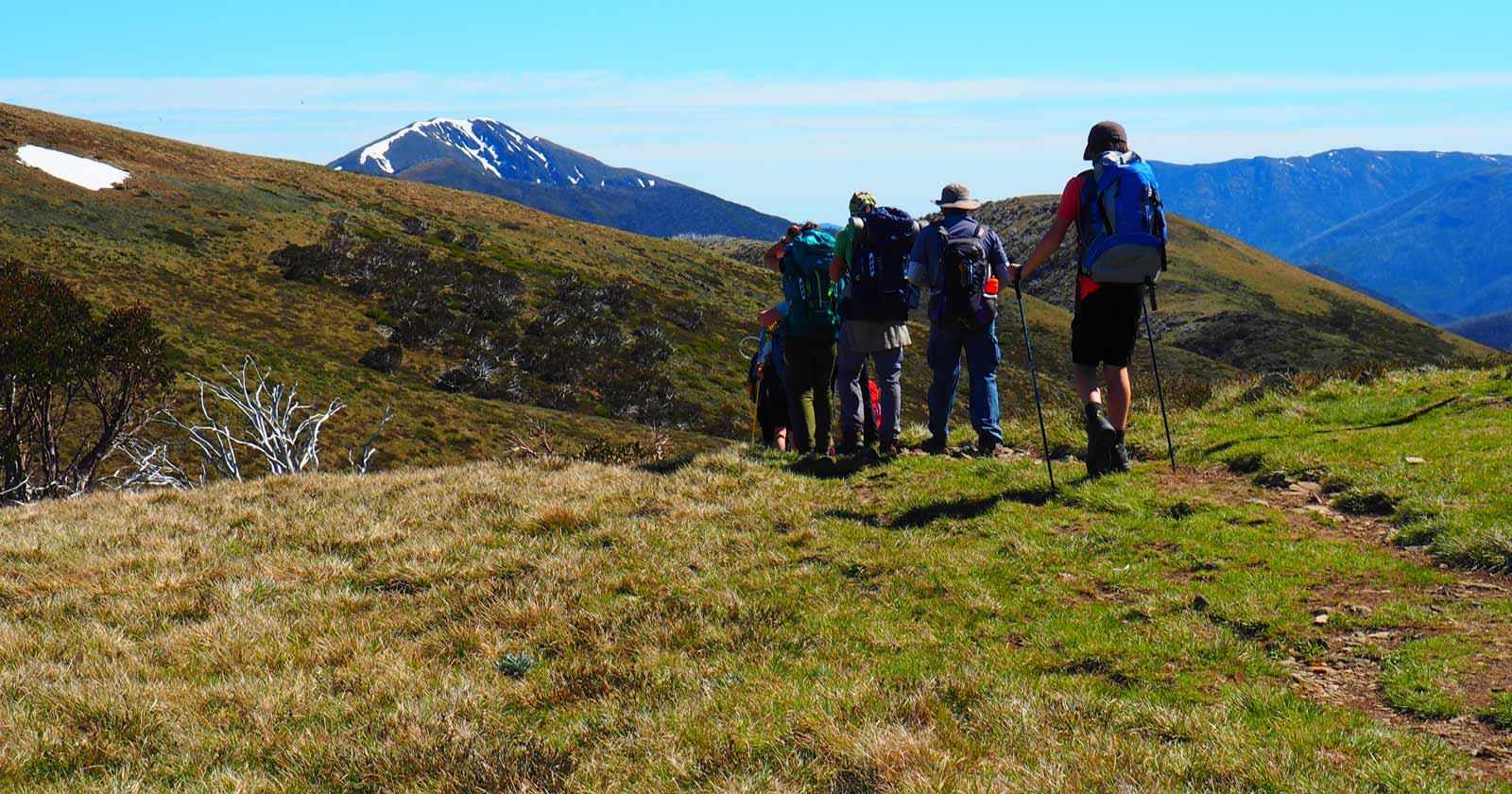
Planning an overnight hike: Stepping beyond the day trip
Read more →What changes when you step up from a day hike to an overnight trip in Australia: load, sleep systems, water, camping, and risk management.
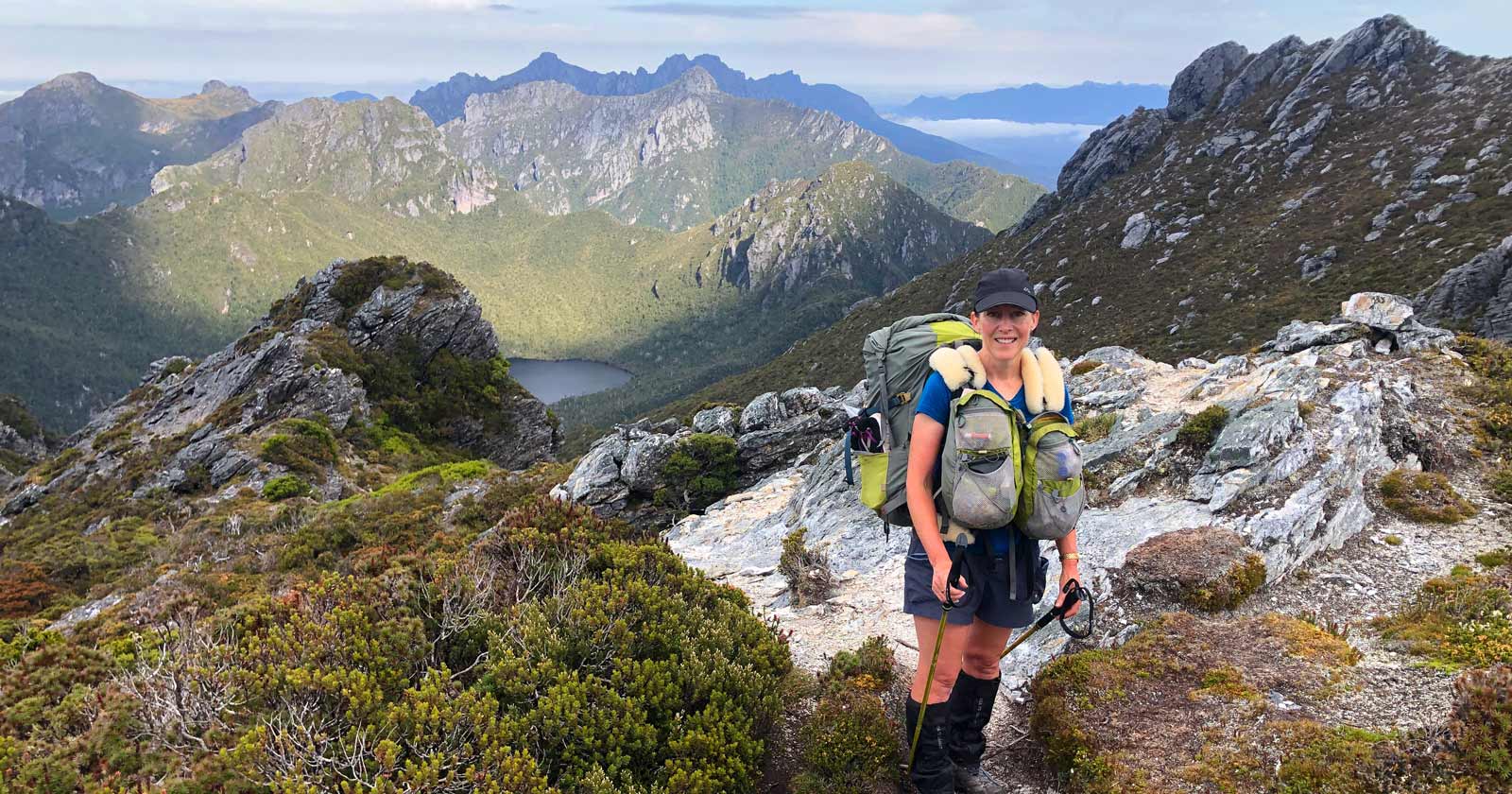
Planning Multi-Day Hikes in Australia: Navigation, Water, Food, Camps and Risk
Read more →What changes when you move from day hikes to multi-day trips in Australia: navigation, water, food, camps, permits and risk management.
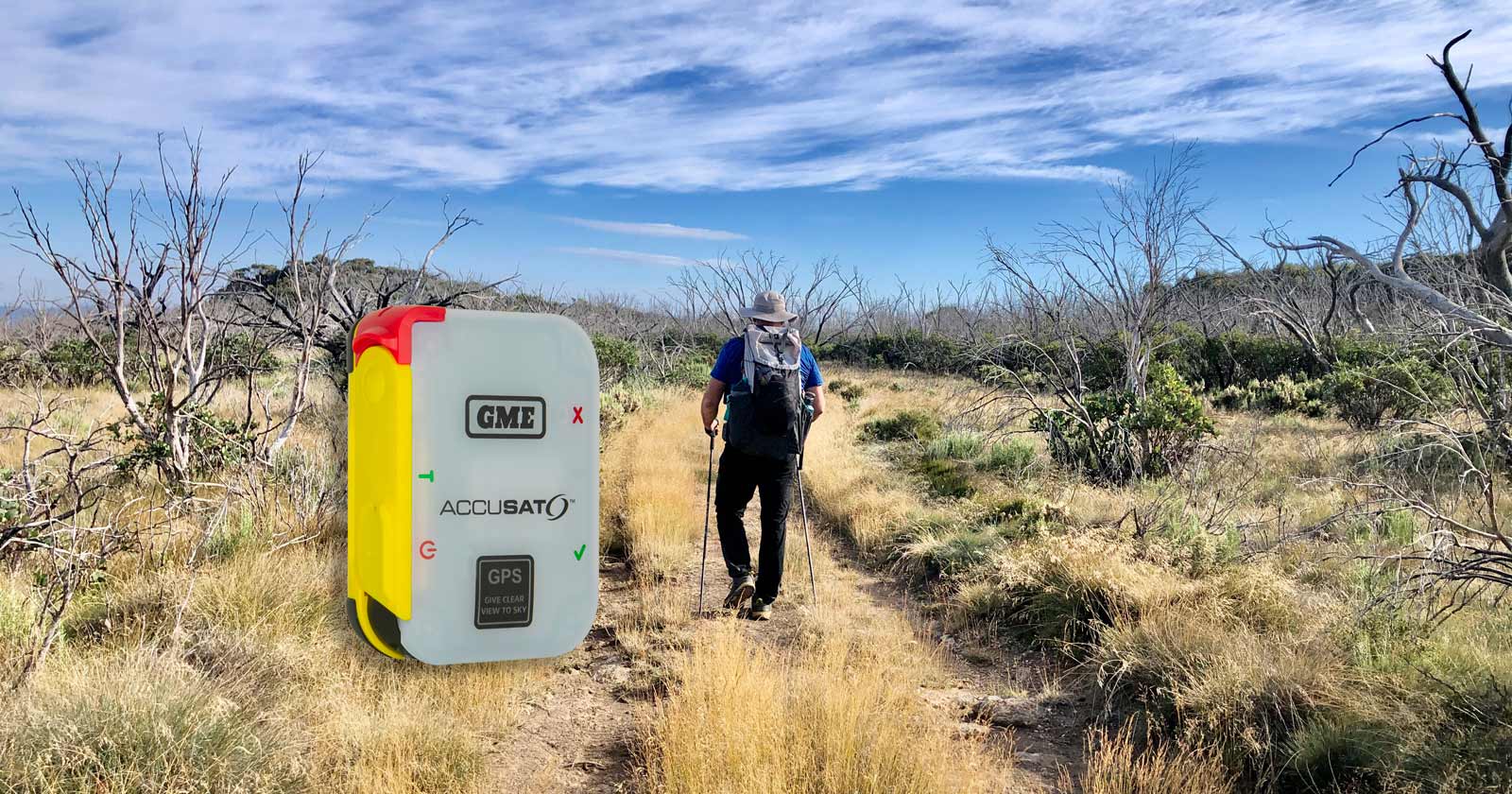
PLBs: Safety nets, not shortcuts – Why self-reliance matters
Read more →Why a PLB is the last layer of hiking safety, not a substitute for planning, navigation skill, and good judgement in the Australian bush.
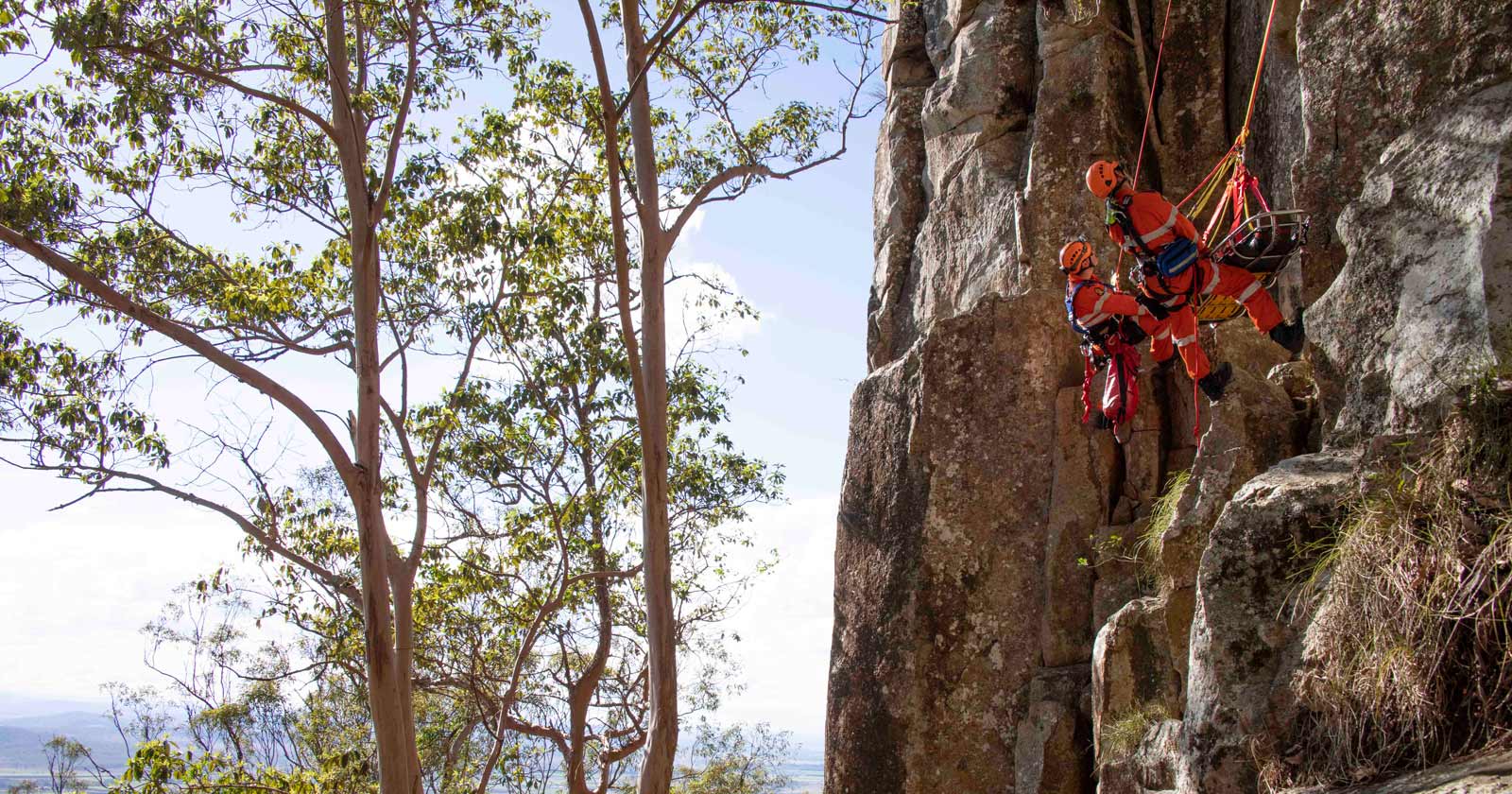
Search and Rescue in Australia: How It Works
Read more →How search and rescue actually works in Australia: who responds, what it costs, ambulance cover, and how to lower your own chances of needing a rescue.
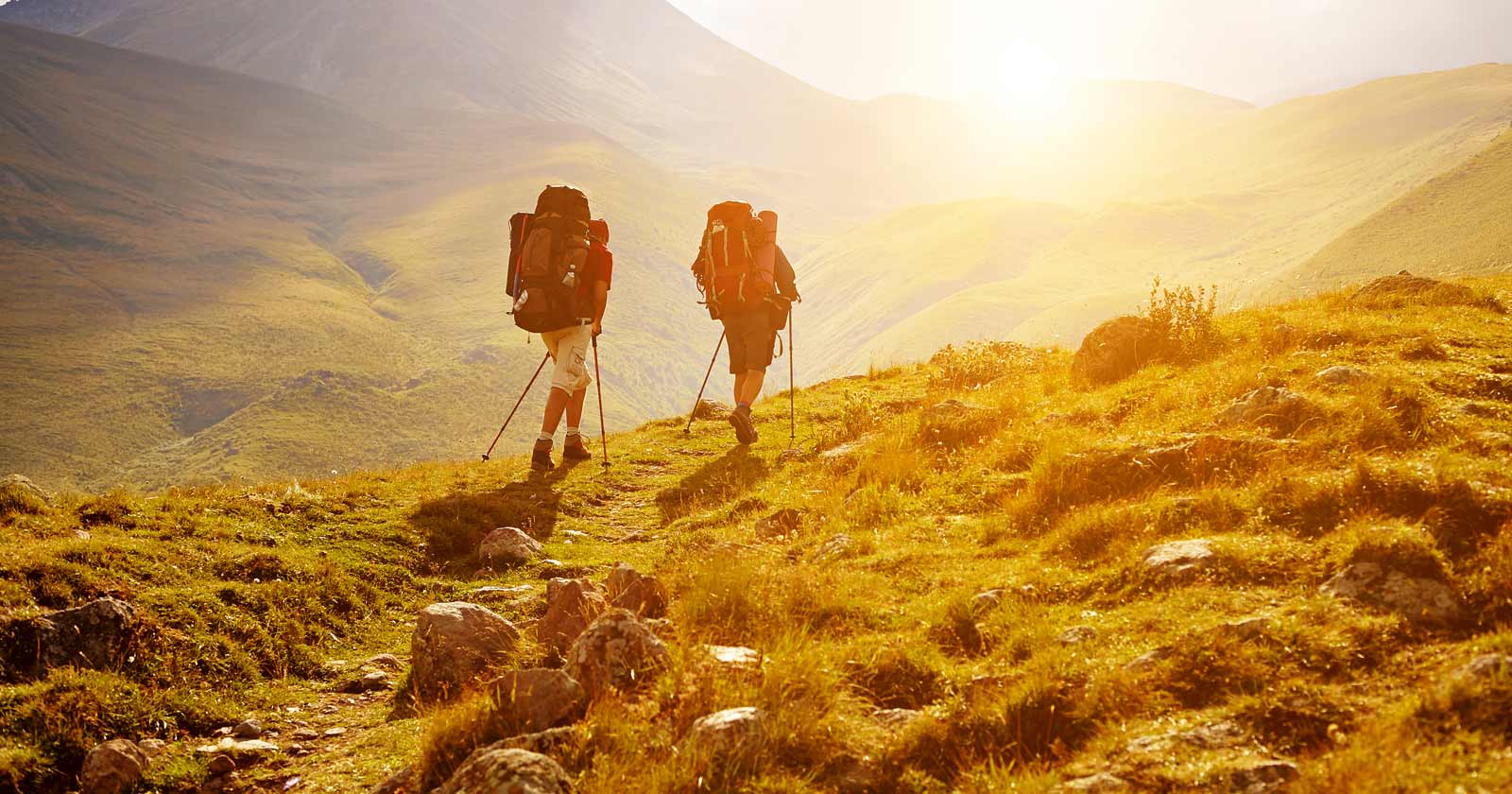
Setting the Pace on Your Hikes: Rhythm, Endurance and Control
Read more →Guidance on setting a sustainable hiking pace, covering rhythm, breathing, terrain adjustment, group pacing, and pre-trip planning.
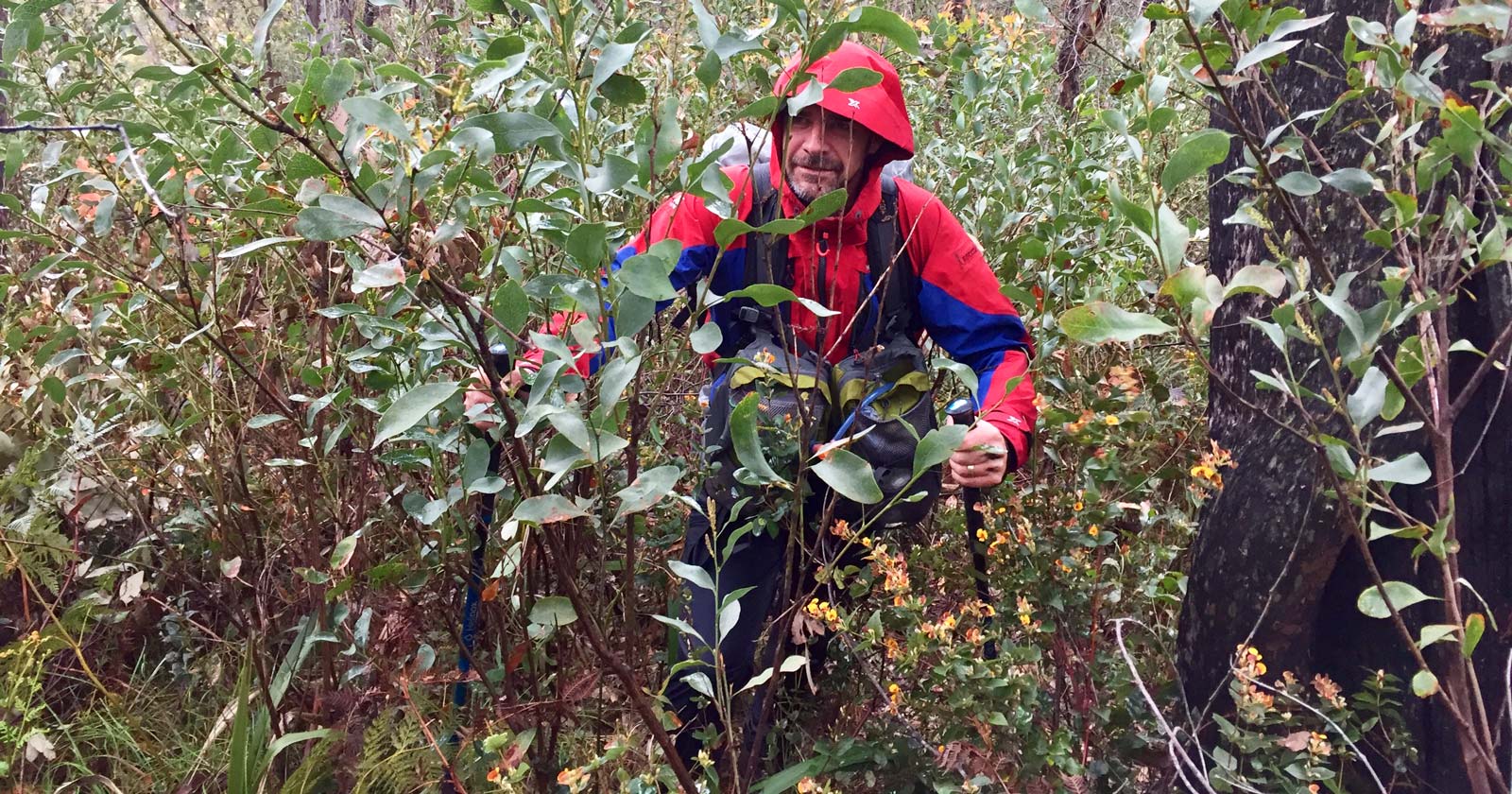
Signalling for Help When Lost or Injured on a Hike
Read more →How to signal for help when lost or injured hiking in Australia, covering whistles, torches, visibility markers, mirrors, signal fires and arm signals.
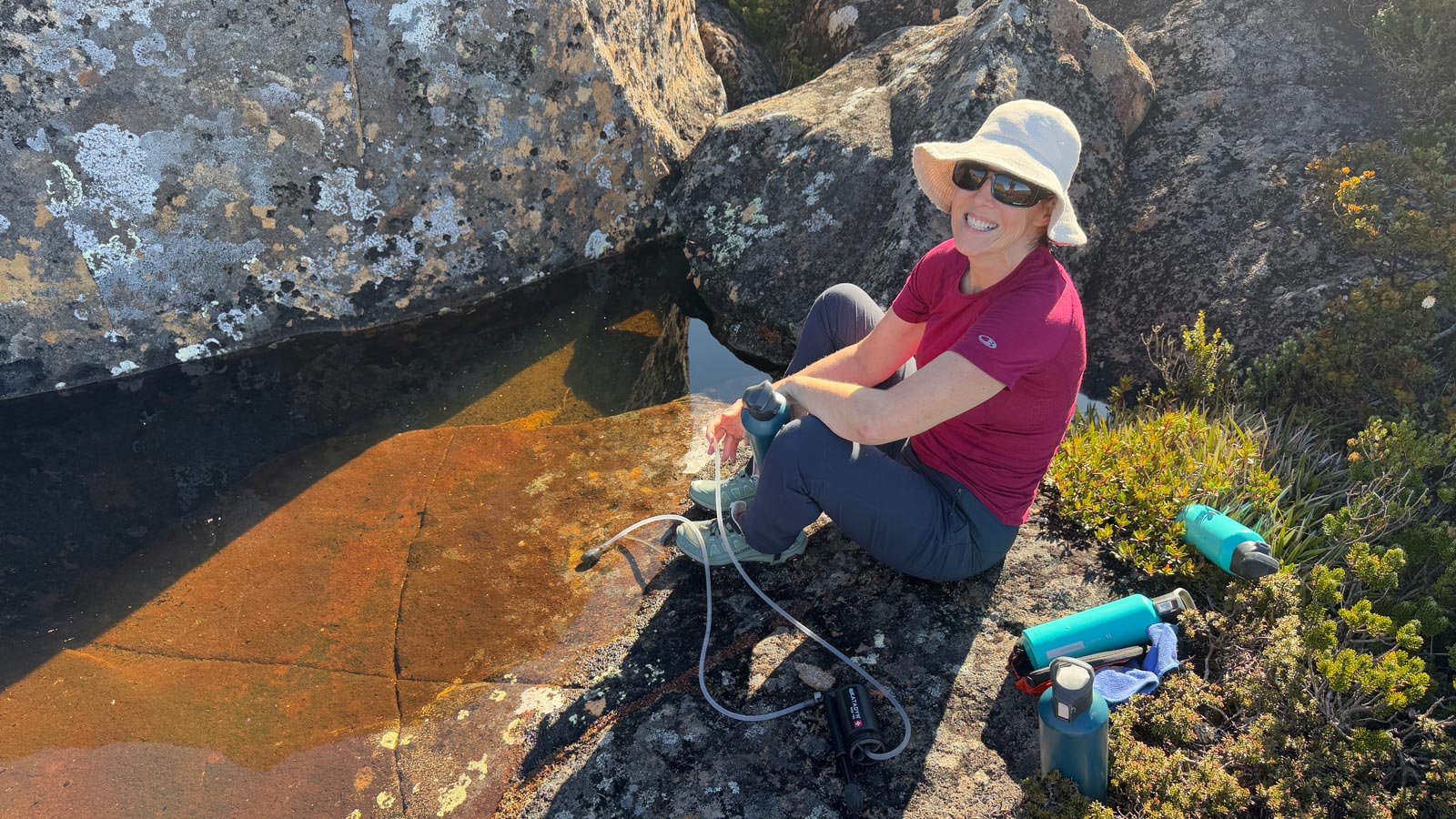
Survival myths vs reality
Read more →Seven hiking survival myths, from “three days without water” to heat illness, explained plainly with what actually keeps you safe.
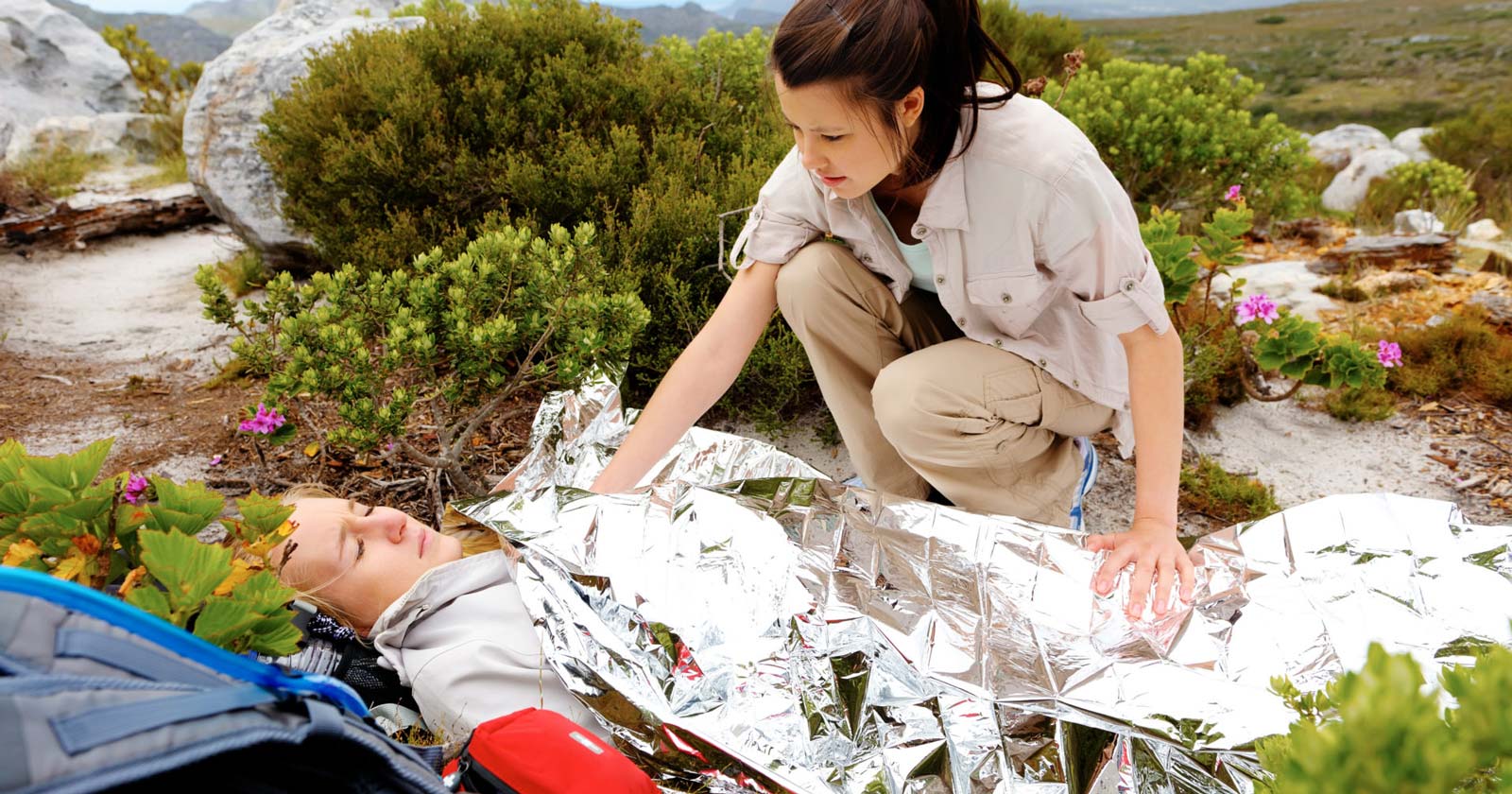
The benefits of wilderness first aid training
Read more →Wilderness first aid training prepares hikers to assess, stabilise and manage injuries when evacuation is delayed, especially in remote Australian terrain.
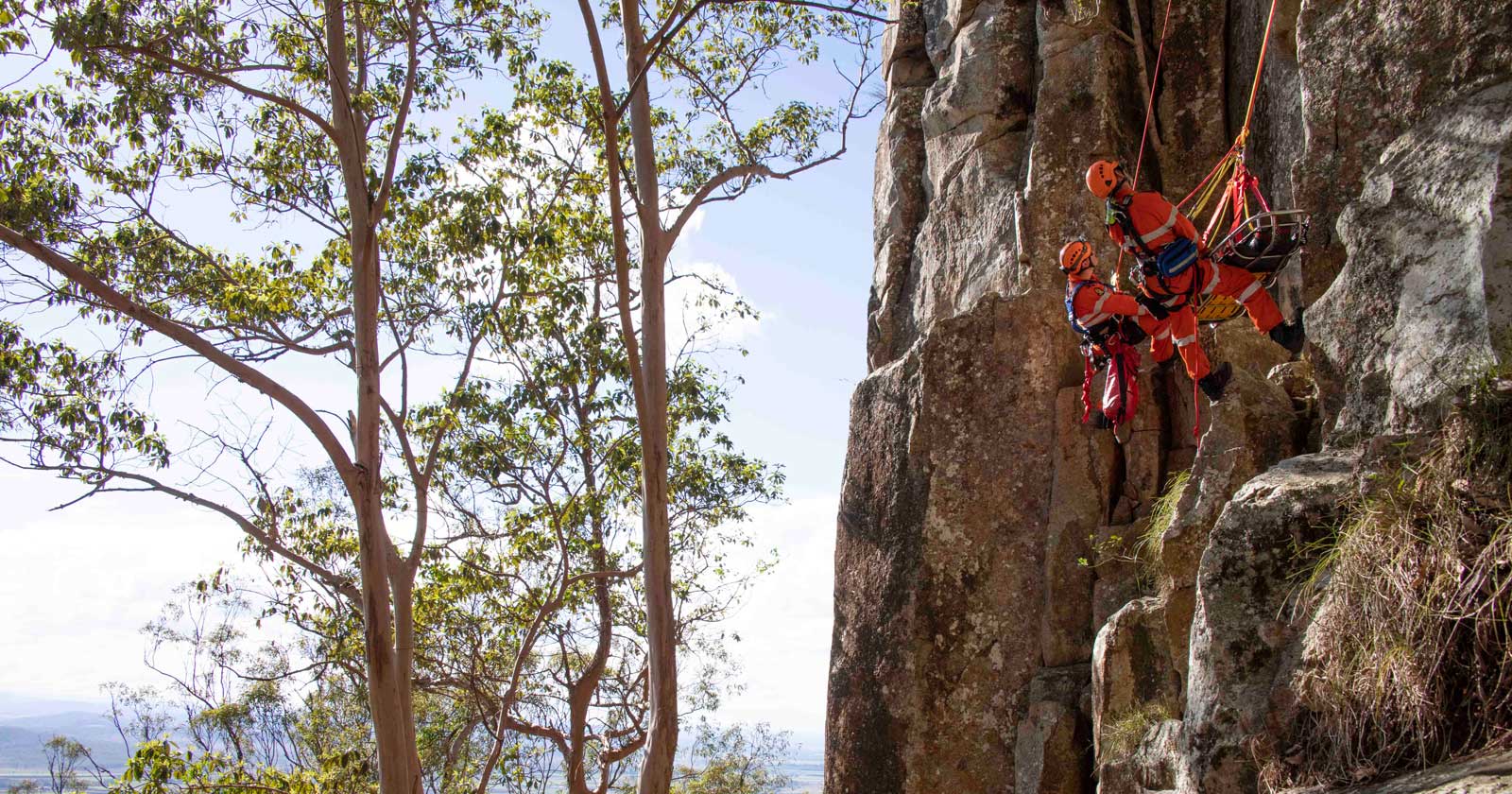
The Importance of Preparedness: Why Hiking Readiness Matters
Read more →Why hiking preparedness matters more than ever: recent Australian incidents, the risk of over-relying on PLBs, and a full pre-hike readiness checklist.
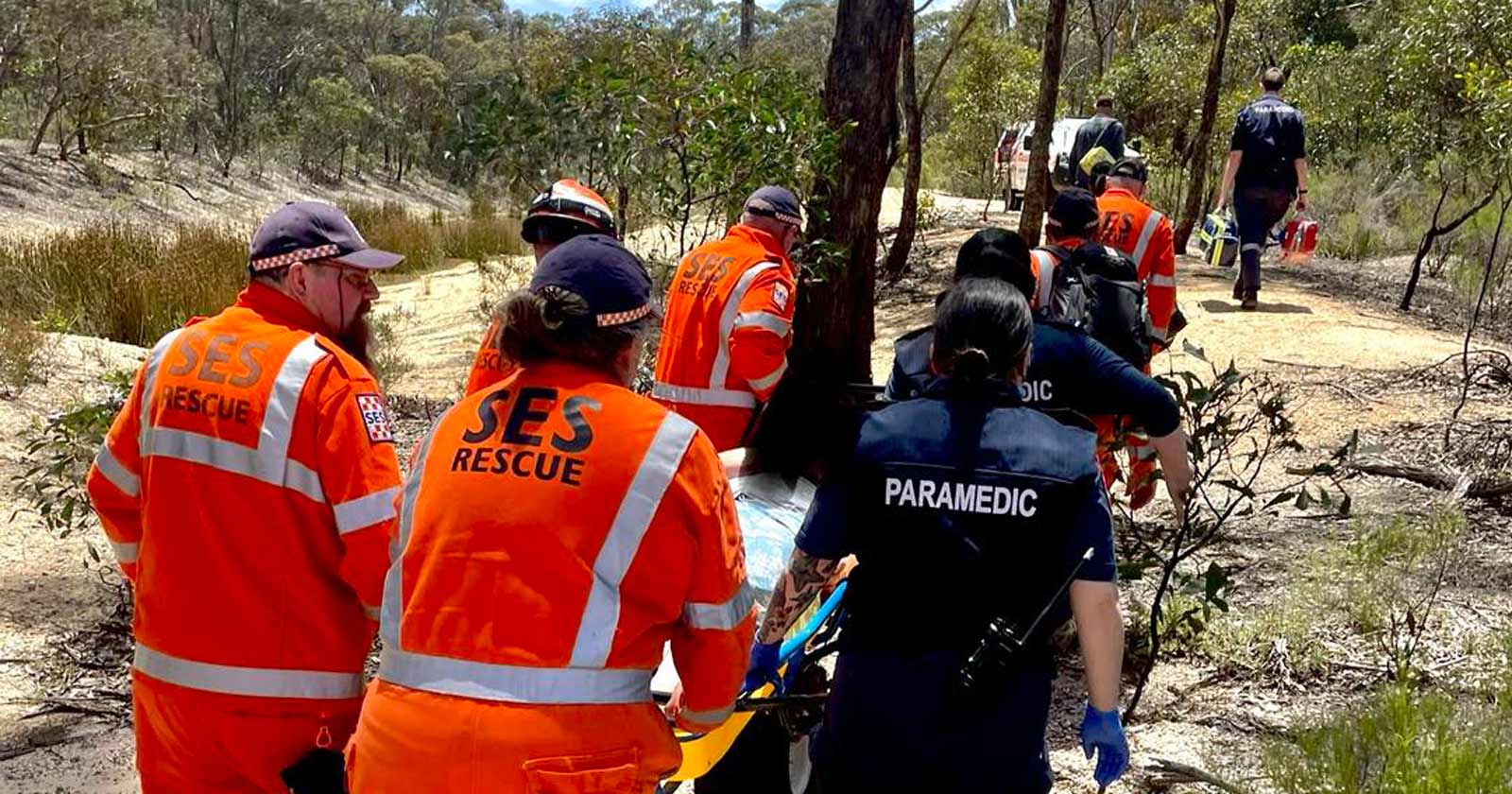
The Stages of Search and Rescue in Australia
Read more →How search and rescue actually works in the Australian bush: which agencies respond, how each stage unfolds, and what preparation changes for you.
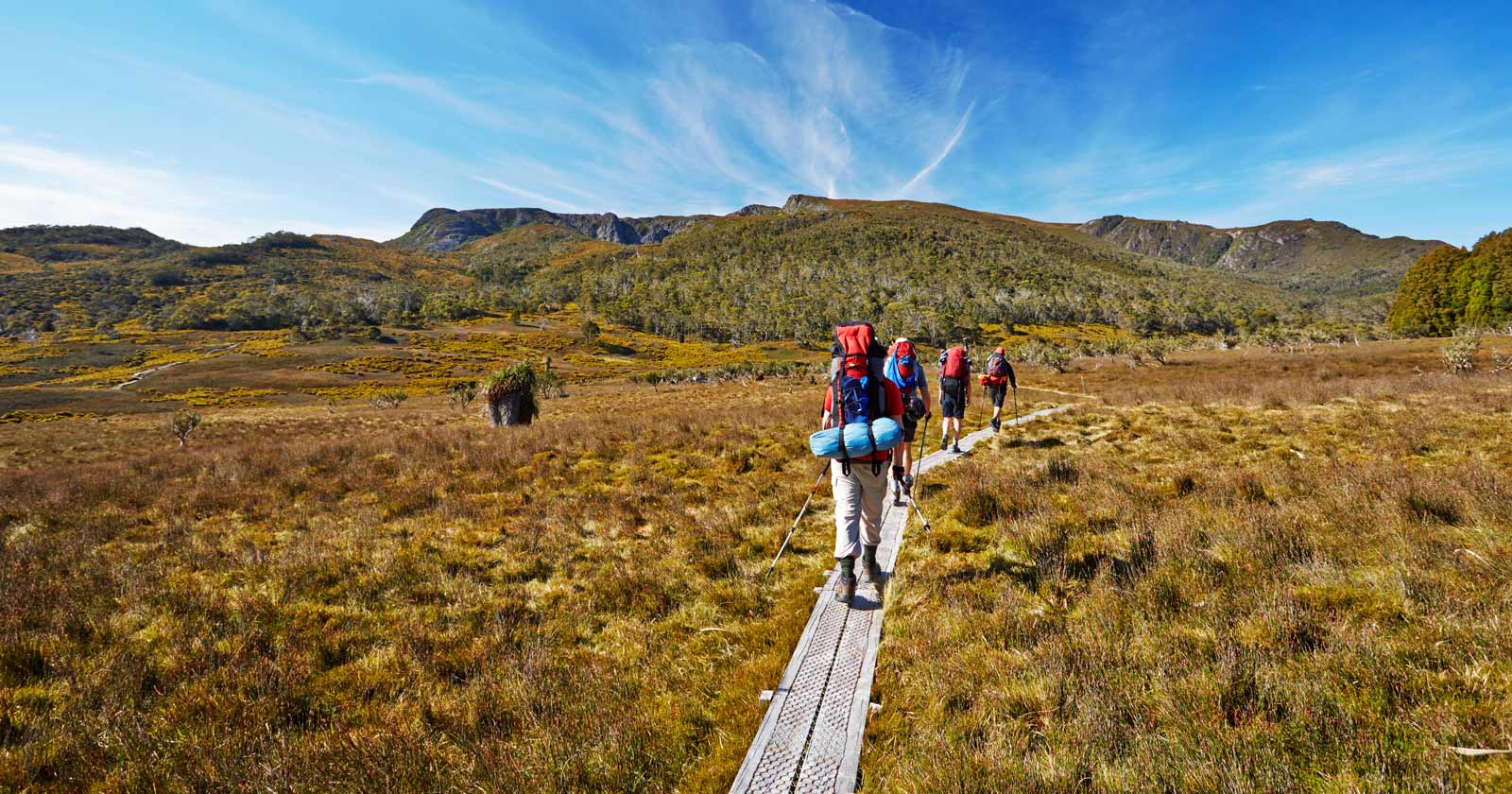
Time and Distance Planning for Hikes: Estimating Duration, Elevation and Effort
Read more →How to estimate hiking time realistically: terrain, elevation, Naismith’s Rule, group pace, breaks and daylight margins.
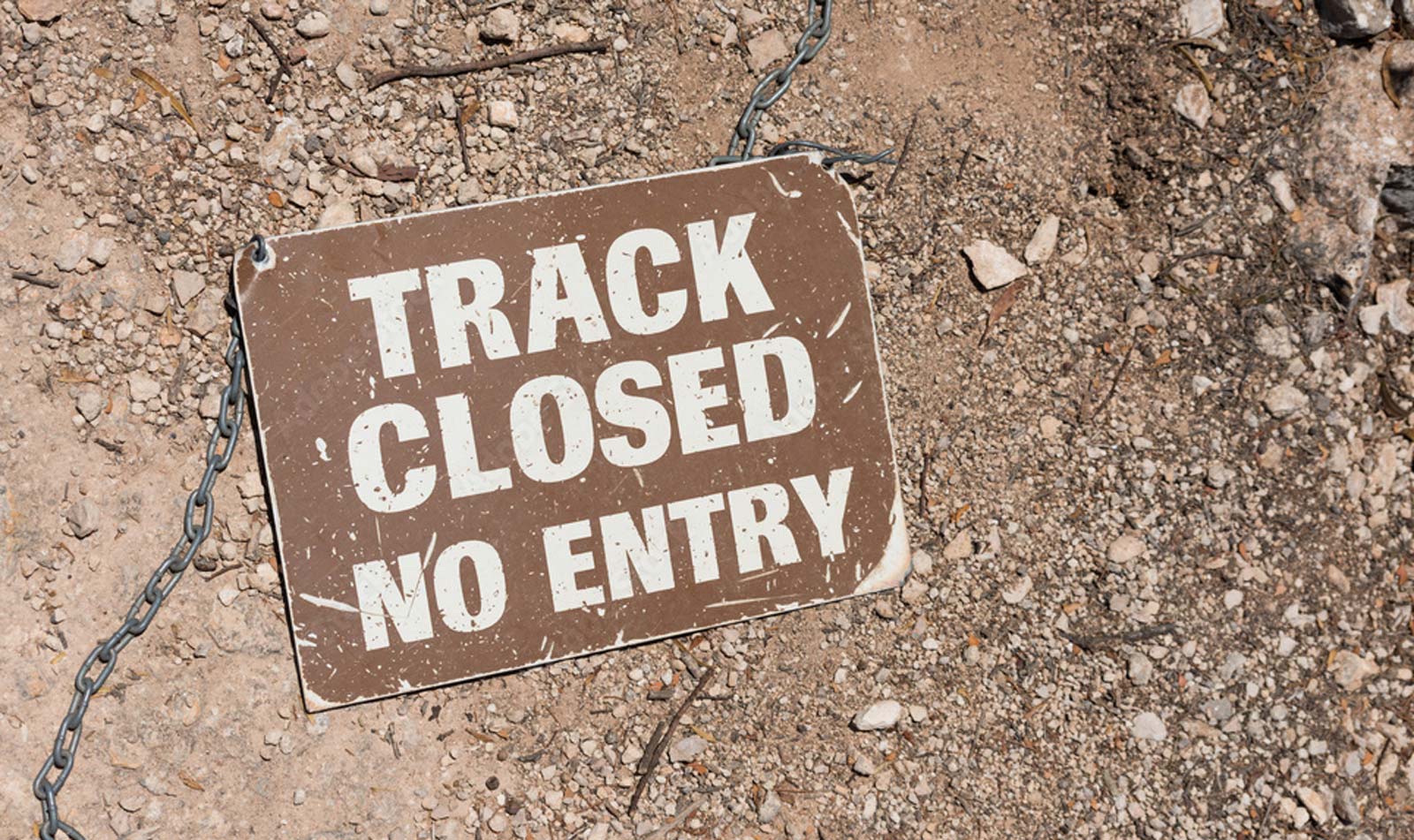
Track closed: Is it still OK to hike?
Read more →Why track closures in Australia exist, what they’re actually protecting you from, and why turning around at a closed gate is the right call.
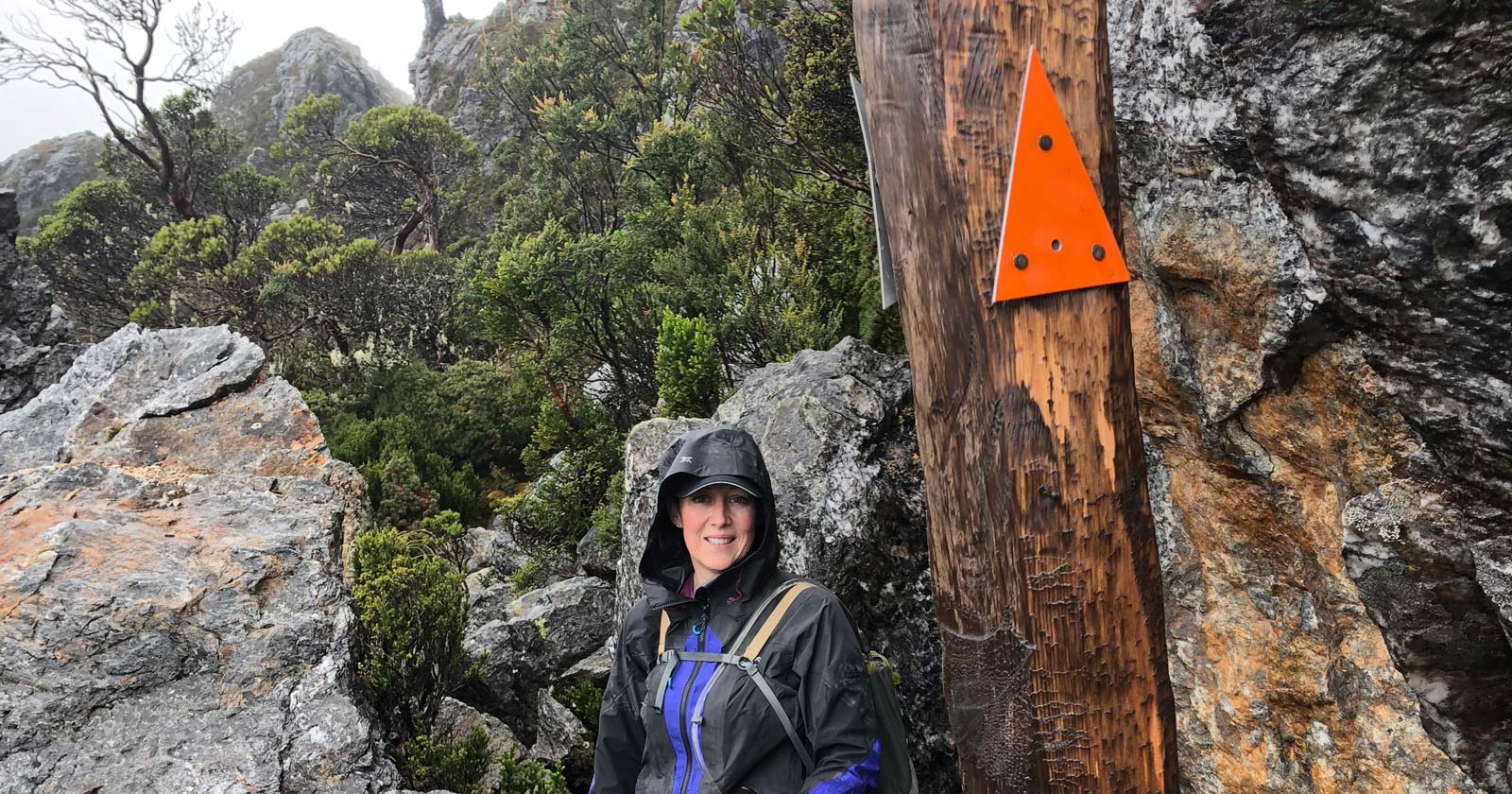
Track markers, pads and false trails: navigating beyond the paint
Read more →How trail markers, cairns and ribbon work in Australian bush navigation, their limits, and what to do when markers disappear or a false trail appears.
Trip Intentions and Rescue Planning for Hikers
Read more →Why trip intentions matter for hiker rescue planning: what to include, why escalation time is critical, and how overdue searches unfold.
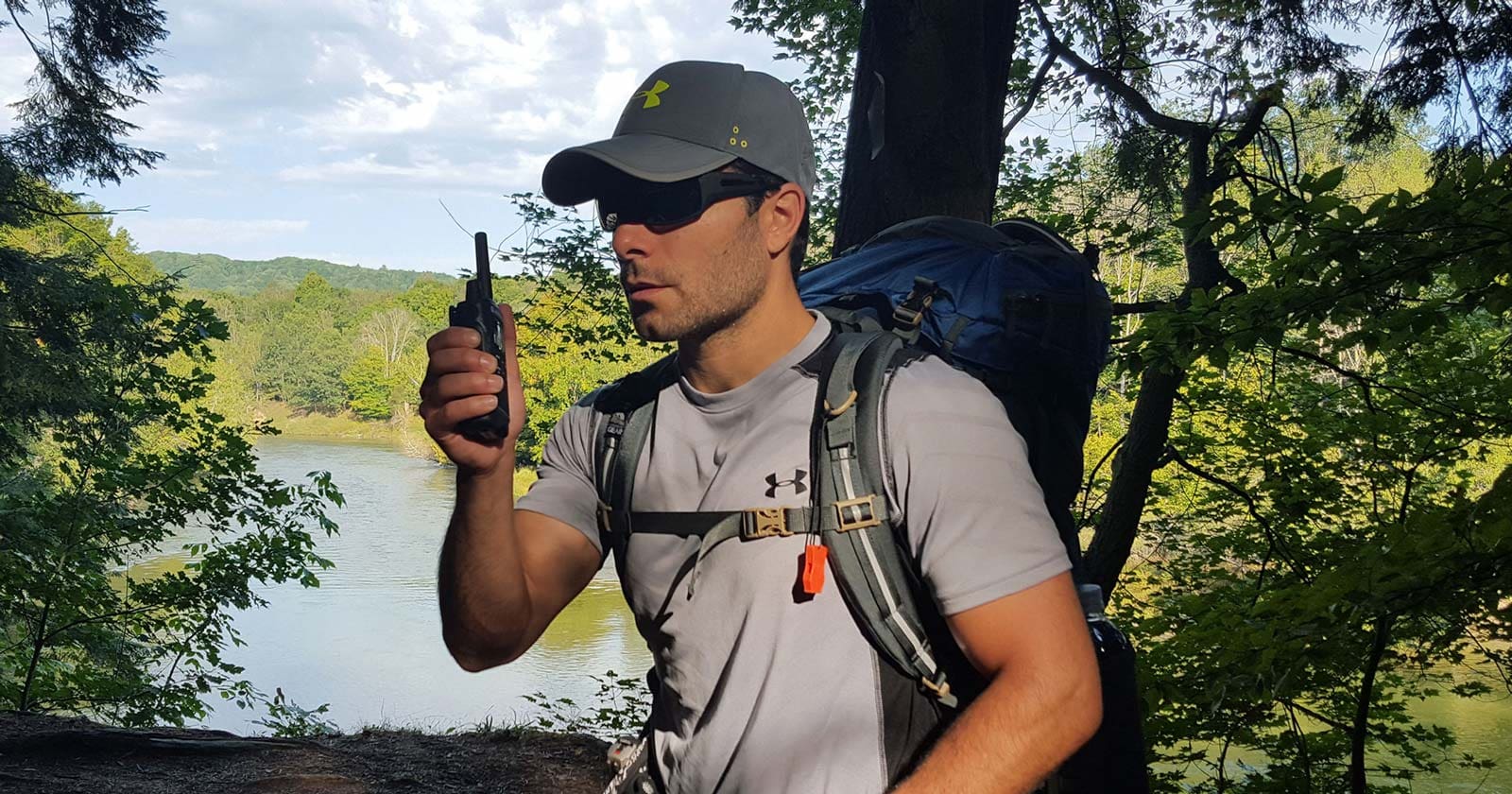
UHF Radios for Hiking in Australia: Group Communication, Limits, and Safety
Read more →What UHF radios do for hiking groups in Australia, their real range limits, and how they fit alongside phones, satellite comms and a PLB for safety.
Ultimate A-Z Glossary of Hiking Terms
Read more →A-Z glossary of hiking and bushwalking terms, from trail grades and bearings to Leave No Trace and PLBs, with Australian-specific detail.
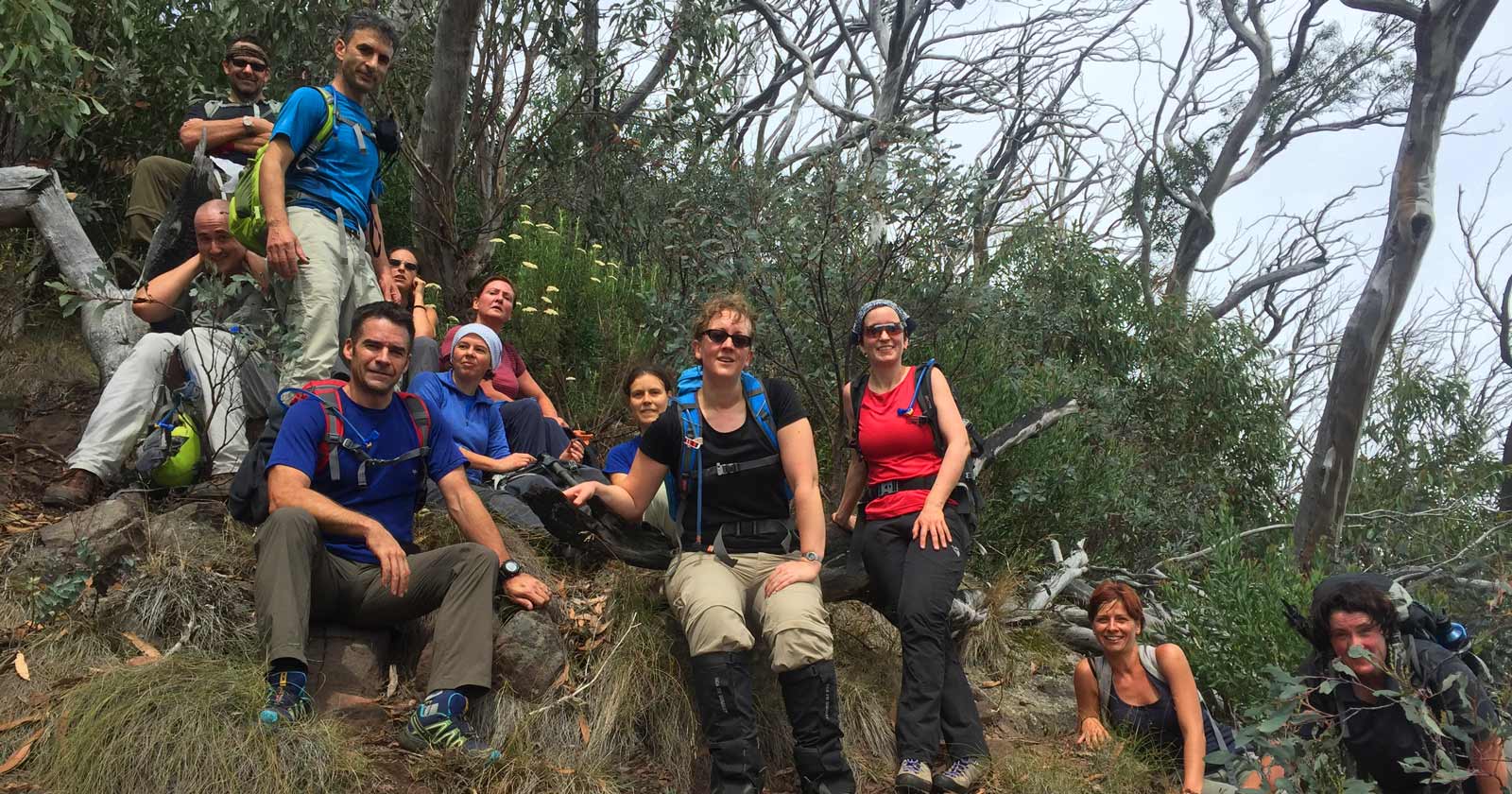
Understanding different hiking styles and outdoor safety
Read more →Eight common hiking styles in Australia, their strengths and blind spots, and the habits that keep each one safer on the trail.
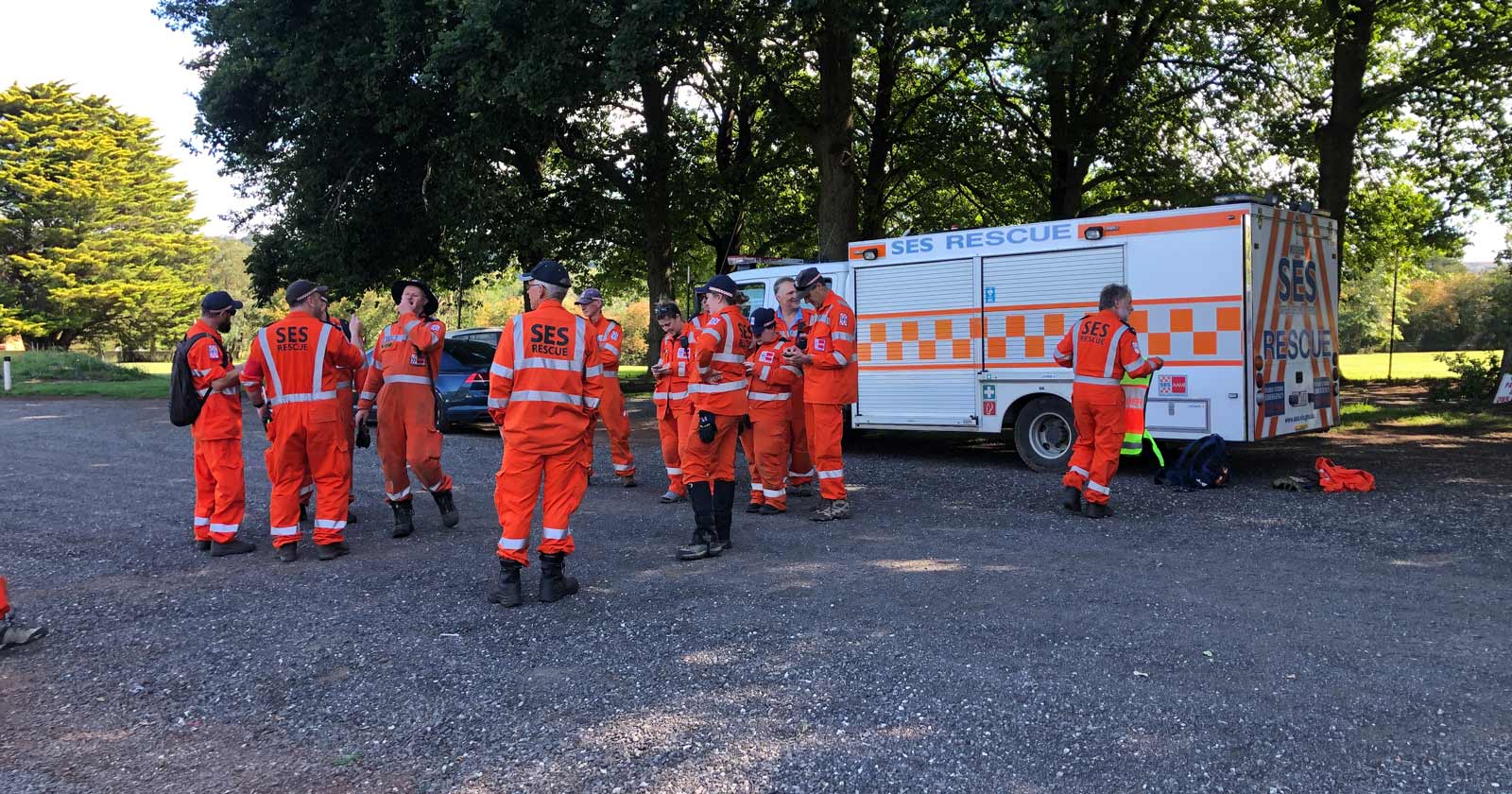
What Happens After You Activate a Personal Locator Beacon
Read more →What actually happens after you activate a Personal Locator Beacon in Australia: satellite detection, rescue coordination, and how to be found faster.
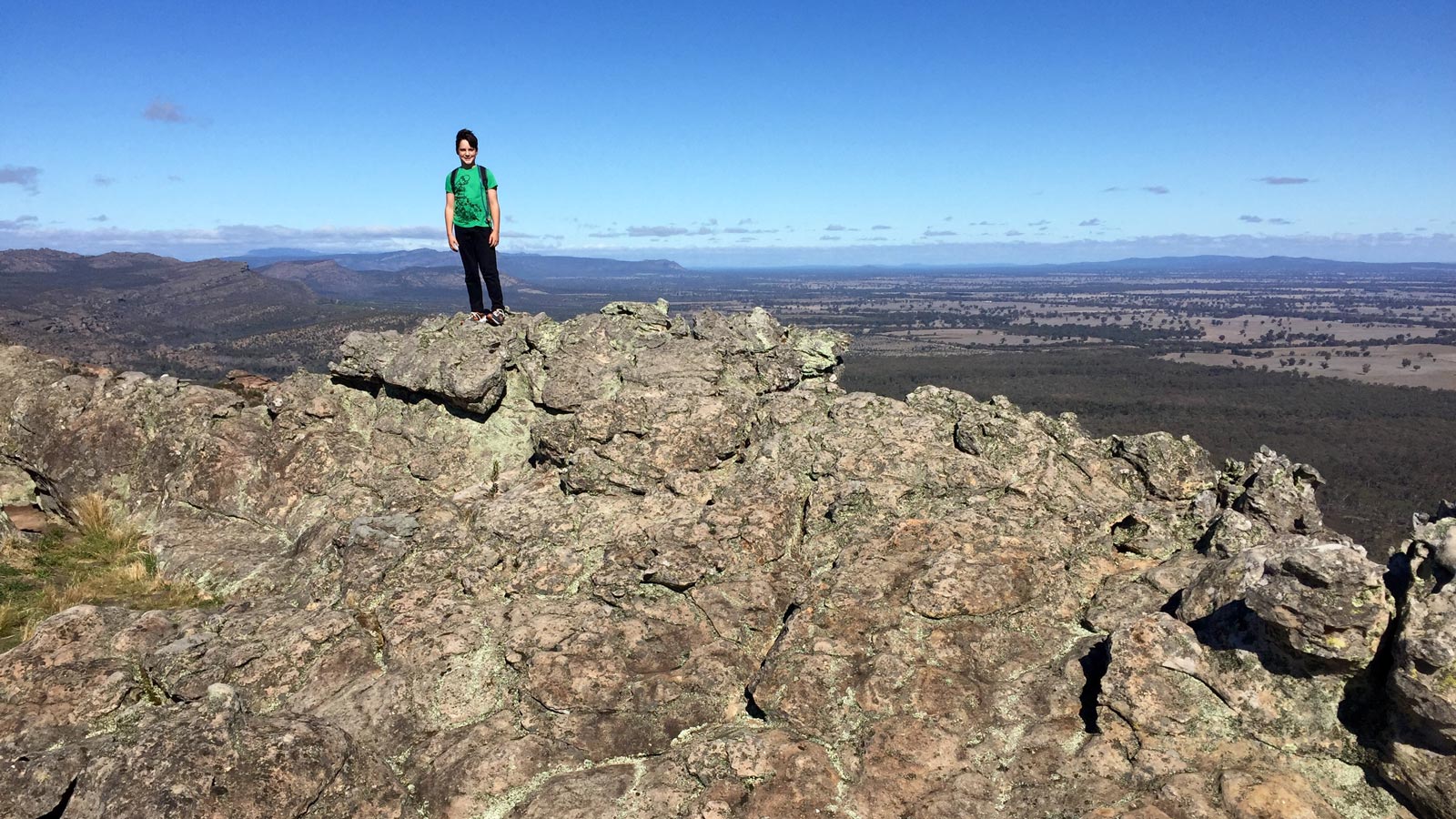
What to do if a child becomes separated on a hike
Read more →What to do if a child goes missing on a hike: stop the group, search the immediate area calmly, then escalate early by calling 000 if needed.
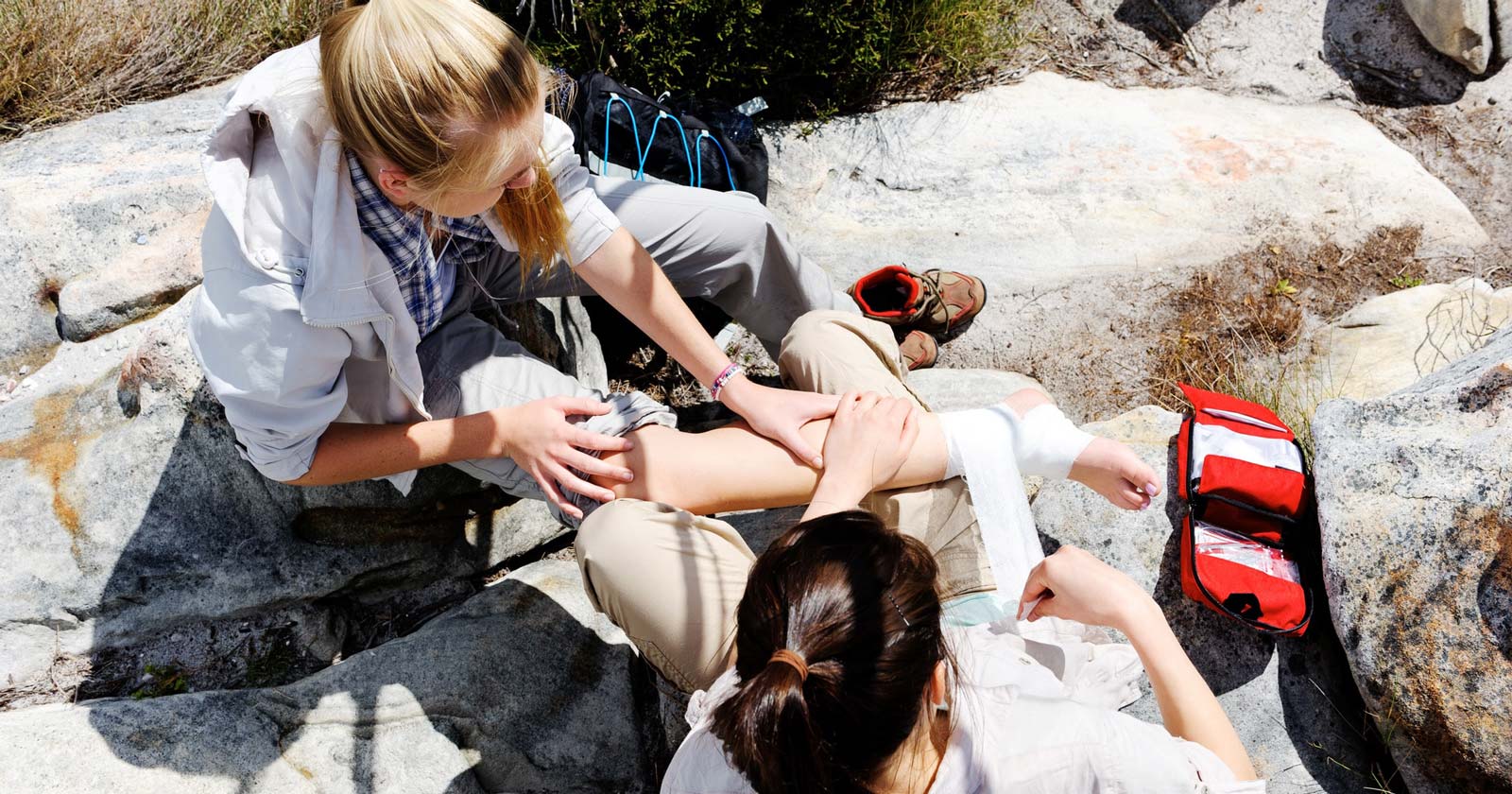
What to Do If You Are Injured on a Hike: Stabilise, Assess and Decide
Read more →A practical framework for hiking injuries: stop, stabilise, assess, decide. How to judge function over pain, manage risk, and know when to turn back.
What to do if you get lost hiking in Australia: Stop, Confirm, Relocate
Read more →What to do if you get lost hiking in Australia: the stop, confirm, relocate model, when to stay put, and how to contact emergency services.
What to do when a group member becomes lost hiking
Read more →What to do when a hiker in your group goes missing: headcount, Last Known Point, search decisions, and when to call 000 for help.
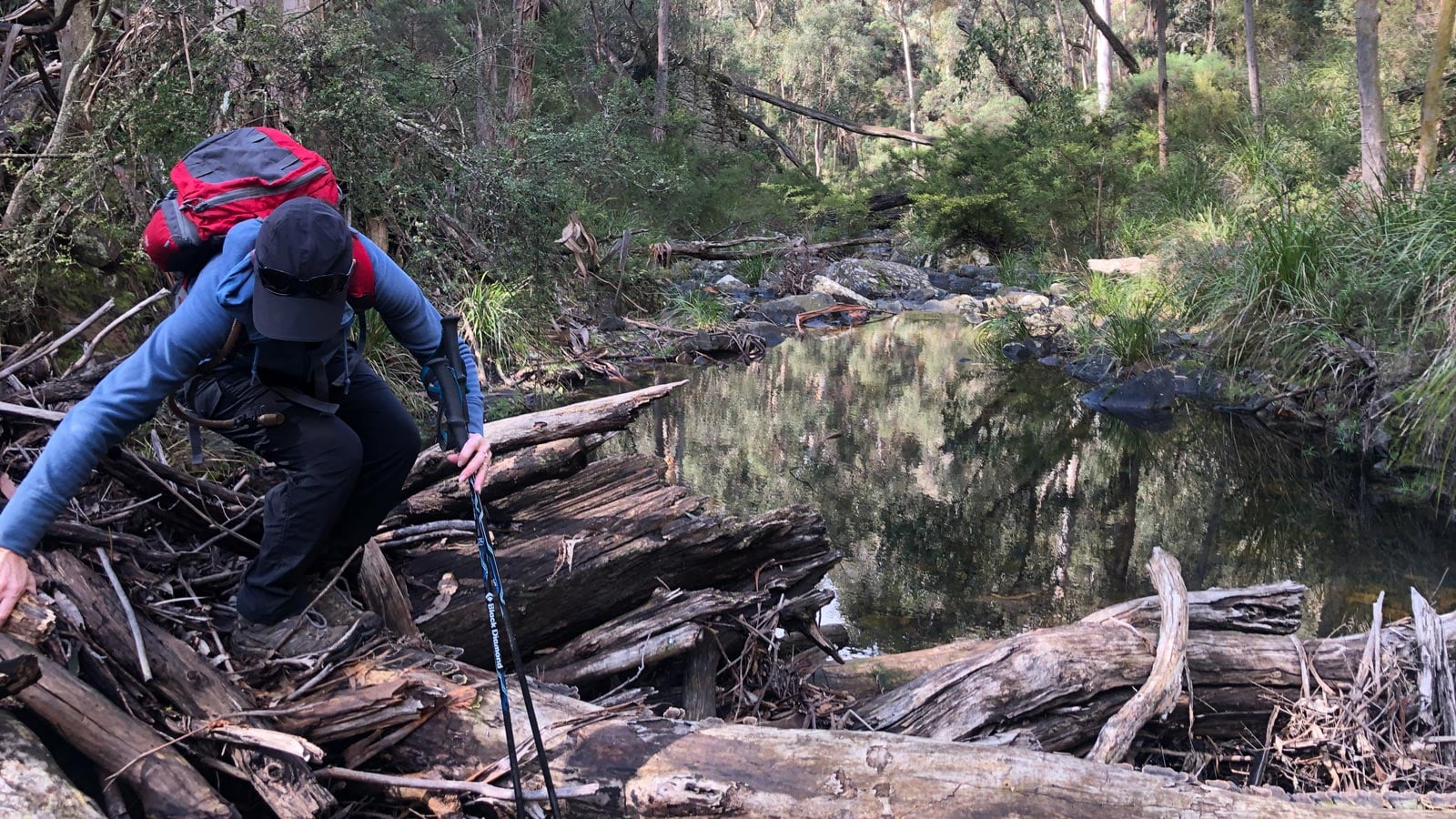
When a Recce Should End at the Start
Read more →A recce can reduce risk, but timing matters. Why a walk a week after gorge flooding can end at the start, and what early warning signs tell you.
When Family Hiking Doesn’t Make Sense (and That’s OK)
Read more →Why choosing not to hike with kids is sometimes the right call, and how to recognise the conditions, moods, and pressures that signal it.
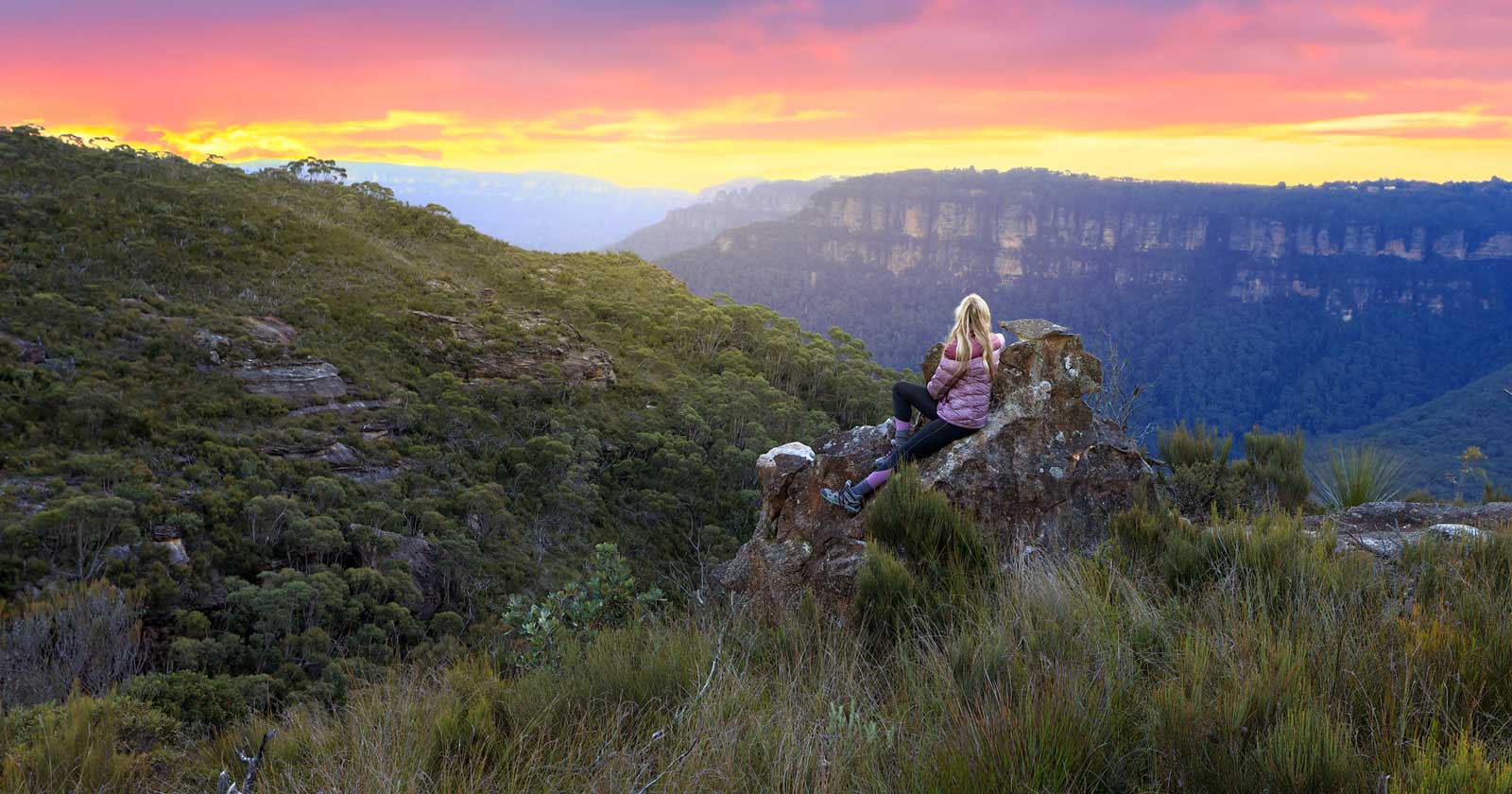
Why Improvisation is Important for Hiking: Adapting to the Unexpected
Read more →Weather turns, gear breaks, or you lose the trail: on a hike, what keeps you safe once plans change is your ability to improvise with what you’re carrying.
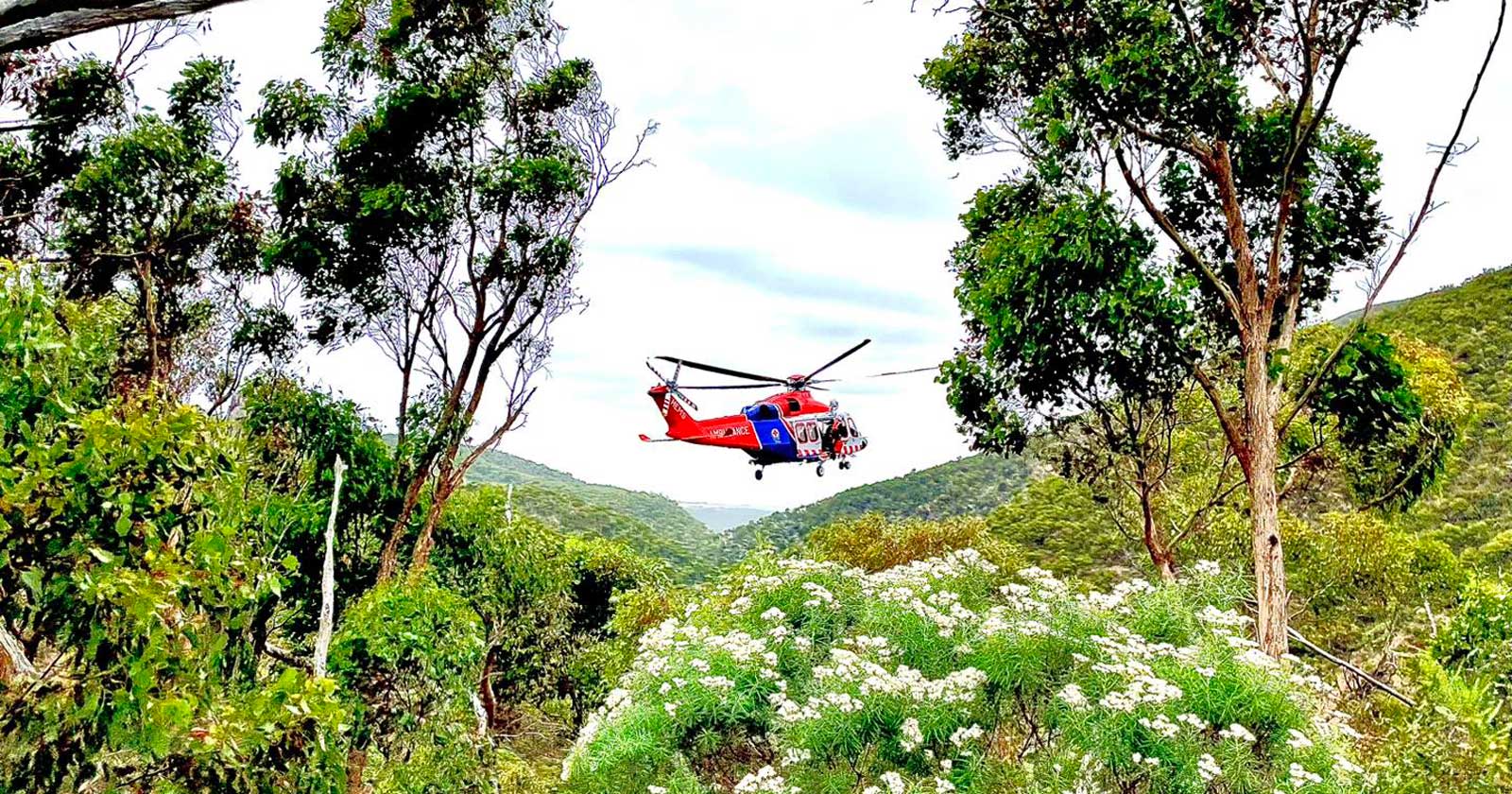
Working with helicopters in search and rescue
Read more →How to behave safely around search and rescue helicopters: landing sites, winching, boarding as a passenger, and getting noticed if lost.


