Incident management is a core hiking skill, because even a well-planned trip can involve injury, a navigational error, weather deterioration, equipment failure, or a walker pushing beyond their limits. In Australian conditions, the consequences of any of that can escalate quickly once decisions are delayed or poorly coordinated.
This guide sets out a practical incident management framework for solo hikers and group leaders. The objective is simple: reduce the likelihood of incidents through preparation, and reduce the consequence through a calm, structured response when something does go wrong.
1. Prevention and preparation: A four-step risk management mindset
Most hiking incidents are preventable, and that prevention begins before departure with planning, capability assessment, and risk controls that match the objective and conditions. Preparation creates margin, margin improves decision-making, and better decision-making is what actually reduces escalation when something goes wrong.
Risk management does not need to be complex. For hiking, it is a repeatable thinking process you apply at home and on the track, and using the same four steps every time is what makes it automatic under stress rather than something you have to work out from scratch.
Step 1: Identify the risks
Ask what could go wrong: terrain, exposure, steep descents, unstable surfaces, river crossings, bushfire risk, remoteness, loss of communications, and biological hazards such as snakes, ticks, and contaminated water. Visualising the risk early is what improves your recognition of it once you are actually in the field.
Step 2: Assess likelihood and consequence
Not all risks carry equal weight. A rolled ankle is common and usually manageable, while a fall from height or serious weather exposure may be less likely but catastrophic if it happens. Prioritise the risks where the consequence is high, even when the likelihood is low, because those are the ones that need stronger controls and more conservative decisions.
Step 3: Control the risks
Controls fall into three practical categories: eliminate, reduce, or prepare. Eliminate where you can by changing the route, timing, or objective. Reduce exposure with appropriate equipment and conservative operating rules such as turnaround times and group management. Prepare for failure with navigation redundancy, insulation, lighting, first aid, and reliable communication.
Equipment lists exist to perform this function, not as lifestyle preferences. They are risk controls that support a safe outcome when conditions deteriorate or plans change.
Step 4: Monitor and review
Risk management continues once you are on the track, because conditions change, weather shifts, and fatigue builds (this ongoing, in-the-field version is also known as dynamic risk assessment). Monitor the environment, the time, and how the group is holding up, then adjust early, since small corrections made now prevent large consequences later.
Pre-hike essentials
Objective selection and research: Choose a route that matches the group’s fitness, experience, and risk tolerance, and confirm the distance, elevation gain, track conditions, exit points, and the likely pace drivers such as scrub, steepness, and navigation complexity.
Conditions check: Review weather forecasts and warnings, and check for park, track, or road closures, then reassess the objective if conditions increase the consequence of things going wrong or reduce your bailout options.
Gear and safety baseline: Make sure each person carries essential safety equipment appropriate to the trip type, including navigation tools, lighting, insulation, a food and water margin, and a fit-for-purpose first aid kit. In snake season and high-risk regions, that means pressure immobilisation bandages too, and at least one person in the group who can actually apply them correctly.
Communications and power: Treat communications as a safety system, not an afterthought. Carry a charged phone where coverage is expected, and in remote locations carry a PLB or satellite device as well. Include a power bank too, so a flat battery does not become a predictable failure of a critical tool.
Trip intentions: Leave a clear plan with a reliable contact, including route details, group size, vehicle location, and expected return time, and agree on a trigger time for escalation if you do not check in.
At the trailhead
The trailhead is your last control point before exposure increases. Use it to confirm capability, align expectations, and reduce the chance of separation or poor decision-making later in the day.
Route overview: Brief the plan, key landmarks, known hazards, likely decision points, and the turnaround time, and treat the finish time as a planning estimate, not a promise.
Group rules: Set clear junction protocols, regroup rules, and a simple process for reporting issues early such as blisters, fatigue, hydration problems, and heat or cold stress.
Pace and cohesion: Set a pace the whole group can sustain, keep the group together in complex terrain and low visibility, and use a tail-end leader where needed, because that is what actually prevents separation before it becomes a problem.
Preparation prevents most incidents, and a structured response prevents escalation when prevention fails.
2. In the moment
When an incident occurs, clarity and structure matter more than speed, because panic amplifies error while a controlled response stabilises the situation, protects the group, and improves the quality of decisions made under pressure.
The first response: stop, assess, act
Stop: Halt movement immediately, and prevent a secondary incident by moving the group away from hazards such as exposure, cliff edges, falling debris, river banks, or unstable ground.
Assess: Identify the problem and its severity, considering resources, first aid capability, communications, shelter, remaining daylight, weather trend, and group condition, and confirm your location early while you still can.
Act: Implement a clear plan: assign roles, start first aid where required, and stop the problem spreading through the group via cold, fear, dehydration, or confusion.
Delegation and communication
Incident management requires delegation, because assigning specific tasks reduces cognitive load and keeps you in control of the situation. Use clear, simple instructions, confirm they are understood, then keep communication steady and factual from there.
Internal communication: Keep the group informed and together. If visibility is poor or wind is high, use simple whistle signals. Three blasts remains the standard distress signal.
External communication: Confirm your exact location before calling for help. In Australia, call 000, use coordinates where possible, and give a short, accurate description of the incident, injury status, and immediate hazards. Activate a PLB only in situations of grave and imminent danger.
Document key details: Record the time of the incident, symptoms, treatments, decisions, and communications, because this helps responders on the day and supports a proper review afterward.
3. Incident scenarios
The same fundamentals apply across most incidents: stop movement, stabilise the situation, assess accurately, then act deliberately. The scenario notes below outline practical priorities for common problems.
A group member is lost
Stop the group immediately and stabilise the situation, then confirm when and where the person was last seen. Attempt contact by voice, whistle, or phone, and assign roles for a short, methodical search only if it can be done without creating additional casualties. Maintain communication between searchers and the main group, and avoid splitting into multiple uncontrolled parties.
The entire group is lost
Stop walking, consolidate all navigation tools, and reassess your position before moving again. Confirm the last known point, match map features to terrain, and use bearing and backtracking only if it is safe and evidence-based. If you cannot re-establish position and risk is increasing, transition early to your emergency communication plan.
The group is overdue
Confirm you are not lost and there is no medical emergency, then assess daylight, weather trend, and group condition. If you have coverage, notify your emergency contact early and give an updated plan, and decide whether to continue or shelter based on safety margin, not optimism.
Injury where a walker can continue
Provide first aid, reduce load, assign a walking buddy, and adjust pace and route. Do not let a minor injury become a major one through continued stress, cold exposure, or delayed treatment.
Injury requiring evacuation
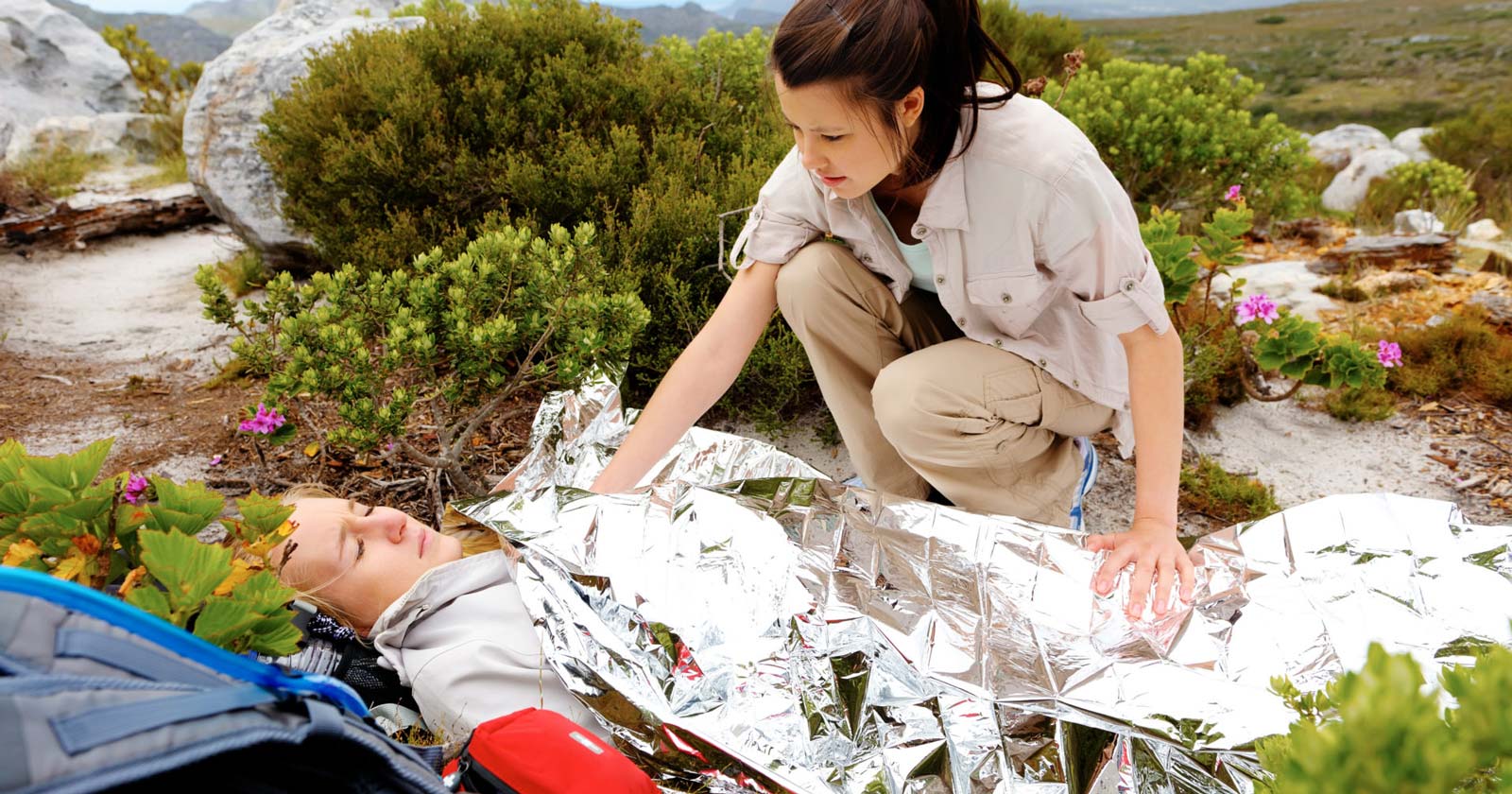
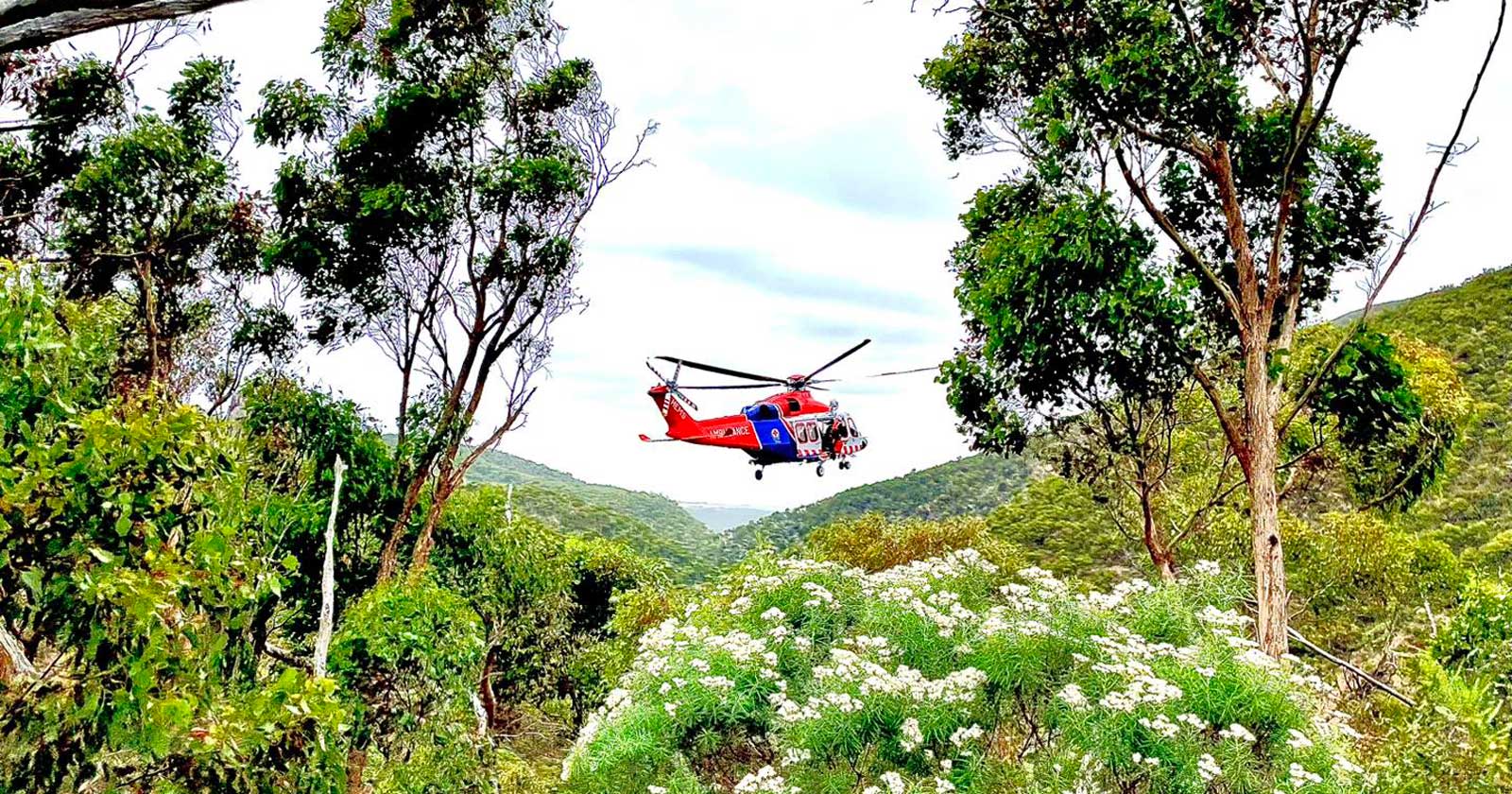
Make the scene safe, provide first aid, and prevent heat loss. Assign roles for shelter, communications, navigation confirmation, and group welfare. When contacting emergency services, give the exact location, injury mechanism, patient status, and local hazards, then keep the group together and manage cold, fear, and fatigue while you wait.
Snake bite
Keep the person still and calm. Do not wash the wound. Apply a pressure immobilisation bandage and immobilise the limb with a splint. Call 000 without delay. Do not attempt to handle the snake.
Heat stress and heat exhaustion
Stop, move to shade, and cool the person actively. Provide small, frequent sips of water or electrolytes if they are alert and not vomiting. Use wet cloths and airflow. If confusion, collapse, or inability to cool occurs, treat as heat stroke and call 000 immediately.
Death on the trail
Notify emergency services and follow directions. Protect the area and reduce further risk to the group. Do not move the person unless there is immediate danger. Manage the group’s welfare, keep communication controlled, and avoid public posting or speculation. Document key details and comply with police and incident controller instructions when they arrive.
4. Recovery and learning
Incident management continues after the immediate danger passes, because recovery, documentation, and review are what support wellbeing and reduce the likelihood of the same thing happening again.
Debrief and support
Conduct a structured debrief. Identify what occurred, what worked, and what did not. Give participants space to process the experience, and encourage appropriate support where needed.
Reporting and review
Complete incident reporting requirements for your group or organisation. Where the incident occurred on managed land, notify the relevant land manager, because they need accurate information about hazards, injuries, and track conditions to protect future visitors. If the incident involved a serious injury, death, or a situation of grave risk, be aware that workplace health and safety reporting obligations may apply to commercial operators and organisations leading groups. For recreational hikers, the priority is accurate documentation: record contributing factors, decisions made, treatments provided, and communications, then update your systems based on evidence from the event, including gear, planning rules, communication processes, and decision points.
The purpose of incident management
Incidents are uncommon but not unpredictable: preparation reduces the likelihood, a structured response reduces the consequence, and review reduces the chance of it happening again the same way. The purpose of incident management is readiness and control, not fear, and real competence in it is what lets hikers and leaders operate confidently in Australian environments while keeping an appropriate safety margin for changing conditions.
Explore related guides
- Plan to survive your hike
- The Ten Essentials
- Conducting a hiking risk assessment
- Trip intentions form
- What is a Personal Locator Beacon?
- What to do if you get lost hiking
- When a group member becomes lost
- Snake bites: facts and first aid
- Working with helicopters in search and rescue
- Why self-reliance is the key to safe hiking
- Why carrying a torch is essential