Snakes are a normal part of Australian ecosystems, and for hikers, actual encounters are uncommon and bites are rarer still. When a bite does happen, it’s almost always a defensive reaction rather than an attack, which matters because it changes what you should actually be planning for. Understanding how snakes behave, why the risk changes with conditions, and how to respond if something does go wrong is worth far more than fear.
Note: This guidance applies to Australian snake species and follows Australian first aid principles.
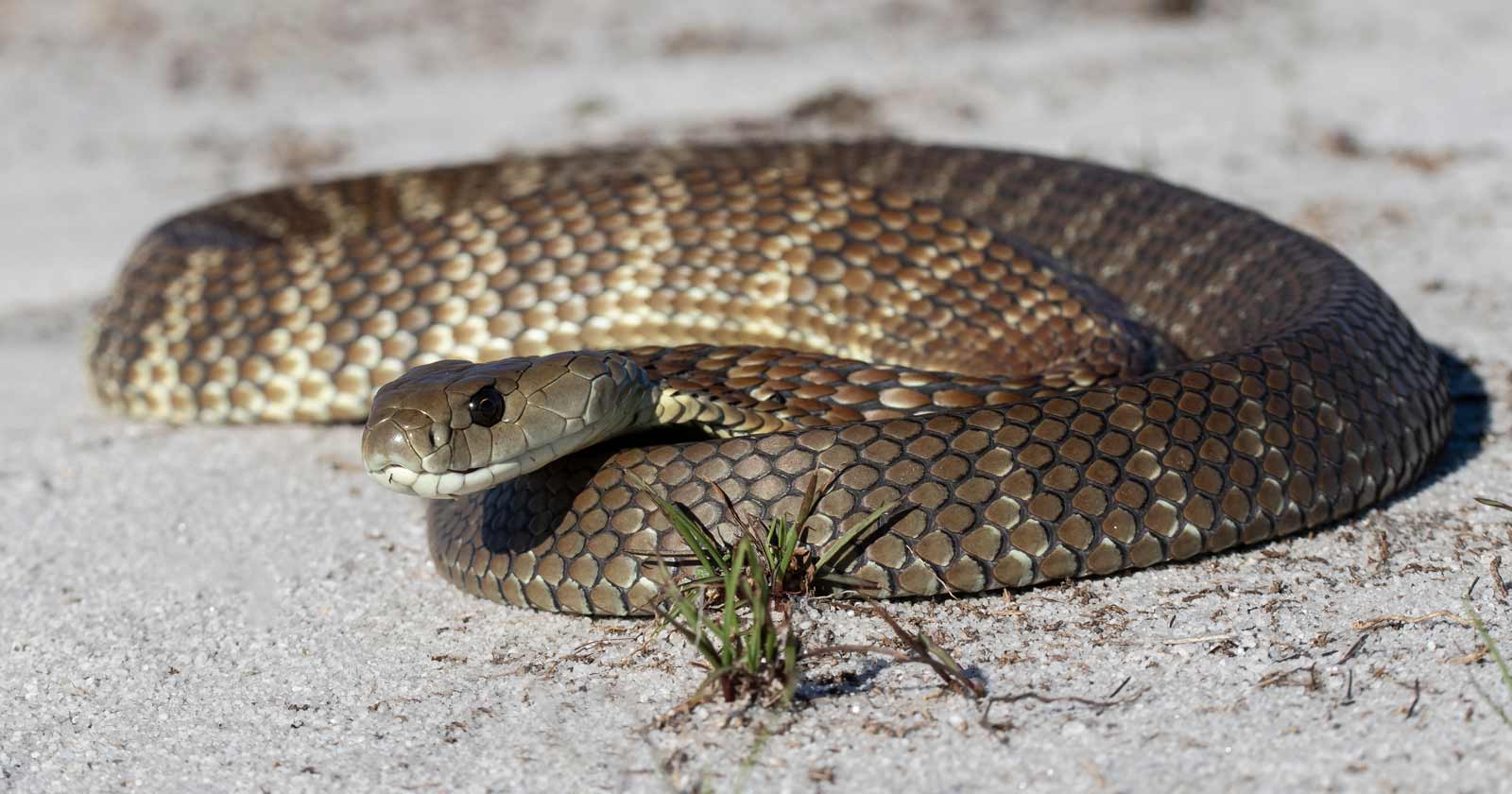
Snake encounters, and why you see them at all
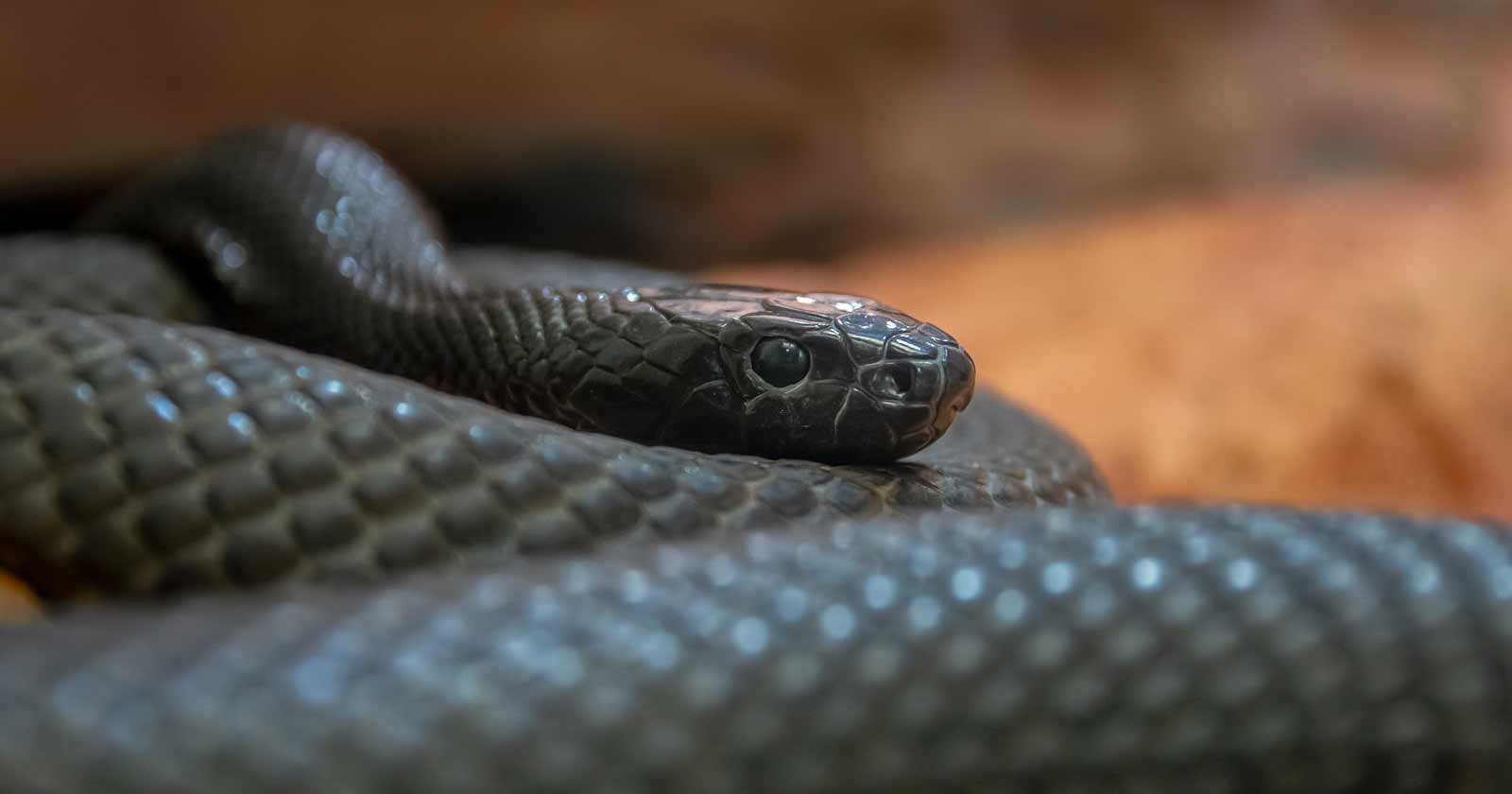
Australia has around 140 species of land snake. About 100 are venomous, but only a small number are capable of causing life-threatening envenomation. Many of the medically important species belong to the elapid family, including brown snakes, tiger snakes, taipans and copperheads. Despite Australia’s reputation for venomous snakes, the actual risk to hikers remains low when snakes are left alone. They generally prefer to avoid confrontation and will usually retreat if given the opportunity. Most bites occur when people try to handle, capture or kill a snake, although accidental close encounters can also result in bites. Staying calm, keeping your distance and allowing the snake to move away remains the safest approach.
Part of the reason you see snakes at all comes down to how they regulate their body temperature. Snakes are ectothermic, so they rely on external heat, which is why they bask on warm rocks, sunlit patches, or tracks that hold the day’s warmth. They tend to be slower in cooler months and more active in warmer ones. Tracks that run through grass, heath, or rocky terrain naturally intersect with snake habitat, so seeing one doesn’t mean the area is dangerous. It means you’re walking through habitat that’s actually working the way it should.
How to reduce your risk
A few simple habits cut the chance of a bite substantially. Walk with some awareness in long grass or rocky ground, and get in the habit of checking the far side of a log or rock before you step over it. If visibility is poor, use a trekking pole or your foot to gently disturb the vegetation ahead of you first.
Sturdy footwear and long pants help in snake-prone country, and gaiters add another layer on top of that, because most venomous Australian snakes have relatively short, fixed fangs, so clothing often reduces how much venom actually gets through.
If you do see a snake, stop and give it space. Let it move away on its own, and don’t try to move it with a stick or throw anything at it, since that’s far more likely to provoke a strike than avoid one. Detour around it widely if you need to.
If a snake bite occurs
Treat every suspected snake bite in Australia as potentially life-threatening, even when nothing about it looks serious yet. Some bites cause very little pain at first, which is exactly why you can’t judge severity from how it feels in the first few minutes.
The correct first aid response in Australia is pressure immobilisation, and it works by slowing how fast venom moves through the body rather than trying to remove or neutralise it.
Immediate priorities
- Call 000 or activate emergency communication early.
- Keep the person completely still.
- Lay them down and reassure them.
Movement spreads venom through the lymphatic system, so calm, minimal movement isn’t a comfort measure, it’s the actual treatment.
Applying pressure immobilisation
Use a wide elastic compression bandage if you have one.
- Apply firm pressure directly over the bite site.
- Bandage the entire limb, starting at the fingers or toes and working upward.
- Aim for pressure similar to what you’d use on a sprained ankle.
- Immobilise the limb with a splint.
- Keep the patient still and wait for medical transport.
Don’t wash, cut, or suck the bite, apply a tourniquet, or remove the bandage once it’s on. Washing or cutting the site destroys the trace venom a hospital needs to identify what bit you, and loosening the bandage early can release a concentrated dose of venom all at once instead of letting it move slowly under control.
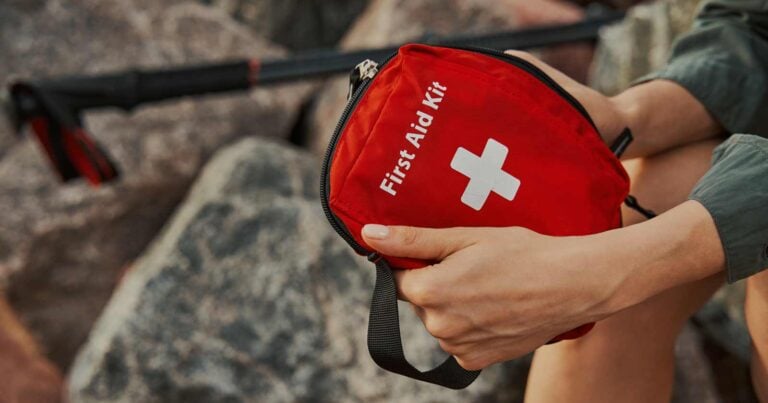
For more detail on building a kit that supports this technique, see Building Your Hiking First Aid Kit.
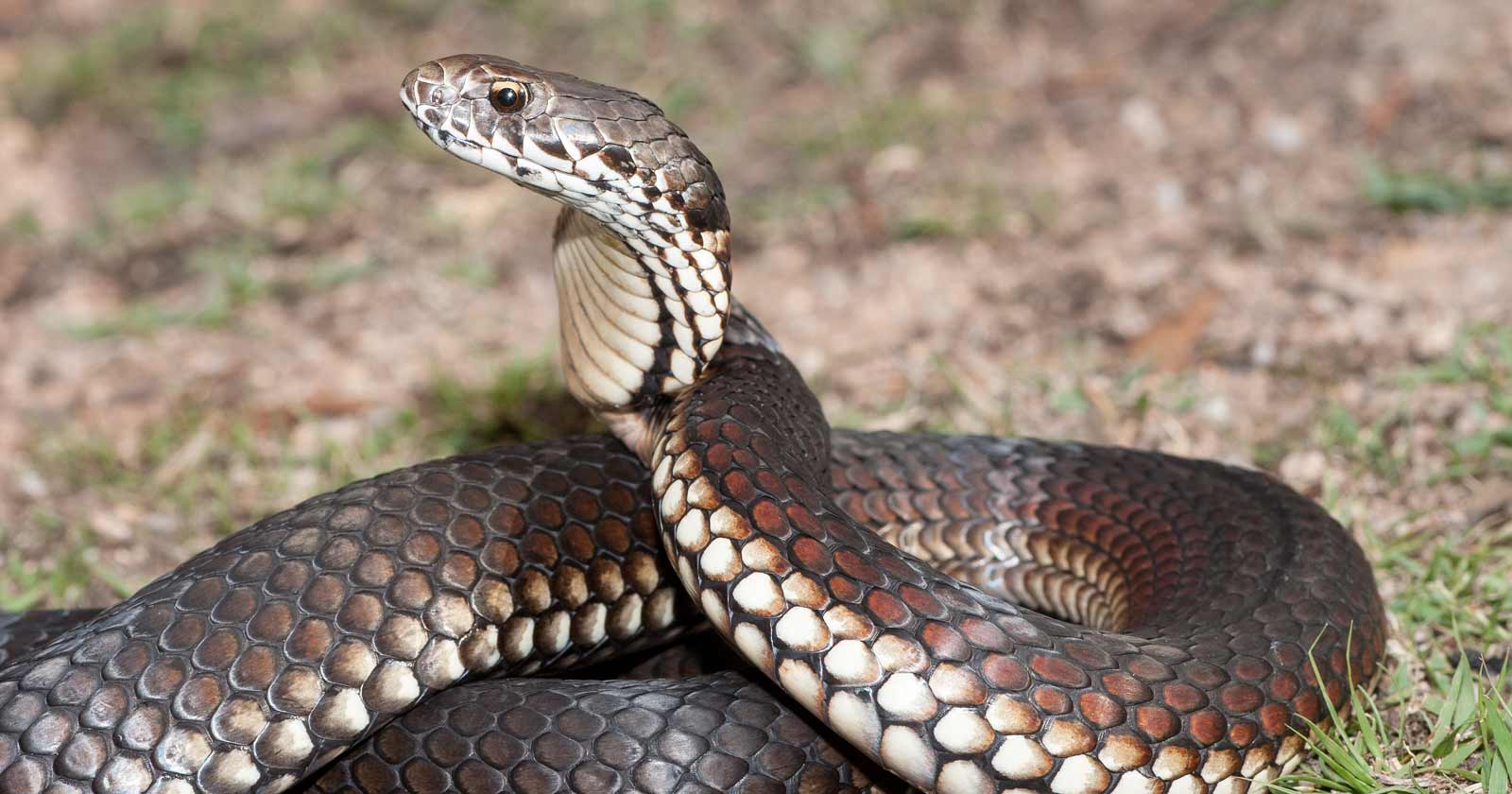
While you’re doing all of this, it’s worth knowing what envenomation can actually look like. Symptoms can include headache, nausea, abdominal pain, collapse, drooping eyelids, difficulty speaking, or trouble breathing, and some species cause blood clotting problems on top of that. They can also develop gradually, so if the person still feels mostly fine early on, that isn’t a reason to treat the situation as anything less than serious.
In remote areas, it’s worth activating a Personal Locator Beacon or satellite communicator early, because the whole point of pressure immobilisation is buying time until help arrives, and that time only counts if help is already on the way.
Living with snakes
Snakes play a genuine ecological role in the bush: they control rodent populations and are part of what keeps the ecosystem functioning, and their numbers are already under pressure from habitat loss, road deaths, and people killing them out of fear rather than necessity. As a hiker, the most responsible approach is the same as the safest one: leave them alone and let them retreat.
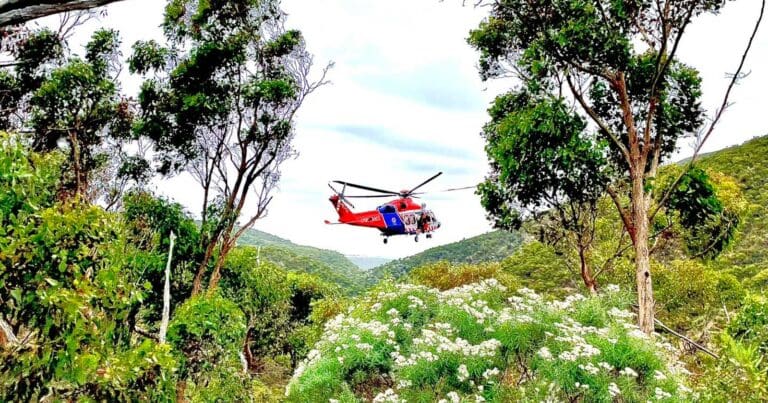




Good stuff, only it kinda misses a couple of critical things that pretty much every snake info site misses: First, what do you do if bitten in the head or trunk? Obviously you’re not putting on a pressure bandage on them ;-). Second, especially since this site is for hikers, clearly if on a hike you’re not going to be able to keep still. Seems like the only option is to hike out quick and keep your fingers crossed despite the exertion. I’ve tried carrying people out before, even when I was young, strong and stupid. For sure that’s not gonna happen. As for calling for a chopper or carrying help; in Australia that’s going to take several hours at least. Lastly; a lot of sites mention that 90% of bites are from people (typically young males I’d bet) pestering the snake. Yet as the video shows it can happen to anyone, anytime you’re outside moving around, especially in spring when snakes are on the move seeking food after a long winter of estivation and there’s lots of young snakes who bite first and ask questions later. Anyone seen any beta on these points? Thx.