What is hiking trail etiquette?
After a few experiences on busy tracks, it became clear that some people either do not know, or have forgotten, basic trail etiquette. With more of us outdoors than ever, that matters: good etiquette keeps things friendly, reduces conflict on narrow tracks, and helps protect the places we all come to enjoy.
On quiet, remote walks you might not see another person all day. On popular tracks, you will often share the trail with other hikers, trail runners, mountain bike riders, horses, and people hiking with their dogs. Courtesy, spacing, and clear communication make these encounters safer and far more enjoyable.
1. Keep noise down
Many people head outdoors to enjoy a sense of calm. Keep conversations at a reasonable volume, avoid playing music out loud, and put your phone on silent. Noise carries further than you think, especially in gullies and forested areas. It affects other hikers and wildlife.
2. Give way to uphill walkers
Hikers travelling uphill have the right of way because maintaining rhythm on a climb is difficult. If you are descending, look ahead and step aside where practical. That said, plenty of people going uphill will wave you through if they want a breather. The important part is to communicate clearly and make your movement predictable, especially on steep, narrow tracks.
If you want to understand how effort changes on inclines and why pacing shapes climbs and descents, these guides help: hiking in hills and the art of hiking downhill.
3. Keep left, pass on the right
On most Australian tracks, it works best if everyone keeps left and passes on the right. If you want to overtake from behind, do not crowd someone’s heels. Wait for a safe place, then use a friendly call-out such as “Hi, can I pass on your right?” and give them time to respond before you move past.
Spacing is important. For some people, especially those walking alone, being followed closely on a narrow track can feel unsettling even if no harm is intended. If you want more context on personal safety and situational awareness, read Feeling Unsafe on a Solo Walk.
4. Stay on the track and protect the trail
Walking off-track to bypass mud, cut switchbacks, or widen a line around obstacles is one of the fastest ways to damage a trail. It increases erosion, kills vegetation at the edges, and can create multiple unwanted routes. If the track is muddy, it is often better to walk through the mud rather than around it, unless doing so would push you well off the formed trail.
Staying on the track also helps reduce the spread of soil-borne plant diseases. In some environments, even a small amount of infected soil moved on boots can have long-term ecological impacts. If you want more detail on why this is important, see Phytophthora cinnamomi.
5. Respect track and park closures
Tracks and parks close for good reasons: storm damage, flooding, fire, planned works, cultural protection, wildlife management, or environmental recovery. Closures protect visitors, reduce the burden on emergency services, and give damaged areas time to recover.
Choosing to enter closed areas is not just a personal risk. It can create avoidable rescues and place others in harm’s way. If a track is closed, choose an alternative and come back another day. If you want more context, read Track closed: Is it still OK to hike?.
6. Leave no trace, but keep it practical
Trail etiquette and environmental care overlap, but the basics are simple. Pack out everything you bring in, including food scraps. Even things like banana peels and apple cores take longer to break down than most people expect, and they do not belong on the track. Leave what you find, and avoid disturbing natural features or wildlife.
If nature calls, move well away from the track and water sources, and follow responsible toileting practices. For a deeper environmental framework, the best starting point is Leave No Trace.
7. Know how to handle horses, runners, hikers, and bikes
Not all trails allow all users, so check conditions before you go. Where shared use applies, be alert and expect faster-moving traffic. If you encounter horses, step off the track calmly and give them plenty of space. Stand still and let the rider guide the horse past. Talking in a normal voice can help horses recognise you as a person, which may reduce the chance of them spooking.
For runners and bikes, predictability is the goal. Hold your line, communicate clearly, and do not make sudden sideways movements at the last second. If you are wearing headphones, keep the volume low enough to hear what is happening around you.
8. Hiking with your dog
If you hike with a dog, you are responsible for how your dog affects other people, wildlife, and the track itself. Follow park rules around leashes and restricted areas. Even where off-leash is allowed, only do it if your dog reliably responds to commands and will not run up to strangers, other dogs, or wildlife.
Carry waste bags and take them out with you. If you are not willing to clean up after your dog, do not bring them. For more detail, see Discover hiking with your dog.
9. Use tech with courtesy
Phones are useful safety tools, but they can also disrupt the experience for others. Avoid loud calls on the trail, keep notification sounds off, and step aside if you need to stop and check a map. If you are taking photos, be mindful of people around you and do not block narrow sections or viewpoints.
If you enjoy photographing your walks, this guide will help you get better results without getting in anyone’s way: adventure photography tips.
10. Be friendly and keep things flowing
A simple “g’day” goes a long way. A quick greeting, a wave, or a polite “thanks” when someone steps aside makes the trail feel like a shared space rather than a competition. A little patience on narrow tracks and a willingness to communicate keeps everyone moving safely and helps avoid unnecessary tension.
Good etiquette is part of outdoor safety. Clear communication, predictable movement, and respect for other track users reduce incidents, reduce stress, and support a more enjoyable day out for everyone.
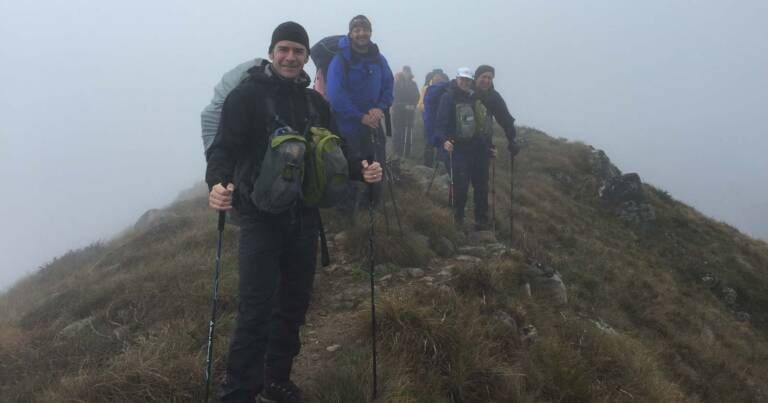




Also, give way to those coming uphill (if you’re moving downhill) as momentum is easier to regain moving down.
Agree completely, as mentioned in point 2 of the post