Silent threat in the soil
Beneath the healthy appearance of the Australian bush lies a serious and often invisible threat: Phytophthora cinnamomi. It’s commonly called Cinnamon fungus, though that name isn’t scientifically accurate. You’ll also hear it called dieback, root rot, or jarrah dieback.
It isn’t actually a fungus. It’s a soil-borne water mould, and despite being microscopic, it’s responsible for the decline and death of more than 900 native plant species across Australia. What makes it dangerous is how slowly it works. It attacks plant root systems and stops them absorbing water and nutrients, and by the time symptoms appear above ground, the damage is usually already irreversible.
Plants from the heath, pea flower, banksia, and grass tree families are particularly vulnerable, and when they decline, the effects move up through the whole ecosystem. Animals such as honeyeaters and honey possums lose critical food sources, and landscapes that were once diverse can be reduced to sparse, degraded environments.
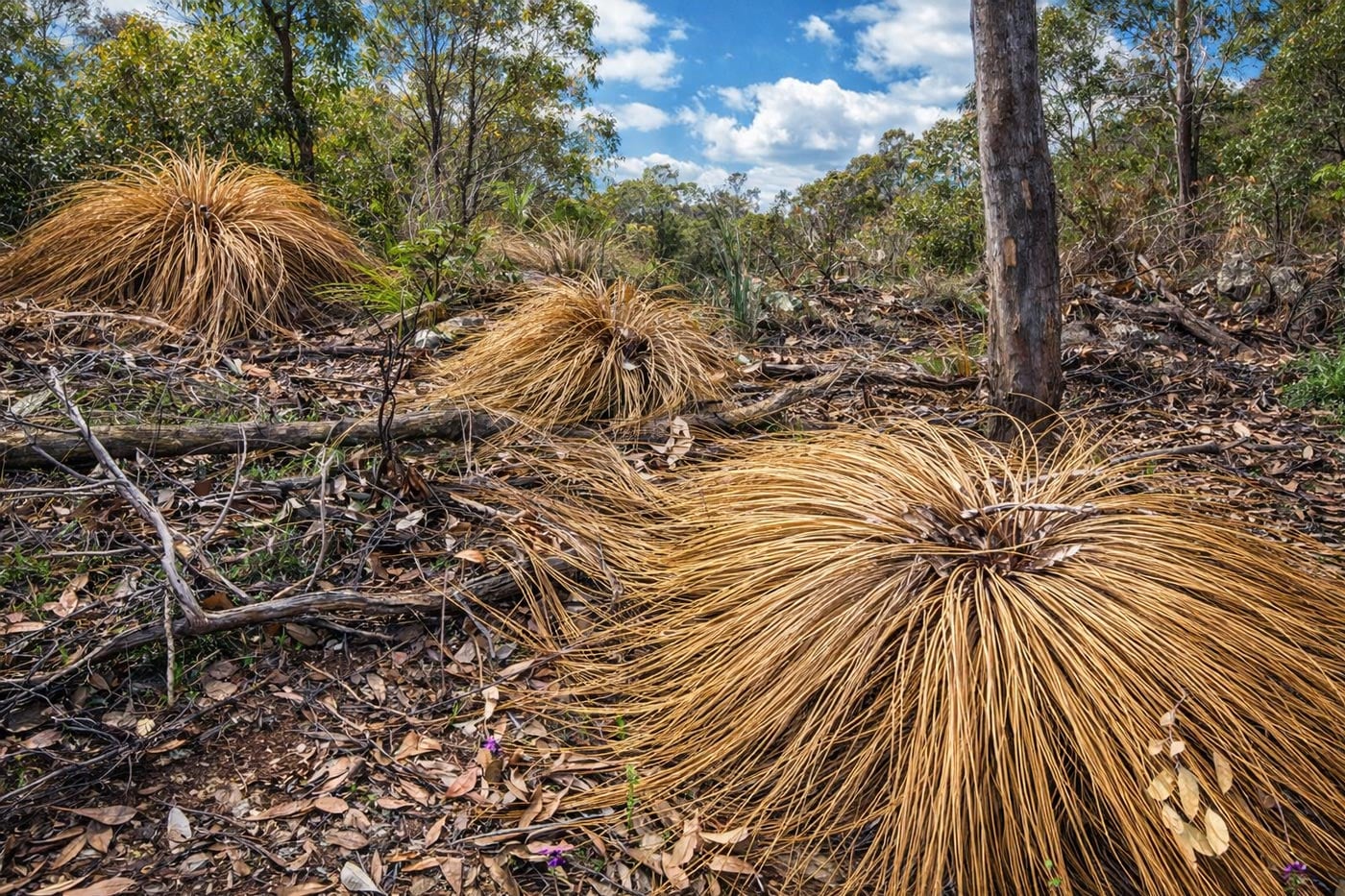
Why it’s such a serious threat
Phytophthora cinnamomi thrives in warm, moist conditions, which is exactly what much of southern Australia offers. The most concerning part is that it can sit in the soil for years before anyone notices, spreading quietly the whole time, until large areas of vegetation start to fail.
Unlike storm damage or fire scars, dieback doesn’t recover naturally. Once it’s established, it permanently changes the composition of plant communities, and in some cases entire species disappear from the affected area for good. Because it’s invisible to the eye and the symptoms can take years to show, people can walk straight through an infected area without knowing it, then carry contaminated soil into healthy bushland.
How it spreads
The main way Phytophthora cinnamomi moves is through soil and water, and human activity does a lot of that moving for it.
It can be transported by:
- Mud on boots, shoes, and gaiters
- Hiking poles and camping equipment
- Vehicle tyres and undercarriages
- Machinery and trail maintenance equipment
- Infected plant material
Wet and muddy conditions make this worse. Once soil sticks to your footwear or gear, the pathogen can travel a long way past the original outbreak.
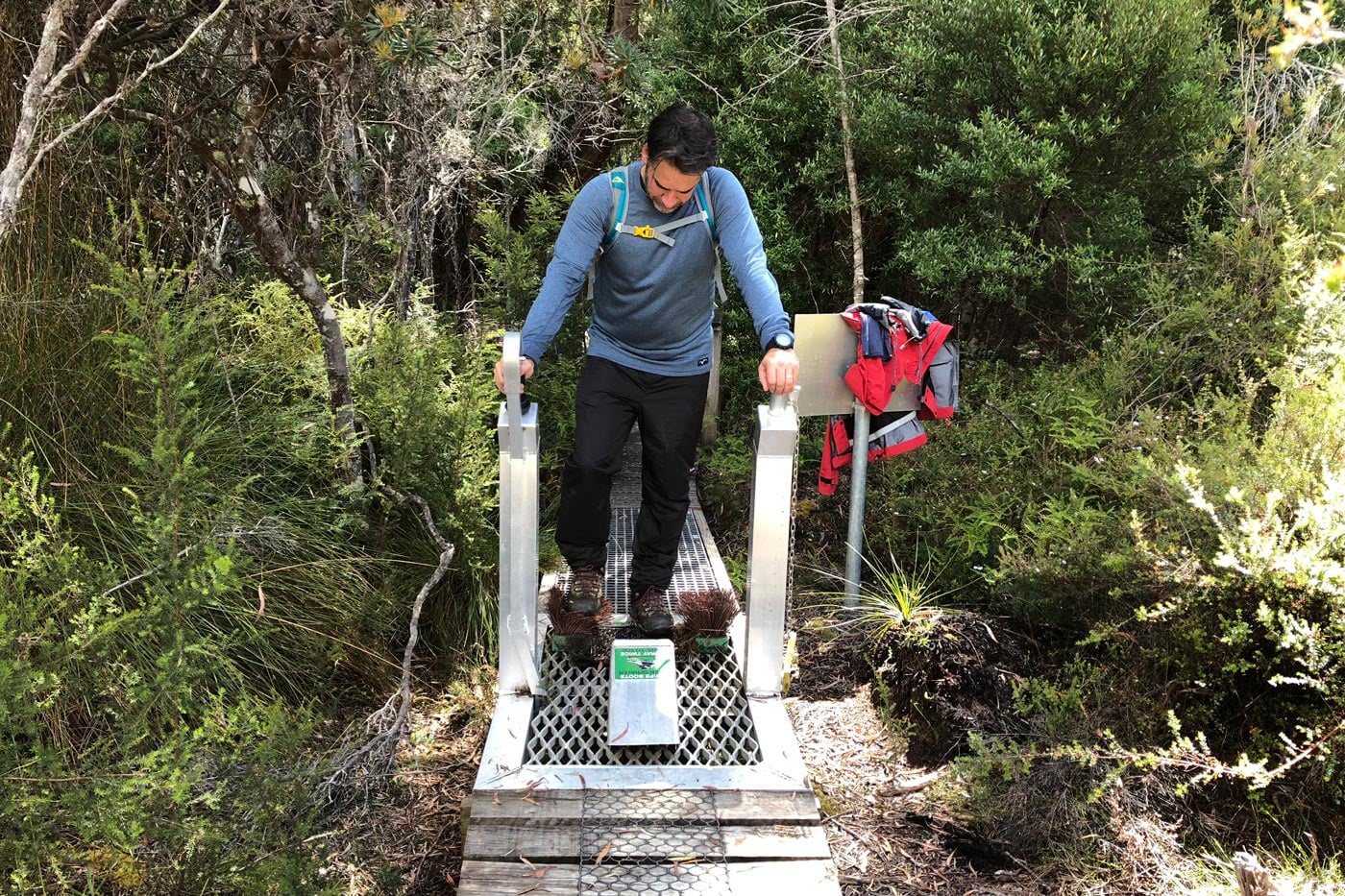
What hikers can do to help stop the spread
Preventing the spread comes down to awareness and a few simple habits, done consistently.
- Clean your boots thoroughly: Before leaving areas known or suspected to contain dieback, remove all soil from your footwear. Pay close attention to tread, seams, and laces. Soil that looks harmless can carry the pathogen into healthy bushland.
- Stay on formed tracks: Stick to designated trails, especially during wet weather. Walking off-track increases the risk of moving contaminated soil and can damage fragile environments already under stress.
- Clean all gear that contacts soil: Boots are not the only concern. Hiking poles, tent pegs, camping equipment, and even backpacks should be cleaned if they come into contact with soil. Where cleaning stations are provided, use them.
- Know where dieback occurs: Familiarise yourself with dieback-affected areas and any local regulations before you visit. Park websites, signage, and rangers provide up-to-date information and guidance.
Why closed tracks and cleaning stations matter
Track closures, quarantined areas, and boot-cleaning stations aren’t arbitrary restrictions. They’re essential tools land managers use to protect vulnerable ecosystems and prevent further spread of dieback.
Ignoring a closure or stepping around a barrier can undo years of rehabilitation work and put entire ecosystems at risk, and it doesn’t take a careless hiker to do it. Even experienced walkers can unknowingly contribute to the problem by assuming a closure “doesn’t apply” to them.
If a track is closed, it is closed for a reason. Respecting these measures protects not only the environment but also the long-term access to these places for everyone.
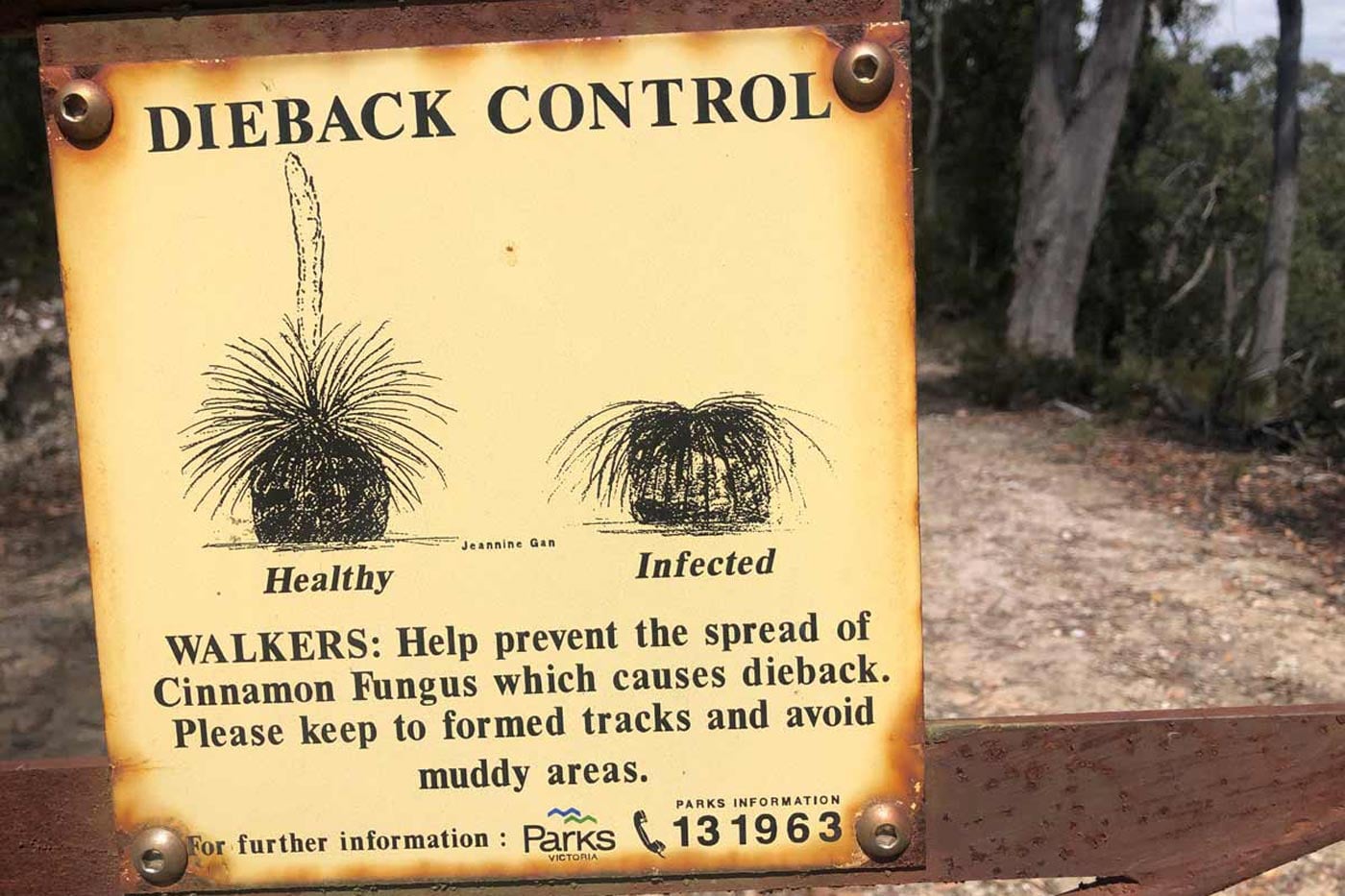
Additional ways to reduce risk
- Follow Leave No Trace principles and avoid moving soil or plant material between locations
- Avoid walking through muddy areas where possible
- If conditions are very wet, consider postponing your walk
- Ask local rangers about current conditions and alternative routes
- Avoid driving or riding off-road in areas known to contain dieback
It’s also worth remembering that footwear isn’t the only vector. Vehicles, machinery, and contaminated plant material can spread Phytophthora cinnamomi just as easily if hygiene practices aren’t followed.
Phytophthora cinnamomi spreads quietly, without warning, and the damage it does is permanent. But its spread is also largely preventable, and that’s the part worth holding onto. Cleaning your boots and gear, staying on formed tracks, respecting closures, and knowing where dieback occurs are small, consistent habits, and they’re the difference between a patch of bush staying healthy for the next hiker or not.