Victorian High Country Huts Code of Conduct
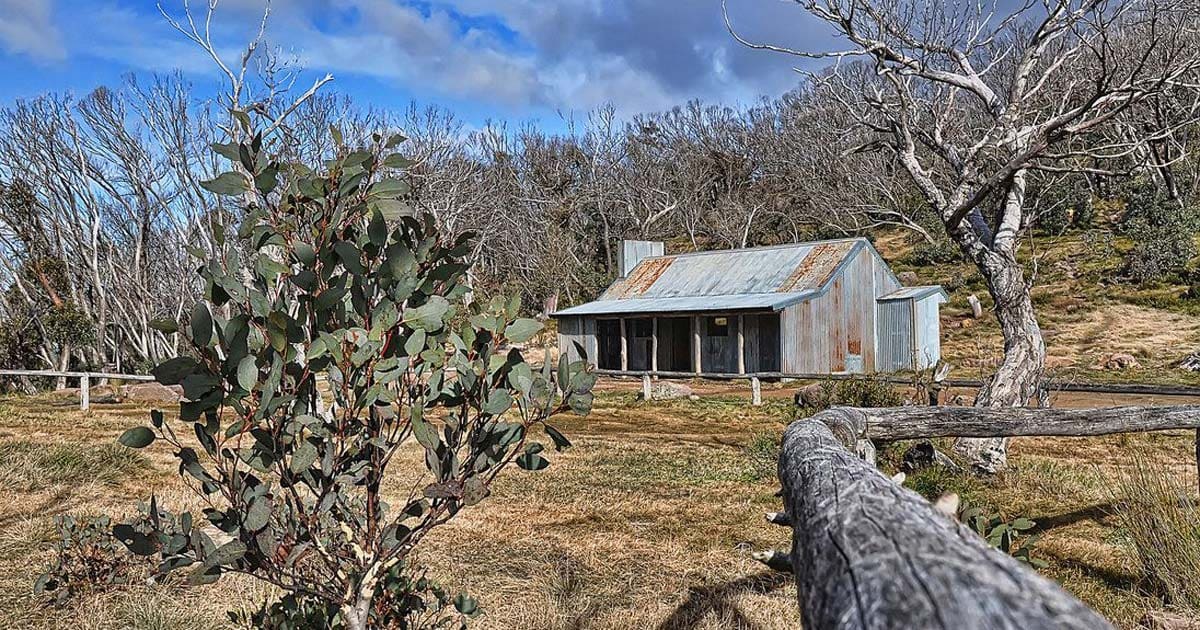
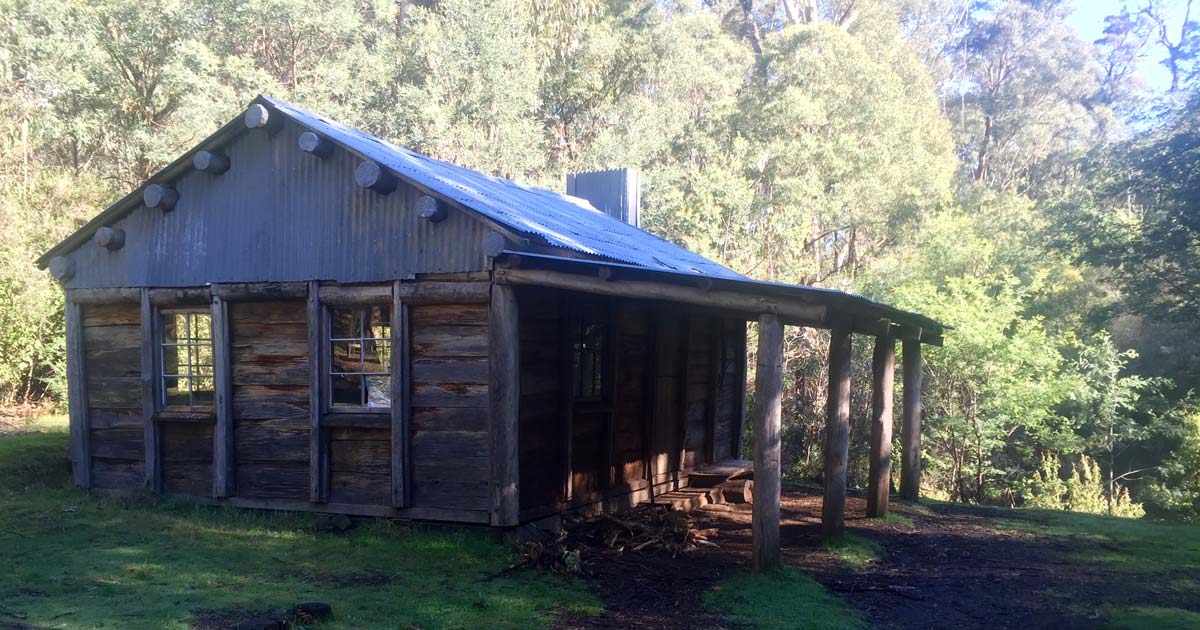
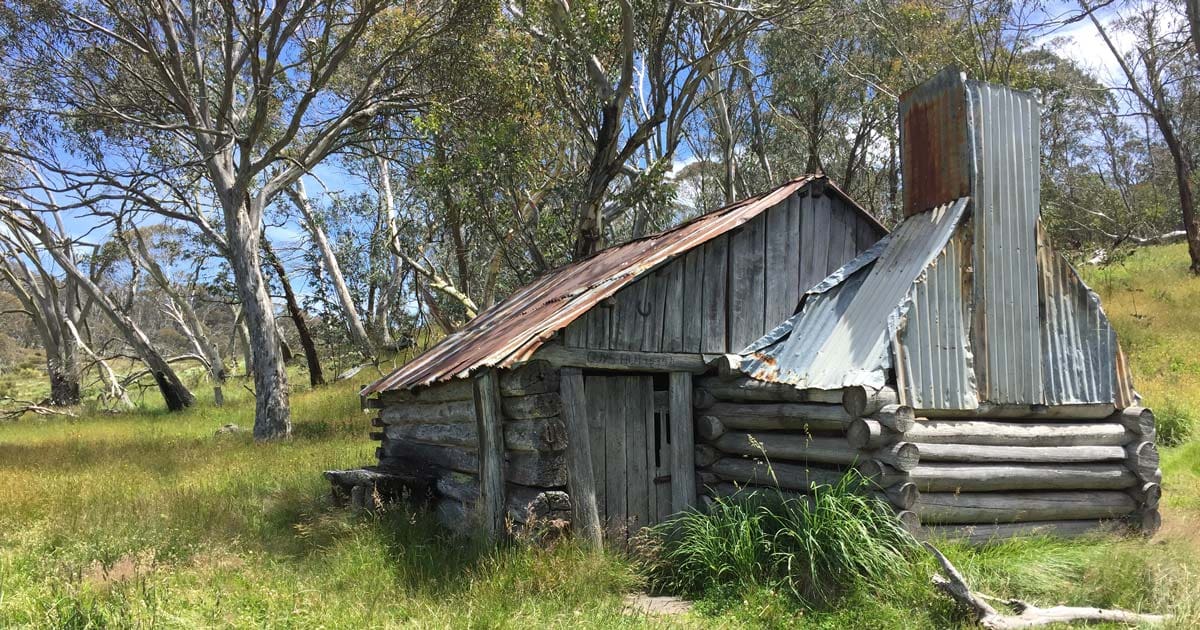
Victoria’s High Country huts are an important part of the state’s alpine and pastoral history. Built from the mid 1800s by cattlemen, miners, loggers, foresters, road crews, forest rangers and later ski and bushwalking groups, these huts provided refuge in remote and often harsh environments. Many early huts were constructed using locally available materials and basic tools. While numerous huts have been lost to fire and time, many remain scattered throughout Victoria’s alpine and high country regions and now hold significant heritage value.
Over recent decades, major restoration and maintenance work has been carried out by Parks Victoria, Forest Fire Management Victoria and volunteers from the Victorian High Country Huts Association (VHCHA). Protecting huts from bushfire remains a challenge in forested alpine landscapes, and careless use can quickly cause permanent damage.
Huts are best understood as emergency infrastructure, not accommodation, and not guaranteed shelter. For more on how that fits into wider safety planning, see the Hiking Safety Systems framework. The purpose of this code is to help visitors protect hut heritage while supporting safe, self-reliant travel in the Victorian High Country.
Core principles
- Emergency shelter only. Huts are for temporary, emergency shelter. They are not intended for planned overnight accommodation.
- Self-reliance first. Never rely on reaching a hut. Plan to be independent of huts in all conditions.
- Shared access. Huts on public land are a shared resource. If others need temporary shelter, you must be prepared to share space.
- Respect and protection. Treat huts as fragile heritage and minimise your impact inside and around them.
Plan to be self-sufficient
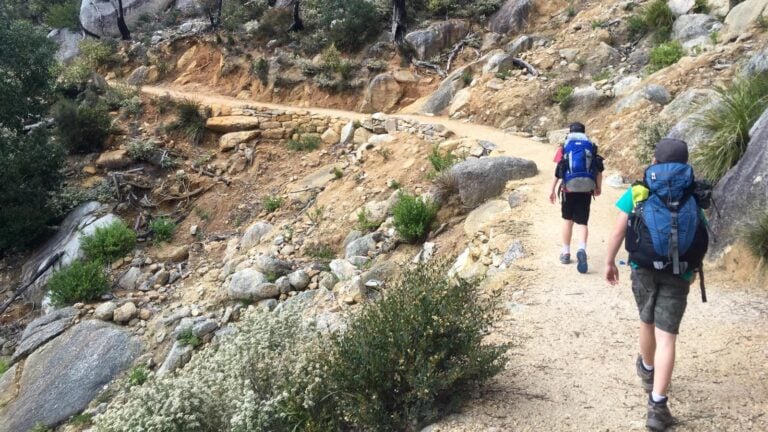
High Country conditions change quickly, and huts can be difficult to find in poor visibility. Do your research before setting off and carry suitable supplies, clothing for the conditions, and an appropriate shelter such as a tent or bivvy. Always let someone know your intentions, and check weather before you leave and as conditions evolve. For remote trips, carrying a personal locator beacon (PLB) adds an important emergency layer, but it does not replace planning and judgement.
Code of conduct
1. Respect heritage
Many huts and their surrounding sites are part of Victoria’s living history. Some were also established in areas with long-standing Aboriginal significance. Treat huts and their surrounds with care, and do not disturb artefacts, timberwork, fittings, or the environment around them.
2. Do not plan to stay overnight
Many huts do not meet building standards for accommodation and may be closed, damaged, occupied, or unavailable. Do not plan your trip around sleeping in a hut. Carry your own shelter and assume you may need to camp out, even in cold or wet conditions.
3. Share the hut
If you arrive first, you do not have exclusive access. Huts are a shared public resource and may be needed by others for temporary shelter. Make room, communicate clearly, and keep the space safe and orderly for everyone.
4. Use fuel stoves for cooking
Using fuel stoves reduces firewood pressure around huts, where wood can be scarce or slow to regenerate. Some areas are designated fuel stove only. Pack meals and supplies that support low-impact cooking, and take all food and waste with you.
5. Fire safety
Fire is one of the greatest risks to huts and visitors. If fires are permitted and a fire is genuinely needed, keep it small and within the existing fireplace. Never leave it unattended. Before departure, ensure the fire is fully extinguished by dousing with water until cool to touch. If you use any stored firewood, replace it where practical, as someone may need it in an emergency.
6. Do not vandalise huts
Damage, graffiti, and tampering with hut structures is a prosecutable offence. Many huts include a visitor book. Use the log book to record your visit rather than marking walls, timber, or fixtures.
7. Use toilets properly
Never use a hut as a toilet. Where toilets exist, use them. If not, walk at least 100 metres from huts and campsites, dig a 15 cm deep hole, and cover thoroughly after use. Do not leave toilet paper on the ground and do not attempt to burn it. Follow Leave No Trace principles at all times.
8. Collect and treat water safely
Collect water from upstream of huts to reduce the likelihood of contamination. Treat water appropriately, including boiling where required, and practise careful hygiene to reduce gastro risk.
9. Leave huts clean and secure
Leave huts as you would like to find them. Remove all rubbish and personal items, tidy surfaces, and close doors and windows securely to reduce damage and prevent animals entering. Avoid leaving food or supplies behind, as it attracts rodents and clutters emergency space.
10. Use log books
Hut log books can assist Search and Rescue by providing trip details, party size, and route intentions. If a log book is full, inform the relevant ranger or VHCHA so it can be replaced.
Commercial use
High Country huts are not available for commercial tour operators to use for overnight accommodation or exclusive access. This may breach licensing conditions. If you observe commercial operators using huts inappropriately, report it to Parks Victoria.
Why this matters
Huts remain accessible because generations of visitors have respected their purpose and cared for the places they pass through. Preserving that access depends on shared responsibility. Treat each hut as both heritage and emergency refuge, and plan your trip so you never need to rely on one.
Report damage or inappropriate use
Please report hut damage or inappropriate use to Parks Victoria on 13 19 63 or DEECA on 13 61 86.
If you witness vandalism or criminal behaviour, note details if safe to do so and report to Crime Stoppers on 1800 333 000.
For further information, visit the Victorian High Country Huts Association.