Carrying a heavy pack is one of the most common reasons hikers feel fatigued, unstable, or uncomfortable on the trail. Lightweight gear can help, but in my experience the biggest gains come from decisions, not purchases. Most of what makes a pack heavier than it needs to be comes down to uncertainty: not knowing what you’ll actually need, so you carry more than you will.
Planning removes the guesswork that causes overpacking
I try to avoid carrying items “just in case” when they’re unlikely to be needed, and that starts with actually knowing what I’m walking into. Researching the trail, expected weather, water availability, terrain, and seasonal conditions before I pack means I’m making informed decisions instead of hedging against everything at once. Overpacking almost always comes from uncertainty, so clearing that uncertainty up front is what stops the slow accumulation of rarely used extras.
Once I know what the trip actually demands, I go through the pack itself and question every item in it: when did I last use this, and why is it coming this time? If something doesn’t serve a clear function for this specific hike, it doesn’t earn a place in the pack. I don’t use a fixed packing list for that reason. What’s sensible for one hike can be excessive for another, and treating every trip the same way is its own form of overpacking.
Multi-use items do more than one job for the weight of one item
Once I’ve cut what I don’t need, the next place I look is what can double up. Items that serve more than one purpose reduce pack weight without reducing what I can actually do with them, and clothing layers, containers, and simple accessories often cover more than one job if I use them a bit creatively. Choosing versatile gear over single-purpose gear also keeps the pack simpler and easier to stay organised in, which matters more than it sounds like on a long day.
Food and water are heavy, so plan them properly
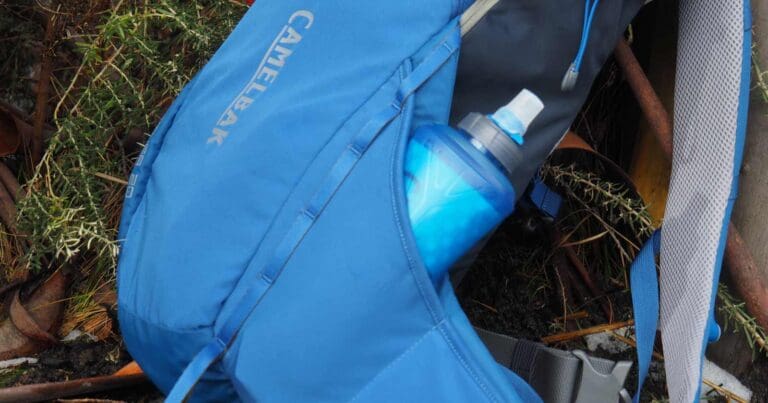
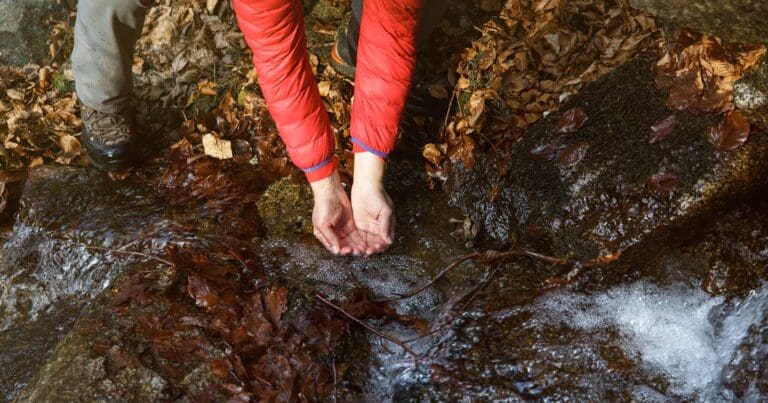
Food and water are essential, and they’re also two of the heaviest things in the pack, which is exactly why I don’t treat them as an afterthought. I plan meals carefully, portion food accurately, and work out how long I actually need to carry water between reliable sources rather than just topping up out of caution every time. Getting that planning right cuts unnecessary weight while still keeping a proper safety margin, and it matters more the longer the hike gets.
How you pack changes how heavy the load feels
None of this matters much if the load itself is packed badly, because how weight is carried matters as much as how much of it there is. I keep heavier items close to my back and the load stable, which improves balance and cuts fatigue: a poorly packed lighter load can feel heavier than a well-packed heavier one. I’ll repack during breaks if I need to, since adjusting as the day changes keeps things comfortable over a long stretch rather than fighting a pack that’s shifted.
Pacing affects how much the weight costs you
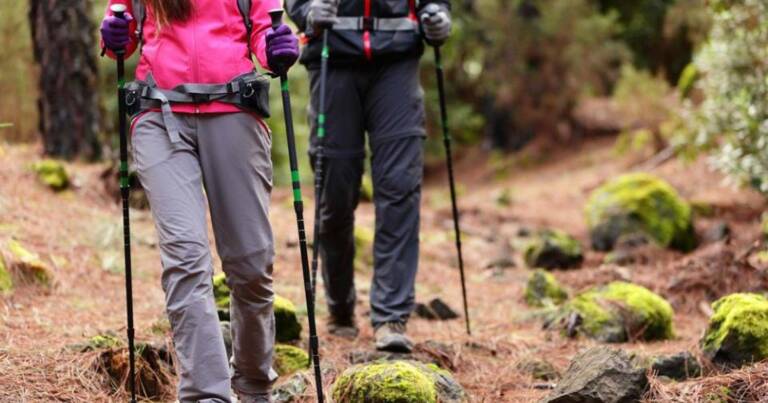
The same load also feels different depending on how you move with it. Good pacing reduces energy expenditure and fatigue, which in turn reduces how much the pack weight actually costs you over the day. A steady, sustainable rhythm lets your body work with the load rather than fighting it, so I pay attention to pacing and time planning as much as I do to what’s actually in the pack, because controlled movement often matters more than the number on the scales.
Experience is what ties all of this together
All of the above gets sharper with time. As confidence grows, reliance on backup items drops, because every hike gives feedback on what was actually essential, what never left the pack, and what can be left behind next time. I go through my pack after every trip for exactly this reason, and adjust based on how the last hike actually went rather than what I assumed beforehand.
A lighter pack comes from better decisions, not bigger budgets, and the benefit shows up on every step of the trail.