Day hiking is often underestimated
Day hikes feel simple because you are not carrying a tent or committing to an overnight camp. That mindset is exactly what catches people out. In Australia, many search and rescue callouts involve day hikers who set out with minimal gear, limited water, or a plan that didn’t match conditions.
A reliable day hike packing list is not about carrying everything. It is about carrying the right items to support your key safety systems: navigation, hydration, weather protection, first aid, and communication. If your hike runs late, the weather shifts, or someone is injured, those systems are what keep a problem from escalating.
If you are building your kit from scratch, start with the fundamentals and refine over time. Your load should match the terrain, track grade, forecast, and your experience, not just the distance.
The core essentials and why each item matters
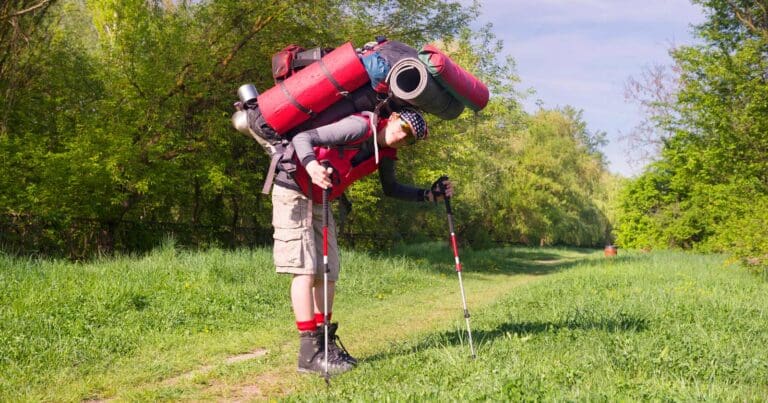
- Backpack: A comfortable pack makes it possible to carry critical items without shoulder strain. A poor fit leads to discomfort, rushed decisions, and fatigue. Keep it sized for the trip so you are not tempted to overpack.
- Navigation tools: A map and compass are the baseline, with a phone or GPS as support. Always plan for failure and carry redundancy. Navigation skills and tools matter most when the track is faint, signage is missing, or visibility drops.
- Water and a backup option: Carry enough water to stay hydrated for the full duration plus buffer. For longer walks or remote areas, a filter or purification tablets can provide a contingency, but they are not a substitute for carrying adequate water from the start.
- Food: Regular intake supports energy, mood, and decision-making. Carry simple, high-energy options and a proper snack or lunch. Use your usual hiking food approach rather than experimenting for the first time on a big day.
- First aid kit: A first aid kit supports early intervention as much as emergencies: blister care, minor cuts, and pain management can stop a small issue becoming a trip-ending problem.
- Light source: A headlamp or torch is essential even for short hikes. It prevents a late return becoming dangerous. A reliable torch also supports signalling and basic camp tasks if you are delayed.
- Sun protection: Australian UV exposure is a major risk. Sunscreen, a hat, sunglasses, and lip balm reduce immediate burn and longer-term harm. Sun protection is part of risk management, not comfort.
- Warmth and weather protection: Carry at least one insulating layer and one weather layer. Even in warm conditions, wind, rain, and fatigue can cool the body quickly. Build clothing choices around your hiking clothing system and expected conditions.
- Emergency shelter: A compact bivvy, space blanket, or tarp creates protection if you are immobilised by injury or forced to wait out weather. Shelter is what buys time.
- Repair and utility: A small multi-tool or knife supports minor repairs and improvisation. The goal is practicality, not “survival gear”.
- Fire and heat: Carrying an ignition source can be useful, but it must be considered within Australian conditions and restrictions. In many places and seasons, fire is unsafe or illegal. Treat this as an emergency capability only, and always follow local rules.
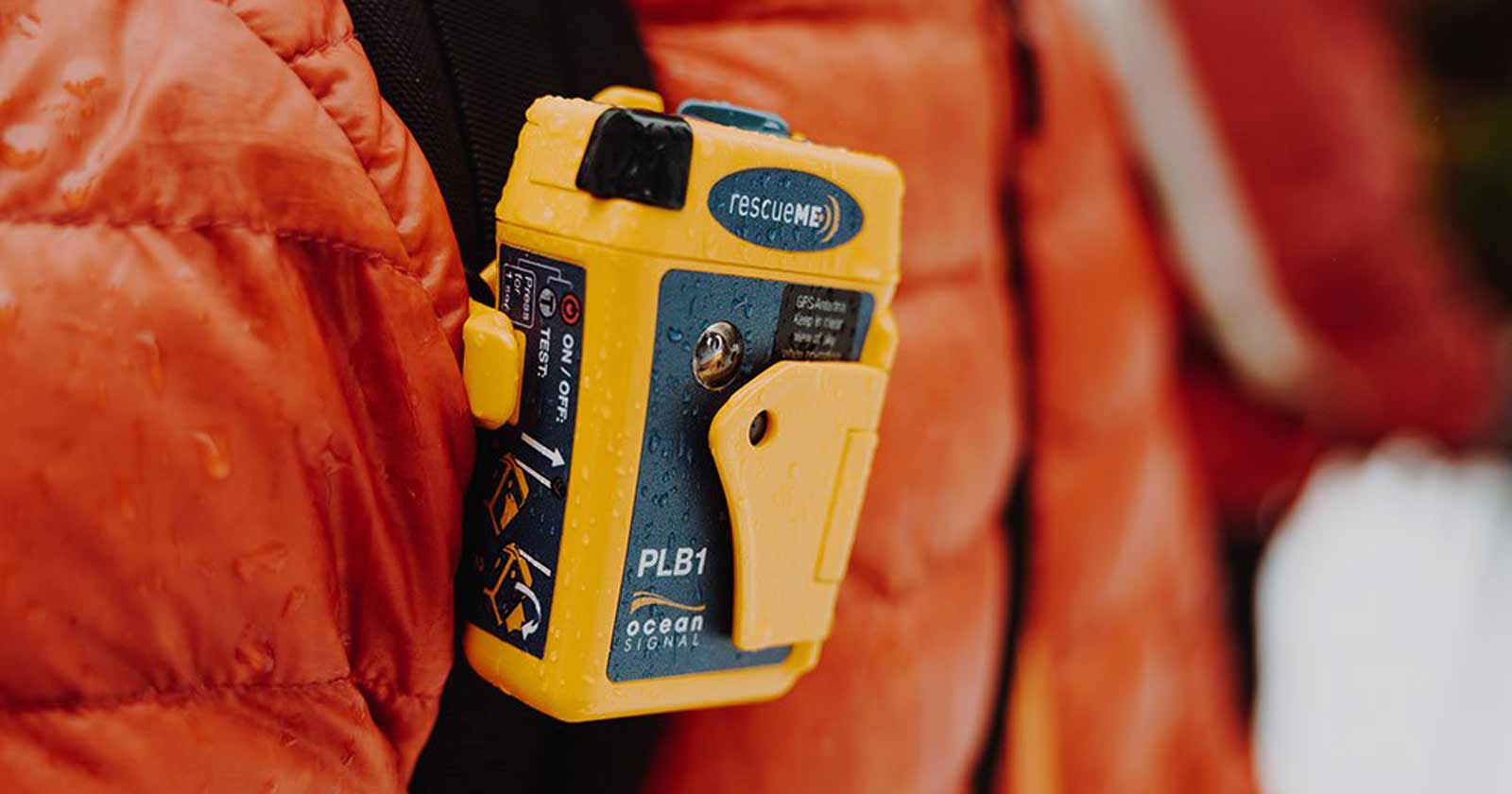
Emergency communication essentials
Communication is the difference between a manageable delay and a prolonged incident. Mobile coverage is unreliable in many parks, valleys, and ranges, even close to major towns. Your plan should assume you may be out of service.
- PLB or satellite messenger: A PLB is one of the most reliable safety devices you can carry. It turns a serious situation into a rescue response when other options fail. Treat it as a safety net, not a shortcut.
- Phone and power: Carry a fully charged phone and consider a small power bank on longer days. Use flight mode to preserve battery when coverage is poor.
- Whistle and signalling: A whistle works when your voice does not. A small mirror can assist with daylight signalling.
- Trip intentions and ID: Carry basic identification and emergency contact details. Just as important, lodge a plan with a trusted contact using a trip intentions form.
- Notebook and pen: Useful for leaving notes if plans change, recording times, or writing down key details in an emergency.
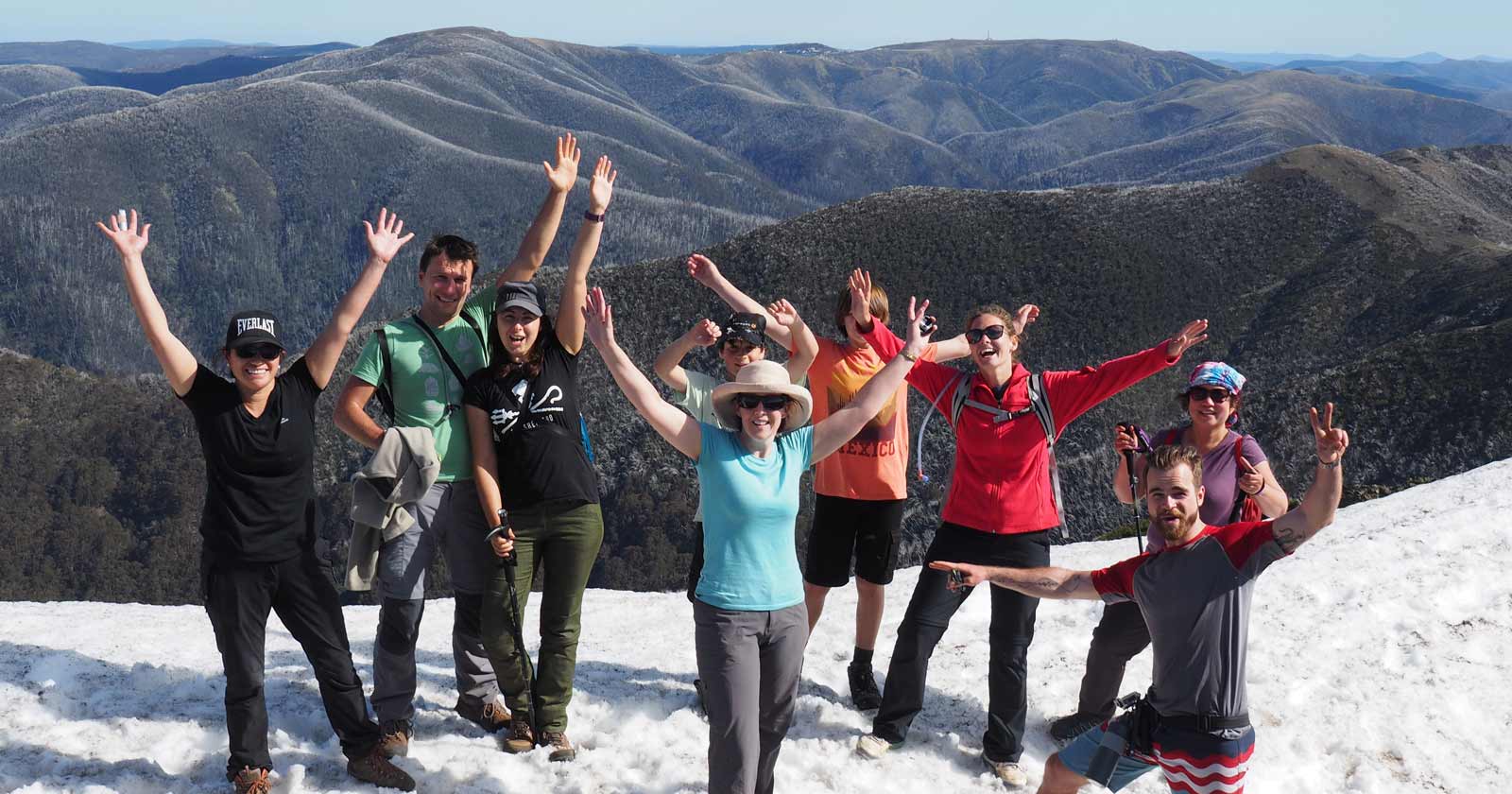
Clothing and footwear as a safety system
Clothing and footwear choices determine how you cope when conditions change. They also affect comfort, pace, blister risk, and fatigue.
- Base layer: Moisture-wicking fabric keeps you drier and reduces chill during stops.
- Insulating layer: A fleece or insulated jacket provides warmth when you stop moving or if conditions cool.
- Outer layer: Wind and rain protection can prevent rapid heat loss in poor weather.
- Hiking pants or shorts: Choose what suits scrub, sun exposure, and insects.
- Socks: Quality hiking socks reduce friction. Consider an extra pair on longer days.
- Warm accessories: A beanie and lightweight gloves can be high-value, low-weight additions in cool or alpine areas.
- Footwear: Use footwear that matches terrain and load. For guidance, see choosing and caring for hiking boots.
Optional items that often earn their place
These items are not always required, but they can add safety margin and comfort depending on terrain and conditions.
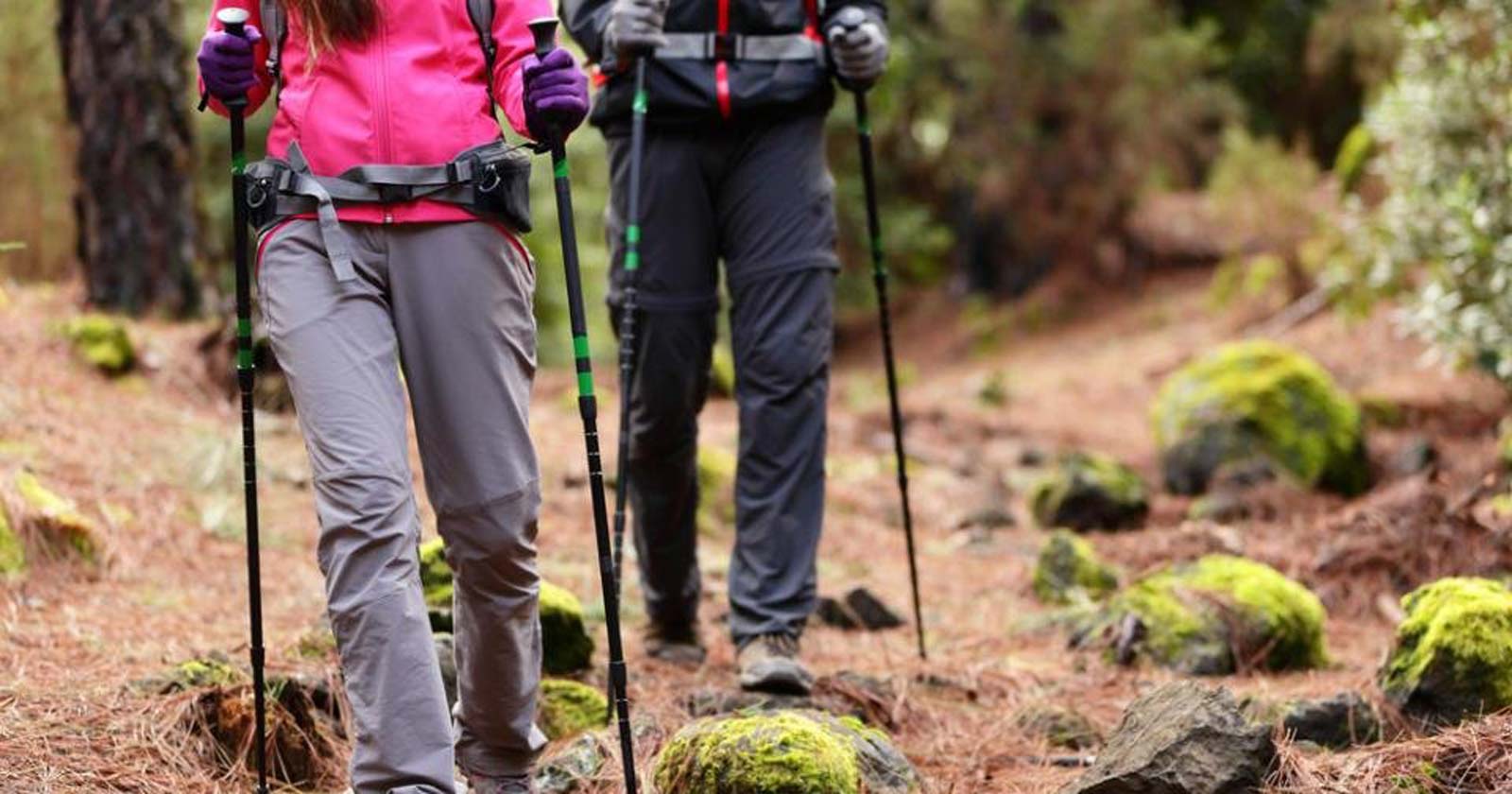
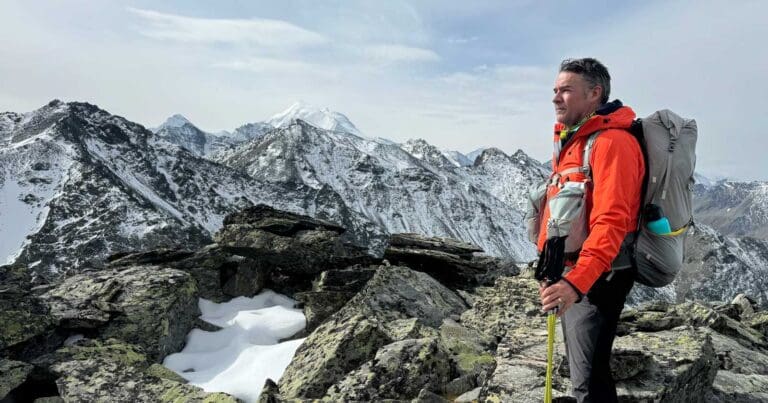
Hiking poles: Useful for balance, stability, and reducing joint strain on descents.
- Gaiters: Help keep debris out of footwear and offer some protection in scrub or wet grass.
- Insect repellent: Valuable in warmer months and near waterways.
- Hygiene kit: Hand sanitiser supports basic hygiene before eating and after toileting.
- Toilet kit: Carry toilet paper and a trowel where appropriate and apply Leave No Trace principles.
- Rubbish bag: Pack out everything, including food scraps and hygiene waste.
- Permits and access requirements: If permits apply, ensure you have them organised before you arrive.
Day hike packing is about systems, not stuff
A good day hike packing list supports the most common failure points: running out of water, getting caught by weather, losing the track, and being unable to communicate in an emergency. When you carry the right items for those situations, your risk reduces and your confidence increases. Before every hike, plan around conditions rather than habit. Check weather and track information, choose a route that matches your experience, and carry enough buffer to adapt if your day changes.
If you want the deeper reasoning behind why this systems approach works, and how it extends beyond a single day hike, The Ten Essentials: a systems approach to hiking safety covers that framework in full rather than repeating it here.
For more detailed hike planning and packing checklists, download my free comprehensive guides here.




I think soap is important enough to list explicitly.
I’ve left soap off the list on purpose as I’ve seen too many people cleaning themselves in rivers and creeks with total disregard for the environment.
What’s the one piece of gear you absolutely can’t hike without, and why does it make such a difference for you?
Hiking poles for me…love them..stability.
Rosie Miller I’ll second that.
Trail Hiking Australia
Meh, nah still cant do it.
Peter Jolly your just not needie enough…which is a bonus.
Rosie Miller
Well i did want one when I sprained my ankle 4 km from my car and 1.5 off track a few weeks ago at the bottom of a gully.
I made my own, lol
I can understand the merits of them totally.
Peter Jolly l don’t “need”
them but they have saved a fall many times….my husband has shot knees and joints in general….would never have done the things we have done without sticks…5 Camino’s, Bibb x2, numerous (15) trips to Nepal…..
Rosie Miller
I’ve only walked Lerdy a few times compared to all that. Maybe one day ill use them, I’m sure that will happen.
Tania Williams