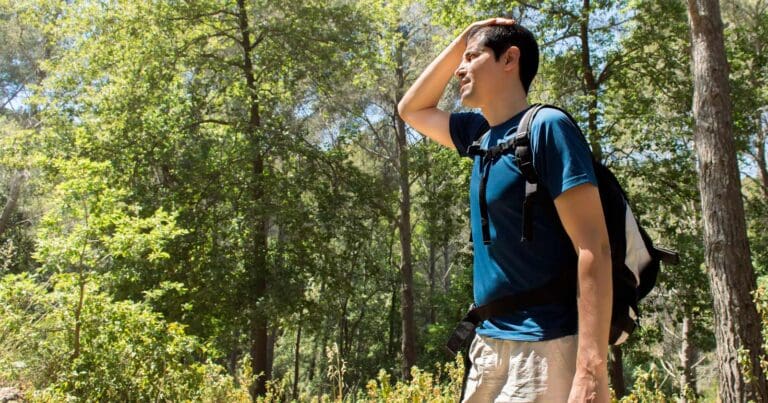
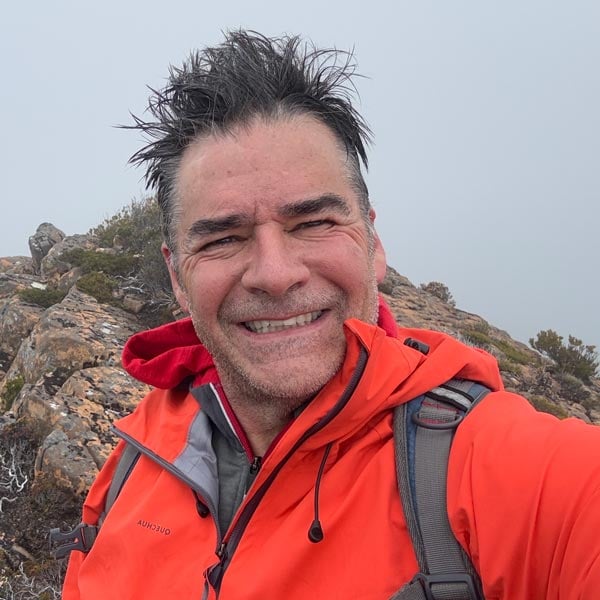
I think sun exposure is one of the most underestimated risks in Australian hiking. Unlike a sudden change in weather or a navigation error, sun damage builds quietly, often without any immediate warning, and plenty of hikers only realise the impact hours later, or years down the track. I don’t treat sun protection as a matter of comfort or cosmetics. To me it’s a core safety measure, because it affects hydration, fatigue, decision making and long term health, and understanding how the sun affects your body is essential for hiking safely in Australia.
Why sun protection matters in Australian conditions
Australia has some of the highest ultraviolet radiation levels in the world. UV intensity is often high even on cool, cloudy or breezy days, which can mislead hikers into underestimating their exposure. Reflected UV from sand, rock, snow and water can significantly increase total exposure, particularly in alpine areas, coastal environments, beaches and open woodland, meaning you can receive damaging sun even when the air feels cool or the sky is partly cloudy. Long days on exposed ridgelines or fire trails can result in cumulative exposure that goes past safe limits well before the hike ends.
Sun exposure affects more than skin, in my view. Prolonged UV and heat exposure increases dehydration, accelerates fatigue and can impair concentration, and those effects increase the likelihood of poor navigation decisions, slower reaction times and reduced tolerance for minor problems that can escalate into safety issues. In remote settings, where help may be hours away, managing sun exposure becomes part of managing overall risk.
Understanding ultraviolet radiation and heat
Ultraviolet radiation is invisible, and you can’t feel it happening. Unlike heat, which causes discomfort and prompts you to change what you’re doing, UV exposure can continue unnoticed until the damage is already done. UV levels are influenced by time of day, season, altitude, latitude, cloud cover and surface reflection, and in Australia they’re often extreme between late morning and mid afternoon, though they can still be damaging early and late in the day during summer and at higher elevations year round.
Heat interacts with UV exposure in ways that compound the risk. When your body is working hard, sweating increases fluid loss and electrolyte imbalance, and sun exposure speeds this up while reducing your body’s ability to regulate temperature efficiently. Even in mild temperatures, direct sun can push you closer to heat stress, particularly when you’re carrying a pack or climbing.
Clothing as primary sun protection
Clothing is the most reliable and least variable form of sun protection while hiking, in my experience. Unlike sunscreen, it doesn’t wear off, wash away or depend on reapplication, and effective sun protective clothing reduces UV exposure while also helping manage heat and moisture.
Long sleeved shirts and long pants give consistent coverage and are often cooler overall than exposed skin in strong sun. Modern hiking fabrics are lightweight, breathable and quick drying, which cuts the discomfort traditionally associated with covering up, and looser fits allow airflow and reduce heat build up. Darker colours and tightly woven fabrics generally offer better UV protection, though plenty of hiking garments are now rated for ultraviolet protection factor.
Hats matter, particularly in open terrain. A broad brim or a well designed legionnaire style hat protects the face, ears and neck, which are common sites of severe sun damage. Caps alone leave the ears and neck exposed and are often inadequate for long days in the sun.
Sunglasses and eye protection
Eyes are vulnerable to UV damage, especially in environments with high reflectivity such as alpine areas, beaches and granite landscapes, where prolonged exposure can cause short term irritation and long term damage. Sunglasses with proper UV protection cut glare, eye strain and cumulative exposure.
For hiking, I’d look for sunglasses that fit securely, stay in place during movement and provide coverage that limits light entering from the sides. Polarised lenses can improve visual clarity in bright conditions, which helps with foot placement, terrain assessment and navigation. Eye protection gets overlooked more than it should, but fatigue and headaches caused by glare can quietly reduce how effective you are over the course of a day.
Sunscreen as a secondary measure
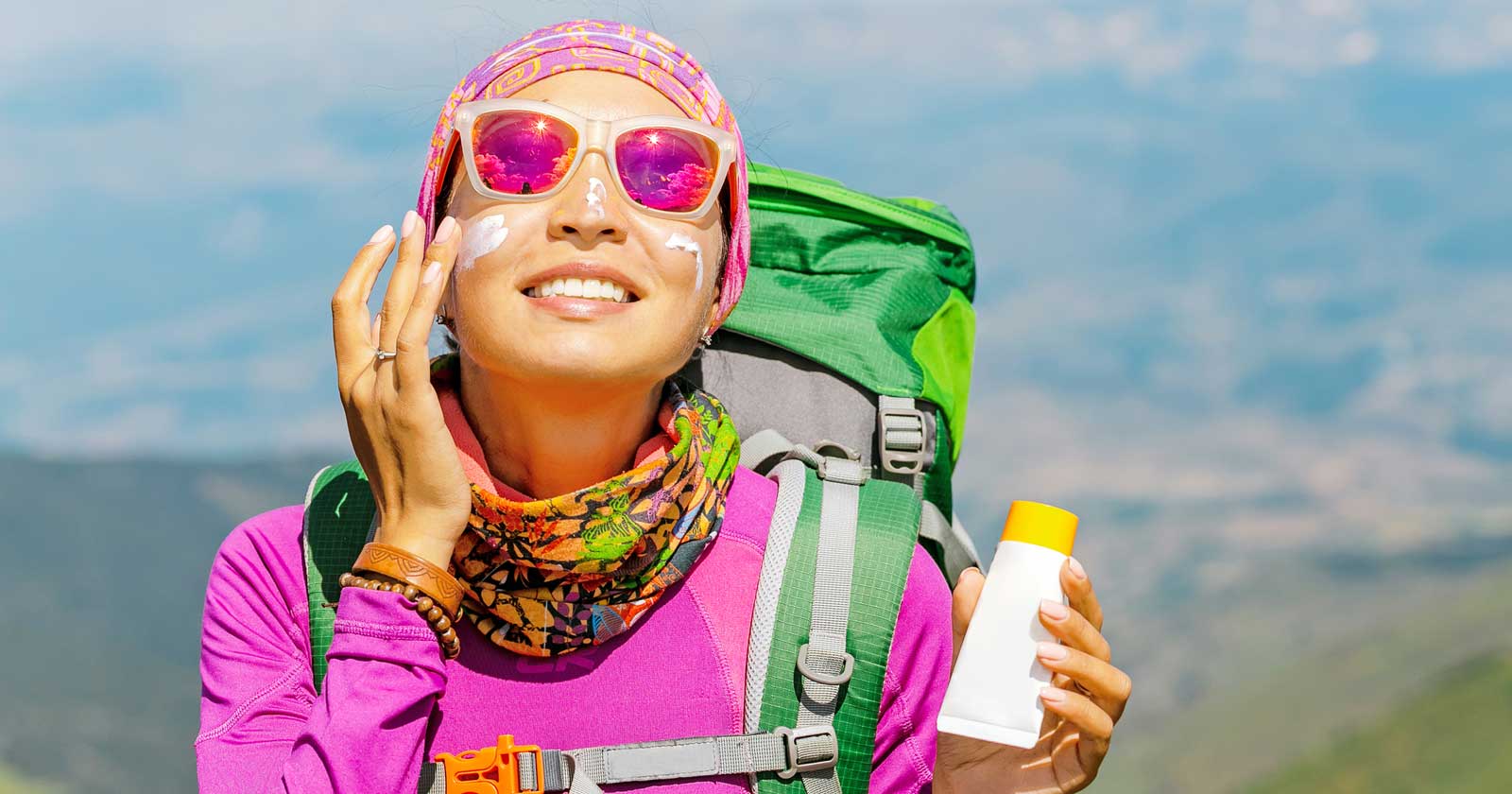
Sunscreen plays an important supporting role, but I wouldn’t rely on it as the sole form of sun protection. Its effectiveness depends on correct application, sufficient quantity and timely reapplication, and plenty of hikers apply too little, miss key areas or forget to reapply after sweating.
Broad spectrum sunscreen protects against both UVA and UVB radiation and should go on all exposed skin. Commonly missed areas include ears, lips, backs of hands, behind knees and the underside of the chin. Lip balm with sun protection matters particularly, since lips are highly susceptible to damage and heal poorly.
Reapplication is essential, especially on long hikes, after heavy sweating or when wiping your face. Carrying sunscreen where it’s easily accessible makes it far more likely you’ll actually use it. I think of sunscreen as filling the gaps left by clothing and shade rather than replacing them, because on long hikes it’s unreliable on its own. It wears off with sweat, friction and time, which is exactly why it works best as a backup rather than your main line of defence.
Timing, shade, and route choices
Managing sun exposure is also about planning and behaviour, not just equipment. Starting early allows more distance to be covered before peak UV hours, and taking longer breaks in shaded areas reduces cumulative exposure while helping regulate body temperature. In some environments, even brief shade makes a real difference.
Route selection influences sun exposure too. Ridgelines, open fire trails, beaches and alpine plateaus often offer little natural shade, while forested routes, gullies and south facing aspects can provide more protection, though they come with their own trade-offs such as navigation complexity and reduced airflow. Being aware of how terrain interacts with sun exposure helps you pace yourself and manage energy more effectively.
Hydration and sun exposure
Sun protection and hydration are closely linked. Increased sun exposure raises your fluid requirements and speeds up dehydration, which in turn reduces your body’s ability to regulate temperature and increases susceptibility to heat related illness. Expect to drink more in sunny conditions, even when the temperature feels moderate.
Electrolyte balance matters too, particularly on long or strenuous hikes. Excessive sweating without adequate replacement can contribute to cramps, dizziness and fatigue, and while water remains the priority, staying aware of increased losses in sunny conditions supports better planning and safer outcomes.
Common mistakes and misconceptions
One misconception I keep running into is that sun protection is only necessary on hot days. In reality, cool temperatures and cloud cover do little to reduce UV exposure in many Australian environments. Another common mistake is relying on sunscreen alone while leaving large areas of skin exposed for hours, which often fails because of inconsistent application and breakdown over time.
Some hikers avoid covering up because they’re worried about overheating, but in practice exposed skin often leads to greater heat stress from direct radiation, and appropriate clothing can actually improve comfort and reduce overall strain. Ignoring eye and lip protection is another oversight I see a lot, and it can lead to preventable discomfort and injury.
Long term considerations for regular hikers
For people who hike regularly, cumulative sun exposure becomes a serious health consideration. Repeated low level exposure over years increases the risk of skin cancers and eye damage, so I’d rather build sun protection into routine habits than treat it as an occasional precaution. Doing that reduces long term risk without needing constant effort or attention.
Choosing gear and clothing that supports sun protection makes safe behaviour automatic. When protection is built into what you wear and carry, it stops relying on willpower or memory at the end of a long day.
Effective sun protection for hiking comes down to layered, reliable measures rather than a single solution. Clothing provides the foundation, supported by hats, sunglasses and sunscreen for exposed areas, while planning around timing, terrain and shade reduces cumulative exposure and good hydration supports your body’s ability to cope with heat and exertion. In Australian conditions, I don’t think sun protection is optional or seasonal. It’s a core part of hiking safety that affects comfort, performance and long term health, and treating it with the same seriousness as footwear, navigation and weather planning leads to better decisions and safer days on the track.