When They Work and When They Don’t
Most hikers are familiar with hiking boots, hiking shoes, and trail runners. There is another category that sits quietly between these options and often gets overlooked: approach shoes.
Originally designed for rock climbers, approach shoes have become popular with some hikers who want excellent grip, precise foot placement, and confidence on steep or rocky terrain. I don’t treat them as a replacement for boots or trail runners, but in the right conditions I’ve found them a very effective tool.
This guide explains what approach shoes are, where they work well on Australian hikes, and where they are likely to be the wrong choice.
What are approach shoes?
Approach shoes were developed for climbers who needed to walk, scramble, or move across rocky ground to reach the base of a climb. That “approach” often involved steep slabs, boulder hopping, and exposed terrain where grip and precision mattered more than cushioning.
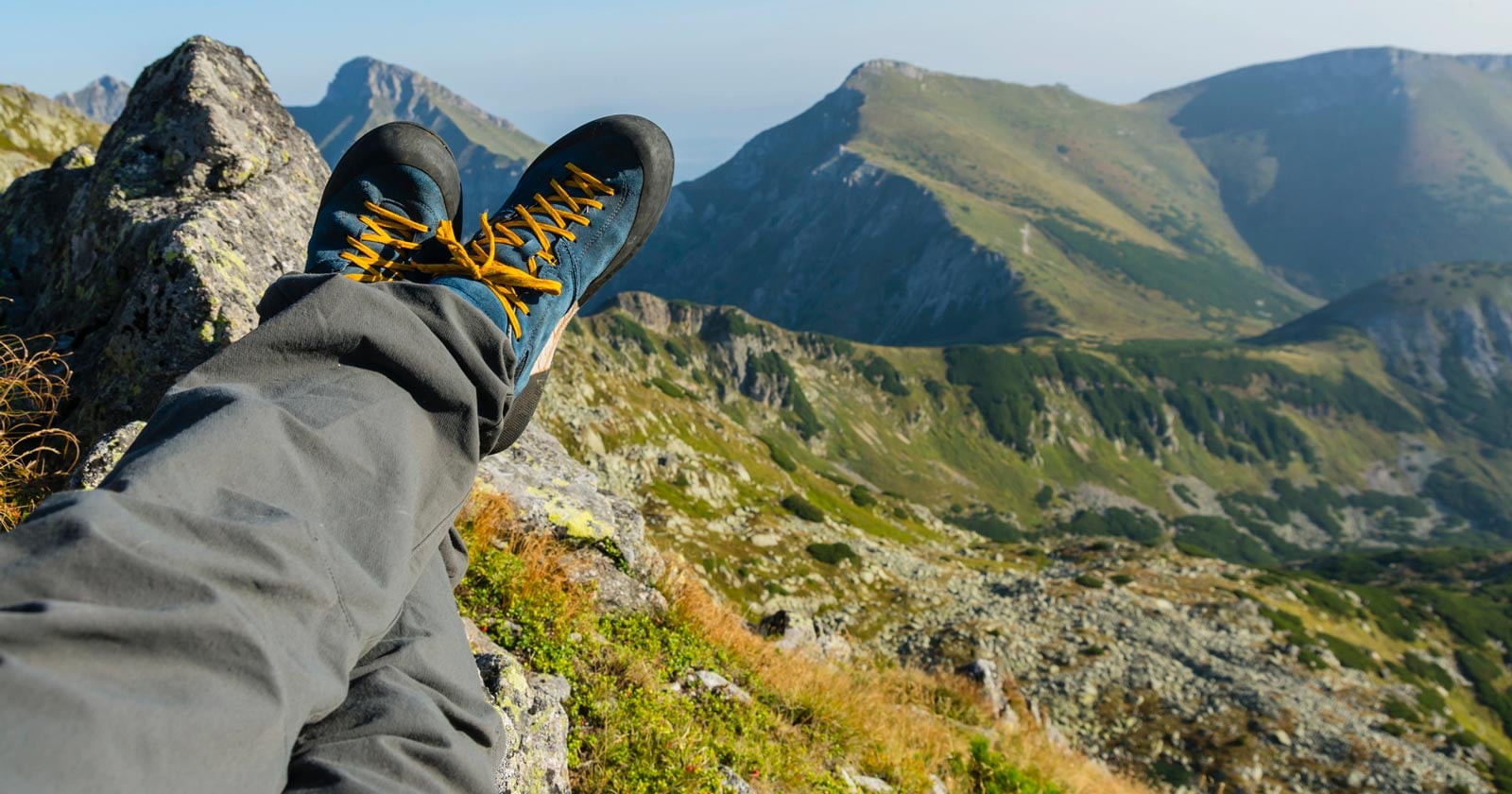
They usually look similar to hiking shoes, but with several important differences:
- Sticky rubber soles made from climbing-grade rubber for strong grip on rock
- Toe rand which is a rubber bumper around the front of the shoe that protects toes on rock and scree
- Stiffer midsoles that allow edging and controlled foot placement on small holds
- Heel clip loops so they can be clipped to a harness or pack when scrambling or climbing
- Low-cut, precise fit that prioritises control over cushioning
Some models lean heavily toward climbing performance. Others are designed to be more comfortable for walking. Knowing which type you are looking at matters.
Why some hikers choose approach shoes
Approach shoes shine in terrain where foot placement matters more than comfort over distance.
1. Excellent grip on rock and slabs
The climbing-style rubber used on approach shoes grips dry rock far better than most hiking shoes or trail runners. On granite slabs, rocky scrambles, and exposed ledges, this can significantly increase confidence.
2. Precise foot placement
The snug fit and stiffer platform allow you to stand on small edges and uneven rock without your foot collapsing or rolling. This is especially useful on scrambles and routes where you are frequently stepping sideways or upward.
3. Light and agile feel
Compared to traditional hiking boots, approach shoes are lighter and more agile. This makes them appealing for steep terrain where balance and movement matter more than long-distance comfort.
4. Strong toe protection
The full rubber rand protects toes from repeated knocks against rock and reduces wear in high-abuse areas.
Limitations and trade-offs
Approach shoes are specialised footwear. Outside their ideal terrain, their weaknesses become more obvious.
1. Less forgiving over long distances
Because they are firmer and more form-fitting, many people find approach shoes tiring on long, flat tracks or extended downhill sections. They are designed for control, not cushioning.
2. Minimal ankle support
Most approach shoes are low cut. If you carry a heavier pack or regularly hike on loose ground for long periods, this can increase fatigue and demand more from your stabilising muscles.
3. Firm underfoot feel
The stiff sole that makes edging possible can feel harsh on hard-packed trails or long descents, especially compared to trail runners or softer hiking shoes.
Not all approach shoes are the same
Approach shoes sit on a spectrum between hiking footwear and climbing footwear.
- Climbing-focused models are stiffer, use very sticky rubber, and prioritise edging and scrambling. These work best when your hike includes sustained rock or low-grade climbing.
- Hiking-oriented models add a little more cushioning and flexibility. They sacrifice some climbing precision but are easier to live with over longer walking sections.
Outsole design also varies. Some models focus almost entirely on smooth rock grip, while others add more tread for dirt, gravel, and mixed terrain. Choose based on where you actually hike, not where the shoe looks impressive.
When approach shoes make sense
Approach shoes work best when:
- your route involves rocky terrain or exposed scrambling
- precise foot placement matters more than cushioning
- you are carrying a light pack
- your hike includes via ferrata, canyon approaches, or steep access routes
They are usually a poor choice when:
- you are walking long distances on mellow or formed tracks
- conditions are muddy, sandy, or very soft
- you are carrying a heavier multi-day pack
- ankle coverage and underfoot cushioning are a priority
How approach shoes compare
| Feature | Approach Shoes | Hiking Boots | Trail Runners |
|---|---|---|---|
| Rock grip | High | Moderate | Moderate |
| Ankle support | Low | High | Low |
| Long-distance comfort | Moderate | High | High |
| Weight | Light to moderate | Heavy | Very light |
| Scrambling or climbing | Excellent | Moderate | Moderate |
| Cushioning | Low to moderate | High | High |
| Weather protection | Low to moderate | Moderate to high | Low to moderate |
| Best for | Rocky terrain and scrambles | Rough trails and multi-day hikes | Speed and comfort on formed tracks |
Popular models you will see on Australian tracks
Well-known approach shoes commonly used by hikers include:
- La Sportiva TX4 and TX Guide for grip and edging on technical terrain
- Scarpa Mescalito and Crux for a balance of stability and walking comfort
- Five Ten Guide Tennie for a classic climbing-style feel
- Black Diamond Mission LT for lighter, faster movement over rough ground
As with any footwear, fit matters more than the name on the box. A precise fit is especially important with approach shoes.
Approach shoes fill a narrow but useful gap between trail runners and hiking boots. On rocky terrain and scrambling routes, they can provide grip and control that other footwear struggles to match, but they are not an all-purpose hiking shoe. For long days, soft tracks, or heavier packs, I still reach for hiking shoes or boots.
If you are still weighing your options, it helps to start with the broader picture. These guides will help you decide where approach shoes fit into your overall footwear choices.