What Works Best on Australian Trails
Choosing between high-collar and mid-collar hiking boots looks straightforward at first. High boots look tougher. Mid boots feel lighter. And most of us have heard the line that “higher equals more ankle support”. On the trail, collar height turns out to be only one part of a bigger system that includes fit, sole stiffness, pack weight, terrain, materials, gaiters, climate, and what you are actually doing on the hike.
This guide breaks down the real-world pros and cons for Australian conditions, in plain language, so you can choose the boot height that suits your hiking.

What’s the difference?
Mid-collar boots
- Collar ends around, or just above, the ankle bone
- Usually lighter, more flexible and more breathable
- Often best suited to formed tracks, day hikes and warmer conditions
High-collar boots
- Collar extends well above the ankle, creating a taller shaft
- Usually stiffer, heavier and more protective
- Common choice for rough ground, heavier loads and scrubby terrain
If you are still deciding between shoes and boots in the first place, start with: Hiking Shoes vs Hiking Boots.
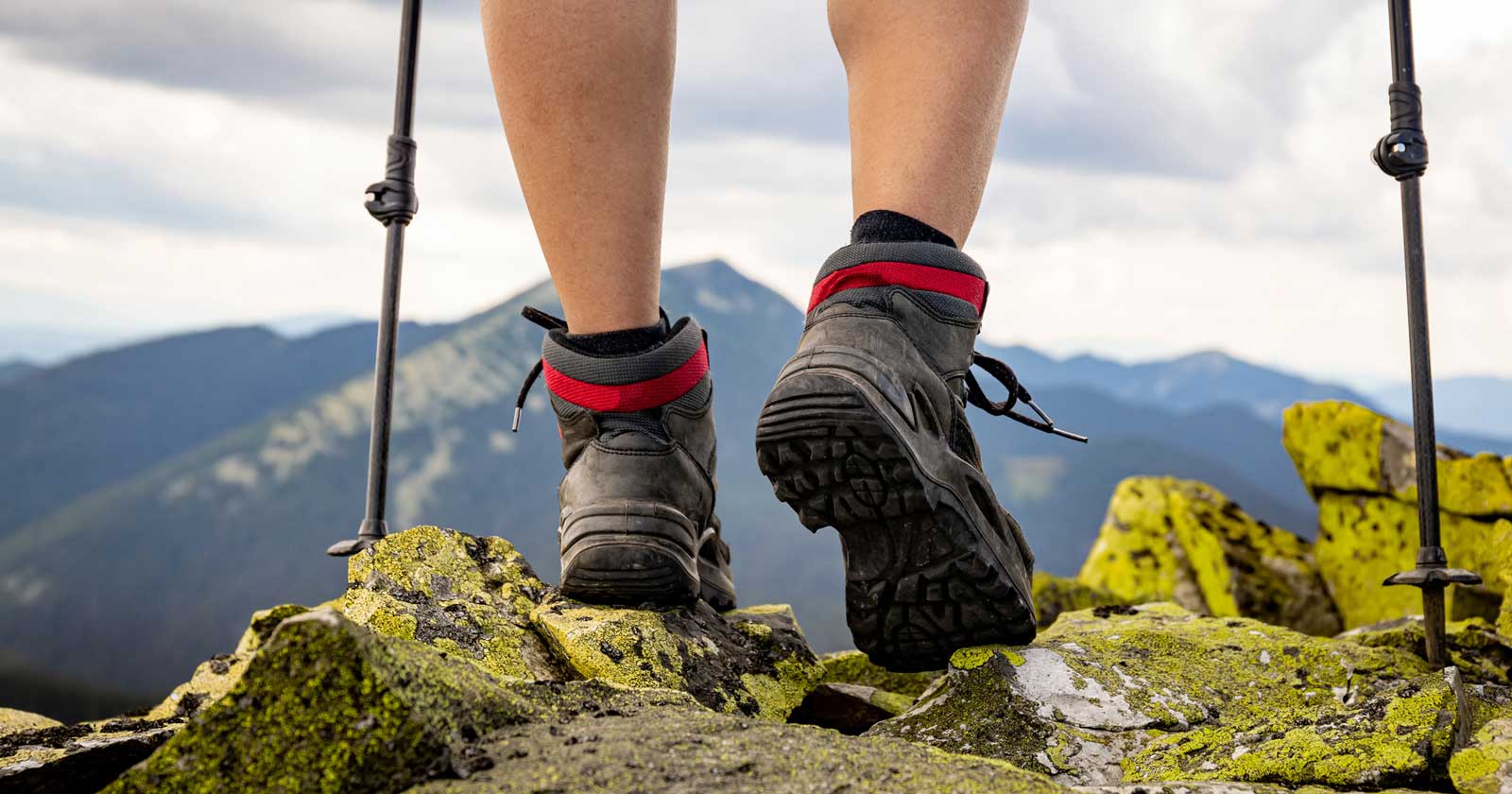
How collar height affects stability
Many hikers assume a tall boot physically prevents an ankle rolling. In reality, most ankle rolls happen when your foot lands on uneven ground and your body weight moves over it faster than you can correct. A taller collar can help, but it does not “lock” the ankle in place.
High collars can improve stability mainly through sensory feedback
A taller collar makes more contact with your lower leg. When your foot starts to tip unexpectedly on loose rock or a steep sidestep, you often feel that pressure change earlier. For some hikers, that earlier feedback improves reaction time, especially when tired or under load.
Mid collars allow more natural ankle movement
Because the collar is lower and usually less restrictive, your ankle moves more freely. Many hikers find this feels more agile and more “connected” on uneven terrain. Over time, it can also encourage active stability rather than relying on the boot to do the work.
The trade-off
- High collar: more passive support and protection, less reliance on stabilising muscles
- Mid collar: more mobility and agility, more reliance on active foot placement and strength
Neither is automatically better. The right choice depends on the terrain, your pack, and how you hike.
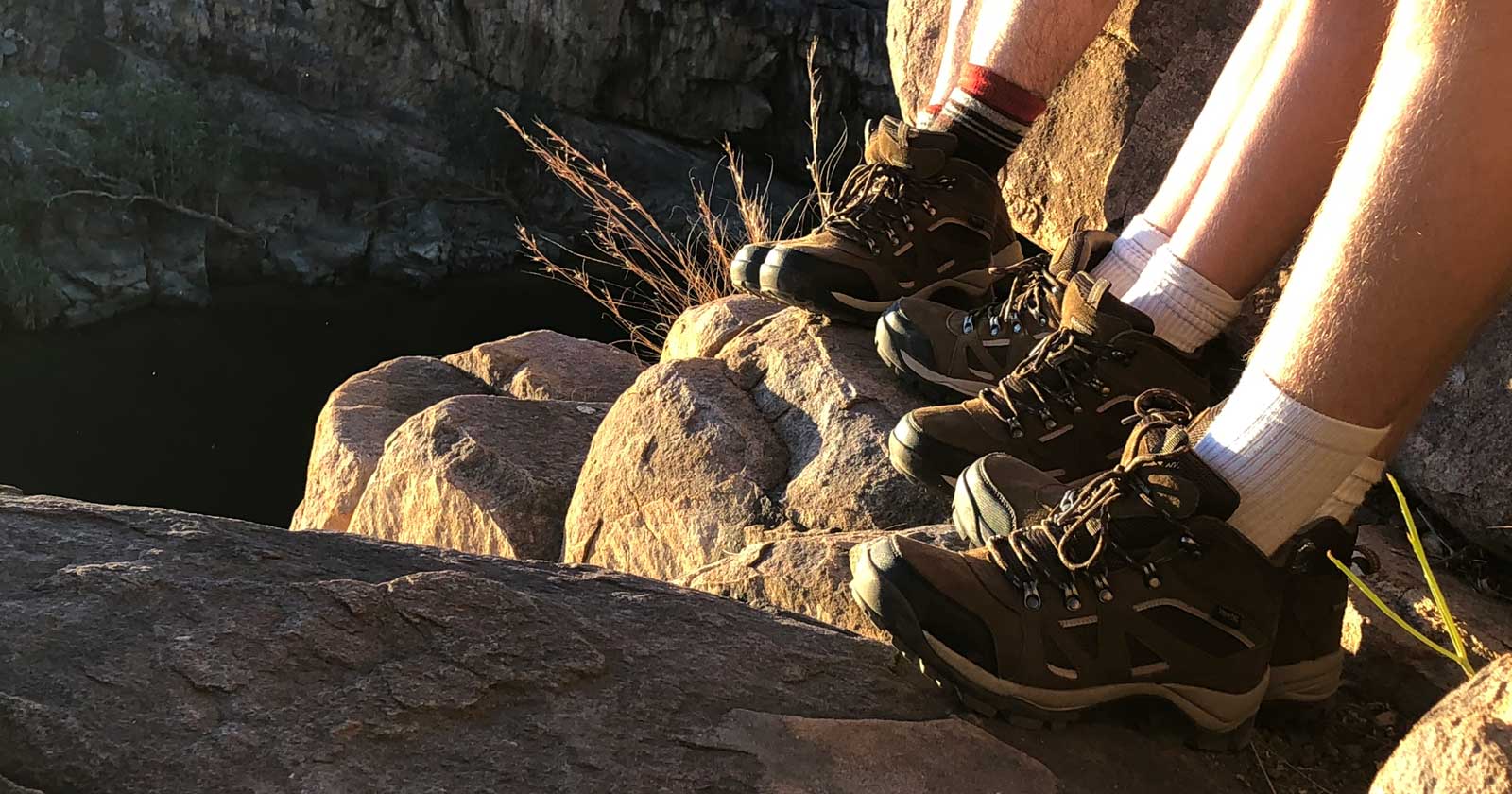
Protection: where height matters in Australia
Australia has terrain, plants and seasonal conditions that many overseas boot reviews do not account for. Collar height directly affects protection and how well boots work with gaiters.
1. Snakes and gaiter sealing
High boots generally seal better with gaiters, especially around the ankle and lower shin. Mid boots can leave a small gap at the ankle where gaiters do not sit as neatly. If you regularly hike through long grass, overgrown tracks, or scrub in warmer months, the high boot plus gaiter combination is usually the more reliable setup.
Footwear is not a guarantee against bites, but good sealing reduces exposure and helps keep grass, seed and debris off your lower legs.
2. Scrub, scoparia and abrasive terrain
Mesh panels and lighter uppers can get torn up in thick scrub. If your hikes involve abrasive vegetation, sharp rock, or frequent off-track sections, tougher uppers and higher coverage can reduce wear and improve comfort.
If your hiking includes:
- Tasmanian scoparia
- Victorian High Country off-track scrub
- Central Australian spinifex country
High boots with durable uppers, paired with gaiters when needed, are often a practical choice.
3. Leeches, ticks and trail debris
Higher collars create fewer entry points for grit, seeds, and trail debris. They can also make gaiters more effective. Mid boots are still fine for many areas, but you may rely more on lightweight gaiters for sealing.
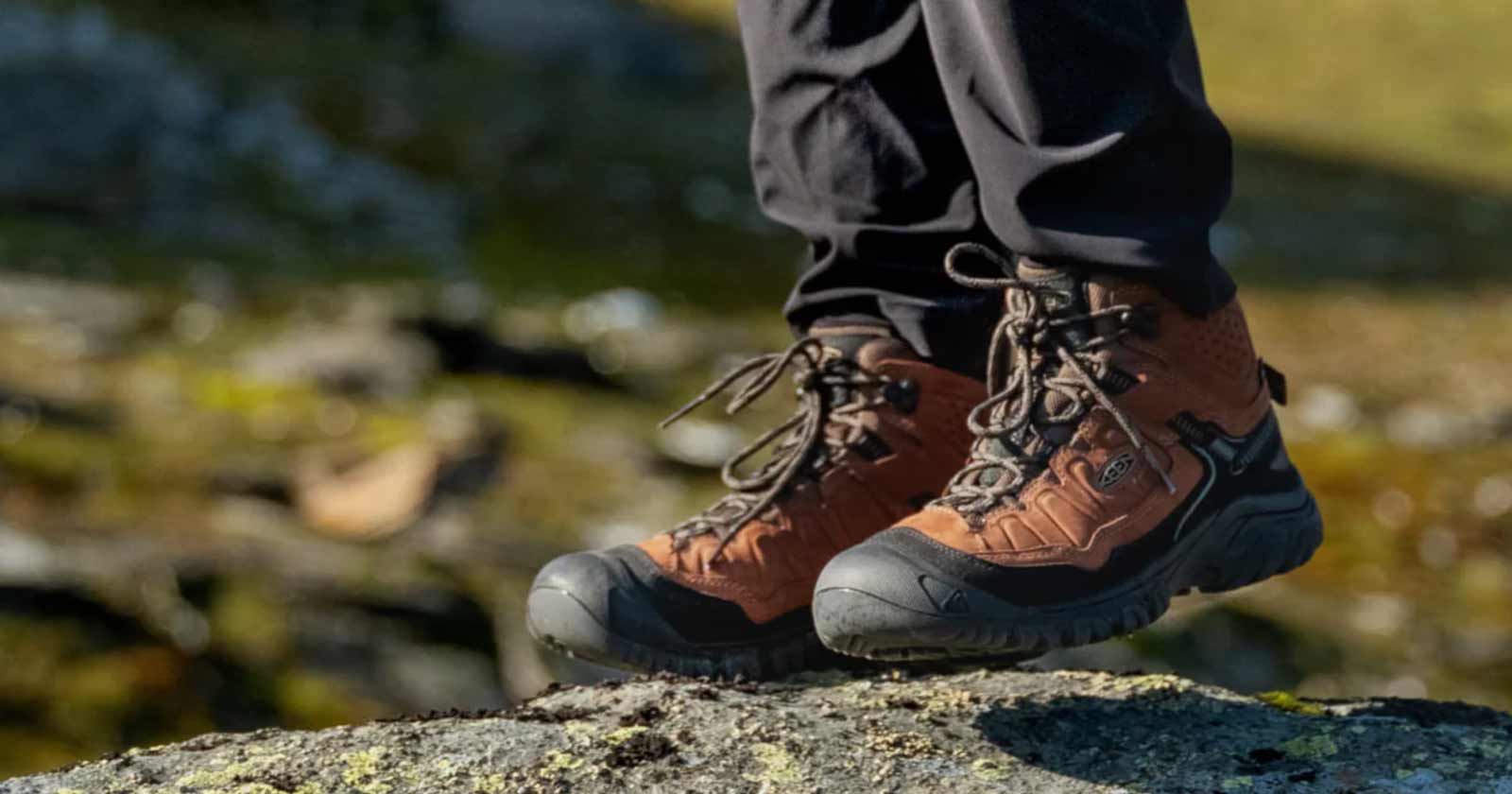
Comfort, weight and fatigue
Mid-collar boots often feel easier on long days. Because they are usually lighter and allow more natural ankle movement, mid boots can:
- feel more agile
- reduce heat build-up
- dry faster after wet grass or crossings (depending on materials)
For many hikers, this makes them a good fit for graded Australian tracks and general bushwalking.
High-collar boots often feel more secure under load. When you carry a heavier pack, your stabilising muscles can fatigue sooner. Some hikers find a taller, stiffer boot helps maintain control late in the day, especially on steep, rough descents where foot placement gets sloppy.
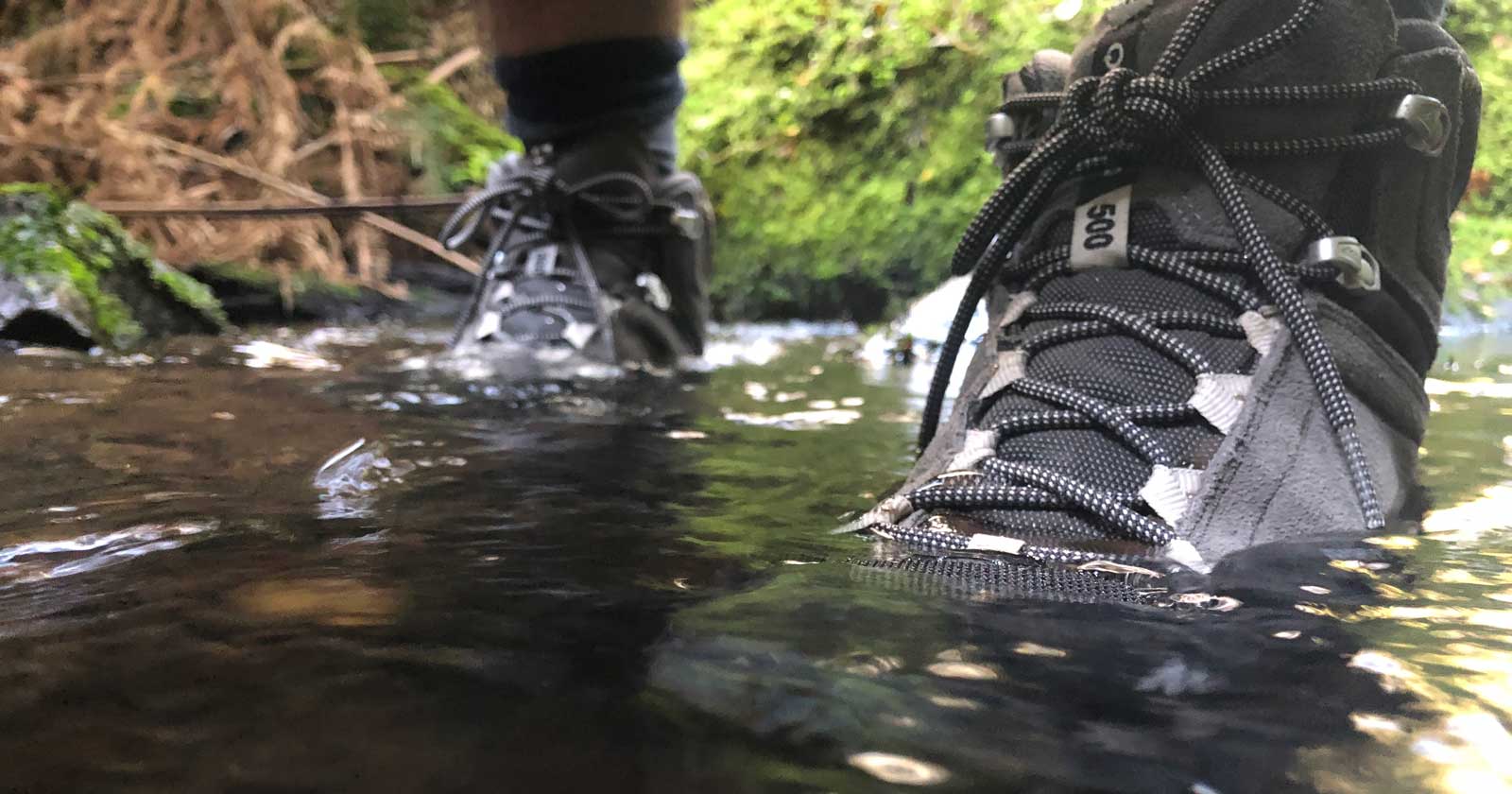
Water, heat and drying time
High boots can stay drier in shallow water. A high boot with a gusseted tongue and a waterproof membrane can keep feet drier in puddles, mud and shallow crossings.
But once flooded, they hold water. If water comes in over the top, or through a gap around the tongue, it can stay trapped. Drying can take a long time, particularly in cool, damp conditions.
Mid boots flood more easily, but can drain and dry faster. This is often a better approach on routes with repeated deeper crossings, wet scrub, or consistent rain, especially if you are walking in warm conditions where drying is easier.
Heat is a major blister driver. High boots often trap more heat. Mid boots usually breathe better. In hot conditions, a boot without a waterproof membrane can reduce sweat build-up and friction, depending on the model and your sock system.
Quick comparison table
| Feature | High-Collar Boots | Mid-Collar Boots |
| Stability under load | Excellent | Moderate to good |
| Ankle mobility | Restrictive | Natural, agile |
| Weight | Heavier | Lighter |
| Fatigue on long days | Lower fatigue (passive support) | Higher fatigue (active stability) |
| Heat management | Hotter | Cooler |
| Drying time | Very slow | Fast |
| Snake protection | Best with gaiters | Vulnerable “gap” at ankle |
| Scrub protection | Excellent | Moderate, depends on material |
| Water crossings | Stay dry longer but hold water once flooded | Flood fast but drain fast |
| Best for | Rough, off-track, heavy packs | Most Australian hiking |
Which boot suits your type of hiking?
Well-formed day walks. Grampians, Blue Mountains tourist tracks, coastal walks
Suggested: Mid boots (or good hiking shoes)
Longer day hikes and light overnighters. Kosciuszko Main Range in good weather, alpine approaches on pads
Suggested: Mid boots
Multi-day pack carries in rough or steep terrain. Victorian Alps, Bogong High Plains, Tasmanian mountains
Suggested: High boots
Off-track scrub, scoparia, spinifex, or long grass in warmer months. Western Arthurs, central desert spinifex country, overgrown summer trails
Suggested: High boots plus gaiters
Fast and light trips on formed tracks. Great Ocean Walk, Bibbulmun, Larapinta in dry conditions
Suggested: Mid boots (or trail runners if experienced)
What about low-collar boots (hiking shoes)?
Low-collar footwear (often called hiking shoes) sits at or below the ankle bone. It offers excellent mobility and can work brilliantly for day hikes, lighter loads and warm conditions on formed tracks. The trade-off is reduced coverage and, in many models, less overall protection and structure.
Some hikers use trail runners or hiking shoes for nearly everything, and that can be a valid choice with the right experience and conservative decision-making. The point is not that one style is “right”, but that different footwear performs better in different conditions.
What matters more than collar height
Fit: Many hikers end up in boots that are too narrow, too long, or locked down in the wrong places. A perfectly fitted mid boot will usually outperform a poorly fitted high boot.
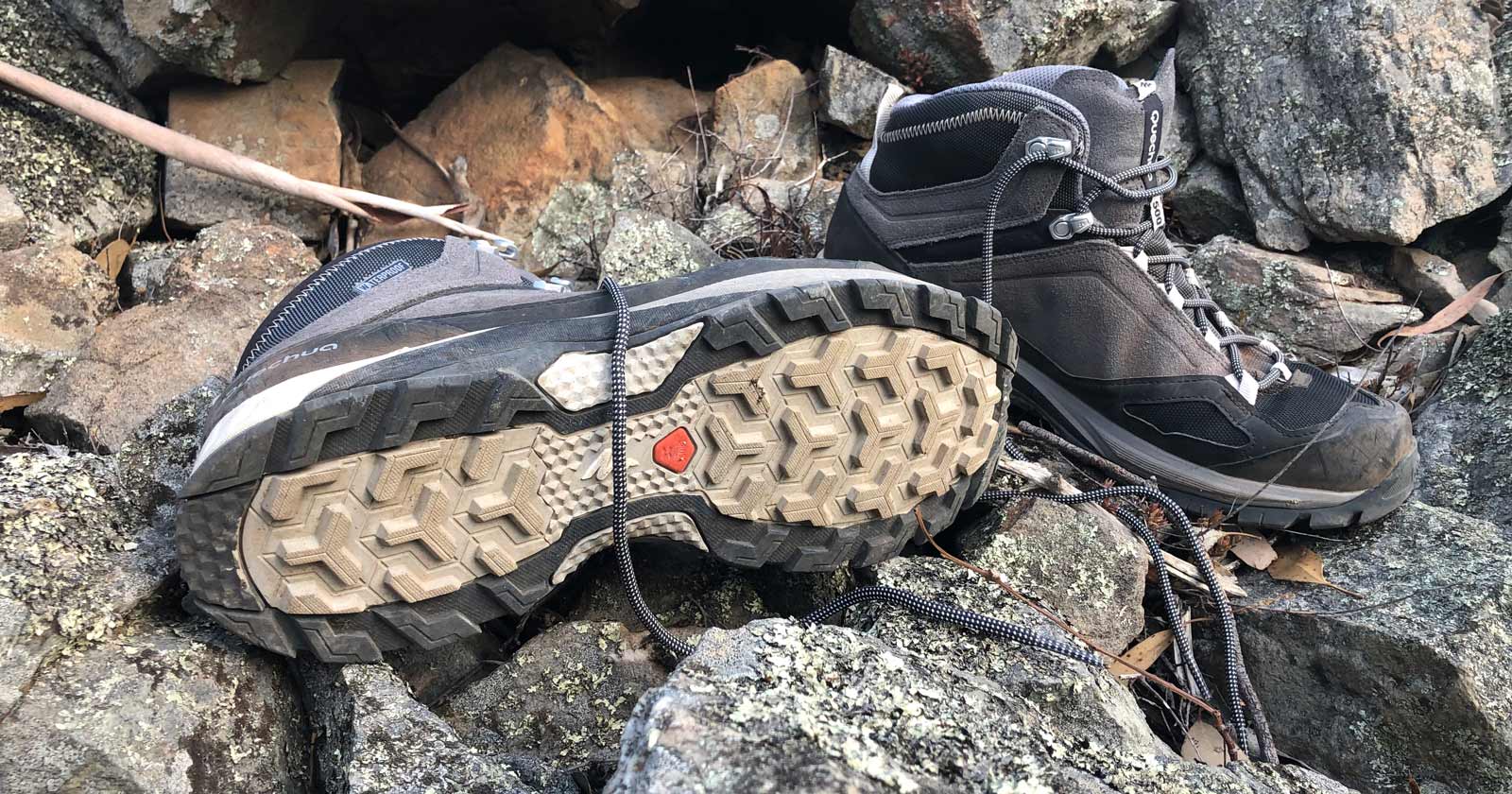
Sole stiffness and torsional support: Underfoot structure affects stability and foot fatigue more than collar height alone. A supportive sole can reduce foot twist on uneven ground, which is often what starts the ankle roll in the first place. For a deeper look at grip and sole design, read: Does Boot Tread Matter?
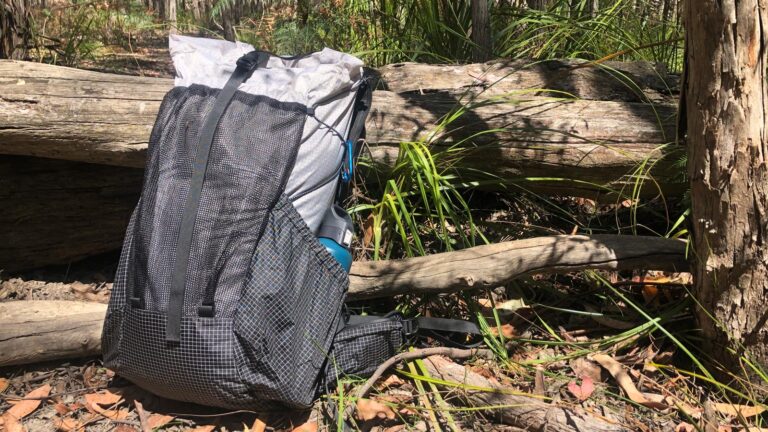
Pack weight: A heavier pack increases the value of passive support and protection. If your pack is routinely heavy, a higher, stiffer boot may make long descents feel more controlled.
Ankle history and fatigue: If you roll ankles easily, a high boot will not magically fix it. It can help some hikers when tired, but strong foot placement habits and conservative pacing matter more.
There is no universal answer here because there is no universal terrain in Australia, and everyone’s preferences and physical condition differ. If you want agility, cooler feet and all-round comfort on formed tracks, a mid-collar boot is often the best match. If you carry a heavier pack, head off-track or want extra protection from scrub and fatigue, a high-collar boot is often the better tool. The right boot is the one that matches where you hike, how you hike, and what you carry, so if you can, get properly fitted by a reputable outdoor retailer and walk around long enough to notice pressure points.
If you want a broader breakdown of hiking shoes, mid-height boots and full trekking boots, you can also read: Find the Best Hiking Boots for Your Adventure.
Personally, I own hiking shoes, mid-collar boots and high-collar boots, and I choose whichever option best matches the track and conditions. One style cannot do everything, and that is normal.
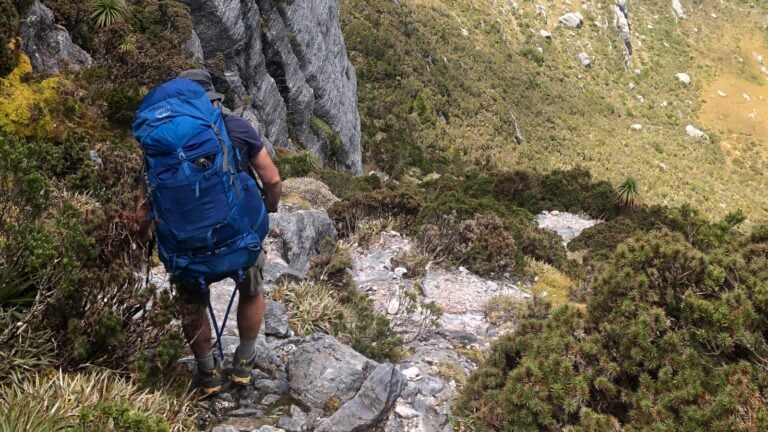




Ankle support is an interesting one when it comes to high boots.
Sometime i feel more confidant in a trail runner rather than a boot like pictured.
When i sprained my ankle out there it was in a high boot with support.
However the high boot helped me get out when I tightened it up for support