Staying connected overseas matters more to me than it used to, mostly because my kids are now travelling independently and I like knowing they can reach me and find their way around. Reliable mobile data helps with navigation, transport, bookings, translation and safety, especially in busy cities or unfamiliar places.
A quick disclosure before I get into it: Holafly is a paid affiliate partner of this site. They sent me two Japan eSIMs to test, one for my son Maddox and one for his girlfriend, so I could write about the experience for the Trail Hiking Australia community. If you decide to try Holafly after reading this, my code TRAILHIKING gets you a discount at checkout, and I earn a small commission through my affiliate link. That arrangement doesn’t change what’s written below. I’ve used eSIMs myself in Switzerland and Peru over the past couple of years, but never Holafly internationally until now, so I was genuinely curious how it would hold up for Aussie travellers.
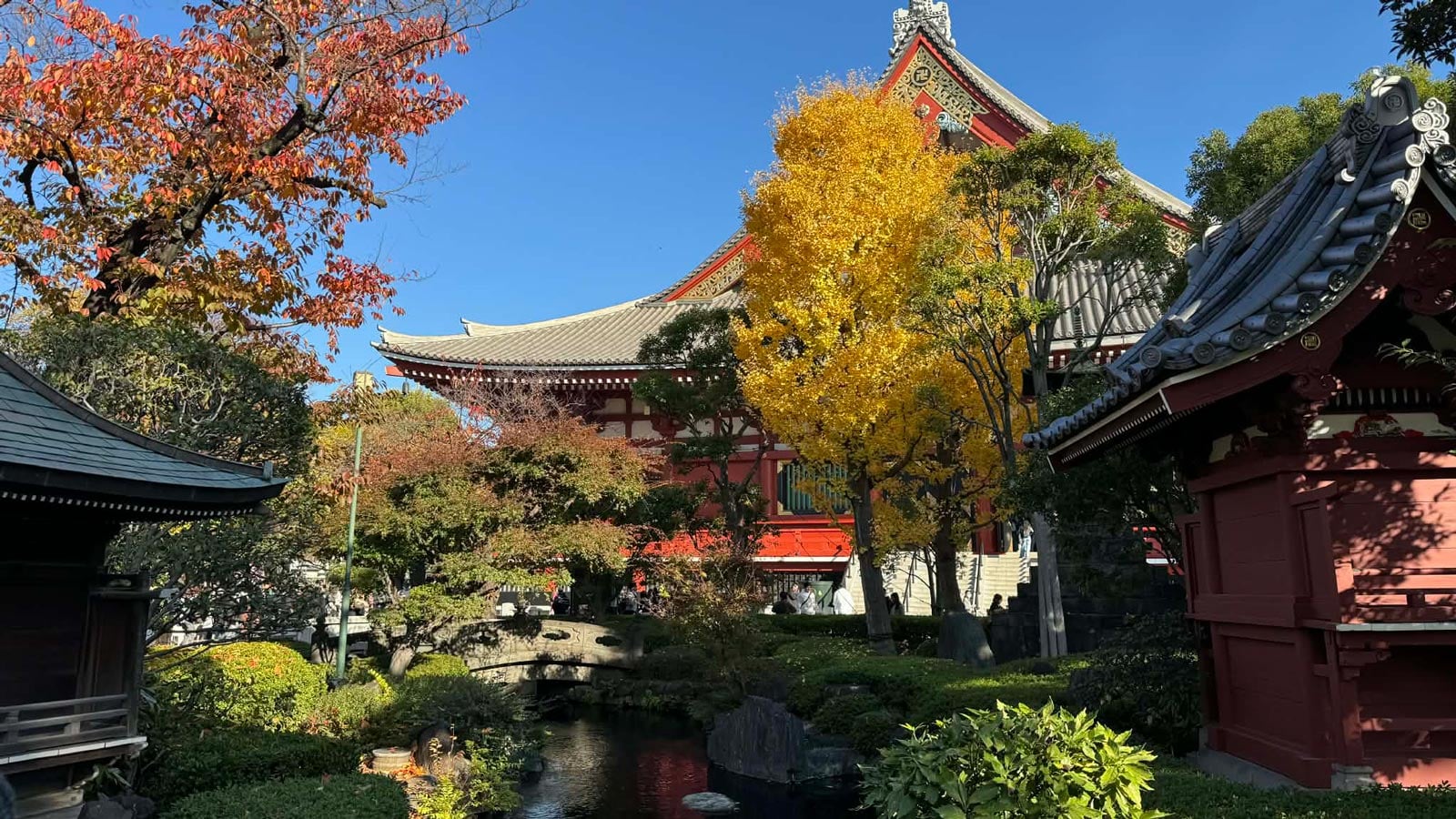
Maddox and his girlfriend were in Japan from late November to early December on a two-and-a-half-week trip, moving between Tokyo’s busy streets, a few quieter suburbs, some gardens and shrines, the teamLab Borderless interactive museum, Disneyland, and Hakone near Mt Fuji. That’s a good test for a travel eSIM: a lot of movement, a lot of online navigation, and plenty of chances for things to go wrong without reliable data.
Before getting into how it performed, it’s worth covering what an eSIM actually is, since a lot of people have only ever used a physical SIM card.
What is an eSIM and how does it work?
An eSIM is a digital version of the SIM card you already use in your phone. Instead of inserting a plastic card, the SIM lives inside your device, and you activate it by scanning a QR code or entering a code from your provider. Once installed, it works like a normal SIM, connecting you to a mobile network for data, messaging and apps.
A few things worth knowing:
- No physical card: Nothing to insert or remove. It’s all digital.
- Easy to switch between plans: Most eSIM-enabled phones let you store multiple SIM profiles, so you can keep your Australian number active for calls and texts while using a travel eSIM for data overseas.
- Good for international travel: You can buy a plan online before you leave, install it at home, and have it ready the moment your plane lands.
- Simple activation: Scan a QR code, follow the prompts, and the profile installs itself.
- Works on most modern phones: iPhones, newer Samsung and Google phones, and many tablets and smartwatches support eSIMs. Worth checking your device’s compatibility beforehand.
How to install a Holafly eSIM
The installation process was straightforward. After purchase, Holafly emails instructions plus a QR code for activation. You can install the eSIM before leaving Australia, which I’d recommend, but it won’t activate until you arrive in your destination country.
The basic setup:
- Open the QR code on another device (computer, tablet, or a friend’s phone).
- On your phone, go to Settings > Mobile Data > Add Data Plan.
- Scan the QR code or enter the code manually.
- Name the eSIM so you can tell it apart from your normal SIM.
- Once you land overseas, turn on Data Roaming for the Holafly eSIM.
- Your phone will automatically switch to the local partner network.
One important point: each QR code can only be scanned once, so make sure you do it on the phone you intend to use overseas. If you’re on a dual-SIM or eSIM-only device, you can keep your Australian number active for calls and SMS, just make sure your data is set to the Holafly eSIM so you don’t accidentally rack up roaming charges.

Using the Holafly eSIM in Japan
Maddox and his girlfriend installed their eSIMs before leaving Australia but didn’t activate them until they landed in Tokyo. You do need Wi-Fi for installation, but Japanese airports have free Wi-Fi throughout, so that wasn’t an issue. If you’re unsure whether your destination airport has Wi-Fi, install before you fly out to be safe.
Installation: “super easy” in his words
Since they were travelling together, they opened each other’s QR codes and scanned them on the spot. The eSIM installed automatically, and within a couple of minutes they were connected, no swapping SIM trays on an airport floor, no hunting for a local phone counter.
Coverage and speed
They covered a lot of ground: central Tokyo, a range of suburban areas, gardens and shrines, the teamLab Borderless museum, multiple train lines, Disneyland, and the Hakone and Mt Fuji region.
Holafly advertises 4G and 5G coverage in Japan, and that matched his experience. Coverage was strong almost everywhere they went, with fast, consistent speeds, no dropouts, and no issues loading maps, booking tickets, using messaging apps or browsing while moving around. The only slowdowns were in mountainous areas and occasionally on the Tokyo Metro underground, which is fairly typical for any mobile network. Even then, the connection stayed usable.
Unlimited data was the real bonus
For context, my own Australian mobile provider charges $30 for 3GB on a 15-day international roaming pack. That’s not a lot of data by 2025 standards, especially if you’re using maps, sharing photos or jumping on video calls. Last time I relied on one of these packs overseas, the 3GB was gone within a couple of days and I ended up buying several more just to get through the trip. That’s what pushed me toward eSIMs instead of my regular telco’s roaming.
Holafly’s Japan eSIM costs around $118AUD (at the time of writing) for a 30-day plan with unlimited data, with plans starting at 5.90AUD. That’s more than a basic roaming pack, but the difference for a longer trip is significant: no watching your data limit, no checking usage daily, no risk of being stuck without data in a foreign country. For anyone relying heavily on Google Maps, WhatsApp, Google Translate, booking apps and social media, unlimited data removes a lot of the friction, and it makes navigating a dense city like Tokyo considerably easier.
Staying connected to family (and me)
When they landed in Japan, the first thing Maddox did was message me to say they’d arrived safely, which alone made the eSIM worthwhile from where I sat. Throughout the trip he used the unlimited data constantly, and I used Find My Friend on iPhone to check in and see where they were, not to keep tabs on them, but because I genuinely enjoyed following the trip and looking up whatever area they were exploring at the time.
The data got used for sending photos, booking transport, checking train times, finding restaurants, navigating Tokyo’s streets, translating signs and menus, messaging family and friends, booking Disneyland tickets, and researching day trips. He told me he never once thought about how much data he had left, which is exactly the point of an unlimited plan.
Any downsides?
A couple of things worth flagging. Holafly eSIMs are data only, so you can’t make regular phone calls or send SMS. For most travellers, apps like WhatsApp, Messenger or iMessage cover that gap, but it’s worth knowing upfront. Holafly also isn’t the cheapest eSIM provider on the market, though if unlimited data with reliable coverage is what you’re after, it’s one of the stronger options available.
Would I recommend Holafly?
Based on Maddox’s experience in Japan and my own earlier use of eSIMs elsewhere, I’d recommend Holafly as a solid, reliable option for international travel. Before I became an affiliate, Holafly gave me a two-week eSIM to trial myself. I wasn’t travelling overseas at the time, so I switched off my regular telco’s data for those two weeks and used the eSIM for day-to-day use instead. It worked exactly as expected, and that trial is what gave me the confidence to recommend it to others.
Its real strengths are unlimited data, fast and stable coverage, easy installation, instant delivery and activation, and no roaming fees. Holafly notes that coverage is strongest in urban areas, and that it may be weaker in deserts, mountains or dense wilderness, which is true of most providers and something hikers and outdoor travellers are usually already familiar with. In cities and towns, the connection has been excellent in our experience.
If you’re travelling to Japan, or anywhere outside Australia, and you rely on your phone for navigation, bookings and general travel logistics, Holafly takes a lot of the worry out of that. It’s not the cheapest option, but it’s one of the easiest. My code TRAILHIKING gets you a discount if you want to try it, and you can find Holafly’s Japan eSIM here.
If you’re planning a bigger overseas trip, my guide to essential travel tools for overseas hiking covers the other services and apps we rely on when trekking overseas. And if you’ve got questions about using an eSIM overseas, get in touch, I’m happy to help.