If you scroll through Instagram or TikTok, you could think hiking is all summits, sunshine, and incredible views. Every ridgeline is glowing. Every hiker looks like they stepped out of a catalogue rather than the bush. Anyone who has spent real time on the trail knows there is another version. The quieter one. The messier one. The one that rarely gets posted. This is some of that version.
I am not a stranger to difficult trails. The Western Arthur Range was a physical battle: days of relentless mud, terrifying terrain, and at one point holding Julie steady on a razor-thin ledge while she trembled. That kind of hard I knew how to manage. It lives in the legs and the lungs, and you push through it. But hiking asks more of people than strength and endurance. Some battles are emotional, carrying fear, or the quiet weight of looking after someone else. Some are internal, when the story you tell yourself about who you are on the trail begins to crack under pressure.
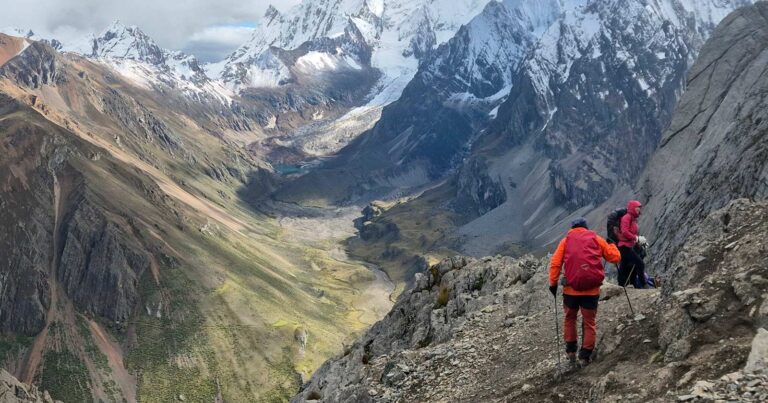
In Peru last year, on the Huayhuash Circuit, I met that version. I arrived depleted. I watched Julie move ahead while I fell behind, not physically but mentally, unable to connect, walking alone with my own thoughts for days at a time. I have written about that separately. What it revealed was that I had been relying on my physical record to carry me through, while the thing that actually needed carrying was something else entirely. That was not the only time.
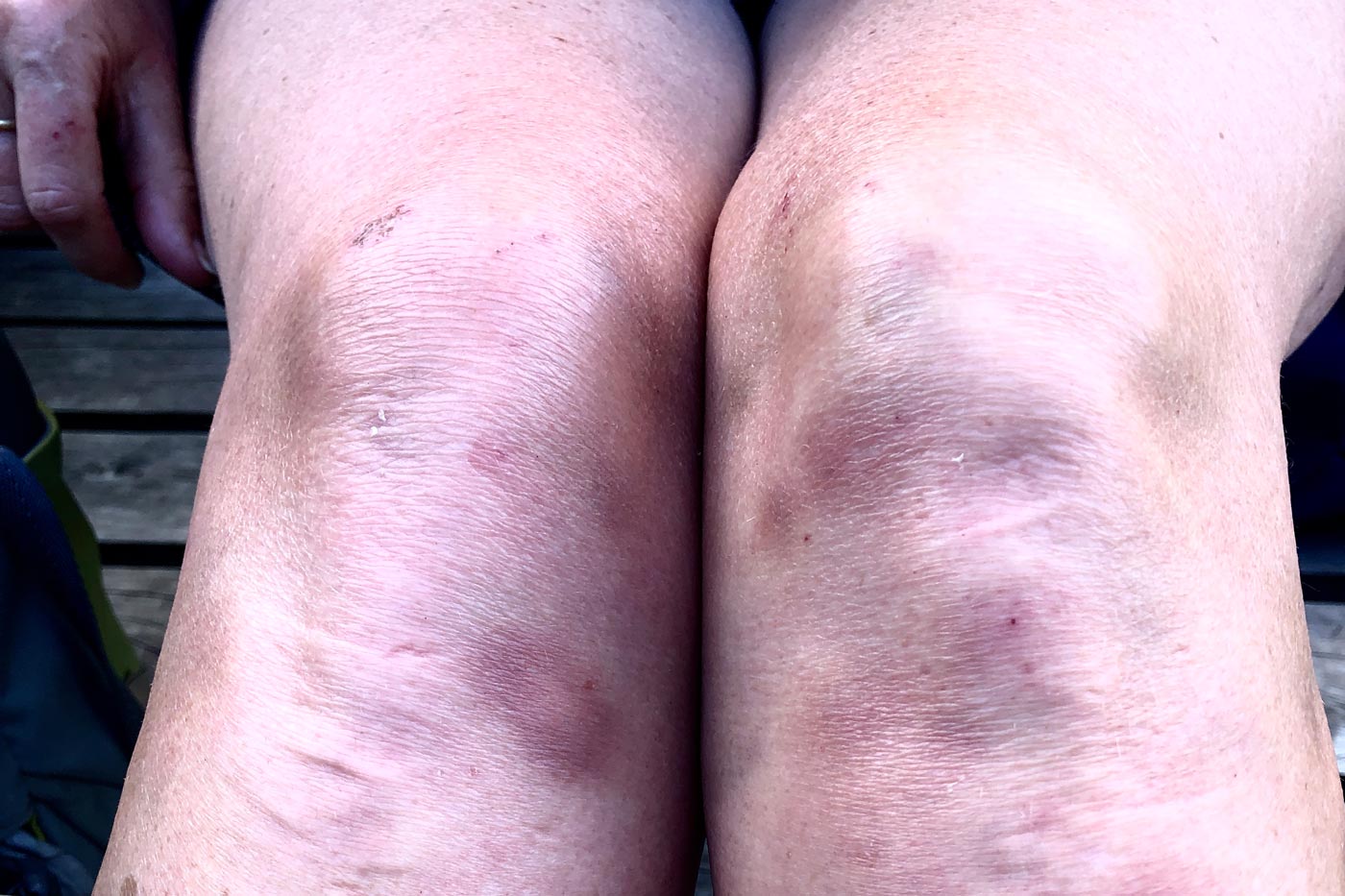
There is another hike we have not really talked about. Julie and I set out on a three day circuit through the Razor–Viking Wilderness in the Victorian high country. The plan was straightforward on paper: follow the Razor ridgeline off track toward the Viking, then pick up the Australian Alps Walking Track west back to the trailhead. We knew day one would be slow. Off track travel along a ridgeline always is. We estimated a conservative pace of about one kilometre an hour and felt comfortable with that margin.
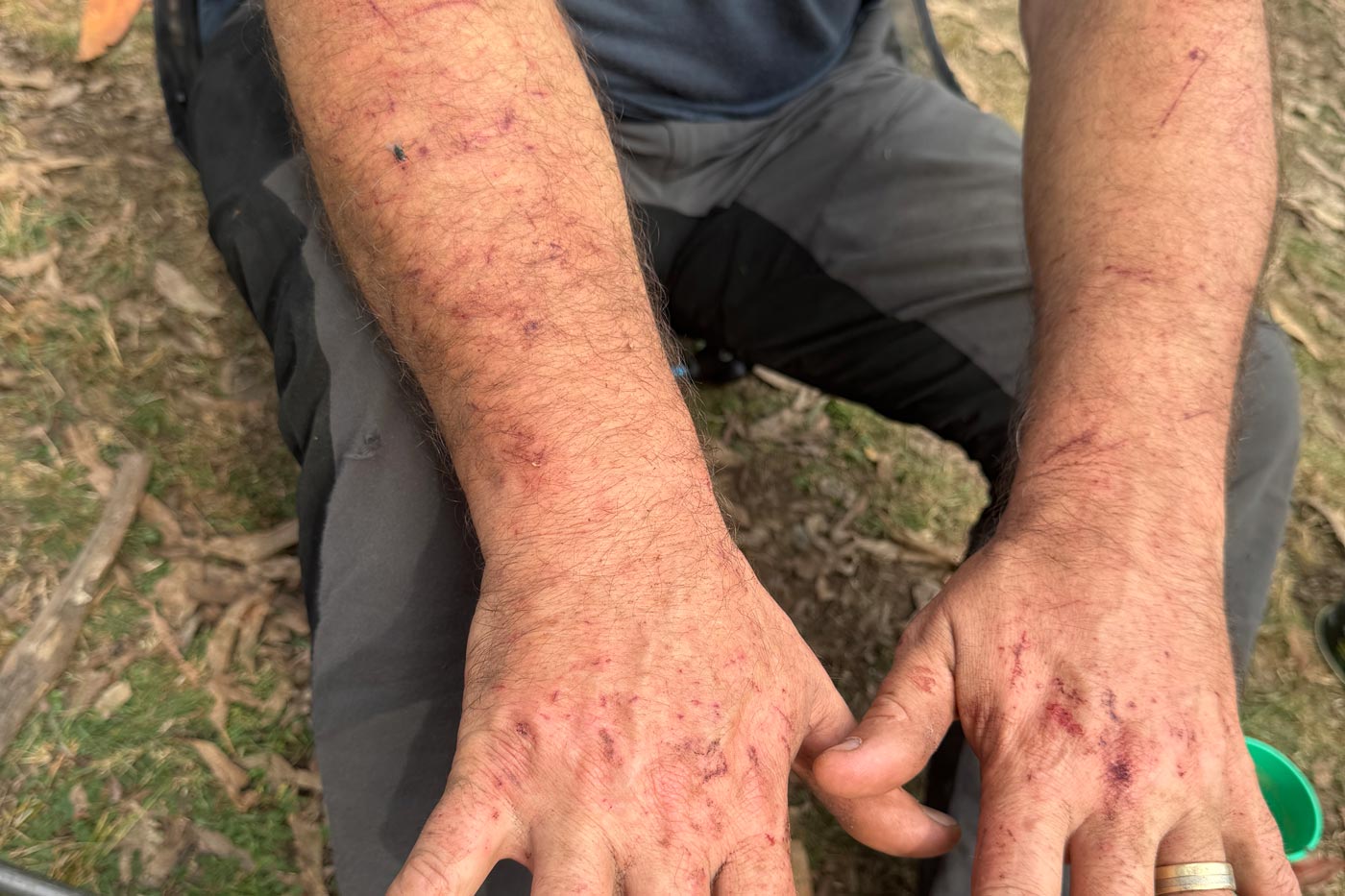
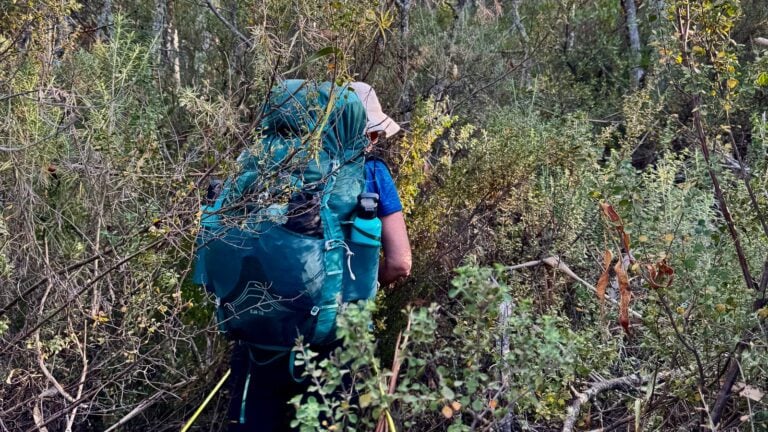
The terrain was far more intense than we expected. Thick, resistant undergrowth. Constant obstacles. No rhythm, no flow. We were moving at around five hundred metres an hour, fighting for every step. Hours passed and the distance barely changed. Normally, Julie and I are calm in these situations. We have both spent enough time in rough country to know that frustration wastes energy. But this day got to us.
At one point I stopped, completely spent, and screamed into the void. Not at Julie. Not at the terrain. Just a raw release of everything I was carrying. Julie, equally worn down, ended up in tears as the reality of how slow we were going sank in. We don’t talk about those moments. We didn’t post any of it.
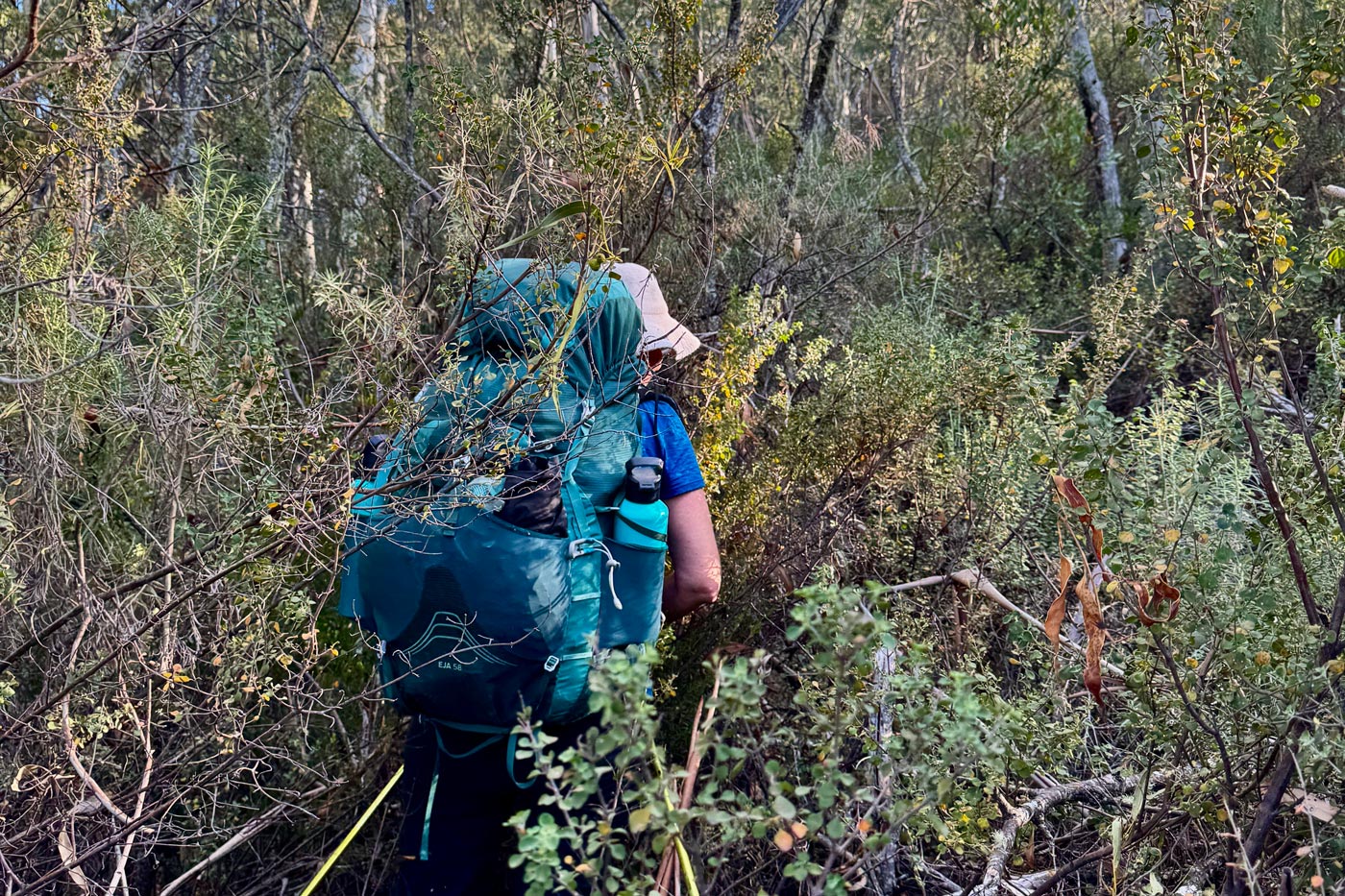
What mattered was what came next. We stopped. We sat down. We talked it through honestly. The slow progress meant we would not reach our planned water point. We had enough to return to the trailhead, but not enough to continue safely forward. So we turned around. We followed the Razor back the way we came, then tackled the circuit in the opposite direction. The hike became a genuinely good three day trip. Challenging, rewarding, memorable. But neither of us is sure we would attempt that ridgeline again.
There were no photos of the frustration. No captions about screaming into the bush or sitting in silence recalibrating a plan. Just the polished version, or nothing at all. Those moments, though, are where hiking tells the truth. About preparation. About the gap between who you expected to be and who you actually are on the day. About how you show up for each other when the plan falls apart.
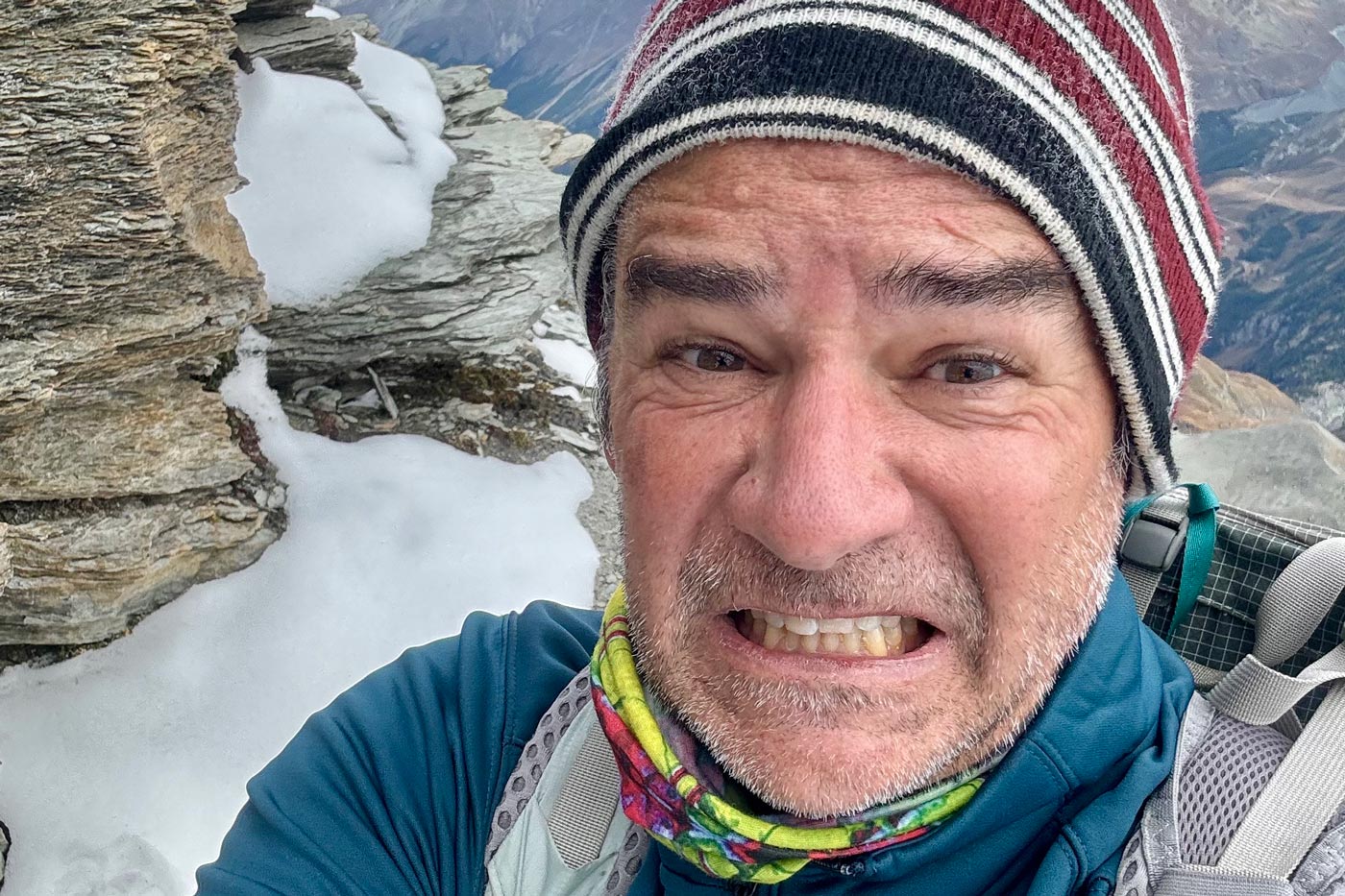
Hiking is a confrontation with your preparation. Your limits. Your patience. Your beliefs about who you are when things get hard. On a ridgeline battered by alpine winds, knee-deep in mud in south-west Tasmania, or gasping for air at 5,000 metres in Peru, you show up as you actually are. Not the edited version. Not the version beyond filters and captions. Sometimes that version is struggling. Sometimes it wants to quit.
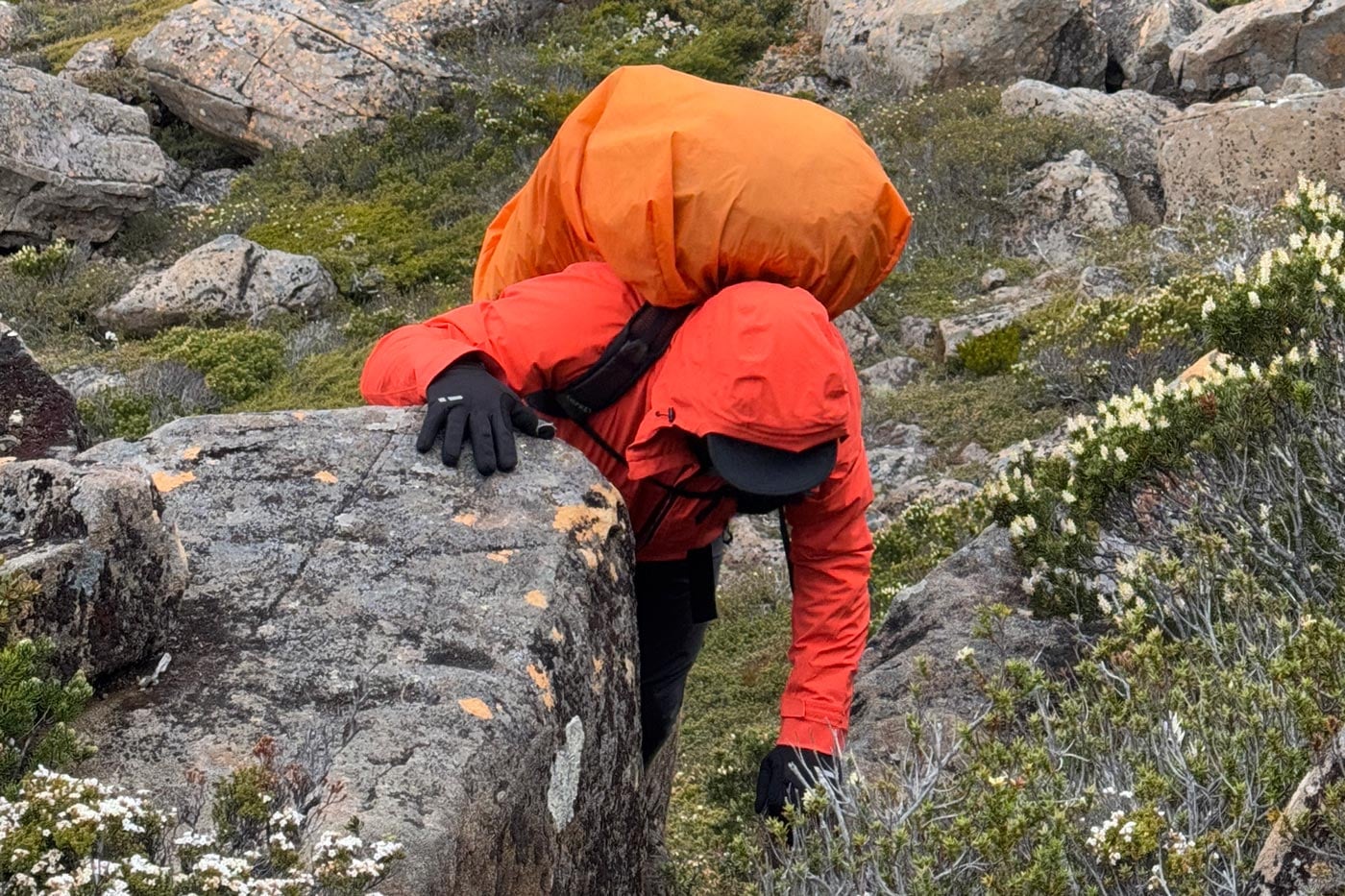
That is not a failure of toughness or experience. It is just what honest effort looks like when the conditions don’t cooperate and the day doesn’t go the way you planned. Some people walk away from the mountains after a day like that. Some leave and don’t come back. That is a reasonable response to something that asked more than you had to give.
For those who do go back, it tends to be because something on those hard days was worth keeping. Not the suffering itself. The clarity that came after. The way a difficult day in the field compresses things down to what actually matters and removes everything else.
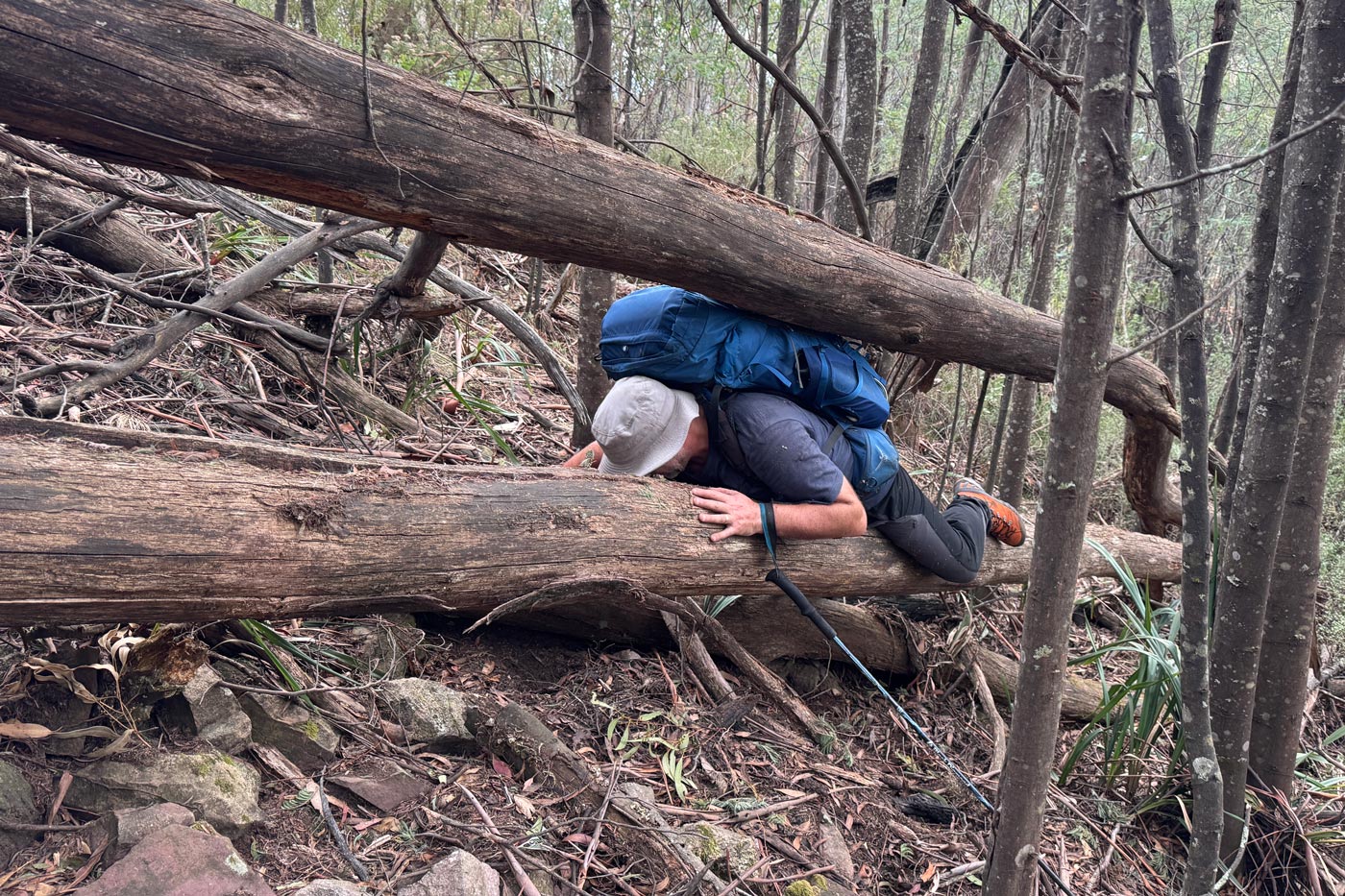
The Razor ridgeline didn’t give us what we planned. It gave us something else. A decision made honestly, a hard day absorbed, and a circuit we ended up proud of. That’s the version that rarely gets posted.
This essay is part of my Personal Reflections series, a collection exploring what hiking reveals about who we are.



How about you? Have you ever had a hike that broke you? Or a moment on the trail that taught you more about yourself than the view did? I’d love to hear your “real” hiking stories in the comments below.
Trail Hiking Australia did a 3 day Federation Peak walk once.
Did something to my knee halfway on day one.
Strapped it up, made the summit.
Took me twice as long to walk out as it did to walk into the overnight camp.
Had to use a stick crutch to support myself.
Every mud hole felt like to was trying to pull my knee apart.
I really just wanted someone to concrete the entire trail to make my pain more bearable.
This is back in the days before everyone had a PLB or satellite comms on their phones.
Character building stuff.
But totally worth it.
Have a top Christmas Darren.
Peace to the family.
Chris De Zube doing it with a knee injury would have turned every step into a negotiation. That image of every mud hole trying to pull your knee apart says it all. And you are right, back then there was no easy safety net, which added another layer of pressure to the whole experience. Character building is a good way to put it, though probably not the word that comes to mind in the moment. Totally understand the “worth it” feeling in hindsight.
Appreciate the Christmas wishes too. Hope you and yours have a great one as well.
I’ve taught navigation and led may walks and months solo bushwalking and skiing. I still get tested now and again. Teaching navigation I like using multiple sources of information – coz when one goes wrong you have a backup. Looking back at landmarks is as important as the destination. Zero visibility tests the best of us, and requires extra care. A mate and I once came across footprints in the snow on Mt Bogong summit. They were our own. We were aiming for Hooker Plateau and West Peak for a known spot suitable for a safe snow cave dig, and we had to work hard to get there before dark. I was struggling with cold exposure at the end and definitely required our combined skills.
Darren Hocking that is such a good reminder that experience does not make you immune, it just gives you better tools when things get messy. I really like the way you describe using multiple sources and even looking back at landmarks. It is easy to forget how valuable that is until visibility drops away. Coming across your own footprints on Bogong would have been a real reality check. And pushing on in those conditions, managing cold exposure, and relying on each other to get to a safe spot before dark really highlights how quickly things can turn serious, even when you know what you are doing.
Thanks for sharing that. Those moments tend to stick with you long after the trip ends.
Yes I hiked down Wonnangatta spur off track down to the river, doing the 4 day Viking/Wonangatta Circuit
last November,
I struggled badly … I decided i was never hiking again I would sell all my gear
But by the next day going up and over the Viking down the to the saddle I loved it again 🤷🏼♀️ and all was good
Jill Allen oh I know that area and feeling well. Had a long and horrible day walking the other direction off the Viking to the river. So glad to hear that reaching the Viking changed your mind.
How we deal with pain and a bit of adversity says a lot about us.
I was part of a group that went up Bungalow Spur to Mt Feathertop in the winter a few years ago. We debated whether or not we’d need snowshoes and decided we didn’t.
I did the first 7kms in two hours, and then we hit snow. Ankle deep, and then knee deep, and then higher up until every step left me postholed down to my crotch and even waist. It took almost four hours to do the 2.5kms from that snow line up to Federation Hut, and I got in just after dark. Some members of my group didn’t make it to the hut until 10pm.
We all laughed (and cried) about it, and came back the next year with snowshoes.
Of course the snow that year didn’t get deeper than the ankle.
Rob Margono I can almost visualise every step. That’s certainly tough going but glad you were able to laugh about it. Julie (my wife) and I had a similar situation when summiting Bogong in winter. To add salt to our wounds, (and make us laugh at ourselves) when we sunk to our hips with every step, we could clearly see someone else’s snowshoe prints in the snow next to us. Glad to hear you went back the following year.
Trail Hiking Australia Less a “step” than a “lean forward and plow hoping your feet eventually hit something solid to lift you above the snow briefly before plunging back down into waist deep snow with the next “step”” sort of a movement mode.
Three women were on snowshoes and passed me by and I offered them a ridiculous amount of money for a pair of snowshoes and they smiled and moved on.
Rob Margono that’s great. Brought a smile to my face
My struggles with hiking usually reside in the mental aspect. I like to be very organised and in control with almost all aspects of life. I always seem to go overboard on safety and back up systems to provide said safety. But really there is no control. Once I’m remote enough and outside of any vehicle access, including at times a chopper, I can really struggle with the vulnerability if I over think things. You can minimise risk but there’s always going to be situations you just can’t predict or prepare for. It challenges my comfort zone and at the end of the day (or hike) it’s why it feels like such an achievement. Aside from the other obvious mental benefits like exercise and nature around me.
Gavan Mitchell totally get that as I’m a bit of a thinker too. Always wondering what could go wrong, so it doesn’t. I know I can’t change how vulnerable you feel but I suspect your thinking and preparation go along way to the achievement you feel. So I hope yuh feel confident in that.
Trail Hiking Australia Absolute it’s a large part of the achievement. It doesn’t just start and stop with hiking though. I’m heading on a roadtrip camping my way up to Brisbane and back in the new year. I’ve been stressing over everything that could go wrong. I’m slowly learning to strike a balance and go with the flow more often. Hiking does help with this process for me. In general I think it’s healthy to challenge yourself.
Gavan Mitchell totally agree. Hope the trip goes well
I always underestimate the time required for off track stuff. Always gets me in trouble. Then Im walking in the dark swearing at myself.
Deano the Weekend Wanderer it’s a challenging one to estimate sometimes. There are different extremes of off track. Julie and I did a hike earlier in the year where we estimated 1km per hour. We only managed 500m an hour. It was pretty intense and had us both rattled.
Trail Hiking Australia yeah that would not be pleasant especially if you had camp afterwards. I did the Connondale Great Walk and didnt get to the first camp until 20:30, but at least i had a decent trail.
I just finished the AAWT yesterday and relate to this! Especially as a solo walker, mental resilience is a huge trait. I think that links into experience as well and backing yourself to deal with difficult conditions- also accepting that each walk is going to be different and teach you different things and not being attached to it ‘feeling’ a certain way.
Cameron Wheatley finishing the AAWT is no small thing, especially solo. Congratulations!!
You have nailed something really important there. Mental resilience matters even more when you are on your own, and experience is not about making things easier, it is about trusting yourself to deal with whatever shows up. I really like what you said about not being attached to a walk feeling a certain way. Accepting that each one will be different, and that it will teach you something different, takes a lot of pressure off and makes the hard moments easier to sit with. Well done on finishing it, and thanks for sharing that perspective.
You always remember the hard trips.
Whenever someone asks me what it was like walking the Camino de Santiago I often talk about how hard it was. Because everyone always talks about the beautiful, or spiritual, or revelatory aspects of the experience – and it was indeed all of those things, and I talk about that too – but often it seems that’s the only part people talk about. But people need to know how damn hard it is, so they don’t have false expectations when planning for themselves.
That really resonates. Time has a way of softening the edges, and we often remember what the experience gave us rather than what it took from us in the moment. I’ve had hikes where I questioned why I even enjoy hiking at all, yet months or years later the struggle fades and what remains is the meaning. I agree though, if we only share the beauty or the revelation, we risk giving people false expectations. Being honest about how hard it can be doesn’t diminish the experience. It respects it, and it helps others prepare for the reality.
Trail Hiking Australia Wonderfully put.
This exactly how I could do the Oxfam Trailwalker twice… the second time was long enough later that I’d forgotten about the struggles and pain and only remembered the achievement!
Simon de Bruyn I’d have to do a lot of mental prep for that. Well done for doing it, let alone twice.
The challenges of a hike can be compounded by health issues – doing the SW Cape about 15 years ago – it was hard enough but then I was suffering from a heart issue (AF) and could hardly cope with the uphills. In the end I (accompanied by a few faithful friends) had to turn back. It still rankles! :). Now, at my age, the issue is one of staying active but trying to find something that is not going to be stupidly beyond my capabilities.
That is a really good point, and one that often gets overlooked. Health issues add a whole other layer to the challenge, and they can change a hike from demanding to overwhelming very quickly. The SW Cape is hard at the best of times, so dealing with that while managing AF would have taken a huge amount of grit.
Turning back is never easy, especially when it still lingers years later, but having the awareness and support to make that call matters. I can relate to that too. I had an overactive thyroid that crept up on me and quietly took a big toll on my hiking before I realised what was going on. It is under control now, but it was a real reminder of how much health can shape the experience.
Staying active while being realistic about your limits is its own balancing act, and not an easy one. Thanks for sharing that, I think a lot of people will see themselves in it.
After the first gruelling day of a multi day hike in New Zealand I knew that I could hike 14 hours in a cyclone hit forest with many hours in the dark leading 2 people who had no torch, one of whom had fogged up glasses and couldn’t see anything!! Another day we unexpectedly ended up traversing many precipitous mountain passes and I had to push on through my vertigo. Another day we were momentarily lost in the dark and pouring rain in an avalanche zone. Not sure I actually enjoyed some of those moments, and there were many more adventures on that hike. But I’m so glad I did it.
Melanie Dunkley wow. That certainly sounds like an adventure. Good to hear you can look back and be glad you did it.