Modern life makes it fairly easy to avoid discomfort. We have climate control, food on demand and plenty to distract us. Most days, we know where we will sleep, where our next meal is coming from and roughly what will happen next. Long-distance hiking takes away much of that certainty.
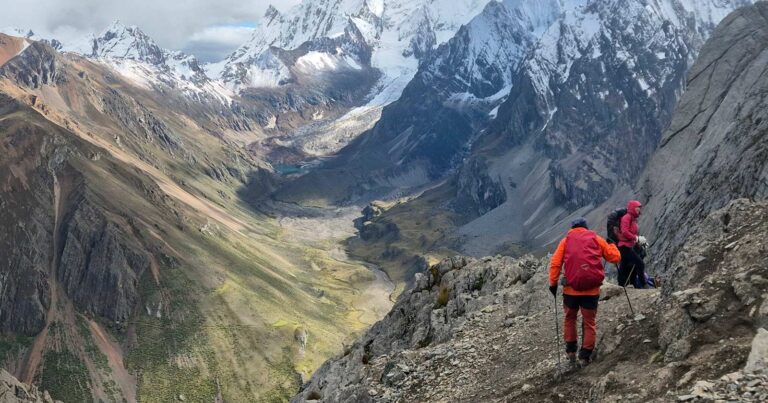
On the trail, my immediate concerns become much simpler. I need enough water, I need to watch the weather and I need to know how much daylight remains. I also become more aware of how my body is coping. With fewer distractions around me, there is time to think properly, or sometimes not to think about very much at all. The blisters, sweat and physical effort are part of long-distance walking, but they are not why I keep returning to it. What stays with me is the time away from everyday demands and the perspective that comes from spending several days moving through the landscape on foot.
I came to long-distance trails later than many people. For years, I ran a successful design agency, but the workload and expectations were constant. I spent so much time working that there was little room left for my family, friends or myself. By the time I understood how badly it was affecting me, I had fallen into a deep depression.
One morning, I forced myself out the door and into the bush near where we lived, on the edge of a state park in Melbourne’s west. I walked without purpose. I just kept moving. I came back hours later feeling steadier than I had in months. I wasn’t suddenly better, but my head felt clearer, so I went out again the next day and continued walking regularly.
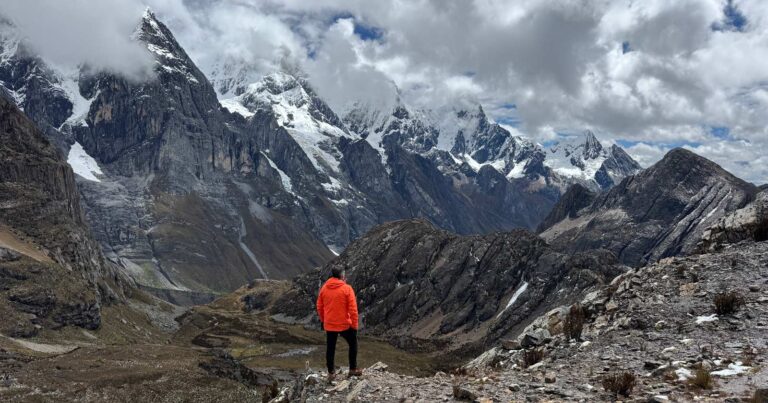
As I spent more time in the bush, I started noticing parts of myself that were easier to ignore elsewhere. I saw how I responded when I was tired, uncertain or uncomfortable. Sometimes I was impatient or stubborn. At other times, I handled more than I thought I could. Without the usual distractions, I had time to recognise those things. There is also satisfaction in reaching somewhere under your own effort. A mountain feels different when you have spent hours, or sometimes days, walking towards it. You remember the climb, the tiredness and the changing landscape along the way, rather than only the view from the top.
I remember crossing the boulder field on the approach to the summit of the Acropolis in Tasmania. As I climbed, more of the surrounding landscape came into view, with peak after peak rising beyond the cliff faces. I had never seen anything like it in Australia. It was the most extraordinary view of my hiking life at that point, and I had spent five hard days walking to reach it.
Of course, not every moment on a long trail is like that. Most of them aren’t.
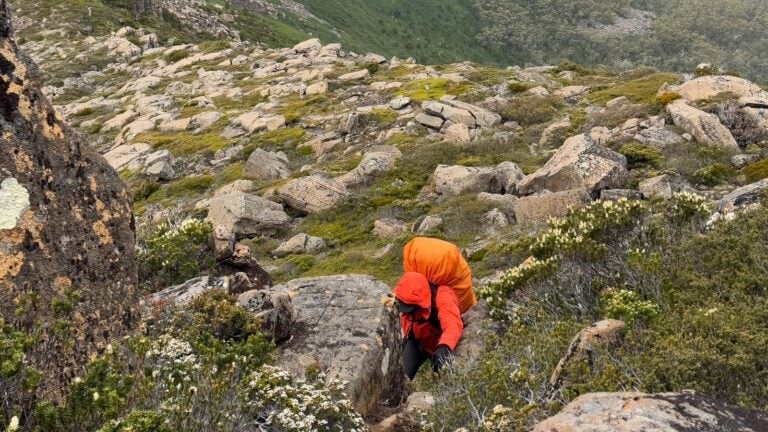
On the Viking Circuit, I once led a group of close friends across the Crosscut Saw in weather that turned badly against us. Rain came from above and from the sides as we scrambled across slippery rocks and slid down muddy spurs. For hours, I felt guilty about leading people I cared about into those conditions. We reached camp late and soaked through, just as the downpour began to ease. We set up camp, built a fire and cooked a hot meal while our wet gear steamed on every available branch and rock around us. Then someone made a joke. I don’t remember what it was. I remember the laughter.
We sat under a clearing sky and talked about the day, including what had gone wrong, what had held up and what had surprised us. We went to bed hoping the following day would be different, and it was. That difficult day became one of the parts of the trip I remembered most. Experiences like that are one reason I enjoy walking long trails with other people. You see how everyone responds when plans change and conditions become difficult. You help each other through it, then sit around camp talking about what happened.
I have now spent more than a decade walking long trails. Over that time, I have become more comfortable with physical discomfort, uncertainty, silence and my own company. I have also become better at accepting the difference between the day I expected to have and the one that is actually unfolding. I don’t enjoy every hard climb, wet day or uncomfortable night, and I don’t expect to. They are simply part of what a long trail asks of you. There is another one waiting, and I haven’t worked out yet which track it will be.
This essay is part of my Personal Reflections series, a collection exploring what hiking reveals about who we are.



Thanks for sharing. Almost had me in tears. Well OK, it did.
Samantha Herald that wasn’t my intention. Was just hoping it would encourage more people to experience nature.