Hiking with your dog in Australia
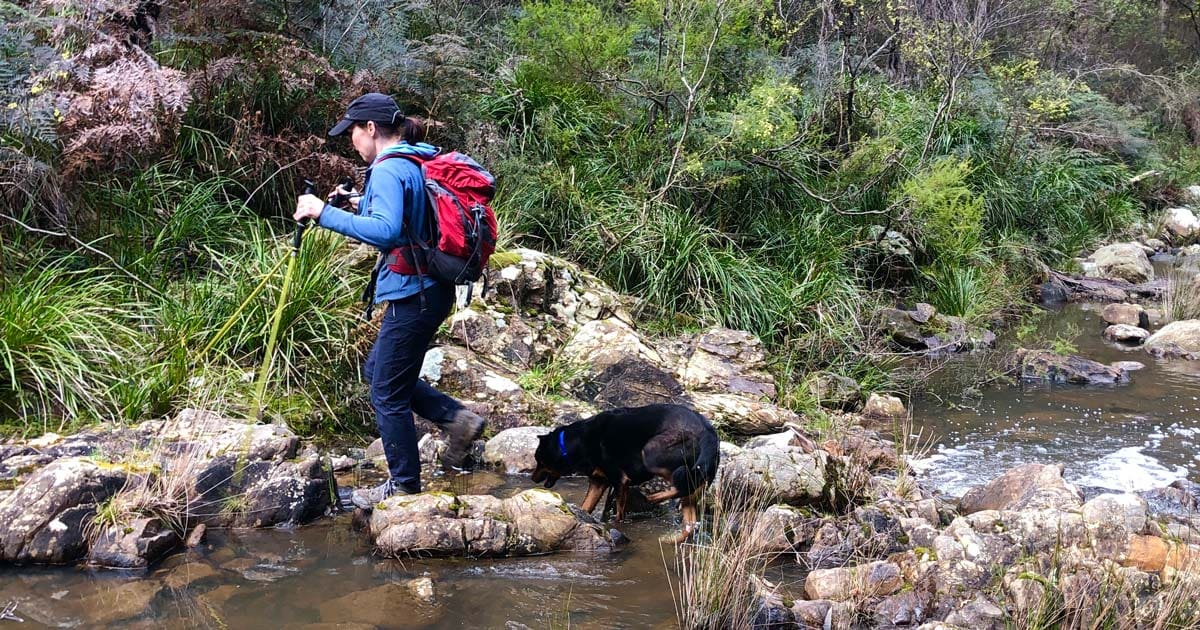
Hiking with your dog can be a rewarding way to stay active and spend time outdoors together, but it comes with added responsibility. Access restrictions, wildlife protection, and environmental impacts mean that hiking with dogs in Australia requires more planning than in many other countries. Understanding where dogs are permitted, how they affect wildlife, and how to manage their needs on the trail is essential for safe and responsible hiking.
Many parks restrict dogs to protect native fauna from disturbance and disease, so checking regulations before you go is critical. Respecting these rules helps protect fragile ecosystems and ensures continued access to dog-friendly areas.
1. Understand the impact of dogs on wildlife
Dogs can have a significant negative impact on native wildlife if not carefully managed. Even well-trained dogs may instinctively chase or disturb animals, causing stress, injury, or death. In Australia, this risk is particularly high due to the vulnerability of many native species.
Some of the key impacts dogs can have on Australian wildlife include:
- Predation: Dogs may chase, injure, or kill native mammals, birds, and reptiles, including ground-nesting species.
- Disease transmission: Dogs can carry diseases such as parvovirus, distemper, and leptospirosis, which may be fatal to wildlife.
- Habitat disturbance: Digging, trampling, and barking can damage vegetation and disrupt animal behaviour.
- Stress and displacement: Wildlife may abandon feeding or nesting areas due to repeated disturbance.
To minimise impact, keep dogs on a leash where required, prevent chasing behaviour, dispose of waste properly, and remain alert to wildlife presence at all times.
2. Research your destination carefully
Most National Parks and many State Parks in Australia do not allow dogs. In contrast, State Forests often permit dogs, sometimes off-lead if they are under control, while access in regional and local parks varies by location. Always check the relevant land manager’s website before visiting to confirm current rules. Some examples of dog-friendly hiking areas include:
- You Yangs Regional Park – VIC
- Coffs Coast Regional Park – NSW
- Byfield State Forest – QLD
- Coningham Nature Recreation Area – TAS
- Anstey Hill Recreation Park – SA
- Lane Poole Reserve – WA
State-based dog access information:
- Victoria
- New South Wales
- Queensland
- Tasmania
- ACT
- South Australia
- Northern Territory
- Western Australia
3. Know your dog’s physical limits
Trail choice should reflect your dog’s fitness, health, and breed characteristics. Distance, terrain, temperature, and surface type all affect how much exercise your dog can safely handle.
Monitor your dog closely during hikes. Signs of overexertion include:
- Excessive panting or drooling
- Dehydration
- Muscle tremors
- Rapid heart rate
If symptoms appear, stop immediately, provide water, allow recovery time, and turn back if needed.
4. Carry extra supplies
Dogs require the same level of preparation as people, often more. Carry ample water for your dog, especially on warm days, and consider collapsible bowls for easy access. Longer hikes may require food or high-energy snacks. A dog-safe first aid kit is strongly recommended, as some human medications and treatments are unsafe for pets. Preparing for minor injuries or heat stress can prevent emergencies from becoming serious.
5. Be flexible with location
Dog-friendly bush trails can be limited, so flexibility is important. Beaches, regional parks, forest tracks, and peri-urban reserves often provide excellent walking opportunities even if they are not traditional hiking routes. While remote wilderness areas may be restricted, meaningful outdoor experiences are still possible closer to home with thoughtful planning.
6. Understand local hazards
Australia’s trails contain hazards that can affect dogs as much as people. Research local risks, including snakes, ticks, and toxic plants, before heading out.
Snakes are widespread, and knowing which species inhabit the area and how they behave helps you manage risk and leash control. Keep dogs close in snake-prone environments, particularly in warmer months and near long grass, rocks, and water.
Ticks can pose a serious risk to dogs, particularly in coastal and bushland areas. Paralysis ticks are of greatest concern. Early signs may include weakness, unsteady movement, a change in bark, or laboured breathing. Check your dog thoroughly during and after each hike, focusing on common attachment sites such as the feet, ears, neck, and groin. Preventative treatments should be kept up to date.
Also be aware of toxic plants and contaminated water sources. Dogs are more likely to drink from stagnant water or chew vegetation, increasing exposure risk. Avoid allowing your dog to roam or drink freely in unfamiliar environments.
Final word
Hiking with your dog in Australia takes extra research and responsibility, but it can be a highly rewarding experience. By understanding access rules, respecting wildlife, choosing appropriate trails, and carrying adequate supplies, you can enjoy safe and enjoyable adventures together. Responsible planning helps protect the environment while keeping both you and your dog comfortable on the trail.





I consider, that you are not right. I am assured. Let’s discuss it. Write to me in PM.