Granite Hills Rising from the Volcanic Plain
Overview
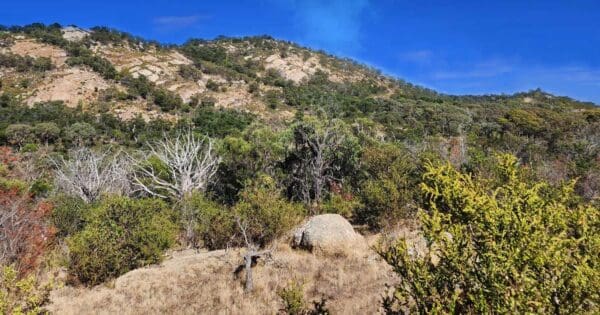
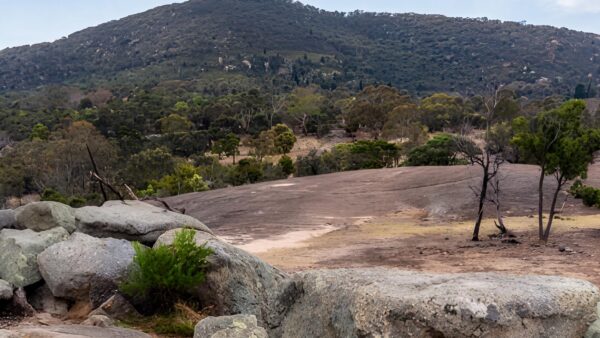
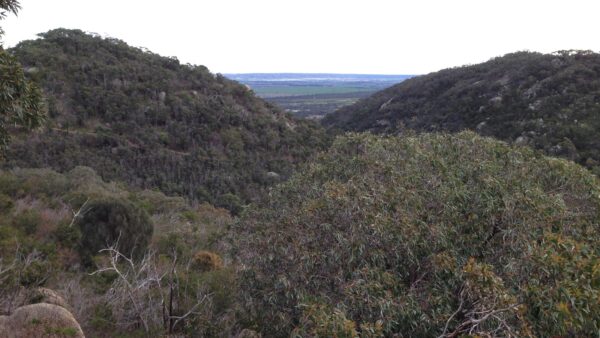
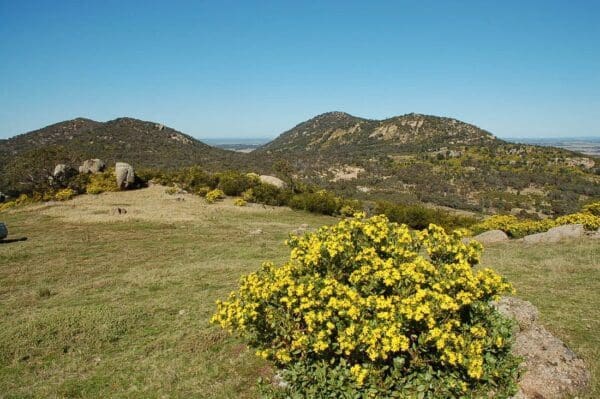
You Yangs Regional Park stands out immediately for its compact chain of granite hills, which rise sharply from the flat volcanic plains between Melbourne and Geelong. Near Lara and about an hour south-west of Melbourne, it feels quite different from the forests and ranges many walkers picture when they think of regional Victoria. The landscape is drier, rockier and more open, with low woodlands, scattered boulders and broad views that make the shape of the country easy to read.
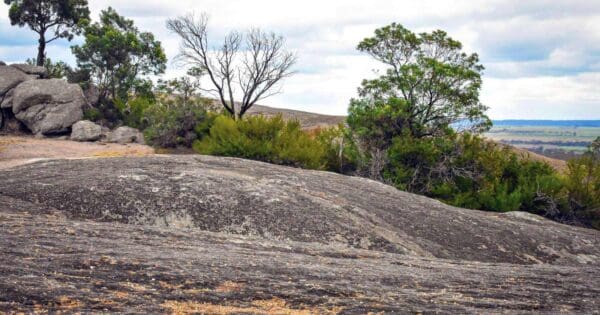
The park is also known for the contrast packed into a relatively small area. Bare granite outcrops sit beside yellow gum and river red gum woodland, and the higher points look across farmland, plains and the distant city skyline. That mix of exposed rock, open bush and long sightlines gives the You Yangs a character that is very much its own.
Highlights
The defining feature here is the granite itself. These rounded peaks and boulder fields break away from the surrounding plain so suddenly that the whole park has a bold, sculptural feel. Big Rock and Flinders Peak are the best-known high points, but the broader appeal is the way the ridges, tors and slabs of granite shape almost every view.
There is also a strong sense of scale despite the park not being especially large. From the higher ground you can look out towards Melbourne and Geelong, across the Western Volcanic Plains, and over a landscape where the hard grey rock of the hills meets open country below. It is a place of clean lines, dry light and big horizons rather than dense cover.
Best Time to Visit
Spring and autumn are usually the most comfortable times to spend time in the You Yangs. The open, low woodland and exposed rock can feel hot and stark through summer, while the milder months suit the park’s drier climate and make the broader views easier to enjoy at a relaxed pace.
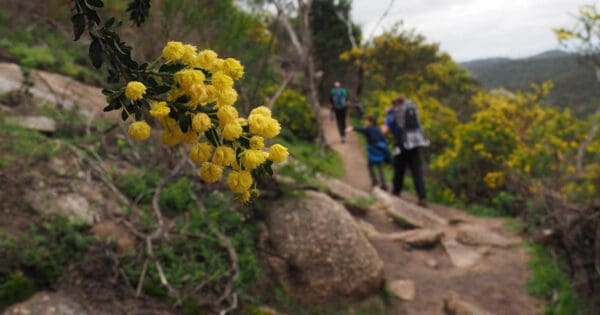
Spring also brings a bit more colour to the bush, with wattles, orchids and other native plants adding interest among the granite and eucalypts. In winter the clearer air can sharpen the long-distance views, especially from the higher points, though the park’s appeal is less about seasonal change than the consistency of its rocky, open landscape.
Plants and Animals
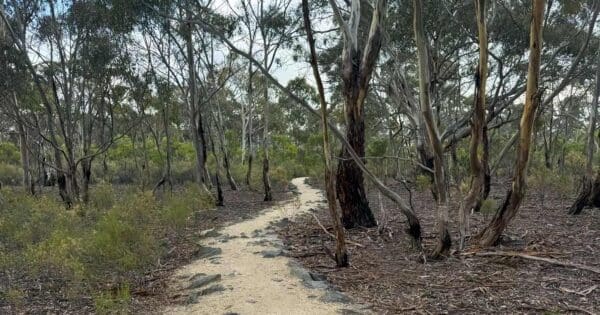
The vegetation reflects the shallow soils, low rainfall and exposed conditions. Manna gum, yellow gum and river red gum are common, with patches of wattle and drooping sheoak through the park. Native orchids occur here too, including the endangered brittle greenhood, and the overall feel is more low woodland than tall forest.
Wildlife is one of the quieter strengths of the You Yangs. More than 200 bird species have been recorded, and the mix of grassland and woodland supports honeyeaters, kookaburras, robins and birds of prey. Koalas are a well-known part of the park’s animal life, along with eastern grey kangaroos, wallabies, possums, echidnas and lizards.
Culture and Heritage
You Yangs Regional Park is part of an Aboriginal cultural landscape in the traditional Country of the Wadawurrung People. The name comes from the Wadawurrung word ‘Youang’, meaning big hill or big mountain, which suits the way these granite peaks rise so distinctly from the plain.
The place also carries a long human history, with the wider precinct described as having cultural significance stretching back more than 30,000 years. That depth of connection is still part of how the landscape is understood today, not as a backdrop alone, but as Country with continuing meaning.