Most hiking gear is about comfort or convenience. A small subset of gear exists for a different reason: preventing a manageable problem from becoming a serious one. When I talk about hiking gear that could save your life, I don’t mean specialist equipment for extreme terrain. I mean simple, often lightweight items that help you stay found, stay warm, stay hydrated, and get help when plans change.
Many incidents in the Australian bush do not begin with a dramatic failure. They begin with a wrong turn, a delayed return, a sudden weather change, or a minor injury, followed by poor decisions made under stress.
Staying found matters more than moving fast
Navigation tools are fundamental, but the real risk often begins at the moment a hiker realises they are lost.
This is the panic moment. People tend to walk faster, not smarter, often in the wrong direction. Fatigue increases, daylight fades, and options narrow. This is where safety gear does more than protect the body. It protects decision-making.
A map and compass remain reliable regardless of battery life or reception and allow you to confirm where you are, not just where an app thinks you should be. Digital navigation can be useful, but it should never be your only method.
A whistle is one of the simplest and most effective safety tools you can carry. In dense scrub, steep gullies, wind, or near moving water, your voice will fail long before a whistle does. Many packs include one built into the chest strap, but many hikers do not realise it is there or never practise using it.
An emergency shelter, such as a bivvy bag or space blanket, provides warmth, but it also provides permission to stop. If you can stay warm and visible, you are less likely to make a desperate move in poor light or worsening weather.
Phones, PLBs, and communication reality
A mobile phone is a powerful multi-tool. It can be a map, camera, weather checker, and communication device. It is also fragile, battery-dependent, and unreliable in much of the Australian bush.
Offline maps are useful, but a dead phone is neither a navigation aid nor a way to call for help. If you rely on your phone for navigation, you must carry a power bank and protect the device from cold, moisture, and impact.
A personal locator beacon is different. It is a single-purpose survival tool. When activated, it does one thing extremely well: it tells rescuers exactly where you are. It does not rely on phone coverage, apps, or network availability.
On day hikes or multi-day trips, a PLB is one of the most effective pieces of life-saving equipment you can carry, and it’s the item I’d least want to be without if something went genuinely wrong a long way from the car.
The big three when things go wrong
When incidents escalate, they usually revolve around three factors: water, warmth, and communication.
Water matters more than most people expect. Dehydration reduces physical performance, but more importantly, it degrades judgement. Carry more water than you think you need and have a realistic plan for refilling if conditions allow.
Warmth is critical, even in mild conditions. Hypothermia does not require snow or extreme cold. Wind, rain, fatigue, and inactivity combine quickly, particularly after dark. A lightweight shell, insulating layer, and emergency shelter dramatically reduce risk.
Communication determines outcomes. If no one knows you are in trouble, no one is coming to look for you. Carrying a means of signalling or calling for help changes the entire equation.
First aid in an Australian context
A basic first aid kit allows you to manage bleeding, blisters, sprains, and minor injuries before they worsen. In Australia, it should also include a heavyweight compression bandage suitable for pressure immobilisation. A kit without one is incomplete for bushwalking.
First aid gear buys time. Training and judgement determine how effectively that time is used.
The system behind the gear
No piece of equipment works in isolation. Some of the most effective safety measures are not items you carry.
Leaving a clear trip plan with a trusted person, including where you are going and when you expect to return, is one of the simplest life-saving systems available. If plans change, updating that information matters as much as any item in your pack.
Life-saving hiking gear is not about extremes, it’s about margin. It gives you time to think, warmth to wait, and a way to be found. You do not need expensive equipment, but you do need to carry the items that reduce the consequences of ordinary mistakes. Good decisions prevent problems, and the right gear helps ensure that when things go wrong, they do not spiral out of control.
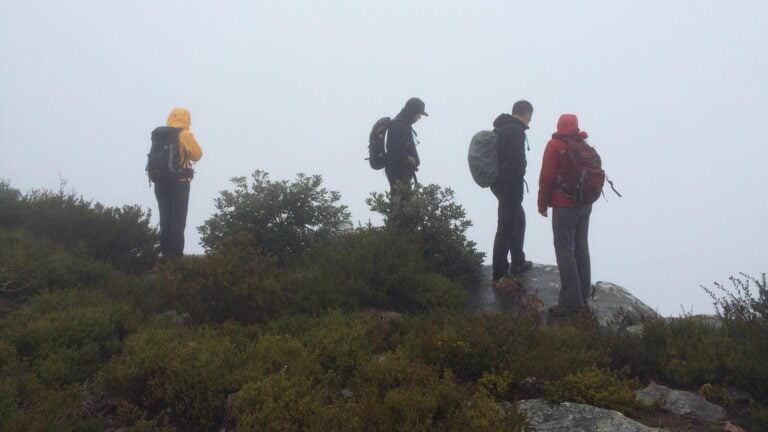

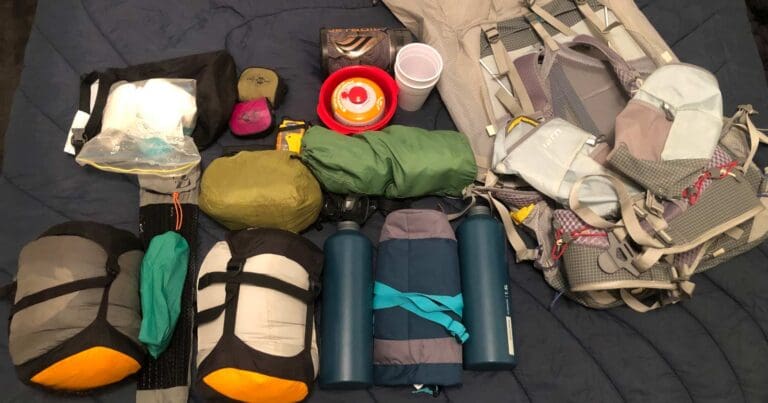




After my “ordeal”
With a dislocated shoulder I’ve been going through my over the top first aid kit ! I learned that the iPhone 16 satellite message capacity works but if I had to move … mmmmm. Yeah. Not to easy (ie to connect to the satellite). PLB worked but think it’s invaluable to be able to text so the rescuers have more info. Had the usual. Dry clothes, bivvy, space blanket and pain relief (not that it did much). Just be prepared to wait and stay calm. Be prepared that you may have to walk when in terrible pain and the chopper can’t always get you (my first world disappointment lol). Stay safe folks. And as I say. Stay upright 🤣☺️
Karen Jane Hawkins ordeal is a good description. Hope your shoulder is ok now. I know what the feels like.
Trail Hiking Australia it’s getting there. And thanks ☺️. What struck me was the unknown. Was my signal received and then… how long would it take. Interesting times. And a good leashing tool.
Karen Jane Hawkins that would be a tough wait. Not knowing would have all sorts of thoughts running through your head. It’s a shame PLBs don’t have some form of indicator to say “yep, we got it”.
Trail Hiking Australia yes.
Trail Hiking Australia was hideous
Trail Hiking Australia it’s taught me a lot. And n also my resilience. Having to walk out 70 metres.on a shit track.