Hiking boots need to fit properly and feel predictable underfoot before you rely on them for a long walk. While some modern footwear needs very little breaking in, stiffer boots and leather uppers usually benefit from gradual use before committing to a full day or multi-day hike.
This guide explains how I break in hiking boots safely and realistically. Breaking boots in won’t fix poor fit. What it can do is let materials settle, help you identify pressure points early, and let you dial in socks and lacing before problems become trip-ending blisters.
What breaking in really means
Breaking in boots does not magically make an uncomfortable boot comfortable. If a boot causes sharp pain, crushing pressure, or obvious rubbing from the start, it is unlikely to improve enough to be reliable.
What breaking in does help with is:
- softening leather and stiff fabrics
- allowing the boot to flex where your foot naturally flexes
- settling padding and linings
- revealing hot spots while you are still close to home
If you are still choosing footwear, start with Hiking Shoes vs Hiking Boots and Choosing and caring for hiking boots before worrying about break-in.
Start slow and stay close to home
When you first get new boots, begin with short, low-risk wear. This gives your feet time to adapt and makes it easy to stop if something feels wrong.
Good first steps include:
- wearing boots around the house for short periods
- doing errands or short walks on flat ground
- standing and moving long enough to notice pressure points
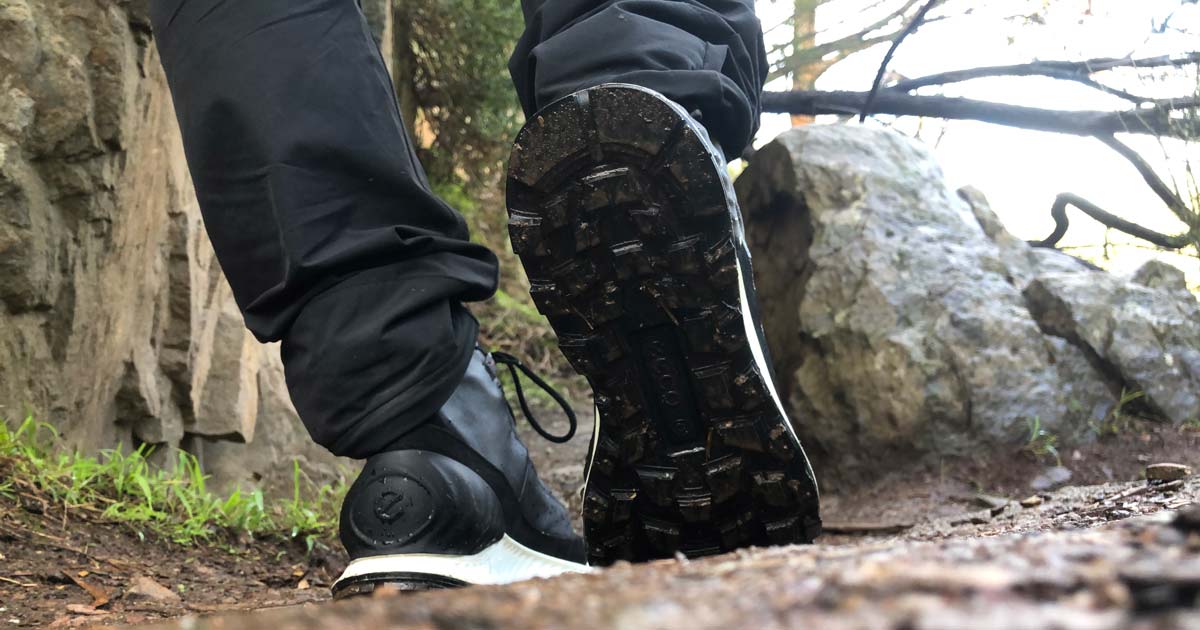
Progress to short hikes
Once boots feel acceptable on flat ground, move to short hikes on easy terrain. Keep distances modest and conditions predictable.
Early hikes should:
- be close to home or an easy exit
- include gentle inclines and declines
- last long enough to expose friction, but not long enough to cause damage
If discomfort appears early, stop and reassess. Do not push through pain to “speed things up”.

Use the right socks
Socks play a major role in comfort and blister prevention. Breaking boots in with different socks than you hike in often leads to surprises later.
Choose socks that:
- wick moisture and dry quickly
- provide light cushioning without crowding the boot
- match the thickness you will use on real hikes
Avoid cotton socks, which hold moisture and increase friction. If you want a deeper look at sock systems and layering, see choosing and layering socks.
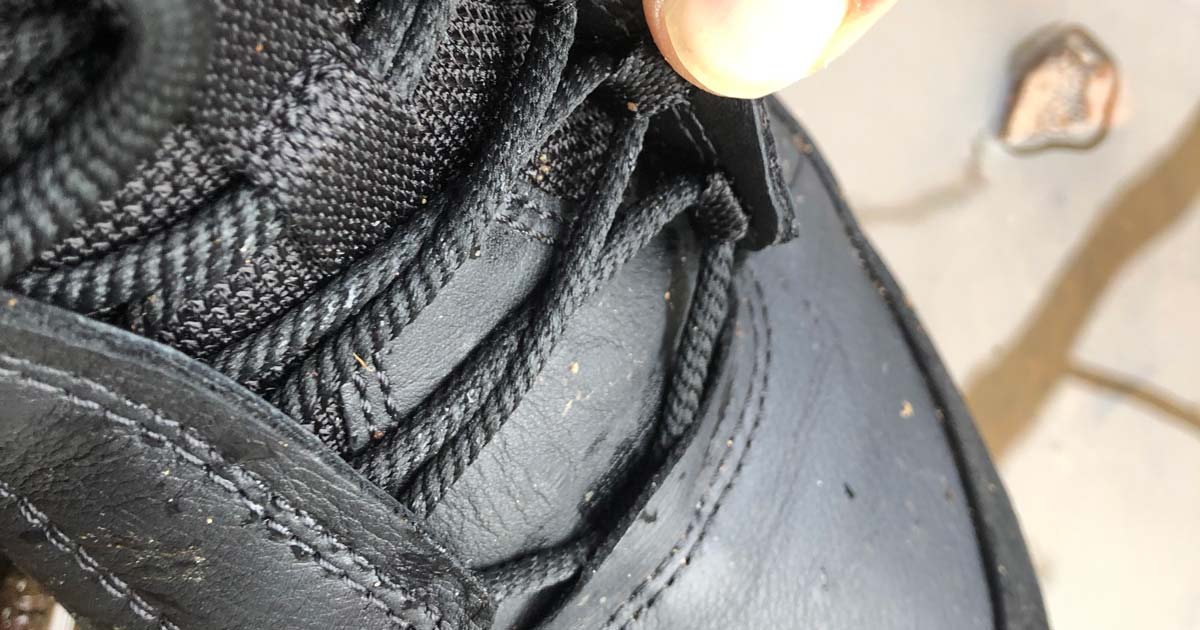
Adjust fit and lacing early
Many comfort issues are caused by poor lacing rather than poor boots. Adjusting tension can often eliminate heel lift, toe pressure, or midfoot hot spots.
During break-in:
- lace firmly enough to stop foot movement, without cutting circulation
- re-lace as conditions change, especially before long descents
- address hot spots immediately using tape, padding, or trekkers wool
If you are unsure where to start, see how to lace up your hiking boots.
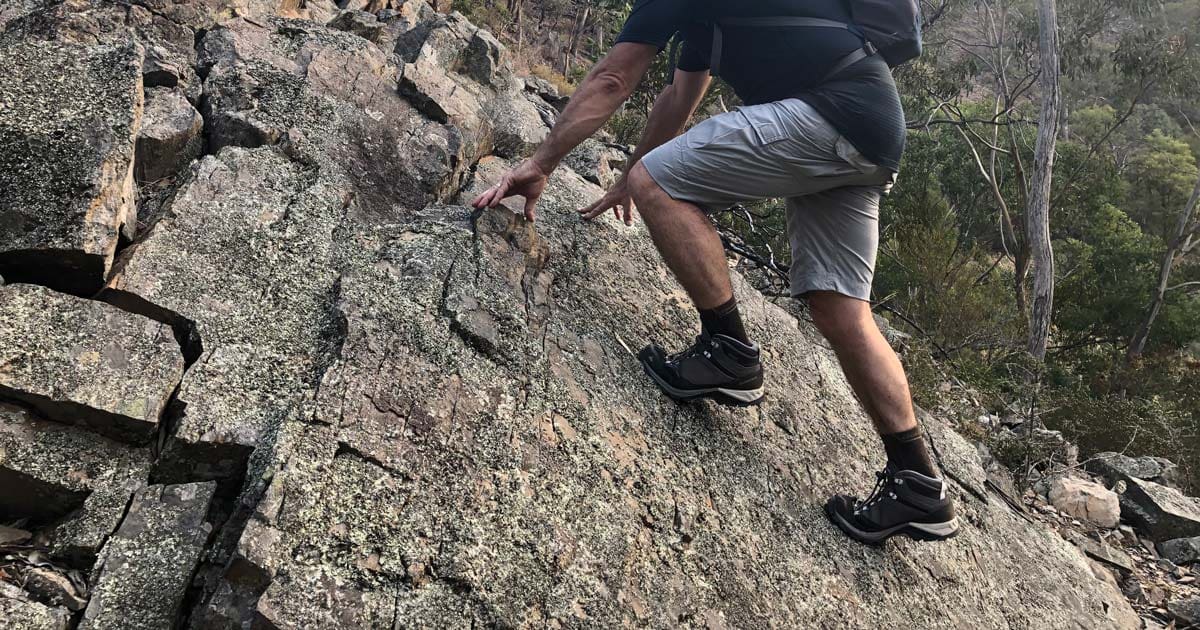
Test them on steeper terrain
Once boots feel acceptable on easy ground, introduce steeper terrain and uneven surfaces. This is where many fit problems reveal themselves.
Pay attention to:
- heel lift on climbs
- toe pressure on descents
- side-to-side movement on uneven ground
These issues are easier to fix early through lacing, sock changes, or fit adjustments than on a long trip.
Keep boots clean and dry
Breaking in works best when materials stay healthy. Dirt, grit, and poor drying can stiffen leather and damage linings.
After each walk:
- brush off dirt and mud
- rinse with clean water if needed
- air dry slowly away from direct heat
Good maintenance during break-in helps boots soften evenly and last longer. For full care guidance, see choosing and caring for hiking boots.
Know when to stop
If repeated short walks cause the same painful pressure points, do not assume more time will fix the problem. Boots should become more predictable and comfortable, not progressively worse.
Common signs a boot may be wrong for you include:
- persistent toe bang despite lacing changes
- hot spots in the same place every walk
- numbness or sharp pressure
Addressing fit issues early saves feet, time, and frustration.
I take break-in as a chance to prepare a boot properly, not to prove I can push through discomfort. Short, controlled use lets materials settle and gives you time to refine fit and lacing before it matters. If boots feel comfortable and predictable close to home, they are far more likely to stay comfortable when the terrain, weather, and fatigue increase.




Chris Wells Melissa Hehir Sylvia Hookey Keith’nYvonne Muller
What’s your go-to method for breaking in new hiking boots—do you have any tried-and-true tips to avoid blisters? I’ve been happy with some boots but not others.
Trail Hiking Australia I’ve always found with good boots you hardly need to ‘break them in’ – I just start wearing them and going on walks..Maybe I have magic feet but have never found it an issue.
Simon de Bruyn totally agree. It’s important to get the right boots that suit you. I’ve had plenty of footwear I’ve worn right out of the box without issue. I’ve also had boots that have taken many hikes to soften and break in.
What I have heard and experienced as well, hiking boots made of modern synthetic materials do not require the same extensive break-in period as traditional leather boots.
I have bought Hoka Trail runners twice and Oboz hiking boots twice; none of them needed any wearing in. Depends on your feet and your chosen footwear I guess.
Julie Fidler totally does I think. I’ve worn boots right out of the box, without issue. Others have still given me trouble after months of use. Different footwear suits different feet.
Trail Hiking Australia
Same , i have had two pairs of speed goats and neither needed to be worn in. Neither did my snake boots.
Old school leather boots would actually mould to
your foot shape, and soaking in warm water then lacing up tight with thick socks could help
get the shape.
Modern lined boots don’t tend to change shape as much, so for me it’s about the shape the manufacturer makes. Fit and foot shape can be easy or hard.
Lastly fresh feet can be soft so wearing boots in slowly incremental time periods can help build resilience rather than catastrophic skin blisters.
Darren Hocking great tips.
Can you do a post on the importance of keeping feet dry to prevent blisters? People always say it’s boots, socks, etc but dry feet prevents chafing therefore blisters. I get it – so many posts on hiking websites everywhere focus on gear because that drives revenue. I’m a realist about that not a cynic. But there’s some great practical solutions to things that can’t always be solved by just gear.
Simon de Bruyn here you go. It’s on my website. I don’t focus on gear because of revenue as I don’t get any revenue from it. I post about gear along with a heap of other topics because it’s useful. https://www.trailhiking.com.au/health-and-hygiene/wet-feet-warm-feet-essential-foot-care-for-hikers/