Why carrying a torch is essential for hiking safety
Most hikers remember to pack the obvious things: food, water, and appropriate gear.
One item that is still underestimated, particularly on day walks, is a torch.
I’d guess that’s because a torch feels like something you’d only need if you were staying out overnight, and most day walks aren’t planned that way. But a torch isn’t really about whether you intended to be out after dark, it’s about what happens when the day doesn’t go the way you planned it, and that happens more often than people expect. Even on short, well marked trails, delays creep in: weather changes, someone in the group is slower than expected, a track that looked obvious on the map is harder to follow once the light starts to go. A torch is what keeps your options open when any of that happens, so I count it as a core safety item, not an overnight extra.
Why delays catch people out
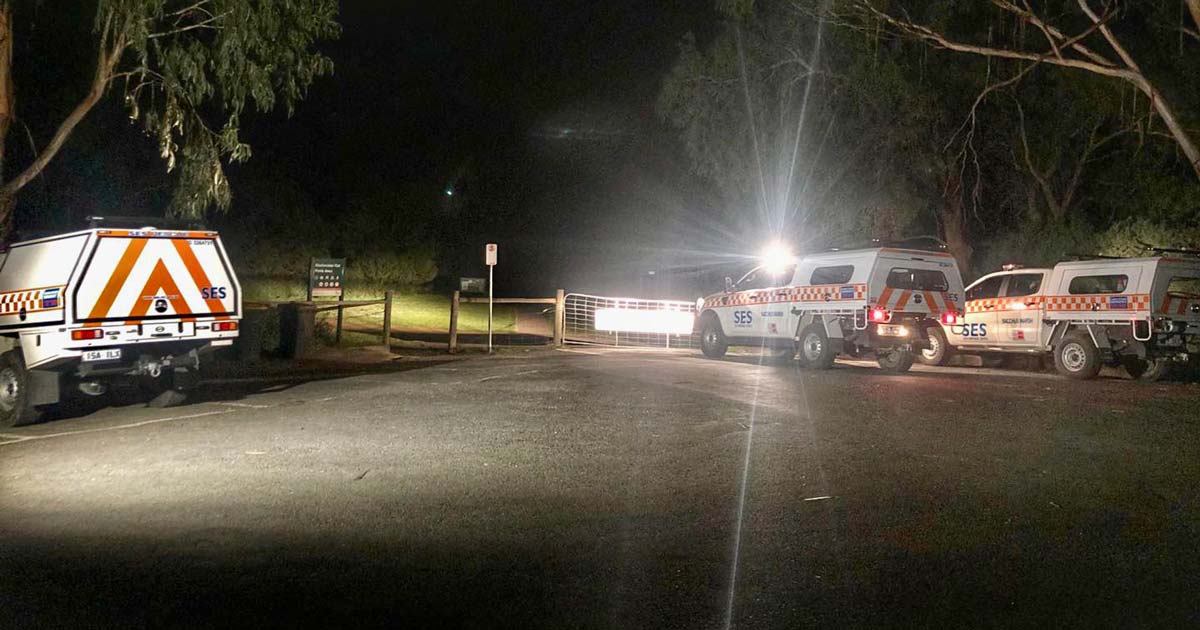
Darkness closing in on a hike isn’t usually a single failure, it’s a handful of small things adding up: a slower group member, a navigational error, unexpected terrain, injury, or just a later start than planned. Any one of those on its own is manageable. Stack a couple together and you can be on the track well past the point where you expected to be back, which is exactly why many search and rescue callouts occur because people underestimated how long a hike would take and were caught without lighting.
Carrying a torch means that if this happens to you, you can keep moving safely rather than becoming stranded, which is the difference between a manageable situation and one that escalates into an emergency.
Seeing the trail, and seeing where you are
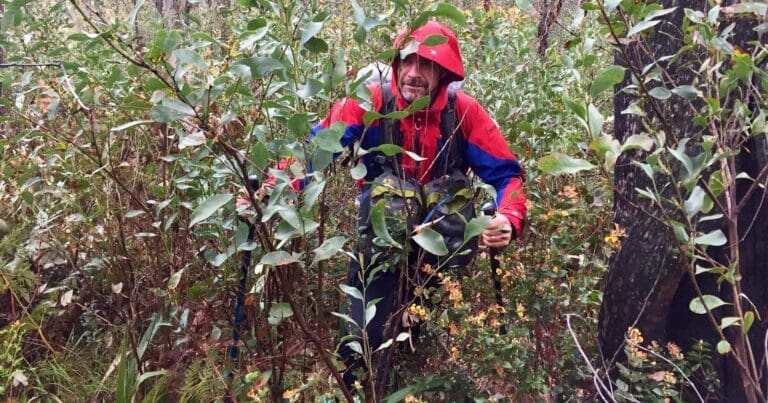
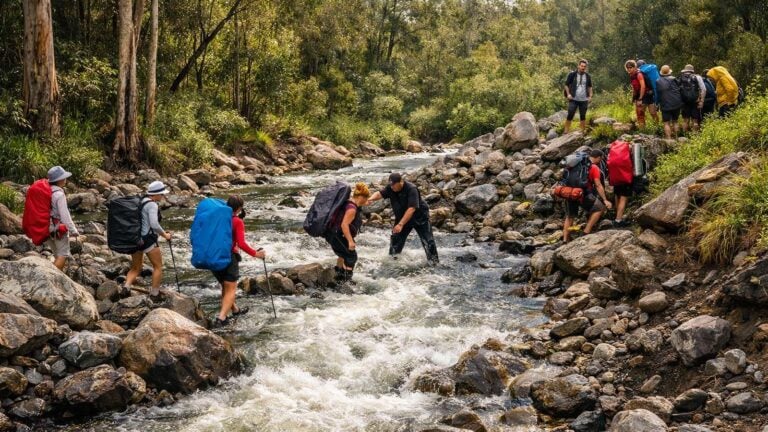
Once the light starts to fade, two separate problems show up at the same time, and a torch is what deals with both of them. The first is the ground itself: uneven ground, loose rock, tree roots, creek crossings, and steep descents all become significantly more hazardous in low light, because a torch is what gives you back the depth perception to identify a trip hazard before you step onto it. That matters most on technical terrain, where a simple stumble can result in a serious fall. It isn’t only about how late in the day it is either. Even heavily forested sections of track can become dim long before sunset, so shaded gullies, dense canopy, and sudden weather changes can all leave you with less light than you expected.
The second problem is knowing where you actually are, and it’s connected to the first because it comes from the same loss of visibility. If you’re navigating with a map and compass, or following trail markers, reduced visibility makes everything harder. A torch allows you to read maps, confirm bearings, identify trail markers, and check your surroundings properly. In situations where people become disoriented, the problem is often not total darkness but poor contrast and fading light. If you’re unsure of your location, that’s the moment to refer to your navigation system and make a deliberate decision rather than a rushed one. Light buys you time to think clearly instead of pushing on because you can’t see well enough to stop and check.
If it comes to being found
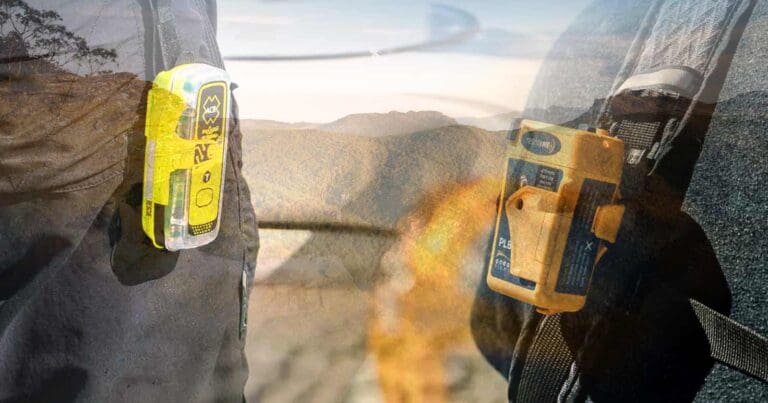
If the delay gets bad enough that you’re genuinely lost or overdue, the torch’s job changes from helping you see to helping someone else see you. A torch is also a useful signalling tool, and light can be an effective way to attract attention at night. A recognised distress pattern is three consecutive flashes, regularly spaced and repeated at intervals. If you know Morse code, SOS can also be signalled as three short flashes, three long flashes and three short flashes. In a rescue situation, any deliberate, repeated use of light may help searchers locate you.
If you’re waiting for assistance, conserve battery power. Use light deliberately and listen between signals.
The tasks you still have to do
Whether you’re waiting to be found or you’ve simply decided to camp because the day ran long, you still need to function once you’ve stopped moving, and that’s where a torch earns its keep in a much less dramatic way. For overnight hikers, a torch is fundamental for safe camp setup: it allows you to pitch your tent, cook, manage gear, and move around camp without unnecessary risk, because slips and minor injuries frequently occur during routine tasks in poor light. Even on day walks, a torch is useful for reading equipment, checking first aid supplies, or managing minor issues without relying on a phone screen.
The same low light that makes camp tasks harder is also when wildlife tends to be more active. In Australia, many animals are more active at dawn, dusk, and during the night, so a torch allows you to scan ahead and avoid stepping close to wildlife unexpectedly. Seeing eye reflection or movement early gives you time to adjust your route calmly and safely.
Why it has to be a torch, not your phone
It’s tempting to treat your phone’s light as good enough, but mobile phone lights are not substitutes for a proper torch. Phone batteries drain quickly, especially when used for navigation, photography, or communication, and in an emergency, preserving phone battery for calls to 000 or activating a communication device may be critical, so using it as your main light source works against you exactly when it matters most. A dedicated torch with fresh batteries or a fully charged rechargeable headlamp provides redundancy within your safety system. Many hikers rely on lightweight, reliable headlamps designed for outdoor use, such as those found in the NITECORE headlamp range.
Part of a broader safety system
None of this works in isolation. A torch is one of the core safety items every hiker should carry, regardless of trip length, and it complements good planning, realistic time estimates, and conservative decision-making. Before leaving home, ensure someone knows your plans, check conditions, and pack deliberately.
A torch weighs little, takes up minimal space, and can prevent a simple delay from turning into a rescue situation. Carry one every time, even on trips where you’re confident you won’t need it, because the whole point of carrying it is that you can’t know in advance which day will be the one that runs long.



Absolutely. I always carry one in my pack, you never know when it’ll be needed. Better to be safe than calling for help
What’s your go-to torch for hiking, and have you ever had a close call where it really saved the day?
I❤️Petzl or Black Diamond head torch options.
I once got caught on a ridge top of West Macs, as I went up and stayed for sunset without a torch. I used up all my camera battery using the flash to illuminate my way. No phone either
Darren Hocking lucky you had your camera. Would have been a challenge using the flash. I’m sure the sunset was spectacular though.
💯
I’ve had a number of experiences where a torch did, or would have, come in handy. Like the time I was climbing up a ridge in PNG and had to rely on the next flash of lightning to make any progress.
Nowadays, I wouldn’t go bush without a head torch, but I also carry a tiny torch in every bag, along with spare batteries, and won’t leave home without one. These things go by ‘Portable Mini Penlight Q5 1000LM LED Flashlight Torch Pocket Tactical’ or the like on eBay. They are very bright, seem sturdy, run on one AAA battery, weigh 31g (including the battery and pocket clip), and cost under $7.