Pasta-based meals are reliable, high-carbohydrate dinners that rehydrate well on overnight and multi day hikes. When properly dried, they provide compact energy with flexible flavour options.
This version focuses on safe dehydration of starches, practical storage limits and efficient trail rehydration.
Why this meal works for hiking
- Carbohydrate foundation: Pasta delivers steady energy for recovery after long days.
- Flexible protein options: Can be vegetarian or paired with dehydrated lean meat.
- Efficient weight reduction: Removing cooking water significantly reduces carried weight.
- Customisable energy density: Fats can be added at camp rather than stored in the meal.
In an 800–900 g daily food model, this functions as a primary dinner. In lighter 500–600 g systems, additional fats such as olive oil or cheese may be added at camp to improve calorie density.
Estimated weight and energy per serve
Approximate dry weight per serve: 140–180 g
Estimated calories per serve: 550–750 kcal (before added oil)
Rehydration water required: 300–400 ml
Because pasta absorbs significant water during rehydration, include this cooking water in your daily camp hydration plan.
Ingredients (serves 4)
- 250 g quick-cook pasta (small shapes such as macaroni, shells or spirals)
- 1 cup dehydrated mixed vegetables (peas, carrot, capsicum, corn)
- ½ cup dehydrated mushrooms
- ¼ cup dehydrated onion
- ¼ cup tomato powder (see note below)
- 2 teaspoons dried basil
- 2 teaspoons dried oregano
- 1 teaspoon garlic powder
- Salt and black pepper to taste
Optional protein (pack separately if long storage):
- Dehydrated lean ground beef
- Chopped jerky
Optional fat added at camp:
- Olive oil sachet
- Hard cheese (short trips only)
Tomato powder note
Spread plain tomato sauce thinly on non-stick dehydrator sheets and dry at 55–60°C until brittle. Blend into powder once fully dry. Avoid oily sauces, as fat reduces shelf stability.
Preparation and pre-cooking
- Cook pasta until just underdone (al dente). Overcooking results in clumping during dehydration.
- Drain thoroughly and rinse lightly to remove surface starch.
- Allow pasta to cool completely before drying.
Dehydrating
Spread pasta in a single layer on dehydrator trays. Avoid clumping.
Temperature: 55–60°C
Time: 6–10 hours
Stir or separate pieces midway through drying. Pasta should be hard and dry, not leathery.
Dry vegetables and mushrooms separately if not already dehydrated.
Conditioning
After drying, cool completely and loosely store in a jar for 5–7 days. Shake daily. If condensation forms, return to dehydrator.
Assembling the meal
Combine dried pasta, vegetables, tomato powder and seasonings in serving portions.
If including meat, ensure it has been safely dehydrated according to proper meat guidelines and stored separately if planning long-term storage.
Storage and shelf life
Because this recipe contains cooked starch, storage stability depends on complete drying and cool storage.
- Room temperature: up to 2–4 weeks in cool, dry conditions
- Refrigerated: up to 2–3 months
- Frozen: up to 6 months
Avoid incorporating oil or cheese into the dehydrated mix prior to storage. Fat does not dehydrate and will shorten shelf life through oxidation.
Discard immediately if any off smell, mould or visible moisture appears.
Rehydrating on the trail
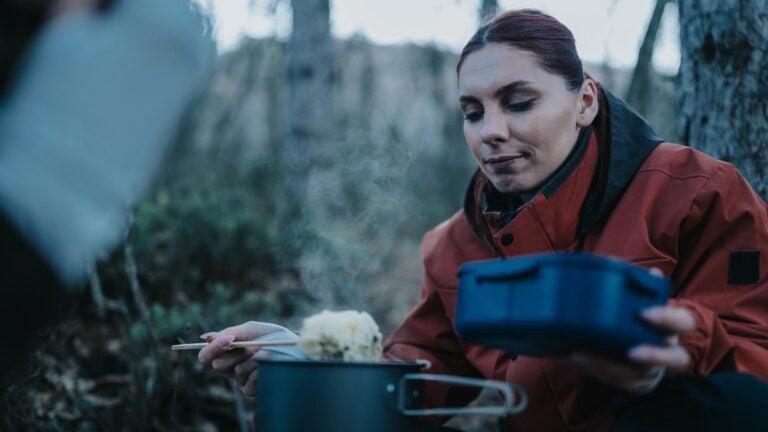
- Add one serve to a pot or insulated container.
- Add 350 ml boiling water.
- Stir thoroughly and cover.
- Allow to stand 10–15 minutes, stirring once midway.
- Add olive oil or cheese at camp to increase calorie density.
Using a pot cosy improves heat retention and reduces fuel use.
Energy density considerations
Pasta provides reliable carbohydrate energy but moderate calories per gram compared with high-fat foods. For high-output days, pairing this meal with added fats improves overall efficiency within a lightweight food plan.
How this fits into the Hiking Safety Systems
This recipe sits within the Hydration and Fuel system of the Trail Hiking Australia Hiking Safety Systems framework. It affects pack weight, water demand and fuel margins. Proper drying and fat management reduce spoilage risk, while deliberate water planning maintains hydration resilience across multi day trips.




Do you make your own dehydrated meals? What’s your favourite?
What’s your go-to tip for making dehydrated meals taste even better on a hike? Any secret spices or tricks you’ve learned?