Dehydrating meat for hiking is primarily a way to create high-protein, shelf-stable snacks that need no cooking on the trail. I carry jerky on most multi day trips for exactly this reason.
Unlike dehydrated vegetables, which function mainly as camp meal additions, dried meat operates as a moving fuel source. Jerky provides compact protein and moderate fat that you can eat while walking, which makes it useful on long days when steady intake matters.
I’ll say this plainly, because it’s the part people skip past: meat dehydration carries significantly higher food safety risk than fruit or vegetables. Proper heat treatment before drying is essential. Drying alone does not reliably destroy harmful bacteria, and no amount of careful slicing or good marinade makes up for skipping that step.
Why dehydrate meat for hiking?
- High protein content supports muscle repair
- Compact and durable when properly prepared
- No cooking water required on the trail
- Improves satiety when paired with carbohydrate snacks
Jerky complements carbohydrate-based snacks by stabilising appetite and helping maintain energy consistency over extended efforts.
Choosing the right meat
Use lean whole-muscle cuts such as:
- Beef round or rump
- Pork loin
- Venison
- Chicken breast
Trim all visible fat before slicing. Fat doesn’t dehydrate and can turn rancid at ambient temperatures, significantly cutting shelf life.
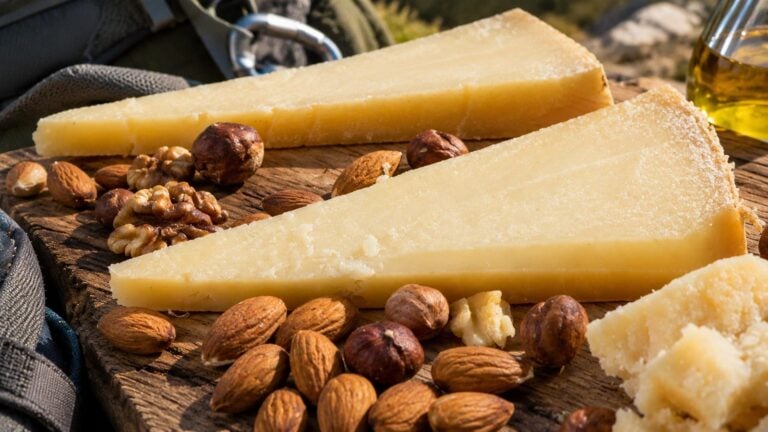
This trimming is a safety requirement, not a calorie-saving measure. Fat provides approximately 9 kcal per gram compared with 4 kcal per gram for protein. Because visible animal fat is removed for stability, I make up that lost energy density elsewhere in the food plan by pairing jerky with high-fat plant sources such as macadamias, walnuts or olive oil–based snacks.
Whole-muscle cuts are preferred over ground meat for home processing, because they dry more evenly and carry lower contamination risk.
Preparation and slicing
Partially freeze meat for 1–2 hours before slicing. This firms the structure, giving you more consistent 6 mm cuts and reducing the risk of the knife slipping.
Slice no more than 6 mm thick.
For tender jerky, slice across the grain. For a firmer texture, slice with the grain.
Critical food safety principles
Simply marinating and drying meat is not sufficient to kill pathogens. Bacteria such as Salmonella and E. coli can survive low-temperature drying, which is the point most home jerky recipes get wrong.
Meat must be heated to a safe internal temperature before or during dehydration.
- Heat beef, pork and game to at least 71°C internal (or 70°C held for a minimum of 2 minutes)
- Heat poultry to at least 75°C
Use a calibrated digital probe thermometer to verify internal temperatures before the drying phase begins. Temperature assumptions aren’t adequate, and I don’t trust a recipe’s stated cooking time as a substitute for actually checking with a probe.
The most reliable home method is to precook sliced meat in a boiling marinade before drying. Alternatively, oven-heating strips to a safe internal temperature before dehydration achieves the same result.
Drying removes moisture but doesn’t instantly sterilise the interior of meat. Without adequate pre-heating, bacteria can remain dormant and become active again when moisture conditions change.
Don’t rely on low-temperature smoking alone to achieve food safety.
Marinating and curing
Marinades add flavour and may include:
- Soy sauce
- Worcestershire sauce
- Garlic and pepper
- Sugar or honey
- Spice blends
Salt improves flavour and reduces water activity, slowing bacterial growth.
Nitrite curing salts may be used to improve colour stability and inhibit bacterial growth. Whether you need them depends on what you’re actually planning to do with the jerky. Nitrite curing salts are optional for jerky eaten within a week or two, but become more important for jerky intended for long-term ambient storage, weeks to months, for jerky made from ground or minced meat, or where a validated internal-temperature kill step can’t be confirmed. If I’m not certain the heat treatment has been done properly, I use curing salts regardless of how soon the jerky will be eaten.
Follow manufacturer instructions precisely when using curing salts. Excessive amounts can create health risks.
Always marinate meat under refrigeration.
Drying temperatures
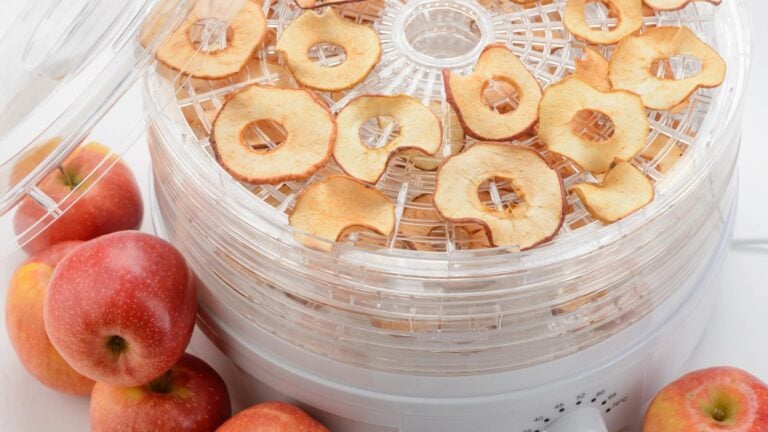
Dry meat at 60–65°C in a food dehydrator until properly dried.
Finished jerky should:
- Crack when bent but not snap in half
- Show no moist or soft interior spots
- Feel dry but slightly pliable
Allow it to cool before testing.
Moisture management and trail storage
Salt is hygroscopic and draws moisture from the air and surrounding foods. Residual moisture in jerky can migrate within shared snack bags.
Store jerky in its own dedicated airtight zip-lock bag within your snack system. This stops nuts or dried fruit from becoming salty, damp or texturally degraded over a multi-day trip.
Storage and shelf life
Allow jerky to cool completely before packaging. Store in airtight containers in a cool, dark location.
- Refrigerate if storing longer than two weeks
- Freeze for extended storage
- Use home-dried jerky within two months
If mould, off odour or surface moisture appears, discard it immediately. Don’t talk yourself into eating it anyway because it took an evening to make.
Wild game considerations
Wild game carries additional contamination risk depending on field dressing and cooling practices. Carcasses aren’t always rapidly chilled, which increases bacterial load.
Take extra care with temperature verification when dehydrating venison or other wild meats.
Energy density and trail application
Drying removes water but doesn’t increase fat content. Jerky provides moderate calorie density compared with high-fat foods such as nuts or oils.
In an 800–900 gram daily food plan, jerky contributes protein balance and texture diversity. In lower-weight strategies such as 500–600 grams per day, it should be paired with higher-fat foods to maintain overall energy density.
Jerky functions best as a moving fuel component rather than a camp meal base.
Dehydrating meat is really about controlled protein delivery and shelf stability. Done properly, jerky improves dietary balance and satiety on long days. Done carelessly, it’s one of the highest food safety risks in lightweight planning, and it’s the one part of my food prep where I won’t cut corners for the sake of saving time.