Food planning is part of preparation, not an afterthought. On short walks, food is mostly about comfort. On longer or multi day hikes, it becomes a logistical and safety consideration, because energy intake influences pace, coordination, recovery between days, and decision making under fatigue. I plan food differently depending on which of those two situations I’m actually in, and conflating them is where a lot of people go wrong.
The amount, type, and structure of food you carry should reflect the duration, terrain, and environmental conditions of the trip.
Energy requirements on the trail
A day spent hiking typically burns significantly more energy than a day at home. Pack weight, elevation gain, temperature extremes, and uneven terrain all push demand up.
On longer hikes, inadequate intake can lead to:
- Reduced pace
- Poor concentration
- Increased stumble risk
- Slower overnight recovery
- Compromised judgement late in the day
As a broad guide for multi day hikes, many walkers carry approximately 700 grams to 1 kilogram of food per person per day. The lower end of that range generally requires higher energy density foods.
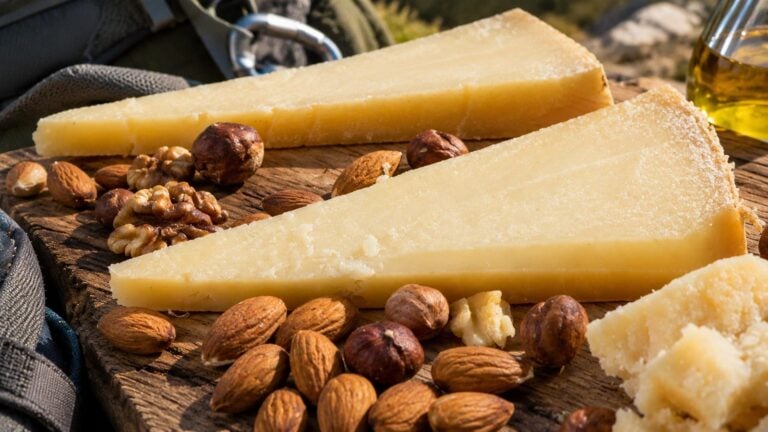
Fat is the lever. Gram for gram, fat provides more than double the energy of carbohydrate or protein. Nuts, seeds, nut butters, cheese, and oils can significantly increase caloric density without pushing pack weight up much.
Exact requirements vary with body size, route difficulty, and environmental exposure, and I’d rather carry slightly more than cut it fine on a trip where resupply isn’t an option.
Food for day hikes
Day hikes call for simple, ready-to-eat food: portable snacks, minimal preparation, and regular intake. Trail mix, nuts and dried fruit, muesli or energy bars, crackers and cheese, wraps, and fresh fruit that travels well all work. I’ve gone into more detail on what actually holds up over a full day of walking, and what doesn’t, in the hiking snacks guide and the piece on why regular snacking beats three big meals.
One thing worth flagging here: bread often compresses into an unappealing mass by midday, while tortillas and wraps are far more crush resistant and tolerate being sat on in a pack. Even on short walks, I carry a small surplus snack in case of delay.
Food for overnight and multi day hikes
Overnight and multi day hikes need more structured planning. You’re weighing total calorie needs, weight and pack volume, cooking method, water availability, digestive tolerance, and menu variety all at once.
Dinner typically becomes the primary recovery meal. A generous serving of carbohydrate combined with fat and some protein supports glycogen restoration and muscle repair for the next day. Fresh ingredients might be feasible on the first day but get less practical as the trip goes on, which is really the whole reason dehydrated and freeze-dried options exist.
The extra day rule
For any overnight or remote trip, carry one extra day of simple, no cook emergency rations. Weather can deteriorate. River levels can rise. Navigation errors happen. Equipment can fail. An additional day’s supply of high density, ready-to-eat food gives you a safety margin for unexpected delays, and it should sit untouched in the bottom of the pack unless it’s genuinely needed.
Food planning isn’t only about planned mileage. It’s about contingency, and this is the one part of my food kit I’ve never regretted carrying, even on the trips where I didn’t need it.
Menu structure across the day
A simple structure works for most hikers: a carbohydrate-focused breakfast, a durable low-prep lunch, a dehydrated or freeze-dried dinner with added protein, and regular small snacks through the day to stabilise energy. I’ve written up what actually works well for each of these separately, since there’s more to say than fits here: breakfast ideas, lunch ideas, and dinner ideas.
Variety across those categories reduces appetite fatigue and supports consistent intake over multiple days, which matters more than people expect once they’re a few days into a trip and everything starts tasting the same.
Resupply and food drops
On long distance routes, carrying all your food from the start may not be practical. Resupply strategies can include commercial food drops, cache placement where it’s permitted, or buying supplies in towns along the route.
Always confirm resupply points are actually accessible, and that any cached food is protected from weather and pests. Assume wildlife will investigate poorly stored food, because in my experience it always finds a way to try.
Cooking considerations
Cooking systems influence food choice.
Freeze dried meals, dehydrated ingredients, and quick cooking grains reduce fuel use and preparation time, but leaning on a stove introduces dependency on equipment reliability and water availability. Cold soaking is possible for some foods but needs extra time and tolerance for a different texture. On longer routes, I’ve found efficiency usually wins out over culinary complexity.
Dehydrating your own food
Home dehydration gives you control over ingredients, portion size, and cost, and I’ve covered the planning side of that in detail in the guide to dehydrating your own hiking food. The short version: home-dehydrated food, particularly meat, often takes longer to rehydrate than commercial freeze-dried meals, and in cold conditions that can cost you fuel and waiting time. Test the rehydration time and texture at home before relying on a meal in remote conditions.
Food storage and wildlife
In many Australian hiking areas, wildlife actively seeks out human food. Possums, currawongs, and rodents can damage packs and tents chasing scent. Store food in robust, well sealed bags or containers, and avoid leaving it in open pack pockets or unattended inside tents.
Protecting your food supply protects your safety margin.
Foraging and wild food
Relying on wild food as a primary energy source isn’t appropriate for most hiking contexts. Plant identification errors can be serious, and edible species rarely give a meaningful caloric return for the effort involved.
Carry sufficient food. Don’t depend on foraging as part of your energy plan.
Leave No Trace and food management
All food packaging and scraps must be carried out.
Don’t burn packaging. Many wrappers contain foil or plastic linings that won’t burn cleanly and may release harmful fumes. Food scraps, including fruit peels and cores, shouldn’t be discarded either.
Pack it in, pack it out.
Planning deliberately
Food planning should match the demands of your hike. On short walks, it can be simple and flexible. On long or remote trips, it becomes structured and strategic.
Adequate intake supports stable energy, clear thinking, recovery between days, and reduced late day fatigue. The extra day rule strengthens your safety margin in much the same way as carrying spare insulation or backup navigation does, and it sits alongside the same Hydration and Fuel thinking that runs through the rest of my food planning. Food is not simply fuel. It’s preparation you’ve already done before you need it.





Sorry for the really delayed reply Hannah. I had taken the meal planner down but are working on a new one.