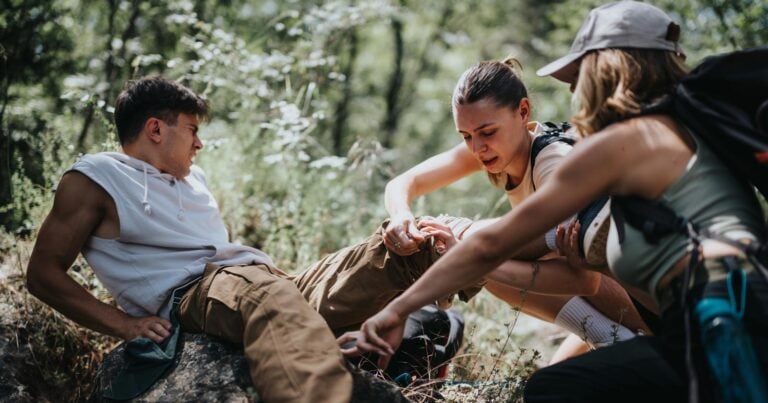
What hiking with kids really involves
Hiking with kids can be one of the most rewarding ways to spend time outdoors as a family, but it comes with tighter margins and greater responsibility than hiking solo or with adults. Decisions that feel minor on an adult walk can have much bigger consequences when children are involved.
This guide explains what changes when you bring kids onto the trail. It focuses on planning, decision-making, and shared responsibility, rather than entertainment or motivation. The goal is not to push boundaries, but to help families make conservative, informed choices that keep hiking enjoyable and safe over the long term.
This page acts as the starting point for a series of guides that cover suitability, planning, safety, gear, and progression as children grow more capable.
Hiking with kids is not a different activity, but it has lower margins
At its core, hiking with kids is still hiking. The terrain, weather, navigation, and physical demands are the same. What changes is how much tolerance there is for error. Children tire faster, regulate temperature less effectively, and rely on adults to recognise problems early. This means turnaround decisions need to be made sooner, pacing needs to be slower, and plans need to include wider buffers for time, energy, and conditions.
Good family hikes are built around conservative choices, not ambition.
Responsibility does not disappear in a family group
When hiking with kids, adults carry full responsibility for route choice, timing, safety decisions, and supervision. Children can be involved in decisions and learning, but they cannot be expected to manage risk on their own.
This includes:
- choosing hikes that are appropriate for the least capable child
- monitoring weather, terrain, and daylight
- managing spacing and supervision near hazards
- recognising fatigue, hunger, or cold before they become problems
Shared responsibility grows gradually as children gain experience, but it never disappears entirely.
Planning matters more than motivation
Most family hiking problems do not come from a lack of enthusiasm. They come from poor planning. Distance alone is not a good measure of suitability. Terrain, exposure, track quality, escape options, and weather all matter more when kids are involved. Clear expectations around pace, breaks, and turnaround points reduce stress and help everyone enjoy the day. Planning well doesn’t make hikes rigid, it makes them flexible, because you have options when things change.
Building skills and judgement over time
One of the long-term benefits of hiking with kids is the opportunity to teach awareness, judgement, and respect for the outdoors. This happens gradually through experience, conversation, and example. Simple habits like stopping at junctions, paying attention to footing, watching weather changes, and carrying personal gear all help children become more capable hikers over time. The aim is not to rush independence, but to support it safely.
When family hiking works best
Hiking with kids works best when:
- the walk is chosen conservatively
- the pace suits the slowest child
- adults are prepared to turn back early
- safety decisions are prioritised over destinations
- kids are included, but not burdened, with responsibility
When these conditions are met, hiking becomes something families can enjoy together for many years, rather than a one-off challenge.