Balancing growing independence with ongoing responsibility
Hiking with older kids and teenagers introduces a different set of challenges. As children grow, they become stronger, faster, and more confident, but confidence often develops more quickly than judgement. Distraction, peer influence, and risk-taking can all affect decision making on the trail.
This guide focuses on how to manage that transition. It explains how to give older kids appropriate responsibility while maintaining clear boundaries, so family hikes remain safe, constructive, and enjoyable for everyone.
Expect pace mismatches and manage them deliberately
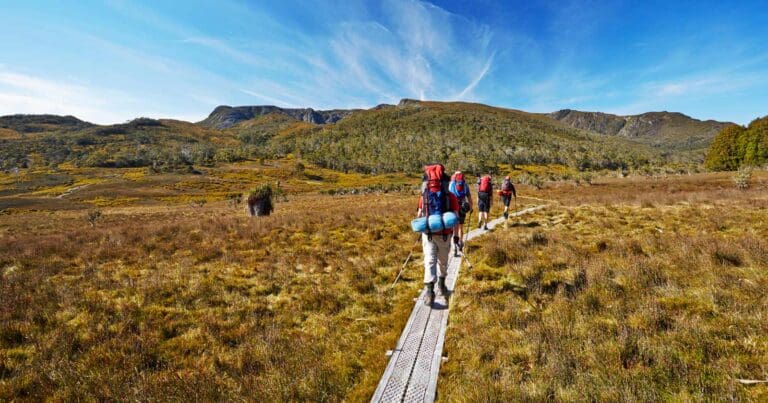
Teenagers often move faster than adults on flat ground but may fatigue quickly on climbs or in rough terrain. This can lead to groups stretching out, with kids moving ahead out of sight. Set clear expectations about spacing and regrouping. Faster walkers should wait at junctions and major features, not push on alone. Managing pace deliberately helps prevent separation and reduces the risk of missed turns or poor decisions.
Introduce responsibility in small, controlled steps
Older kids benefit from having a role, but responsibility should be introduced gradually and with supervision. This might include:
- helping navigate short sections
- checking maps or track signage
- carrying their own water and snacks
- watching weather changes or time
These tasks build awareness and confidence without transferring full responsibility too early.
Talk openly about risk and consequences
Teenagers are capable of understanding risk when it is explained clearly and honestly. Avoid vague warnings and instead discuss why certain rules exist, such as staying within sight or slowing down near hazards. Talking through real scenarios helps develop judgement and encourages teens to think ahead rather than react impulsively.
Manage distraction and social dynamics
Phones, headphones, and conversations can easily pull attention away from the track. Set expectations around when devices are appropriate and when awareness is required. Encourage regular check-ins and make it normal to speak up if someone feels unsure or uncomfortable. Creating a culture where communication is expected reduces the likelihood of mistakes going unnoticed.
Know when independence needs to pause
Even confident teenagers can have off days. Fatigue, stress, illness, or mood changes can affect judgement quickly. Be prepared to reduce responsibility, slow the pace, or turn back if conditions change. Independence on the trail isn’t fixed, it varies from day to day and hike to hike.
Use hiking to build long-term skills
When handled well, hiking with older kids becomes a powerful way to teach navigation, planning, and self-awareness. These skills develop through experience, reflection, and example, not through pushing limits. The aim is not to remove risk entirely, but to help young people recognise it and respond appropriately.