Hiking doesn’t have an off season, but it does have four different sets of conditions, and treating them all the same is how people get caught out. Spring wildflowers, summer heat, autumn leaf litter and winter ice each change what you need to carry, how you pace the day, and where the real risks sit. Get a feel for how each season shifts things and you can keep hiking through the year without the surprises.

Spring hiking considerations
Spring brings landscapes back to life with wildflowers, flowing creeks and fresh growth, but conditions can turn quickly. Rapidly changing weather and muddy or waterlogged trails are common after winter rain. Waterproof and breathable outer layers, extra clothing layers, and being ready for insects emerging in the warmer weather keep spring hikes comfortable and manageable.
Summer hiking and heat management
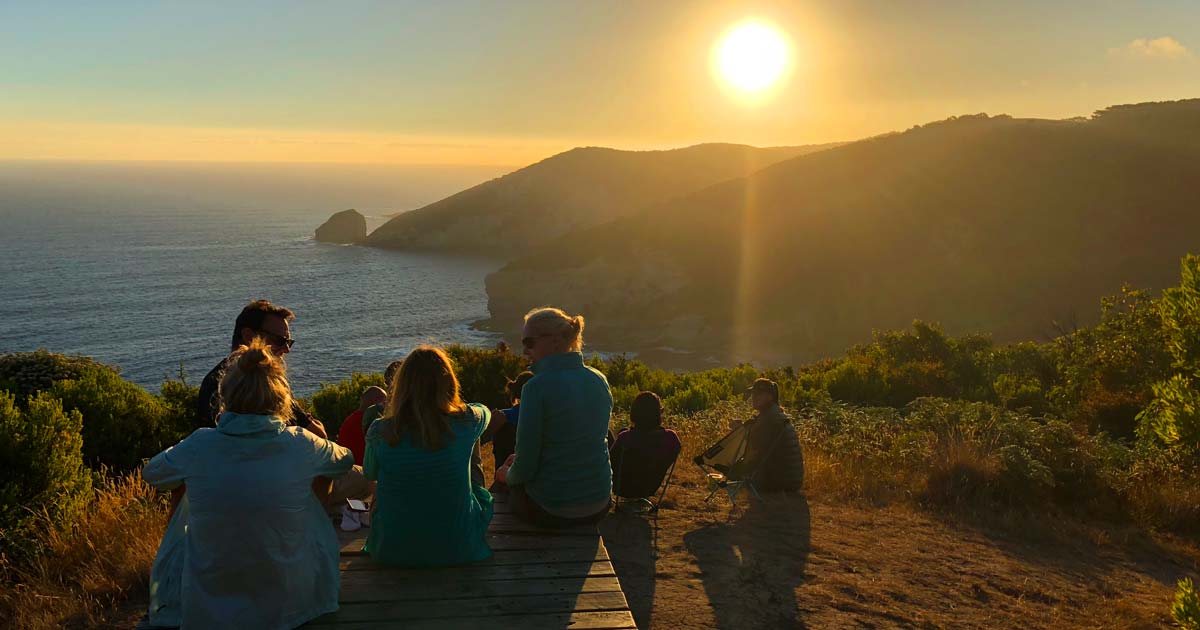
Summer gives you long daylight hours, but heat exposure and dehydration risk go up with it. Planning hikes for early morning or late afternoon reduces heat stress, and lightweight, moisture-wicking clothing helps regulate body temperature. Carry sufficient water, understand your hydration requirements, and know the early signs of heat exhaustion before you’re relying on recognising them under pressure. Sun protection, hats and sunscreen, should always be part of your summer kit, and bushfire risk is highest in summer and early autumn, so check fire danger ratings and total fire bans before you leave, and know your exit routes.
Summer heat deserves more than a paragraph here. Hiking in summer: start early to avoid peak heat and Tips for hiking in hot weather in Australia both go into the pacing, hydration and warning-sign detail that a proper summer hike demands.
Autumn trail conditions
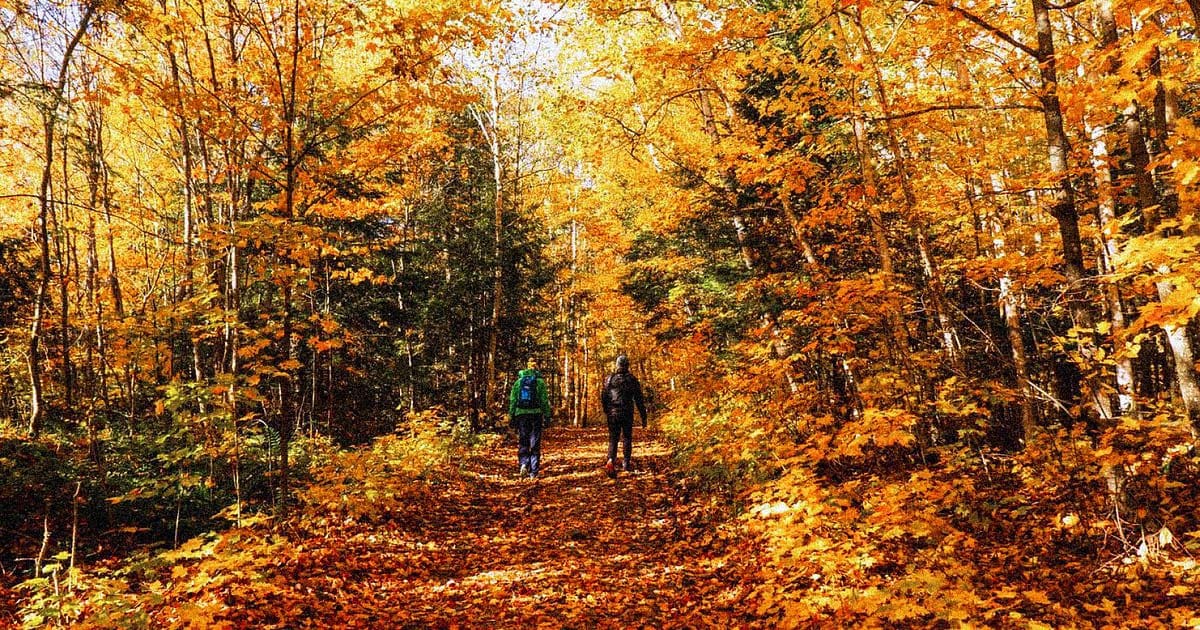
Autumn brings cooler temperatures and changing foliage, along with wet weather and surfaces made slippery by fallen leaves. Layer appropriately, carry rain-ready gear, and watch your footing, leaf-covered tracks hide uneven ground more than people expect. Daylight hours are shorter too, so pay closer attention to timing and turnaround points.
Winter hiking preparation
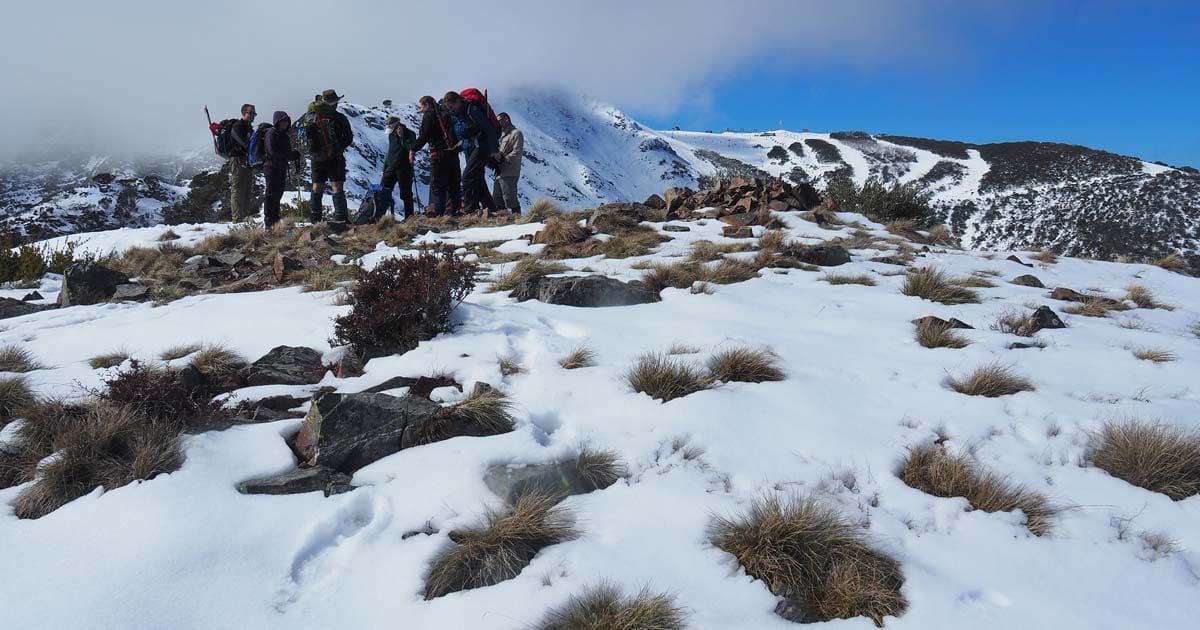
Winter asks for deliberate planning and conservative decisions. Cold temperatures, snow, ice and reduced daylight increase both technical difficulty and risk. Warm, moisture-managing layers, insulated waterproof footwear, and traction aids such as snowshoes or crampons may be necessary in alpine or snowy conditions, alongside monitoring weather conditions and leaving trip intentions with someone before you go.
Winter carries enough of its own risk to warrant its own guide. Hiking in Winter: A Guide for Australian Adventurers covers the planning and gear in full.
Seasonal access, closures, and wildlife
Trail access shifts through the year too. Weather damage, maintenance work, or wildlife activity such as breeding and nesting seasons can mean tracks may be closed or restricted at certain times. Ignoring a closure can damage fragile environments or put you at risk, so check conditions before you leave and follow whatever signage you find.
Essential gear and planning year-round
Whatever the season, essential hiking gear doesn’t change: navigation tools such as a map and compass or GPS, a first aid kit, a headlamp, adequate food and water, and an emergency device such as a PLB or satellite communicator. Checking forecasts and trail reports, and telling someone your plans before you leave, should be routine no matter what time of year it is.
Hike within your limits
Seasonal conditions change difficulty, exposure and fatigue, which makes honest self-assessment worth doing every time, not just once. Know your experience level, fitness and comfort with changing conditions, and let that guide your trail choice and turnaround decisions. If you’re new to hiking, or unfamiliar with what a particular season does to a trail, start with shorter, well-defined routes and build from there.
Every season rewards a bit of respect and punishes a bit of complacency. Match your gear and pacing to the conditions actually in front of you rather than the conditions you’d prefer, and there’s no real reason hiking should stop just because the calendar’s turned over.
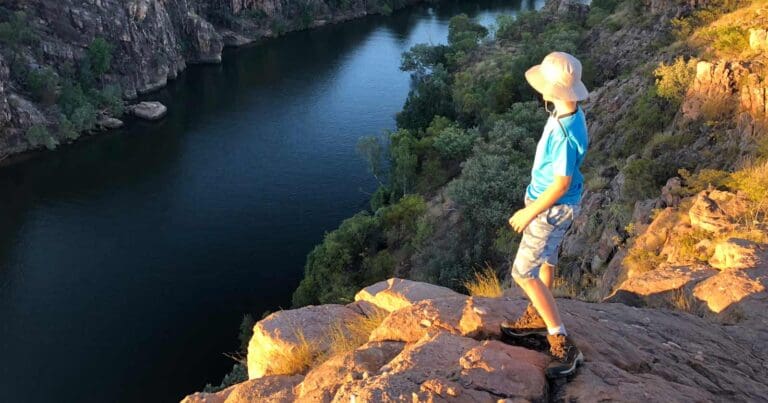
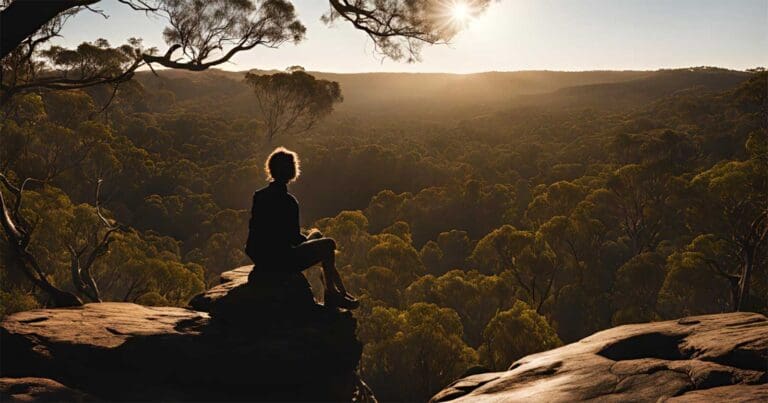
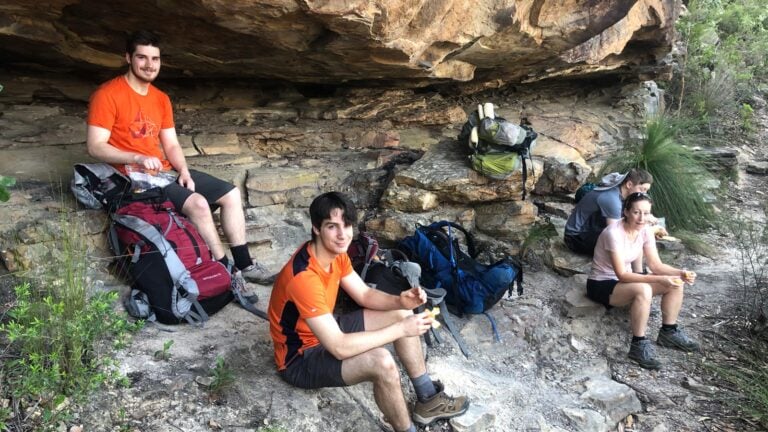




Hiking is for all seasons. What’s your favourite?
What’s your go-to gear for hiking in different seasons? Any tips for staying comfy in the heat or cold?