When you hike beyond mobile coverage, a satellite communicator adds a layer of contact that a phone cannot provide. Used well, it lets you send a simple check-in, explain delays, and escalate to SOS if a situation becomes serious.
This article compares several common satellite communicators and explains the practical differences that matter on Australian hikes, focusing on how these devices work, what they rely on, and what can fail, rather than on chasing features.
Choosing the right satellite communicator
What is a satellite communicator?
A satellite communicator is a small device that sends messages and location data via a satellite network. Most models can also trigger an SOS alert that connects you to an emergency response coordination centre. Satellite communicators generally fall into two functional categories.
One-way messaging
One-way devices send pre-set messages and SOS alerts but do not receive replies. They suit hikers who want a simple check-in option and a basic escalation pathway without managing two-way conversations.
Two-way messaging
Two-way devices let you send and receive messages. This can be useful when you need to clarify the situation, coordinate a non-urgent pickup, or provide detail during an SOS. Two-way capability does not guarantee rescue. It improves clarity and reduces uncertainty.
Why hikers choose a satellite communicator
A satellite communicator sits between a phone and a PLB in capability. A phone is convenient but depends on coverage. A PLB is a dedicated distress tool. A satellite communicator is designed for communication, situation management, and escalation. If you have not read it already, this article pairs well with: PLB or Satellite Communicator? Understanding redundancy, reliability, and rescue.
How SOS works in practice
When you trigger SOS, the device sends your GPS position and an emergency alert through its network to a response coordination centre. With two-way devices, you can usually exchange messages to confirm what is happening. This matters if you need to move from the initial location, if the injury changes, or if the group needs to communicate constraints. It is still your responsibility to decide when to escalate. If a situation is life-threatening or likely to become life-threatening, treat it as an emergency rather than waiting for perfect certainty.
Phone dependence and failure chains
Some satellite communicators are designed to work mostly through a smartphone app. Others can operate fully on the device, with a companion app as an option. If a device requires a phone for typing and messaging, you are adding a dependency. That may be acceptable, but it should be intentional. Phone dependency increases failure points: battery management, water damage, cold impact, and human error when stressed.
Subscriptions and real cost
Most satellite communicators require an activated service plan for messaging, tracking and SOS. Plans vary by message allowance, tracking intervals, minimum terms, activation costs and suspension arrangements. Before choosing a device, confirm not only the monthly price, but exactly what continues to work if the plan is suspended, cancelled or allowed to lapse.
Do not assume that a suspended device retains emergency capability. SPOT and ZOLEO disable SOS while their service is suspended. Some compatible Garmin inReach devices can retain SOS when placed on Garmin’s specific Suspend Plan, but this is a model- and account-specific exception. It does not apply to every inReach device, and a cancelled, deactivated or never-activated device cannot be relied upon for satellite SOS.
If you hike occasionally, a flexible or seasonal arrangement may suit better than maintaining full messaging services year-round. Confirm the status displayed for your particular device, synchronise it after any plan change, and test it before every remote trip.
Satellite networks: Iridium vs Globalstar
Most dedicated hiking satellite communicators use either the Iridium or Globalstar network. Iridium provides global coverage and is widely used for remote travel. Globalstar does not provide global coverage, but its current satellite-messenger coverage includes virtually all of Australia. Actual performance on either network can still be affected by terrain, vegetation and how clearly the device can see the sky. For most hikers, the practical decision is not simply which network is “better”, but whether the device provides reliable coverage in the places you intend to hike and whether its features and service plan suit the way you communicate.
Devices compared
The models below are common in Australia. Product features, plan structures, and pricing change, so treat any costs as indicative and confirm current details via the manufacturer.
Garmin inReach, SPOT and ZOLEO
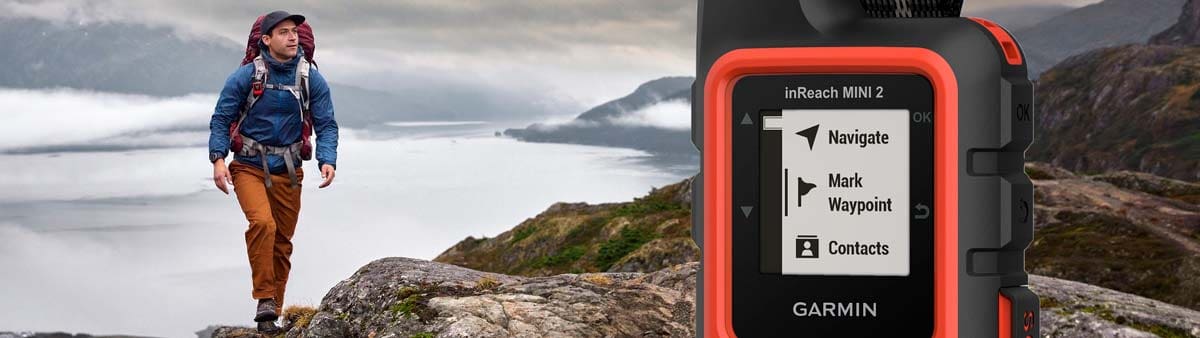
Garmin inReach® Mini 2
The inReach Mini 2 is a compact two-way communicator that prioritises messaging, tracking, and SOS, with optional integration through the Garmin Explore™ app. It is widely used because it combines a small form factor with two-way communication and strong ecosystem support.
Recommended Retail Price: $599
Activation and an eligible Garmin service plan required.
An activated Garmin inReach service plan is required for messaging, tracking, weather and normal satellite communication. The inReach Mini 2 is among the compatible devices that may retain SOS when correctly placed on Garmin’s specific Suspend Plan, although other communication features are disabled during suspension. Cancelling or deactivating the service disables SOS. Confirm the current plan conditions directly with Garmin before relying on the device.
Key features in hiking terms
- Two-way messaging for check-ins, delays, and clarifying situations.
- Interactive SOS through Garmin’s response coordination centre.
- Tracking for breadcrumb sharing and location updates.
- TracBack routing as a navigation support layer.
Battery and cold performance
The Mini 2 uses a rechargeable lithium battery. Battery life depends heavily on tracking interval, sky view, and temperature. Manage it like a critical device, not like a phone.
InReach weather
Weather can be useful for decisions, but it should not replace observation or planning. This sits alongside your broader weather awareness system.
App integration
The Garmin Explore™ ecosystem can support planning and positioning. Treat this as a navigation layer, not a guarantee. See navigation on the trail.
General specs
- DIMENSIONS: 51.7 x 99 x 26.1mm
- WEIGHT: 100g
- WATERPROOF: IPX7 (1m for up to 30 minutes)
- INTERFACE: USB-C

Garmin inReach® Mini
The original inReach Mini delivers similar core functionality, but with older hardware and a different battery profile. For many hikers, the decision is whether the newer model’s battery efficiency and features justify the price difference.
Recommended Retail Price: $599
Active satellite service required.
An active Garmin inReach service plan is required for messaging, tracking and SOS on the original inReach Mini. Do not assume that newer Garmin suspension arrangements apply to this older model. Confirm the device’s current service status and plan directly through your Garmin account before relying on it.
General specs
- DIMENSIONS: 51.7 x 99 x 26.1mm
- WEIGHT: 100g
- WATERPROOF: IPX7 (1m for up to 30 minutes)
- INTERFACE: micro USB
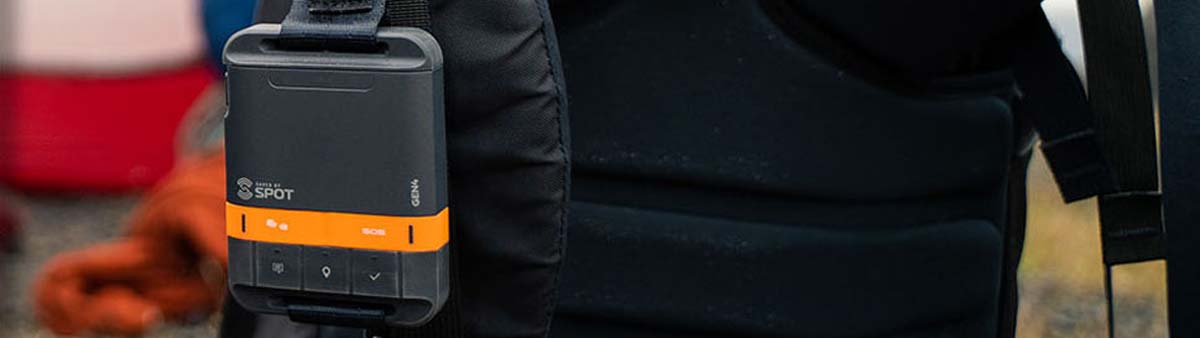
Spot Gen4
SPOT Gen4 is a lighter-weight option focused on check-ins, tracking, and SOS. Many hikers choose SPOT when they want basic outbound messaging without managing two-way conversations. It can be a reasonable choice when expectations are clear and the device is used exactly as intended.
Recommended Retail Price: $239
Active satellite subscription required for SOS.
SPOT Gen3 offers two different service subscription options. Choose between a 12 month contract plan or monthly flex plan. Check current plan pricing and inclusions before purchase.
Key features in hiking terms
- SOS for life-threatening emergencies.
- Check-in messages to confirm you are OK.
- Tracking for breadcrumb updates if enabled.
Battery approach
SPOT Gen4 uses AAA batteries rather than a built-in rechargeable battery. This can be an advantage for some hikers because you can carry spare lithium AAAs, but it also requires deliberate battery management and correct storage.
General specs
- DIMENSIONS: 23.6 x 67.6 x 88.3mm
- WEIGHT: 142g
- WATERPROOF: IP68
- INTERFACE: Micro USB (firmware and settings updates)
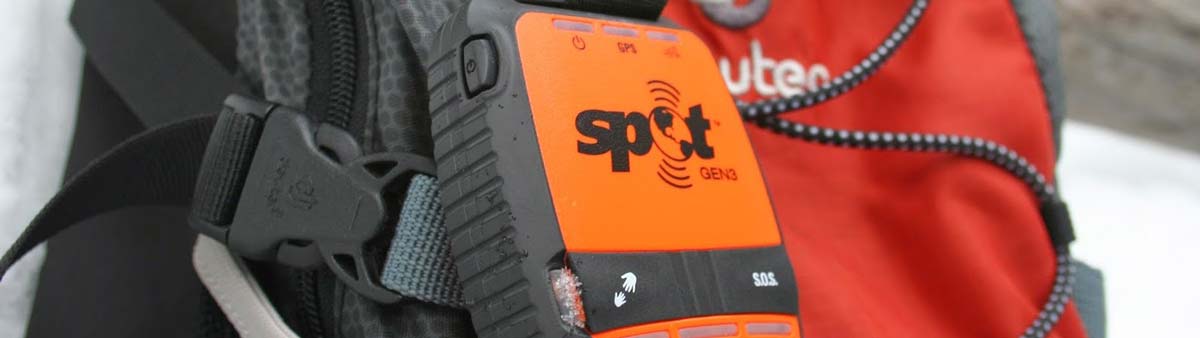
Spot Gen3
SPOT Gen3 is an older model with similar core intent: basic outbound messaging, tracking, and SOS. If you are using an older unit, confirm battery condition, update firmware where applicable, and validate your plan settings before relying on it.
Recommended Retail Price: $239
Active satellite subscription required for SOS.
SPOT Gen3 offers two different service subscription options. Choose between a 12 month contract plan or monthly flex plan. Check current plan pricing and inclusions before purchase.
General specs
- DIMENSIONS: 25.4 x 65 x 87.2mm
- WEIGHT: 114g
- WATERPROOF: IPX7 (1m for up to 30 minutes)
- INTERFACE: USB
ZOLEO
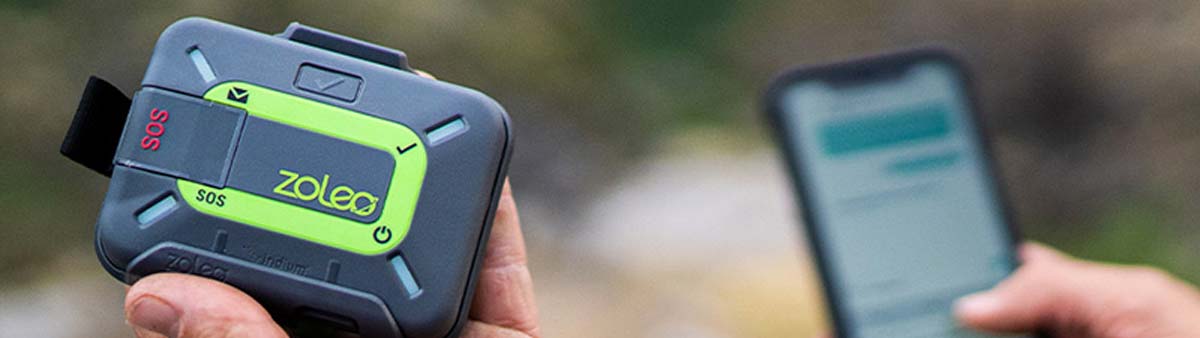
ZOLEO is built around app-based messaging that moves between mobile coverage, Wi-Fi, and satellite as needed. For many users the main appeal is seamless messaging, but it is important to understand the dependency: if your phone is dead or damaged, the messaging experience is reduced.
This does not make ZOLEO a poor choice. It means you should treat phone power and protection as part of the system.
Recommended Retail Price: $345
Active satellite subscription required for SOS
ZOLEO requires an active service plan for satellite messaging, check-ins and SOS. Its paid suspension option preserves the dedicated SMS number, email address and account details, but disables all messaging services, including SOS. Restart and test the service before taking a previously suspended device on a remote hike.
Key features in hiking terms
- SOS with monitoring and status updates through the app.
- Check-in messages to reduce uncertainty for contacts.
- Location sharing as an optional feature.
- Messaging that switches between satellite, mobile, and Wi-Fi coverage.
General specs
- DIMENSIONS: 91 x 66 x 27mm
- WEIGHT: 150g
- WATERPROOF: IP68
- INTERFACE: Micro-USB Type B connector
- CONNECTIVITY:
- Satellite network: Iridium
- Connects via Bluetooth LE (one connection at a time; range of up to 50 m (164 ft))
- Global Navigation Satellite System: GPS, GLONASS
- GPS accuracy: 2.5 m (8.2 ft) under ideal conditions
Which satellite communicator is right for you?
The right device depends on how you hike and what failure modes you are trying to manage.
If you want two-way messaging and a strong ecosystem, the inReach line is a common choice. If you prefer simple outbound check-ins and do not need replies, SPOT can fit. If you like app-first messaging that follows you across coverage types, ZOLEO may suit, provided you manage phone power carefully.
Whatever you choose, build the system around realistic use. Decide who receives your messages, what your check-in schedule is, and what “no check-in” means. Communication only works if your contacts understand the plan.
For a detailed comparison of specific devices, check out this guide.
Hero image: Garmin