The problem with cold weather isn’t just that it demands more fuel. It’s that it also switches off the signal that would normally tell you to eat. Those two things happening at once is what makes appetite suppression genuinely dangerous rather than just uncomfortable: the body needs more energy exactly when it stops asking for it.
This sits within the Hydration and Fuel system of the Trail Hiking Australia Hiking Safety Systems, where energy intake is treated as a safety input, not a comfort issue. Understanding why that signal disappears, and eating deliberately instead of waiting to feel hungry, protects everything downstream of it.
Why the body needs more in the cold
Staying warm costs energy, and in genuinely cold conditions that cost rises more than most people expect, even when the pace feels moderate. Shivering and the body’s non-shivering heat production both draw on the same fuel reserves you’d otherwise be using to move. Wind adds to that drain because it strips heat faster than still air at the same temperature, and wet clothing does the same by pulling warmth out through evaporation long after the rain’s stopped. A long break somewhere exposed adds to it further, since heat bleeds away with nothing being generated to replace it, and because reduced circulation to hands and feet means the body is already redirecting blood toward the core before you’ve noticed you’re cold. Fuel is what keeps that internal furnace running, so without enough of it, heat production drops and hypothermia risk climbs.
Why appetite disappears at the worst possible time
Cold exposure suppresses hunger hormones directly, and stress and fatigue add to that same effect, so the drop in appetite doesn’t come from one cause alone. Altitude, where relevant, adds to it further. At the same time, dry air and heavy breathing dull thirst cues, which means the same mismatch happens with fluids.
There’s a behavioural layer to this too, and it’s easy to miss. During exertion, blood flow shifts away from digestion, which is part of why food stops feeling appealing. Stress hormones and decision fatigue both blunt appetite further, and dehydration itself can mask hunger, so a dehydrated hiker often doesn’t feel hungry even though both problems need fixing. Then there’s what I’d call the layering factor: hikers often skip eating simply because stopping, removing gloves and exposing bare hands to the wind feels like more hassle than it’s worth. In alpine conditions, it’s entirely possible to feel exhausted without feeling hungry at all, and that’s usually exactly the point where eating matters most.
How the deficit shows up
A widening gap between energy demand and intake doesn’t announce itself. It shows up first as a slower pace, clumsiness on terrain that wouldn’t normally cause trouble, slower decisions, or someone going quiet and withdrawn. If intake keeps falling behind, heat production itself starts to decline. Most cold-related incidents aren’t caused by one factor alone. They’re usually inadequate insulation, wind exposure, an energy deficit and dehydration all present together, each one making the others harder to manage. Fuel isn’t separate from staying warm. It’s part of how staying warm actually happens.
Getting food in when it’s hard to eat
In genuinely cold or alpine conditions, some food becomes difficult to eat before it becomes unappealing. Energy bars, chocolate and nut butters can go rock hard, and if something can’t be chewed easily, it won’t get eaten regardless of how good the intentions were going in.
A few things help:
- Keep bars in an inside jacket pocket so they stay closer to body temperature
- Favour softer options like gels or fruit leathers over anything that needs serious chewing
- Pre-open packaging where you can, so eating doesn’t require taking gloves off in the wind
Small and frequent works better than large and heavy
Large meals can make you feel colder for a while after eating, because digestion pulls blood flow toward the stomach and away from the extremities. Eating smaller amounts more often, avoiding heavy meals during genuine exposure, and pairing intake with short sheltered breaks avoids that post-meal chill while still keeping fuel coming in steadily.
Keeping fluids usable in freezing conditions
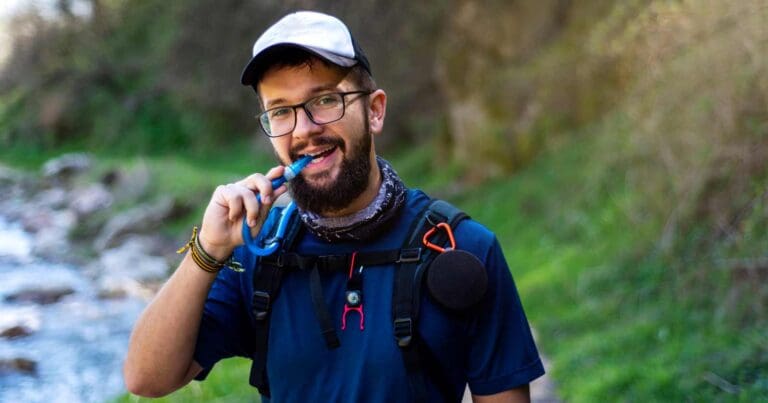
Hydration tends to drop off in the cold for the same reasons appetite does, and if water actually freezes, it stops being an option at all. Insulated bottle sleeves help, and storing bottles upside down matters because water freezes from the top down, so an upside-down bottle keeps the opening usable longest. Hydration bladders are worth backing up with a bottle in genuinely freezing conditions, since the tube is often the first thing to freeze solid. Carrying something warm to drink when it’s practical does double duty, since it delivers hydration and calories at once when solid food isn’t appealing.
What to watch for
Someone who’s stopped eating entirely, fatigue that doesn’t have an obvious cause, clumsiness, slowed responses, or withdrawing from the conversation are all worth treating as signals rather than personality. The response is simple and worth remembering exactly because it’s simple:
Stop. Eat. Add layers. Reassess.
Catching this early is straightforward. Recovering from it once someone’s cold, foggy and still not hungry is a much harder job, and it’s the same set of problems compounding rather than something new.
In cold conditions, appetite is not a reliable guide to when you need to eat. The body needs more fuel exactly when it stops asking for it, so eating on a schedule rather than waiting to feel hungry is what keeps the whole thermal system, and the judgement that depends on it, functioning.