Energy, digestion, and decision-making on the trail
Long or demanding hikes are not limited by fitness alone. They are limited by energy availability. When hikers run out of usable fuel, pace slows, concentration fades, coordination deteriorates, and decision-making suffers. This decline is rarely dramatic at first. It builds quietly over hours until small problems become harder to solve.
Food on the trail is one part of the wider Hiking Safety Systems picture, specifically the Hydration and Fuel system. I treat food as a safety input, not just comfort: it supports cognition, temperature regulation, muscle output, and judgement under load. Fuelling for long, hard days isn’t about snacks. It’s about keeping energy stable enough that everything else doesn’t start to fail.
This guide explains how to fuel deliberately for sustained effort in Australian conditions, and how to avoid the common energy mistakes that compromise safety late in the day.
Why fuelling is a safety issue
Food on a hike does far more than prevent hunger.
Fuel supports:
- Muscle contraction and sustained movement
- Stable blood glucose and mental clarity
- Coordination on uneven terrain
- Heat production in cold or wet conditions
- Emotional regulation under stress
When intake does not match effort, the decline is gradual but predictable. Irritability, poor concentration, sloppy foot placement, and navigation errors often appear before a hiker feels truly hungry.
In endurance sports this state is commonly called “bonking” or “hitting the wall.” On the trail, it often looks like fatigue, frustration, or indecision.
Understanding energy demand on the trail
Energy demand increases with:
- Distance and duration
- Elevation gain and steep terrain
- Pack weight
- Cold exposure
- Heat stress
- Rough or unstable ground
Calorie burn is highly individual, but most hikers underestimate how much energy sustained climbing, descending, and load carrying require. Many eat lightly during the day and only realise late in the afternoon that their capacity to think clearly has declined.
Fuel planning should assume higher demand than a normal day at home.
Fuel early, fuel regularly
Large, infrequent meals are rarely effective on the move. They are difficult to digest under exertion and often lead to long gaps between intake.
Instead:
- Eat small amounts regularly
- Start earlier than you think necessary
- Avoid waiting for strong hunger signals
A steady intake of carbohydrates with some fat and protein helps stabilise blood glucose and reduce sharp energy crashes.
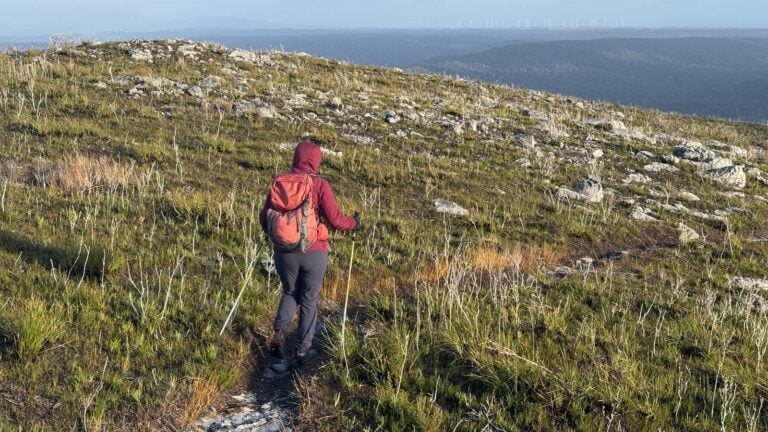
If you have to remove your pack to eat, you are unlikely to eat often enough. Keep small “pocket fuel” items in hip-belt pockets or shoulder pouches so intake can happen while moving.
Energy density and pack weight
Longer or harder days require foods that deliver meaningful energy without excessive bulk.
Energy-dense options may include:
- Nuts and nut butters
- Dried fruit
- Cheese and cured meats
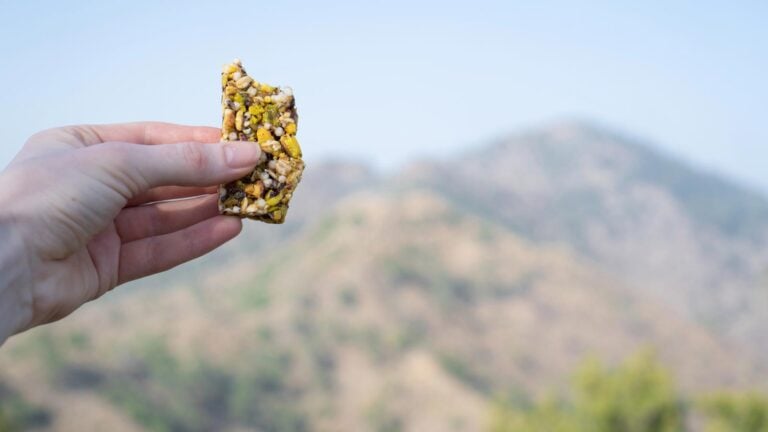
- Energy bars
- Chocolate
- Trail mix combinations
While energy-dense, highly processed foods can cause sugar crashes or gut distress in high heat. A mix of quick carbohydrates and slower-digesting foods generally performs better than relying on pure sugar alone.
Thirst versus hunger confusion
Thirst and hunger signals can overlap.
It is common for hikers to assume that feeling flat, fatigued, or irritable is a hydration problem. If you have been drinking steadily but still feel “off,” it is often an energy deficit rather than a water one.
Hydration and fuelling must work together. Increasing water intake without increasing calories does not fix an energy shortfall.
Managing appetite loss in heat or cold
Appetite often declines in hot or cold conditions, even when energy demand is high.
In heat, heavy food can feel unappealing. In cold, fatigue and stress suppress hunger cues. Unfortunately, these are the times when fuel matters most.
Fuel is the wood for your internal furnace. In cold conditions, inadequate intake directly increases hypothermia risk.
If chewing feels difficult under high exertion, consider simpler textures or liquid calories such as standard sports drinks or meal replacement powders as a temporary strategy. These should not replace proper planning but can help prevent a developing energy deficit.
Timing food to avoid the crash
Energy crashes rarely arrive without warning.
Early signs include:
- Sudden drop in pace
- Loss of motivation
- Difficulty concentrating
- Clumsiness on technical terrain
- Unusual irritability within the group
Respond early. Stopping briefly to eat and drink at the first signs of decline is far more effective than pushing on until a full crash develops.
Once you have “hit the wall,” recovery takes longer and performance may not fully return that day.
Balancing macronutrients on long days
For sustained effort:
- Carbohydrates provide quick, accessible energy
- Fats offer high energy density for longer durations
- Protein supports muscle repair and satiety
There is no perfect ratio for every hiker. The goal is consistency and tolerance. Choose foods you have tested during training hikes rather than experimenting on remote or committing days.
Gut distress, nausea, and bloating reduce intake and can escalate quickly in heat or stress.
Cold conditions and energy deficits
Cold environments increase calorie demand through heat production. At the same time, appetite may decrease.
This mismatch creates risk. A hiker who is under-fuelled in cold, wet, or windy conditions loses both physical strength and thermal resilience.
In alpine or exposed terrain, energy deficits compound quickly. Regular intake becomes a safety behaviour, not just a performance strategy.
Fuel based on effort rather than distance alone, eat early and often rather than waiting for hunger, and keep snacks within reach so intake doesn’t depend on stopping. Sustained energy supports clear thinking, and clear thinking protects every other system on the trail.



What’s your go-to snack for hiking? Do you prefer something high in carbs or a mix of protein and fats to keep you fuelled on the trail?
Love the Camel back on #canningstockroute hikes with dried fruits 🍎🍐🍍🥭 Jerky.com
Vince-Tania Pacenza Margaret Jervis Gee Young
Natalia Aidone I was dehydrated when I did the overland. It had a big impact on me.