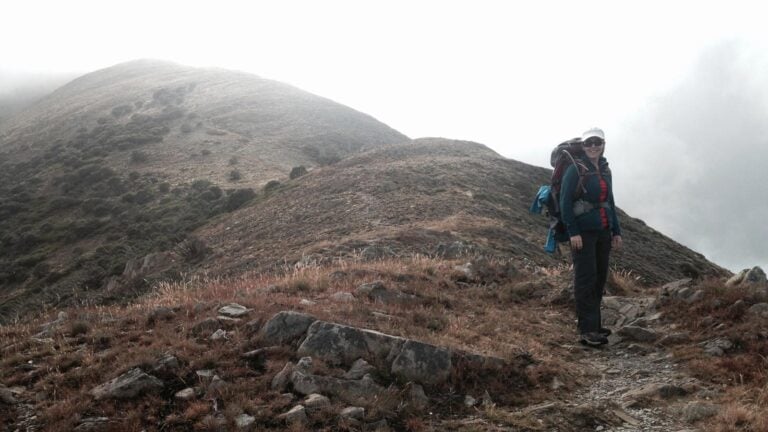
On overnight and multi day hikes, food planning turns into a logistical exercise. Every calorie has to be carried, water availability can’t be guaranteed, and cooking time is often squeezed by weather, daylight, and how tired you are by the time you reach camp.
Freeze dried meals are one answer to that problem, though I don’t think they’re essential for every trip. Where they earn their place is when weight, space, and simplicity actually matter, and used deliberately, they can be a genuinely efficient part of a multi day fuel strategy.
Why freeze dried meals are popular
The first reason is weight and bulk. Freeze drying removes almost all the moisture from food, which is why freeze dried meals are one of the more efficient ways to carry a complete dinner on a longer hike. On multi day trips, where pack weight affects your pace, your joints, and how tired you are by the end of the day, that reduction adds up fast.
Shelf life is the second reason people reach for them, though I’d be careful with any claim that they simply “last for years” without qualification. Commercial freeze dried meals are often rated for extended shelf life, but check the specific product’s use-by date rather than assuming a universal figure applies. What is true across the board is that they’re more stable than fresh ingredients, which matters in warm Australian conditions where spoilage risk is real.
Then there’s preparation. Most freeze dried meals ask nothing more of you than boiling water: add it, seal the pouch, wait, stir, eat. After a long day I’ve come to appreciate that simplicity more than I expected to. Less cooking time means less stove fuel burned, less time standing around in cold evening air, and one less decision to make when you’re fatigued. Because the meal rehydrates in its own pouch, there’s no pot to wash either, which saves water and keeps your hands dry in cold conditions. In alpine weather, I’ve used the warm pouch itself as a brief hand warmer while the meal softens.
None of that works if your stove fails or you don’t have enough water to spare. If the stove does let you down, most freeze dried meals can be cold soaked as a fallback, but budget one to two hours for it and don’t expect the texture to be pleasant.
Energy density is the other drawcard. Freeze dried meals pack a lot of energy relative to their carried weight, but the serving size printed on the packet can be misleading. Many “single serve” meals are based on standard daily dietary guidelines rather than what a high output hiking day actually demands, so after a long climb or a big distance day, one pouch may not be enough for proper recovery. Check the total kilojoules or calories per meal rather than trusting the serving label, and don’t be surprised if one and a half or two servings turns out to be the realistic dinner after a demanding day.
Practical limitations
Freeze dried meals bring trade offs alongside the efficiency. The most obvious is water dependence: rehydration needs water, so on dry routes or in places with limited water access, that becomes something to plan around rather than assume. You’re effectively carrying dehydrated food that still needs reconstituting before it’s edible, and because many of these meals are high in sodium, they can increase your fluid demand on top of that. Make sure your evening water plan covers both rehydration and drinking.
Sodium cuts both ways. It helps with electrolyte replacement during heavy sweating, but too much without enough fluid leaves you thirsty and uncomfortable. Some brands are also fairly high in fibre or carry preservatives that don’t sit well under exertion, and gut discomfort at the end of a long day can wreck your recovery and your appetite the next morning. I’d test any new meal at home before committing to it on a remote multi day hike, because digestive tolerance varies more than people expect, especially under load.
Texture is the other variable. How well a meal rehydrates depends on water temperature and how patient you are: cold conditions mean longer softening times, and skimping on stirring or wait time leaves you with an uneven meal. Taste fatigue is real too. Carrying the same meal for several nights in a row can kill your appetite for it well before the trip is over. A sachet of olive oil, a handful of nuts, or some grated hard cheese stirred through adds meaningful energy and improves the mouthfeel without adding much weight.
Cost is the last trade off worth naming. Freeze dried meals are typically more expensive per calorie than supermarket staples like pasta, rice, couscous, or oats. If you hike often, that adds up. They buy you convenience and weight savings, not cost efficiency.
When freeze dried meals make sense
Freeze dried meals earn their place when pack weight has to be minimised, daily distances are long, resupply is limited, evening cooking time needs to be short, or you simply want the day to end without fuss after a hard slog. They matter less on shorter trips, where fresh ingredients are manageable to carry and water isn’t scarce.
Fitting them into your fuel plan
Freeze dried meals work best as one part of a broader energy strategy rather than the whole of it, most useful for evening meals, the occasional cooked lunch, or as an emergency reserve on longer routes. They’re not a substitute for daytime carbohydrate intake, regular snacking, or hydration planning, and I always check calorie content, sodium levels, water needs, and my own digestive tolerance before settling on a brand or portion size.
I think of freeze dried food as a practical tool rather than a necessity. When weight, space, and preparation time matter most, it’s a clear logistical win. When water is scarce, the budget’s tight, or cooking is part of why you’re out there, other approaches can work just as well. Either way, food on a multi day hike isn’t really about taste. It’s about recovery between days, steady energy, and clear thinking when you’re tired. Used with a bit of thought, freeze dried meals can do that job efficiently.