Heat exhaustion is common on hikes and it can get serious quickly, because it develops when the body can’t keep up with regulating its own temperature. It usually builds gradually, and I’ve seen it mistaken for plain fatigue or dehydration more than once, particularly on warm or exposed walks. If it isn’t recognised and managed early, heat exhaustion can progress to heatstroke, which is a medical emergency.
This guide explains how heat exhaustion develops, how to recognise early warning signs, and how to respond effectively on the trail.
Why heat exhaustion occurs
Heat exhaustion occurs when the body produces more heat than it can dissipate. Contributing factors include high temperatures, humidity, sun exposure, sustained exertion, inadequate rest, and insufficient cooling. Carrying a heavy pack, wearing poorly ventilated clothing, or moving through exposed terrain can further increase heat load.
Heat exhaustion isn’t simply dehydration, and I think that distinction gets missed often. Fluid loss can contribute, but heat exhaustion reflects a failure of the body’s cooling mechanisms. A person can be drinking regularly and still develop heat exhaustion if exertion and environmental heat keep building faster than heat can be shed.
Common signs and warning indicators
Heat exhaustion usually presents as a combination of physical and cognitive changes rather than a single clear symptom. Early signs often include increasing fatigue, weakness, headache, dizziness and nausea, along with a noticeable drop in pace. People may appear pale, sweaty, or clammy and may struggle to concentrate or make sound decisions.
As the condition progresses, coordination can deteriorate and behaviour may change. Irritability, confusion, unsteadiness, or an unusual quietness are significant warning signs and shouldn’t be dismissed as normal tiredness.
Heat exhaustion versus dehydration
Heat exhaustion and dehydration frequently occur together and share overlapping symptoms, which can make them genuinely difficult to distinguish on the trail. Dehydration primarily reflects fluid loss, while heat exhaustion reflects the body’s inability to regulate temperature, which is why drinking water alone may not resolve heat exhaustion if exertion and heat exposure continue.
If someone rests, drinks, and eats but fails to improve, or continues to worsen, I’d suspect heat exhaustion rather than assume it’s dehydration alone.
What to do if heat exhaustion is suspected
If heat exhaustion is suspected, act early and decisively. Stop activity or reduce it significantly and move the person into shade or a cooler environment if possible. Remove packs, loosen clothing, and allow the body to rest. Encourage small, steady sips of fluid rather than large volumes, and provide food if the person is able to eat.
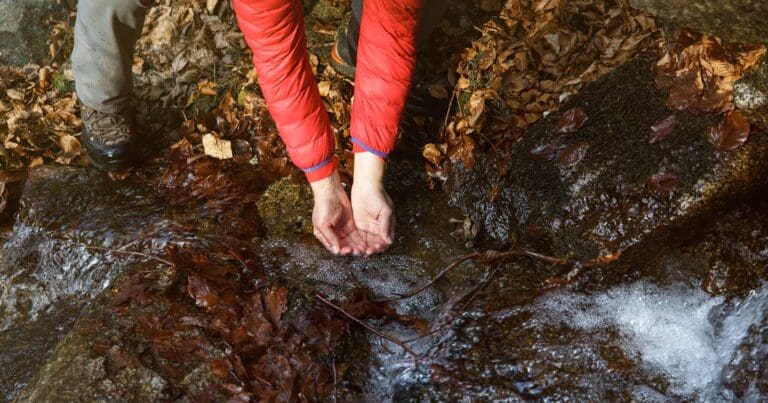
Active cooling is often effective and should begin as soon as possible. This may include fanning, wetting clothing, applying cool water to exposed skin, or placing hands and feet in cool water if available. Improvement should begin once heat load is reduced and rest is taken.
When to escalate the response
Heat exhaustion becomes more serious if symptoms persist or worsen despite rest and cooling. Ongoing confusion, vomiting, inability to walk steadily, collapse, or failure to improve should be treated as signs that the condition may be progressing toward heatstroke.
At this point, continuing the hike is unsafe. Seek assistance, activate emergency communication if available, and prioritise cooling and rest while awaiting help. In Australia, call Triple Zero (000) if symptoms are severe or deteriorating.
Preventing heat exhaustion while hiking
Preventing heat exhaustion relies on conservative planning and early adjustment rather than endurance. Reduce pace during hot or exposed sections, take regular breaks, and actively seek shade where possible. Wear breathable clothing, manage pack weight, and plan routes that allow flexibility if conditions change.
Hydration supports temperature regulation but isn’t a standalone solution. Eating regularly, allowing time for acclimatisation in hot conditions, and being willing to adjust plans early are equally important.
Heat exhaustion develops gradually and is often mistaken for ordinary fatigue, and it can occur even when someone is drinking regularly, which is why a dropping pace, dizziness, headache and poor coordination are worth watching for rather than waiting for something more dramatic. Stopping, resting, and cooling the body as soon as symptoms appear, rather than pushing on and hoping it settles, is what keeps this from progressing toward heatstroke. Recognising heat exhaustion early and responding appropriately is one of the most effective ways to reduce serious heat-related risk on the trail.