Safe hiking isn’t complicated. But it does require some deliberate thinking before you leave the car park, not just on the trail when something starts going wrong.
The WALK SAFE initiative from Bushwalking Victoria was developed to give both new and experienced walkers a practical framework for safer bushwalking. The principles behind it apply well beyond Victoria. This guide builds on those foundations with practical advice for anyone heading into the Australian bush.
Plan Before You Leave
Most hiking incidents don’t begin on the trail. They begin at the planning stage, or the lack of it.
Before any walk, work through these basics:
- Route. Know where you’re going and how long it realistically takes. Don’t rely on app estimates alone. Check recent trip reports for current conditions.
- Weather. Check forecasts the night before and the morning of your walk. Victorian mountain weather in particular can shift rapidly regardless of season.
- Clothing and layers. Dress for the conditions you might encounter, not just the conditions at the trailhead. Temperature drops quickly with elevation and after dark.
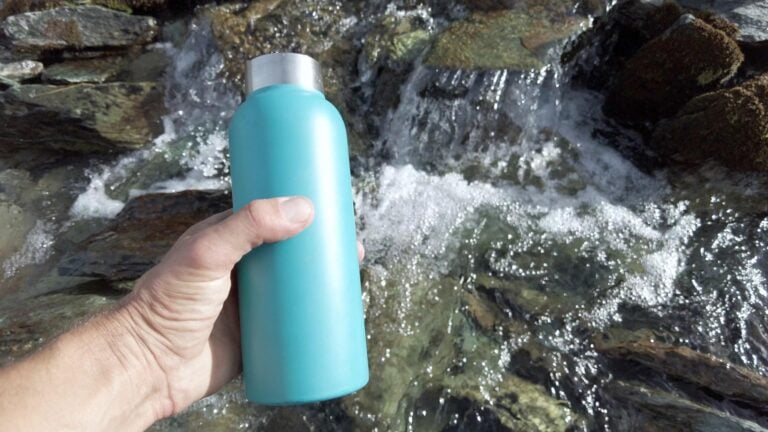
- Food and water. Carry more than you think you need. Know where reliable water sources are on your route and have a means of treating water collected on the trail.
- Tell someone. Leave your route details and expected return time with a person who will raise the alarm if you don’t check in. A trip intention form with the relevant park authority adds another layer.
Know the Hazards
Planning covers where you’re going, what you’re carrying, and who will raise the alarm if you don’t return. It doesn’t automatically prepare you for what you’ll actually meet once you’re moving, and Australian bush presents hazards that aren’t always obvious to newer walkers. Being aware of them in advance changes how you move and make decisions on the trail.
- Navigation errors. Dense bush can look identical in every direction. Trails can be faint or unmarked. Carry a map and know how to use it alongside any digital tools.
- Heat and dehydration. Heat stress develops faster than most people expect, particularly on exposed ridgelines and during summer. Hydrate before you feel thirsty.
- Changing weather. What starts as a clear morning can become a cold, wet afternoon. This is especially true in alpine and sub-alpine terrain.
- Fatigue and time pressure. Running out of daylight is a leading factor in hiking incidents. Set a turnaround time and keep to it regardless of how close the destination feels.
- Wildlife. Snakes are active in warm months and are present across all terrain types. Watch where you step and place your hands. Most encounters are avoidable with basic awareness.
Match the Walk to Your Experience
Bushwalking Victoria is clear on this point: inexperienced parties should avoid remote areas where outside help may not be readily accessible in an emergency. That’s because a manageable situation can escalate quickly once you’re hours from assistance.
Build experience progressively. Start with well-marked, popular trails close to services. Extend distance, elevation, and remoteness gradually as your navigation skills, fitness, and bush knowledge develop. Each step out builds the capacity for the next one.
The fastest way to build that experience is to walk with people who already have it.
Join a Bushwalking Club
This remains one of the most practical pieces of advice for anyone new to hiking in Australia. Clubs offer structured walks across a range of grades, led by experienced members who know the terrain. You gain direct exposure to navigation, hazard assessment, and decision-making in real conditions, alongside people who can show you how it’s done rather than just describe it.
Bushwalking Victoria maintains a directory of affiliated clubs across the state. Most welcome new members regardless of experience level.
The WALK SAFE Resource
The full WALK SAFE guide is available through the Bushwalking Victoria website and covers these foundations in detail. It’s worth reading before your first multi-day walk or before moving into more remote terrain.
For broader preparation guidance, the hiking skills section of this site covers navigation, gear selection, and safety systems in depth. Overnight hike listings and Victorian trail guides are also available if you’re planning your next walk.



What specific tips or experiences have you found helpful when preparing for a bushwalk in Victoria?
I was just thinking about this a hour or so ago.
One of my main things is if it’s over 25 top temp as a forecast in summer even if its going to change later I don’t go out, simple as that.
When its over 25 in Vic and you get a cold change it will usually be violent and perhaps as the temp gets up to around 30deg, lightning will be about with the change. Northerly winds normally are about when its over 25 and that’s not good for fires.
So it is like that nothing else even gets thought about because it’s off.