Managing supervision, energy and attention on the trail
Hiking with young children is less about distance and more about managing energy, supervision, and attention. Toddlers and primary-aged children experience the outdoors intensely, but they tire quickly, are easily distracted, and rely heavily on adults to manage risk. This guide focuses on how to plan and pace hikes for younger kids, how to keep them engaged without pressure, and how to recognise when it’s time to slow down or turn back.
Choose walks that support constant supervision
Young children require close, continuous supervision, especially near hazards such as drop-offs, water, uneven ground, and slippery surfaces. Walks with wide tracks, predictable terrain, and clear sightlines are far easier to manage than narrow or exposed routes. Avoid hikes where a momentary lapse in attention could have serious consequences. If a track requires sustained focus from adults just to manage risk, it may not be suitable for younger children.
Keep distances short and expectations flexible
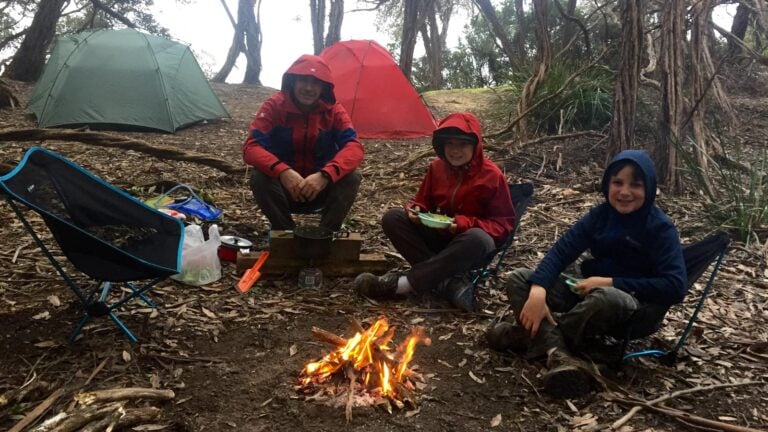
Young kids move slowly and unpredictably. Short distances with plenty of time built in usually result in a better experience than longer walks that feel rushed. Plan for frequent stops and accept that progress may be uneven. Exploring rocks, sticks, insects, and creeks is not a distraction from the hike. For young children, it is the hike.
Manage energy early and often
Children burn energy quickly and often do not recognise early signs of hunger or fatigue. Regular snacks and drinks offered before energy drops help prevent frustration and emotional crashes. Carry more food and water than you expect to need and use short breaks to reset energy and mood. Addressing small needs early reduces the likelihood of bigger problems later.
Use simple engagement to support focus
Simple tools can help young children stay engaged without encouraging them to rush. Letting a child carry a small pack, take photos, or help look for track markers can provide focus and a sense of involvement. These activities should always be optional and closely supervised. Engagement supports attention and pacing, but safety decisions remain the responsibility of adults.
Build confidence without pushing independence
Young children are still developing coordination, judgement, and risk awareness. While it’s valuable to encourage curiosity and confidence, independence needs to be introduced slowly and within clear boundaries. Stay close near hazards, reinforce simple rules such as stopping at junctions, and model careful movement. Confidence built through positive, supported experiences lasts far longer than confidence forced by pressure.
Know when to stop or turn back
With young kids, stopping early is often the best decision. Fatigue, hunger, cold, or emotional overload can escalate quickly and make simple problems harder to manage. Ending a walk while everyone is still enjoying themselves helps children associate hiking with success rather than exhaustion. There will always be another day to go further.